 Jian Zhao
Let's be honest. Many "ancient towns" in China feel like movie sets—beautifully restored but ultimately hollow, filled with identical souvenir shops and overpriced snacks. You walk in, take a few photos, and leave wondering what the point was. If that's your experience, Chenlu will be a revelation. This isn't a preserved relic; it's a living, breathing, working community where the primary industry for over 1400 years—ceramic production—is still the heartbeat of daily life. The air smells of clay and coal smoke, not commercialized tourism. I spent three days there, getting lost in its labyrinthine alleyways, chatting with potters in their cave-dwelling workshops, and eating noodles from bowls made just down the street. This guide is everything I wish I'd known before going.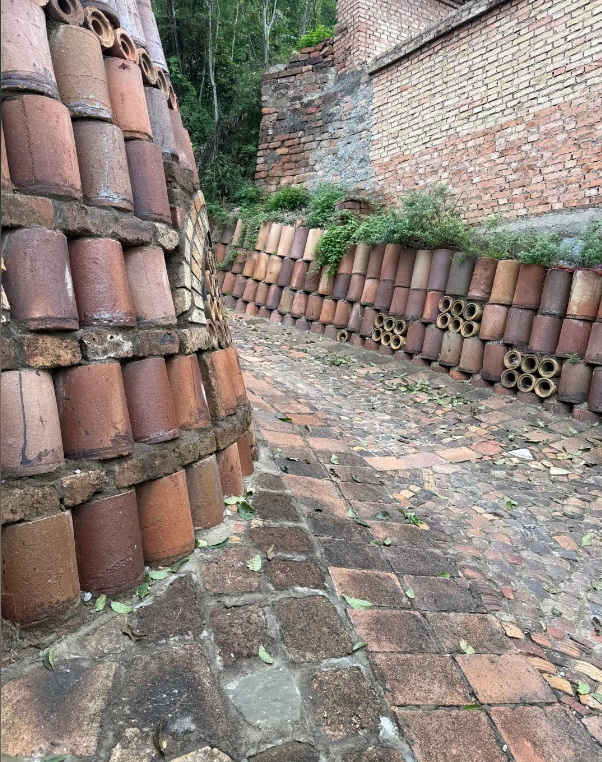
What You'll Find in This Guide
Why Chenlu Feels So Different
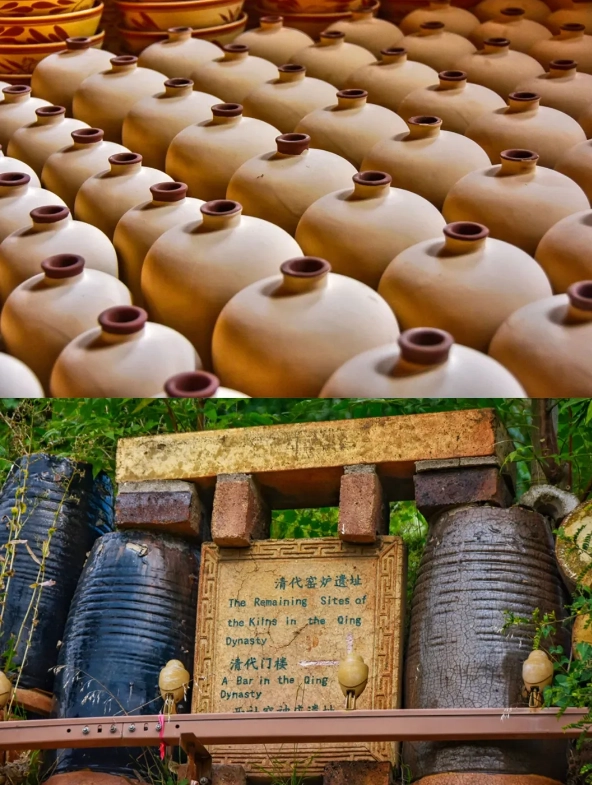
Chenlu's magic lies in its uninterrupted continuity. While other towns were gentrified, Chenlu's residents never stopped making pottery. The entire town is built on a slope, and its architecture is a direct function of the kiln industry. Houses are constructed with "jar walls"—thousands of discarded saggars (the protective boxes used for firing pottery) stacked together. Walking up the main stone-paved lane, you'll see these unique walls everywhere, each jar a testament to centuries of production. You're not observing history from behind a rope; you're walking through a functional, albeit aging, industrial landscape. The rhythm is slow, the people are genuinely curious about visitors (you'll get a lot of friendly stares), and there's a palpable sense of pride in the craft. It's gritty, authentic, and completely captivating.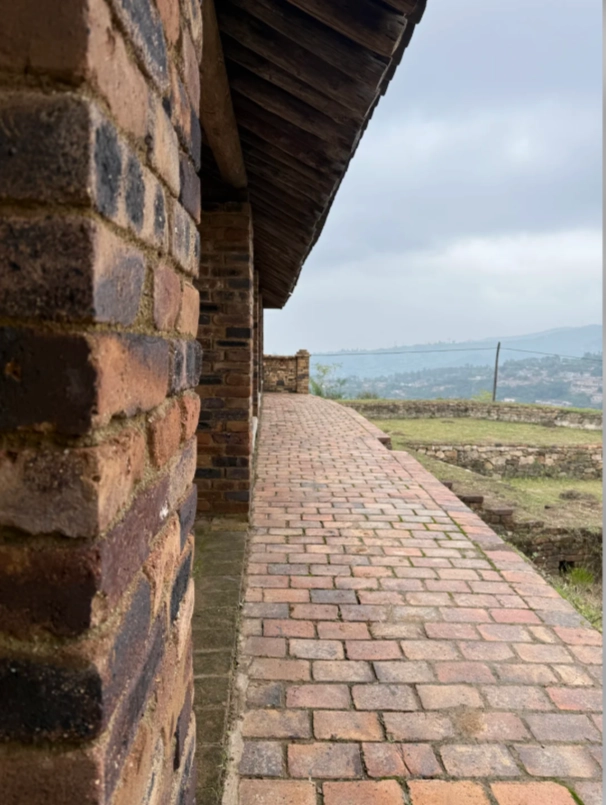
Address: Chenlu Town, Yintai District, Tongchuan City, Shaanxi Province. There's no specific "gate" address; the entire hillside is the town.
Admission Fee: FREE. Unlike many commercialized ancient towns, there is no entrance ticket.
Opening Hours: 24/7. It's a living town. However, individual workshops, museums, and shops have their own hours, typically from around 8:30 AM to 6:00 PM.
Best Time to Visit: Spring (April-May) and Autumn (September-October) for pleasant weather. Summer can be hot, and winter is quite cold but offers a stark, beautiful atmosphere.
How to Get to Chenlu Ancient Town
This is the biggest hurdle for most visitors, and where most generic guides fail. Chenlu is remote. There's no high-speed rail station at its doorstep. Your determination to get here is part of the adventure.
Option 1: From Xi'an by Public Transport (The Budget Route)
This involves three stages. I did this on my first trip, and while it's an experience, it requires patience.
- Xi'an to Tongchuan: Take a long-distance bus from Xi'an's Chengdong Bus Station to Tongchuan's Yaozhou District. Buses run frequently, take about 1.5 hours, and cost around 30 RMB. Don't get off at Tongchuan's main station; ensure your ticket says "Yaozhou."
- Tongchuan (Yaozhou) to Chenlu: This is the tricky part. You need to find the local bus stop for the Chenlu-bound minibus (look for signs saying ask locals). These green minibuses are infrequent, maybe one every 1-2 hours. The ride is about 40 minutes of winding mountain roads and costs under 10 RMB. They drop you at the lower entrance of the town.
- Return Tip: The last minibus back to Tongchuan often leaves Chenlu around 4:30 PM. Miss it, and you're stranded.
Option 2: Private Car or Taxi (The Recommended Route)
After the hassle of public transport, I strongly recommend this. The cost is higher but the time and stress saved are immense.
- From Xi'an: Hire a car for the day. A round-trip from Xi'an will take about 3 hours total driving time (one-way is roughly 1.5 hours). The cost for a private car can range from 600 to 900 RMB for the day, depending on your negotiation skills and vehicle type. The driver will take you directly up the mountain to the town entrance.
- From Tongchuan: You can also hire a taxi from Tongchuan's Yaozhou district for a round trip, which will be cheaper, around 200-300 RMB, including waiting time.
The mountain road is well-paved but has many curves. If you get carsick, be prepared.
Exploring the Town: A Street-by-Street Breakdown
Don't just wander aimlessly. The town has a loose but logical structure based on its kiln history.
The Main Paved Lane (The Spine)
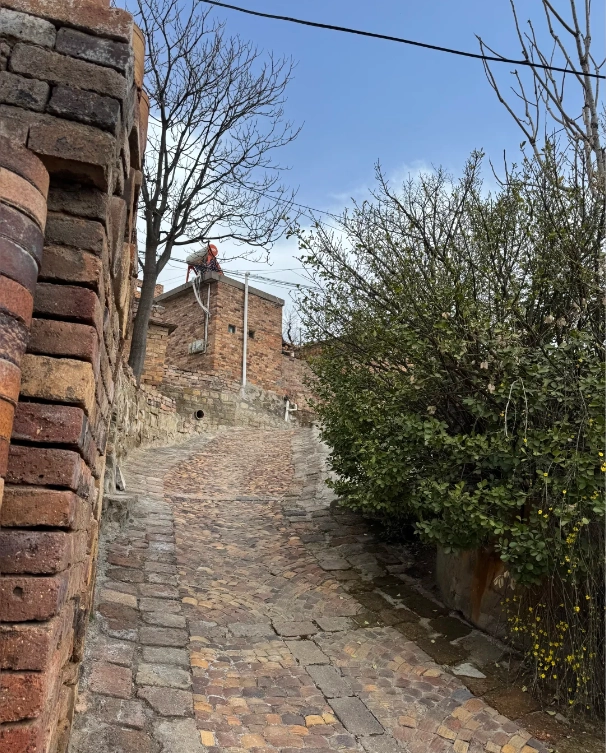
This is your starting point. It winds up the hill, lined with older shops and homes. Follow it upwards. About halfway, look for a small, unmarked courtyard on your left—this is often where local elders sit and sun themselves. They might invite you in for tea if you smile and look curious.
The Ceramic Workshop Clusters
Veer off the main lane into any narrow alley. You'll hear the whir of pottery wheels before you see them. Workshops are often family-run, in cave dwellings dug into the hillside. I stumbled into one where the potter, Mr. Li, was throwing a large jar. He didn't speak much English, but through gestures, he showed me how the local black clay feels different—grittier, more elastic. Most workshops are open for you to peek in. A nod and a smile are your entry ticket.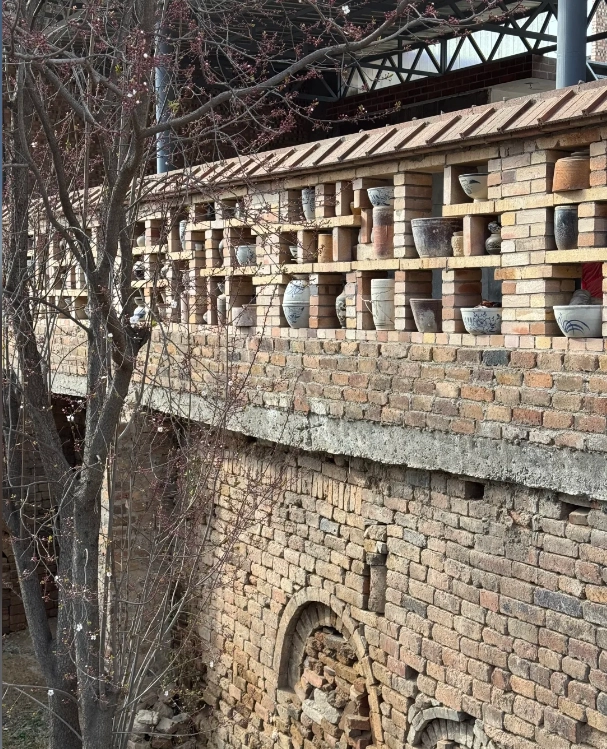
Must-Visit Stops
- The Chenlu Ancient Kiln Folk Custom Museum: A small, free museum that gives essential context. It has models of traditional kilns and displays of historical pottery. Visit this first to understand what you're seeing outside.
- The Viewing Platform: Keep climbing to the highest point you can find. The panoramic view of the town cascading down the hill, with kiln chimneys and jar walls, is the iconic shot. It's especially breathtaking at sunset.
- The "Porcelain Piece" Path: Behind some houses, you'll find paths paved entirely with broken pottery shards—plates, bowls, jar handles. It's a surreal and beautiful example of nothing going to waste.
Hands-On Ceramic Workshops & Where to Buy
You can buy pottery everywhere, but quality and authenticity vary wildly.
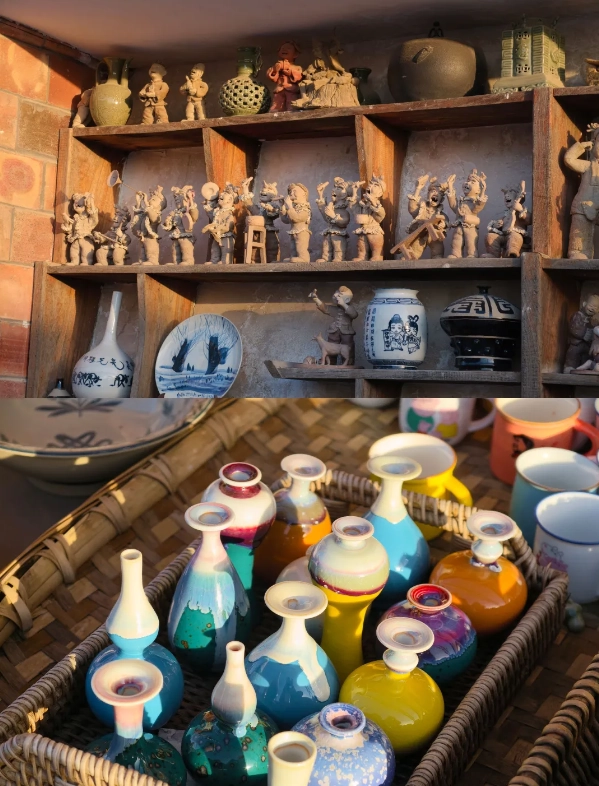
For a hands-on experience, several workshops offer short pottery throwing sessions. I tried one run by a young couple. For about 80 RMB, I got 30 minutes on the wheel with guidance (my bowl looked terrible, but it was fun). They fire and glaze it for you, but you'll need to pay extra for shipping or return to pick it up weeks later.
| Type of Ceramic | Where to Find It | Price Range (Approx.) | Good For |
|---|---|---|---|
| Traditional Black & Brown Glaze Tableware | Family workshops in the middle alleys | 20 - 100 RMB per piece | Daily use, authentic souvenirs |
| Modern Artistic Pieces | Studios near the viewing platform | 100 - 500+ RMB | Decorative art, gifts |
| Miniature Replica Kilns & Figurines | Shops on the main lane | 10 - 50 RMB | Small trinkets, kids |
Itinerary Planning: One Day vs. Two Days
The Perfect Day Trip (From Xi'an)
This is tight but doable if you hire a car.
- 8:00 AM: Depart Xi'an by private car.
- 9:30 AM: Arrive in Chenlu. Start exploring the main lane.
- 10:30 AM: Visit the Folk Custom Museum.
- 11:30 AM - 2:00 PM: Get lost in the alleyways, visit workshops, climb to the viewing platform.
- 2:00 PM: Late lunch at a local family restaurant (see next section).
- 3:00 PM: Final pottery shopping or a quick hands-on session.
- 4:00 PM: Depart for Xi'an.
The Relaxed Two-Day Immersion
This is how to truly feel Chenlu's rhythm. Stay overnight.
- Day 1: Arrive in the afternoon. Settle into your guesthouse. Take an evening stroll when the tour groups have left. Watch the kiln fires light up as dusk falls. Have a slow, hearty dinner.
- Day 2: Wake up early with the town. Visit workshops when they're most active. Take your time with a pottery class. Explore the peripheral areas most day-trippers miss. Depart in the late afternoon.
Local Food & Where to Stay Overnight
Don't expect fancy restaurants. Food here is hearty, simple, and served in the local pottery.
What (and Where) to Eat
- Chenlu Noodles : The must-try. These are thick, chewy buckwheat noodles served in a savory broth, often with lamb or tofu. I had my best bowl at a nameless eatery halfway up the hill—just look for a place with locals sitting on low stools.
- Pottery-Baked Buns : Bread baked inside clay jars, giving it a unique, slightly smoky crust. You can buy these from street vendors.
- Home-style Dishes: Many family guesthouses will cook for you if you ask in advance. Expect dishes like scrambled eggs with tomatoes, braised pork, and stir-fried wild greens.
There are no standardized addresses. The best strategy is to follow your nose and look for places with the most steam coming out the door around lunchtime.
Accommodation Options
Accommodation is basic but clean and full of character. Book in advance via Chinese travel apps like Ctrip or by calling directly.
| Name (Type) | Key Feature | Approx. Price Per Night | Note |
|---|---|---|---|
| Chenlu Ceramic Culture Guesthouse | Traditional courtyard, some rooms have kiln views | 150 - 250 RMB | The most popular; books up fast on weekends. |
| Local Family Homestays | Authentic experience, home-cooked meals | 80 - 150 RMB | You find these by asking around; no online booking. |
| Tongchuan City Hotels | Modern comfort, more amenities | 200 - 400 RMB | Requires commuting to Chenlu daily (30-40 min drive). |
Your Chenlu Questions Answered
Is the drive to Chenlu Ancient Town safe for a nervous driver?
The road is paved and in good condition, but it's a continuous series of winding uphill curves with some steep drop-offs. There are guardrails. If you're a confident driver who doesn't mind mountain roads, you'll be fine—just go slow. If the thought makes you anxious, hire a local driver from Tongchuan. They know every turn.
What's the one thing most visitors miss in Chenlu?
The backside of the hill, opposite the main viewing platform. Fewer people go there. You'll find more "jar wall" houses in a state of gentle decay, quieter workshops, and incredible views looking back at the main town cluster. It feels even more untouched.
 Can I buy genuine, usable pottery here, or is it all decorative?
You absolutely can buy functional ware. The black-glazed rice bowls and tea cups are meant for daily use. A key test: ask if you can pour hot water into it. The good, properly fired pieces will be fine. The cheaper, tourist-grade ones might crack or leak glaze. A workshop owner taught me to tap it lightly—a clear, ringing sound is better than a dull thud.
Is Chenlu Ancient Town suitable for families with young kids?
It depends. There are no playgrounds or stroller-friendly paths. The alleyways have uneven steps and steep sections. However, kids fascinated by "making stuff" will love seeing the potters at work and maybe trying a mini wheel. For toddlers, it could be challenging. For school-age children, it's a unique, educational experience far from typical theme parks.
How do I communicate if I don't speak Chinese?
You'll manage with gestures, a translation app, and smiles. In workshops, pointing and mimicking work wonders. For critical things like hiring a car or ordering food, have your hotel concierge in Xi'an or Tongchuan write down key phrases in Chinese characters on a card for you (e.g., "Chenlu Ancient Town, round trip, wait for me"). It's part of the adventure.
Chenlu isn't polished. You might see crumbling walls, smell the coal used in the kilns, and find the bathrooms very basic. But that's the point. It's a rare window into a vanishing way of life, a community that built its world from clay and fire. Go with an open mind, comfortable shoes, and a willingness to wander. You won't just see an ancient town; you'll feel the persistent, gritty pulse of its history, still beating strong.
This guide is based on my personal visit and observations. Information like transport schedules and prices can change; it's always wise to double-check locally before finalizing plans.






This is pottery heaven. I'm a ceramic artist myself and I was blown away by the centuries-old techniques still practiced here. The locals are happy to chat (with a bit of gesture) and even let me try their traditional kick-wheel. Picked up a hand-painted plate for next to nothing. The whole town feels alive with clay and fire. A must-visit before mass tourism changes it forever!
Loved the raw, unpolished vibe of this place. You can literally walk into functioning kilns and see the entire process from mud to finished bowl. The ceramic shard mosaics on the walls are stunning. Only gave it 4 stars because it's quite remote—public transport takes forever and the local food options are very limited. But if you have your own car and pack snacks, it's a fantastic day trip.
Came expecting a quaint pottery village, but found a chaotic maze of narrow lanes and barking dogs. Some workshops felt more like souvenir shops with inflated prices for tourists. The scenery is unique though—those crushed pottery shards covering the streets are unlike anything I've seen. If you're into offbeat photography, it's worth a quick stop. Just don't expect a polished experience.
Absolutely magical at sunset. The tiled pathways shimmer under the golden light and the smell of smoke and clay is strangely comforting. Got to try throwing a pot myself with the help of an elderly master—he had so much patience! The only downside is that there aren't many English signs, but that just adds to the adventure. Highly recommend renting a local guide.
Spent a whole afternoon just wandering the alleys and watching the kilns fire up. The locals are incredibly friendly and showed me how they shape clay by hand. Bought a small tea cup directly from the workshop—only 15 yuan! The whole place feels like a living museum. Definitely a hidden gem for anyone who loves authentic craft.
Chenlu is worth a half-day trip, but be prepared for a bumpy ride. The road from Tongchuan is full of potholes. Once there, the living kiln vibe is cool – you can actually see families firing pots in their backyard. I liked that it's not overly commercialized. However, food options are very limited (only one tiny noodle shop with no menu). Also, many paths are slippery with clay dust. I give it 4 stars – authentic but not tourist-friendly.
What a gem! I came for the kilns but stayed for the mountain views. The town is built on a slope, and every alley reveals another workshop with smoke rising from chimney pipes. I met an elderly man who demonstrated how to throw a pot with no electricity – pure muscle and experience. Bought a small celadon cup for 20 yuan. The lack of crowds in October made it peaceful. Highly recommend combining it with a hike up the nearby hill.
I had high hopes after reading about Chenlu, but it didn't quite deliver. Yes, the pottery heritage is real and you can see old kilns, but most workshops feel like souvenir shops now – pushy sellers, same-looking bowls. The toilet situation is grim (pay 1 yuan for a squat over a hole). If you're a serious pottery enthusiast you might still enjoy it, but for casual tourists it's a dusty 2-hour stop. I left feeling a bit meh.
Chenlu is charming but honestly a bit rough around the edges. The kilns and traditional workshops are fascinating, but half the exhibits had no English explanation, so I felt lost. Also, the main street gets super dusty when trucks pass. I'd give it a 4 because the handmade tea set I bought is gorgeous and the potter showed me his technique. Just wish there were better signs and maybe some shade along the path.
Absolutely loved this place! The moment I stepped into Chenlu, the smell of wet clay and wood smoke hit me in the best way. Watching a potter shape a bowl right in front of his house felt like stepping back 200 years. The locals are warm and let you try the wheel for a few yuan. If you're into ceramics or just want an authentic slice of rural China, this is a must-visit. Bring cash though – no card machines anywhere!
A paradise for photographers! The crumbling kilns, stacked pottery, and golden light at sunset made for some of the best shots of my trip. I especially loved the alleyways lined with drying ceramic molds. Only minor complaint—the entry fee felt a bit steep for what's essentially a working village, and there were swarms of tour groups in the afternoon. Go early morning for peace.
Hands down one of the most unique places I've ever visited! The highlight for me was watching an old man shape a teapot right in front of his wood‑fired kiln—pure artistry. The local snack stalls serve this amazing clay‑pot chicken rice that I still dream about. The whole town has this raw, unpolished charm that big tourist spots lack. Loved every second!
Honestly, a bit let down. Maybe my expectations were too high. The town is cool historically, but a lot of the 'factories' felt tourist‑trapy, with vendors pushing the same mass‑produced knick‑knacks. The public bathroom near the entrance was really dirty too. The kiln ruins are impressive, but overall I wouldn't go out of my way to visit again.
Great place for ceramic enthusiasts! The craftsmanship is incredible and you can see generations of skill in the finished pieces. I bought a small hand‑painted vase for a very fair price. Only reason I'm not giving 5 stars is that the road to get there was a nightmare—bumpy and narrow—and there weren't many English signs. But the town itself is a hidden gem.
Absolutely fell in love with Chenlu! Walking through the ancient kilns felt like stepping into a living museum. The locals were so welcoming—one grandmother even let me try my hand at spinning the pottery wheel. The earthy smell of clay and smoke hanging in the air was hypnotic. If you're into authentic Chinese culture, this place is a must. 10/10 would come back.