 Jian Zhao
Most travelers to Xi'an have the Terracotta Army and the City Wall on their list. I did too. But on my last trip, a local historian mentioned a place that was once the favored retreat of one of China's greatest emperors, a site now largely reclaimed by forest and field. That's how I ended up on a bus heading two hours north of Xi'an to the Yuhua Palace Ruins. What I found wasn't a polished tourist attraction, but something far more compelling: a vast, atmospheric archaeological site where you can literally walk on the same stone foundations where Emperor Taizong of the Tang Dynasty once walked. If you're tired of crowds and want to connect with Tang history on a more visceral level, this is your spot.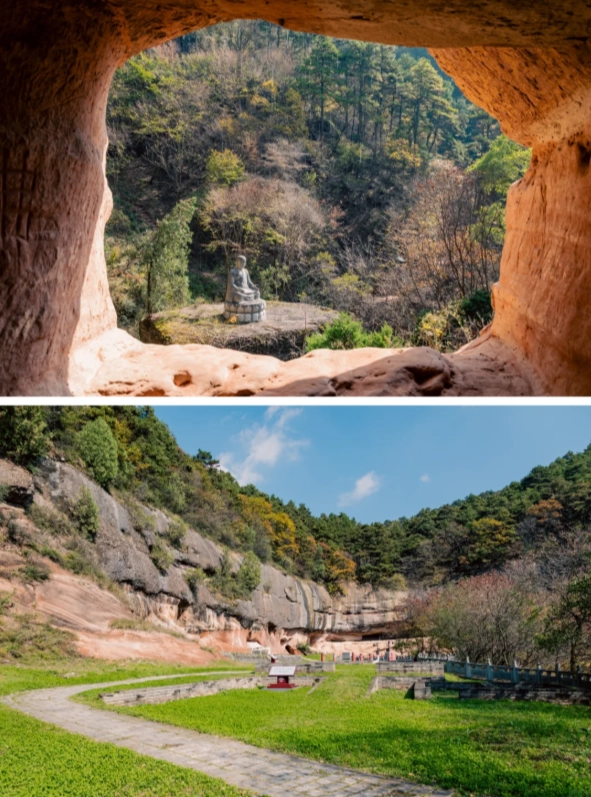
What You'll Find in This Guide
Planning Your Visit: Practical Details
Let's get the essential information out of the way first. Yuhua Palace isn't a turn-up-and-go kind of place. A little planning saves a lot of hassle.
Address & Location: The ruins are located in Yuhua Town, about 70 kilometers north of downtown Xi'an, within the administrative area of Tongchuan City, Shaanxi Province. It's nestled against the Ziwu Ridge, which gives it a cool, forested microclimate—the very reason Emperor Taizong chose it as a summer escape.
Opening Hours: The site is generally open from 8:30 AM to 6:00 PM (last entry around 5:00 PM). I visited in the afternoon and found the light perfect for photography, but mornings are quieter.
Yuhua Palace Ruins Tickets: This is straightforward. The entrance fee is 35 RMB (about $5 USD). There are no complicated tiered prices or mandatory shuttle bus tickets here. You pay once at the gate. Children under a certain height (usually 1.2 meters) and seniors over 65 with valid ID often enter for free, but it's best to confirm on-site. I didn't see any option to book tickets online for foreigners, so just pay cash or via mobile payment (WeChat Pay/Alipay) at the ticket window.
On-the-Ground Note: The ticket office is a simple booth. Don't expect a grand visitor center. The site focuses its resources on preservation, not fancy facilities. I appreciated that honesty.
How to Get to Yuhua Palace Ruins from Xi'an
This is the biggest hurdle for most visitors, and where most generic guides fail. There's no direct tourist shuttle. You have two main options: public transport or a private driver.
Option 1: The Public Bus Adventure (Recommended for Budget Travelers)
This is how I went. It's cheap and gives you a slice of local life, but requires patience.
- Get to Xi'an Chengdong Bus Station. This is crucial. Don't go to the main railway station bus terminal. Take the metro to Fangzhicheng Station on Line 1, and the bus station is right there.
- Buy a ticket to "Yao County". Buses depart frequently. The ride takes about 1.5 to 2 hours and costs around 25 RMB.
- From Yao County Bus Station, take a local taxi. This is the final leg. Tell the driver "Yuhua Gong". It's a 20-30 minute drive into the hills, costing roughly 30-40 RMB. Agree on the price before getting in.
The whole journey takes about 2.5 to 3 hours one-way. Plan for a full day.
Pro Tip: On your return, have your taxi driver wait for you or get their phone number. It can be tricky to hail a cab back to Yao County from the remote ruins. I arranged a 2-hour wait with my driver for an extra 30 RMB, which was worth every penny for the peace of mind.
Option 2: Private Car or Hire a Driver
For groups or those short on time, this is the most efficient way. You can hire a car for the day through your hotel or a travel app. Expect to pay 500-800 RMB for the round trip, including waiting time. The drive from central Xi'an takes just under 2 hours via the G65W expressway.
| Transport Method | Approx. Cost (Round Trip) | Travel Time (One Way) | Best For |
|---|---|---|---|
| Public Bus + Taxi | ~110-130 RMB per person | 2.5 - 3 hours | Solo travelers, budget backpackers, those wanting a local experience |
| Private Car Hire | 500 - 800 RMB total | 1.75 - 2 hours | Families, small groups, travelers with limited time, comfort-seekers |
What to See at the Archaeological Site
Don't come expecting rebuilt palaces. The power of Yuhua Palace lies in its fragmentary state. You need to use your imagination, guided by the clear signage (in Chinese and English). The site is sprawling, so wear good walking shoes.
The Main Palace Foundations: The core area is a series of massive stone bases arranged in clear grid patterns. These are the zhujiashi, the stone foundations for the huge wooden pillars that held up the main halls. Standing among them, you get a true sense of the scale. The largest foundation platform is believed to be the site of the Zheng Hall, the primary throne hall. I spent a good 20 minutes here just pacing out the dimensions—it was enormous.
The Elevated Rear Garden Area: Following the paths uphill, you reach what was the imperial garden and private residential quarters. Here, the terrain changes. You'll see remnants of landscaped ponds, rockeries, and smaller building foundations with more intricate carvings. The view back down over the main palace site is superb. This is where the imperial family would have relaxed. The air is noticeably cooler and fresher.
The On-Site Museum (Yuhua Palace Ruins Exhibition Hall): A small, modern building near the entrance houses artifacts excavated from the site. It's not huge, but it's vital for context. You'll see architectural fragments like dragon-head roof tiles, stone carvings, and pottery. The English descriptions are decent. It helps transform the stones outside from abstract patterns into pieces of a lived-in palace.
The Surrounding Forest and "Cool Palace" Concept: Part of the experience is the environment. The Tang emperors called it a "Liang Gong" or "Cool Palace." Walking the shaded paths, you understand why. It's a serene, green escape. I saw several local families having picnics in the clearings—something you'd never see at the Forbidden City.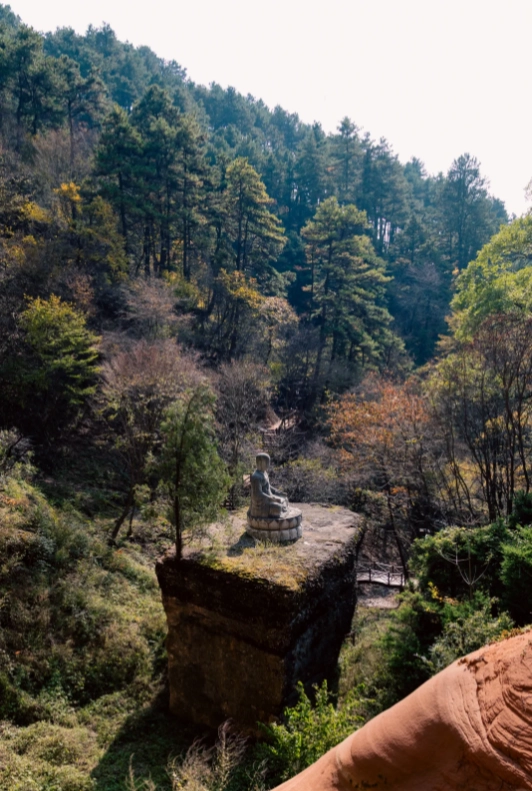
Making the Most of Your Trip: Tips and Insights
After my visit, I realized a few things that most first-timers miss.
Timing is Everything. Spring (April-May) and Autumn (September-October) are ideal. Summers are pleasant but can be rainy. Winters are cold and stark, which can be atmospheric but the site might feel desolate. Avoid national holidays unless you want to share the space with domestic tour groups.
What to Bring. This is non-negotiable: water, snacks, sun protection (hat, sunscreen), and insect repellent (in warmer months). There are very limited vendors inside. A power bank for your phone is wise, as you'll be taking photos and maybe using translation apps. Bring cash for the entrance fee and any local taxis.
The On-Site Challenge. The English signage is good for major points, but detailed historical plaques are only in Chinese. I used my phone's camera translation app (like Google Translate's lens feature) to read them. It worked well enough to get the gist.
Combining with Other Sites? It's a full-day trip from Xi'an. Trying to combine it with another major site like the Terracotta Army is overly ambitious and will leave you rushed. Yuhua Palace deserves its own day. On the way back to Yao County, you might spot the Yaozhou Kiln Museum if you're interested in ceramics history, but check opening times.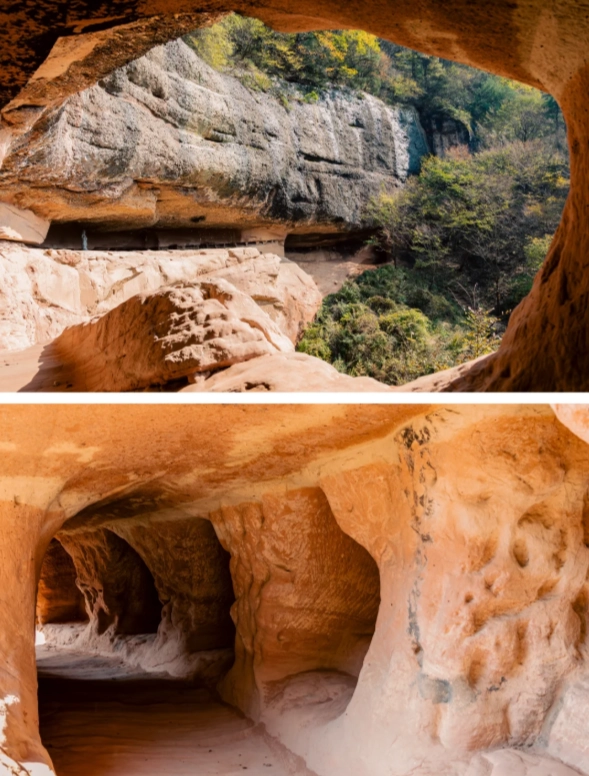
Common Questions Answered
 How does Yuhua Palace compare to other Tang Dynasty sites like Daming Palace in Xi'an?
Standing on the overgrown foundations as the afternoon sun slanted through the pines, I finally understood why this place was special. It's not a sanitized history lesson. It's a tangible, quiet conversation with the past. You have to work a bit harder to get there, and you have to meet it halfway with your imagination. But that effort is precisely what makes visiting the Yuhua Palace Ruins so rewarding. You don't just see history—for a few hours, you stand in the middle of its quiet, enduring footprint.
This article is based on personal travel experience and cross-referenced with information from the Shaanxi Provincial Cultural Heritage Administration for factual accuracy regarding site details.





Hands down one of the most atmospheric historical sites I've ever visited. No flashy restorations, just pure, raw ruins surrounded by beautiful wild grass and quiet forests. I could hear nothing but birds and the wind. It's perfect for a peaceful solo stroll or a reflective afternoon. The staff at the entrance were friendly and gave me a simple map. If you're looking for a tranquil escape from the city, this is it. I even sat on a broken stone step and read for a while. 10/10 would come again.
I really wanted to love this place, but it felt a bit underwhelming. The ruins themselves are mostly just low stone foundations and a few reconstructed columns – you need a lot of imagination to picture the palace. The signage could be better; some areas had no explanation at all. Also, the bus ride from Xi'an was long and bumpy, and there's not much else around. If you're a hardcore history fan it's okay, but for casual tourists I'd say skip it. The entrance fee was cheap, but still felt a bit meh.
Took my two kids (ages 8 and 11) here and they loved it! It's like a real-life adventure playground – they climbed on the low walls (carefully!) and pretended to be ancient emperors. The site is large enough to explore for an hour or two without getting bored. No crowds at all on a weekday. My only tip: bring snacks because there's no food vendor. The ticket price is very reasonable. We'll definitely come back next time we're in Xi'an.
What a hidden gem for photography! The interplay of light and shadow through the ruins is incredible, especially around late afternoon. I got some amazing shots of the archways and the moss-covered foundations. The only reason I'm giving 4 stars instead of 5 is that a few of the paths were a bit overgrown and hard to navigate, and there's no café on site. But overall, well worth the trip from Xi'an city center. Bring water and wear sturdy shoes.
Absolutely magical place! I went early in the morning and had the whole site almost to myself. The crumbling stone walls and overgrown pathways really make you feel like you've stepped back into the Tang dynasty. The information boards are well done and give just enough context without being overwhelming. If you love off-the-beaten-path historical spots, this is a must-see. I spent nearly two hours just wandering and imagining life here. Highly recommend combining with a visit to the nearby museum.
Interesting stop but not a must-see. I liked the little stories from an old caretaker who pointed out where the imperial pool used to be. The surrounding area is pretty, but the ruins themselves are very fragmented. Good for a short detour if you have extra time in Xi'an. The ticket price was okay. I'd say 4/5 for the cultural vibe.
Came here alone on a weekday and it was the most serene experience. Sat on a broken stone column for half an hour just listening to the wind through the pines. The location is stunning – hills and forest all around. No vendors hassling you, no loud groups. If you want a quiet moment to connect with history, this is the place. Will definitely come back.
Honestly a bit underwhelming. The ruins are mostly just crumbling foundations and a few rebuilt walls. The entry fee felt steep for what you actually see. The path was uneven and not well maintained – nearly twisted my ankle. Maybe cool if you're a hardcore archaeologist, but for a casual visitor like me, it didn't live up to the hype.
Fascinating site with a rich backstory – you can really imagine the Tang dynasty emperors retreating here. The ruins themselves are impressive, though some areas could use better signage. I spent a good two hours exploring. Only gave it 4 stars because the museum part was closed when I visited. Still worth the trip from Xi'an.
Absolutely loved this hidden gem! The ruins are so atmospheric, surrounded by wildflowers and ancient stone pathways. Felt like stepping back in time. Not crowded at all – perfect for a peaceful afternoon. The guidebook mentioned was spot on. Highly recommend for history lovers who want to escape the tourist crowds.