 Peng Gao
Quick Navigation
I’ve been guiding travelers through the Gobi Desert for over a decade, and Yang Pass is one of my favorite stops. But I’ve also seen plenty of people show up at the wrong time—sweating through noon heat or arriving just as the gates close. Here’s the truth: the best time to visit Yang Pass is late April to early June, or September to mid-October. Those windows give you comfortable temperatures, thin crowds, and golden light for photos. Let me break it down so you don’t waste a single minute.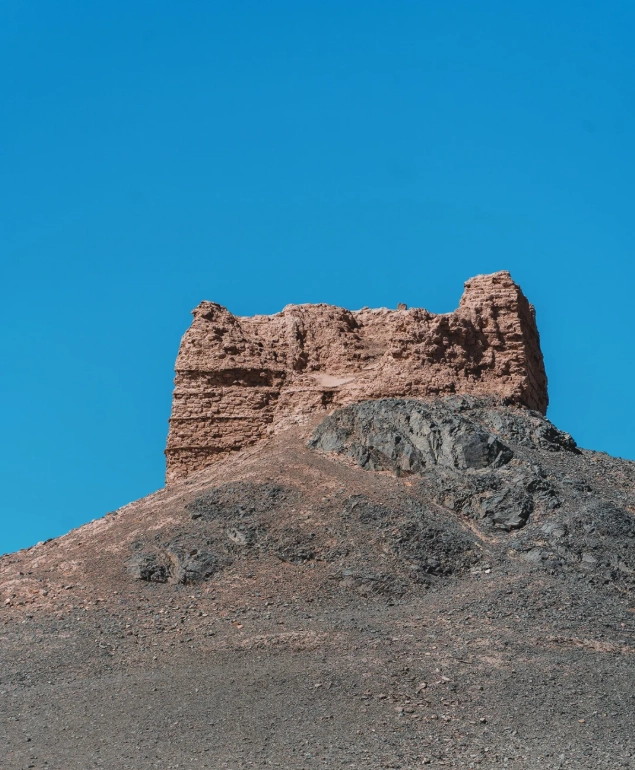
Why Timing Matters at Yang Pass
Yang Pass isn’t just a ruin—it’s an exposed archaeological site in the middle of the Gobi. There’s zero shade. Summer ground temperatures can hit 50°C. Winter winds bite through three layers. And the ticketing system? It’s digital-only and can be a pain if you show up during Chinese national holidays. Most guides will tell you "anytime works," but I’ve personally seen travelers so overwhelmed by heat they skipped the main beacon tower. Don’t be that person.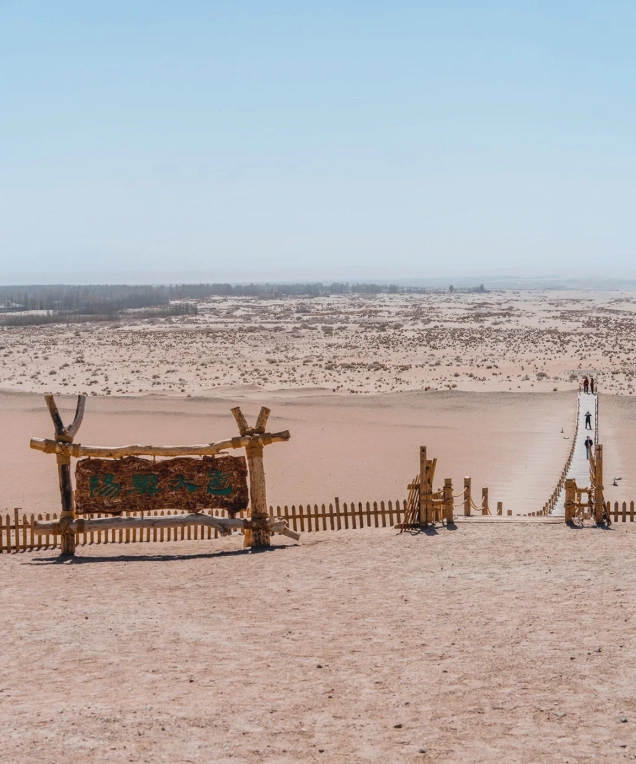
The Best Season: Spring & Autumn (April–May & September–October)
These are the sweet spots. Daytime temps: 15–25°C. Light jacket needed in early morning, but by noon you’re comfortable in a shirt. The site is open 8:00–20:00 (spring) and 8:30–18:30 (autumn). Tip: aim for a Tuesday or Wednesday—domestic tourists flood weekends.
What to Expect in Spring (April–May)
Yellow sandstorms pop up occasionally in April, but May is nearly perfect. The desert is still green from rare rains, and the migrant birds are passing through. I once spotted a flock of cranes near the beacon tower. If you come in early May, you’ll have the place almost to yourself.
What to Expect in Autumn (September–October)
This is my personal favorite. September still has some heat (30°C at peak), but the humidity is zero. October is golden—literally. The setting sun paints the ruins in amber. And the ticketing line? Usually under 5 minutes. Don’t skip the museum inside—it’s air-conditioned and shows how the Silk Road customs operated.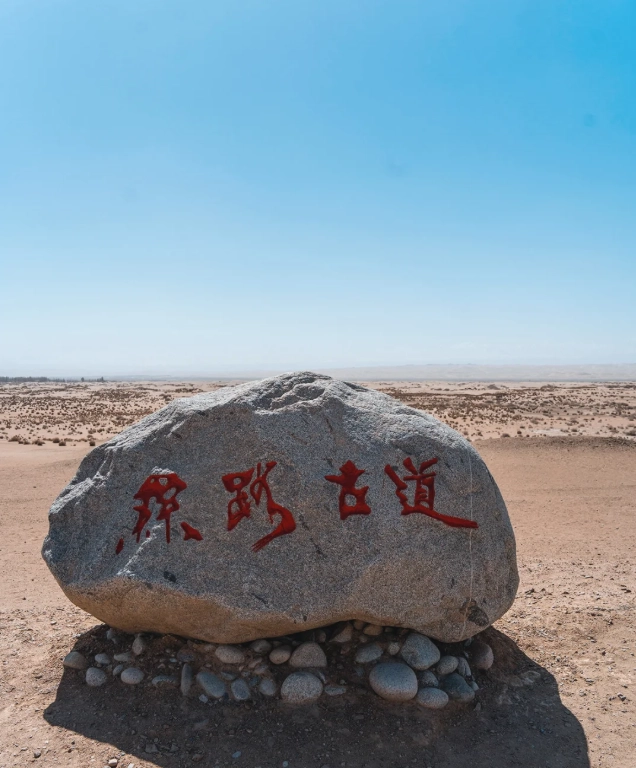
How to Beat the Summer Heat (June–August)
Look, if you can only come in summer, I won’t tell you not to. But you must plan carefully. July and August are scorching. Average highs: 35°C, often hitting 40°C. The site gets crowded with school groups and Chinese families. The lowest crowd is 8:00–9:30 AM. I always tell my clients: arrive at 8:15, be the first in line, and finish by 11:00. By noon, the heat is brutal.
| Summer Month | Avg High | Crowd Level | Best Entry Time |
|---|---|---|---|
| June | 32°C | Moderate | 8:00 |
| July | 37°C | High | 8:00 |
| August | 35°C | Very High | 7:45 (gates open 8:00, but queue forms) |
Bring at least 2 liters of water per person (I carry a 3L camelbak). The small shop at the entrance sells drinks but at double the price. Also, the shuttle from the parking lot to the actual site runs every 10 minutes, but in summer you’ll wait if you arrive after 10 AM. My hack: park your taxi right at the drop-off point and walk the 200m—it’s faster.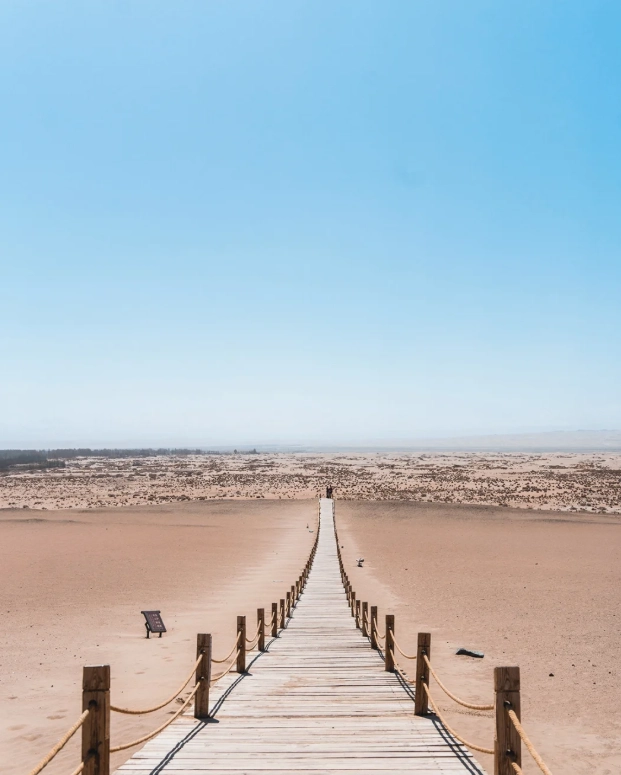
What About Winter? (November–March)
Winter is quiet and cheap, but harsh. Daytime temps: -5°C to 5°C. Wind makes it feel like -15°C. The site closes at 17:00 (16:30 in January). You’ll need thermal underwear, a down jacket, and gloves. However, if you love solitude and don’t mind cold, this is the most atmospheric time. The snow on the dunes is rare but magical. One winter morning I had the entire site to myself—just me and a lone camel. The ticket price drops to 30 RMB (normally 50 RMB).
What Is the Best Time of Day to Visit Yang Pass?
Hands down: 4:00 PM to 6:30 PM. Why? The light. The low sun casts long shadows across the ruins, making the ancient beacon tower pop in photos. Also, the crowds thin out after 3 PM. Most tour buses leave by 4 to get back to Dunhuang. You’ll have the place relatively empty. The downside? The museum closes at 5:30, so do that first, then explore the outdoor area.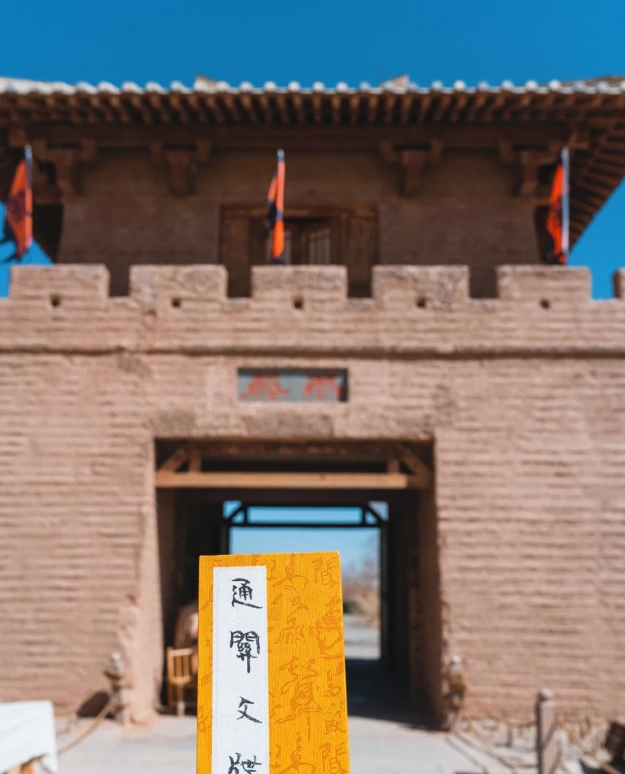
How Many Days Do You Need for Yang Pass?
A half-day is enough for the site itself. Most visitors combine it with Yumen Pass (another Han dynasty fort) in a single day from Dunhuang. But here’s the nuance: if you do both in one day, start with Yang Pass in the morning, then head to Yumen Pass after lunch. The sun direction is better. Doing it the other way means you’ll be facing the sun all afternoon at Yang Pass. I’ve had clients complain about squinting in every photo. So plan for a full day (8 AM to 5 PM) for both sites.
Insider Tips for a Smooth Visit
- Tickets: Book via WeChat mini-program "阳关景区" (Yang Pass Scenic Area). It’s in Chinese only—ask your hotel reception to help. You can also buy at the gate, but for national holidays, pre-booking is mandatory.
- Transport: No public bus. Hire a taxi from Dunhuang city center for 300–400 RMB round trip (about 1 hour each way). I recommend Trip.com for private tour packages that include both passes.
- What to bring: Sunscreen, hat, sunglasses, refillable water bottle. In winter: lip balm and hand warmers.
- Photography: The best angle is from the small hill behind the museum. Climb the stairs—it’s a 5-minute walk. Most tourists miss it.
- Eating: No restaurant inside. There’s a small snack stand with instant noodles and water. Pack your own lunch or grab a packed meal from your hotel in Dunhuang.
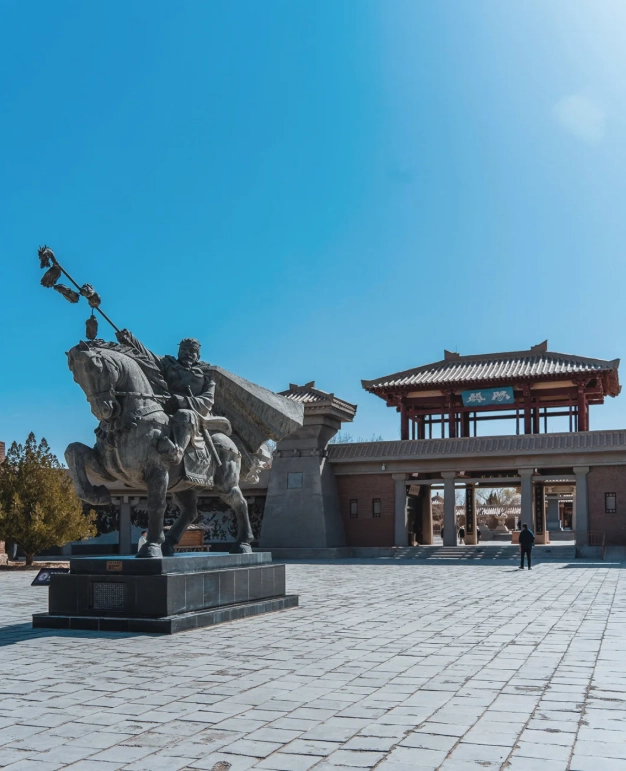
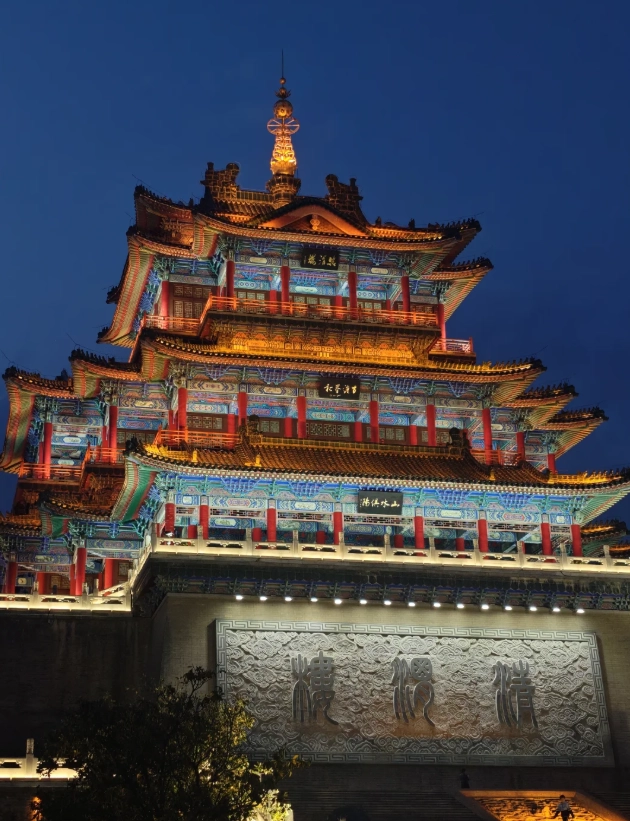
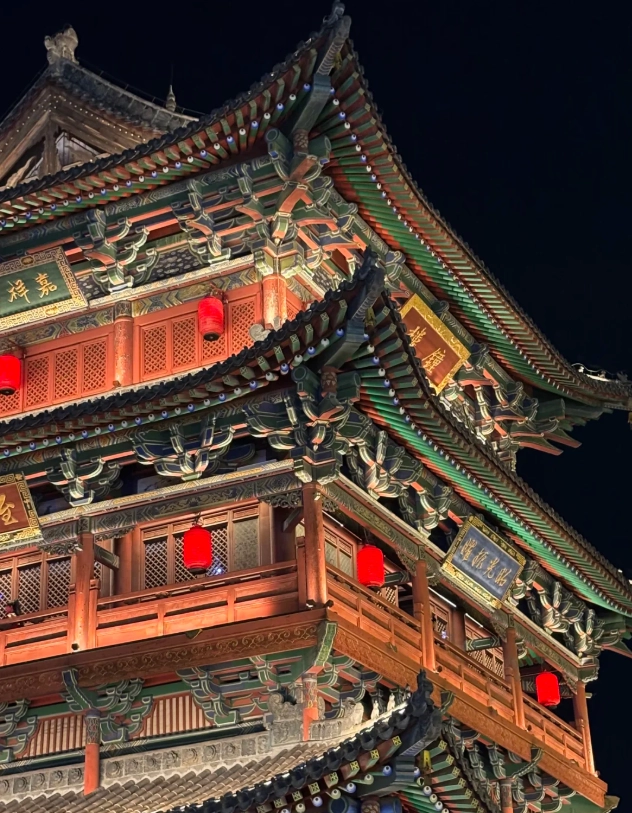





Came in late August thinking 'avoid crowds and heat' meant I'd be fine. Nope – still swarms of people even at 8am, and by 10 the sun was brutal. The site itself is interesting, but the experience was ruined by endless selfie sticks and loud tour groups. Maybe my timing was off, but I left feeling disappointed. Overhyped for what it is.
Hit it on a weekday morning in September and it was everything I hoped for – quiet, cool, and uncrowded. The guidebooks say it gets packed in July, so I'm glad I planned around this article. The only downside is the entrance fee feels a bit steep for what's essentially a historical walk, but the panoramic views from the watchtower made up for it.
Followed the 'shoulder season' suggestion and visited in early November. Perfect weather – not a drop of sweat, and the breeze felt like history whispering. The ruins are incredibly well preserved, and without the busloads of tourists you can really soak in the solitude. One of the most atmospheric sites I've seen in China. Strongly recommend.
I arrived around 4pm in late October and had the place almost to myself. The low-angle sun turned the whole fort into a photographer's dream – no tourist elbows in my frame. The article's tip about avoiding summer heat is spot on. Only wish I'd brought more water; the small shop inside was pricey. Still, a top-tier experience.
Went at sunrise as the article suggested – absolutely the right call. The entire pass was nearly empty, and the cool morning air made the walk along the ancient walls feel magical. The golden light hitting the sand dunes was breathtaking. Zero crowds, zero heat. If you're debating when to go, trust this advice and come at dawn.