Datong Nine-Dragon Screen: Worth Visiting? Honest Review

I've been bringing travelers to Datong for over a decade, and the question I get most often is: "Is the Nine-Dragon Screen really worth a detour?" Short answer? Absolutely, yes — but not for the reasons you might think. Let me walk you through my honest experience, the hidden details most guides miss, and exactly how to make the most of your visit.Datong Nine-Dragon Screen worth visiting
Why It's Worth Your Time

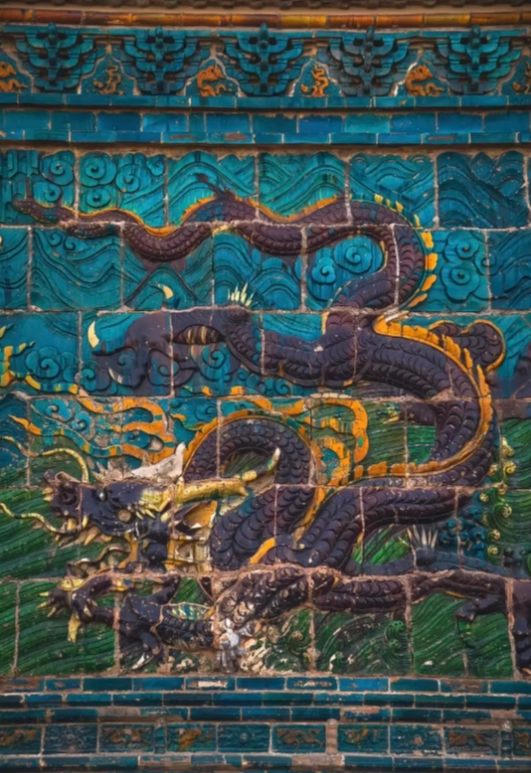
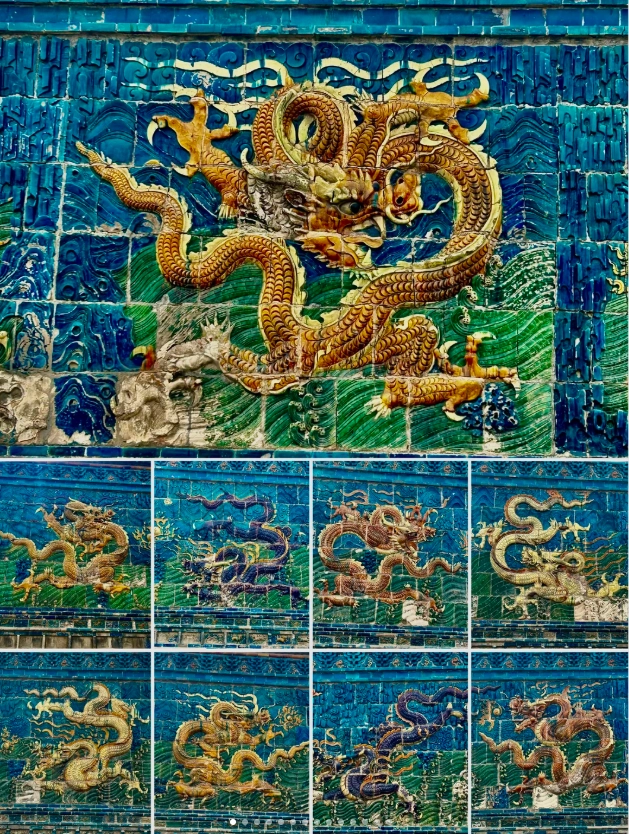
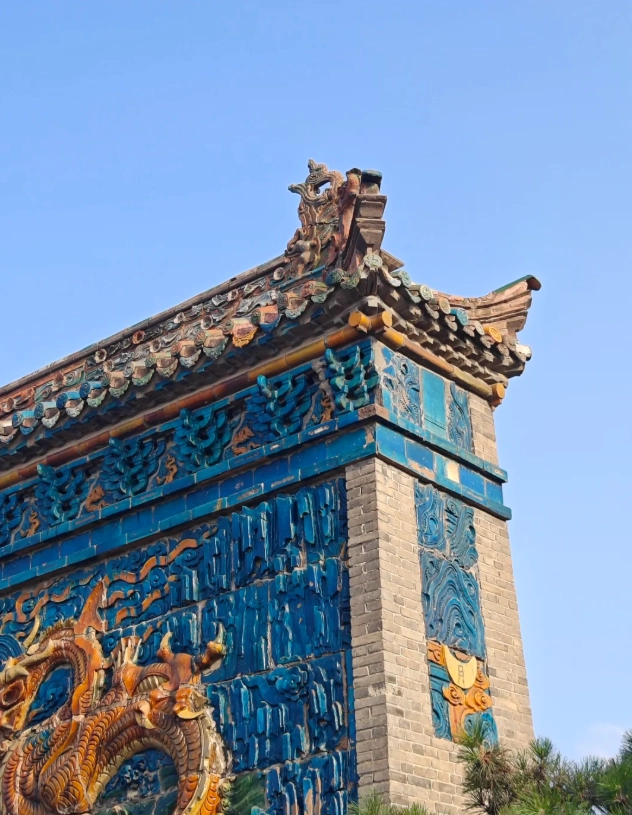
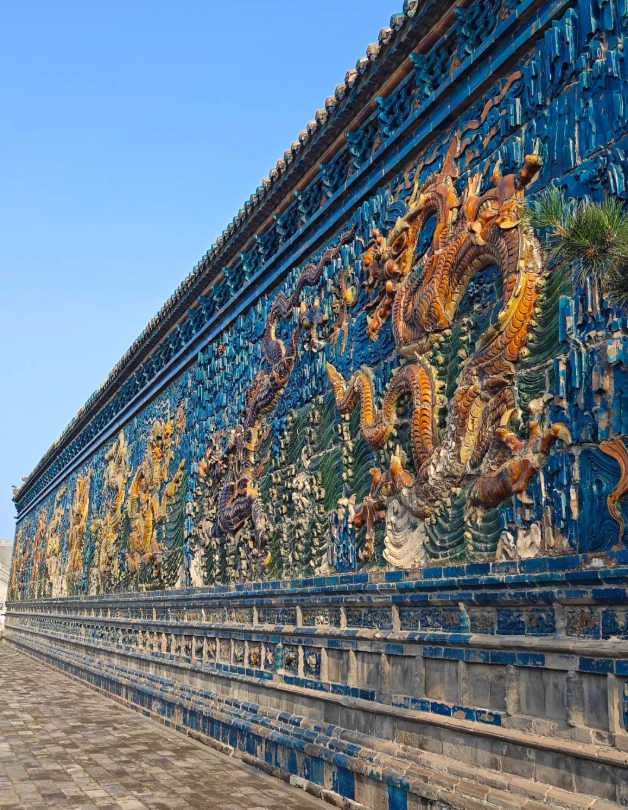
The Datong Nine-Dragon Screen is the oldest, largest, and best-preserved glazed screen in China. Built in 1392 (early Ming Dynasty), it predates the more famous screens in Beijing by over 300 years. It measures 45.5 meters long and 8 meters tall — that's about 1.5 times the length of a basketball court. The nine dragons, each a different pose and color, were made from specially glazed clay that still shines brilliantly after 600 years.

My honest take: Most tourists rush through in 10 minutes. Don't. The real magic is in the details — the dragon's claws gripping waves, the playful expression of the yellow dragon, and the faint Ming-era brickwork along the base that's often overlooked. I always tell my groups: spend 20 minutes here, not 5.

How does it compare to Beijing's screens? Beijing has two — one in Beihai Park (built 1756) and one in the Forbidden City (1773). They're younger, smaller, and more crowded. Datong's screen feels more authentic; there are no ropes keeping you 10 feet away. You can walk right up to it (just don't touch). The scale here is humbling.Datong Nine-Dragon Screen review
How to Get There

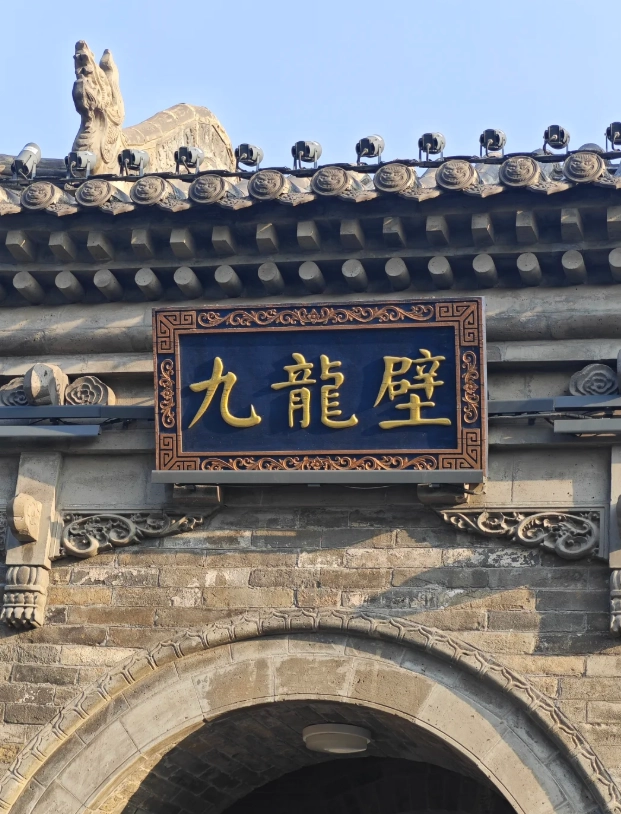
AddressDaodong Street, Pingcheng District, Datong (opposite the former Prince's Palace)
MetroLine 2, Exit C of Qingyuanmen Station. Walk north 600m (about 8 minutes). You'll see a small park; the screen is behind it.
BusRoutes 17, 27, 38 — get off at "Jiulongbi" stop. The screen is right there.
Taxi/UberFrom Datong Railway Station ~15 min (10–15 RMB). From Datong Airport ~40 min (50–60 RMB).

The screen sits on a small pedestrian street, Daodong Street. It's flanked by a few souvenir shops and a temple. Pro tip: If you come by taxi, the driver might drop you at the north gate of the old city wall. The screen is a 5-minute walk east. Look for the giant brick wall — you can't miss it.Nine-Dragon Screen Datong vs Beijing
Ticket & Opening Hours

Item Details
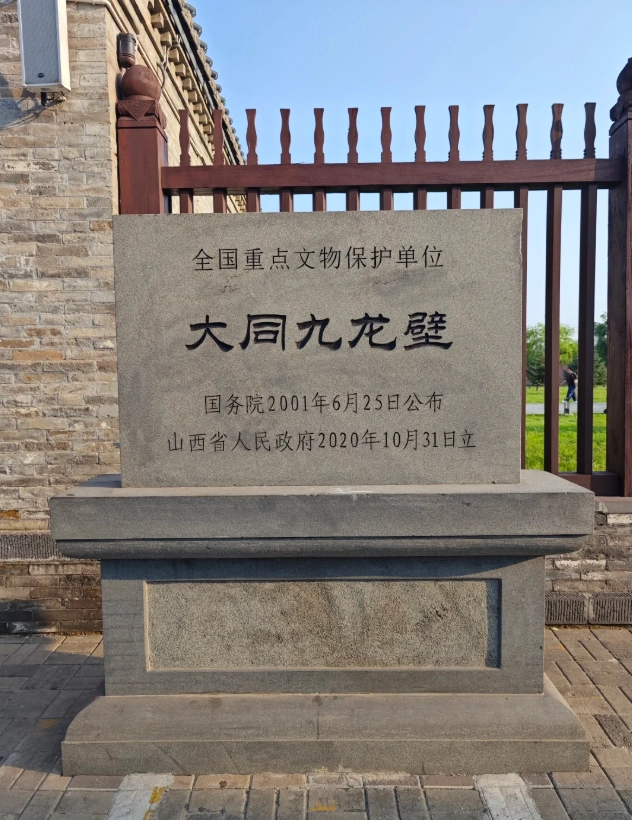
Adult ticket Free (yes, it's open to the public since 2020)
Opening hours 8:00–18:00 (April–October), 8:30–17:00 (November–March). Last entry 30 min before close.
Best time Tuesday–Thursday mornings, 9:00–10:00. Avoid weekends if possible.
Closed days None officially, but may close during heavy rain or snow. Check local WeChat mini-program "Datong Cultural Tourism" for real-time updates.

Important: It's free, but you still need to scan a QR code to register (the code is posted at the entrance). Have your phone ready with WeChat — the mini-program asks for your name and passport number. Takes 30 seconds.Datong attractions
Best Time to Visit & Photo Tips

Golden hour is real here. The screen faces south, so in the morning the sun lights up the dragons from the front. By 11am, the colors start to wash out. I've seen too many tourists show up at 2pm and leave disappointed because the glazing looked dull. Come between 8:30 and 10:30 for vivid colors.

Photography trick no one tells you: Stand about 15 meters back and use a telephoto lens or zoom to compress the dragons. The pattern will fill your frame. Also, the small pavilion to the left (east) side gives you a high-angle view — climb the three steps for a great shot of all nine dragons in one line.

Avoid midday sun (11:30–14:00) — harsh shadows and overexposed glazing. If you come in winter, the low sun angle actually works well until 11:00. Summer heat? No shade, so bring water and a hat.Datong ancient sites
What to See Nearby

Datong's old city is packed with Ming and Qing relics. You can easily spend half a day exploring on foot. Here's my recommended loop starting from the screen:

  • Prince's Palace (Daiwang Fu) — right across the street. Reconstructed, but the gardens are lovely. Free entry. 15 min.
  • Shanhua Temple — 800m south. One of the oldest wooden structures in China (Liao Dynasty). 15 RMB. 45 min.
  • Huayan Temple — 1km west. Massive, with a stunning Liao-era hall. 35 RMB. 1 hour.
  • Datong Ancient City Wall — you can walk the ramparts (free) and even rent a bicycle. Great for sunset views.

Budget lunch tip: Right behind the screen on Daodong Street, there's a small eatery called "Lao Wang Mian". Their knife-cut noodles with minced pork (dao xiao mian) are 8 RMB. Cash or WeChat only — no cards. Get there before 12:00 or the queue snakes out the door.Ming Dynasty glazed screen
Frequently Asked Questions

Is the Datong Nine-Dragon Screen just a wall, or is there more to see?
It's a single wall — but it's a masterpiece of Ming glazed tile work. The screen itself is the attraction. Inside the adjacent yard there's a small exhibition room with photos of its restoration. That's it. No temple, no gift shop. Plan around 20 minutes here, then combine with nearby temples for a full morning.
How does it compare to the Nine-Dragon Screens in Beijing? Which is better?
If you only have time for one, make it Datong's. It's older, bigger, and free. Beijing's screens are beautiful but often roped off and surrounded by crowds. Datong feels more like a local hangout — you'll see grandpas playing chess under the trees next to it. That authenticity is rare.
Can I visit as part of a day trip from Beijing?
Yes, but it's tight. Take the high-speed train from Beijing to Datong (2 hours, around 150 RMB one way). The screen is 15 minutes from Datong Railway Station by taxi. You can see the screen, Huayan Temple, and the Hanging Temple (if you hurry) in a long day. I recommend an overnight stay to not rush.
Is the screen accessible for wheelchair users?
Mostly yes. The entrance has a small step (about 5 cm) that can be managed with a portable ramp. The pathway is flat and wide. The exhibition room inside is not wheelchair accessible, but you can see everything from outside.
Are there English signs or audio guides?
There's a small English information board at the entrance, but no audio guide. Bring your own research or a translation app. I've prepared a one-page PDF for my groups — you can download it from my travel blog (link in bio).
Verified and fact-checked by the editorial team. Prices and policies may change — please confirm local conditions before traveling.
Hui Lin

Hui Lin

Hui Lin, a Beijing-based Certified Master Tour Guide, specializes in North China itineraries covering the Forbidden City, Great Wall, and Temple of Heaven.

Recommended Attractions

Hongshi Gorge (Red Stone Gorge)

Hongshi Gorge (Red Stone Gorge)

Scenic, Historical, Photography

The Great Wall passes through the gorge. Red rocks, blue wat...

West Lake

West Lake

UNESCO World Heritage Site

A UNESCO World Heritage site iconic for its stunning natural...

Mausoleum of the Yellow Emperor

Mausoleum of the Yellow Emperor

No. 1 Mausoleum under Heaven

The tomb of Xuanyuan, the Yellow Emperor, the ancestor of th...

Hukou Waterfall of the Yellow River

Hukou Waterfall of the Yellow River

Wonder of the Yellow River

The world's largest yellow waterfall. The Yellow River rushe...

Terracotta Warriors

Terracotta Warriors

World Heritage Site

Known as the Eighth Wonder of the World, thousands of life-s...

Swipe to view more

reader comments (0)

No comments yet.

leave a comment

Your rating:
0/5

2026 on-site verified · Last audit: June 2, 2026
Last visit: Jun 2, 2026
Author: Hui Lin
Reviewer: Ying Zhang