 Ming Yang
Quick Peek
I've brought dozens of groups to this spot over the years. And every single time, someone says, "Wait, this is just a wall?" Then they see it up close and change their tune. The Datong Nine-Dragon Screen isn't just a wall—it's a 45-meter-long, 8-meter-high carved masterpiece from 1392, covered in glazed ceramic dragons that still pop with original Ming colors. In this guide, I'll tell you exactly how to see it without wasting time, where to stand for the best photo, and the one thing most visitors miss.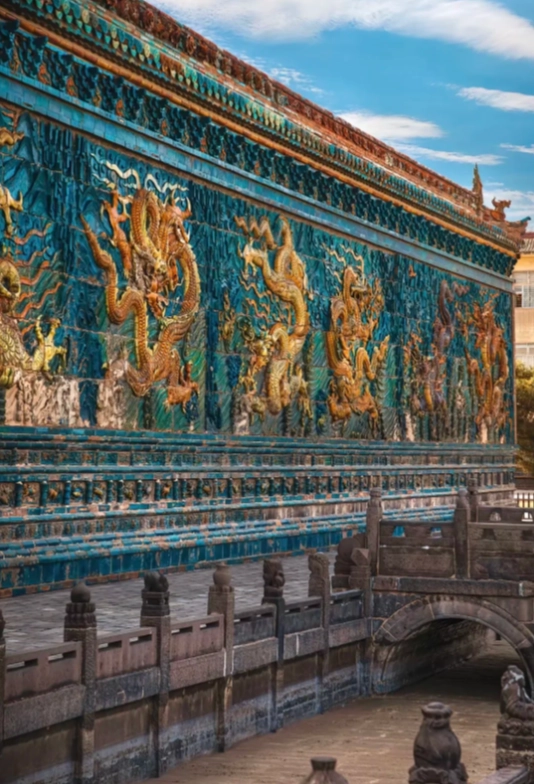
First Glance: It's Bigger Than You Think
The screen sits in front of what used to be the Prince's palace (now long gone). When you walk through the gate from the street, you're suddenly facing nine massive dragons—each one a different pose, none identical. The central dragon is the biggest, rightfully so. The craftsmanship is insane: each dragon is built from hundreds of glazed tile pieces, fitted together like a giant 3D puzzle. I've seen visitors stand there for 10 minutes just counting the colors. There are at least six—yellow, green, blue, purple, black, white. And no, that's not an official count, but I'm pretty close.
One detail that surprises people: the screen was built before the better-known Nine-Dragon Screen in Beijing (the one in Beihai Park). Datong's is older by about 300 years. Yet it's way less crowded. On my last visit in early October, I shared the space with maybe 15 other people. Pure bliss.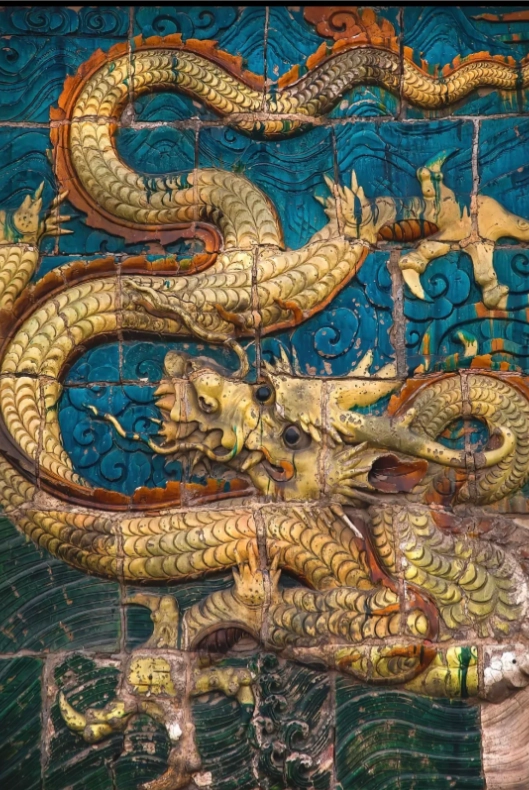
Location & Tickets: Don't Make This Mistake
The screen is at 18 Dajie, in the old city center. It's literally impossible to miss—it's on the south side of the street, right across from a small square. But here's the trap: many online maps mark it as "Nine-Dragon Screen" but there's another one in nearby Shanhua Temple (a smaller five-dragon screen). Make sure you're going to the standalone one on Dajie.
| Detail | Info |
|---|---|
| Address | 18 Dajie, Pingcheng District, Datong |
| Ticket Price | Free! (But you need to show ID/passport at the gate to get a free ticket) |
| Opening Hours | 8:00–18:00 (April–October), 8:30–17:00 (November–March) |
| Required Reservation | No reservation needed, but bring your passport |
| Best Day | Any day except Monday (usually quiet) |
I've seen tourists walk right up to the entrance thinking it's just a street decoration. But there's a small ticket booth on the left side. You queue up, show your passport (or a photo of it), and they hand you a free ticket. Yes, it's free—no catch. But the ticket is technically for the small courtyard behind the screen, which used to be part of the old prince's palace. Most people don't even go in there. I recommend you do—it's a tiny garden with an exhibition about the screen's history. No crowds.
Best Time to Visit & Photo Tips
I've made this mistake for years: taking people in the late morning. The sun is directly overhead, creating harsh shadows on the dragons' faces. The magic hour is 3:30 PM to 4:30 PM in autumn and spring. The sunlight angles from the west and lights up the dragons' curves beautifully. In summer, push that to 5 PM. The screen faces south, so morning light is also decent but the photo colors are cooler.
Pro tip: bring a wide-angle lens if you have one. You can't step far back because the street is right behind you—a 24mm equivalent is perfect. If you're on a phone, use panorama mode horizontally. And don't forget to include the two small gatehouses on either side—they frame the shot nicely.
Now for the secret spot that 90% of tourists miss: walk around to the back of the screen. There's a narrow path between the screen and the old palace wall. From behind, you can see the structural supports and the ancient brickwork that holds the screen together. It's also where you get a reflection shot if there's a puddle after rain. I once took a group there and they spent more time behind than in front.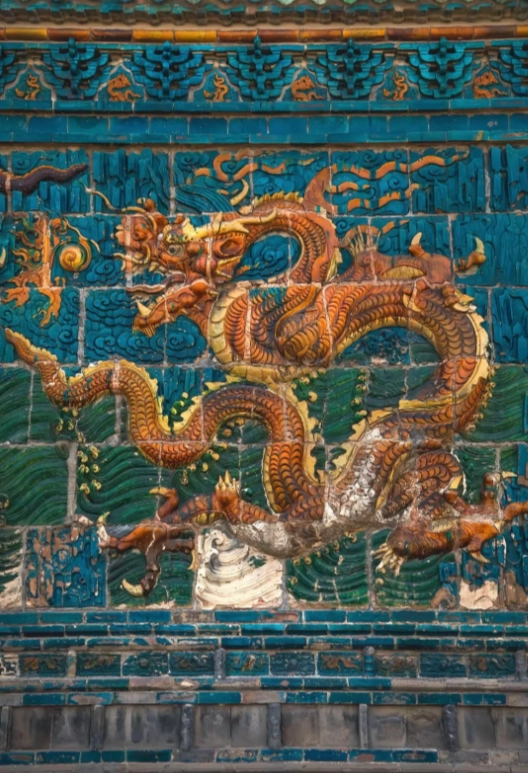
What to Expect On-Site (and What They Don't Tell You)
The screen is surprisingly well-preserved. The glaze has faded slightly but the dragons' scales are still crisp. You can walk right up to it—no rope barriers (though please don't touch). The base is a carved marble-like stone with waves and clouds. Note: the parking situation is tricky. The street in front is narrow and often clogged with e-bikes. If you're in a taxi, ask them to stop at the intersection of Dajie and Jiefang Road. Walk east for 2 minutes and you'll see it.
Facilities: There's a public toilet behind the ticket booth (fairly clean, bring your own paper). No café or shop on-site—the closest drinks are from a small convenience store 50 meters east. In summer, bring water because there's no shade near the screen.
One downside: there's almost no English information on the plaques. A few have QR codes linking to a Chinese-only audio guide. I recommend downloading the China Travel Guide app (or just search ahead on Wikipedia) so you know what you're looking at. Or just read this article again, ha.
Nearby Attractions to Pair With
Don't make a special trip just for the screen—tie it into a bigger Datong itinerary. Within walking distance (15–20 min):
- Shanhua Temple: one of the best-preserved Liao Dynasty temples, free entry. The five-dragon screen inside is a smaller cousin.
- Huayan Temple: the largest Buddhist temple in Datong, entrance is about ¥50. It has a stunning wooden tower you can climb.
- Datong Ancient City Wall: you can walk the top for free. Nice sunset view.
I usually structure a half-day walking route: Start at Huayan Temple (9 AM), walk south to Shanhua Temple (11 AM), then lunch at a nearby noodle shop (try the knife-cut noodles, dao xiao mian), then hit the Nine-Dragon Screen at 2 PM. By then the light is already good and the tour buses have left.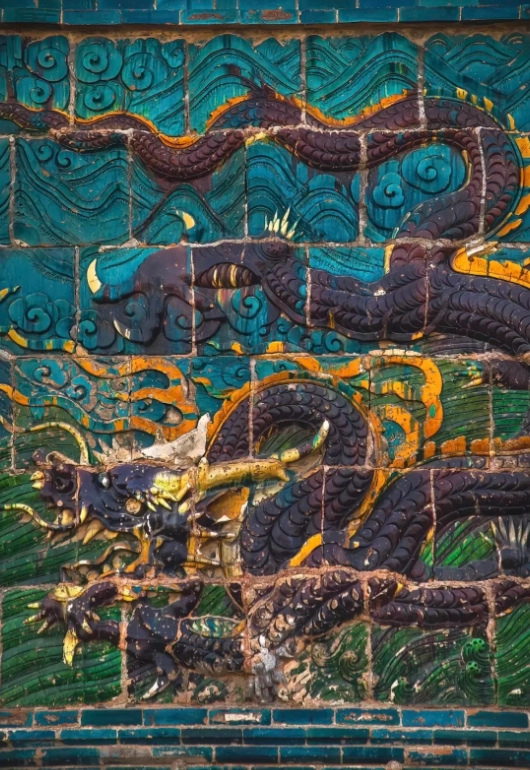
Common Questions from My Tour Groups
Verified and fact-checked by the editorial team.





No comments yet.