 Jian Zhao
Quick Navigation
I've been leading tours in Xiamen for over eight years, and the Xiamen Botanical Garden is one of those places I always bring first-timers – but never in the way most guidebooks suggest. Tour buses dump crowds at the main gate at 9 a.m., and they all follow the same paved path. Meanwhile, I'm sneaking my groups through a side entrance, catching the morning mist over the lotus pond, and grabbing a coffee at a tiny kiosk that doesn't even have an English sign. This article spills everything I've learned – including a few things the garden staff wish you didn't know.
Let's get straight to it. No fluff.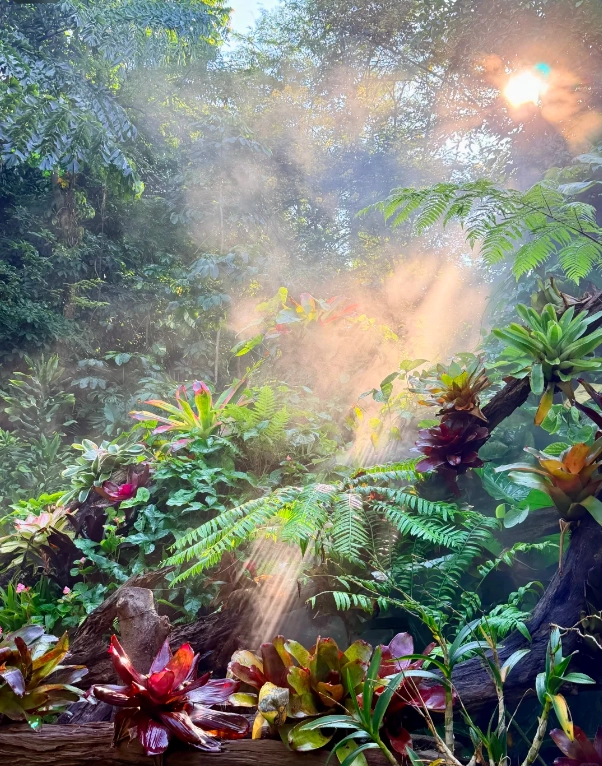
Why This Garden Beats Other Xiamen Attractions
Xiamen is famous for Gulangyu Island and the Nanputuo Temple, but the Botanical Garden is where locals actually go to breathe. Spread over 4.9 square kilometers (yes, it's huge), it's a living museum of subtropical plants, rock formations, and hidden valleys. The best part? It's rarely packed – except on Chinese New Year and National Day holidays. Even on a regular weekend, you'll have entire sections to yourself if you know where to walk.
Unlike the crowded temple steps, here you can hear birds, smell damp earth after a rain, and stumble upon a waterfall that's not marked on any map. I've had guests tell me it's the most peaceful afternoon they've had in China. And the air quality? Significantly better than downtown – my sinuses thank me every time.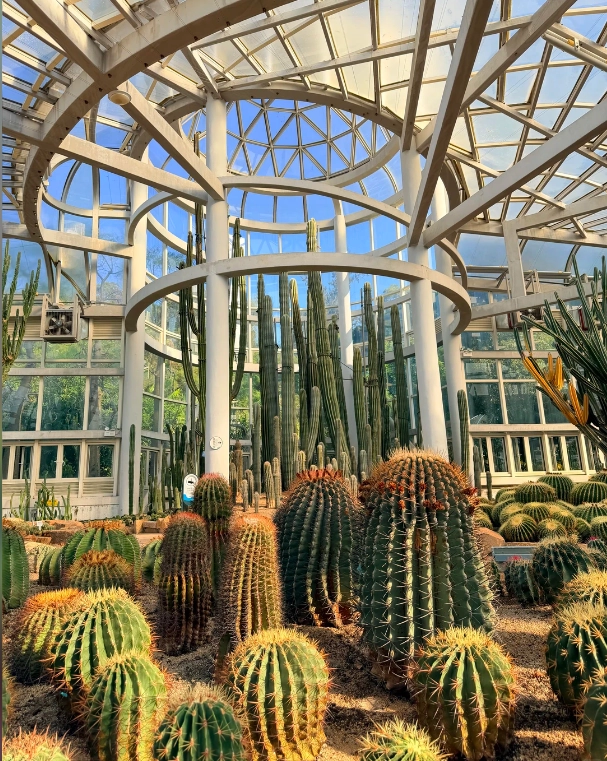
How to Get There – Metro, Bus, and Taxi Pro Tips
The garden is located near the Wanshi Mountain area, southeast of the city center. Here's how I tell my clients to arrive:
- Metro: Take Line 1 to Zhongshan Park Station (Exit 3A). From there, it's a 15-minute walk up the hill. Follow the signs for Botanical Garden – you'll pass a small market where I sometimes buy dried pineapple. The walk is uphill but manageable. If you're with elderly or kids, take a taxi from the station (about 10 RMB).
- Bus: Routes 87, 943, and B3 stop right at the garden's east gate (the main entrance). Bus 87 comes from the train station area and takes about 25 minutes. B3 is an express bus from First Pier – great if you're coming from Gulangyu ferry.
- Taxi / DiDi: From the airport, expect 40–60 RMB (30–40 minutes). From Zhongshan Road, about 15–20 RMB. Show the driver this: 厦门植物园 (Xiamen Zhiwuyuan). Most drivers know it, but some may try to drop you at the wrong gate – insist on the East Gate.
My hack: Don't take a taxi to the main gate at peak hours (9–11 a.m.). The road gets jammed. Instead, get off at the Zhongshan Park Metro Station and walk up – you'll pass a beautiful lakeside path that most tourists miss.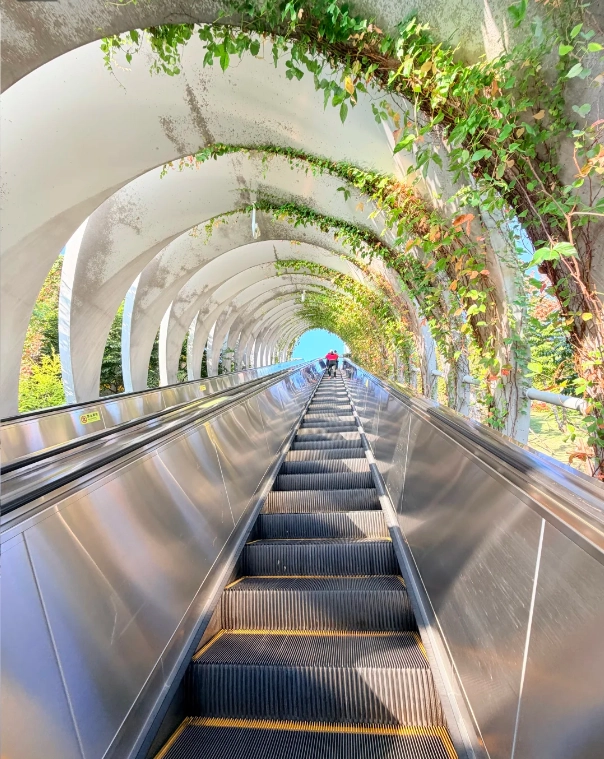
Ticket Prices, Free Days & Where to Book
Prices are reasonable, but they change slightly every year. As of my last visit (April 2025), here are the numbers:
Where to buy: You can scan a QR code at the gate to buy via WeChat mini-program. Foreigners can also buy at the ticket booth with cash or WeChat Pay (international credit cards might work but don't rely on it). I always recommend bringing enough cash just in case – about 100 RMB per person for tickets and snacks.
Important: The garden closes entry at 5:30 p.m. in summer (4:30 p.m. in winter). But even if you enter at 4 p.m., you won't be kicked out until 6 p.m. (summer) – the golden hour light is worth it.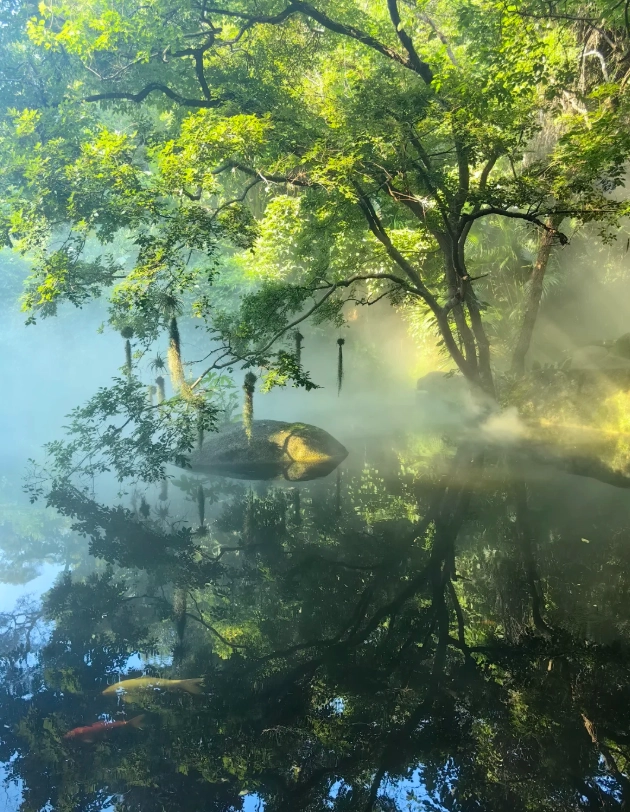
Best Walking Route (Avoid the Tourist Herd)
Most visitors enter the east gate, turn left, and follow the paved road to the Palm Garden – big mistake. That's where all the tour groups go. Here's my 4-hour route that hits the highlights without the crowds:
- Start at the East Gate (8:30 a.m. if possible) – head straight for the Bamboo Forest (it's to the right, not left). You'll have it almost empty. The bamboo here is over 15 meters tall, and the path is shaded. Stay quiet and you might spot a squirrel.
- Climb to the Waterfall Pavilion (about 20 minutes) – it's a bit steep but doable. The waterfall isn't huge, but the mossy rocks and ferns make it feel like a Jurassic Park set. Most groups skip this because it's uphill.
- Descend to the Desert Plant House – this is a greenhouse with cacti and succulents from around the world. The light inside is incredible for photos around 10 a.m. There's a small bench where I eat my packed snack (no food stalls nearby).
- Follow the Mountain Ridge Trail (about 45 minutes) – this trail parallels the main road but is unpaved and runs through pine forest. You'll get glimpses of the sea on clear days. It's my favorite part because I've never seen more than five people there.
- End at the Lotus Pond (near the West Gate) – in summer, the lotus flowers are in full bloom. There's a tea house here where you can rest. The pond is also where the garden's famous giant tortoises live – they're shy but come out around 11 a.m. for feeding.
Pro tip: Bring your own water and snacks. There are only two small kiosks inside, and they close by 4 p.m. The tea house has decent tea but charges 35 RMB for a cup – fine, but I'd rather save that for dinner.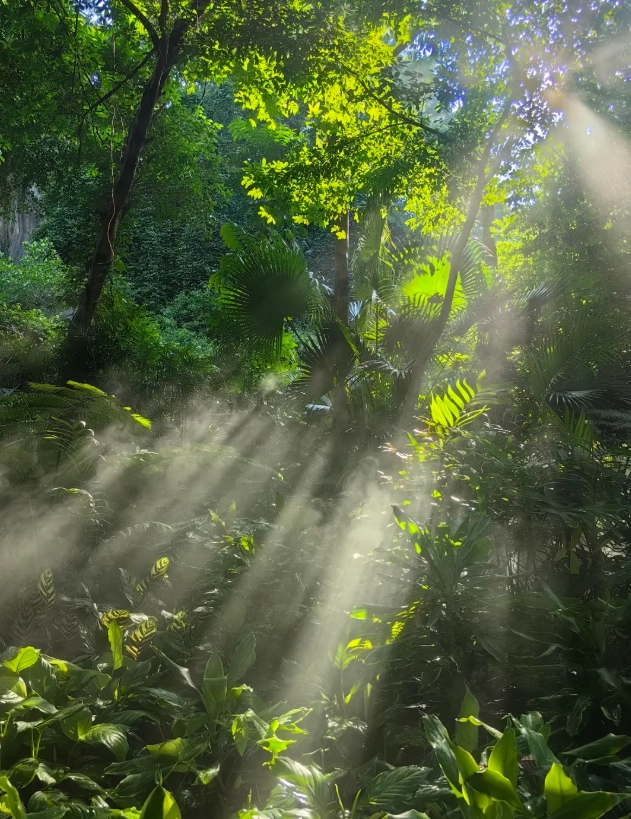
Hidden Spots Most Visitors Miss
After hundreds of visits, I've found three places that aren't on any map:
- The Abandoned Bonsai Garden: Near the south fence, past the maintenance sheds. There's a locked gate, but sometimes it's open. Inside are hundreds of bonsai trees left to grow wild – they look like miniature forests. Warning: Mosquito heaven. Bring repellent.
- The Secret Viewpoint: From the top of the mountain ridge trail, take a small unmarked path to the left (you'll see a pile of stones). Follow it 100 meters – you'll emerge on a rocky outcrop overlooking the entire city. Perfect sunset spot, but I've never seen any other tourist there.
- The Old Well: Next to the Palm Garden, behind the public restroom (sounds weird, I know), there's an ancient stone well covered by bamboo. The water is crystal clear. Locals used to draw water here. It's not protected, so please don't litter.
When to Visit for Fewer Crowds and Better Light
The garden is open year-round, but timing matters.
- Best month: Late October to early December. The weather is cool (18–25°C), humidity is low, and the leaves of deciduous trees turn golden. Plus, it's the dry season – no sudden rain.
- Worst month: July and August. Hot (35°C+), humid, and crowded with summer break families. The mosquitoes are relentless. If you must go, bring a portable fan and arrive at 7:30 a.m. sharp – gates open at 6:30 a.m. in summer, but ticket booth opens at 7:30.
- Best time of day: Early morning (7:30–9:30 a.m.) for solitude and bird activity. Late afternoon (3:30–5:30 p.m.) for golden sunlight on the rocks. Avoid 11 a.m.–2 p.m. – harsh overhead light and peak crowds.
Personal experience: I once brought a photographer client in late November. We entered at 4 p.m., and the light through the bamboo created these surreal green tunnels. She got her best shots in just 45 minutes.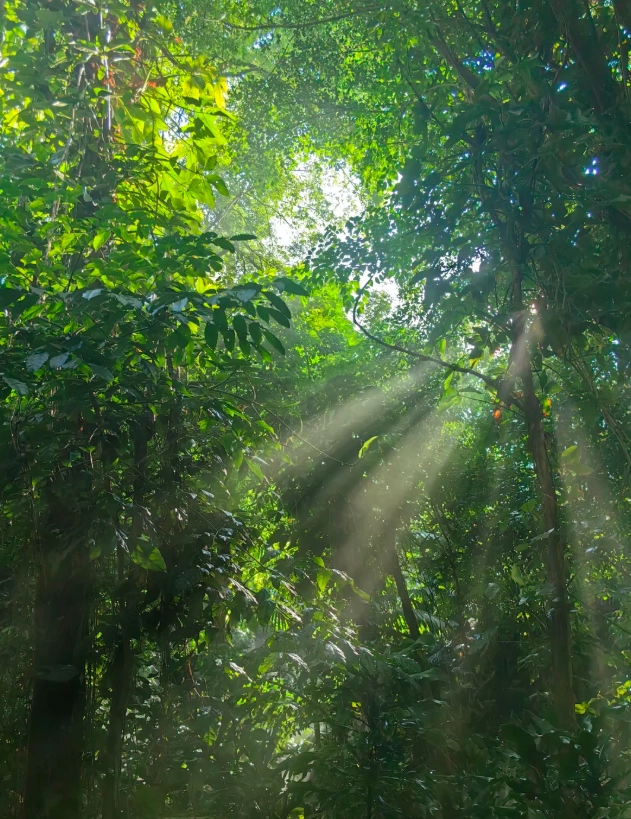
FAQ – What Everyone Asks Me
Verified and fact-checked by the editorial team. This content has been fact-checked to ensure informational precision.





No comments yet.