 Yan Zhou
Everyone tells you to walk the Bund and see the skyscrapers. That’s fine, it’s impressive. But if you want to know what Shanghai feels like, smells like, and sounds like, you need to dig deeper. I’ve lived here on and off for years, and the real magic happens in the spaces between the landmarks. It’s in the steamy alleyway where someone’s frying scallion pancakes, or the quiet corner of a 16th-century garden before the tour groups arrive.
This isn’t a checklist. It’s a collection of essential experiences that, when stitched together, give you a genuine sense of the place. We’ll cover the practical stuff—addresses, times, metro stops—but more importantly, the how and why that most guides skip.
What You'll Find in This Guide
- How to Experience the Bund (Without the Crowds)
- Yu Garden & the Old City Temple: Navigating the Maze
- Shanghai Museum: A Masterclass in Focus
- The French Concession Walk: Architecture & Coffee
- Find a *Tianzifang*-Style Alley or Local Food Street
- See a Shanghai Acrobatics Show (It’s Worth It)
- Take a Huangpu River Cruise at Dusk
- Your Shanghai Trip: Questions Answered
How to Experience the Bund (Without the Crowds)
The Bund is unavoidable, and it shouldn’t be. That sweep of colonial-era architecture facing the futuristic Pudong skyline is iconic for a reason. But most people do it wrong. They go at midday, fight through selfie sticks, look across the river, and leave. The experience feels flat.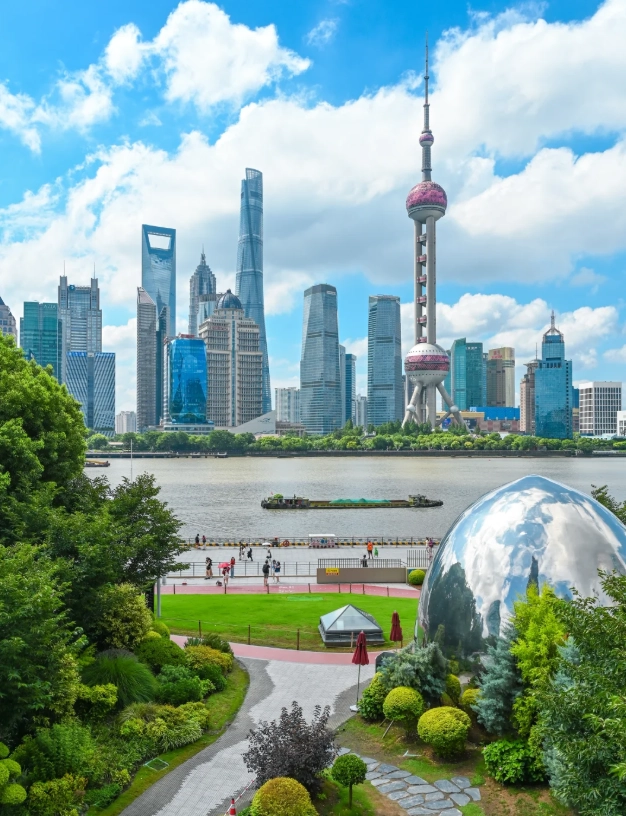
My Strategy for the Bund:
Go twice. Once during the day to appreciate the architectural details—the clock tower of the Customs House, the green pyramid roof of the Peace Hotel. Then, return just before sunset. Start at the southern end (near Yan'an Road) and walk north as the lights begin to flicker on across the river in Pudong. By the time you reach the northern end, the neon spectacle is in full force. The crowds thin out past the main promenade. For a unique (and free) elevated view, pop into the lobby of the Waldorf Astoria Shanghai on the Bund—the historic building section has a gorgeous, quiet atrium.
Getting there: Metro lines 2 or 10 to East Nanjing Road Station, then a 10-minute walk east. Alternatively, line 10 to Yuyuan Garden Station puts you at the southern end.
Skip the overpriced tourist-trap restaurants lining the waterfront.
Yu Garden & the Old City Temple: Navigating the Maze
Yes, it’s touristy. The area around Yu Garden (Yuyuan) can feel like a theme park version of old China, packed with souvenir shops and steamed bun stalls with lines a mile long. But within the garden walls themselves, you find a different world. This 16th-century classical Chinese garden is a masterpiece of design, with pavilions, rockeries, and ponds meant to represent a universe in miniature.
The trick is timing and entry. Enter the garden right when it opens at 8:30 AM. You’ll get about 45 minutes of relative peace before the tour buses unload. Head straight to the Inner Garden, the most serene section. The adjacent City God Temple (Chenghuang Miao) market area is chaotic fun. Don’t come here for a profound spiritual experience; come for the energy, the gold-leafed statues, and the smell of incense mixed with frying oil. The famed Nanxiang Steamed Bun Restaurant is here, but I find the wait absurd. A local secret? The take-out window on the side sells the same famous soup dumplings (xiaolongbao) to-go, no sit-down wait required.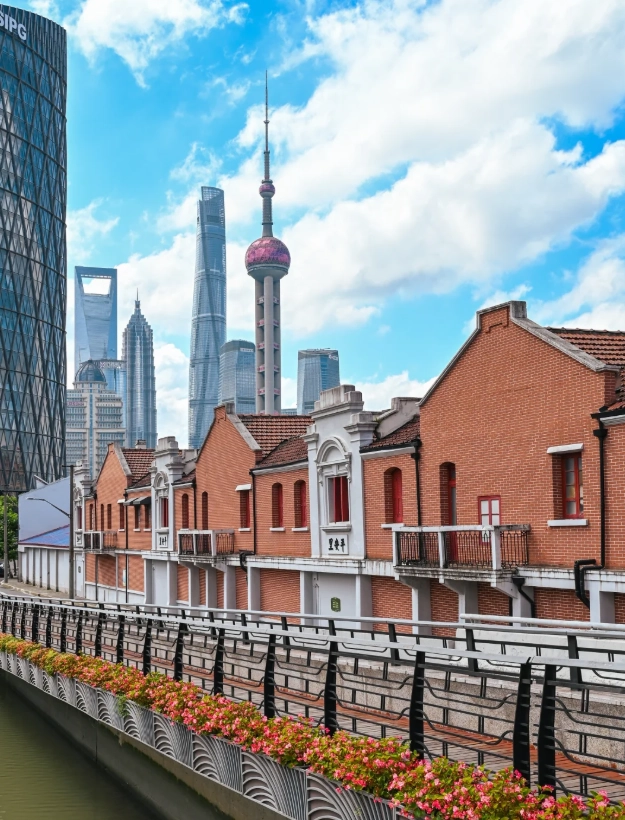
| Attraction | Address | Ticket (approx.) | Hours | Metro Tip |
|---|---|---|---|---|
| Yu Garden (Yuyuan) | 218 Anren St, Huangpu | 40 RMB (Spring/Autumn), 30 RMB (Summer/Winter) | 8:30 AM - 5:00 PM (last entry 4:30 PM) | Line 10, Yuyuan Garden Station, Exit 1 |
| City God Temple Area | Around Yu Garden | Free (to enter market area) | Shops open from ~9:00 AM | Same as above |
Shanghai Museum: A Masterclass in Focus
Located in People’s Square, the Shanghai Museum is often touted for its ancient Chinese art collection, which is superb. But its real strength is its curation. Instead of trying to cover everything, it focuses on specific, world-class collections. The Ancient Chinese Bronze Gallery on the first floor is staggering. The detail and preservation of pieces from 2,000-3,000 years ago is something I haven’t seen matched elsewhere.
My advice? Don’t try to see it all. Pick two or three floors. After the bronzes, I always visit the Chinese Ceramics Gallery (third floor) and the Chinese Painting Gallery (same floor). The museum is free but requires a reservation, which you can easily make on their official WeChat account or website a day in advance. It gets crowded on weekends, so a weekday morning visit is ideal.
Address: 201 Renmin Ave, Huangpu. Metro: Lines 1, 2, 8 to People’s Square Station.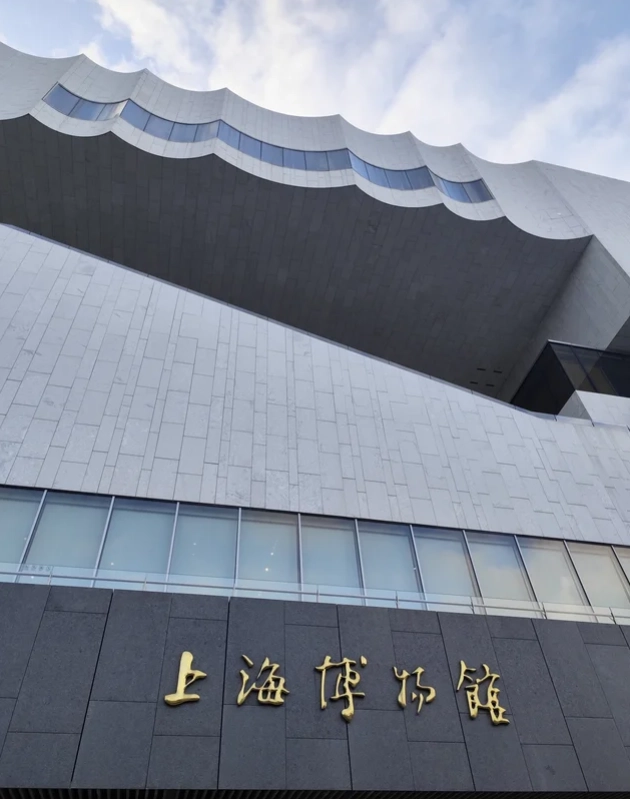
The French Concession Walk: Architecture & Coffee
This is where Shanghai gets leafy, relaxed, and stylish. The former French Concession is a network of tree-lined avenues (like Huaihai Road) and labyrinthine lanes (longtangs). The best thing to do here is to get lost on purpose.
Start at the Xintiandi area (metro Line 1, South Huangpi Road Station)—a sanitized but pretty restoration of shikumen stone-gate houses, now home to cafes and boutiques. Then, wander southwest. Aim for Fuxing Park to see locals dancing, playing cards, and socializing. From there, explore the surrounding streets like Sinan Road and Shanxi Road. You’ll stumble upon art deco apartments, hidden courtyard homes, and independent coffee shops every few blocks. Wukang Road is famous for its historic villas; the Norman Chambers apartment building is a classic photo spot.
It’s not about a single destination. It’s about the atmosphere. Pop into a small gallery, sit at a streetside cafe, and watch the city breathe at a slower pace.
Find a *Tianzifang*-Style Alley or Local Food Street
Tianzifang itself (near Dapuqiao metro) is a warren of narrow alleys filled with craft shops, bars, and cafes. It’s charming but has become very commercial. The concept, however, is what’s important: the revitalization of traditional alleyway housing.
For a slightly less curated but more local version, seek out a neighborhood food street. One I frequent is the area around Xiangyang Road (near South Shaanxi Road metro). As evening falls, tiny restaurants spill tables onto the street, serving everything from spicy Sichuan hotpot to Shanghainese noodles (congyou banmian). There’s no English menu, but pointing and smiling works just fine. The energy is electric and utterly authentic.
If you want a specific, high-quality food experience, head to the Jin’an Kerry Centre or the IFC Mall in Lujiazui. Their food courts have branches of famous city restaurants like Din Tai Fung (for impeccable xiaolongbao) or Nanxiang, but in a clean, air-conditioned setting. It’s not street food, but it’s consistently excellent and stress-free.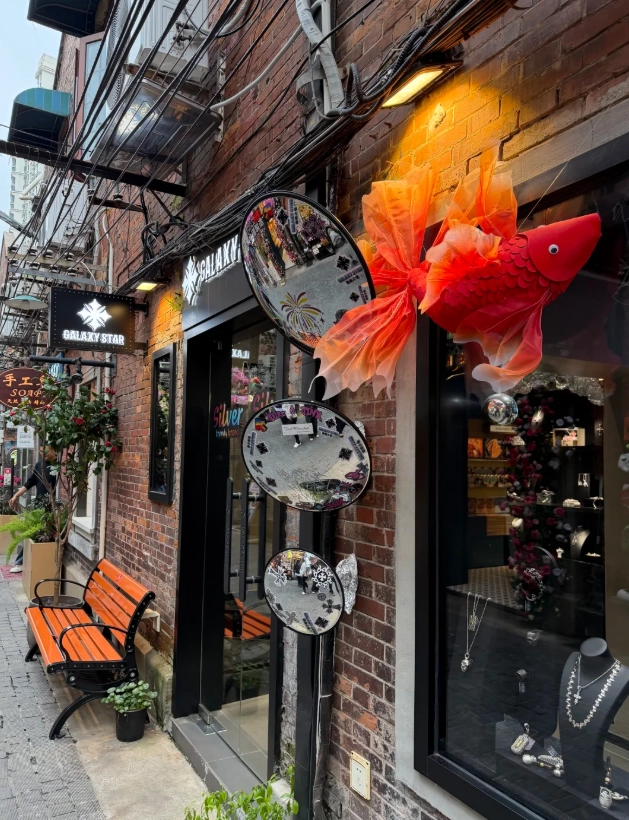
See a Shanghai Acrobatics Show (It’s Worth It)
I was skeptical at first. It sounded like a cheesy tourist activity. I was wrong. The ERA Intersection of Time show at the Shanghai Circus World is a breathtaking display of human skill, choreography, and theatricality. It’s not just about contortionists; it integrates modern dance, lighting, and music with traditional acrobatic feats like the “bowl-balancing” and the “death-defying pole climbers.” The precision is military.
Book tickets online in advance through their official channels or a platform like Trip.com. Opt for mid-range seats; you don’t need the front row. The Shanghai Centre Theatre also hosts reputable acrobatics troupes. It’s a 90-minute spectacle that leaves everyone, kids and adults alike, genuinely amazed.
Take a Huangpu River Cruise at Dusk
This is the companion piece to the Bund walk. Seeing the skyline from the water provides context and scale. The key, again, is timing. Take a cruise that departs around 5:30 PM or 6:00 PM. You’ll see the city in daylight, watch the sunset, and then experience the full neon-lit transformation.
Most cruises depart from the Shiliupu Wharf (near the Bund). Avoid the cheapest option—the boat will be packed and you might be stuck inside. Pay a little more for a deck ticket or a boat with an open-air upper deck. The breeze and unobstructed view make all the difference. It’s a relaxing way to process the visual overload of the city.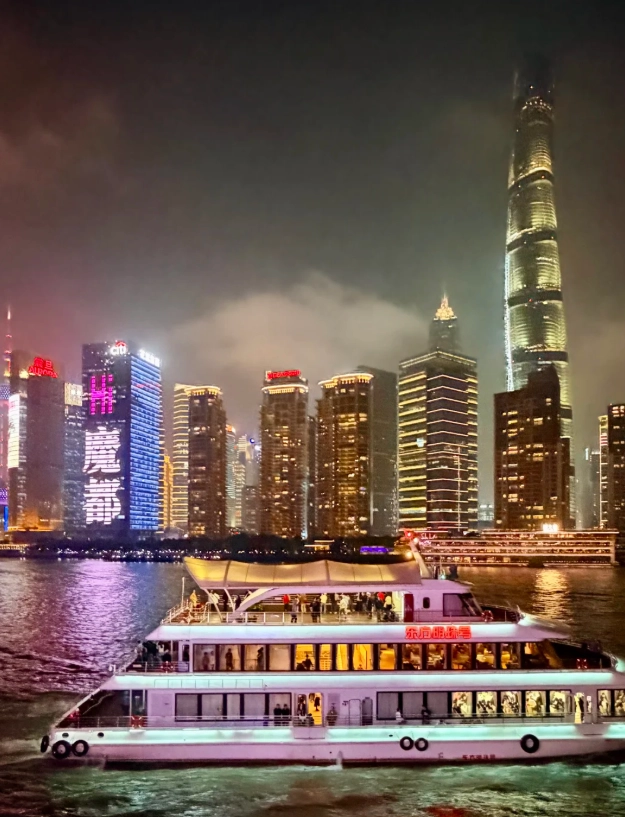





Useful list with solid highlights – I especially liked the inclusion of the jazz bar scene in the French Concession. However, I wish the author had added more practical details like closest metro stops or average wait times for famous restaurants. I ended up spending more time navigating than enjoying because of missing logistics. Still, a good read to get inspired. 4 stars.
Wow, the section on the '1933 Old Millfun' blew my mind! I had never heard of that place, and when I went, the brutalist architecture and the tucked-away cafes were incredible. The article’s advice to go on a weekday made all the difference – I had the whole building almost to myself. This single tip made the entire trip worth it. Give it a read before you go!
Honestly, a bit let down. I was hoping for more unconventional ideas, but this reads like a rehashed version of every 'Shanghai off the beaten path' blog. The 'Must Do' part felt very generic – you can find the same suggestions on any travel site. The writing was clear though, just not for seasoned travelers like me. 3 stars because it’s not bad for complete newbies.
Decent list overall, but I found a couple of the spots to be way too touristy despite the article claiming they're 'hidden gems'. The Huxinting Teahouse was packed and overpriced when I went. Still, the section on the local noodle shops was helpful – thanks for that. Would give it 4 stars because it gave me a good starting point, just don't expect every location to be a secret.
This article is a lifesaver! I was overwhelmed planning my first trip to Shanghai, but the 7 suggestions here are spot-on. Loved the detailed description of the Old City小巷 and the tip about visiting the Water Village at sunrise to avoid crowds. Already booked my hotel near Tianzifang because of this. Highly recommend for anyone who wants to go beyond the tourist traps.