 Hui Lin
What's Inside (Quick Jumps)
I've been bringing travelers here for nearly a decade, and every time I see the same confusion. The map looks simple—a straight north-south alley. But once you step into Nanluoguxiang, the side lanes pull you in, and suddenly you're lost in a web of centuries-old hutongs. Here's the catch: most guides tell you to "just wander," but wandering eats up your afternoon. Let me break down the layout so you can actually enjoy it, not just survive it.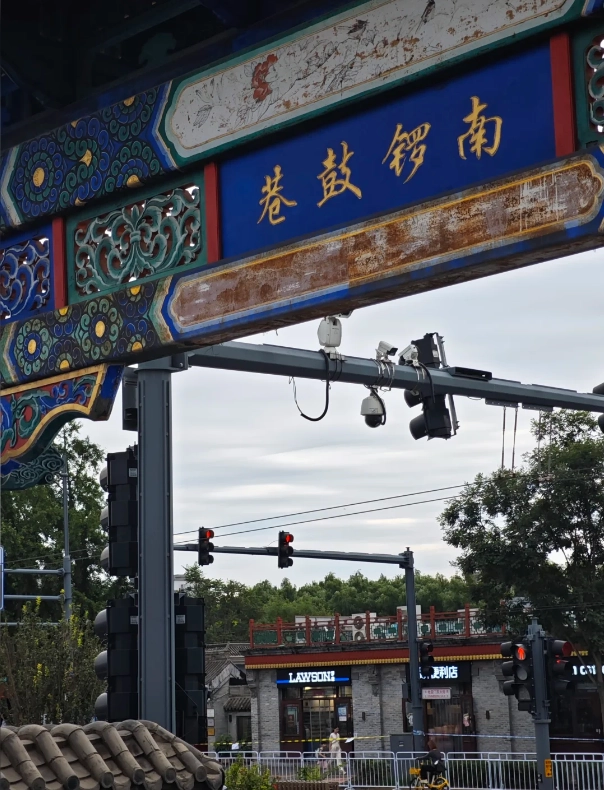
The Basic Layout: One Spine, Many Ribs
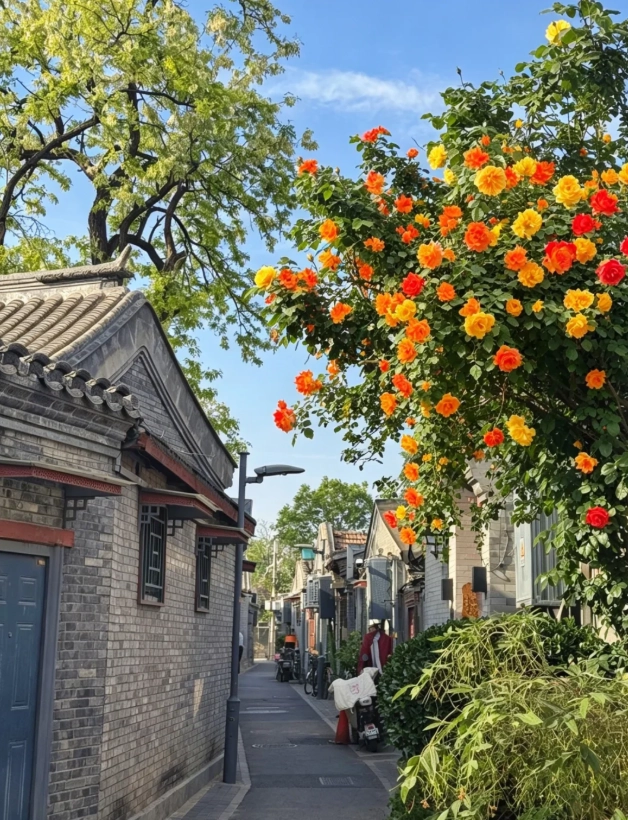
Nanluoguxiang is an 800-meter-long alley running south from Gulou East Street to Di'anmen East Street. Think of it as a fish skeleton. The main street (the spine) is packed with overpriced souvenir shops and skewer stalls. The real magic lies in the hutongs branching off—there are about 16 of them, but only a handful are worth your time.
Key landmarks for orientation:
- South entrance: At Di'anmen East Street. Nearest subway: Nanluoguxiang Station (Line 6, Exit A). Walk north 2 minutes.
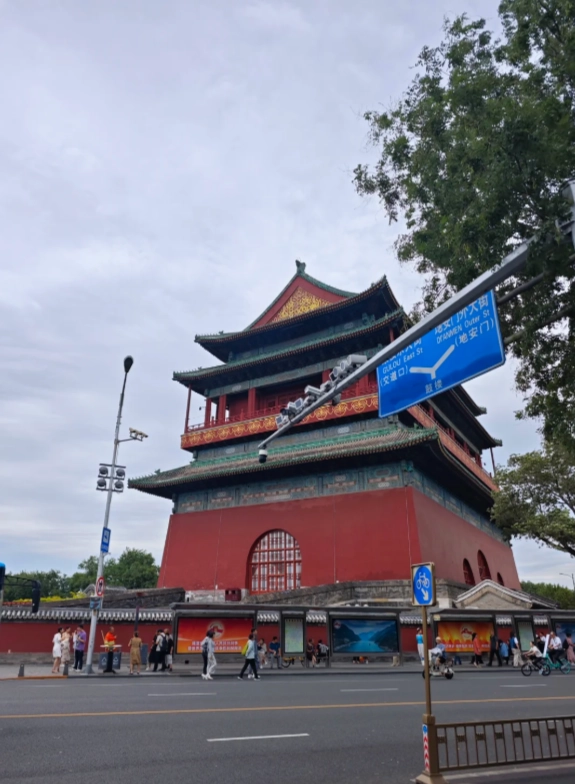
- North entrance: At Gulou East Street. Near the Drum Tower and Bell Tower. Walk south from Exit B of Shichahai Station (Line 8).
- Middle crossing: Mao'er Hutong and Dongmianhua Hutong intersect the main alley. These are your escape routes if the crowd gets crazy.
Must-Know Hutongs Off the Main Drag
Not all side alleys are created equal. After wandering them dozens of times, here are the ones I actually recommend (and the ones to skip).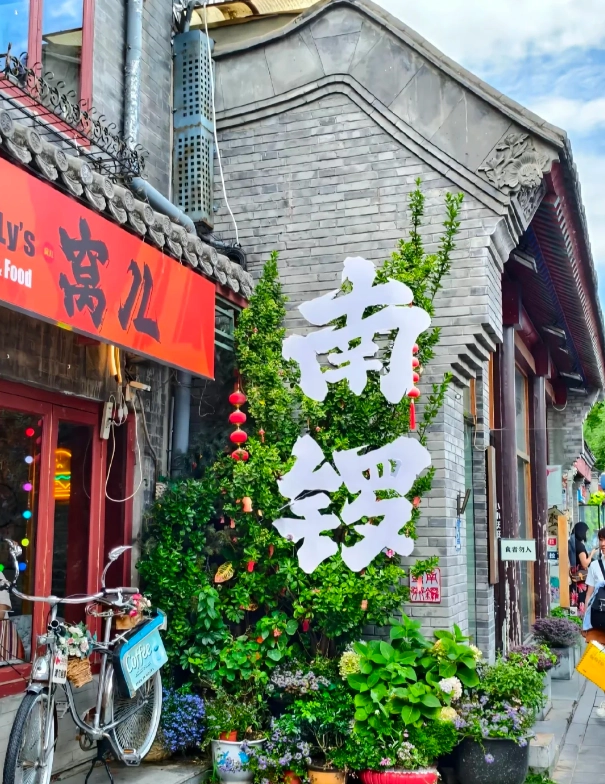
| Hutong Name | Direction from Main Alley | Why Go | Watch Out |
|---|---|---|---|
| Mao'er Hutong | East side, about 300m from south entrance | Quieter, lovely traditional courtyard homes, and a hidden café (The Other Place) with great views | Residents often block photos; be respectful |
| Dongmianhua Hutong | West side, a bit further north | Links to Yuluo Hutong and a cluster of boutique hostels; great for budget food | Narrow and can get congested with bikes |
| Yuluo Hutong | West side, accessible via Dongmianhua | Very tranquil, authentic old-school hutong vibes, few tourists | Not many shops, mostly residential |
| Banchang Hutong | East side, near the north end | Leads to Temple of the Great Bell and a few art galleries | Construction sometimes blocks the path |
How to Plan Your Route (With Time Savers)
Let's say you only have one afternoon. Here is exactly how I guide my groups to maximize the layout without burnout.
The 2-Hour Efficient Route
Start at the south entrance (Nanluoguxiang Station, Exit A). Walk north for 5 minutes, ignoring all the sales pitches. Turn right into Mao'er Hutong. Spend 20 minutes exploring—take a peek into the courtyards (most are closed, but the gates are photogenic).
Back on the main alley, continue north until you hit Dongmianhua Hutong (look for the small sign). Turn left. This hutong leads to Yuluo Hutong, which is my favorite for peace. There's a tiny shop selling handmade dumplings—no English menu, just point at what others are eating.
After Yuluo, retrace your steps to the main alley or go through Banchang Hutong (north end) to reach the Drum Tower. From there, you can grab a taxi or walk to the nearby Shichahai Lake for sunset.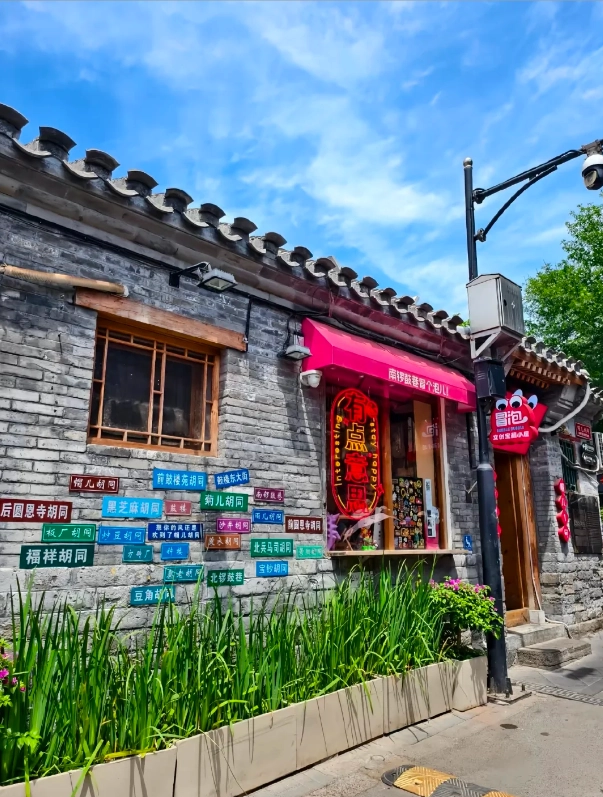
Beware of These Layout Traps
- Symmetry illusion: The side hutongs look like mirror images on maps, but the west-side alleys (like Dongmianhua) have more food and life. East-side ones are mostly residential and lead to dead ends faster.
- Restrooms: There are public toilets every 200 meters on the main street, but they get nasty by 2pm. Use the ones inside Mao'er Hutong (cleaner) or in Dongmianhua Hutong (the one near the boutique hostel has a Western toilet).
- Pickpocket zones: The cross points at Mao'er and Dongmianhua are crowded. Keep your phone in your front pocket.
Where to Eat Without Getting Ripped Off
The main alley food is a tourist trap—the skewers are microwaved and cost 20 yuan when locals pay 5. Here is where I take my groups for real flavor.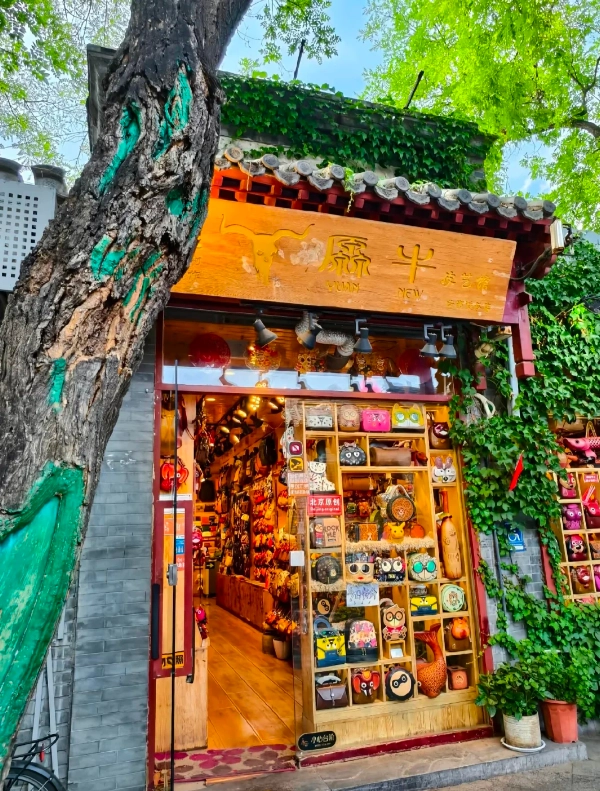
| Place | Location | What to Order | Price Range | Notes |
|---|---|---|---|---|
| Liqun Roast Duck | 11 Dongmianhua Hutong | Traditional Peking duck (order half if alone) | 80-120 yuan per person | Cash only; no English menu but staff will help |
| Yunnan Village | 62 Nanluoguxiang (mid-alley) | Crossing-the-bridge rice noodles | 30-50 yuan | Accepts WeChat/Alipay; has picture menu |
| Hidden Temple Bar | Mao'er Hutong No. 8 | Craft beer and grilled tofu skewers | 40-70 yuan | Good Wi-Fi; international credit cards work |
Hotels Near Nanluoguxiang That Work
Staying close to the hutong is convenient, but many places are noisy. After testing dozens, here are my recommendations.
| Hotel | Address | Room Rate (per night) | Best For | Pain Point |
|---|---|---|---|---|
| Haoyue Hotel Beijing | 18 Dongmianhua Hutong | 400-600 yuan | Budget solo travelers; friendly staff | Thin walls; book a room facing the courtyard |
| The Orchid Hotel (Boutique) | 65 Nanluoguxiang (north end) | 800-1200 yuan | Couples who want atmosphere; rooftop bar | No elevator; stairs are steep |
| Beijing Hutong Courtyard Hotel | 5 Mao'er Hutong | 700-1000 yuan | Families; larger rooms; good Wi-Fi | Front desk Chinese only; have your booking confirmation ready |
Pro tip: Most hotels don't have elevators. If you have heavy luggage, ask for a ground-floor room. And always confirm the water heater—cold showers are a common complaint in winter.
FAQ: Real Questions From My Tours
Verified and fact-checked by the editorial team.





No comments yet.