 Qiang Huang
Ask ten people what Shanghai is famous for, and you'll likely get ten different answers. A finance executive might point to the skyscrapers of Lujiazui. A history buff will argue for the colonial architecture of The Bund. A food lover's mind will immediately go to xiaolongbao, those delicate soup dumplings. Having lived in and explored this city for years, I've come to see its fame not as a single thing, but as a powerful tension between opposites—past and future, East and West, tranquil gardens and roaring metropolis. This guide cuts through the noise to show you the five non-negotiable icons that truly define Shanghai, complete with the practical details and personal insights you need to experience them like a local, not just a checklist tourist.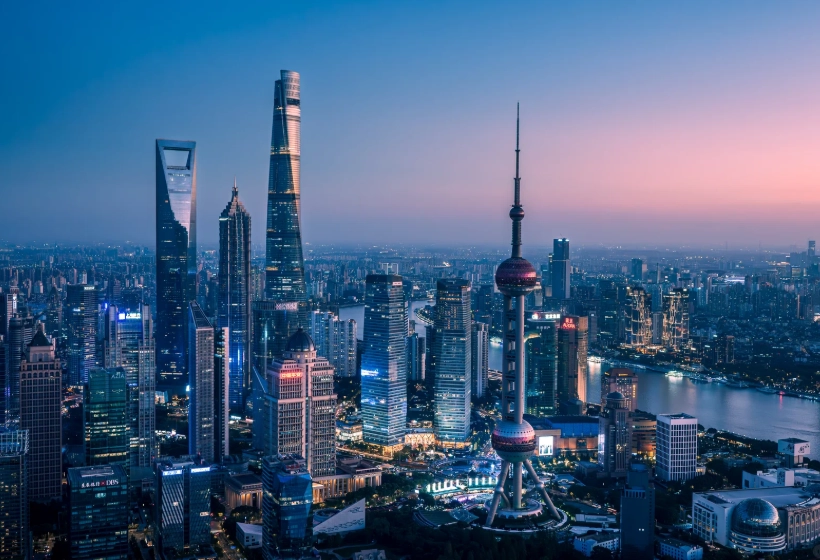
Your Shanghai Icons Quick Guide
Icon #1: The Futuristic Skyline of Pudong
This is the postcard view. The cluster of towers across the Huangpu River in Pudong is Shanghai's most immediate visual signature. It's a statement of ambition. The Oriental Pearl TV Tower, with its distinctive pink spheres, is the quirky pioneer. The Jin Mao Tower brings classic elegance with its pagoda-inspired silhouette. The Shanghai World Financial Center (the "bottle opener") and the current king, the Shanghai Tower—a twisting ribbon of glass that's the world's second-tallest building—complete the set.
Most visitors just stare from across the river. The real experience is being among them. Walking the elevated corridors between these giants at night, with their LED displays painting the clouds, feels like being in a sci-fi film. A common mistake is trying to visit all the observation decks. They're expensive and the views are similar. Pick one based on your priority.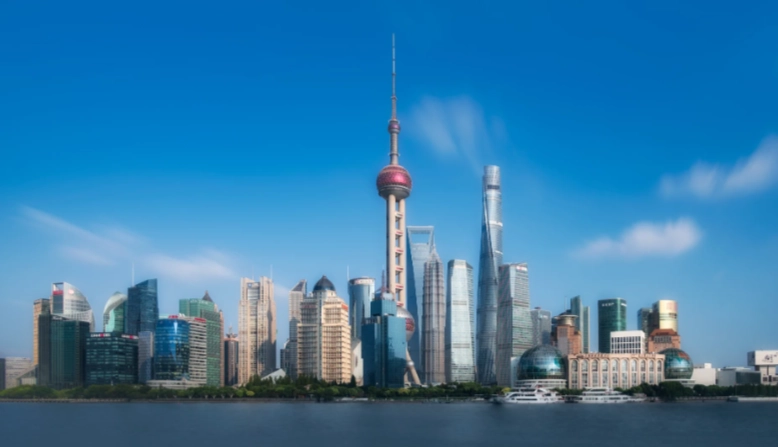
| Viewing Deck | Ticket Price (Approx.) | Best For | My Take |
|---|---|---|---|
| Shanghai Tower (118-119F) | 180 RMB | The highest view, feeling the building's sway. | Breathtaking, but can be hazy. The elevator speed is a thrill itself. |
| SWFC (100F Glass Walkway) | 180 RMB | Adrenaline. Walking on a transparent floor 474m up. | Overrated if you're afraid of heights. The glass is scratched, dulling the effect. |
| Jin Mao Tower (88F) | 120 RMB | A more classic, spacious observation floor. | My personal favorite. Less crowded, better architectural details to see inside. |
Pro Tip: For a free, stunning alternative, book a cocktail at the Flair Rooftop Bar at the Ritz-Carlton Pudong (58th floor). The price of a drink gets you an open-air, 270-degree view that rivals the paid decks. Go just before sunset to see the city transition from day to neon night.
Icon #2: The Historic Bund Waterfront
If Pudong is the future, The Bund is the glorious, complicated past. This mile-long stretch of 52 historical buildings represents the architectural legacy of Shanghai's international settlement era. Walking here is like flipping through a textbook of Gothic, Baroque, Romanesque, and Art Deco styles.
Everyone takes the classic photo from the Huangpu River promenade with Pudong in the background. But the magic is in the details. Look up. The Customs House clock tower (No. 13) still chimes with a melody from Westminster. The green copper pyramid roof of the Peace Hotel (No. 20) is an Art Deco masterpiece. Inside the Peace Hotel, the legendary Jazz Bar features octogenarian musicians who've played since the 1930s. It's touristy, yes, but the atmosphere is authentic history.
My preferred walk is on the old side of the street, not just the riverfront. Peek into lobbies of banks now housing luxury shops. The contrast between the solemn stone facades and the vibrant city life happening in front of them is the essence of Shanghai.
Icon #3: The Classical Yu Garden & Bazaar
Amid the urban frenzy, Shanghai preserves a heart of classical Chinese serenity. The Yu Garden (Yuyuan), a 5-acre Ming Dynasty garden built in the 16th century, is a masterpiece of landscape design. This isn't just a park; it's a philosophical space built with intention. Every rock, pond, pavilion, and winding path is meant to represent a miniature idealized world and to inspire contemplation.
Wandering through the Inner Garden, you'll find dragon-adorned walls, intricate brick carvings, and the iconic Exquisite Jade Rock, a porous 5-ton stone said to have been destined for the imperial palace in Beijing. The garden is surrounded by the Yu Garden Bazaar (Chenghuangmiao), a bustling maze of traditional Qing-style architecture now housing shops, tea houses, and snack stalls.
Address & Logistics: 218 Anren Street, Huangpu District. Open daily from 8:45 AM to 4:45 PM (last entry). Entrance fee is 40 RMB for the garden (the bazaar area is free to enter). It gets extremely crowded on weekends. Go on a weekday morning right at opening time. The nearest metro is Line 10, Yuyuan Garden Station.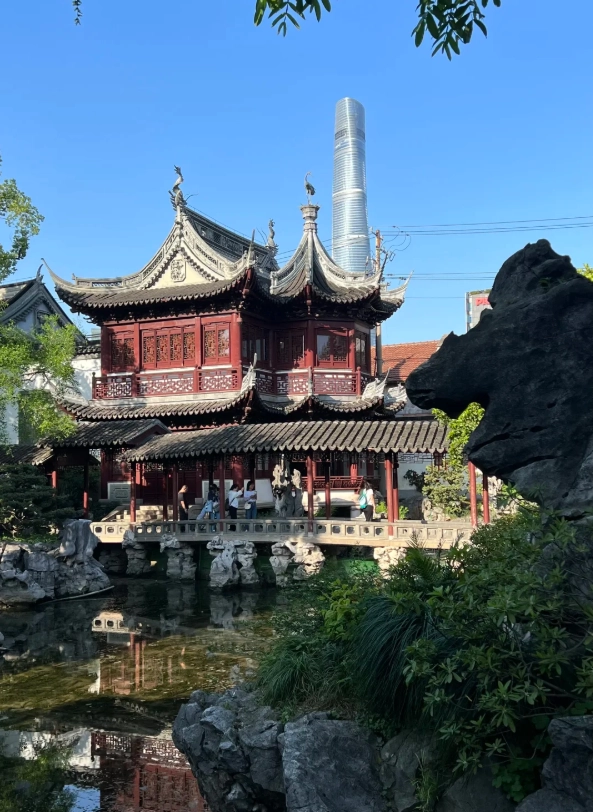
Icon #4: The Legendary Soup Dumpling (Xiaolongbao)
Shanghai's most famous culinary export is a work of delicate engineering. A thin, pleated dough wrapper encases a seasoned pork filling and, crucially, a pocket of rich, hot broth created by solidifying gelatin during preparation. Eating one is a ritual: gingerly place it on your spoon, nibble a tiny hole to release the steam and sip the soup, then eat the dumpling with a dash of black vinegar and shredded ginger.
While chains like Din Tai Fung have globalized it, the best experiences are in local institutions. Here are two tiers of experience:
The Pilgrimage: Jia Jia Tang Bao at 90 Huanghe Road. No frills, often a long queue. They specialize in pure, pork xiaolongbao and a decadent crab roe version. It's about the dumpling, nothing else. Price: Around 30 RMB for a steamer of eight.
The Full Experience: Fu Chun Xiaolong at 650 Yuyuan Road. This is where locals go for a more comprehensive meal. Their xiaolongbao is excellent, but also order their da pai mian (pork chop noodles) and shengjian mantou (pan-fried pork buns). The atmosphere is loud, lively, and authentically Shanghai. A full meal costs about 50-70 RMB per person.
A common tourist mistake is ordering too many steamers at once. They cool fast and the texture suffers. Order one steamer per person, eat them immediately, and order more if you're still hungry.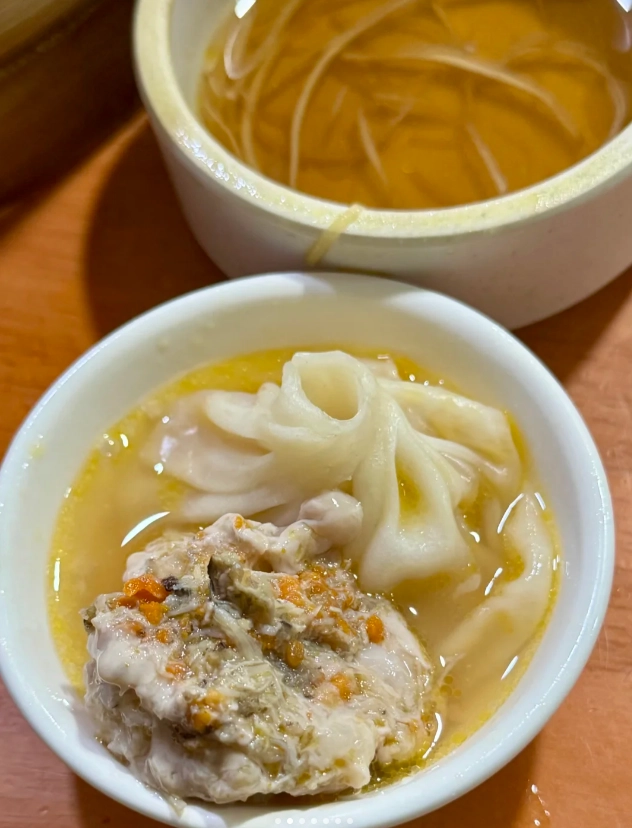
Icon #5: The Blended Cultural Identity
Shanghai's fifth icon is intangible: its unique cultural DNA, born from its history as a treaty port. This is a city that seamlessly blends Chinese tradition with Western influences, creating something entirely its own. You see it in the Art Deco apartment blocks lining the former French Concession streets. You hear it in the Shanghainese dialect, distinct from Mandarin. You feel it in the local xiaozi lifestyle—an appreciation for coffee, brunch, fashion, and understated elegance.
To experience this, skip the main tourist drags for an afternoon. Get lost in the former French Concession. Walk down Fuxing Road or Wukang Road, where plane trees shade historic villas. Pop into an independent coffee shop housed in a renovated lane house. Visit the Power Station of Art, a contemporary art museum in a converted power plant, showcasing the city's modern creative pulse.
This blend also defines Shanghai's food beyond dumplings. Shanghainese red-braised pork (hongshao rou), sweet and savory, is a home-style classic. Drunken chicken or crab, marinated in Shaoxing wine, reflects a refined palate. And the love for cream cakes and butfly pastries from old-school bakeries like Kaisiling is a sweet legacy of its cosmopolitan past.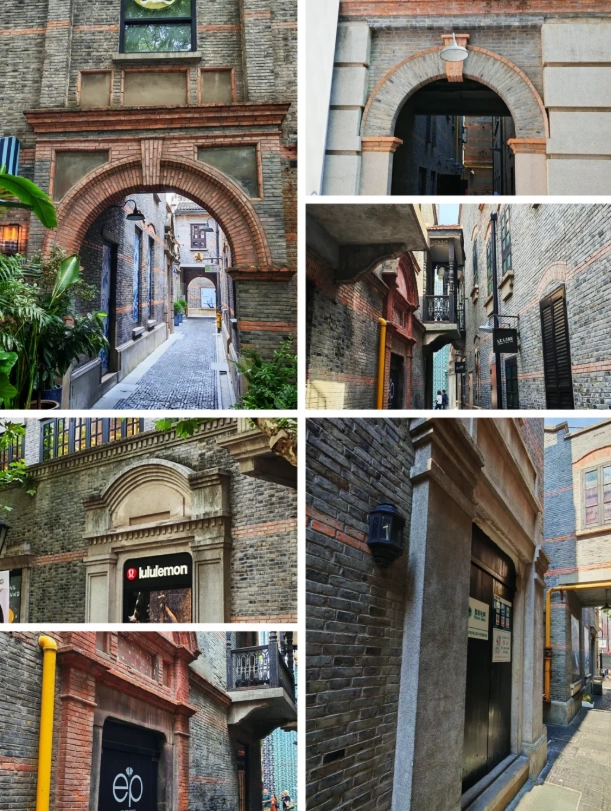
Shanghai Travel: Your Questions Answered
This article is based on first-hand experience and thorough fact-checking of location details, prices, and operating hours.





Nanjing Road is a shopper's dream – huge variety of stores and street food, and the neon lights are pretty iconic. I liked the energy but it felt a bit too commercial and tourist-trap-y after a while. The pedestrian section is nice for people-watching though. Good for an afternoon stroll, but don't expect anything too authentic.
Those soup dumplings (xiaolongbao) are EVERTHING. I had them at a small place near Yuyuan, and the moment I bit into that thin skin and the hot broth burst out – pure heaven. The pork filling was super savory and juicy. If you come to Shanghai and don't eat these, you're missing the whole point. 10/10 would fly back for more!
I was excited about the Oriental Pearl Tower but left a bit disappointed. The ticket price is steep (over 200 RMB) and the queue took nearly an hour. Once you're up, the view is fine but the glass floors are scratched and the whole thing feels a bit dated. Not terrible, but I'd skip it and just see the skyline from the Bund.
Yu Garden is a beautiful oasis in the middle of the city – the classical Chinese architecture and rockeries are really impressive. But honestly, it gets insanely crowded, even on a weekday. You kind of get pushed along, which ruins the peaceful feeling. Still worth a visit for the history, just go early.
The Bund at night is absolutely magical! I stood there for almost an hour just watching the lights dance across the old buildings and the Pudong skyline. The river breeze was perfect, and the whole vibe felt like stepping into a movie. Honestly one of the most stunning cityscapes I've ever seen. Don't miss it!