 Yan Zhou
Let's be honest. A search for what not to miss in Shanghai floods you with the same list: The Bund, Yu Garden, Nanjing Road. They're famous for a reason, but ticking them off a list leaves you with just postcard memories. The real Shanghai—the one that buzzes with energy, whispers history in quiet lanes, and delights your taste buds in unassuming storefronts—requires a sharper lens.
Having wandered these streets for years, I've seen tourists rush and locals savor. This guide is about savoring. We'll cover the icons, sure, but I'll tell you when to see them and what secret corner to peek into right after. We'll dive into food streets where the line out the door is the only menu you need, and find quiet escapes from the urban roar. Consider this your curated shortlist, stripped of fluff and packed with executable details.
Your Shanghai Quick Navigation
Essential Shanghai Landmarks (Done Right)
You can't avoid them, nor should you. The trick is in the approach.
The Bund: More Than a Postcard
Address: Zhongshan East 1st Road, Huangpu District. The promenade runs along the Huangpu River.
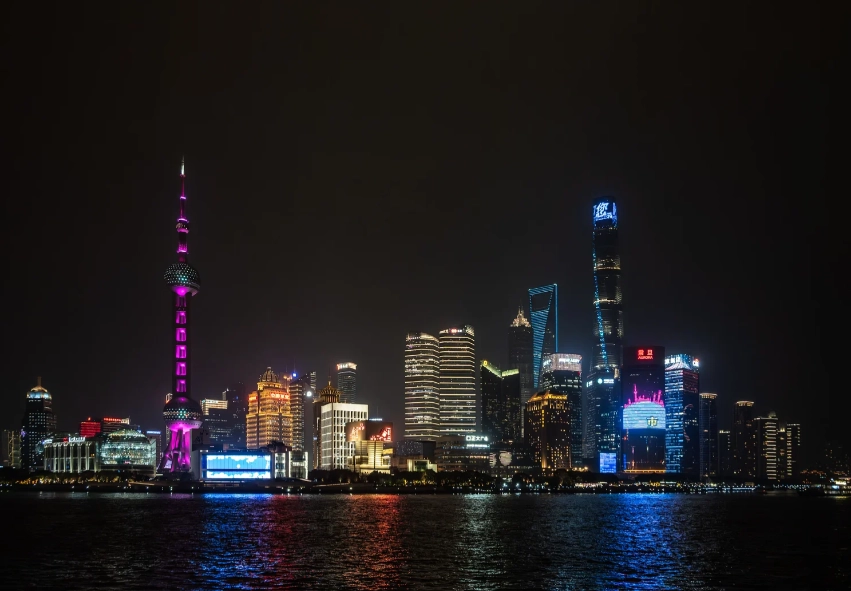
Best Time to Visit: Late afternoon, around 4 PM. This gives you daylight to admire the colonial architecture on the west side, followed by the gradual sunset and the iconic neon light-up across the river in Pudong. The light show on the skyscrapers starts at dusk.
Getting There: Metro Line 2 or 10 to Nanjing East Road Station, Exit 7. Follow the crowds for about a 10-minute walk.
The Local Move: Everyone walks the main promenade. For a different perspective, walk the elevated platform on the Guanqian Road side (the road behind the buildings). You get elevated views of both the river and the intricate building details. Afterward, duck into one of the side streets like Yuanmingyuan Road for a coffee in a much quieter, historic setting.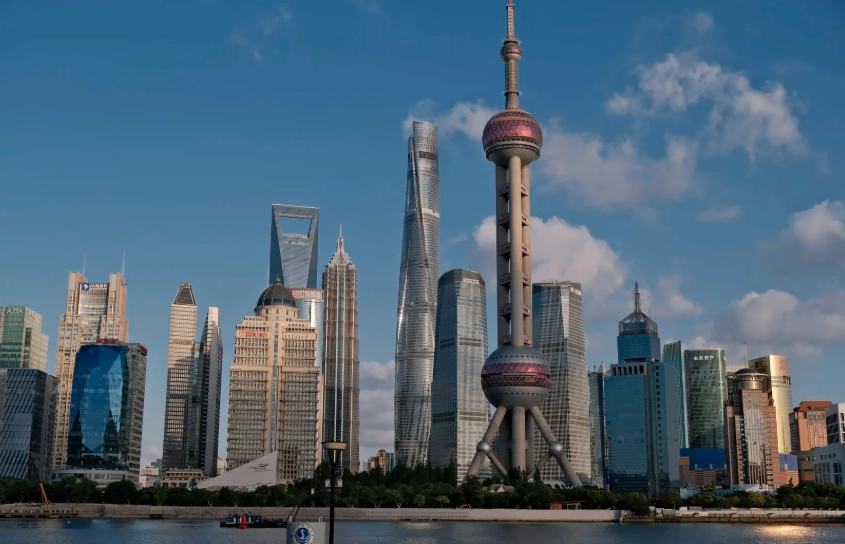
Yu Garden & The Old City: Navigating the Chaos
Address: 218 Anren Street, Huangpu District.
Ticket & Hours: Yu Garden itself requires a ticket (about 40 RMB for the garden section, 30 RMB for the adjacent temple). It's open from 9:00 AM to 4:30 PM, with last entry at 4:00 PM. The surrounding bazaar and Old City streets are free to explore and open later.
Getting There: Metro Line 10 to Yuyuan Garden Station, Exit 1.
The Crucial Tip: Go to Yu Garden the moment it opens on a weekday. The difference between 9:05 AM and 11:00 AM is the difference between a serene, classical Chinese landscape and a shoulder-to-shoulder shuffle. On my last visit, I arrived just as the gates opened. For the first hour, I had pavilions and zigzag bridges almost to myself. The early morning light filtering through the lattice windows was magical. The surrounding bazaar (Chenghuangmiao) gets intensely crowded and commercial. It's worth a walk-through for the spectacle, but for souvenirs, the quality is often low. For better tea or silk, head to the shops on the periphery.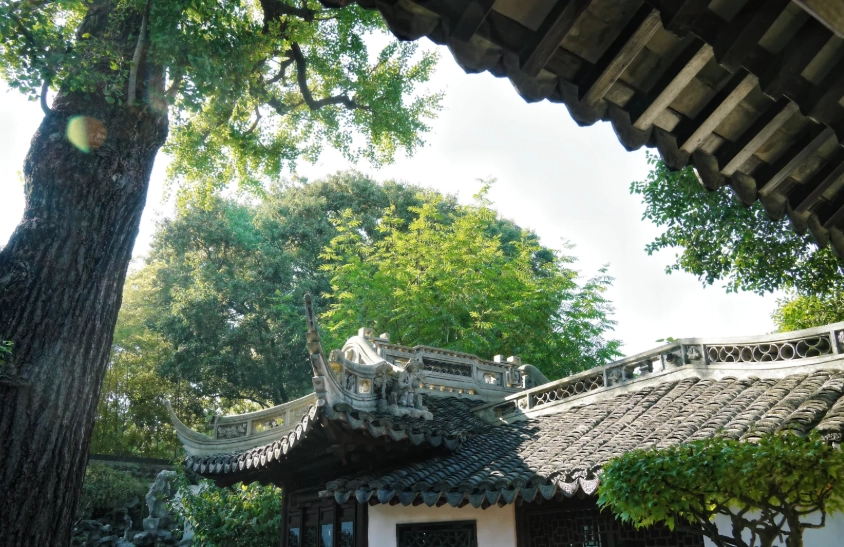
Pudong's Skyline: Pick Your Vantage Point
You have three main choices for that bird's-eye view. Here’s the breakdown to help you decide.
| Observation Deck | Key Feature & Vibe | Ticket Price (Approx.) | Best For |
|---|---|---|---|
| Shanghai Tower (Shanghai Tower Observatory) | The highest (632m). Fast elevators. Views of the entire city, including Jin Mao and SWFC below. Can feel a bit corporate. | 180 - 220 RMB | The ultimate height record; clear day panoramas. |
| Shanghai World Financial Center (SWFC) | Has a unique "skywalk" with a glass floor section. Slightly less crowded than Shanghai Tower. Views of Jin Mao Tower are great from here. | 160 - 180 RMB | Thrill-seekers who want that glass-floor photo. |
| Jin Mao Tower | Most affordable. The observatory is smaller, but the building's classic tapered design is iconic. Often has the shortest lines. | 120 RMB | Budget-conscious travelers; classic architecture lovers. |
My personal take? The Shanghai Tower is impressive, but on a hazy day, you're just in a cloud. The Jin Mao offers a more intimate, less overwhelming experience and the view of the neighboring giants is still stunning. Book tickets online in advance to skip some queues.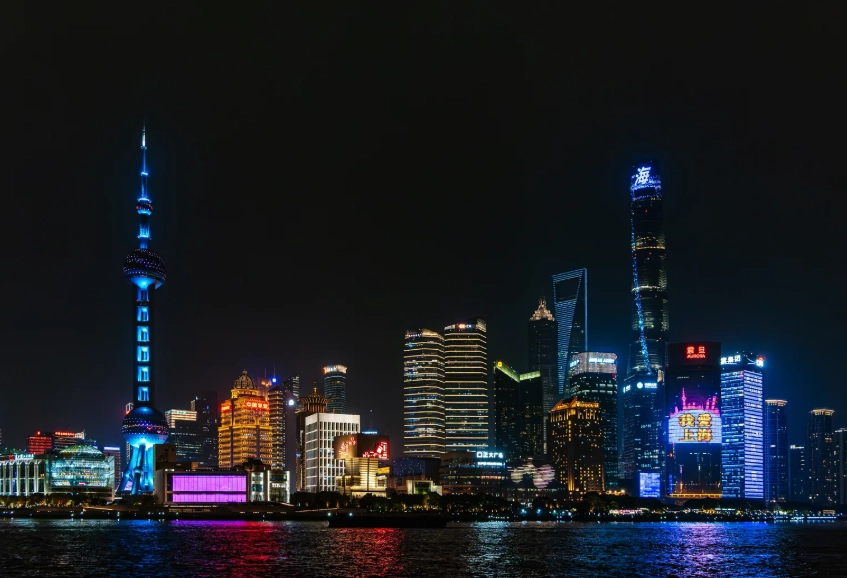
Shanghai's Food Streets & Local Bites
Forget fancy restaurants for a moment. Shanghai's soul is in its street food and century-old eateries.
Pro Tip: Look for places with a queue of locals, not tourists. Menus only in Chinese are a good sign. Don't be shy to point at what others are eating.
Yongkang Road & Surroundings: The Evolution
Once the epicenter of expat bars, Yongkang Road has been reshaped but the surrounding lanes are goldmines. The real action is on Xiangyang Road and Nanyang Road.
Must-Try: Xiao Yang Sheng Jian. This is a chain, but for good reason. Their pan-fried soup dumplings (shengjian mantou) are a benchmark—crispy bottom, juicy pork filling, and a specific technique to eat them without burning your mouth or spilling the soup. A portion of four costs about 12 RMB. There's an outlet at 97 Nanjing West Road, close to the action.
Another Gem: Wander down any small alley off these roads around lunchtime. You'll find workers lined up for cong you ban mian (scallion oil noodles) for under 20 RMB—a simple, savory, and deeply satisfying Shanghai classic.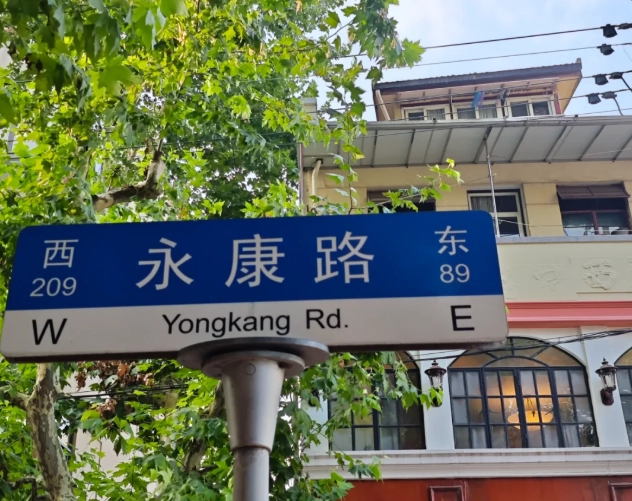
The Old City God's Temple Area: For the Brave
The snack halls here (like the famous Shanghai Old City God's Temple Snack Square) are a spectacle. It's loud, chaotic, and can feel overwhelmingly touristy and the quality is inconsistent.
What to do: Go for the experience, not a gourmet meal. Share one portion of each thing that looks interesting. The crab shell pastry (xie ke huang) and sticky rice stuffed with chicken (ci fan gao) are traditional. My advice? Stick to the established names with long histories outside the main halls, like Nanxiang Steamed Bun Restaurant (though be prepared for a long wait).
French Concession Coffee & Brunch
This isn't traditional, but it's a undeniable part of modern Shanghai life. The tree-lined streets of the former French Concession are dotted with beautiful cafes in renovated shikumen houses. Ferguson Lane (Wukang Road) is a perfect example. It's a lovely area to wander without a map, get lost, and stumble upon a quiet courtyard cafe. Yes, it's a bit gentrified, but the atmosphere is genuinely pleasant.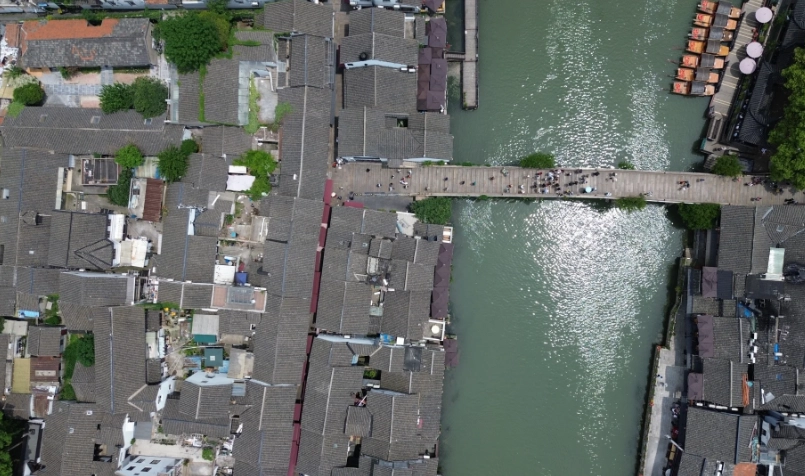
Shanghai's Cultural Havens
Between the skyscrapers, Shanghai holds pockets of profound calm and creativity.
Zhujiajiao Water Town: Is It Worth It?
Address: Qingpu District, about an hour west of central Shanghai.
Getting There: Metro Line 17 to Zhujiajiao Station. It's about a 20-minute walk or a quick taxi ride from the station to the ancient town entrance.
The Reality Check: Zhujiajiao is the most accessible water town. It is beautiful, with stone bridges and canals. It is also extremely crowded on weekends. If you go, go on a weekday. Skip the main tourist boat ride on the central canal—it's a traffic jam. Instead, explore the smaller alleys away from the main bridge (Fangsheng Bridge). Find a tea house on the quieter side canals, upstairs, and just watch the boats go by. It transforms the experience from a tourist trap to a peaceful respite.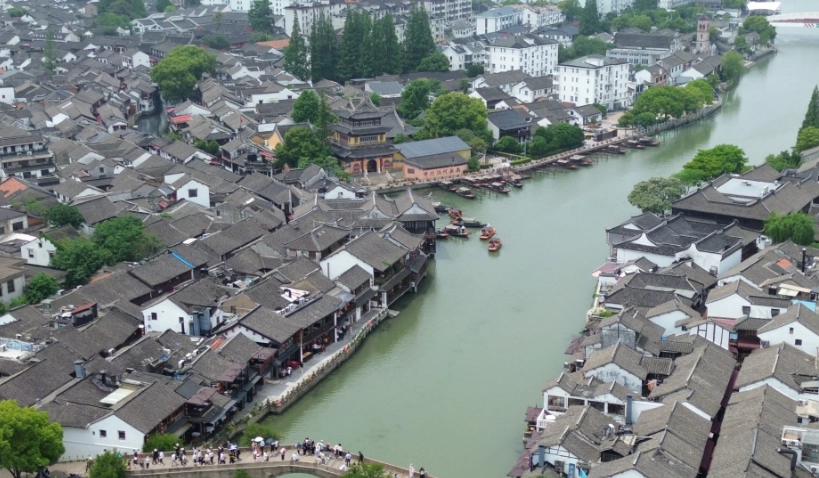
Tianzifang vs. M50: Art in Different Forms
Both are art clusters, but their souls are different.
Tianzifang (Taikang Road) is a labyrinth of narrow lanes packed with tiny craft shops, indie boutiques, cafes, and bars. It's chaotic, vibrant, and commercial, but fun for browsing and people-watching. It feels alive.
M50 (50 Moganshan Road) is a converted textile mill complex. It's grittier, more serious, with proper contemporary art galleries showcasing Chinese artists. It's quieter, more contemplative. You come here to see art, not necessarily to buy a trinket. If you have time for only one, choose based on your mood: energy and shopping (Tianzifang) or contemplation and modern art (M50).
Jing'an Temple: A Surreal Oasis
Address: 1686 Nanjing West Road, Jing'an District.
Ticket: 50 RMB.
The Contrast: This is perhaps Shanghai's most striking visual metaphor. A magnificent, golden Buddhist temple complex sits serenely amidst a canyon of gleaming skyscrapers. The incense smoke curls up against glass and steel. It's a working temple, so be respectful. The peaceful atmosphere inside, with the hum of chanting, creates a bubble of calm that feels miles away from the bustling Nanjing Road just outside its gates. It's a powerful, must-feel experience.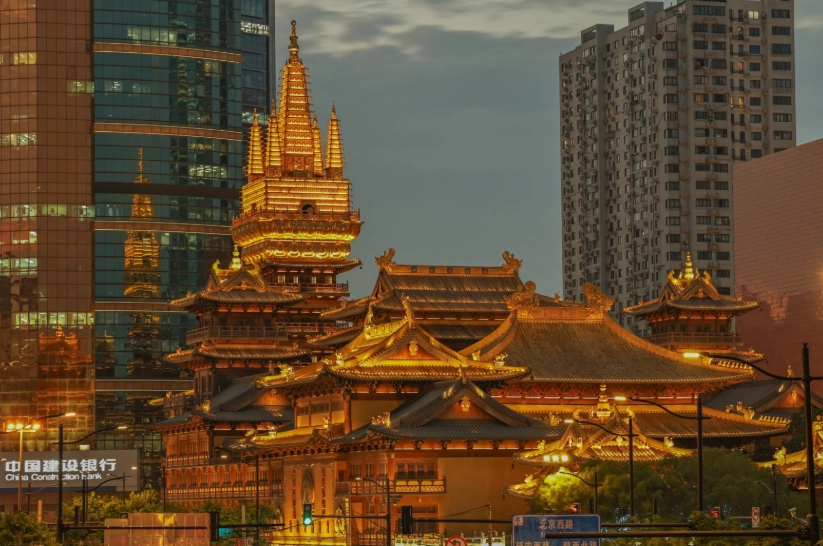
How to Navigate Shanghai Like a Pro
Shanghai's metro is a marvel—clean, efficient, and extensive. Download the MetroDidi app or use Apple/Google Maps for real-time navigation. You can buy single-journey tickets or get a transportation card at any station. For taxis, Didi (China's Uber) is essential. Have your destination written in Chinese or pinned on a map to show the driver.
A common mistake first-timers make is trying to cram Pudong, The Bund, and the Old City all in one morning. The distances on a map look walkable, but the scale is massive and crossing the river takes time. Group activities by district: a morning in Pudong, late afternoon/evening on The Bund. A morning at Yu Garden, lunch and exploration in the Old City and French Concession.
Shanghai Travel FAQ
Is 3 days enough to see what's not to miss in Shanghai?
Three days is a solid foundation. You can comfortably cover the major landmarks (Bund, Yu Garden, one Pudong deck), explore one food street area deeply, and spend half a day in either the French Concession or an art district. It will be paced, not rushed. With 4-5 days, you can add a water town day trip and more relaxed neighborhood exploration.
What is the best area to stay in Shanghai for first-time visitors?
For sheer convenience and being in the middle of everything, People's Square/Nanjing East Road area is unbeatable. It's a major metro hub, walking distance to The Bund, and surrounded by food options. If you prefer a more atmospheric, leafy neighborhood with great cafes and boutiques, the French Concession (around South Shaanxi Road or Changshu Road metro stations) is ideal, though you'll rely more on the metro to reach some icons.
How do I handle payments? Is cash still needed?
Mobile payments (WeChat Pay and Alipay) are ubiquitous, from metro tickets to street food stalls. You absolutely must set one up with a linked foreign card if possible. International credit cards are accepted in most hotels and larger stores, but not in small local shops or for street food. Carrying some Chinese Yuan (RMB) cash is still a wise backup, especially for smaller vendors or if you have payment issues.
What's one thing most tourists miss but is truly unmissable?
A morning walk through a local wet market. Find one in any residential neighborhood (like the one near Jian'an Temple Market in the former French Concession). It's a sensory overload in the best way: the vibrant colors of fresh produce, the lively bargaining, the array of seafood, and the smell of freshly cooked jianbing (savory crepes) from a stall at the entrance. It's a raw, authentic slice of daily Shanghai life that no museum can replicate. Go around 8 AM for the best atmosphere.
 This guide is built from countless walks, meals, and missed turns. The information has been fact-checked against current operational details. Shanghai is a city that rewards curiosity. Step away from the main drag, point to something delicious you don't recognize, and let the city surprise you. That's the most unmissable experience of all.






Checked out the Rock Bund area (the old industrial part) because the article mentioned it’s a hidden gem. I get the vibe – exposed brick, art galleries, and a few craft beer spots. But honestly it felt like a half-baked version of Beijing’s 798. Only two galleries were open, and one bar had a cover charge just to sit outside. Cool concept but needs more development. A solid option if you’re bored, but don’t go out of your way.
The Zhujiajiao water town day trip was the highlight of my Shanghai visit. Getting out of the city felt like stepping into a painting – willow trees over canals, old stone bridges, and the smell of fried tofu in the air. I hired a local boatman for 30 minutes and he even hummed a folk song. It’s a bit far (1h drive) but totally worth it for a peaceful morning away from the skyscrapers.
Went to Yuyuan Garden based on the 'beyond the Bund' list. Honestly, it was overhyped. The garden itself is pretty, but the surrounding bazaar is a total tourist trap – same cheap souvenirs and loud vendors everywhere. I got a stomachache from a questionable dumpling. The ticket price is okay but not worth the hassle to get there. Maybe if you go on a weekday morning it’s better, but my Saturday afternoon was a letdown.
We did the French Concession walking tour recommended here. The plane trees on Wukang Road are gorgeous, and we stopped at a tiny coffee shop that roasted its own beans. However, the walking route was longer than expected and we ran out of water. Also, a couple of the historic houses were closed for renovation, which wasn’t mentioned in the guide. Still a pleasant afternoon, but I wish the logistics were clearer.
I took my parents on the Huangpu River night cruise instead of just walking the Bund, and it was absolutely worth it. The way the lights reflect off the water, especially near the Oriental Pearl Tower, gave us that classic Shanghai skyline shot without the crowd shoving. We booked the 7:30 slot and had a window seat – the breeze was cool even in summer. Only thing: the audio guide was a bit robotic, but honestly the view did all the talking.