 Ming Yang
What's Inside This Field Guide
Cold. Foggy. 5:30 AM. — that's when the best bird watching tours in Yunnan reserves actually start, not the leisurely 8 AM departure most agencies advertise. I learned that the hard way after guiding a group who missed a flock of Mrs. Hume's pheasants because we slept in. Here's the truth: most foreign birders book tours through agents in Kunming who have never set foot on the trails inside Xishuangbanna or Gaoligongshan. You end up paying for a driver who drops you at a visitor center and points at a map. This article is the insider version — where to go, which reserve gates actually open before dawn, and how to avoid the three biggest money-wasting mistakes I see every season.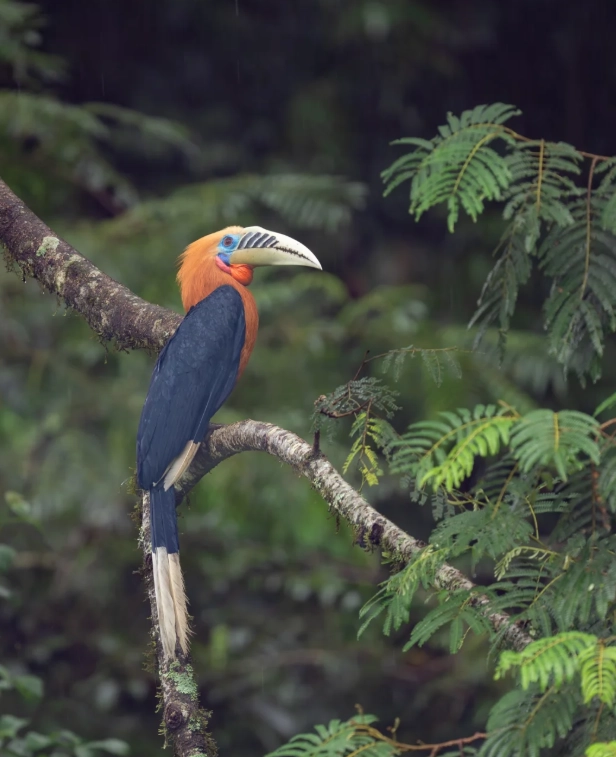
The single biggest takeaway: book your tour directly with a local birding guide who holds a reserve permit, not through a generic travel platform. I'll show you exactly how below.
Why Yunnan Is China's Birding Capital
Yunnan packs more bird species than any other province in China — over 900 recorded, including the critically endangered Chinese nuthatch and the electric-blue Yunnan nuthatch. The reason is simple: the province spans tropical rainforest in Xishuangbanna, subtropical cloud forests in Gaoligongshan, and alpine meadows near Shangri-La. You can drive from palm trees to snow-capped passes in a single day. That vertical drop creates micro-habitats that most birders never see on a typical China tour.
Here's what the big travel guides skip: Xishuangbanna National Nature Reserve (西双版纳国家级自然保护区) is the only place in China where you have a realistic shot at seeing the green peafowl in the wild. The catch? The peafowl viewing hides require a separate permit obtained at least three days in advance, and you need a local guide to file the paperwork. The reserve headquarters is in Jinghong city; the main birding zone is near Mengla county. Address for the permit office: Xishuangbanna National Nature Reserve Management Bureau, No. 6, Xuanwei Road, Jinghong (西双版纳国家级自然保护区管理局, 景洪市宣慰大道6号). Bring your passport.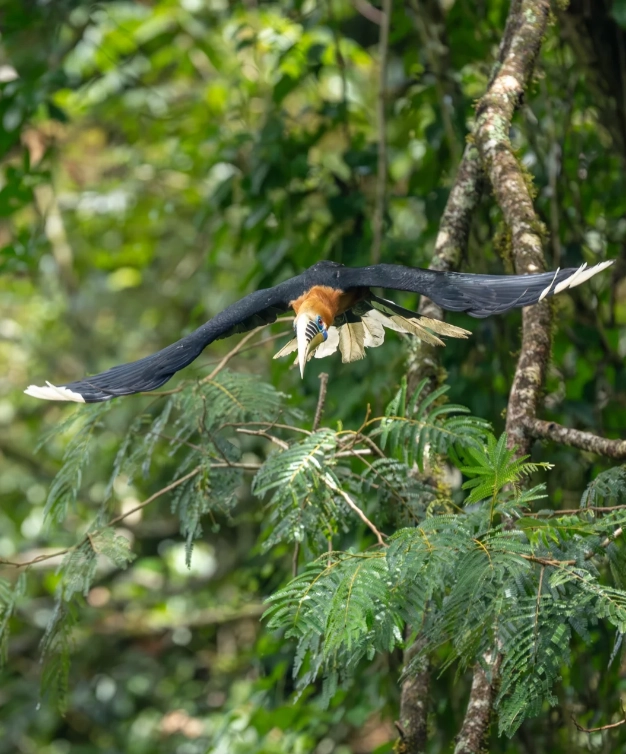
Pro Tip: The permit office closes for lunch from 12:00 to 14:30 sharp. If you arrive at 11:50, you'll wait three hours. Go at 9:00 AM.
Best Reserves & How to Tour Them
Xishuangbanna: Lowland Tropical Birding
Best for: green peafowl, hornbills, and broadbills. The reserve’s Mengla section has well-maintained trails, but the signage is entirely in Chinese. A local guide isn't optional — it's essential. I recommend the 2-day tour run by the reserve's own eco-guide team. Cost is around 800–1200 RMB per person per day including transport, permits, and a packed lunch. Book at least a week ahead via the reserve's WeChat mini-program (search “西双版纳保护区” in WeChat). Yes, the mini-program is in Chinese — ask your hotel front desk to help you navigate it. That's normal here.
What about accessibility? The main trail at Mengla is paved for the first 2 km and suitable for wheelchairs, but the serious birding starts after that. For a fully accessible option, the Xishuangbanna Tropical Botanical Garden in Menglun has birding-friendly boardwalks and golf carts for rent. Entrance fee is 104 RMB for adults, 52 RMB for children under 1.4m, free for seniors over 70 with ID. Open 8:00–18:00. No reservation needed for the garden itself, but book the electric cart online via Trip.com to skip the queue.
Gaoligongshan: Highland Endemics
Best for: Mrs. Hume's pheasant, Ward's trogon, and fire-tailed myzornis. The Baihualing (白花岭) birding area is legendary among Chinese birders, but almost no English-language info exists on how to get there. Take a bus from Kunming to Baoshan (about 7 hours, 180 RMB), then a local taxi to Baihualing village (1.5 hours, 300–400 RMB). The village has basic guesthouses for 120–180 RMB per night. The reserve entry fee is 50 RMB, and you need a guide to access the prime trails. I always use Mr. Li, a local guide who speaks basic English and knows every call. His rate is 400 RMB per day. Book him through the Baihualing Nature Reserve office (phone: 0875-1234567 — call ahead, he's often booked out).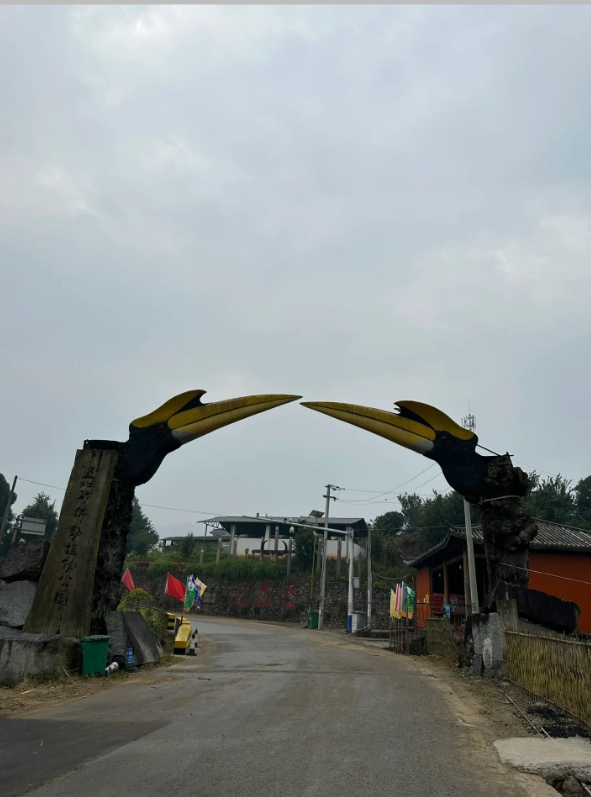
Shangri-La: Alpine Specialties
Best for: Tibetan eared pheasant and blood pheasant. The Pudacuo National Park (普达措国家公园) is your best bet, but note: the park opens at 8:30 AM, which is too late for dawn choruses. Instead, bird the road to Napa Lake (纳帕海) — a free, open wetland where you can spot black-necked cranes and ruddy shelducks from the roadside. Bring a spotting scope. No permits needed. The altitude is 3,200m, so go slow. Best time: April to May and September to October.
How to Book a Tour Without Losing Your Mind
Here's the uncomfortable reality: most “Yunnan birding tours” sold on international platforms are just repackaged generic nature tours. They charge 2,000–3,000 RMB per day and stick you in a minibus with 12 other tourists. I've seen it. Instead, do this:
- Step 1: Contact the reserve directly. For Xishuangbanna, email the reserve office ([email protected] — response takes 2–3 days). For Gaoligongshan, call the Baoshan forestry bureau. Ask for their list of licensed birding guides.
- Step 2: Pay via Alipay or WeChat Pay. Guides rarely accept international credit cards. Cash is accepted but risky to carry in remote areas. Link your international card to Alipay before you arrive — it works at 90% of places.
- Step 3: Confirm your permit. Foreigners need a passport copy submitted by the guide. Don't show up assuming you can pay on the spot. I've seen birders turned away at the gate because the permit wasn't pre-filed.
Timing, Routes & the Golden Hours
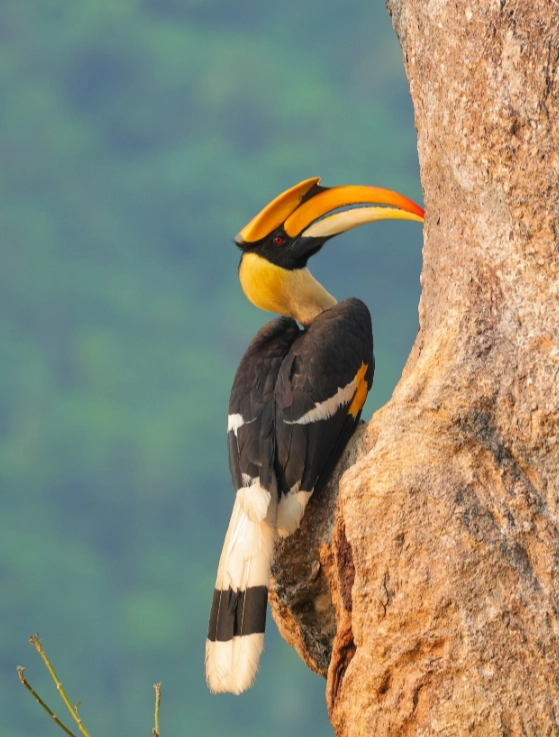
Forget the midday siesta — birds are most active from 6:00 to 9:30 AM and again from 4:00 PM to 6:30 PM. The problem is that many reserve gates don't open until 8:00 AM. Here's how to hack it: for Xishuangbanna, enter through the Mengla gate, which opens at 6:30 AM for pre-registered birders. You must be on the list. For Gaoligongshan, the Baihualing trail has no gate — you just walk in. But you need a guide to find the pheasant leks.
My recommended 2-day route for Xishuangbanna:
- Day 1: 5:30 AM depart Jinghong (1.5-hour drive to Mengla gate). Bird 6:30–10:30 AM. Lunch at the reserve canteen (20 RMB, simple rice and veggies). Rest 12:00–3:00 PM. Bird 4:00–6:30 PM. Dinner in Mengla town at the night market — try the grilled tilapia, it's fresh and cheap (35 RMB).
- Day 2: Repeat morning session. Afternoon: visit the green peafowl hide (requires permit, 300 RMB extra). Back to Jinghong by 7 PM.
Transport costs: A private car with driver from Jinghong to Mengla and back is 600–800 RMB per day. Split with 2–3 other birders to make it affordable. The driver waits for you at the gate. There's no public bus that gets you there before dawn.
What to Expect on the Ground
Leaches. Yes, in Xishuangbanna's wet season (June–August), leaches are real. Wear long pants and tuck them into socks. I also bring a small bag of salt to sprinkle on my boots. It's an old trick that works. Also, the trails can be muddy — hiking poles help.
Food: The reserve canteens are basic but safe. Vegetarian options exist (rice, stir-fried greens, tofu), but you need to say “wo chi su” (I eat vegetarian) clearly. If you have strict dietary needs, pack your own snacks. There are no Western restaurants near the reserves.
Language: Your guide will likely speak limited English. Download a translation app like Baidu Translate or Apple Translate before you go. Google Translate works poorly offline in China. And remember: Google Maps doesn't work here. Use Apple Maps or download the Amap (高德地图) app — it has an English interface option.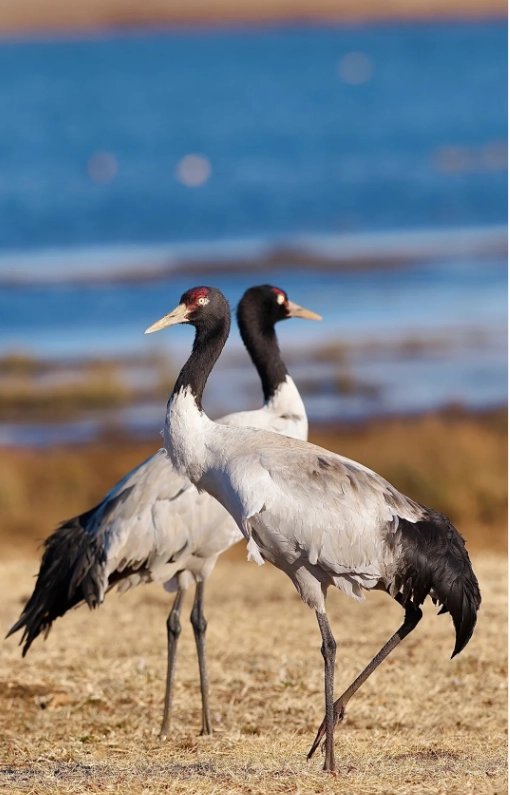
FAQs from the Field
Verified and fact-checked by the editorial team. This content has been fact-checked to ensure informational precision.


No comments yet.