 Jing Song
Two cracked ribs, one icy pavement, and a payment window that said no to Visa.
Quick Briefing — Tap What You Need
- What Liaoning Travel Insurance Actually Covers
- Do You Legally Need Travel Insurance to Enter China?
- What Medical Care Really Costs in Shenyang and Dalian
- How to Buy Liaoning Travel Insurance Before You Fly
- Filing a Claim from China: The Paperwork That Trips People Up
- Liaoning-Specific Risks Worth Insuring For
- A 24-Hour Emergency Plan for Shenyang
- Liaoning Travel Insurance Questions I Get Every Winter
A woman broke her wrist outside the Shenyang Imperial Palace. Black ice. Nobody saw it coming.
A few winters back I watched that happen to a client who was fit, careful, and forty-one. The fall took four seconds. Sorting out the hospital bill, the receipts, and the insurance claim took her the rest of her holiday.
That is why I now make every traveler I guide book Liaoning travel insurance before they board the plane — not because border officers ask for it, but because Chinese hospitals bill foreigners upfront, at the counter, before treatment continues.
Here is the short version: buy a policy with at least USD 100,000 in emergency medical cover and a separate evacuation clause, keep every stamped receipt, and treat Shenyang and Dalian as places where a sprained ankle can quietly cost you a thousand dollars. The rest is detail. Let me lay it out.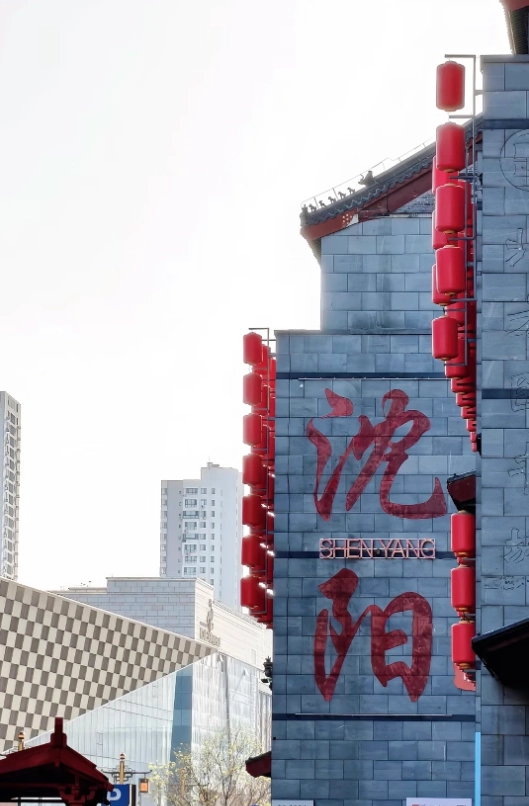
What Liaoning Travel Insurance Actually Covers
Most policies sold online split your money into three pots. In northeast China, only two of them matter much, and one of those is usually too small.
The Three Clauses That Matter in Northeast China
A policy without a serious emergency medical limit is decoration, not protection.
- Emergency medical: aim for USD 100,000 minimum. Inpatient care at a top Shenyang teaching hospital climbs into the thousands fast once surgery is involved. Budget plans sold on Chinese platforms often cap far lower.
- Emergency evacuation and repatriation: this is the clause that pays for a flight to Seoul, Beijing, or Tokyo when local care is not enough. Look for USD 250,000 and confirm it is a separate line item, not folded into the medical pot.
- Trip interruption: Liaoning winters cancel flights and high-speed trains. A policy that refunds an extra hotel night pays for itself in one snowstorm. Rebook on China Railway's official 12306 platform and keep the delay notice — that screenshot is your evidence.
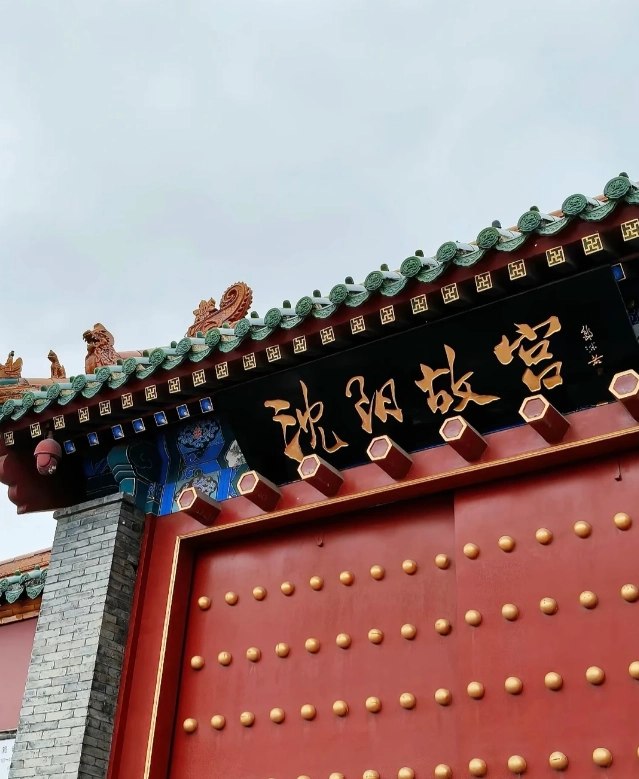
Exclusions That Quietly Kill Claims
The three exclusions that bite travelers hardest are winter sports, two-wheelers, and alcohol.
- Winter sports: standard plans exclude skiing and snowboarding entirely. If Baiqingzhai or Guaipo is on your list, you need a rider.
- Two-wheelers: e-bike and scooter accidents are excluded unless you held a valid license for that vehicle class. Almost no foreign visitor holds a Chinese motorcycle license, so this clause is a trap.
- Alcohol: anything where alcohol is named as a contributing factor gets reduced or denied. A long Dalian seafood dinner followed by a slippery stairwell is a claim your insurer will fight.
- Pre-existing conditions: declare your regular medication. Undeclared is unpaid.
Do You Legally Need Travel Insurance to Enter China?
For most short tourist entries, no — and that is exactly why so many travelers arrive uncovered.
China has widened its visa-free and transit arrangements considerably, and the National Immigration Administration publishes the current entry rules in English. Visa categories sit with the Ministry of Foreign Affairs. Read both and you will notice that travel medical insurance is not a standard requirement for a short tourist stay.
So why bother? Because the risk does not live at the border. It lives at the cashier's window.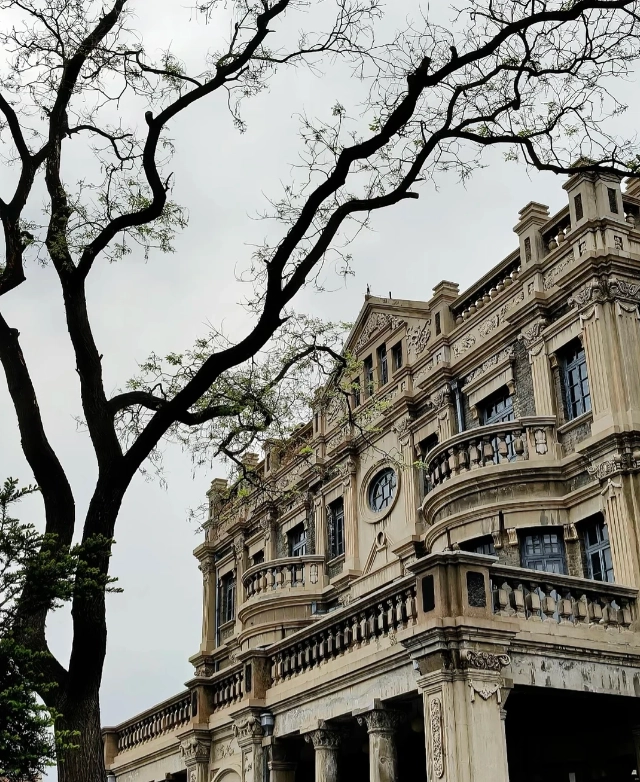
Pro Tip: Nobody at Shenyang Taoxian International Airport has ever asked one of my clients to show a policy. The person who asks for money is the cashier at the hospital, and she does not care about your insurance card — only whether your phone can pay.
What Medical Care Really Costs in Shenyang and Dalian
Chinese public hospitals cost less than American ones and more than most travelers expect.
| Service | Ballpark Cost (RMB) | Notes |
|---|---|---|
| Outpatient registration, ordinary | 10–30 | Passport required at the counter |
| Registration, specialist or VIP clinic | 100–500 | Faster queue, more English |
| Blood tests and basic labs | 100–400 | Results usually same day |
| X-ray | 100–300 | Walk-in, no appointment |
| CT scan | 300–900 | Appointment usually needed |
| MRI | 600–1,500 | Longest wait, often next day |
| Plaster cast, simple fracture | 500–2,000 | Materials included |
| Appendectomy with hospital stay | 15,000–40,000 | Varies by hospital tier |
| ICU, per day | 3,000–10,000 | Where policies earn their keep |
| Ambulance, dial 120 | Few hundred plus distance | Not always faster than a taxi |
These are ballpark ranges for public hospitals and they shift with policy and hospital tier. Use them for budgeting, not as a quote.
Hospitals in Liaoning That Foreigners Actually Use
| Hospital | City | Chinese Name for Your Driver | English Support | Best For |
|---|---|---|---|---|
| Shengjing Hospital of China Medical University | Shenyang | 盛京医院 | Limited; VIP clinic has some English | Injuries, imaging, surgery |
| The First Hospital of China Medical University | Shenyang | 中国医科大学附属第一医院 | Limited; bring a translation app | Complex and specialist cases |
| The First Affiliated Hospital of Dalian Medical University | Dalian | 大连医科大学附属第一医院 | Limited | General emergencies in Dalian |
| Dalian Municipal Central Hospital | Dalian | 大连市中心医院 | Limited | Everyday care, shorter queues |
I am deliberately not printing street addresses here. Liaoning's teaching hospitals sprawl across multiple campuses, and drivers get sent to the wrong gate constantly — I have personally sat in a taxi that looped a hospital ring road three times. The Chinese name above is what actually gets you to the right entrance. Show it to your Didi or taxi driver and confirm the campus before you set off.
Getting Past the Registration Desk Without a Chinese ID
The self-service kiosks in the lobby want a Chinese ID card, and yours will not scan.
Skip the machines. Walk to the staffed counter, hand over your passport, and say gwa-how — 挂号, the word for registration. You will be asked which department. For a fall, that is 骨科, orthopedics. Pay at the window, then carry the slip to the department and wait for your number.
Pro Tip: Screenshot the characters for your department before you go. 骨科 for bones, 急诊 for emergency, 内科 for internal medicine. Saying them out loud in a noisy lobby rarely works. Pointing at your phone screen always does.
How to Buy Liaoning Travel Insurance Before You Fly
Buy it in your home country, in your own language, before departure. Buying inside China as a foreigner is possible but genuinely painful.
Chinese insurers such as Ping An, PICC, and China Life mostly require a Chinese ID number. Their apps are Chinese-only, and the claim forms are in Chinese. Some will sell to passport holders, but you are signing up for a slog at the worst possible moment.
| Plan Type | Typical Cost, Two Weeks | Medical Limit | Who It Suits |
|---|---|---|---|
| Basic travel plan | USD 25–50 | USD 50,000 | City trips, no sport |
| Standard medical plan | USD 50–90 | USD 100,000–250,000 | Most travelers to Liaoning |
| Winter sports rider | Add USD 20–60 | Matches base plan | Skiers at Baiqingzhai or Guaipo |
| Premium evacuation plan | USD 120–250 | USD 500,000+ | Older travelers, remote areas |
Premiums rise sharply with age, especially past sixty. Get a real quote rather than trusting a comparison site's headline number.
What about the coverage bundled with your premium credit card? It is usually secondary — it pays only after your primary policy is exhausted — and the evacuation cap is often far too low for a medical flight out of northeast China. Treat it as a backup, never as the plan.
Trip.com does sell domestic travel insurance as an add-on when you book trains and flights, which is handy if you are already inside China and want a small top-up. It is not a substitute for a proper medical policy with an evacuation clause.
Filing a Claim from China: The Paperwork That Trips People Up
Chinese hospitals hand you a stack of paper, and only some of it counts.
- Original itemized invoice carrying the hospital's financial stamp — not a photocopy
- Diagnosis certificate with the red hospital chop
- Outpatient medical record booklet
- Prescriptions and pharmacy receipts
- Photocopy of your passport photo page and entry stamp
- Police report if a vehicle, a theft, or a third party was involved
- Boarding pass or ticket confirmation
Pro Tip: The red stamp is everything. A doctor's handwritten note means nothing to an overseas claims team. Ask for the 诊断证明 — the diagnosis certificate — and check that the chop is on it before you walk out of the building. Coming back for it the next day means a fresh queue, a second registration fee, and possibly a different doctor who never saw you.
Notify your insurer early. Most companies want a claim opened within a set window and original documents mailed afterward. Photograph every page the moment you receive it, because hotel rooms eat receipts and paper does not survive a backpack.
If your claim needs translation, ask the insurer first. Many work with preferred vendors and will not reimburse a random translation shop you found near Taiyuan Street.
Liaoning-Specific Risks Worth Insuring For
Winter Ice and the Classic Shenyang Wrist Fracture
Between late autumn and early spring, the single most common injury I see among visitors is a fracture from a fall on ice.
Dalian can be worse than Shenyang in some ways, because coastal wind keeps pavement slick and the cold does not feel as sharp, so people dress too lightly and walk too fast. Around the Shenyang Imperial Palace — part of the UNESCO World Heritage listing for the Imperial Palaces of the Ming and Qing Dynasties — the paving is polished stone that turns into a skating rink after a freeze-thaw cycle.
Practical fixes: wear shoes with real tread, not fashion sneakers. Walk on the gritted strips at the edge of plazas rather than the shiny center. Hold the handrail on every outdoor step, including the shallow ones. I have watched a grown man go down on a two-centimeter step.
Skiing at Baiqingzhai and Guaipo
If you plan to ski in Liaoning, check your policy for a winter sports clause before you buy the lift ticket.
Two hills near Shenyang, Baiqingzhai and Guaipo, are where locals go, and they are a genuinely fun day out without the resort prices of Japan or Europe. They are also excluded from most standard policies. A rider costs a fraction of what a knee reconstruction costs.
Rental gear is basic and helmets are available for hire. Bring your own goggles — the rental pairs fog up within twenty minutes, which is a small thing until you are halfway down a slope.
E-Bikes, Silent Scooters, and Dalian Seafood
The riskiest thing you will do in Liaoning is cross a road.
Delivery riders on e-bikes appear from nowhere and make almost no sound. Look left first, then right — Chinese traffic runs on the right, so the nearest lane comes at you from your left as you step off the curb. Then look left again, because a scooter may be overtaking on the wrong side.
On the food side, Dalian's shellfish is excellent and mostly safe. Undercooked crab and raw sea snails are the two things that reliably send my clients to a clinic. If your stomach is sensitive, a policy with a small outpatient benefit covers that visit without a fight.
A 24-Hour Emergency Plan for Shenyang
Assume you are staying near Zhongjie and you go down hard at nine in the evening. This is what I would actually do.
| Time | Action | Ballpark Cost |
|---|---|---|
| 21:00–21:10 | Do not move a suspected fracture. Photograph the ground, the spot, and any obstacle — insurers ask for this later. | 0 RMB |
| 21:10–21:30 | Call 120 if you cannot stand, or take a Didi to Shengjing Hospital. At night a taxi is often faster than the ambulance. | 15–40 RMB |
| 21:30–22:00 | Go to the staffed registration counter, not the kiosk. Show your passport. Say 骨科. | 100–500 RMB |
| 22:00–23:00 | X-ray, then assessment. Pay before each step, not after. | 100–300 RMB |
| 23:00–00:00 | Cast or splint if needed. Request the diagnosis certificate and stamped invoice before leaving the department. | 500–2,000 RMB |
| Next morning | Photograph every document, email your insurer, open the claim. | 0 RMB |
If your Chinese is nonexistent and the front desk is slammed, the fastest fix is your hotel receptionist. I have asked more front desks than I can count to write the department name and hospital name in Chinese on a scrap of paper. It takes them ninety seconds and saves you an hour of charades.
Plan B, for a sprain rather than a break: skip the hospital queue entirely. A 24-hour pharmacy — look for the green cross sign — plus a bag of ice will do more for you than three hours in a waiting room. Staff rarely speak English, so open a translation app and show a photo of the body part you are pointing at.
Liaoning Travel Insurance Questions I Get Every Winter
My visa-free entry was approved without any insurance documents. Do I still need a Liaoning travel insurance policy?
Entry rules and medical reality are two separate systems. The border checks your passport and your onward ticket; it has no interest in your policy. The hospital is the opposite. For a short city trip with no sport, a basic plan with a solid medical limit is still worth the thirty or forty dollars, because one CT scan plus a night of observation can pass a thousand dollars in cash that you pay before you leave the building.
Will a Chinese hospital bill my insurer directly, or do I pay first?
Pay first, claim later. Direct billing exists at a handful of international clinics in Beijing and Shanghai and barely exists in Liaoning. Assume your card or phone gets charged at every step — registration, imaging, medication, cast. Keep every receipt, because the itemized stamped invoice is the only thing your insurer actually reimburses against.
I am on a cruise stop in Dalian for one day. Is a full policy overkill?
For a single day ashore, a short-trip plan costs almost nothing and covers the one scenario that would otherwise wreck the trip — a fall, a fracture, or an evacuation from a port city. What you can skip is cancellation coverage for the cruise itself, since the cruise line handles that separately.
Does my policy cover skiing at Baiqingzhai or Guaipo?
Only if it says so in writing. Winter sports are excluded from most standard plans, and that exclusion usually covers skiing, snowboarding, and sometimes ice skating. Call your insurer and ask specifically about winter sports including skiing in China, then get the confirmation by email. A verbal yes from a call center is worthless at claim time.
What if my insurer's emergency hotline cannot help because of the language barrier at the hospital?
Take control of the paperwork yourself. Ask the treating doctor to write the diagnosis in English beside the Chinese, and photograph both versions. Insurers accept translated documents far more readily when the original is legible and complete. Save your insurer's regional assistance number before you fly, too — international toll-free numbers frequently fail on a Chinese mobile network.
Verified and fact-checked by the editorial team.


No comments yet.