 Jing Song
Minus 27. My client's phone died before we reached the car.
That is Jilin in January — beautiful, brutal, and almost completely empty of foreign tourists. Which is exactly why I keep dragging people up here. I have run Jilin visa-free transit entries through Changchun Longjia for small groups three winters running, and every single time somebody says the same thing at the baggage carousel: "Wait. We can just leave the airport?"
Yes. You can. And here is the bit most blogs bury at the bottom — you do not have to overnight in Changchun at all. Longjia airport has its own railway station on the Changchun–Jilin intercity line. Land, clear the 240-hour counter, walk to the station, and you are eating cold noodles in Jilin City about forty minutes later.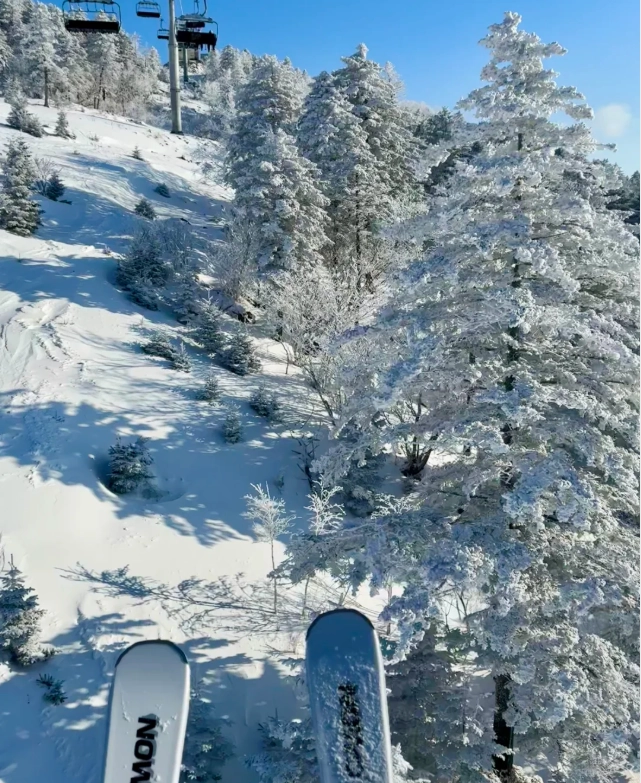
Here is what is actually below.
Quick Navigation: What You'll Find Below
- What Is the Jilin Visa-Free Transit Policy?
- Which Jilin Ports Can You Actually Use?
- Clearing Immigration at Changchun Longjia
- Getting Around Jilin on a Transit Visa
- A Realistic 5-Day Jilin Itinerary
- Where to Eat in Jilin
- Where to Stay in Changchun and Yanji
- What About Changbai Mountain?
- Money, Apps and Connectivity
- Mistakes Transit Travellers Make
- Jilin Visa-Free Transit Questions
What Is the Jilin Visa-Free Transit Policy and Who Qualifies?
The 240-Hour Rule in Plain English
China's transit visa-free policy lets you enter through a designated port without a visa, as long as you are genuinely passing through on the way to a third country. Jilin falls under the 240-hour version. That is ten full days. Not 72 hours, not 144. Ten.
The rules come from the National Immigration Administration, and they are stricter than the headlines suggest:
- A passport from an eligible country. The list runs to roughly 54 passports and gets revised, so verify before you plan anything.
- A confirmed onward ticket with a real seat, to a third country or region, departing within 240 hours of arrival.
- Entry through a designated port. In Jilin that means an airport, not a random border crossing.
- You stay inside the permitted area. For a Longjia entry, that area is Jilin Province.
- You register your accommodation address. Hotels do it for you. Private rentals do not.
No work. No study. No paid local business activity. It is transit, not a tourist visa wearing a disguise.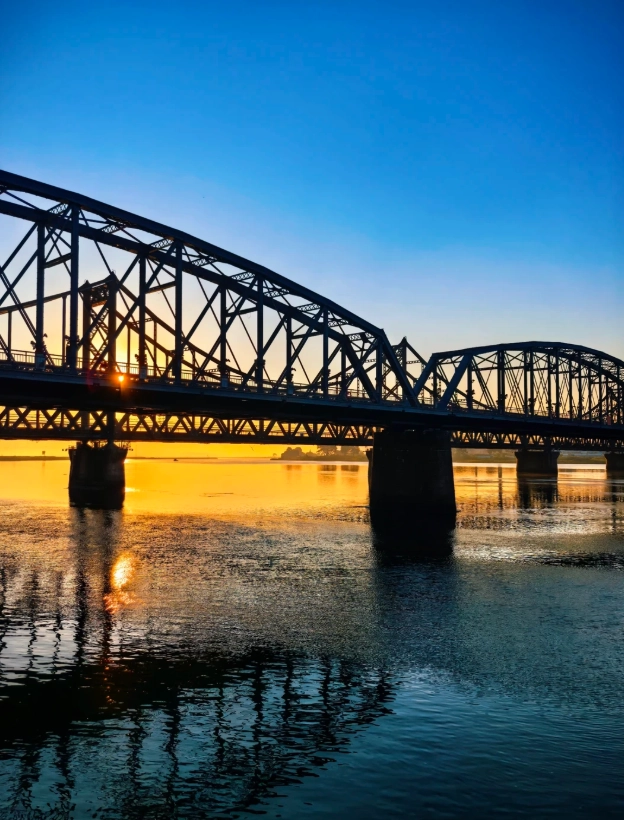
Which Passports Actually Get In — and the Simpler Route Almost Nobody Checks
Before you engineer a transit itinerary, check whether you need one at all.
This is the mistake I see most often, and it costs people real money. China has been rolling out unilateral visa-free entry — up to 30 days, no onward ticket, no third-country rule, no port restrictions — to a growing list of countries. France, Germany, Italy, Spain, the Netherlands, Australia, New Zealand, Japan, South Korea and plenty more are on it. If your passport is one of them, you simply walk in.
Pro Tip: I have watched travellers burn two days building a fake third-country routing for transit visa-free when their passport already qualified for 30-day visa-free entry. Check the Ministry of Foreign Affairs and the National Immigration Administration lists first. If you are on the unilateral list, book the simple ticket.
Transit visa-free is the fallback. It matters most for passports that are not on the unilateral list — US and Canadian passports, for example, generally still rely on transit visa-free or a full visa. The lists change, sometimes with very little notice, so verify the week you book rather than the month you start dreaming.
The Onward Ticket Rule That Gets People Turned Away at the Check-In Desk
Your onward flight must go to a third country — not back to where you flew in from.
London to Changchun to London gets you denied. At the check-in desk, not in China. London to Changchun to Seoul is fine. So is Changchun to Hong Kong, or Changchun to Taipei, because Hong Kong, Macao and Taiwan count as separate regions for this rule.
Standby and waitlisted tickets do not count. You need a confirmed seat. Print it. A screenshot on a phone that is about to die in the cold is not a plan.
One more thing people get wrong — your exit port does not have to be the same as your entry port, but it should be a designated port. If you plan to exit from another province, say so at the immigration counter on arrival. I ask every single time. Sometimes the answer is "fine", sometimes it is "keep your exit inside Jilin". Better to hear it at the counter than at the airport ten days later.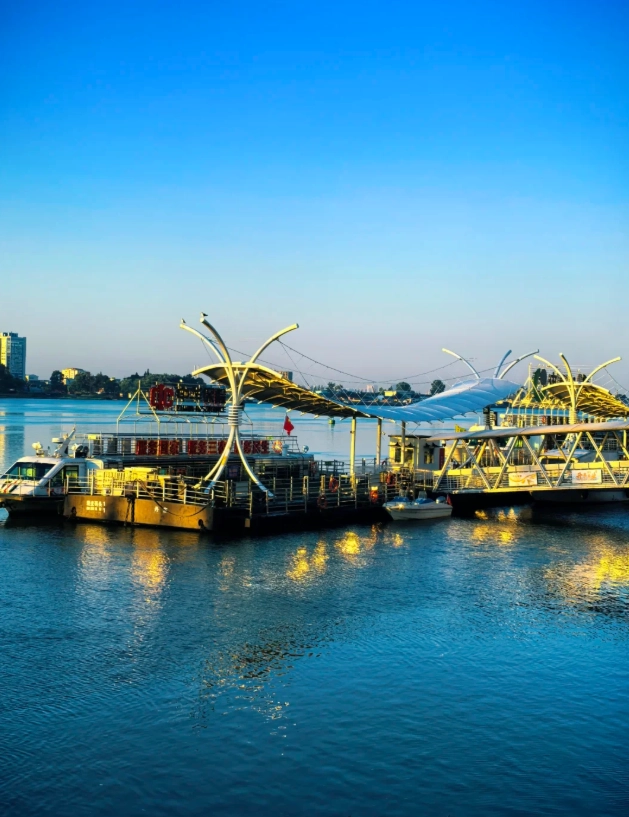
Which Jilin Ports Can You Actually Use?
Changchun Longjia International Airport
Longjia is the port almost every foreign transit traveller uses, and the one I would build a trip around.
It sits about 30 km northeast of Changchun's city centre, directly on the intercity rail line between Changchun and Jilin City. The international network leans hard on Northeast Asia — Seoul is the strongest connection, alongside services to Tokyo, Hong Kong, Taipei and a handful of Southeast Asian and Russian cities. Schedules shift seasonally, so check the airline rather than a blog.
The practical detail that matters: Longjia Airport Station is connected to the terminal by a covered walkway. You do not need a taxi to leave the airport. More on that below.
Yanji Chaoyangchuan and the Border Ports
Yanji's airport runs a smaller international schedule, mostly toward South Korea and Russia, and it appears on the designated port lists — but those lists get updated, so confirm before you commit.
Yanji is the capital of the Yanbian Korean Autonomous Prefecture, roughly two hours from the Russian border and close to the Tumen River. It is also, honestly, the best food city in the province. If your routing allows a Yanji exit, take it.
There are land crossings in the Hunchun and Tumen area too. Those are a different administrative animal with their own paperwork and their own queues. For a first transit entry, use an airport.
How to Clear Immigration at Changchun Longjia Without Losing an Hour
The 240-Hour Counter Walk-Through
Fill in the arrival card on the plane, then look for the dedicated 24/240-hour visa-free transit counter instead of joining the general foreigner queue.
- Arrival card needs your name, passport number, flight number, onward flight number and first hotel address. Bring a pen. Nobody has a pen.
- The transit counter sits at the far end of the immigration hall. If you cannot spot it, show your onward ticket to any officer and say "240-hour transit". They will point.
- The officer checks your passport, your onward booking, and sometimes your hotel address. Have that address written in Chinese characters.
- You receive an entry stamp or an admission slip. Photograph it immediately. Hotels and railway staff occasionally ask to see it, and losing it is a genuinely bad afternoon.
Insider Advice: The luggage carts at Longjia vanish fast when two wide-body flights land together. If you are travelling with a big bag, grab a cart the second you see one — before baggage claim, not after.
Hotel Registration and the 24-Hour Police Rule
Hotels register your stay automatically. Private apartments do not, and that becomes your problem.
If you book an apartment-style rental or stay with a friend, you have to register at the local police station within 24 hours of arrival. Bring your passport and the rental contract or your host. It is free, it takes fifteen minutes, and skipping it can cause very real trouble when you try to leave the country.
Here is a frustration I will happily admit to: some smaller Chinese hotels still tell foreign guests they "cannot be accommodated". That is usually a legacy licensing habit rather than a law. Trip.com lets you filter for properties that accept foreign guests, and I always message the hotel in advance through the app to confirm. If a place refuses, cancel and rebook. Do not argue at midnight with a tired receptionist who has no authority to help you.
Getting Around Jilin on a Transit Visa: Trains, Taxis and the Airport Rail Trick
Jilin runs on high-speed rail, and the network is the single best thing about travelling here. Book through China Railway's 12306 platform, or use Trip.com if you want an English interface and a card payment. You need your passport number to book and your passport to board.
| Route | Best Option | Typical Time | Rough Cost | Notes |
|---|---|---|---|---|
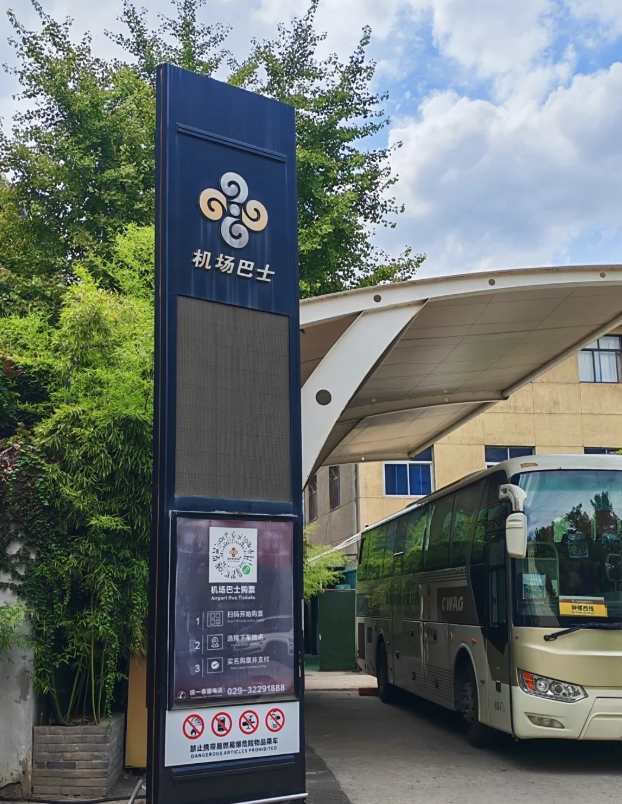
| Longjia Airport to Changchun city centre | Airport shuttle bus or DiDi | 50–70 min | Bus ¥20–30; DiDi ¥100–140 | Bus drops at several downtown points; DiDi is easier with luggage |
| Longjia Airport to Jilin City | Intercity rail from Longjia Airport Station | 30–40 min | ¥25–35 | Covered walkway from the terminal; the smartest move on this page |
| Changchun to Jilin City | High-speed rail | 40–50 min | ¥30 | Departures every 20–40 min from Changchun and Changchun West |
| Changchun to Yanji | High-speed rail | 3–3.5 hrs | ¥150–200 | Passes through Jilin City and Dunhua; genuinely scenic in winter |
| Yanji to Changbai Mountain | High-speed rail via Dunhua, then shuttle | 3–5 hrs | ¥150–250 | Or fly into Changbaishan Airport and save a whole day |
| City centre to sights | Metro in Changchun; DiDi everywhere else | 15–40 min | Metro ¥2–6; DiDi ¥15–40 | DiDi runs inside Alipay with an international card attached |
Prices move. Treat those numbers as a budgeting band, not a quote, and check 12306 for exact fares and departure times on your dates.
Now the parts a table cannot tell you.
At Chinese railway stations, foreign passports usually cannot pass the automated gates. Look for the staffed lane at the far left or far right of the gate bank and budget an extra ten minutes. Changchun West is a vast, freezing barn of a station in winter, and the walk from the metro exit to the departure hall alone can eat ten minutes of your life.
Pro Tip: Save your hotel's name and address in Chinese characters, screenshot it, and keep it in your photo album. Google Maps does not work properly in mainland China. Use AMap — the international version, AMap Global, has an English interface — or Apple Maps, which is accurate here. When a driver calls you, you will not be able to explain yourself in Mandarin. You will be able to hold up a screenshot.
A Realistic 5-Day Jilin Itinerary for Transit Travellers
Five days is the sweet spot for a 240-hour entry. You get two cities properly, one food city, and a buffer day for the weather to ruin something. It will.
Days 1 and 2: Changchun, the Most Underrated Capital in the Northeast
Changchun is not pretty, but it is fascinating — it spent thirteen years as the capital of a Japanese puppet state, and the architecture still admits it.
The Museum of the Imperial Palace of Manchukuo, which everyone calls the Puppet Emperor's Palace, is the one thing here you should not skip. This is where Puyi, China's last emperor, was installed as a figurehead. Budget two and a half to three hours. Tickets sit in the ¥70–90 band, and like almost every Chinese museum it closes on Mondays, so check before you go. Book through Trip.com or the official WeChat account. Your passport is your ticket.
Beyond that: Jingyuetan National Forest Park is enormous and turns into a cross-country ski and skating zone in winter. Hongqi Street holds the city's best shopping, including a strange indoor "mountain village" complex called Zheyou Shan that is genuinely worth an hour on a freezing afternoon. Guilin Road is where the students eat at night.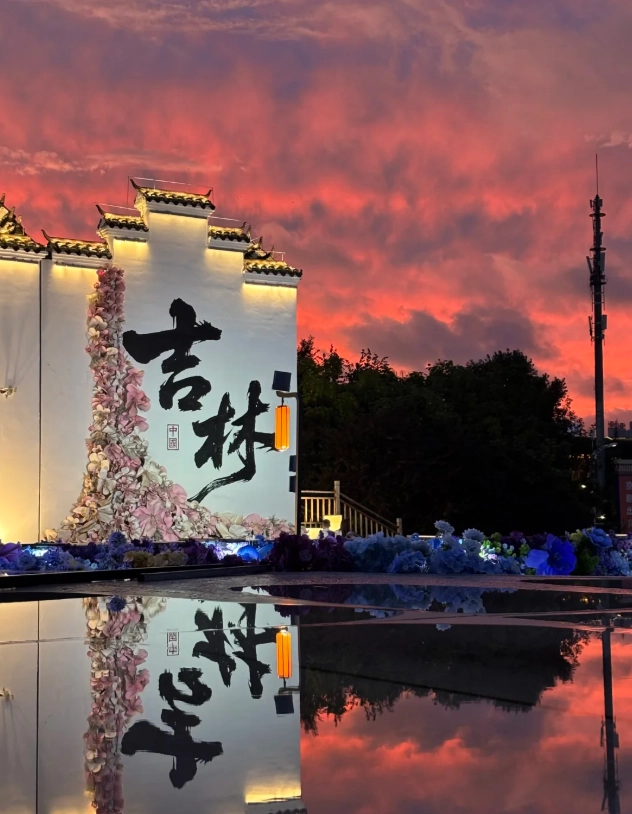
Pro Tip: Do not visit the Puppet Emperor's Palace in the middle of the day in summer. The courtyards have almost no shade and I have watched people wilt in there. Go at opening, or after 3 pm.
Day 3: Jilin City and the Songhua River Rime
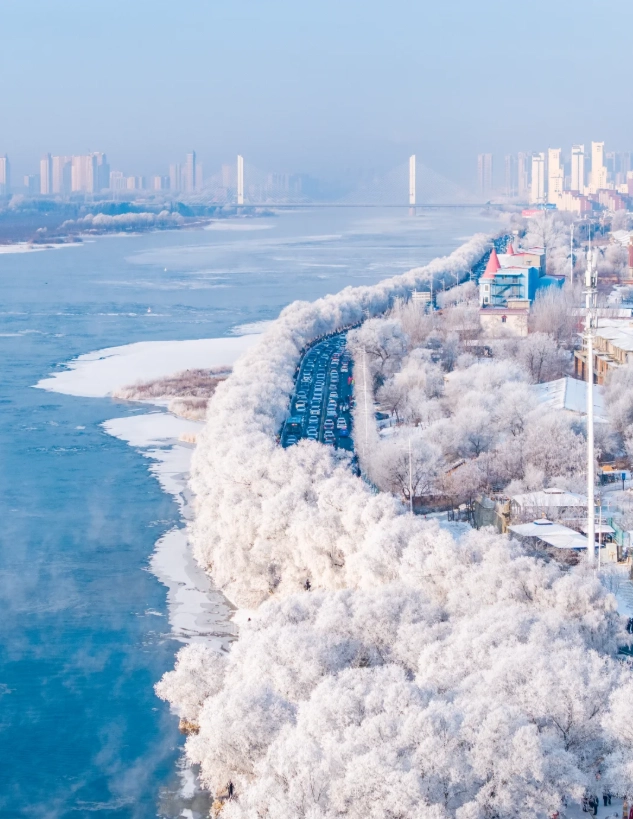
The rime, wusong, is the reason people come to Jilin City in winter, and it is a genuinely strange phenomenon: warm water released from a hydro dam hits air at minus twenty, and the river fog freezes directly onto the trees.
It only forms under specific conditions — cold, clear, low wind. The window runs roughly from late December to mid-February, and the best hours are early. Be on the river between 7 and 9 am. By mid-morning it is gone.
The famous spot is Wusong Island, about an hour's drive outside the city. It is good. But here is my honest take: if you have one morning and the forecast is strong, the riverside promenade in the city centre gives you most of the photographs with none of the driving. Zero yuan, zero traffic, and you can be back at a breakfast stall by nine.
The city centre itself is walkable, and the riverside church is a decent photo stop. Half a day is enough unless the rime is spectacular.
Days 4 and 5: Yanji and the Korean-Chinese Food Scene
Yanji is the reason I keep coming back to Jilin.
This is a Korean Autonomous Prefecture city where street signs are bilingual, the coffee culture is absurdly good, and the food beats most of what you will eat in Seoul for a third of the price.
Start with Shuishang Market, the morning market, which opens around 5 am and shuts down by mid-morning. Get there by 7. Rice cakes, blood sausage, pickles, tiny stalls with enormous bowls of soup, and almost no English — point and pay. Then walk the China Korean Folk Village for the hanbok photo crowd, and if you still have legs, climb Mao'er Shan for a free view over the whole basin.
In the evening, the wall of shopfronts opposite Yanbian University is a photo stop in its own right — a wall of neon Chinese and Korean signage that every domestic tourist photographs. It is a five-minute stop. Do not build a day around it.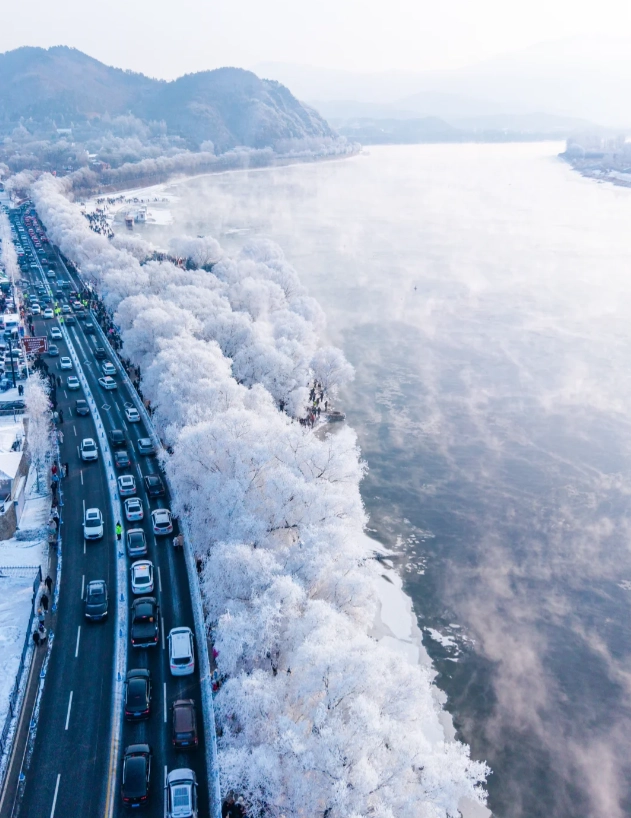
If You Have Extra Days: Jilin's Forgotten UNESCO Site
Almost no foreign visitor knows Jilin has a UNESCO World Heritage site, and it is one of the strangest in China.
The Capital Cities and Tombs of the Ancient Koguryo Kingdom sit in and around Ji'an, near the North Korean border. The UNESCO World Heritage Centre listing covers mountain-top fortress cities and painted tomb chambers from a kingdom that dominated this region for centuries. It is genuinely spectacular and genuinely difficult — the site is spread out, English signage is thin, and getting there from Changchun eats most of a day. With a long transit window and a taste for the obscure, it is worth the effort. With five days, skip it and go eat in Yanji instead.
Rain, Snow and Minus 25: Your Plan B
Jilin's weather will cancel something. Plan for it instead of being surprised by it.
- Changchun indoor fallbacks: the Jilin Provincial Museum, the Changchun Film Studio museum, and the Zheyou Shan complex on Hongqi Street.
- Yanji indoor fallbacks: the café strip around the university and the big downtown department stores. Yanji's cafés are a destination in themselves — people go there to sit for three hours.
- Changbai Mountain fallbacks: if the summit road closes, the north slope's waterfalls and hot springs still run. Not a wasted day, just a different one.
- Buy hand warmers before you need them. In Changchun they are sold in every convenience store and cost almost nothing.
Where to Eat in Jilin: Dishes I Order Every Single Time
Changchun
Northeast Chinese food is heavy, sour and built for cold weather, and Changchun does it well and cheaply.
- Guo bao rou — sweet-and-sour fried pork slices. Crispy, vinegary, faintly sweet. Order it at any mid-range local restaurant; a plate runs ¥35–60.
- Sauerkraut and pork hotpot — the winter staple. Sour cabbage, pork belly, glass noodles. Feeds two for under ¥100.
- Grilled cold noodles — street food, ¥6–10, sold from carts around Guilin Road in the evening.
For a sit-down meal, Laochang Chunbing does spring-pancake wraps with shredded vegetables and meat. You build each bite yourself, which is fun and very cheap. Wangji Jiang Gu Tou serves braised pork spine bones: messy, delicious, and you will need the plastic gloves they hand you. Both are chains, both are easy to find by pasting the Chinese name into AMap, and both land around ¥60–100 per person.
Payment reality check: Alipay and WeChat Pay linked to an international card work almost everywhere. Cash is legal tender and must be accepted, but small restaurants often struggle to make change for a ¥100 note. Big hotels and upmarket malls take Visa and Mastercard. Small noodle shops will not.
Yanji
Yanji's food is the best reason to stretch your Jilin visa-free transit stay by two days.
- Cold noodles — buckwheat noodles in icy beef broth, sometimes with a slice of pear. Order it in winter too. Especially in winter.
- Korean-style barbecue skewers — cumin and chilli, cooked over a table grill. You will eat forty of them.
- Rice wraps — lettuce or pickled leaf wrapped around rice, pork and sauce. Cheap, fast, everywhere.
- Ginseng chicken soup — Jilin is ginseng country, and this is the local cure for a day spent at minus 20.
Fengmao Chuan Cheng is the skewer chain that started here and is now famous across China. Expect a wait at peak dinner hours, so go at 5:30 pm or after 8. Fuwu Dalou Lengmian is the old-school cold noodle address locals send visitors to. Yuan Nainai Baofan does the rice wraps well. None of them have an English menu; all of them have picture menus or a phone you can point at. Budget ¥50–120 per person.
Insider Advice: In Yanji, ask your hotel reception to write "vegetarian, no meat, no seafood, no fish sauce" in Chinese and Korean on a card if you need it. Korean-Chinese cooking leans hard on anchovy stock and pork fat, and "no meat" is not always understood the way you mean it.
Where to Stay: Hotels That Handle Foreign Passports Well
Book through Trip.com, filter for properties that accept foreign guests, and message the hotel in advance every time.
| Property | Location | Price Band per Night | Best For | Foreign-Guest Notes |
|---|---|---|---|---|
| Shangri-La Changchun | Xi'an Da Road, Chaoyang District, Changchun | ¥700–1,200 | Couples, business travellers | English-speaking front desk, international cards accepted, reliable Wi-Fi |
| Hyatt Regency Changchun | Hongqi Street area, Changchun | ¥600–1,000 | Families | Large rooms, elevator access, walkable to shopping and food |
| Atour, Ji Hotel, Crystal Orange mid-range chains | Multiple sites near Changchun Station and Guilin Road | ¥250–450 | Solo travellers, budget-conscious | Generally foreigner-friendly; confirm when booking; Wi-Fi usually stable |
| Yanbian Baishan Hotel | Yanji city centre | ¥400–700 | Couples, food-focused travellers | Central, walkable to the market and BBQ streets, limited English but helpful staff |
| Mid-range chains in Yanji | Near Yanbian University and the downtown core | ¥300–500 | Solo travellers | Ask about luggage storage if you plan a Changbai Mountain overnight |
Prices swing hard with season. January and Chinese New Year are peak; late spring and September are the value windows.
What matters more than the brand: does the front desk speak any English, is there an elevator, is the Wi-Fi stable enough for a video call, and can they store your bag for a night while you go to Changbai Mountain. Ask those four questions before you pay. In Yanji, a hotel within walking distance of the morning market saves you a taxi at 6 am, which at minus 20 is worth real money.
What About Changbai Mountain on a Transit Entry?
How to Get There
Changbai Mountain is doable inside 240 hours, but it eats three days and it is entirely weather-dependent.
The fastest route is flying into Changbaishan Airport from Changchun, Beijing or Shenyang. From Changchun that is under an hour. The rail option is a high-speed train to the Baihe area via Dunhua, then a shuttle bus to the gate. From Yanji that means a change at Dunhua; from Changchun it is a longer haul but very comfortable.
Decide which slope you want before you book. The north slope is the classic route, closer to the Baihe side, with waterfalls and hot springs. The west slope is closer to the airport and involves a long stair climb to the lake. In winter, sections close without warning.
Tickets and the Weather Lottery
Heaven Lake is visible maybe a third of the time. Go in knowing that.
You pay in layers: entrance fee, a mandatory shuttle bus, and in season an off-road vehicle up to the crater rim. Budget somewhere between ¥200 and ¥300 per person for the full stack, and confirm current pricing at the gate or through the official booking channel. Tickets are capped daily in peak season and sold through a WeChat mini-program or Trip.com. Passport required, as always.
Two things nobody tells you. First, the temperature at the rim can be 10 to 15 degrees colder than at the gate, and wind is the real problem, not the number on your phone. Second, rent the big padded coats and shoe covers at the base. They cost a fraction of buying proper gear and they are the difference between a memory and a misery.
Pro Tip: Book your Changbai Mountain day with a spare day behind it. Summit closures have cancelled two of my last five attempts, and the travellers who built a buffer still got up there. The ones who did not spent the day in a hotel lobby watching fog.
Money, Apps and Connectivity: The Boring Stuff That Ruins Trips
Set up Alipay or WeChat Pay with your international card before you fly, not after you land.
- Both apps now accept Visa and Mastercard directly. Verification sometimes needs a passport photo and a selfie. Do it at home on reliable Wi-Fi.
- Carry ¥200–300 in small notes as backup. Cash must be accepted, but change is often a problem.
- Install a VPN before you arrive. You cannot easily download one once you are inside.
- Download offline Chinese for Apple Translate, or use Baidu Translate's camera mode for menus.
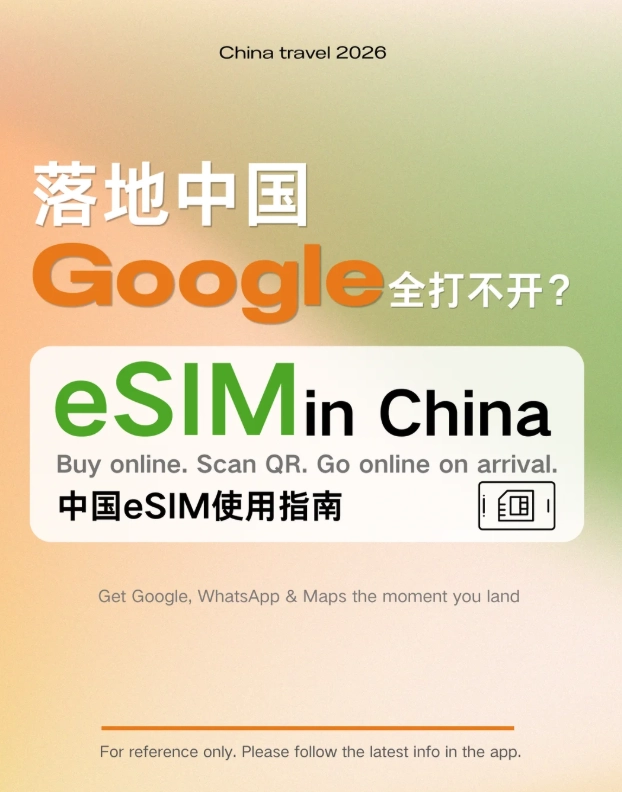
- A local tourist SIM needs passport registration at an official carrier store. An eSIM bought before departure is far less hassle.
And the navigation thing, one more time, because it wrecks people's first day: Google Maps is unreliable in mainland China. Use Apple Maps or AMap. Every address you save should exist in Chinese characters, including the one you give a taxi driver.
Mistakes I Watch Transit Travellers Make Every Winter
- Booking a return ticket to the same country. The single most common reason people get denied boarding before they even reach China.
- Assuming the 240 hours starts somewhere other than landing. It starts on arrival, so do not plan a tight exit on day ten.
- Packing for a cold snap. Jilin in January is not a cold snap. Minus 20 is the baseline. Thermal base layers, not a hoodie.
- Squeezing three cities into five days. Changchun to Yanji is over three hours by rail. Add hotel check-ins and you have spent a full day on trains.
- Leaving the Chinese address of their hotel behind. Drivers cannot use an English hotel name, and they will not guess.
- Overstaying by a few hours. If your flight is cancelled and the clock runs out, go to the local exit-entry administration of the public security bureau and apply for a stay permit. Do not quietly overstay and hope.
Jilin Visa-Free Transit Questions I Get Asked Constantly
Verified and fact-checked by the editorial team. Port lists, policies and ticket prices are revised regularly — confirm the details with the National Immigration Administration and China Railway before you commit to a route.


No comments yet.