 Jing Song
Minus 26. My phone died in four seconds flat.
Mid-January in Changchun. I was herding six Australian tourists toward the Ice and Snow World gate, and one of them — a bloke from Brisbane who'd never touched snow — kept asking if we could "just reschedule for April." We couldn't. But honestly? He wasn't wrong to ask.
Here's the thing about Jilin weather by month: this province doesn't do four gentle seasons. It does two extremes with a short, glorious intermission in between. And the gap between visiting in the right week versus the wrong one is the gap between a trip you'll retell for years and one you'll spend mostly indoors, nursing numb fingers over instant noodles.
So let me save you the guesswork. Want peak rime ice? Target the second week of January. Want warm air, green mountains, and zero frostbite risk? Come in late September — not August, which is what most first-timers assume is the sweet spot.
I've walked groups across this province in every season. Below is what I actually tell my clients, not what the tourism brochures say.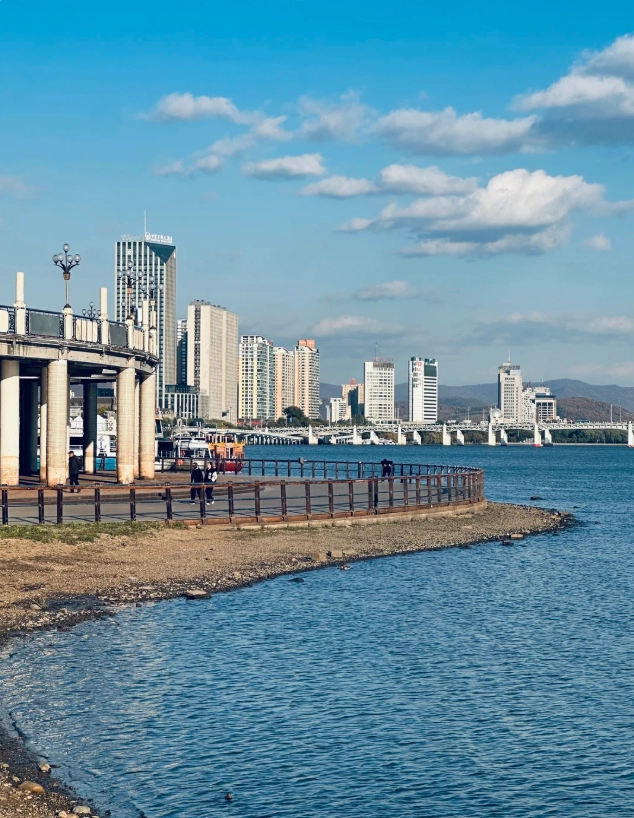
What Is Jilin's Climate Really Like?
Jilin sits in China's far northeast, and its climate is continental — punishing winters, warm-but-brief summers, and shoulder seasons that can flip on you within a single afternoon.
Compare it to Harbin, its louder neighbor to the north, and Jilin runs a touch milder in winter but noticeably wetter in summer. Compare it to Beijing, and you're looking at a completely different world — Beijing's winter is a chilly inconvenience; Jilin's winter is a survival scenario if you pack wrong.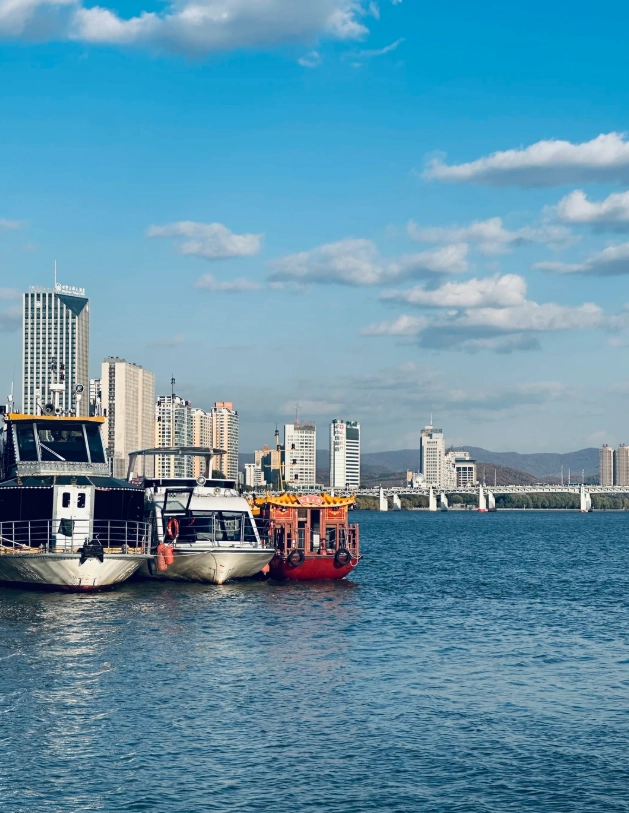
The province has three distinct climate zones you should keep in mind:
- Western plains around Baicheng — dry, windy, dust storms in spring, the coldest wind chill in the province during winter.
- Central belt through Changchun and Jilin City — the most balanced zone, where most travelers spend their time.
- Eastern mountains around Changbai Mountain and Yanbian — colder at altitude, heavy snow, and a completely different weather pattern from the plains.
That last point trips up almost every foreign visitor. You can leave Changchun in a light jacket at 12°C and reach the Changbai Mountain north slope the next morning at -5°C with horizontal snow. Bring layers. Always.
Jilin Weather by Month: The Full 12-Month Breakdown
Here's the reality of Jilin weather by month, with the numbers I've personally tracked over years of guiding here.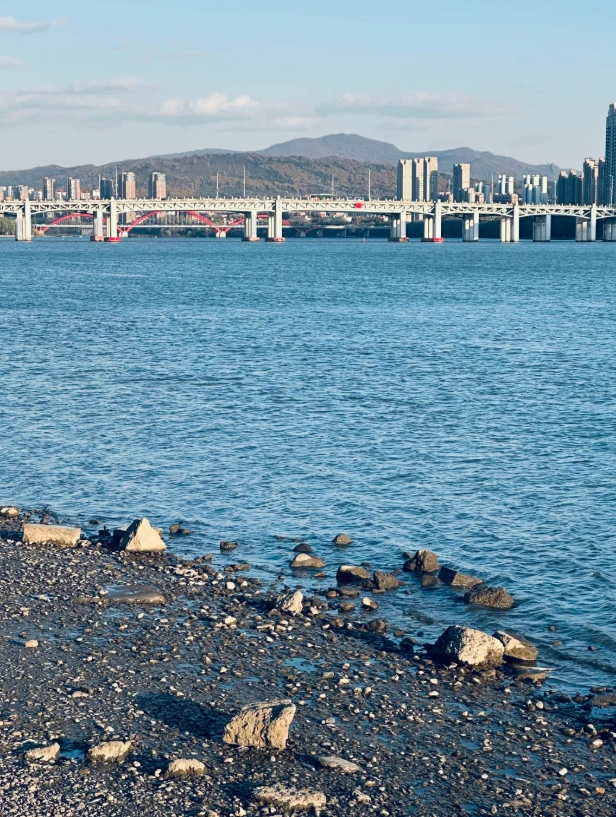
| Month | Avg High | Avg Low | What's Happening | My Verdict |
|---|---|---|---|---|
| January | -10°C / 14°F | -20°C / -4°F | Deep freeze, rime ice peak, Ice and Snow World | Best for ice lovers, brutal for everyone else |
| February | -5°C / 23°F | -15°C / 5°F | Still freezing, Spring Festival crowds | Crowded and pricey, skip unless you love festivals |
| March | 3°C / 37°F | -7°C / 19°F | Muddy melt, dust winds, snow turns to slush | The ugliest month, no question |
| April | 13°C / 55°F | 1°C / 34°F | Cherry blossoms, first warm days, parks fill up | Underrated, cheap flights |
| May | 21°C / 70°F | 8°C / 46°F | Ideal hiking, Changbai Mountain opens | Top three month |
| June | 26°C / 79°F | 14°C / 57°F | Warm, occasional rain, long daylight | Excellent |
| July | 28°C / 82°F | 18°C / 64°F | Hottest, wettest, thunderstorms | Hot but manageable, rain gear essential |
| August | 27°C / 81°F | 17°C / 63°F | Still humid, typhoon remnants from the coast | Overrated, muggy |
| September | 21°C / 70°F | 10°C / 50°F | Crystal clear skies, golden forests | The single best month |
| October | 13°C / 55°F | 2°C / 34°F | Cold snaps, autumn colors peak early | Great first half, risky second half |
| November | 2°C / 36°F | -7°C / 19°F | First snow, heating kicks on, dry air | The month nobody warns you about |
| December | -6°C / 21°F | -15°C / 5°F | Full winter, rime ice begins, ski season | Good if you're prepared |
December Through February: The Brutal Core of Jilin Winter
These are the months that define Jilin's reputation, and they earn it — the coldest stretch runs roughly late December through mid-February.
January is the peak. That's also when the rime ice on the Songhua River in Jilin City hits its most spectacular form, and when the Changchun Ice and Snow World is in full operation. The trade-off is obvious: you'll be dealing with -20°C mornings and wind chill that pushes the felt temperature well below that.
One thing I always tell clients: your phone battery is your biggest enemy, not the cold itself. Lithium batteries drain in minutes at these temperatures. Keep your phone in an inside jacket pocket against your body, and carry a power bank in the same spot.
Pro Tip: The Changchun Ice and Snow World entrance has a heated waiting tent, but it's small and fills up fast after 6 PM. Arrive by 4:30 PM to secure a spot and catch the sunset glow on the ice sculptures before the crowds hit.
For travel documents and entry rules during peak festival season, the National Immigration Administration publishes current visa-free transit policies that apply to many foreign passport holders — worth checking before you book anything.
March and April: Mud, Wind, and a City That Wakes Up
March is honestly the worst month to visit Jilin — the snow turns to grey slush, the wind picks up dust from the western plains, and nothing looks good.
I don't say that lightly. I once had a client book a March trip because flights were cheap, and she spent four days photographing grey puddles. She was a good sport about it. But I wouldn't repeat that itinerary for anyone.
April flips the script. By mid-month, the parks in Changchun — especially Nanhu Park — start showing cherry blossoms and early greens. Daytime temperatures hit double digits, and the city's outdoor food stalls reopen. It's a quiet, affordable window that most foreign tourists overlook entirely.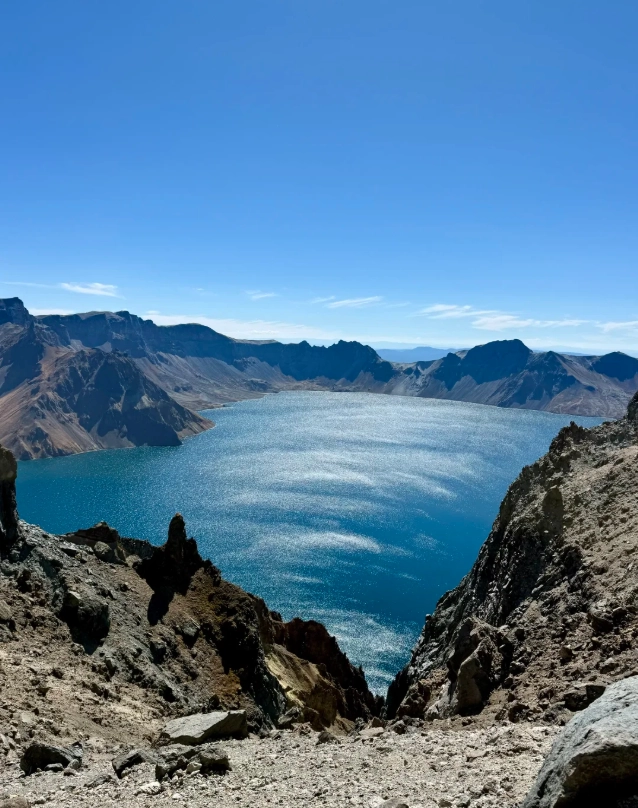
May and June: The Sweet Spot Most Tourists Miss
May and June deliver the best combination of comfortable temperatures, low humidity, and open mountain trails — and almost nobody talks about them.
Changbai Mountain's main scenic areas typically reopen for the season around late May or early June, depending on snowmelt at the higher elevations. I've hiked the north slope in early June with clear skies and a light jacket, which is about as good as it gets.
If you're booking train travel between Changchun and the mountain gateway town of Erdaobaihe, use the official China Railway 12306 platform. The English interface works, and passport-based registration is straightforward.
July and August: Hot, Wet, and Surprisingly Green
Summer in Jilin is genuinely hot and humid — highs around 28°C with frequent afternoon thunderstorms — but the landscape turns lush and the mountain areas stay cool.
Here's the counterintuitive bit: Changbai Mountain in July can still be 10°C at the summit with fog so thick you can't see the crater lake. I've taken groups up three days in a row and only seen the lake once. If seeing Tianchi is your goal, budget at least two attempts.
Down in the cities, July and August are sticky. Air conditioning in hotels is standard, but budget guesthouses sometimes skimp. Check reviews specifically for AC mentions if you're traveling in these months.
September and October: Rime Ice Season and Golden Light
September is the single best month to visit Jilin — clear skies, mild days, cool nights, and the beginning of autumn color in the eastern mountains.
The crowds thin out after the summer holidays, hotel prices drop, and the light for photography is unbeatable. Late September into early October is when the birch and maple forests around Changbai Mountain turn gold and red.
October starts strong but gets risky fast. By the last week, cold fronts move through and you might wake up to your first snow of the season. Pack a warm layer even if the forecast looks mild.
November: The Month Nobody Warns You About
November is the awkward gap — too cold for comfortable sightseeing, not yet snowy enough for winter sports, and heating systems across the province kick on with a dry, static-filled vengeance.
This is the month where I see the most unprepared travelers. They book based on October photos, arrive to find -7°C nights and bone-dry air, and spend the first day shopping for moisturizer and lip balm. Learn from them. Bring heavy moisturizer and a humidifier-safe attitude.
How Do You Pack for Jilin's Weather by Month?
The single biggest mistake foreign visitors make is packing for the temperature they see on a weather app, not for the wind chill and the indoor-outdoor temperature swings.
Here's my season-by-season packing breakdown, based on what I've watched people actually need versus what they brought.
| Season | Must-Pack Item | Skip This | Why |
|---|---|---|---|
| Winter (Dec-Feb) | Down jacket rated to -30°C, thermal base layers, insulated boots | Cotton socks, thin leather gloves | Cotton traps moisture and freezes; thin gloves are useless below -15°C |
| Spring (Mar-Apr) | Waterproof shoes, windproof shell | White sneakers | Slush and mud will destroy them in a day |
| Summer (May-Aug) | Rain jacket, quick-dry shirts, mosquito repellent | Heavy jeans | Humidity makes denim unbearable; mountain mosquitoes are aggressive |
| Autumn (Sep-Nov) | Layered fleece, warm hat for evenings | Sandals | Temperature drops sharply after sunset even in September |
Insider Advice: Buy your winter gear after you arrive, not before. Changchun's wholesale markets near the railway station sell down jackets rated for real Jilin winters at a fraction of Western retail prices. I've sent dozens of clients there, and every single one came back with a jacket that outperformed what they'd brought from home.
Payment is the other thing people stress about. Most shops in Jilin accept Alipay and WeChat Pay linked to international cards, but small vendors and rural guesthouses often don't. Carry some cash as backup — and note that many places won't take a physical foreign credit card at all.
For navigation, forget Google Maps here. It's inaccurate and often shows roads that don't exist. Apple Maps works reasonably well, and Amap Global has an English-friendly interface that handles transit routes better than anything else I've tested.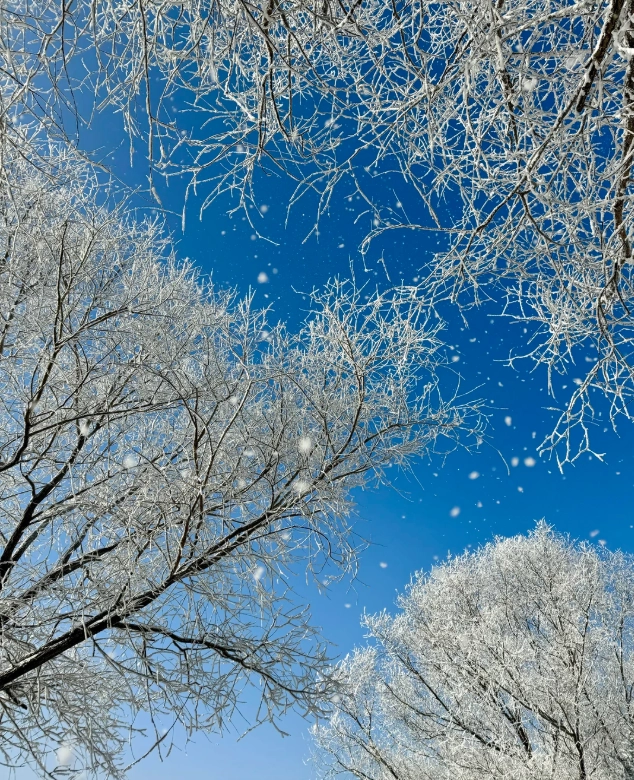
When Is the Best Time to Visit Jilin?
If you want one clean answer: mid-September to early October for general travel, and the second week of January for winter-specific experiences like rime ice and ice sculptures.
Those two windows give you the best weather-to-crowd ratio, the most reliable conditions for outdoor activities, and the most comfortable temperatures for walking around cities.
What about the Changbai Mountain crater lake? That's a different calculation. The lake is visible roughly 30-40% of days in summer due to fog, but September offers the highest probability of clear views. I've learned to tell clients: book two nights at the mountain, not one. Give yourself a second chance.
If you're interested in the region's deeper history, the ancient tombs and capital ruins at Ji'an near the North Korean border hold a UNESCO World Heritage listing for their Goguryeo-era significance — a genuinely underrated stop that pairs well with a September trip.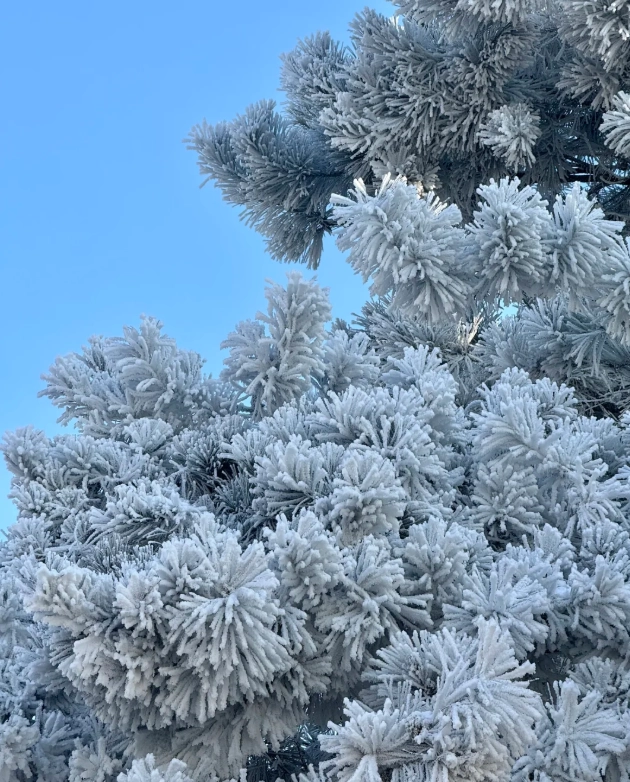
Jilin Weather by Month FAQ
Verified and fact-checked by the editorial team.



No comments yet.