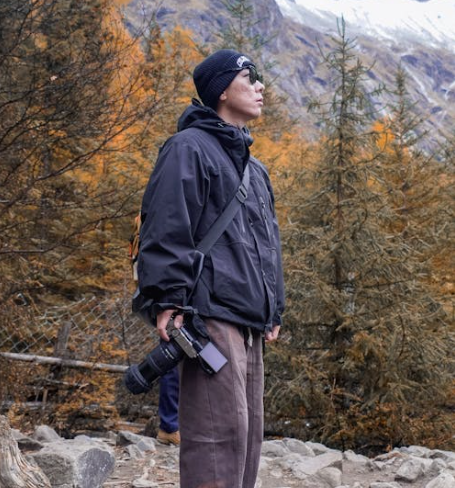
 Gang Zheng
My Jilin Timing Cheat Sheet
- What Is the Best Time to Visit Jilin? The Short Answer
- Winter in Jilin Is Two Different Trips
- How to Time Changbai Mountain and Actually See Heavenly Lake
- Beidahu vs Songhua Lake vs Wanda: Ski Timing and Money
- Green Season Jilin: Summer Rain and Autumn Gold
- Shoulder Season Traps: What to Avoid in Jilin
- How to Book, Pay, and Get Around as a Foreign Visitor
- Jilin Travel Questions I Get Asked Every Winter
Minus 27°C. My shutter froze solid.
That was 6:50 a.m. on the Songhua River embankment in Jilin City, and the photographer I was guiding — a woman from Melbourne who had never seen snow fall — was laughing so hard her breath came out in clouds. Ten minutes later the rime ice caught the sunrise and turned pink, and she stopped laughing.
Most people searching for the Jilin best time to visit get told "winter" and nothing else. True, and useless. Winter here is two seasons wearing the same coat: a rime ice season that rewards people willing to stand outside at dawn, and a powder season that rewards anyone who dodges the Lunar New Year week. Get the window wrong and you will pay peak prices to stare at grey, bare riverbanks.
So here is the conclusion up front. Late December into early January gives you rime ice with the thinnest crowds. Mid-to-late January is the safest all-round bet for both rime and deep snow. Late September to early October is when Changbai Mountain's Heavenly Lake clears and the birch forests turn gold. April and early November are the two stretches I actively talk clients out of.
That is the cheat sheet. The rest is the detail that decides whether the trip actually works.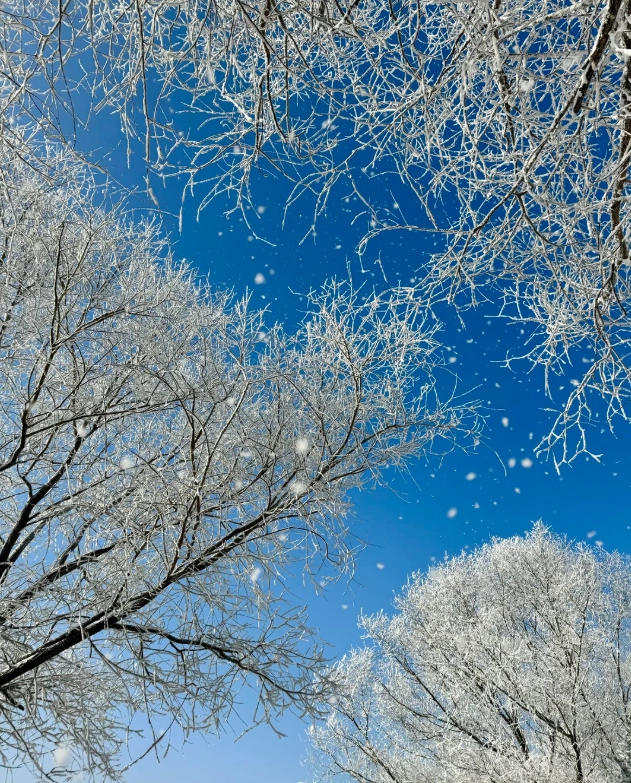
What Is the Best Time to Visit Jilin? The Short Answer
Jilin Province has three peak windows, not one — and choosing the wrong one is the single most expensive mistake foreign visitors make here.
Notice I said province, not city. Jilin is huge and vertical: Changchun sits on a flat plain at around 220 metres, Jilin City spreads along a river valley, and Changbai Mountain's crater rim tops out near 2,470 metres. That gap is worth 10°C or more on the same day. A mild -8°C afternoon in Changchun can be a -22°C wind tunnel at the crater rim.
| Season | Months | Daytime Temp (Changchun) | What You Actually Get | Crowd Level |
|---|---|---|---|---|
| Winter | December – February | -18°C to -5°C | Rime ice, powder skiing, ice lanterns | Peak during Lunar New Year week |
| Spring | March – May | 0°C to 18°C | Lilacs, cheap hotels, muddy trails | Low |
| Summer | June – August | 20°C to 28°C | Alpine wildflowers, cool escape from Beijing heat | High on Changbai in July–August |
| Autumn | September – October | 5°C to 20°C | Golden birch forest, clearest lake views | Very high in the first week of October |
Here is the non-consensus part. Almost every itinerary you will find online pushes Changbai Mountain in July and August, because that is when Chinese school holidays fall. That is precisely when the mountain sits inside a cloud nine days out of ten. I have stood at the crater rim in August with forty other people, all of us photographing a wall of white fog.
Cold, clear air is your friend on Changbai. So is the last week of September.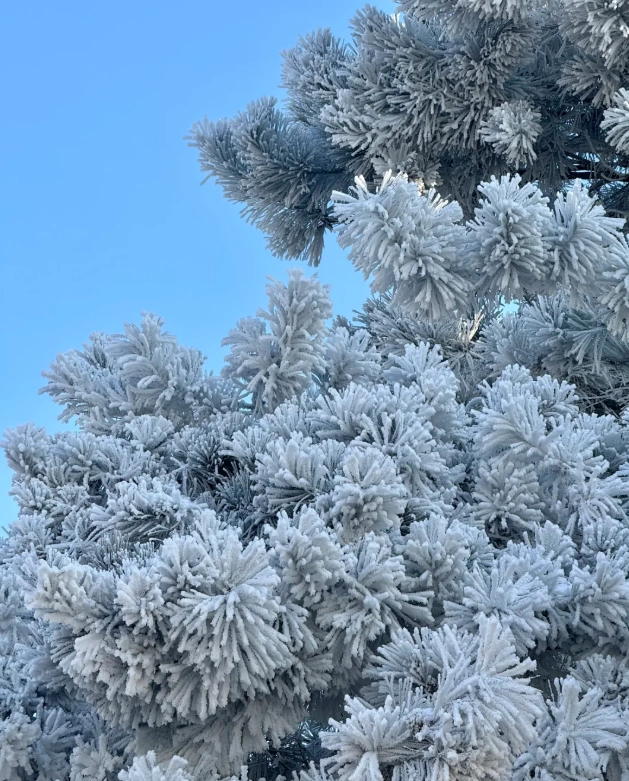
Winter in Jilin Is Two Different Trips
Rime ice and powder snow overlap for maybe five weeks, and they do not reward the same schedule. If you only have one winter trip in you, decide which one you are chasing before you book the flight.
The Rime Ice Window — Late December to Early February
Rime ice needs a fussy recipe: a night below roughly -20°C, almost no wind, and open water. The Songhua River stays liquid as it runs through Jilin City because the Fengman hydropower station upstream releases water at around 4°C, so moisture rises off the surface overnight and freezes onto every branch along the banks. Wind kills it. Warmth kills it. That is why a bad forecast day gives you nothing but bare twigs.
You have two options, and I usually recommend doing both in the same morning.
- The free rime corridor in the city. Walk the embankment along Songjiang Middle Road on the north bank between Jilin Bridge and Linjiangmen Bridge. Show a driver the characters 雾凇长廊 and they will know exactly where to stop. Zero cost, ten minutes from most downtown hotels, and honestly the trees here are just as frosted as the famous island.
- Wusong Island. In Longtan District, roughly 40 km north of the city centre — 50 to 70 minutes by DiDi depending on ice on the road. Expect 120 to 180 CNY each way, plus an island entrance fee in the 30 to 50 CNY range; some years there is a separate bridge or ferry charge, so confirm at the gate rather than trusting an old blog post. Bring cash as a backup because the signal at the ticket window can be patchy.
Arrive between 6:30 and 7:00 a.m. Rime starts burning off by about 9:30, and after 10 the whole thing looks like ordinary frost on ordinary trees. Photographers, note this: the north bank faces the sunrise, so shoot looking upstream before 8 a.m. and looking downstream after, when the light turns flat and blue.
Pro Tip: Book your ride the night before, either through DiDi's scheduled-ride feature or by asking the front desk to arrange a car. At 5:45 a.m. in -25°C there are almost no cars circling, and standing on a curb waiting is the fastest way to ruin your morning.
Insider Advice: The toilets at the Wusong Island entrance are basic and the queue forms fast around 8 a.m. Use your hotel bathroom before you leave. I have watched more than one guest regret this.
The Powder Window — Mid-January to Late February
Snow quality peaks in January, but February is the smarter month for anyone skiing with family. Days run slightly warmer — around -12°C to -5°C — and you get noticeably more daylight, which matters more than people expect when you are trying to keep a nine-year-old on the hill past 2 p.m.
What nobody warns you about: the Lunar New Year holiday week, which lands in late January or February depending on the lunar calendar. Lift ticket queues double, hotel rates in Jilin City and at the Changbaishan resorts jump sharply, and high-speed rail seats vanish. If your dates are flexible at all, shift them.
How to Time Changbai Mountain and Actually See Heavenly Lake
Heavenly Lake is the reason most foreigners come to Jilin, and it is also the single most likely thing to disappoint you if you book the wrong month.
Local guides in Erdao Baihe town, where almost everyone overnighting on the north side stays, will tell you the odds of a clear view of the lake are around one in three in July and August. In late September and early October, dry Siberian air pushes the cloud out, and the odds climb past one in two. In winter the lake is a frozen white bowl — striking, but not the blue crater photo you have seen a hundred times.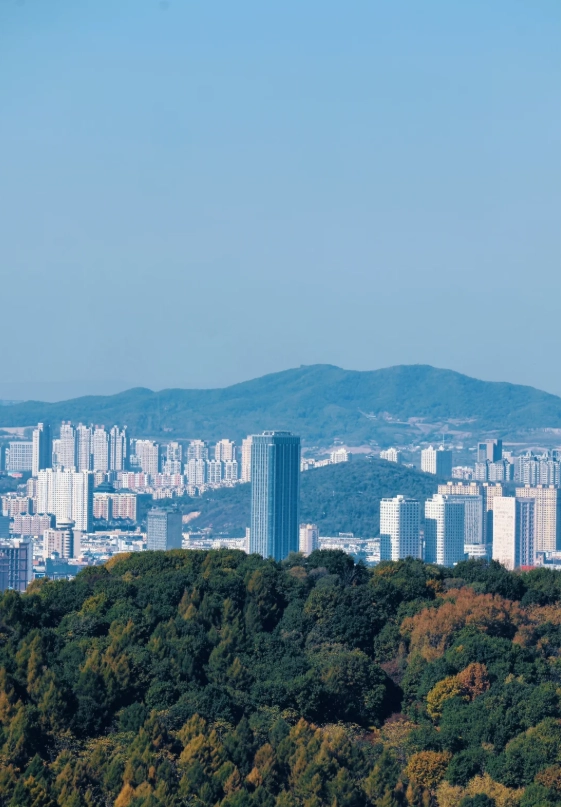
| Slope | Gateway Town | Drive to Gate | Best For | Ticket Notes |
|---|---|---|---|---|
| North Slope | Erdao Baihe | 30–40 min shuttle | First-timers, classic crater view | Largest daily visitor cap, book 3–7 days ahead |
| West Slope | Songjianghe | 30–40 min shuttle | Fewer tour groups, alpine garden | Includes the 1,442-step stair climb to the rim |
| South Slope | Changbai County | 40–50 min shuttle | Quietest option, late-season access | Opens later in the season than the others |
On money: expect a combined gate and shuttle ticket in the region of 200 CNY, plus an optional four-wheel-drive or snowmobile fee to reach the rim, roughly 80 CNY. These numbers move, and I will not pretend otherwise — check the official Changbai Mountain WeChat account or Trip.com on the morning you plan to go. Daily visitor caps are real in peak season and you need your passport number to reserve.
Now the part that actually trips people up. The official mini-program is Chinese-only and asks for an ID number that foreign passports sometimes do not fit cleanly into. Do not fight it at midnight in your hotel room. Trip.com lists Changbai Mountain tickets in English, and your hotel front desk in Erdao Baihe will book for you in about three minutes if you ask politely.
Pro Tip: Everyone sprints straight for the crater rim. Do the opposite. Ride up early, walk the boardwalk loop counter-clockwise while it is empty, then come back to the rim. By 11 a.m. the railing is four rows deep and the tour buses are still unloading.
Beidahu vs Songhua Lake vs Wanda: Ski Timing and Money
The three main resorts serve completely different skiers, and picking by price alone is how people end up miserable.
| Resort | Distance from Jilin City | Best For | Season | Day Pass Range |
|---|---|---|---|---|
| Beidahu | ~53 km, 60–75 min drive | Advanced skiers chasing dry powder | Late November – early April | 300–700 CNY |
| Songhua Lake (Vanke) | ~18 km, 25–35 min drive | Beginners, families, night skiing | Late November – late March | 250–600 CNY |
| Wanda Changbaishan | ~20 min from West Slope | Families, hot springs, English ski school | Mid-November – early April | 300–650 CNY |
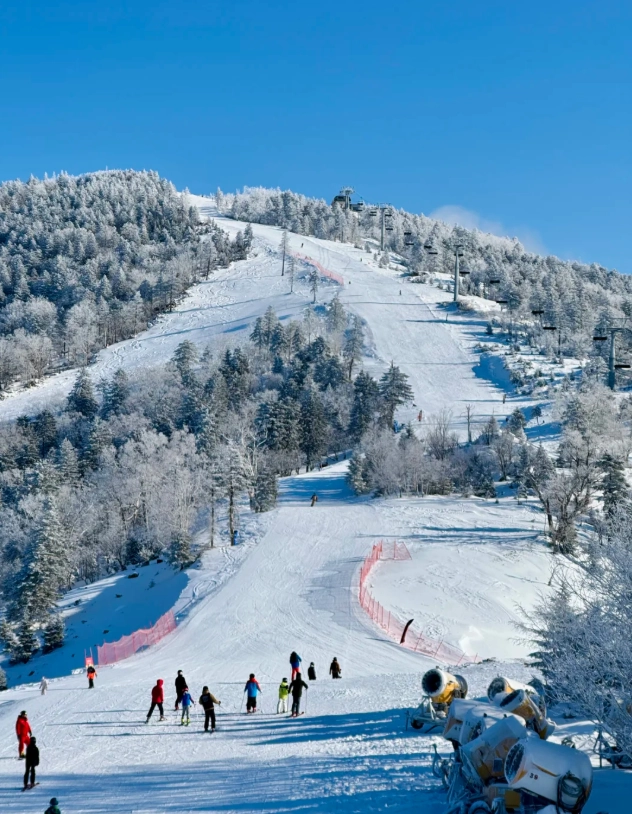
My honest ranking, having driven all three in the same season: Songhua Lake wins for a first day because it is close enough that a bad weather morning does not waste your entire day. Beidahu has the better snow and a national winter sports training base on site, but the access road ices over after a storm and I have sat in a shuttle for 90 minutes on it. Wanda is the most expensive and the only one with real apres-ski — hot springs, hotel village, instructors who speak English.
Buy lift tickets online at least three days out. Window prices run higher and weekend allocations genuinely sell out.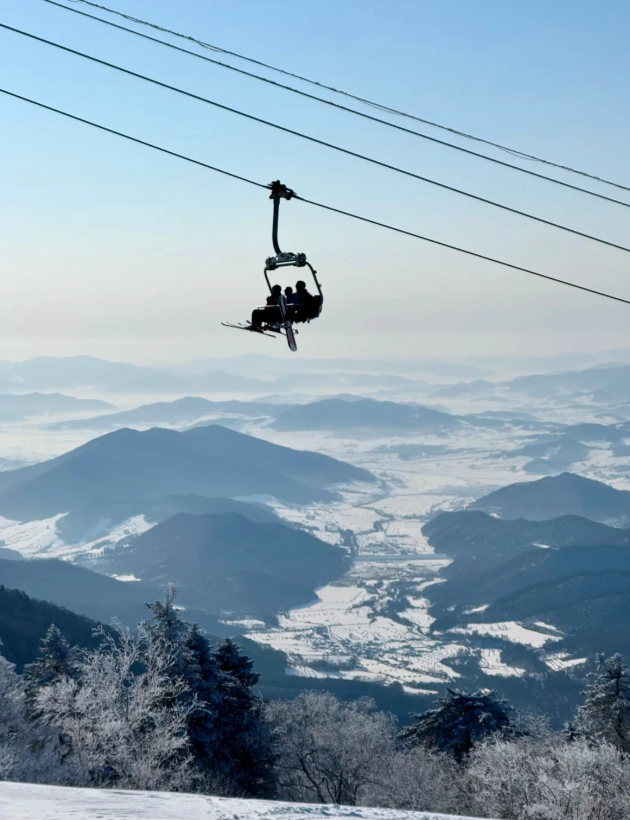
Green Season Jilin: Summer Rain and Autumn Gold
Summer — Cool Air, Fog, and Mosquitoes
June is the sweet spot: the alpine garden above the treeline blooms, the crowds have not arrived, and Changbai's afternoon fog is less relentless than in July and August. Changchun hovers around 24°C to 28°C, which feels like a holiday if you have just come from Shanghai in August.
Downsides are real, though. The forest parks breed mosquitoes that laugh at standard repellent, and afternoon thunderstorms roll in fast on the mountain. If you are heading up Changbai in summer, go up in the morning and treat any afternoon plan as a bonus.
Autumn — The Photographer's Season
Late September to mid-October is the best light of the year in Jilin, full stop. Changbai's birch forest turns gold, the air is dry and clear, and the crater lake finally shows itself.
For foliage specifically, Jiaohe Red Leaf Valley sits about 90 minutes from Jilin City and peaks somewhere in the first half of October — but the peak shifts by a week or two every single year, so check a local foliage update the day before rather than trusting a fixed date. And if you are in the region in early October, the Goguryeo-era tombs and mountain fortress city at Ji'an, part of a UNESCO World Heritage listing, sit right in the middle of peak colour with a fraction of the visitors.
Shoulder Season Traps: What to Avoid in Jilin
Two stretches of the year look cheap on paper and are cheap for a reason.
- April. Ski hills are closed or running on slush, rime is finished, the trees are bare, and the wind off the plain is relentless. It is the one month I genuinely cannot recommend.
- Early to mid-November. Too warm for reliable rime, too early for good natural snow, and resorts are still blowing artificial cover. Half the guesthouses in Erdao Baihe are shut and the restaurants that stay open run thin menus.
- Lunar New Year week. Prices roughly double, lift queues stretch, and intercity train seats disappear weeks ahead.
- The first week of October. Changbai Mountain hits its daily cap almost every day. Book a full week ahead or push to mid-October.
How to Book, Pay, and Get Around as a Foreign Visitor
Almost everything that goes wrong on a Jilin trip goes wrong in the booking and payment layer, not on the mountain.
Trains first. High-speed rail links Changchun to Jilin City in about 40 minutes, Jilin City to Yanji West in roughly an hour and a half, and Changbaishan Station is reachable with a transfer at Dunhua. Book on the official China Railway site, 12306.cn, or through Trip.com if the Chinese interface frustrates you. You will need your passport at the gate — the physical booklet, not a photo on your phone.
Flights land at Changchun Longjia, Yanji Chaoyangchuan, and seasonally at Changbaishan Airport near the west slope.
On payment: Alipay and WeChat Pay linked to an international card now work almost everywhere, including small noodle shops, and I have not needed cash in months. Cash is still legal tender, but a small vendor may genuinely struggle to break a 100 CNY note. Hotels take Visa and Mastercard; almost nobody else does.
Navigation is the quiet trap. Google Maps is unreliable in mainland China, so use Apple Maps, which is English-friendly and decent in cities, or the English interface in Amap. Before you get into any taxi, have the Chinese characters for your destination saved on your screen.
Check your visa situation against the current rules published by China's National Immigration Administration before booking anything — the visa-free transit list has been expanding quickly and old blog posts are dangerously out of date.
What I actually pack for a Jilin winter: a down jacket rated well below -20°C, a thermal base layer you change daily, wool socks, boots with deep tread for ice, touchscreen-friendly gloves, hand warmers, and a power bank. Your phone battery will drop from 80 percent to dead in about twenty minutes outdoors if you keep it in an outside pocket. Keep it against your body.
Insider Advice: Install a VPN and a translation app before you land, not after. And yes, navigating the Chinese-language WeChat mini-program to reserve a Changbai Mountain ticket is a nightmare even for me. Do not panic — hand your phone to your hotel receptionist with the reservation page open and they will finish it in three minutes.
Jilin Travel Questions I Get Asked Every Winter
Is January too cold to actually enjoy Jilin, or should I push the trip to February?
January cold is manageable; February cold is easier, and that is exactly why February is busier and pricier. Jilin City runs roughly -18°C to -5°C in January, and with a proper down jacket and boots rated for -20°C you can stay outdoors three to four hours at a stretch without suffering. What actually ruins trips is not the temperature — it is the wind at the Changbai crater rim and the fact that phone batteries die in twenty minutes. Chase rime in January for the thin crowds. Chase comfortable family skiing in February and pay the premium.
Can I see the Jilin rime ice on a day trip from Changchun?
Technically yes, and I would still tell most people not to. Changchun to Jilin City is about 40 minutes by high-speed rail, but rime shows itself between 6:30 and 9:00 a.m., which means a train before dawn and a taxi at the other end. One delay and the whole morning is gone. Stay one night in Jilin City instead — a mid-range hotel near the river often costs less than the round-trip car to Wusong Island.
What if I only have 24 hours in Jilin City in winter?
Skip the ski resorts completely; a half day on the hill is not worth the gear rental and the drive. Walk the rime corridor at 6:30 a.m. while it is still dark and quiet. Eat a long, hot breakfast afterwards. Spend the late morning at Beishan Park, take a slow afternoon along the Songhua River, and finish with hot pot. The riverbank faces east, so shoot looking upstream before 8 a.m. — by 10 the light goes flat and everything looks like a postcard nobody would buy.
Do I need a guide to visit Changbai Mountain if I do not speak Chinese?
Not for the mountain itself. The shuttle system and boardwalk are signposted in English and it is genuinely hard to get lost. You need help with exactly two things: the timed-entry ticket and the ride from Erdao Baihe town to the scenic gate. A hotel in Erdao Baihe will handle both at check-in if you ask. What I would spend money on is a driver for the day, because the return shuttle queues after 4 p.m. are long and cold.
Should I combine Jilin with Harbin's Ice and Snow Festival?
Only with eight days or more, and do Jilin first. Harbin is in Heilongjiang, not Jilin — a surprising number of trip planners blur the two. High-speed rail runs Harbin West to Changchun in about an hour and onward to Jilin City in roughly two. The festival season and rime season overlap almost perfectly. The trap is arriving in Jilin City exhausted after Harbin and sleeping through the 6 a.m. rime run, which is the one thing you cannot reschedule.
Verified and fact-checked by the editorial team.
No comments yet.