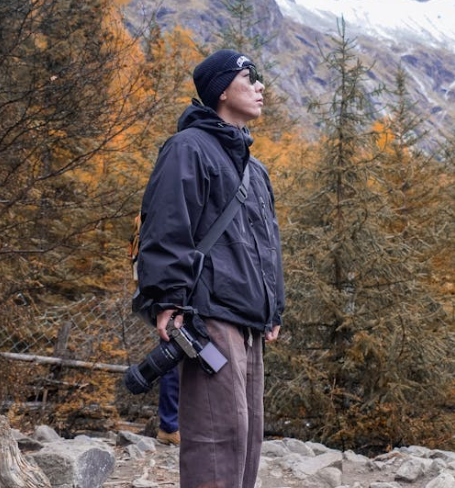
 Gang Zheng
Skip to the part that worries you
- How Cold Does Heilongjiang Really Get?
- The Three-Layer System That Actually Works
- Feet, Hands and Head: Where the Cold Wins
- Should You Buy or Rent Winter Gear in Harbin?
- What to Wear Indoors When Every Room Is 25°C
- The Small Items Nobody Packs
- Mistakes I Watch Tourists Make Every Week
- Questions I Answer Before Every Harbin Trip
My eyelashes froze together. Then my phone died at 40 percent battery. That was the afternoon I stopped telling clients to just dress warm for Heilongjiang.
I have packed bags for foreigners heading into Harbin, Yabuli and Mohe through many winters now, and the same thing goes wrong almost every time. People buy an enormous parka at home, fly in wearing cotton socks and sneakers, and then spend their first afternoon shopping on Central Street anyway. If you are searching for what to wear in Heilongjiang, the honest answer starts with what not to buy.
Here is the conclusion up front. The winter coat you already own is probably fine for Harbin. Your footwear is probably not. What you genuinely need to add is a windproof shell, wool socks, mittens, a neck gaiter and insulated over-trousers — and the cheapest, fastest place to buy or rent all of that is a ten-minute walk from most Harbin hotels, not a website back home. The list at the top of this page jumps you to whichever part you need.
How Cold Does Heilongjiang Really Get?
Heilongjiang is larger than most countries. Harbin and Mohe sit roughly 1,100 kilometers apart and they do not feel like the same province in January. What you pack depends entirely on which one you are standing in.
| Destination | Typical Daytime High | Typical Night Low | What It Feels Like On The Ground |
|---|---|---|---|
| Harbin city center | -12°C to -18°C | -22°C to -28°C | Dry and still, manageable with three layers |
| Harbin Ice and Snow World, riverside | -15°C to -20°C | -25°C to -32°C | Wind off the frozen Songhua cuts through thin gloves |
| Yabuli ski area | -14°C to -20°C | -24°C to -30°C | Colder than the city; chairlift rides add serious wind chill |
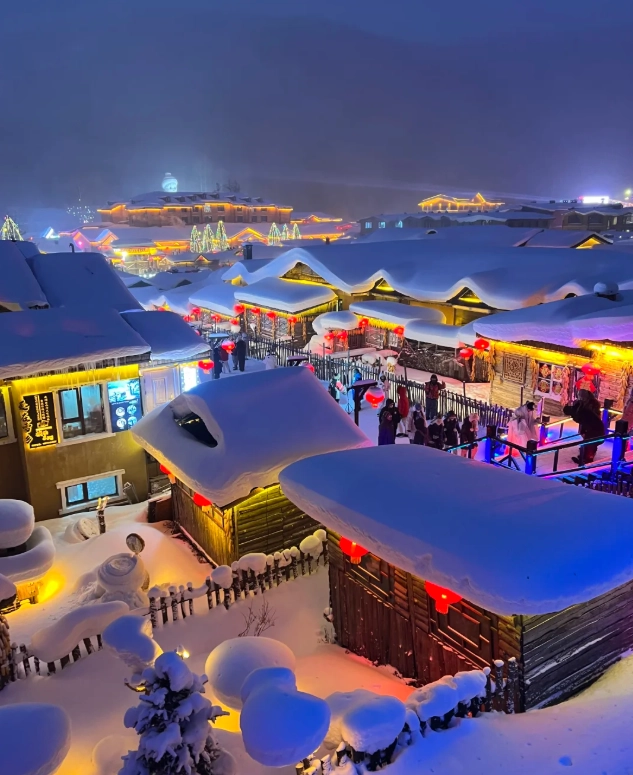
| China Snow Town | -12°C to -18°C | -22°C to -30°C | Deep snow, heavy underfoot, wet boots by afternoon |
| Mohe Arctic Town | -20°C to -26°C | -30°C to -40°C | Exposed skin stings within minutes |
Those are typical ranges, not promises. A single cold front can push Harbin past -30°C for two or three nights in a row. Check the forecast three days before you fly, then again the morning you land.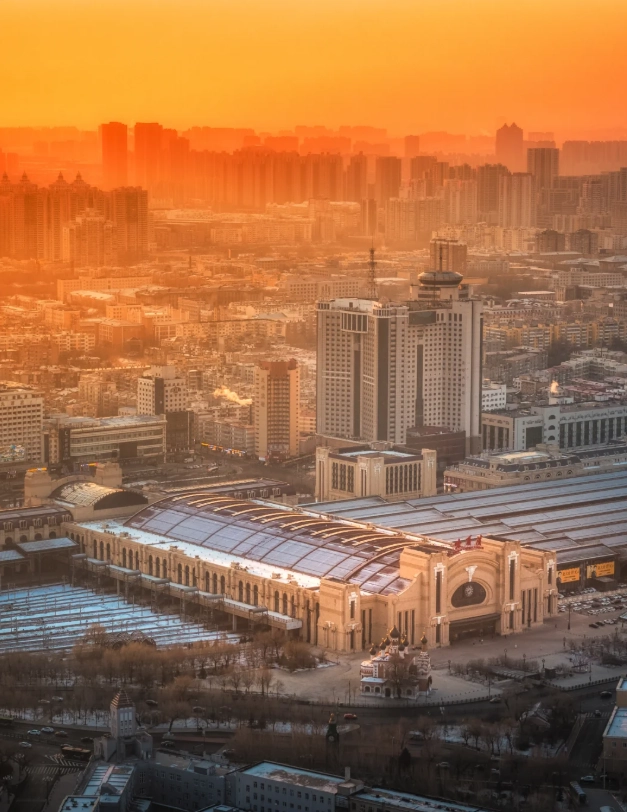
Wind chill matters more than the thermometer
The number that ruins people is not the temperature, it is the wind speed next to the Songhua River. Ice and Snow World sits on the frozen riverbank with nothing between you and the gusts. On a still -25°C night I have been perfectly comfortable in a mid-weight parka. On a windy -18°C night, that same outfit had me pacing in circles to stay warm. So when you check the weather app, read the wind line, not just the headline temperature.
Does dry cold mean you need less clothing?
Dry cold is easier on your lungs and much harder on your skin, and it does not mean you can dress lighter. The real danger in a dry cold climate is sweat. You will walk from a -25°C street into a +25°C restaurant, a heated bus and a shopping mall within the same hour. Every time you overheat, your base layer gets damp, and a damp base layer at -25°C turns a pleasant evening into a miserable one. Harbin's Ice and Snow World has grown into one of the largest winter attractions on the planet, and international coverage from CNN Travel has followed its scale for years — but nobody photographs the part where they are shivering in wet cotton.
Pro Tip: Carry a packable tote bag in your daypack. You will peel off your mid layer inside every museum, restaurant and metro station, and holding a coat in your arms while eating noodles is nobody's idea of fun.
The Three-Layer System That Actually Works in Heilongjiang
Forget the idea that the warmest single coat wins. Layering is the whole game, because you will move between -25°C streets and +25°C interiors ten times a day.
Layer one: the base layer is where cheap gear fails
Merino wool or a synthetic thermal base is non-negotiable, and cotton is the one fabric that will genuinely ruin your day. Cotton soaks up sweat and holds it against your skin, which is exactly the opposite of what you want in dry sub-zero air.
- Merino around 200 weight handles Harbin in December and February comfortably
- Merino 260 or a heavier synthetic for January, Mohe and any full night at Ice and Snow World
- Two sets minimum — you wear one, the other airs out on the hotel radiator
- Leave the cotton T-shirts and cotton underwear at home for outdoor days

Layer two: the mid layer is your indoor outfit
Choose your mid layer as if it were the only thing anyone will see you in, because inside a Harbin restaurant it basically is. Fleece, a thin down jacket or a decent wool sweater all work. This is what you strip down to when you sit down for lunch, so pack one you would not mind being photographed in.
Layer three: windproof beats thick
A thin windproof shell over a solid mid layer outperforms a bulky coat that lets wind straight through. If you already own a long down parka with a wind-blocking outer fabric, bring it and skip the shopping. If your coat is a puffy city jacket with a soft shell, pack a lightweight hardshell over the top. That combination weighs less and works harder.
| Conditions | Base Layer | Mid Layer | Outer Layer | Add-Ons |
|---|---|---|---|---|
| -10°C to -18°C | Merino 200 | Fleece | Light down plus windproof shell | Beanie, liner gloves, wool socks |
| -18°C to -25°C | Merino 200 to 260 | Fleece plus thin down vest | Long down parka with hood | Mittens, neck gaiter, thermal tights |
| -25°C to -35°C | Merino 260 plus thermal tights | Fleece plus 700-fill down | Long expedition parka | Mittens over liners, balaclava, insulated over-trousers, felt insoles |
Feet, Hands and Head: Where the Cold Wins
Cold injuries on a Harbin trip almost never start at the torso. They start at the toes, the fingertips and the earlobes, because those are the parts people under-dress and the parts with the weakest circulation.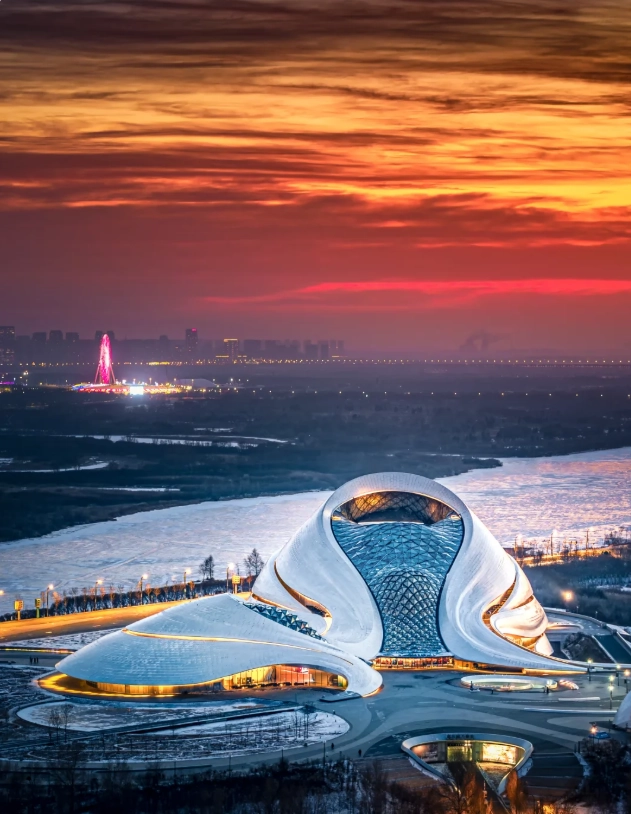
Boots: buy room, not tightness
Your boots need to be loose enough for two pairs of socks and a felt insole, which is usually a size larger than people guess. Tight boots squeeze the blood out of your toes and guarantee cold feet no matter how much insulation you paid for.
- Insulated snow boots with a thick rubber sole — thin sneaker soles transmit cold straight up from the pavement
- Space for one wool sock plus one thin liner sock, with a little wiggle room left over
- Shops along Central Street in Daoli District sell serviceable snow boots in the 150 to 400 RMB range; local sizing often runs small, so try one size up
- Felt insoles cost almost nothing and make a surprising difference on frozen pavement
Mittens beat gloves, and liner gloves beat everything
Mittens keep your fingers together and warm; gloves keep them separated and cold. The catch is that you need your fingers for your phone, your camera and your Alipay QR code. My setup after years of trial and error: a thin touchscreen liner glove, a thick mitten over the top, and the phone kept in an inside chest pocket where my body heat keeps the battery alive.
Pro Tip: Those knitted touchscreen gloves sold at night markets feel clever for about ten minutes. Below -15°C they are close to useless. Spend the extra on a real mitten shell with a removable liner instead.
Head, face and eyes
A hat that does not cover your ears is a fashion statement, not winter gear. Ears are thin, poorly insulated and the first thing to hurt when the wind picks up. Bring a hat that pulls down past the ear, plus a neck gaiter you can pull over your nose on windy stretches. If you are heading to Mohe or spending hours outside at night, add a balaclava and ski goggles — goggles stop your eyes from watering in the wind, and sunglasses cut the glare from snow, which reflects most of the UV that hits it.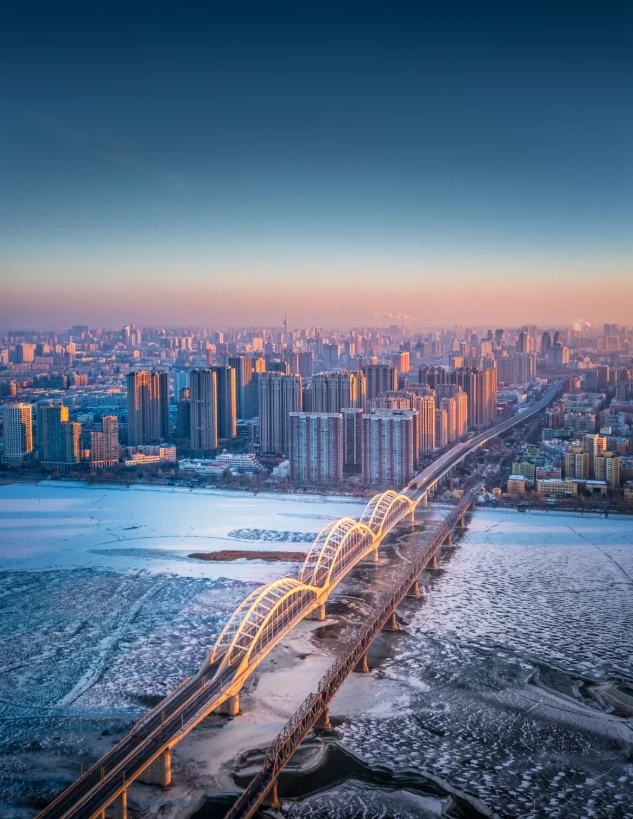
Should You Buy or Rent Winter Gear in Harbin?
This is the question that saves people the most money, and the answer is genuinely different depending on how long you are staying.
Rental stalls cluster around the Ice and Snow World entrance and along Central Street in Daoli District. They rent heavy coats, insulated over-trousers and boots, usually by the day with a deposit. Central Street itself runs south from the Songhua River flood monument toward Jingwei Street; the nearest metro stop is Zhongyang Dajie on Line 2, and most shops open around 9:30 or 10 in the morning and close between 9 and 10 at night.
| Option | Where | Typical Cost | Best For | Watch Out For |
|---|---|---|---|---|
| Rent coat, over-trousers and boots | Stalls near the Ice and Snow World entrance; Central Street, Daoli District | Roughly 50 to 150 RMB per item per day, plus a deposit | Short stops of two to three days, or travelers flying onward to a warm country | Limited sizes, hygiene varies, peak-hour queues, bring your passport for the deposit paperwork |
| Buy hats, mittens, gaiters and insoles | Central Street shops and the side streets one block off it | 30 to 400 RMB depending on the item | Almost every traveler | Sizing runs small; check the stitching before you pay |
| Buy a down parka | Malls and outdoor shops across Harbin | 400 to 1,500 RMB | Stays of a week or longer | Quality varies enormously; ask about fill weight rather than price |
| Bring from home | Your own closet | Already paid for | Base layers, wool socks, goggles, liner gloves | Bulky parkas eat luggage space you will want for souvenirs |
Pro Tip: Prices on the main pedestrian street carry a tourist premium. Walk one block east or west and the same faux-fur ushanka costs noticeably less. Payment is almost always Alipay or WeChat Pay with an international card linked, and cash is usually accepted. Foreign credit cards generally are not, outside large hotels and department stores.
What to Wear Indoors When Every Room Is 25°C
Heilongjiang's indoor heating is aggressive, and it will wreck your layering plan if you have never experienced it. Hotels, malls, restaurants, taxis and trains all sit somewhere between 22°C and 26°C in winter. You will sweat indoors, freeze outdoors, and repeat that cycle six or seven times a day.
- Your mid layer is your indoor outfit — pick it accordingly
- Bring a light tote or small backpack for the coat you shed
- Many hotel rooms have fixed heating you cannot turn down; ask reception for a thinner quilt and crack a window if you sleep hot
- Air is extremely dry. Ask the front desk for a humidifier, or hang a wet towel near the radiator overnight
- Trains are heated like greenhouses. Book through China Railway 12306, where the English interface accepts passport numbers and lets you collect tickets at the station with your passport
The Small Items Nobody Packs
Your phone battery will betray you
Lithium batteries lose capacity fast in the cold, and a phone showing 40 percent at the gate of Ice and Snow World can shut down within twenty minutes. Nothing about your phone is broken — it is just cold. Keep it in an inside chest pocket rather than a coat pocket or your hand, carry a power bank and keep that warm too. Do not plug a freezing phone in the second you walk indoors; let it warm up for twenty minutes first.
Cameras and condensation
The moment you carry a cold camera into a heated building, moisture condenses on the lens and inside the body. This is the single most common way visitors destroy a lens on a Harbin trip. Zip the camera into a plastic bag or a padded case before you step inside, and leave it sealed for 30 to 60 minutes while it equalizes.
Skin, lips and eyes
Water-based lotion freezes on your skin, and by day three your knuckles will crack if you only brought a light moisturizer. Pack ointment-style balm, a heavy hand cream, lip balm and lubricating eye drops. Bring a spare pair of gloves as well, because your first pair will get wet from snow and will not dry overnight.
Passport, payment and connectivity
Everything from hotel check-in to an attraction ticket runs on your passport number in China, so keep it on you and keep a photo of it on your phone. Before flying, confirm your entry and visa situation through the National Immigration Administration rather than a random blog post. Alipay or WeChat Pay linked to an international card covers nearly everything, and a few hundred RMB in cash is handy for small stalls. Google Maps is unreliable inside China — Apple Maps and AMap Global both work better for English-speaking visitors. Install a VPN before you arrive and download a translation app with offline Chinese.
Mistakes I Watch Tourists Make Every Week
None of these are exotic. All of them show up within the first two hours.
- Wearing jeans outdoors. Cotton plus a heated bus equals damp denim at -20°C, and damp denim is genuinely dangerous
- One pair of socks for a four-day trip. Bring three pairs and rotate them
- Buying boots tight because they will stretch. They will not, and your toes pay for it
- Arriving at Ice and Snow World at 6pm with the crowd. I send clients in around 3:30pm — you get clear daylight photos of the carving detail, shorter queues on the slides, and the lights come on while you are already inside
- Underestimating the walk from the drop-off point to the gate. Budget 10 to 15 minutes of exposed walking before you even show a ticket
- Assuming credit cards work. Outside large hotels and malls, they mostly do not
- Assuming Google Maps works. It does not
- Buying tickets on the day. Peak dates sell out. Book through Trip.com or the official WeChat account with your passport details
Insider Advice: Yes, navigating the WeChat mini-program in pure Chinese to book some Harbin attractions is a nightmare even for me. Do not fight it alone. Walk to your hotel reception, hand them your passport and your dates, and let them book it on their account. It takes them two minutes and saves you an hour of guessing which button means confirm.
Questions I Answer Before Every Harbin Trip
Do I really need to buy a heavy expedition parka before my Heilongjiang trip?
Almost nobody does, and the ones who buy one at home usually regret the luggage space. Harbin's daytime temperatures sit in a range your normal winter coat plus a windproof shell can handle. The exceptions are travelers heading to Mohe, sleeping in unheated guesthouses, or spending a full evening at Ice and Snow World on a windy night. For those cases, rent a heavy coat locally for a fraction of the purchase price instead of dragging one across the Pacific.
Can I get away with jeans and sneakers in Harbin in winter?
Jeans are the worst common choice for this climate. They are cotton, they hold moisture, and once they are damp they stop insulating entirely. Sneakers fail for a different reason: the thin rubber sole conducts cold straight from frozen pavement into your feet. If you insist on jeans, wear thermal tights underneath and limit yourself to short outdoor stretches. Otherwise, bring one pair of lined trousers and one pair of properly insulated boots.
How do I keep my phone working at Ice and Snow World at night?
Treat the phone like a body part, not a tool. It lives in an inside chest pocket, never in a coat pocket or your hand, and you take it out only for the thirty seconds it takes to shoot. A power bank kept in the same pocket doubles your usable time. If it does shut down, do not panic and do not force it back on — let it warm indoors for twenty minutes and it will usually recover with the same charge it had before.
Will hotels, restaurants and taxis in Harbin take my Visa or Mastercard?
Large hotels and department stores usually will. Small restaurants, taxis, souvenir stalls and rental counters usually will not. Set up Alipay or WeChat Pay with your international card before you fly, and keep a few hundred RMB in cash for the small places. Cash is still perfectly legal and accepted, so nobody will refuse it — they simply may not have change for a large note.
What exactly should I wear for one night at the Ice and Snow World?
Go warmer than you think. Merino base layer, fleece, a long down parka, thermal tights under insulated over-trousers, two pairs of wool socks in roomy boots, mittens over liner gloves, a hat covering the ears and a neck gaiter you can pull over your nose. The park has heated rest areas, and you will use them more than you expect. Plan on two to three hours outside, not five.
Verified and fact-checked by the editorial team. Ticket policies, rental prices and shop hours in Heilongjiang shift with the season, so confirm current details through official channels or your hotel before you travel.






No comments yet.