 Gang Zheng
Six in the morning. Minus twenty-two. My clients are standing at the wrong bus station.
That is Harbin in a nutshell. They had booked a Harbin to Heilongjiang bus seat to Yabuli through an app, the confirmation printed a Chinese address they could not read, and their taxi driver dropped them at the main railway station instead. The coach pulled out at 6:40. Nobody called them. Nobody calls.
Here is what that phrase actually means. Harbin sits inside Heilongjiang, so a Harbin to Heilongjiang bus is a long-distance coach from Harbin to another corner of the province — Yabuli, China Snow Town, Qiqihar, Wudalianchi, Yichun. These coaches are cheap and they leave on time, and for several of those places they are the only realistic option in winter. They are also the most confusing transport system in Northeast China for anyone who cannot read Chinese.
One conclusion first, because it saves days: almost every useful coach out of Harbin departs from either Nangang Passenger Station or Haxi Passenger Station, and those two sit on opposite sides of the city. Get that wrong and your trip is finished before it starts.
What Is Inside — Skim This Before You Buy Anything
- What Does a Harbin to Heilongjiang Bus Actually Mean?
- The Three Harbin Bus Stations That Matter
- How Do You Book a Ticket as a Foreigner?
- Popular Routes, Real Timings, and Honest Fares
- How Long Does the Snow Town Bus Really Take?
- Bus Station Survival: Passports, Luggage, Toilets
- A 24-Hour Plan When the Bus Is Your Only Option
- Questions I Get Asked Every Winter
What Does a Harbin to Heilongjiang Bus Actually Mean?
It means a provincial coach, not a city bus. Heilongjiang is enormous — roughly the size of Germany and Poland put together — and Harbin is its capital. So when people search for a Harbin to Heilongjiang bus, they are almost always trying to reach somewhere far outside the city limits: a ski resort, a snow village, a volcanic field, or a quiet forest town.
The province runs on two parallel networks. High-speed rail covers the big corridors, and long-distance coaches fill in everything the trains skip. For Qiqihar or Mudanjiang, the train wins comfortably. For Yabuli village, Snow Town, or Wudalianchi, the coach is often the only direct service that exists.
Fares are genuinely low. A three-hour ride typically costs less than a coffee and a sandwich in central Harbin. What you save in money, though, you pay back in friction: Chinese-only signage, no English announcements, and a ticketing system built entirely around Chinese ID cards and mobile payment.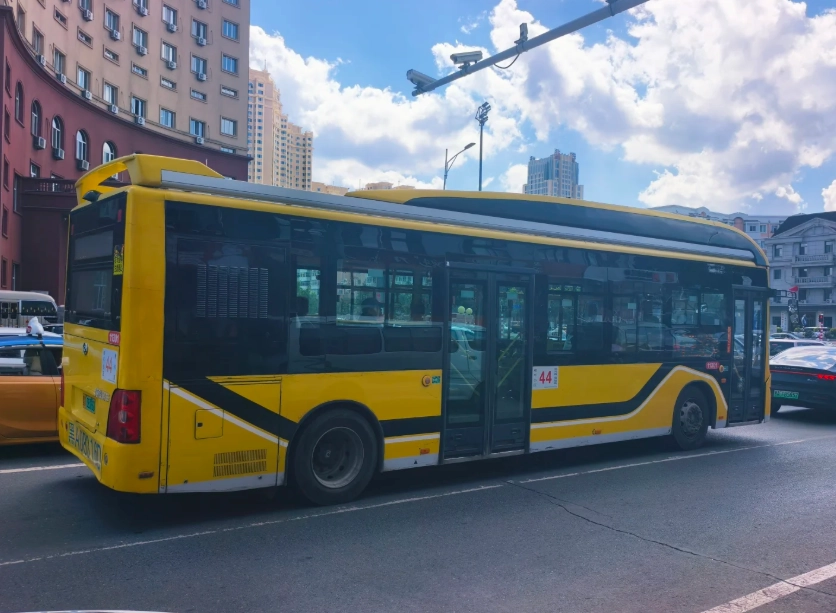
Pro Tip: If your destination also has a railway station, check the official booking site at www.12306.cn before you commit to a bus. A high-speed train that costs slightly more and arrives in half the time is almost always the smarter call.
The Three Harbin Bus Stations That Matter
Harbin has more than three long-distance terminals, but these are the ones a foreign traveler will realistically use. Save the Chinese names — you will need to show them to a taxi or DiDi driver, because English place names mean nothing at the curb.
Nangang Passenger Station — The One You Will Probably Use
Nangang Highway Passenger Station, written 南岗公路客运站, is the workhorse for southern and eastern routes. It sits within walking distance of Harbin Railway Station, which is exactly why confused travelers wander here by accident and then discover it was the right place all along.
What I like about Nangang: it is big enough to have staffed ticket windows and a proper waiting hall, and small enough to cross in four minutes. What I do not like: the departures board is Chinese-only, the loudspeaker announcements are fast and heavily accented, and the toilet queue at 7 a.m. can eat twenty minutes of your buffer.
- Routes that matter here: Yabuli, China Snow Town, Mudanjiang, Jiamusi
- Best arrival time: 40 minutes before departure, 60 in peak winter
- Reference point for drivers: Harbin Railway Station, south side
- Facilities: left luggage, small convenience shop, basic toilets, no English signage
Haxi Passenger Station — For Western and Northern Routes
Haxi Passenger Station, 哈西公路客运站, is attached to Harbin West Railway Station and handles most of the western traffic. If you are heading toward Qiqihar or Daqing, this is usually your station.
This one is my personal preference for a first bus ride in China. It is modern, cleaner than Nangang, connected directly to the metro, and the layout feels close to a European bus terminal — platforms along one wall, seating in the middle, ticket windows at the entrance. It is also far calmer in the early morning.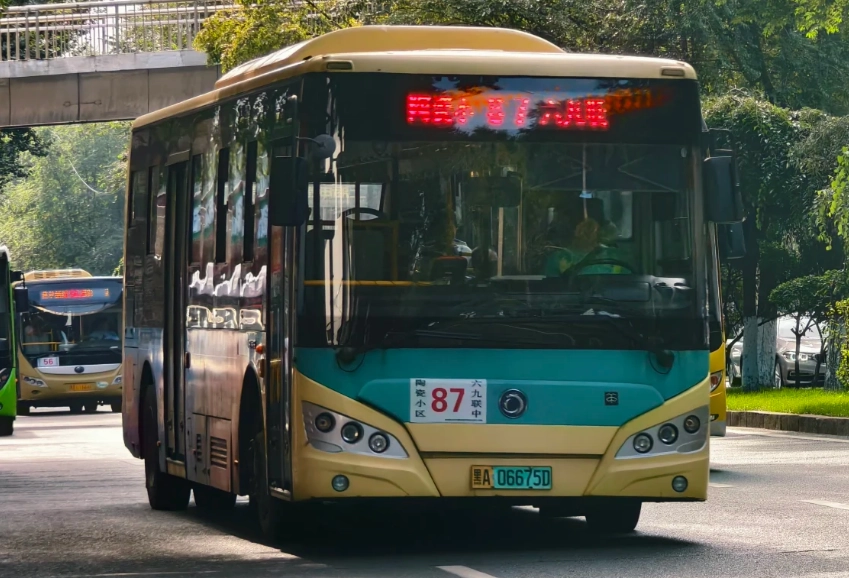
Insider Advice: Haxi and Nangang are roughly 40 minutes apart by taxi in normal traffic and up to 90 minutes apart in a snowstorm. Never assume you can hop between them and still catch your coach. If a ticket agent names a station and you are not certain, ask your hotel front desk to write the Chinese characters on paper before you leave the lobby.
Highway Bridge Station — The One Most Guides Forget
The station near the Songhua River Highway Bridge, locally called Gonglu Daqiao, serves some northern and northwestern departures. It is smaller, older, and barely mentioned in English-language guides.
Should you plan around it? Probably not. But if a ticket seller tells you a route leaves from Gonglu Daqiao and not from Nangang, believe them. Confirm the Chinese name with your hotel before you go, because Harbin taxi drivers know the bridge, not the station name.
How Do You Book a Harbin to Heilongjiang Bus Ticket as a Foreigner?
The WeChat Mini-Program Reality
Most Chinese travelers book through a WeChat mini-program, and for a foreigner this is the single most frustrating step of the entire journey. The interface is Chinese-only, it usually wants a mainland phone number for verification, and passport-based identity checks behave differently from province to province.
I will be straight with you: I have watched confident, well-traveled Europeans give up on this screen. It is not you. The system was simply not designed with you in mind.
Two workarounds actually function. Ask your hotel reception to book on their own account and pay them back in cash. Or walk to the station a day early and buy at the counter with your passport. The counter route takes about fifteen minutes in low season and considerably longer during the ice festival rush.
Trip.com, Hotel Desks, and the Physical Counter
Trip.com lists a growing number of Chinese long-distance coach routes in English, and it accepts international cards. Coverage is incomplete — smaller provincial routes often do not appear — but for Yabuli and Snow Town it usually works.
At the physical counter, expect this flow: passport out, destination shown in Chinese on your phone, then cash, Alipay, or WeChat Pay. Physical international credit cards are frequently refused, and some older windows genuinely cannot process them at all. Carry a few hundred yuan in cash as a backup. That habit has rescued me more than once at a counter with no working card reader.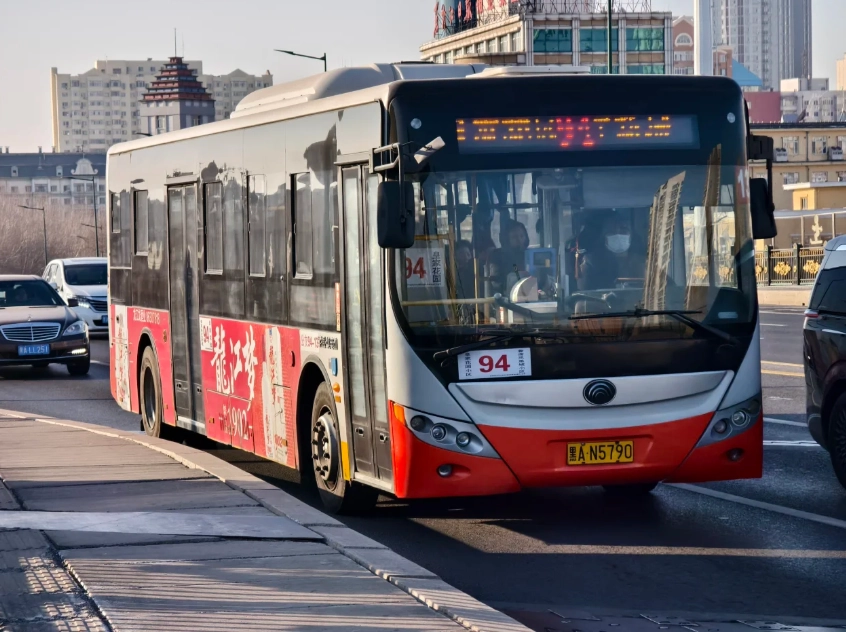
Do You Actually Need to Book Ahead?
In summer, no. In winter, yes — and the reason is not what you expect. Tickets rarely sell out completely. What sells out are the good departure times. The 8 a.m. coach to Yabuli disappears first, and what remains is a 5:40 departure that means leaving your hotel at 4:30 in minus twenty-five.
My working rule: book 48 hours ahead for any winter weekend, and 72 hours ahead during the New Year and Spring Festival travel periods. Outside those windows, same-day purchase at the station is completely normal and safe.
Popular Routes, Real Timings, and Honest Fares
Treat every number below as a planning estimate, not a quote. Fares shift with season and fuel surcharges, and winter road conditions can add hours to any of these. Confirm at the counter or through Trip.com before you build a fixed schedule around them.
| Route | Departure Station | Journey Time | Est. Fare (CNY) | Frequency | Best For |
|---|---|---|---|---|---|
| Harbin to Yabuli | Nangang | 3 to 3.5 hours | 60 to 90 | Several daily | Skiers, day trips |
| Harbin to China Snow Town | Nangang | 5 to 6 hours | 120 to 160 | 1 to 2 daily in winter | Snow photography, overnight stays |
| Harbin to Qiqihar | Haxi | 3.5 to 4 hours | 80 to 110 | Frequent | Zhalong crane reserve |
| Harbin to Wudalianchi | Nangang | 5 to 6 hours | 120 to 160 | 1 to 2 daily | Volcanic landscape, hot springs |
| Harbin to Yichun | Haxi | 4.5 to 5 hours | 100 to 140 | 2 to 3 daily | Forest scenery, fewer crowds |
Harbin to Yabuli
Yabuli is the easiest bus trip out of Harbin and the best first taste of the provincial coach system. The resort cluster sits about three hours southeast, and coaches leave Nangang through the morning.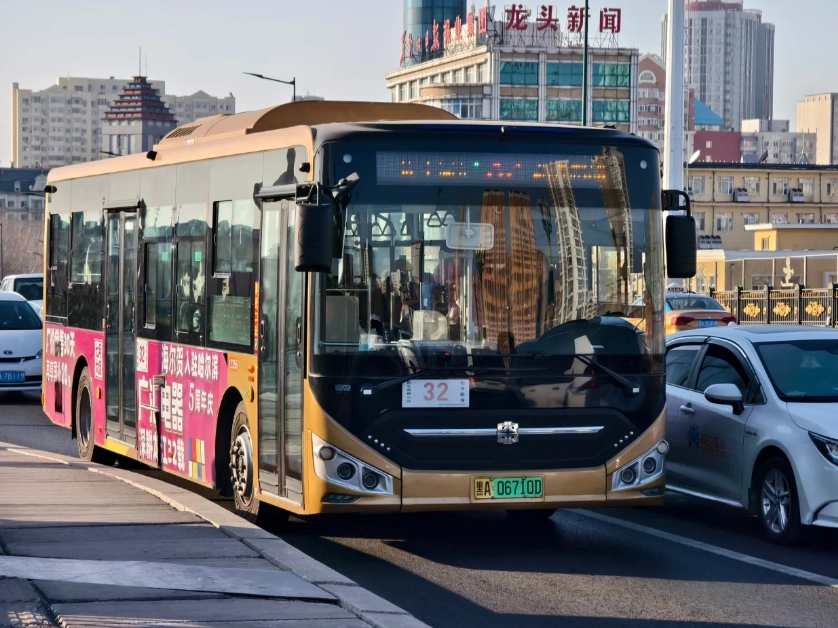
Here is the catch nobody mentions: the bus drops you in Yabuli town, not at the ski resort gate. From the drop-off you still need a local taxi or a shuttle to reach the lifts. Budget twenty minutes and a small fare. If you are hauling ski gear, tell the driver before anything gets loaded.
Harbin to China Snow Town
Snow Town is the route that breaks people's plans, because the direct public coach is limited and winter road conditions are unpredictable. The village — Shuangfeng Forest Farm, inside the Dahailin forestry area — sits deep in the mountains, and snow clearing on the mountain road dictates everything.
A direct coach can take five hours on a clear day and eight after heavy snowfall. Plenty of travelers end up on a shared tourist shuttle or a private car instead. If you go the private route, agree the price before departure and ask directly whether the driver holds a commercial passenger licence. An unlicensed driver may push through weather that a coach would not.
Harbin to Qiqihar
For Qiqihar, take the train. High-speed rail covers the distance in about an hour and a half and costs only a little more than the coach, which takes roughly twice as long. The bus only makes sense if you are stopping at small towns along the way.
The reason to go at all is the Zhalong Nature Reserve and its red-crowned cranes. Check the reserve's seasonal opening pattern before you travel, because it is not a year-round attraction and the birds migrate.
Harbin to Wudalianchi and Yichun
These two routes are for travelers who want the province without the crowds, and they reward patience. Wudalianchi is a volcanic field with dark lava flows and mineral springs. Yichun is forest country — quiet, green, and almost unknown to foreign visitors.
Both are long rides with limited daily departures. Do not attempt either as a day trip from Harbin. Stay at least one night, and confirm departure times the day you arrive, because the return schedule is often thinner than the outbound one.
How Long Does the Harbin to Snow Town Bus Really Take?
Plan for six hours and be pleasantly surprised if it takes five. The posted timetable says five to six, but that number assumes dry roads and no chain-up delays on the mountain pass.
I have done this route in a light-snow winter when we rolled in early, and I have done it in a heavy-snow winter when we sat on a switchback for two hours while a truck was winched out of a ditch. Both trips left at the same time of day. That is the whole lesson.
What this means practically: never book a Snow Town coach on the same day as an international flight out of Harbin. Give yourself a full buffer day. And carry food and water, because the roadside stops are unpredictable and the toilets there are, to put it politely, an experience.
Pro Tip: Sit on the left side of the bus heading out of Harbin if you want the better mountain views in the final hour. It sounds trivial. On a six-hour ride, it is not.
Bus Station Survival: Passports, Luggage, and Toilets
Your passport is your ticket. Without it you are not boarding, even with a paid booking. Chinese long-distance coaches operate under real-name rules, and staff will match your document against the manifest at the gate.
- Arrive 40 minutes early in normal season, 60 to 75 minutes during winter peak
- Keep your passport in your hand, not buried in your backpack, from the entrance onward
- Large bags go in the underfloor hold — keep electronics, medication, and documents with you
- Photograph your bus plate number before boarding; there is no English announcement at the other end
- Use the station toilet before departure, because most coaches have none or keep them locked
- Bring tissues and hand sanitizer; paper is often missing and soap is rarer still
One more thing about security screening. Every station runs your bags through an X-ray machine, and large power banks occasionally get questioned. Keep yours in an accessible pocket so you can show it without unpacking everything in a freezing hall.
For entry rules, visa categories, and transit policies, the National Immigration Administration at www.nia.gov.cn is the authoritative source — not a travel forum, and not me.
A 24-Hour Plan When the Bus Is Your Only Option
Assume you land in Harbin at noon, fly out the following evening, and want one real Heilongjiang experience in between. Do not attempt Snow Town. The math simply does not work.
Here is what does work. Take an early afternoon coach from Nangang to Yabuli, roughly three hours. You arrive before dark, which matters, because mountain roads and darkness are a bad combination in winter. Sleep at the resort, ski or ride the cable car the next morning, then take a midday coach back to Harbin. You reach the city by late afternoon with comfortable time for the airport.
If the weather turns — and in Harbin it turns fast — the indoor fallback is the city itself. The heated underground shopping streets near the central pedestrian area are walkable from most downtown hotels and keep you completely out of the wind. International reporting on Harbin's winter season, including how the city manages the extreme cold, is worth reading before you go; CNN Travel has covered the ice festival and its logistics in detail at www.cnn.com/travel.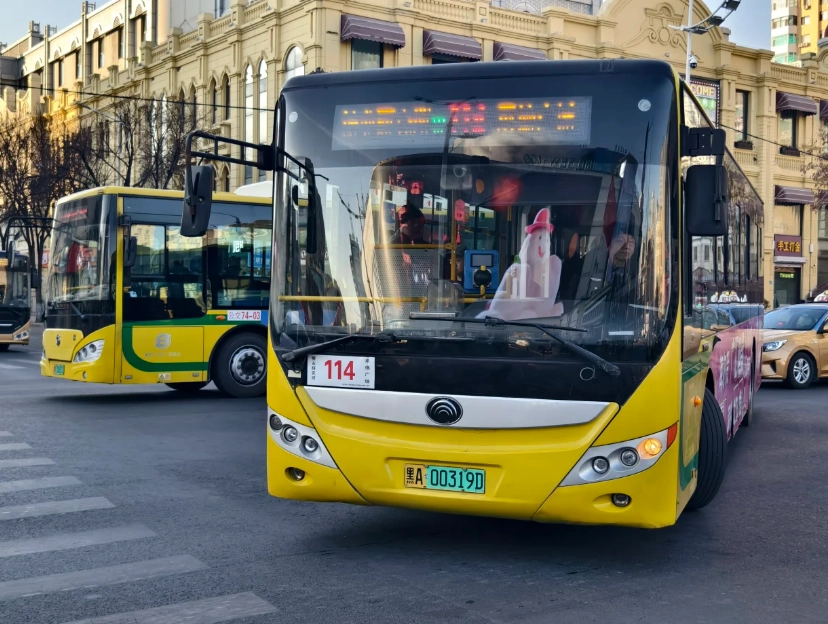
Questions I Get Asked Every Winter
Can I pay for a Harbin to Heilongjiang bus ticket with a foreign credit card at the station?
Assume no, and be delighted if a window happens to accept one. The overwhelming majority of provincial bus counters take cash, Alipay, or WeChat Pay. If your Alipay is linked to an international card, test it on a small purchase before your travel day — the first transaction sometimes triggers a verification step, and you do not want that happening at a counter with a queue behind you.
Do I need a Chinese phone number to book a bus ticket online?
For the official mini-programs, usually yes, and that is the wall most foreigners hit. Your realistic alternatives are Trip.com in English, or asking your hotel reception to book on their account. Harbin hotel staff do this constantly for guests and rarely charge for it. Bring the destination name in Chinese characters on your phone screen before you ask.
Is the bus safer than a private car to Snow Town in winter?
Not automatically. A licensed coach driver on a familiar mountain route is a solid choice, but the real variable is the road, not the vehicle. What makes coaches statistically safer is that commercial passenger operators face stricter licensing and are more likely to stop when conditions deteriorate. If you hire a private car, ask point-blank whether the driver holds a commercial passenger permit.
What happens if I miss my bus?
Your seat is gone and refunds are generally not offered for no-shows. The practical move is to walk straight to the ticket window and ask about the next departure instead of arguing about the missed one. In winter, the next available seat to a mountain destination can be the following morning. This is exactly why I tell clients to arrive 40 minutes early and never book a bus on the same day as a flight.
Can I bring a large suitcase on a provincial bus?
Yes, and it goes in the underfloor hold at no extra charge on most routes. Two caveats. Space is first-come, so board early if your bag is oversized. And the hold is unsupervised — anything valuable belongs in the cabin with you, ideally in a bag you can keep on your lap rather than in the overhead rack.
Verified and fact-checked by the editorial team. Fares, timetables, and station details shift with season and local policy — always confirm at the counter or through an official booking channel before you travel.








No comments yet.