 Jing Song
Ten days. No visa sticker. Minus twenty-five outside.
That is the deal the Heilongjiang 240 hour visa hands you the second you walk off a long-haul flight at Harbin Taiping International Airport in January. Then reality lands. Your phone dies inside your coat pocket before you reach the counter. The officer asks for an onward ticket, and you saved it as a screenshot on a device that just froze.
I have walked more than sixty foreign travelers through that exact desk. The Heilongjiang 240 hour visa is not a tourist visa and it is not automatic. It is a transit permission, and it fails for the same three reasons every winter.
So here is the short version before we go deep. Your onward flight must leave for a third country or region, not back home. The permitted stay area is Heilongjiang Province only. And the paperwork needs to be on paper, not on a screen. Get those three right and you are eating guobaorou on Central Street within three hours of landing.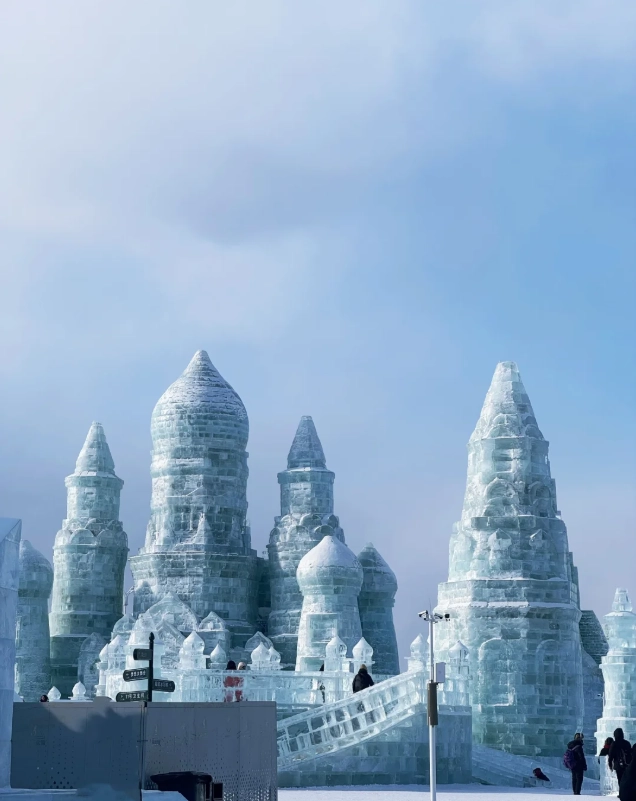
Now the details.
What I Cover Below — Jump Straight In
- What Is the Heilongjiang 240 Hour Visa-Free Transit Rule?
- Which Heilongjiang Ports Accept the 240 Hour Transit Entry
- How to Apply for It at Harbin Taiping Airport
- How Far the 240 Hour Visa Actually Lets You Travel
- A Realistic 10-Day Harbin Itinerary
- The Traps Nobody Warns You About
- Pre-Flight Questions, Answered Honestly
What Is the Heilongjiang 240 Hour Visa-Free Transit Rule?
The 240 hour visa is not a visa at all — it is a visa-free transit window China grants to citizens of 54 countries who are passing through on their way somewhere else.
It lets you enter without applying for a visa in advance, stay up to 240 hours, which is ten full days, and then leave. The National Immigration Administration publishes both the eligible-country list and the designated port list, and that list gets updated more often than most travel blogs bother to notice. Check it before you book anything.
Three conditions carry the whole policy:
- You hold a passport from one of the 54 eligible countries
- You hold a confirmed onward ticket to a third country or region departing inside the 240 hour window
- You enter through a designated transit port
That phrase "third country or region" is where people get burned. Los Angeles to Harbin to Los Angeles does not qualify. Los Angeles to Harbin to Seoul does. Los Angeles to Harbin to Hong Kong works as well, because Hong Kong counts as a separate region for immigration purposes.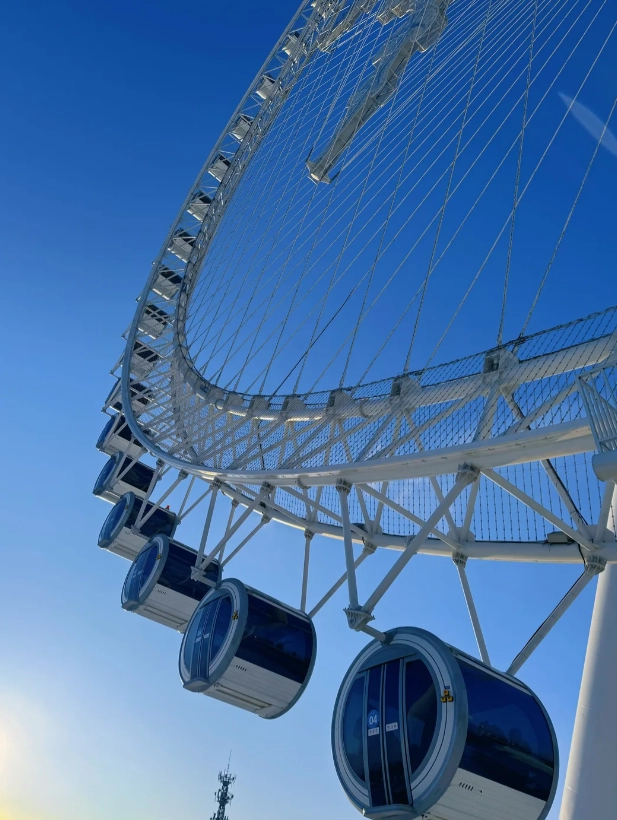
Which Passports Qualify for the Heilongjiang 240 Hour Visa
The 54-country list covers most of Europe plus the United States, Canada, Brazil, Mexico, Argentina, Chile, Australia, New Zealand, South Korea, Japan, Singapore, Brunei, the UAE and Qatar.
If you carry a British National (Overseas) passport or a Hong Kong SAR passport, separate arrangements apply. Do not assume the 240 hour rule covers you simply because your document looks British. I have seen a BNO holder stand at that counter for twenty minutes while two officers flipped through a printed policy folder. It worked out, but it cost him an hour he did not have.
The Onward Ticket Trap That Catches Almost Everyone
Your onward booking must be a genuine confirmed reservation with a departure inside the 240 hour window, and the officer may verify the confirmation number directly in the airline system.
I watched a traveler get refused because his onward ticket was a twelve-dollar throwaway reservation to Bangkok that the airline had already auto-cancelled. The officer pulled it up in about forty seconds. That is the level of checking happening at Harbin right now.
Buy a ticket you actually intend to fly. If your plans are loose, take a flexible fare to Seoul, Tokyo or Bangkok. A real ticket costs less than a denied entry and a return flight home.
Pro Tip: Print the airline itinerary, the e-ticket number and the return leg on separate sheets of A4. Fold them into your passport. Officers process printed documents in roughly a third of the time it takes them to squint at a cracked phone screen in a minus-twenty arrivals hall. I have timed this. It is not a small difference.
Which Heilongjiang Ports Accept the 240 Hour Transit Entry
In Heilongjiang, the designated port for 240 hour visa-free transit is Harbin Taiping International Airport.
There is no land-border option under this policy in this province. If you were hoping to cross from Vladivostok by bus and start your transit window at the border, that route does not exist here.
| Entry Point | Type | Eligible for 240 Hour Transit |
|---|---|---|
| Harbin Taiping International Airport (HRB) | International airport | Yes |
| Suifenhe Border Crossing | Road border crossing | No |
| Heihe Border Crossing | Road border crossing | No |
One practical note that saves a lot of grief. Harbin Taiping is a single-terminal airport, and the international arrivals hall is compact. That sounds convenient until three wide-body flights land within forty minutes of each other, which happens regularly between 2pm and 5pm in January. I always tell clients to pick a morning arrival if the airline gives them the choice.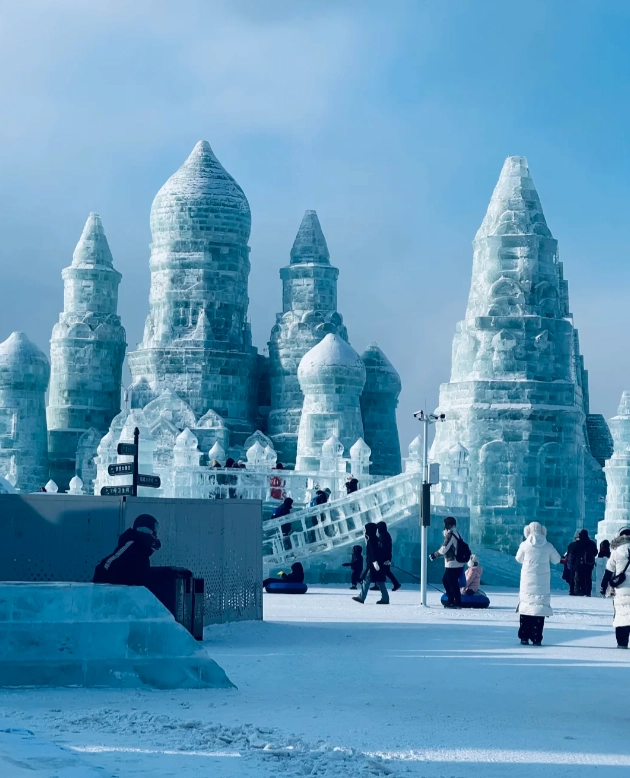
How to Apply for the Heilongjiang 240 Hour Visa at Harbin Taiping Airport
There is no online application and no form to submit in advance. You apply at the transit counter inside the arrivals hall, before the main immigration queue.
What Actually Happens at the Transit Desk
From aircraft door to curbside, expect twenty to forty minutes on a quiet flight and up to ninety minutes on a busy one.
- Fill in the Arrival Card before you reach the desk. Pens are provided but they run out fast. Carry your own. The card asks for your hotel address, so have it written down before you land.
- Hand over your passport and printed onward ticket together. Do not dig through your bag at the counter. Have both in your jacket pocket before you leave the plane.
- Expect a fingerprint scan and a photo. Both are standard for visa-free transit entries. The scanner works fine with cold hands, which surprised me the first time.
- Get your entry stamp and check the handwritten date on it. I have caught two errors over the years. Both were fixed on the spot, but only because the traveler looked.
And here is the honest part. Navigating anything Chinese-language on a phone after fourteen hours of flying is miserable, and I say that as someone who reads the language. If a staff member hands you a QR code to fill in a health or arrival declaration, just ask the person at the information desk to help. They do it dozens of times a day and it takes them ninety seconds.
Documents to Print Before You Fly
- Passport valid for at least six months beyond your entry date
- Printed onward ticket showing the airline confirmation number
- First night hotel booking with the full address in English and Chinese
- Travel insurance policy number, printed
- A paper copy of your bank card or Alipay setup, in case your phone fails
That last one sounds paranoid. It is not. Phone batteries collapse in this cold faster than anywhere else I guide.
How Far the 240 Hour Visa Actually Lets You Travel
The permitted stay area is Heilongjiang Province only. You can visit Harbin, Yabuli, China Snow Town, Mohe, Wudalianchi and Qiqihar — but not Beijing, Shanghai or Xi'an.
This is the misunderstanding that ruins trips. The 240 hours is a time window, not a geographic pass. The permitted area is tied to the province where you enter.
Want Harbin and Beijing in one trip? You need a proper tourist visa from the Ministry of Foreign Affairs channel or a Chinese embassy abroad. No workaround exists.
What you can genuinely do inside Heilongjiang:
- Harbin — Central Street, Saint Sophia Cathedral, Ice and Snow World, Laodaowai
- Yabuli — major ski resorts, roughly two hours from Harbin by high-speed rail
- China Snow Town — about three hours by road from Yabuli, longer in heavy snow
- Mohe — China's northernmost town, reachable by air, though winter cancellations are common
- Wudalianchi — volcanic terrain, almost empty of tourists in winter
Ten days is plenty for Heilongjiang alone. Cramming Beijing in would be a mistake even if the rules allowed it.
A Realistic 10-Day Harbin Itinerary Using the 240 Hour Visa
This route strings together Harbin city, Yabuli and China Snow Town without a single day over three hours of transit.
Days 1 to 3: Harbin
Do not schedule anything on arrival day. Jet lag plus minus twenty-five degrees equals a wasted afternoon if you push it.
Day one, walk Central Street in the late afternoon. It is free, it is pedestrianized, and the European-style facades look best under the 4pm light. Grab a bowl of guobaorou — sweet-and-sour fried pork, the local signature — somewhere off the main strip. Restaurants directly on Central Street charge a tourist premium and the food is not better.
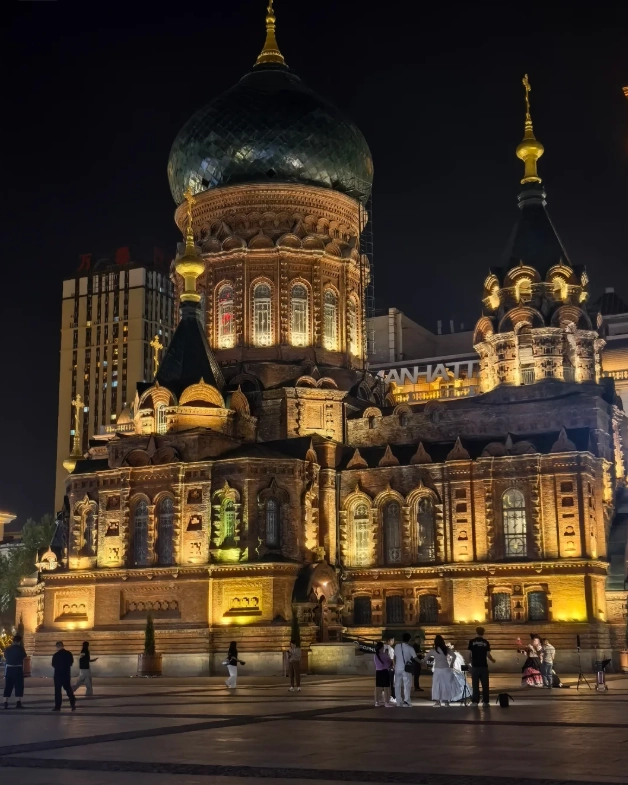
Day two, Saint Sophia Cathedral in the morning. Here is the detail most guides miss: the facade is backlit after 2pm, so shoot it before 10am or you will be editing shadows all night. The interior runs about 20 yuan and functions as an architecture exhibit. Honestly, it is thin. Twenty minutes and you are done. The exterior is the whole point.
Then head to Laodaowai for the Chinese-Baroque quarter. Fewer crowds, real neighbourhood life, and free to walk. Lunch there: a clay-pot stew or a bowl of braised pork bones. Cheap and filling.
Day three, Ice and Snow World. Tickets land somewhere between 300 and 400 yuan depending on the date and where you buy. Book through Trip.com or the official WeChat mini-program ahead of time — the on-site ticket window queue in peak season is genuinely brutal. Arrive around 3:30pm so you shoot the ice sculptures in daylight and then again once the lights come on. Same location, completely different photographs.
Insider Advice: The indoor warming huts inside Ice and Snow World fill up after 5pm and you will not get a seat. If you feel the cold badly, claim a spot by 4pm and park your power bank and heat packs there. Also, phones shut down at roughly twenty minutes in this temperature. Charge fully before you leave the hotel and carry a power bank in an inside pocket, not a backpack.
Days 4 to 6: Yabuli
High-speed trains from Harbin to Yabuli West take about two to two and a half hours and cost far less than a private transfer.
Book on China Railway 12306, which now accepts foreign passports directly, or through Trip.com if the Chinese interface frustrates you. I use 12306 myself, but I will be the first to admit the registration flow with a foreign passport is clunky.
Day four, travel and settle in. Ski half a day if you have energy. Day five, full ski day. Day six, morning on the slopes, then transfer toward China Snow Town in the afternoon.
Lift tickets vary widely by resort and season — budget somewhere between 300 and 600 yuan per day and confirm current pricing when you book. Rental gear is available on site, though the boots run small. If you wear a US size 11 or above, bring your own or message the resort in advance.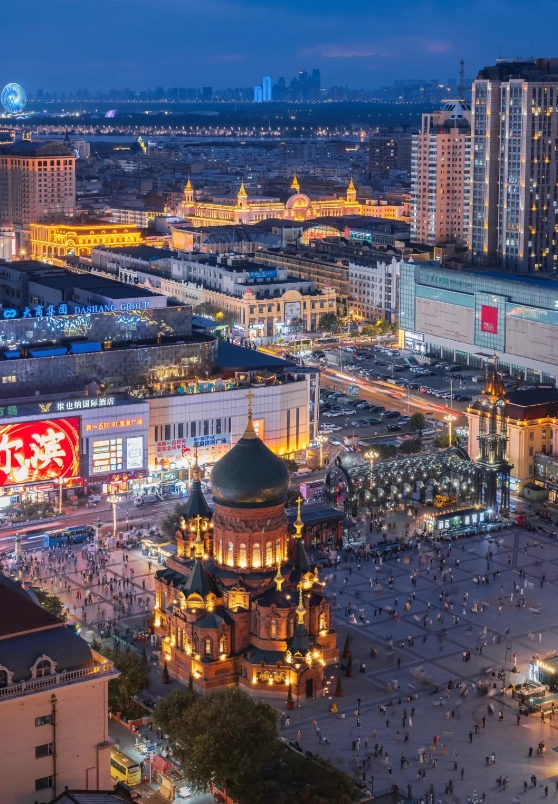
Days 7 to 9: China Snow Town
Snow Town is heavily commercialised and I will not pretend otherwise. The snow mushrooms are still worth seeing, but only if you get out before the crowds wake up.
Entry runs around 120 yuan. The village itself is small — two hours of walking covers it. What makes it special is the snow accumulation on the rooftops, and that only photographs well in the first hour of daylight before footprints and tour groups destroy the surface.
Set an alarm for 6:30am. Walk the main street by 7. By 9am it is a different place entirely.
Day nine, return to Harbin. Day ten, fly out. Build a full buffer day before your onward departure — snow on the highways between Yabuli and Harbin can add two hours without warning.
The Traps Nobody Warns You About
Most of the failures I see have nothing to do with eligibility. They come from small logistical assumptions that do not survive contact with a Chinese winter.
- Leaving Heilongjiang. A domestic flight to Beijing counts as exiting the permitted area. You will be stopped at check-in. This is not negotiable at the airport.
- Multiple entries. The transit window is single-entry. Leaving and re-entering does not restart it.
- Overstaying. Fines apply and the record follows you into future visa applications. If your onward flight gets cancelled, contact your embassy and the local exit-entry administration immediately rather than waiting it out.
- Google Maps. It is inaccurate in mainland China, sometimes badly so. Apple Maps works reasonably, and AMap Global handles English search well. Download offline maps before you fly.
- Payment. Alipay and WeChat Pay linked to an international card cover almost everything. Small restaurants, taxis and many ticket windows will not take a physical Visa or Mastercard. Link your card while you still have home-country SMS signal — the verification step is where people get stuck.
- Language. Download a translation app with offline Chinese before departure. Apple Translate and Baidu Translate both handle menu photos decently.
One more thing worth saying plainly. The digital layer of travel in China is genuinely harder for foreigners than it should be, and pretending otherwise does nobody any favours. Hotel receptionists are the single best resource here. Hand them your phone and they will book the ticket, call the taxi and confirm the address in about two minutes. I do this constantly and it has never once been refused.
Pre-Flight Questions, Answered Honestly
My onward flight goes to Hong Kong. Does that count as a third region for the Heilongjiang 240 hour visa?
It does. Hong Kong, Macau and Taiwan all count as separate regions for immigration purposes, so Los Angeles to Harbin to Hong Kong satisfies the transit condition. The catch is your Hong Kong entry eligibility, which is assessed separately. US and most European passport holders enter Hong Kong visa-free, but if you need a visa for Hong Kong, the airline at your origin will not let you board.
What are the real reasons a 240 hour transit entry gets refused at Harbin?
It is almost always the onward ticket, not the passport. Fake reservations, departure dates beyond the 240 hour window, or bookings without a verifiable confirmation number get flagged. I have watched someone buy a real ticket at the counter on a dying phone, which took forty minutes and cost him three times the advance price. Book it properly before you fly and print it.
How is the 240 hour clock actually counted once I land?
The clock starts at 00:00 on the day after your entry, not at the moment you clear the desk. Land on a Monday afternoon and your window opens Tuesday at midnight, running a full ten days from there. Leave a half-day of buffer before your departure flight. Do not book an onward flight for the final hour of the window — weather delays at Harbin in January are real and you have no legal room to absorb them.
Can I fly from Harbin to Beijing on the 240 hour transit entry?
No. Heilongjiang Province is the permitted stay area, and a domestic flight to Beijing puts you outside it. Check-in staff will stop you, and the record of an attempted violation is not something you want attached to a future visa file. If you want Harbin and Beijing in one trip, apply for a standard tourist visa and do both properly.
Will my international credit card work in Harbin?
Chain hotel front desks usually accept Visa or Mastercard. Almost nothing else does. Taxis, small restaurants, ticket windows and convenience stores run on Alipay, WeChat Pay or cash. Link your card to Alipay before you fly, and carry roughly 1000 to 1500 yuan in cash as a fallback. That amount covered a week of meals and transport for the last group I guided, though ski resort spending runs higher.
Is ten days in Heilongjiang actually enough, or will I run out of things to do?
Ten days is close to ideal, and I would argue most itineraries under-fill it rather than over-fill it. Harbin deserves three days minimum, Yabuli two to three, Snow Town two, and the rest absorbs travel and weather delays. The mistake I see is people treating the 240 hours as a race. Treat it as a slow winter loop instead and the trip gets considerably better.
Verified and fact-checked by the editorial team. This content has been fact-checked to ensure informational precision.







No comments yet.