 Gang Zheng
Your 60-Second Route Briefing
- Which Heilongjiang Cities You Can Reach by Rail
- How Do You Book With a Foreign Passport?
- Changchun Station or Changchun West?
- Fares, Times and Seat Classes
- Getting to Changchun West Without Overpaying
- Harbin Arrival: Station, Exit, Metro
- A 24-Hour Heilongjiang Sprint
- Mistakes I Watch Travelers Make
- FAQ: Questions I Get Weekly
Seventy minutes. One passport scan. No airport queues.
That is what the Changchun to Heilongjiang high speed train actually buys you — a two-province hop you can do between breakfast and lunch. I've ridden this corridor in January with a group of eleven, in July alone with a backpack, and once at 21:40 on the last departure out of Changchun West, because a client had left his passport in the hotel safe.
Here's what people get wrong before they even open a booking app: they assume there is one train. There isn't. Changchun feeds a whole fan of routes north — Harbin in about an hour, Qiqihar in three, Mudanjiang in four — and whether your day runs smoothly comes down to two decisions. Which Changchun station you leave from. Which app you book on.
So here's the answer up front. Changchun West Railway Station is the station you want. 12306 or Trip.com is the app you want. Your passport is your ticket. Everything below is the detail that makes those three facts work in practice.
Which Heilongjiang Cities Can You Reach from Changchun by High Speed Rail?
Heilongjiang is bigger than most European countries, and the high-speed network only covers its southern and eastern spine. So before you book anything, know which cities are genuinely reachable in a morning.
| Destination | Arrival Station | Fastest Journey | Approx. 2nd Class Fare | Best For |
|---|---|---|---|---|
| Harbin | Harbin West | About 1 hour | ¥110–¥130 | Ice festival, Central Street, the classic first stop |
| Yabuli | Yabuli West | About 2h 30m | ¥200–¥240 | Skiing at the Yabuli resort cluster |
| Qiqihar | Qiqihar South | About 3 hours | ¥230–¥270 | Red-crowned cranes at Zhalong, quieter city |
| Mudanjiang | Mudanjiang | About 4 hours | ¥300–¥360 | Gateway to Jingpo Lake and China Snow Town |
| Jiamusi | Jiamusi | About 4h 30m | ¥350–¥400 | Eastern Heilongjiang, far fewer tourists |
Two caveats matter more than the table itself. These are planning ranges, not quotes — a G service costs more than a D service on the same route, and the booking platform shows the exact figure before you pay. And direct trains to Mudanjiang and Jiamusi are thin. On plenty of days the fastest option is Changchun to Harbin, then a connection. Check the connection before you commit to a long-distance plan.
Harbin: The One-Hour Run That Does 90% of the Work
If you're only doing one Heilongjiang city from Changchun, make it Harbin — and take the train, not the plane. The flight saves you nothing once you add the airport transfers at both ends, and the train drops you 30 minutes from Central Street instead of 45 kilometres outside town.
Changchun West to Harbin West runs roughly every 20 to 40 minutes through the day along the Beijing–Harbin spine. The early departures around 06:30 are noticeably quieter than the 09:00 to 10:00 bank, which fills with tour groups and school parties. If you can get your body moving at six in the morning, you'll have a carriage mostly to yourself.
Seats A and F are the windows in every class. Ask for one. The landscape is flat farmland and frozen fields, but the low morning light across a frozen plain is genuinely beautiful, and it's the China most visitors never see from a plane window.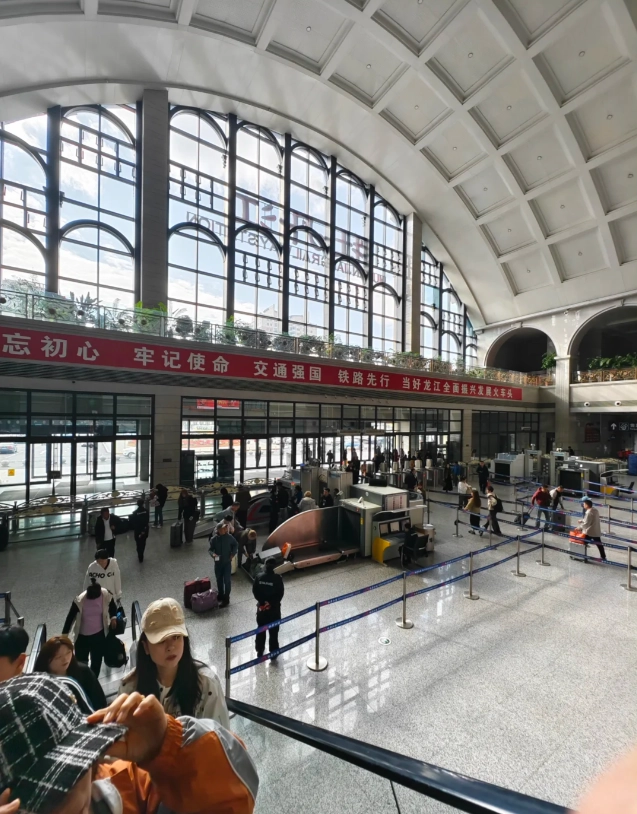
Beyond Harbin: Qiqihar, Yabuli, Mudanjiang and Jiamusi
All four are reachable, but only Yabuli works as a same-day round trip from Changchun. The rest are overnight or multi-day trips, and pretending otherwise is how people end up eating instant noodles in a station concourse at eleven at night.
Yabuli is the exception. It's a short hop past Harbin on the same line, and Yabuli West station sits within shuttle distance of the main ski resort cluster. Sort your transfer before you arrive. The station is not somewhere you'll find a reliable taxi rank, and the resorts run scheduled shuttles rather than on-demand pickups, so book the shuttle together with your accommodation.
Qiqihar is worth the three hours if you care about birds. Zhalong Nature Reserve, southeast of the city, is one of the last strongholds of the red-crowned crane, and the reserve is roughly a 40-minute drive from the city centre. Go in the warmer months — in deep winter the wetland is ice and the cranes are elsewhere.
Mudanjiang and Jiamusi are for people with a week, not a day. Mudanjiang is the access point for Jingpo Lake and, further out, the snow village that appears in every Chinese winter photo set. Both need a bus or a car after the train, and both deserve at least two nights.
How Do You Book a Changchun to Heilongjiang High Speed Train Ticket With a Foreign Passport?
This is where most foreign travelers lose an afternoon, so let's be blunt about the options.
There are three ways to buy a ticket on this route. You can use China Railway's own platform, the official 12306 app and website, which is free but built for Chinese users first. You can use a third-party English platform, of which Trip.com is the one I recommend most often. Or you can walk up to a ticket window with your passport and RMB cash — which works, but only if seats are left.
12306 or Trip.com — a Straight Answer
Use Trip.com if you want to sleep tonight; use 12306 if you want to skip the service fee and don't mind a slightly clunky English interface.
12306 has a proper English version now, and registering takes a passport number plus a phone number. International numbers work, though the verification text can take a few minutes to land. Payment goes through Alipay, WeChat Pay, or an international card — and if your card is declined, Alipay is the fallback that almost always goes through.
Trip.com is easier. English throughout, international cards accepted without drama, and a small booking fee added at checkout. What you're buying is certainty. When I'm moving a group of eight through Harbin in peak ice season, I book on Trip.com and pay the fee without complaining.
Either way, the ticket is electronic. Nothing gets printed. Your passport number is the booking reference, and your passport is what you show at the gate.
One more thing worth checking before you book flights: the National Immigration Administration publishes the current visa-free entry and transit lists, and China's rules on this have shifted repeatedly. Confirm your nationality's status there before you assume you need a visa.
The Passport Gate Trap at Changchun West
Your passport is your ticket, but the automated gates were designed around Chinese ID cards — so walk to the staffed lane on the far side and stop worrying.
At Changchun West you clear security first, then find the boarding area for your train number on the departures board. There are usually two lanes per gate: an automated row and a manual one. Passport readers work at most large stations now. When they don't, a staff member scans your photo page by hand and waves you through. Nobody turns you away for holding a foreign passport.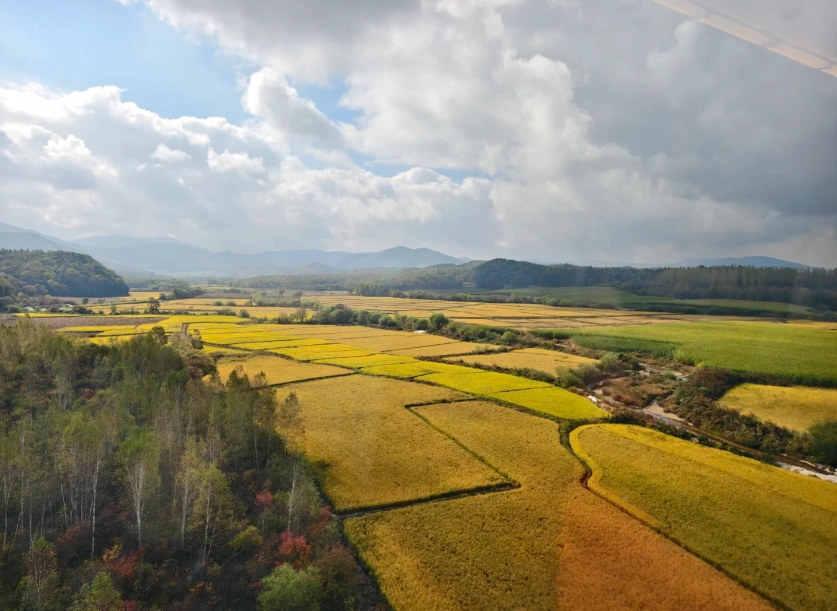
Pro Tip: Boarding gates in China close about five minutes before departure, and the train genuinely does not wait. With luggage, give yourself 40 minutes from the station entrance to your seat — not the 15 minutes you'd allow at a European platform.
Keep a screenshot of your booking on your phone. Not because you need it to board, but because it's the fastest way to explain yourself when a staff member is trying to steer you to the right platform in a noisy concourse.
Changchun Station or Changchun West — Which One Do You Actually Want?
Changchun has two stations that matter for this route, and they sit about 12 kilometres apart. Getting this wrong is the most expensive mistake on the whole trip.
| Station | Chinese Name | Metro | Location | Which Trains | My Verdict |
|---|---|---|---|---|---|
| Changchun West | 长春西站 | Line 2, direct | About 12 km west of centre | Most Beijing–Harbin high-speed services | Default choice for Heilongjiang |
| Changchun Railway Station | 长春站 | Line 1 plus light rail 3 and 4 | City centre, north edge | Changchun–Jilin intercity, some northbound trains | Convenient only if your hotel is downtown |
Read your ticket carefully. "Changchun" in English almost always means the downtown station, 长春站. "Changchun West" means 长春西站, out on the western edge of the city. If your booking app shows the Chinese characters, match them — 西 means west, and that single character is the difference between a calm departure and a very expensive taxi ride.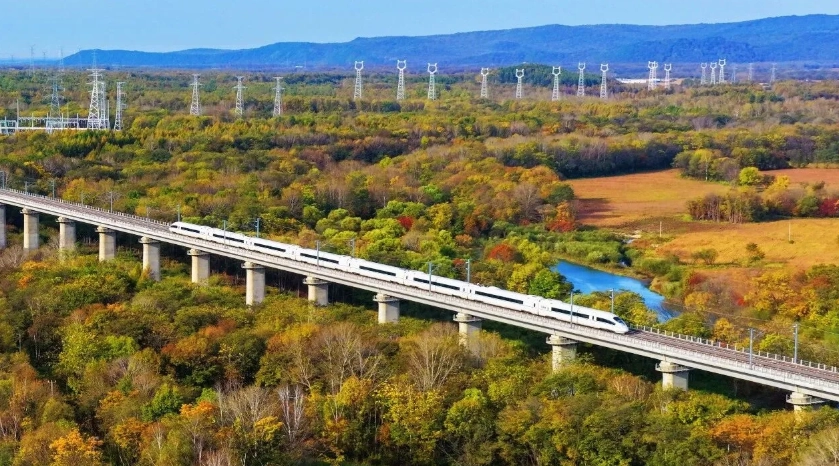
Insider Advice: Changchun Longjia International Airport has its own rail stop on the Changchun–Jilin intercity line, about ten minutes from Changchun Railway Station downtown. If you're flying in and heading straight to Heilongjiang, check whether routing through the downtown station beats a taxi across the city to Changchun West.
Changchun to Heilongjiang High Speed Train Fares, Times and Seat Classes
Fares on this corridor are fixed by distance and train class, so there's no dynamic pricing game to play. What changes is the seat class you choose.
| Class | Seat Layout | Changchun West – Harbin West | Worth It? |
|---|---|---|---|
| Second class | 3 + 2, seats A B C / D F | Roughly ¥110–¥130 | Fine for a one-hour ride |
| First class | 2 + 2, seats A C / D F | Roughly ¥180–¥210 | Worth it with big luggage or a family |
| Business class | 2 + 1, deep recliner | Roughly ¥350–¥400 | Hard to justify on a 60-minute run |
For a 60-minute ride, second class is genuinely fine. The 3+2 layout means A and F are windows in every row, and the legroom beats economy on any airline. First class buys a 2+2 layout and noticeably more shoulder room, which is worth it if you're hauling a large suitcase and want space at your feet.
Business class on a one-hour hop is a luxury nobody needs. I've had exactly one client insist on it, and he spent the entire trip photographing the seat.
Practical notes no booking site tells you. Power sockets sit under or between the seats and take Chinese Type A and I plugs, so bring an adapter. Overhead racks fit a 24-inch case; anything bigger goes in the racks at the end of each carriage. There's a trolley service with instant noodles, packaged snacks and reheated boxed meals — edible, not enjoyable. Buy food at the station convenience store before boarding. That's the real advice.
How Do You Get to Changchun West Station Without Overpaying?
Metro Line 2 drops you directly underneath Changchun West. It's cheaper, faster in rush hour, and completely immune to the drivers who hover near the station ramp looking for confused foreigners.
The metro station is signed in English as Changchun West Railway Station. Follow the railway signs, take the escalator up, and you're about five minutes' walk from the security checkpoint. It costs a few yuan.
If you'd rather ride-hail, DiDi inside Alipay works in English and gives you a fixed fare. From the People's Square area, expect roughly ¥35 to ¥50 and 25 to 40 minutes depending on traffic. From the airport, a taxi runs 50 to 60 minutes and around ¥100 to ¥130.
Use the official taxi queue if you take a street taxi, and insist the driver uses the meter. If somebody approaches you inside the station offering a cheaper ride, keep walking — that is not a taxi.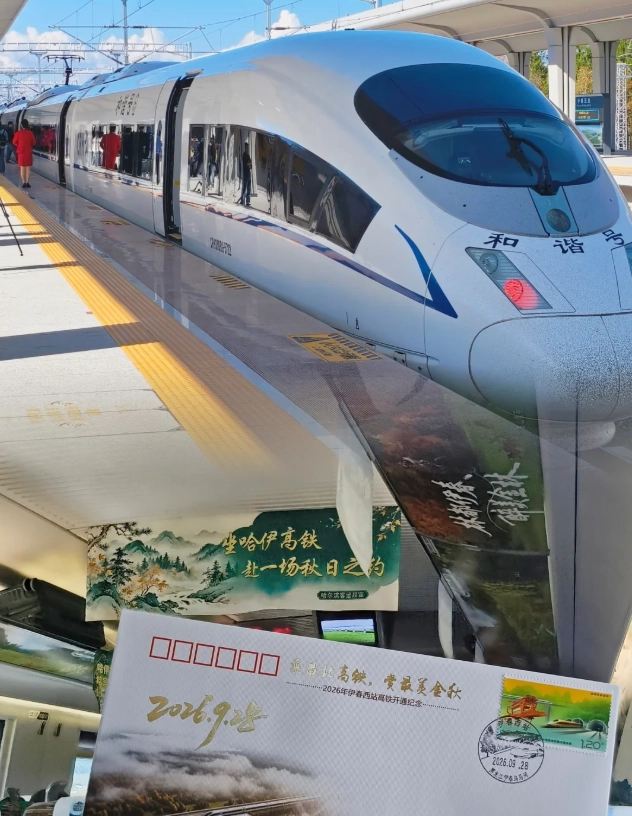
Insider Advice: Changchun's evening rush runs roughly 17:00 to 18:30. A trip that takes 25 minutes at ten in the morning can take 50 at half past five. If your train leaves inside that window, take Metro Line 2 and thank yourself later.
Harbin Arrival Guide for High Speed Train Passengers
Harbin West vs Harbin Station vs Harbin East
Almost every Changchun high-speed service lands at Harbin West, which sits about 10 kilometres from the city centre — and that surprises people who booked a hotel beside Central Street.
| Station | Metro | To Central Street | Typical DiDi Fare | Best For |
|---|---|---|---|---|
| Harbin West | Line 3 | 30–40 minutes | ¥35–¥45 | Nearly all Changchun high-speed arrivals |
| Harbin Railway Station | Line 2 | 20–25 minute walk | ¥12–¥18 | Staying downtown near Central Street |
| Harbin East | Line 1 | 25–35 minutes | ¥25–¥35 | Slower trains, northeast side of the city |
Harbin West is a big, modern, slightly soulless station. The metro connection is real and useful in summer. In deep winter I'd take a DiDi for your first arrival — dragging a suitcase up and down metro stairs at minus twenty is not the welcome you want after a train ride.
One detail trips people up constantly: the ride-hailing pickup zone at Harbin West is signposted separately from the taxi rank. Follow the pin in your app. Drivers will not come to the taxi queue, and they will cancel on you if you stand there waiting.
Winter Reality Check Before You Step Outside
Harbin in deep winter is not cold the way Europe is cold — it's a different category, and the walk from the train door to the car door is where people get caught out.
You step out of a heated carriage into air that can sit well below minus twenty, with wind chill on top. The exit plaza at Harbin West is exposed and the taxi queue can be long. Layer properly, pull a scarf over your mouth and nose for the walk, and keep your phone in an inside pocket. Batteries drain frighteningly fast in that cold, and a dead phone means no DiDi and no map.
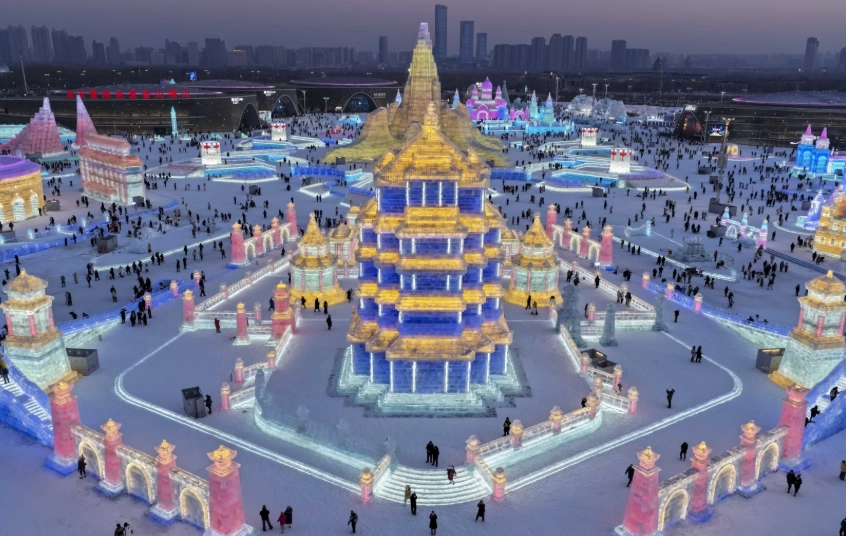
The Harbin ice festival is worth the discomfort. It's also genuinely enormous, and outlets like CNN Travel have been documenting it for years without ever quite conveying how cold it feels standing in front of those lit blocks. Go in the evening, when everything is illuminated and the crowds thin noticeably after 20:30.
A 24-Hour Heilongjiang Sprint: The Timeline I'd Actually Give You
Let's say you're based in Changchun, you have one free day, and you want Heilongjiang. Here's the timeline I'd hand you — realistic, with transfers included.
| Time | What You Do | Getting There | Cost Guide |
|---|---|---|---|
| 06:10 | Leave your Changchun hotel | Metro Line 2 or DiDi, 25–40 min | ¥3 metro / ¥35–¥50 DiDi |
| 07:05 | G-train departs Changchun West | Station security and gate check | ¥110–¥130 second class |
| 08:15 | Arrive Harbin West, drop bags | Left-luggage counter inside the hall | Small per-bag fee |
| 08:45 | Ride to Central Street | DiDi, 30–40 min by road | ¥35–¥45 |
| 09:30 | Breakfast: red sausage, da lie ba, hot soy milk | Walk into the side lanes off Central Street | ¥20–¥40 per person |
| 10:15 | Saint Sophia Cathedral plaza | 15 min walk from Central Street | Plaza free, small fee for the interior |
| 11:30 | Songhua River and Stalin Park | Walk north along Central Street, 15 min | Free |
| 12:30 | Lunch: guo bao rou and a cold Harbin beer | Taxi or walk back to Central Street | ¥60–¥120 per person |
| 14:00 | Sun Island — snow sculptures in winter, park in summer | Taxi 15–25 min, or cable car over the river | Ticket varies by season |
| 16:30 | Warm up with coffee or a museum stop | Taxi back downtown | ¥15–¥25 |
| 18:00 | Dinner near Central Street | On foot | ¥80–¥150 per person |
| 19:30 | Harbin Ice and Snow World, winter only | Taxi 25–35 min from downtown | Several hundred yuan, book ahead |
| 22:00 | Back to your hotel | DiDi; expect a long queue on peak nights | ¥40–¥60 |
Two adjustments matter. If you're not a winter traveler, swap the Ice and Snow World for the Harbin Grand Theatre and the Songhua River cable car, then add the Heilongjiang Provincial Museum, which is free and closes one day a week — check the day before you go.
If the weather turns, and in Harbin it turns fast, your Plan B is indoors. The Harbin Jewish History and Culture Museum near Central Street is small, well curated and a genuinely good use of two hours. So is a long lunch with a pot of hot tea while the wind does its worst outside.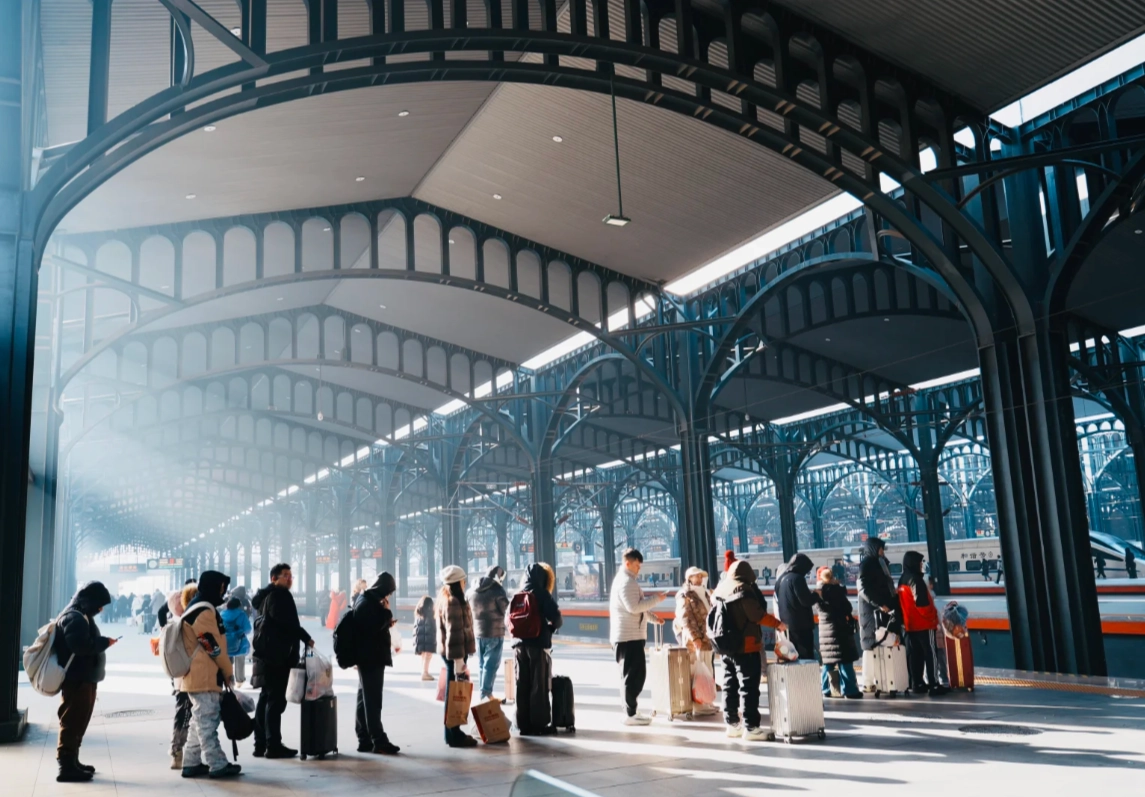
The trap almost every day-tripper falls into: the last Changchun-bound high-speed departure from Harbin West leaves in the evening, and it leaves well before the ice festival hits its best light. Check the final departure on 12306 for your specific date, because timetables shift with the season. If you want the lanterns and the lit sculptures after dark, sleep in Harbin. Trying to force it into a same-day return is how you end up watching the clock instead of the ice.
Mistakes I Watch Foreign Travelers Make on the Changchun–Heilongjiang Route
I've watched every one of these happen. Most cost between ¥50 and half a day.
- Booking "Harbin" and assuming it's one station. There are three, and Harbin West — where your train actually stops — is 10 kilometres from the tourist centre.
- Chasing the cheapest D-train. You save a small amount and lose 30 to 45 minutes. On a one-day trip that's an entire attraction.
- Arriving 15 minutes before departure. Security, passport verification and a long concourse add up fast. Forty minutes is the number.
- Expecting the dining car to be a restaurant. It's a trolley with noodles and reheated boxes. Eat before you board.
- Planning to pay by card. Load Alipay or WeChat Pay with an international card before you fly. Physical foreign cards are refused almost everywhere.
- Trusting Google Maps. It's unreliable in China for anything beyond the broadest shapes. Use Amap, or Apple Maps, and keep your hotel address saved in Chinese characters to show drivers.
- Leaving the VPN install until you land. Do it at home and test it. Discovering you need one from inside China is a bad afternoon.
- Adding Yabuli to a one-day Harbin trip. Just don't. Pick one.
And the one that costs the most: assuming you can buy a Harbin ticket on the morning you want to travel. In peak ice season, morning departures sell out days ahead. Book when your dates are fixed, not when you're packed.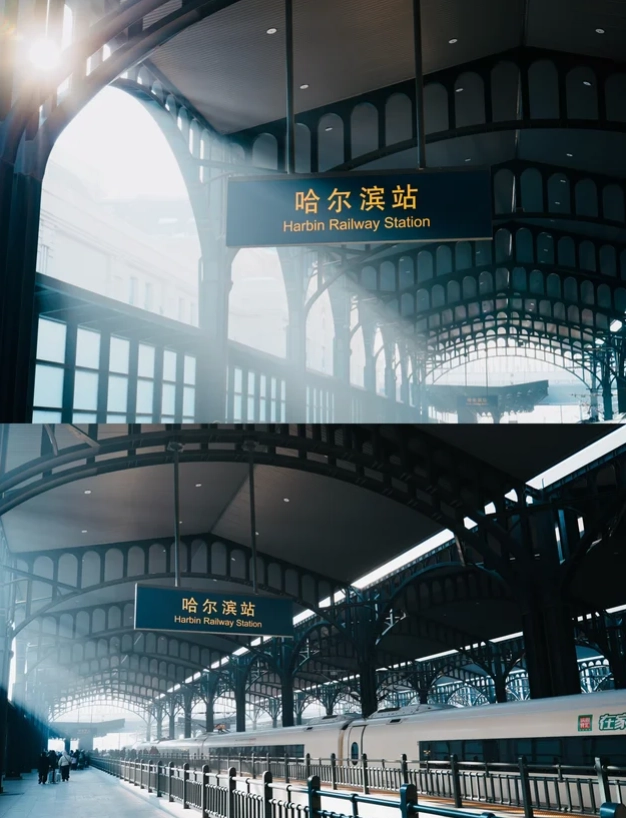
FAQ: Changchun to Heilongjiang High Speed Train Questions I Get Weekly
Can I board with just my passport, or do I need to collect a paper ticket first?
Your passport is the ticket. China Railway moved to fully electronic ticketing, so the booking sits against your passport number and nothing needs printing. In practice, walk to the staffed lane beside the automated gates. Passport readers work at most large stations, but when they don't, a staff member scans your photo page by hand. Keep a screenshot of the booking on your phone anyway — it's not required to board, but it ends arguments quickly when a queue is building behind you.
How far ahead should I book Harbin-bound tickets during ice festival season?
Further than you'd think, and the presale window on 12306 is shorter than most travelers assume, so check the current window inside the app rather than trusting a blog post. In deep winter, weekend morning departures to Harbin West sell out days in advance. My rule for clients: the moment your travel dates are locked, book both directions at once. Waiting until you've packed is how you end up on a standing ticket at 06:40 with three bags.
Is there a direct Changchun to Yabuli train for skiing, or do I have to change in Harbin?
Direct services exist, but they're a thin slice of the timetable and they don't run at convenient hours on every date. If nothing fits your morning, ride to Harbin West and change — Harbin to Yabuli West is a short hop on the same line. The part people get wrong is the last leg. Yabuli West station sits on its own, and there is no taxi rank worth relying on, so arrange a resort shuttle with your accommodation before you arrive. Turning up and hoping is a genuinely cold mistake.
What actually happens if I miss my train at Changchun West?
Go straight to the ticket office with your passport. China Railway permits changes and refunds, with a fee that scales up the closer you get to departure, and the booking platform shows the exact figure before you confirm so there are no surprises. The real obstacle is availability. Same-day rebooking on the Harbin corridor is easy in the shoulder seasons and close to impossible on a weekend at the height of ice festival season. If your schedule is tight, take an earlier train than you think you need.
Do I need a VPN to book train tickets inside China?
Not for the booking itself. 12306 and Trip.com both load fine on Chinese networks. You need a VPN for everything Google — Gmail, Drive, Maps — and for most Western social apps. Install and test it before you fly, because downloading a VPN from inside China is the worst possible moment to discover you need one. For navigation, use Amap or Apple Maps. Google Maps will happily route you through a wall here, and the walking directions are simply wrong.
Verified and fact-checked by the editorial team. Journey times, fares and station facilities are checked against operator information and can change without notice — always confirm your specific departure on the official booking channel before you travel.






No comments yet.