 Hua Sun
Start Here — What I'd Read First
- What the 240-Hour Rule Actually Gives You
- Landing at Harbin Taiping: The First 90 Minutes
- How Far North Can You Actually Go?
- The Ten-Day Route That Fits the Clock
- Harbin Ice and Snow World: Tickets, Timing, Traps
- What to Eat and Where Locals Actually Go
- Where to Sleep in Harbin
- Money, Maps and Apps
- Straight Answers to the Questions I Get Weekly
Minus twenty-eight. That was the number on my phone screen at nine in the morning, standing outside the Central Street metro exit. My client had packed for a ski weekend in the Alps. Her eyelashes froze on the walk to breakfast anyway.
That whole trip was built around the Heilongjiang 240-hour visa-free transit — the rule that lets passport holders from 54 countries walk into Harbin Taiping Airport with no visa, provided they hold a confirmed onward ticket to a third country and clear out inside ten days. On paper it reads like a gift. In practice, I watch travelers burn a full day on paperwork they could have handled at the gate, then lose another half-day panicking about an onward flight they booked too tight.
So here is the compressed version before you scroll. Enter and exit through Harbin, not Beijing. Book Ice and Snow World for a 2 p.m. slot rather than 7 p.m. Keep a full 24 hours of slack before your onward departure, because Harbin snow cancels flights. And treat the China Snow Town detour with real suspicion unless your transport is already sorted.
What the 240-Hour Rule Actually Gives You
The 240-hour visa-free transit is a transit permission, not a tourist visa. That one distinction decides whether you glide through immigration or get walked back to a departure gate, and almost nobody reads it carefully before booking flights.
Who Qualifies — and Who Should Ignore This Entirely
Check your passport against China's unilateral visa-free list before you spend a single minute on transit paperwork. A long roster of European passports, plus Australia, New Zealand, Japan, South Korea and others, currently get 30 days in China with no onward-ticket requirement at all. If yours is on that list, the 240-hour transit rule is a downgrade, not an upgrade.
The transit route exists for passports that aren't on that list. Eligibility, the 54-country roster and the designated entry ports all live on the National Immigration Administration site, and that list has been rewritten several times. Check it the day you book flights, not the week before you fly.
The Onward Ticket Rule That Gets People Stopped at Check-In
Your onward ticket must go to a third country or region — not back to the country you departed from. Los Angeles to Harbin to Los Angeles fails. Los Angeles to Harbin to Seoul works. Harbin to Hong Kong works too, since Hong Kong is treated as a separate region for this purpose.
The rest of the checklist is short. Passport valid at least three months beyond arrival. A completed arrival card. A confirmed seat out of the country within 240 hours. There's no fee, no advance application, no email to anyone, and no invitation letter required.
Pro Tip: Print your onward itinerary. Airline check-in staff abroad are stricter about this than Chinese immigration officers are. A phone screenshot usually passes, but a printed page has rescued two of my clients at the counter.
Landing at Harbin Taiping: The First 90 Minutes
The Transit Counter and the Arrival Card
Harbin Taiping International Airport, coded HRB, is the port that matters for this policy in Heilongjiang, and it sits roughly 35 kilometres northeast of downtown. Grab an arrival card from the rack before you reach the immigration hall. Take two — the first one always goes wrong. Write your hotel name and address in Chinese if you have it, or keep a screenshot ready to show.
At the desk, say "240-hour transit visa-free" and hand over your passport plus the onward ticket. The officer stamps a permitted area and an expiry date. Photograph that stamp. You will want the exact date later when you're booking trains out of the province.
Getting Downtown Without Getting Fleeced
- Official taxi rank — outside arrivals, metered, roughly CNY 100-150 to the Central Street area, 45-60 minutes depending on traffic.
- Airport shuttle buses — around CNY 20, several routes, dropping near Harbin Railway Station and the Central Street area. Buy at the counter inside the terminal.
- Metro — no line reaches the terminal as of my last visit, so don't trust a map app that shows one.
- DiDi — the ride-hailing service runs inside Alipay with an English interface. Usually cheaper than the rank, and you never have to pronounce an address out loud.
Insider Advice: Men in the arrivals hall will ask "taxi? taxi?" Ignore them and follow the signs to the official rank. In deep winter that rank queue can stretch past 30 minutes in the cold — the shuttle bus often leaves sooner and stops two blocks from most Central Street hotels.
How Far North Can You Actually Go?
The permitted stay area covers the whole of Heilongjiang Province — Harbin, Yabuli, Mudanjiang, Mohe, all of it. But "allowed" and "sensible inside ten days" are two very different things. Here's the honest math.
| Destination | Travel Time from Harbin | Worth It on a 240-Hour Clock? | Notes |
|---|---|---|---|
| Harbin city | Base | Yes | Your anchor. Three to four days minimum. |
| Yabuli ski area | Just over 1 hour by high-speed rail to Yabuli West, then 20-30 minutes by road | Yes | The best value ski days in China. Book the return train on arrival. |
| China Snow Town (Xuexiang) | 5-6 hours by road, no rail link | Only with transport pre-arranged | Beautiful photos, stressful logistics, peak-season pricing. |
| Erlanghe | Roughly 6 hours by road, about 40 minutes past Xuexiang | Yes, if you have a driver | Similar snow, quieter, noticeably cheaper. |
| Mohe / Arctic Village | 12-14 hours by overnight train, about 2 hours by air | No | Eats four of your ten days. |
| Qiqihar / Zhalong Reserve | About 2 hours by high-speed rail | Maybe | Crane reserve; far better outside deep winter. |
The China Snow Town Conversation I Have Every Winter
Xuexiang is stunning in photographs and genuinely stressful in person. Peak-season guesthouse beds climb into the high hundreds of yuan a night, food prices run well above Harbin, and leaving on your own schedule means paying for a private car. I've sent people there. Some loved it. The ones who didn't all said the same thing: they felt trapped by their own transport.
If you want the snow-village photographs, join a small group tour that includes the drive both ways. If you want the snow itself, Erlanghe gives you the same frozen forest without the markup.
The Ten-Day Route That Fits the Clock
This is the sequence I actually run, with transit times included. It assumes you land in Harbin and fly out of Harbin, which is the cleanest way to use the transit rule.
Days 1-4: Harbin, Slowly
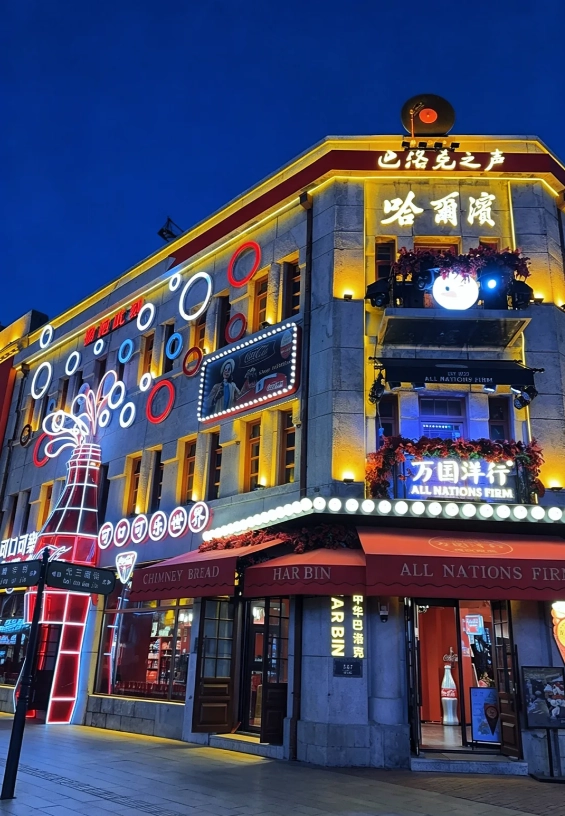
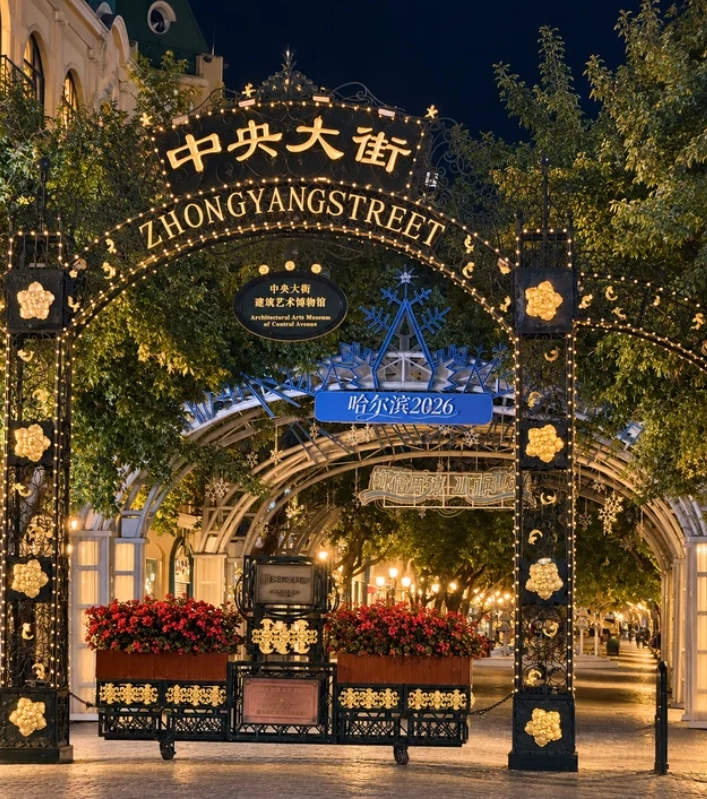
Day one is a write-off, and that's fine. Shuttle or taxi to your hotel, 45-60 minutes. Drop bags. Walk Central Street after 7 p.m. when the facades are lit — it's free and open around the clock. Eat within a ten-minute walk and sleep early. Jet lag plus minus 25 is a brutal combination.
Day two: the old city. Saint Sophia Cathedral in the morning. The square is free and never closes; the interior architecture museum charges a small fee, roughly CNY 20, and opens mid-morning. From there it's a ten-minute walk to Central Street. After lunch on a side street, head to the Songhua River and cross to Sun Island by cable car — walking the frozen river is possible when locals are doing it, but don't be the first one out there.
Day three belongs to Ice and Snow World. Full timing breakdown below.
Day four: tigers and old Harbin. The Siberian Tiger Park is about 30 minutes by taxi from Central Street; you pay entry plus a bus that drives through the enclosure. Afternoon goes to Laodaowai, the Chinese Baroque district, for crumbling facades and cheap, excellent lunch. This is the day most itineraries skip, and it's the one my clients talk about afterwards.
Days 5-7: Yabuli
High-speed rail from Harbin to Yabuli West takes just over an hour, then 20-30 minutes by road to the resort cluster. Rent gear, ski two days. Lift passes, rentals and lessons are billed separately, and a full day with equipment runs into several hundred yuan. Book your return train the moment you arrive — Yabuli West sells out on winter weekends, and standing in that queue at minus 20 is not a memory you want.
Days 8-10: Back to Harbin, Then Out
Days eight and nine are your buffer and your shopping. Qiulin Lidaosi on Dong Dazhi Street for Harbin red sausage, the Hongzhuan Street morning market if you're up before eight, and any museum you missed. Day ten is your departure — keep the entire day free rather than squeezing in one last attraction.
Pro Tip: Never book your onward international flight for the exact hour your 240 hours expire. Harbin fog and heavy snow cancel departures every winter. Keep a full day of slack, and if a cancellation strands you, the high-speed rail network is your escape hatch — China Railway runs an official English booking site at 12306.cn, and Trip.com mirrors the same inventory with a friendlier interface.
Plan B for a Minus-30 Day or a Snowstorm
Have an indoor list ready before you need it. The Heilongjiang Provincial Museum is free and worth two hours. The Jewish New Synagogue museum on Tongjiang Street is small, warm and genuinely moving. The Harbin Grand Theatre is worth a look from outside even when the interior is closed. And the coffee shops on the side streets behind Central Street are where I park clients when the wind picks up.
One caution: most Chinese museums close one weekday, usually Monday. Confirm before you go rather than standing at a locked door.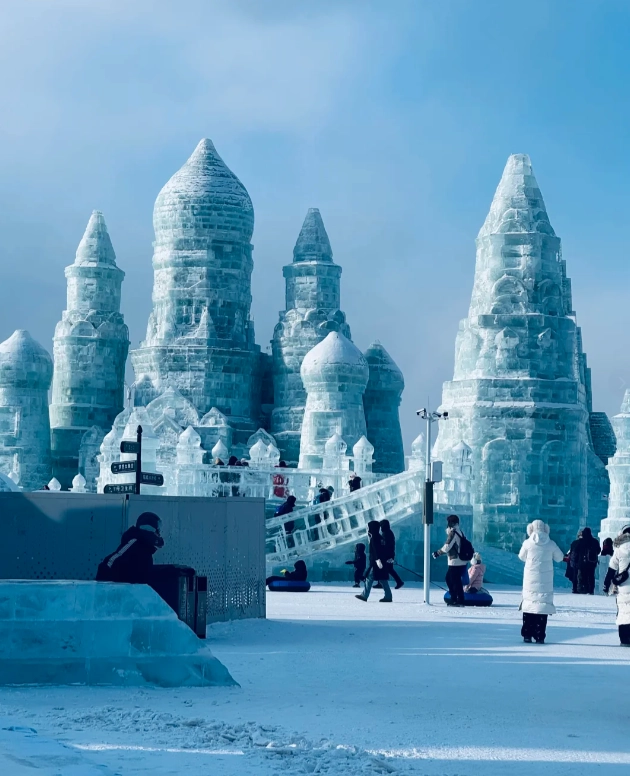
Harbin Ice and Snow World: Tickets, Timing, Traps
The ice park usually opens in the second half of December and runs into late February or early March, depending on how fast the structures melt. Prices are reset each season, so treat the table below as a band rather than a promise.
| Ticket Type | Rough Price Band | What You Need to Know |
|---|---|---|
| Adult, full day | CNY 300-400 | Verify the current season's price on Trip.com before you commit. |
| Adult, evening entry | Slightly lower | Cheapest option, worst crowds. I avoid it. |
| Children under roughly 1.2 metres | Free or heavily discounted | Bring the child's passport anyway; staff may ask. |
| Seniors 65 and over | Discounted | Passport required as proof of age. |
| Big ice slide | Included in entry | Separate queue, often 1-2 hours at peak. Go first. |
Booking is the part that trips up foreign visitors. The official channel is a WeChat mini-program, and it is entirely in Chinese. Yes, navigating that thing is a nightmare even for me. Don't fight it — Trip.com sells the same tickets with a foreign card and passport number, and gives you a QR code that staff scan at the gate. Your passport is required for the booking and again at entry.
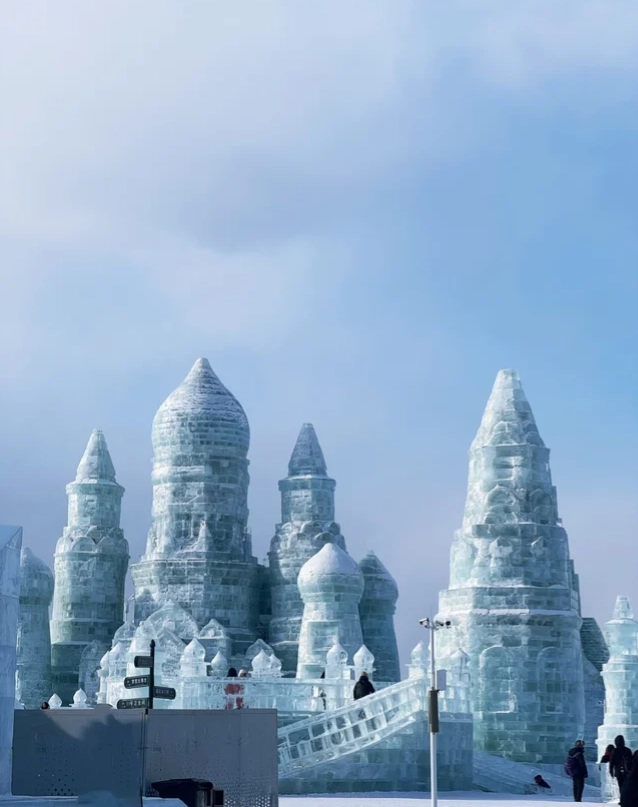
Here's the timing advice nobody gives you: go at 2 p.m., not 7 p.m. Sunset in Harbin midwinter lands around 4 p.m. Arriving early gets you the sculptures in daylight, when they read as translucent blue rather than glowing neon — that's the photograph most visitors never capture. Then the floodlights come on and you get the famous version without paying twice. By 8 p.m. your phone battery will be dead and your feet will have surrendered.
Insider Advice: Phone batteries die in minutes at these temperatures. Keep the phone in an inner chest pocket, carry a power bank in the same pocket, and buy a pack of chemical hand warmers from any convenience store — one in each glove, one against the phone.
What to Eat and Where Locals Actually Go
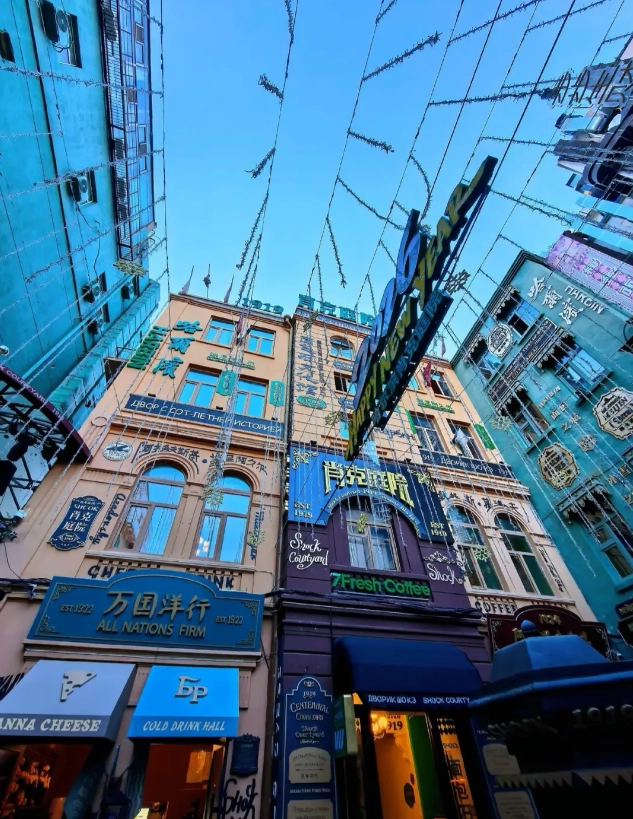
Harbin cooking is Russian-influenced, heavy, sour and fantastic in cold weather. The tourist strip on Central Street is fine for atmosphere; one block back, the same food costs about half.
| Dish | What It Is | Where to Try It | Rough Cost |
|---|---|---|---|
| Guo bao rou | Crisp sweet-and-sour pork, Harbin's own invention. Vinegary, not syrupy. | Lao Chu Jia, or any busy local restaurant around Laodaowai | CNY 40-70 per plate |
| Harbin red sausage | Smoked, garlicky, dense. A different food from the pink sausage elsewhere in China. | Qiulin Lidaosi, Dong Dazhi Street | CNY 30-60 per 500g |
| Madier ice pop | Milk ice cream bar sold from a window. People queue at minus 25. | Central Street, the Madier restaurant window | CNY 5-10 |
| Borscht | Russian-Chinese beef and beet soup, slightly sweet | Portman or Tatas, both on Central Street | CNY 30-60 per bowl |
| Spring pancakes | Thin pancakes you wrap around shredded pork, egg and scallion | Lao Chang Chun Bing, multiple branches | CNY 50-80 per person |
| Frozen pears | Soaked in cold water until the skin turns to ice, then eaten soft | Any wet market or street stall | CNY 5-15 |
The Hongzhuan Street morning market is the best two hours you can spend in Harbin for under CNY 30. Go before 8 a.m. because it winds down by nine. Fried cakes, warm soy milk, pickles by the scoop. Small stalls may not have change for a CNY 100 note, so carry smaller bills or use Alipay.
For the historic Russian restaurants, Portman and Tatas are the two I send people to. Both are atmospheric and both are priced for visitors — expect a full dinner to run CNY 150-250 per person with drinks. Ask for an English menu; most of the Central Street places have one.
One local habit worth copying: dinner starts early here, around 5:30 to 6 p.m. Walk into a popular restaurant at 7:30 and you'll be handed a number and told to wait 30-45 minutes.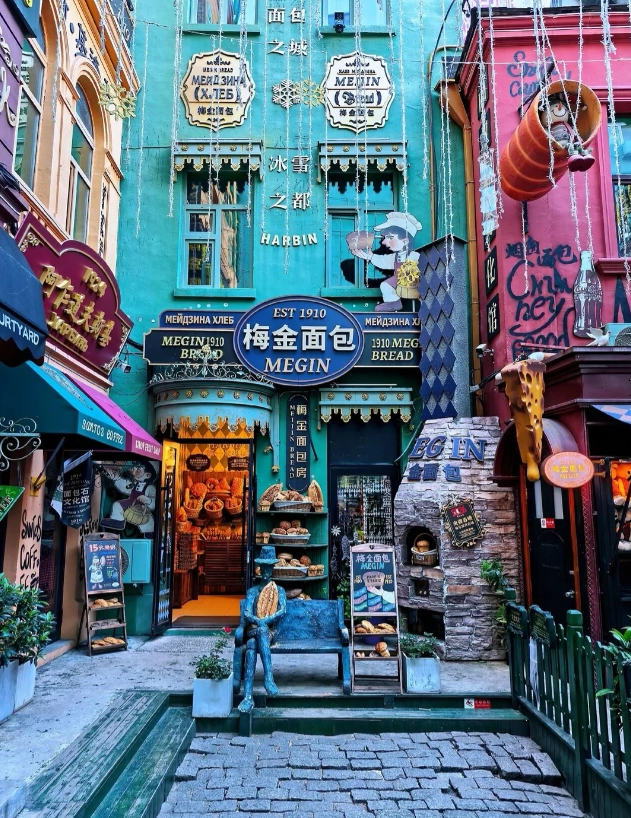
Where to Sleep in Harbin
Winter rates in Harbin roughly triple during the ice season. Book four to six weeks ahead for late December through February, and confirm in writing that the property can register a foreign passport — some small guesthouses cannot, and you'll be turned away at check-in.
| Hotel | Area | Rough Winter Rate | Best For |
|---|---|---|---|
| Shangri-La Harbin | Daoli, riverside | CNY 1200-2000 | Couples. Ten-minute walk to Central Street, river views. |
| JW Marriott Hotel Harbin River North | Songbei | CNY 1000-1800 | Families. Closest international hotel to Ice and Snow World. |
| Sofitel Harbin | Nangang | CNY 900-1500 | Early trains. Near Harbin Railway Station. |
| Local guesthouses behind Central Street | Daoli side streets | CNY 250-500 | Solo travelers and backpackers. Check luggage storage. |
| Budget chains (Hanting, Home Inn) | Near Harbin Railway Station | CNY 200-400 | One-night stopovers. Reliable Wi-Fi, thin walls. |
Pick your base by what you're doing, not by star rating. If Ice and Snow World is the whole point, Songbei saves you a 40-minute cross-river commute each way. If you want to walk to dinner, stay in Daoli. Nangang makes sense only if you're catching early trains.
Ask the front desk three things when you check in: can they write your key addresses in Chinese for drivers, can they help book a WeChat mini-program ticket, and is there a 24-hour convenience store within a five-minute walk. In Harbin in January, that last one matters more than the gym.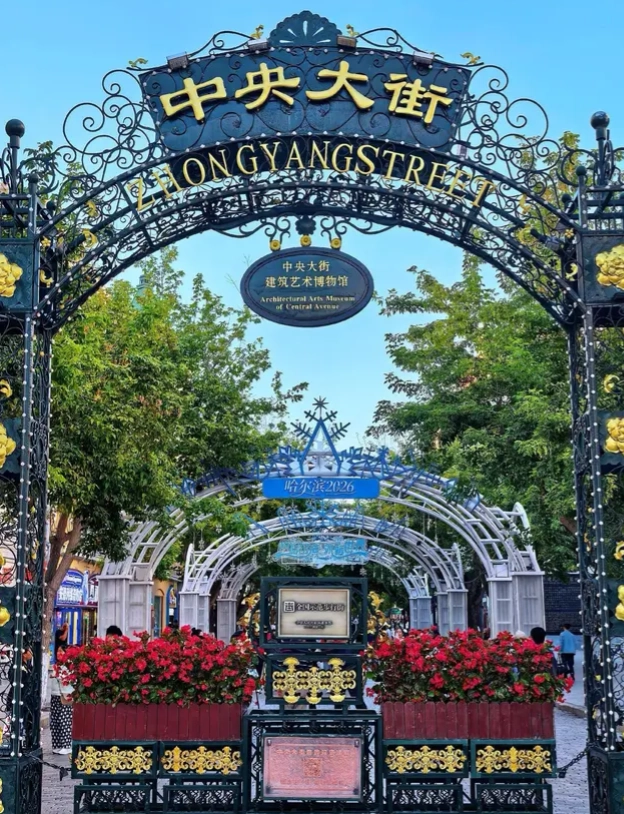
Money, Maps and Apps
Set up Alipay and WeChat Pay before you fly, not after you land. Both now link international Visa and Mastercard directly, but identity verification can take a day. Do it at home, on your own Wi-Fi, with your passport in hand.
- Cash — RMB works almost everywhere, but small stalls struggle to break a CNY 100 note. Carry twenties.
- Cards — accepted at large hotels and malls, refused at noodle shops and taxis. Never assume.
- Maps — Google Maps is unreliable inside China. Apple Maps is decent, and Amap, known locally as Gaode, now has a usable English mode that keeps improving.
- VPN — install and test before departure. Google, Gmail, Instagram and WhatsApp will not load without one, and the download pages won't load once you're inside.
- Translation — Apple Translate with the offline Chinese pack, or Baidu Translate. Pointing the camera at a menu solves 90 percent of restaurant problems.
- Trains — book through 12306.cn or Trip.com. You'll need your passport number, and you must carry the physical passport to board.
Insider Advice: An international eSIM that routes through Hong Kong often keeps Western apps working without a separate VPN. That's the setup I recommend to clients who don't want to spend their first evening fiddling with settings.
Straight Answers to the Questions I Get Weekly
Can I fly into Harbin and out of Beijing on the 240-hour visa-free transit?
The permitted stay area is Heilongjiang, and the cleanest route is exiting from a Heilongjiang port. Travelers do sometimes leave from Beijing, but the rules around exiting from a different province have shifted more than once, and the risk lands entirely on you if an officer disagrees. If you want Beijing in the trip, put it before you enter or after you exit — not as your transit departure. Ask the officer at HRB to confirm your exit port and note it alongside your stamp.
My onward ticket goes home to the same country I flew in from. Will that work?
It won't. The onward destination must be a third country or region, and flying back to your origin voids the transit entirely. The cheap fix most of my clients use is booking a one-way Harbin to Seoul or Harbin to Hong Kong ticket as the onward proof, then flying home from there. It costs less than a visa would, and it turns a two-city trip into a three-city one.
Is 240 hours enough for Harbin, Yabuli and China Snow Town in one trip?
Harbin plus Yabuli fits comfortably with a real buffer day. Adding Xuexiang turns a relaxed trip into a logistics job — five to six hours each way by road, no rail link, and once you're there you're dependent on whoever drove you. I've had clients do all three inside ten days. Every single one said they'd drop Snow Town next time.
What happens if my onward flight out of Harbin is cancelled by snow?
This is the real risk, not the paperwork. Harbin cancels flights in winter fog and heavy snow, which is exactly why I tell people to keep a full 24-hour buffer. If you're stranded close to your limit, take your passport and the cancelled ticket to the local entry-exit administration office and go before the clock runs out, not after. Chinese immigration is generally pragmatic about weather, but the conversation is much shorter when you show up early. The high-speed rail network is your backup plan.
Do I need a VPN for a ten-day Heilongjiang trip?
If you want Google, Gmail, Instagram or WhatsApp, yes — and install it before you fly, because the download pages won't load once you're inside the country. An international eSIM that routes through Hong Kong often keeps Western apps running without a separate VPN, which is what I recommend to clients who'd rather not troubleshoot on holiday. Either way, download offline maps and an offline translation pack as a safety net.
Verified and fact-checked by the editorial team. This content has been fact-checked to ensure informational precision.






No comments yet.