 Gang Zheng
The ticket machine at Changchun West prints a small blue card. Nobody reads it twice. Last winter I stood behind a family from Melbourne holding two tickets for the wrong station — Changchun Station, not Changchun West — while the departure board flipped to boarding. Minus 24 outside. Forty minutes to fix it.
A Changchun to Heilongjiang itinerary looks effortless on paper. Book the rail leg, land in Harbin, eat sausage, sleep. Then the friction arrives. International cards bounce at station counters. Google Maps renders Heilongjiang as a grey smear with no roads on it. And most guides tell you to see Ice and Snow World at night — correct — while leaving out the part where the last trains out of Songbei leave earlier than you'd expect and you're standing in a taxi queue with four thousand other people.
Here's my conclusion, up front. Build this trip around one northbound rail leg, not three. Take a morning high-speed train from Changchun West to Harbin West, drop your bags, and hit Ice and Snow World the same evening. That single decision buys you a full extra day. Save Yabuli or China Snow Town for a separate overnight. What follows is the exact route I run with clients, in the order I book it.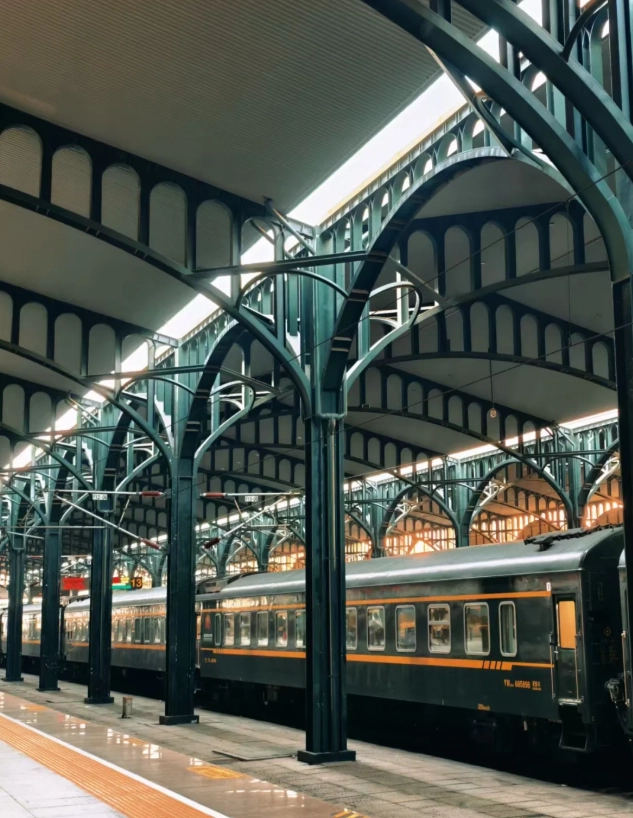
Jump Straight to What You Need
- Why Changchun Beats Flying Straight Into Harbin
- Changchun to Harbin: Which Train Is Actually Fastest?
- How Do You Book Ice and Snow World Tickets?
- The Five-Day Itinerary, Day by Day
- Yabuli or China Snow Town — Which One?
- What to Eat and How to Order It
- Money, Apps, and Cold-Weather Traps
- Heilongjiang Itinerary FAQ
Why Changchun Is the Smartest Launch Point for a Heilongjiang Itinerary
Changchun sits on the same high-speed corridor that feeds Harbin, which makes it a staging post rather than a detour. Coming up from Beijing, Shenyang, or Dalian, you're already on the line, and the final leg costs you barely over an hour.
There's a second reason I route clients through Changchun in late December and January. Harbin Taiping Airport turns into a de-icing lottery during ice festival season. Squalls close the runway, planes stack up, and the flight you booked for 14:00 lands at 21:00 with a hotel night already paid for. Changchun Longjia is calmer, fares are usually lower, and the train north almost never cancels.
Give the city half a day if your schedule allows. The Puppet Emperor's Palace, where Puyi lived under Japanese control, is the one stop genuinely worth your time, and tickets run around CNY 70 with passport-based booking. Confirm opening hours the day before — smaller museums in the northeast close for maintenance without much notice in winter.
Pro Tip: Changchun has two main railway stations and they are not interchangeable. 长春站 is Changchun Station. 长春西站 is Changchun West. The characters look nothing alike on paper, but in a taxi app they sit one line apart. Read your ticket twice, and screenshot the Chinese characters to show the driver.
Changchun to Harbin: Which Train Actually Gets You There Fastest?
High-Speed Rail Is the Only Option I Book for Clients
G and D trains cover the 240 kilometres between Changchun West and Harbin West in roughly 65 to 95 minutes, and nothing on the ground comes close. Second class lands somewhere between CNY 130 and CNY 170 depending on the service. First class runs about CNY 210 to 270.
Most departures leave from Changchun West, which sits on Metro Line 2. Arrive 40 minutes early. Security moves fast, but the walk from the metro exit up to the departure hall is longer than the map suggests, and you'll do it with luggage on a moving walkway that is usually switched off.
On the Harbin end, check which station your train terminates at. Harbin West sits in Nangang, about 25 minutes by car from Central Street. Harbin Station is downtown, roughly 10 minutes from the same spot. If two departures are within 20 minutes of each other, take the one that ends at Harbin Station.
Flights, Sleepers, and Long-Distance DiDi: What I'd Skip
The Changchun to Harbin flight is a trap. Fifty-five minutes in the air sounds wonderful until you add 30 kilometres out to Longjia, ninety minutes of security and boarding buffer, 35 kilometres back in from Taiping, and the odds of a weather delay. Door to door it runs five to six hours on a good day.
Long-distance DiDi makes sense only for a group of three or four with ski bags. The G1 expressway takes about three hours in clear weather and a comfortable car runs CNY 600 to 900.
Overnight sleepers are worth it for exactly one destination: Mohe, in the far north, where the train is the only sane way to reach China's northernmost town without a connecting flight.
| Option | Route | Journey Time | Rough Cost | My Verdict |
|---|---|---|---|---|
| G / D high-speed rail | Changchun West to Harbin West or Harbin Station | 1h05 to 1h35 | CNY 130 to 170 second class | Book this one |
| K / T conventional train | Changchun Station to Harbin Station | 2h30 to 3h40 | CNY 60 to 90 hard seat | Only if high-speed sells out |
| Flight | Longjia CGQ to Taiping HRB | 55 min airborne, 5 to 6 hours door to door | CNY 400 to 900 | Skip it |
| Long-distance DiDi | G1 expressway | 3 to 3.5 hours | CNY 600 to 900 per car | Worth it for 3 to 4 people with gear |
| Overnight sleeper | Changchun to Mohe or Mudanjiang | 12 hours and up | CNY 200 to 400 per berth | Only for Mohe |
Book through China Railway 12306, which runs an English interface and accepts passport registration. Tickets typically open about two weeks before departure. During ice festival season, the 07:00 to 09:00 departures from Changchun West go first.
How Do You Book Harbin Ice and Snow World Tickets as a Foreigner?
You book in advance, you book with your passport number, and you do not turn up at the gate hoping to buy on the spot during peak weeks.
Standard adult admission has been running in the CNY 300 to 400 band in recent seasons, and it moves. The official WeChat mini-program is the cheapest route and it is entirely in Chinese. Yes, navigating that mini-program is a nightmare even for me, and I read the language. Ask your hotel receptionist to do it, or use Trip.com, which adds a small fee and shows the same inventory in English.
Two things catch people out. The park charges separately for certain attractions inside, and the giant ice slide everyone wants works on a queue that can run an hour or more at peak. Walk straight there when the gates open, before the tour buses arrive.
The park sits on the north bank of the Songhua in Songbei. Metro Line 2 crosses the river and has a stop by the entrance, marked 冰雪大世界 on the map. If the characters slow you down, a DiDi from Central Street costs about CNY 25 to 35 and takes 20 minutes off-peak. On the way back at 21:30, pre-book the car and set your pickup pin at the parking lot rather than the main gate. The gate pickup zone turns into a scrum.
Insider Advice: Everyone photographs the ice at 19:00 and everyone freezes. The coloured lights look best between 16:30 and 17:30, when the sky still holds a little blue and the crowds haven't fully landed. Wear two pairs of socks, bring hand warmers, and keep your phone in an inside pocket — it will shut down at 30 percent battery in these temperatures.
For context on how large this event has grown, CNN Travel has covered the Harbin ice festival's expansion for years.
The Five-Day Changchun to Heilongjiang Itinerary, Day by Day
This is the version I run when clients want Harbin plus one snow experience without collapsing halfway through. Adjust the pace, not the order.
Day 1 — Changchun West to Harbin, Then Ice and Snow World the Same Night
- 07:00 to 08:30 — High-speed train from Changchun West to Harbin West. Book a left-side window seat; the Songhua plain under snow is genuinely worth looking at.
- 09:00 — Arrive and take a DiDi to your hotel in Daoli. About 25 minutes and CNY 25 to 35.
- 10:00 — Drop bags. Most Harbin hotels hold luggage before check-in without fuss.
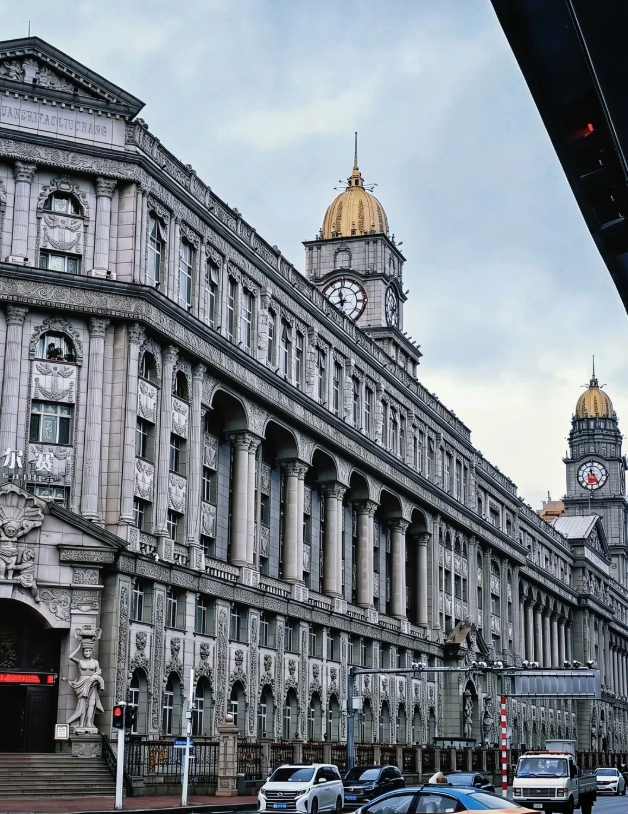
- 10:30 to 12:30 — Central Street and Saint Sophia Cathedral. The cathedral plaza is free; the interior charges a small fee, usually under CNY 30. They sit a 12-minute walk apart.
- 12:30 — Lunch. Guo bao rou, the sweet-and-sour fried pork Harbin claims as its own.
- 14:00 to 15:00 — Back to the hotel to warm up and charge everything. Skipping this rest is how people get sick on day three.
- 15:30 — DiDi to Songbei. Evening-session gates typically open mid-afternoon.
- 16:00 to 20:30 — Ice and Snow World. Slide first, photos second.
- 21:00 — Late dinner back in Daoli.
Day 2 — Snow Sculptures, Old Harbin, and a Slower Pace
The Sun Island snow sculptures and Ice and Snow World are two different parks with two different tickets, and first-timers mix them up constantly. Sun Island is daylight business — snow carved into buildings, best in the morning when the light hits from the side and the crowds are thin.
Tickets for the snow expo have climbed above CNY 200 in recent seasons, so check the current price the day before. If the weather turns ugly, swap the whole day for an indoor option: the Unit 731 Museum in Pingfang District is free, requires advance booking, and is one of the heaviest afternoons you'll spend in China. Not a family stop with young kids.
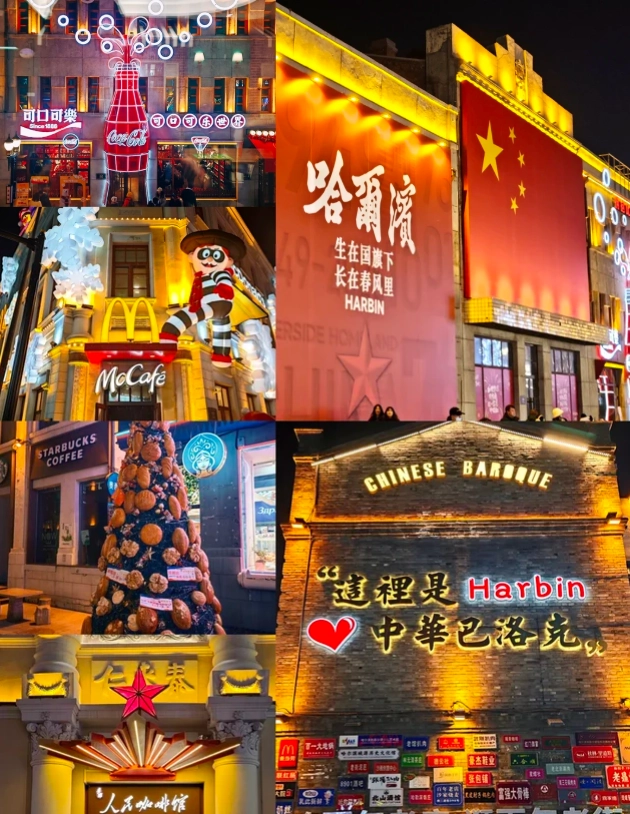
Afternoon, head to Laodaowai, the old Chinese-Baroque quarter, for cheap street food and architecture that hasn't been polished for tourists. In the evening, Zhaolin Park's ice lantern show is smaller and cheaper than Ice and Snow World and worth an hour if your feet still work. Finish on Central Street with a Madieer ice cream stick, CNY 5 to 10, eaten outdoors at minus 20 because that is simply what you do here.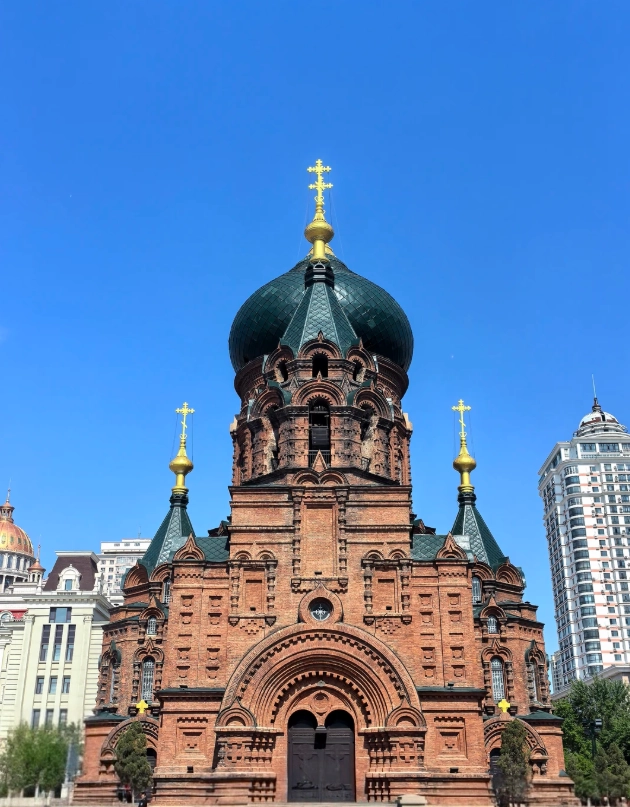
Day 3 — Harbin to Yabuli by Rail, Ski in the Afternoon
High-speed trains run from Harbin to Yabuli West in about 70 to 90 minutes for under CNY 100 in second class. From the station, resort shuttles and taxis take another 20 to 40 minutes.
Lift passes at the main resorts run roughly CNY 300 to 600 for a day, rentals CNY 100 to 300, and a two-hour group lesson CNY 300 to 600. Book the pass and the rental online the night before if you can. The rental desk at 09:00 is where the queues live.
Club Med Yabuli is the all-inclusive family option and prices accordingly. The other resorts and the guesthouses along the valley are far cheaper and perfectly comfortable. Book through Trip.com or ask your Harbin hotel to call for you.
Day 4 — Second Morning on the Slopes, Then the Transfer Decision
Two mornings of skiing is the right amount for most people. By the afternoon of day four you'll want to make one call: back to Harbin by rail, or onward to China Snow Town by private car, which takes three and a half to four and a half hours and costs roughly CNY 600 to 1,000.
Take the Harbin option if you have an early flight out. Take the Snow Town option if the photograph is the point of the whole trip.
Day 5 — China Snow Town at Sunrise and the Way Out
Snow Town sits in Hailin, under Mudanjiang, and the snow depth there is measured in metres. Entrance is charged separately from transport and has risen steadily, so budget CNY 120 to 200 and confirm at the gate.
Be outside by 06:30. The village is quiet, the roofs are fat with snow, and the light does things it never does at noon. By 11:00 the tour groups arrive and the whole place feels like a queue with scenery attached.
Getting out: a bus or private transfer back to Harbin takes five to six hours. Faster is a car to Mudanjiang Hailang Airport, about two hours, then a flight.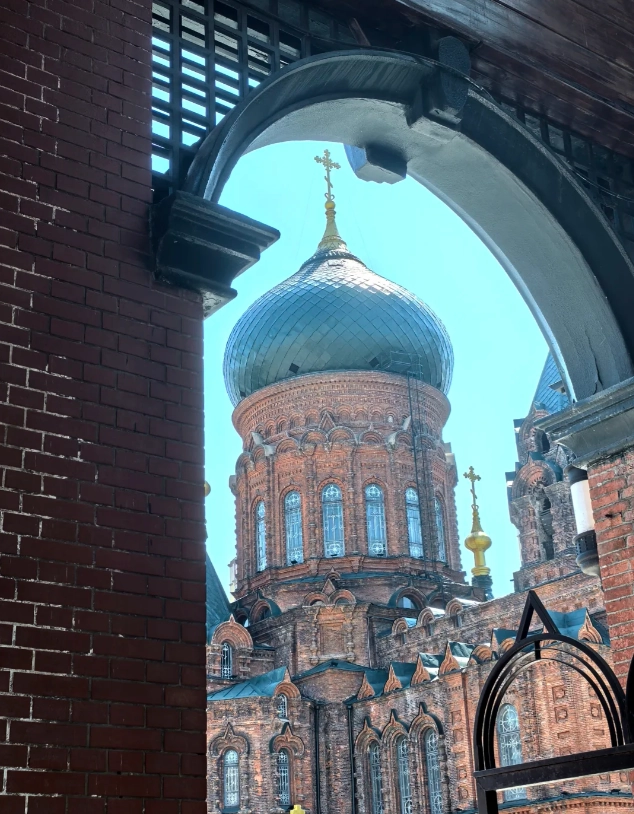
If You Only Have 24 Hours in Harbin
Skip Yabuli. Skip Snow Town. Anyone selling you both in a single day is selling you a bus seat and a headache.
- 08:30 — Saint Sophia Cathedral, then walk Central Street.
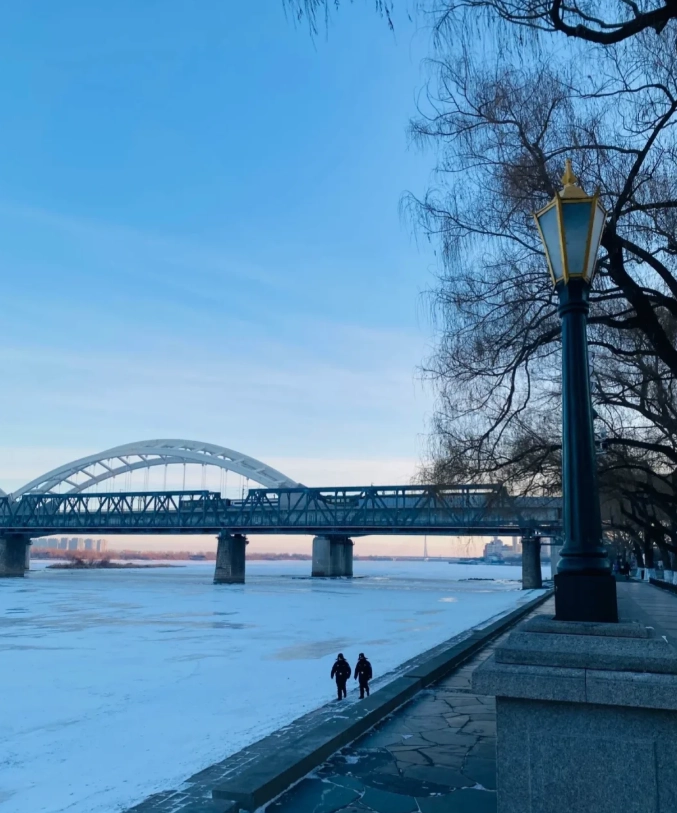
- 10:30 — Down to the frozen Songhua. Walk only where locals walk, near the cable car area.
- 12:00 — Guo bao rou lunch.
- 13:30 — Sun Island snow sculptures, about 20 minutes by car.
- 16:00 — Ice and Snow World. Stay until the cold wins.
- 20:30 — Dinner, then Madieer ice cream on the walk back.
Where to Base Yourself in Harbin for This Route
The district matters more than the property name. Harbin's hotel stock is clustered in four areas, and the right one depends on your departure time, not your budget.
| Area | Address Reference | Winter Price Range | Best For |
|---|---|---|---|
| Central Street, Daoli | Around 中央大街 and Saint Sophia | CNY 400 to 900 mid-range; CNY 1,200 and up for international brands | First-timers who want to walk to everything |
| Harbin Station, Nangang | Around 哈尔滨站 and Hongbo Square | CNY 300 to 600 | Early departures, business hotels, metro access |
| Harbin West Station | Around 哈尔滨西站 | CNY 200 to 450 | One-night stopovers, tight budgets |
| Songbei | North bank of the Songhua, near Sun Island | CNY 500 to 1,200 | Families, resort stays, quick ice park access |
Two practical checks before you book. Ask whether the front desk handles English and whether there's an elevator — a lot of older Harbin properties are walk-ups, which is brutal with a ski bag. And request a room away from the street on Central Street; snow ploughs start before 05:30 and you will hear every pass.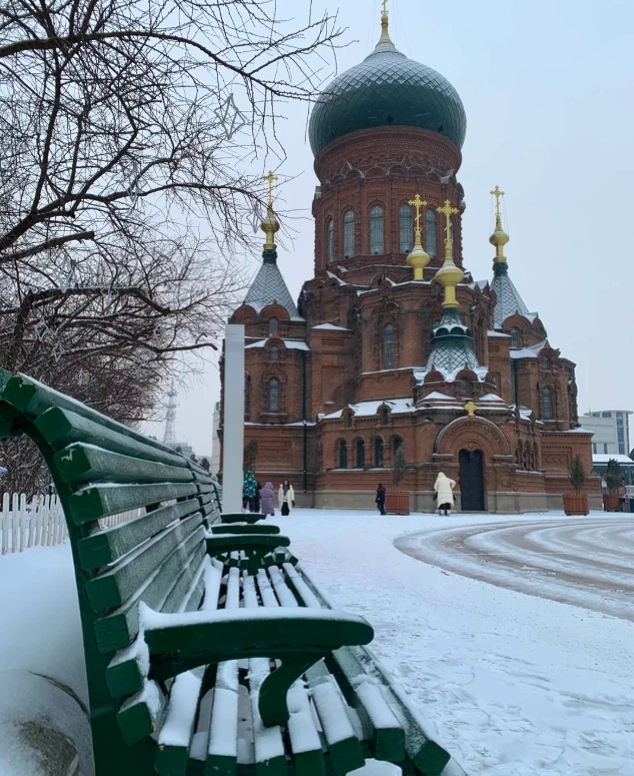
Is Yabuli or China Snow Town Worth Adding to Your Heilongjiang Itinerary?
Both are worth it. Doing both inside the same two days is not. They sit four to five hours apart by road, and the transfer alone eats a day of usable light.
| Factor | Yabuli | China Snow Town |
|---|---|---|
| Location | Shangzhi, under Harbin municipality | Hailin, under Mudanjiang |
| Access from Harbin | High-speed rail to Yabuli West, 1h10 to 1h30 | Tourist bus or private car, 5 to 6 hours |
| Best for | Skiing, beginners, families | Photography, snow village scenery |
| Typical cost | Lift CNY 300 to 600 plus rentals | Entrance, shuttle, and lodging, budget CNY 500 to 1,000 a day |
| Crowd level | Moderate and spread across the slopes | Heavy from late morning onward |
| My take | The best pure ski option in the region | Beautiful at dawn, chaotic by noon |
One thing nobody mentions: Snow Town is heavily commercialised. Food and lodging inside the village are steep by Chinese standards, and the atmosphere at midday sits closer to a theme park than a mountain village. I still send people, because 06:30 there is one of the best hours of winter photography in the country. Just go in with your eyes open.
What Should You Eat in Heilongjiang, and How Do You Order It?
Northeastern cooking is built on pork, pickled cabbage, and volume. Two dishes between two people is usually enough. Three is a feast.
- Guo bao rou — battered pork in a sweet-sour sauce. The Harbin original uses vinegar and sugar, not ketchup. If it arrives bright orange-red and tastes like tomato, you've been handed the tourist version.
- Hongchang — smoked garlic sausage. Buy from a shop with a queue outside; the queue is the quality signal.
- Tieguo dun — an iron pot of fish or chicken stewed at the table with cornbread pressed against the rim. Expect CNY 80 to 150 for two.
- Suancai — pickled cabbage, served with pork or dropped into hot pot. Sour, salty, and the reason locals survive winter.
- Dalieba — Russian-style sourdough rye bread, a leftover of the railway era.
- Frozen pears — thawed in cold water until the skin turns to glass. Drink the juice.
For guo bao rou specifically, Lao Chu Jia is the name locals give you, and there are several branches. Search 老厨家 in AMap and walk to the nearest one rather than trekking across town for a specific address. Madieer Restaurant on Central Street, at number 89 in Daoli, is the classic ice cream stop and serves Russian-influenced Western food at mid-range prices. Expect a wait at lunch.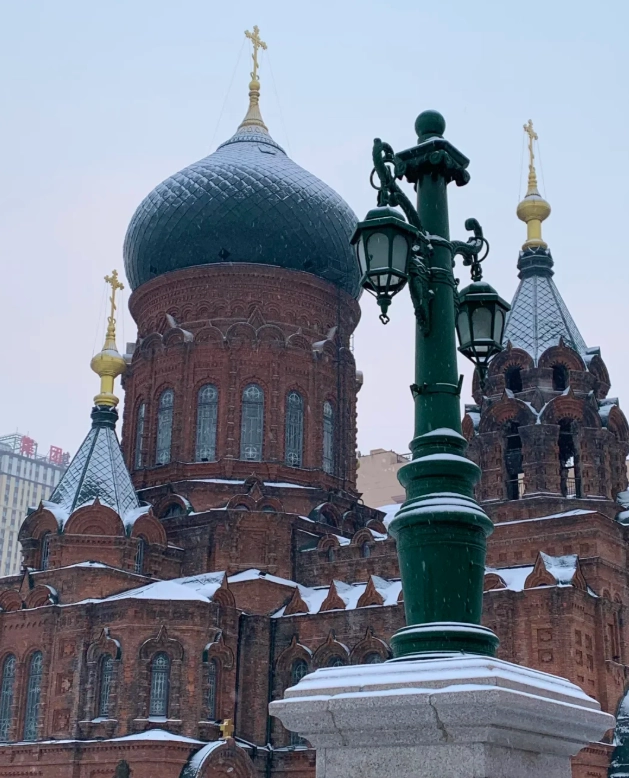
For breakfast, the Hongzhuan Street morning market near Central Street starts before dawn and winds down mid-morning. Fried dough sticks, soy milk, tofu pudding, dumplings. Bring small cash notes; a few stalls don't bother with QR codes.
Pro Tip: If you're vegetarian, say so clearly and expect a real conversation. Traditional northeastern kitchens cook with pork lard and bone stock as a default, so "no meat" often needs to become "no pork, no lard, no bone broth" — written out in Chinese on your phone. Halal restaurants cluster around the old Daodaowai quarter and are a safer bet.
Money, Apps, and Cold-Weather Details That Catch Foreigners Off Guard
Set up Alipay or WeChat Pay with your international card before you fly, not after you land. Both work for almost everything — metro gates, convenience stores, market stalls, DiDi. Small payments clear without drama. Larger ones occasionally trigger a verification step, so keep a second card registered.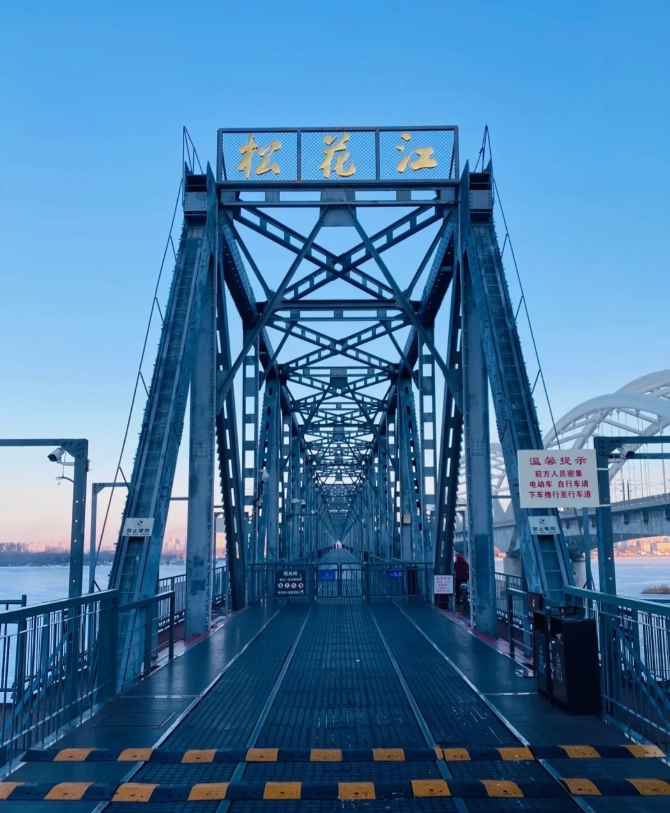
- Cash still works. Carry CNY 200 to 300 in small notes for stalls and older taxi drivers.
- Visa and Mastercard are accepted at hotel front desks and large malls. Restaurants and taxis generally won't take them.
- Google Maps is unreliable inside China. Apple Maps handles Harbin well, and AMap has a usable English mode. Download offline maps before you leave Wi-Fi.
- Install a VPN before arrival. You cannot download one once you're inside.
- Apple Translate and Baidu Translate both handle menu photos, and the camera mode is faster than typing.
- Bring the physical passport, not a photo of it, for train gates and hotel check-in.
On the cold: Harbin in January swings between minus 18 and minus 28, and wind off the Songhua makes it worse. Grippy overshoes sell in every convenience store for a few yuan and are the single best purchase you'll make. Central Street's cobblestones are polished smooth by foot traffic, and the steps down to the river are the worst offenders.
If you're travelling on a visa-free arrangement, confirm your permitted area and exit port with the National Immigration Administration before booking anything. Entry rules change, and the list of approved ports is shorter than most people assume.
Heilongjiang Itinerary FAQ: Permits, Payments, and Winter Realities
Do I need a special permit to travel from Changchun into Heilongjiang?
No. This is an ordinary domestic journey — no border check, no regional permit, no registration beyond what your hotel completes at check-in. What matters is your entry status into China. On a visa-free transit arrangement your movement is limited to the permitted area and you must exit through an approved port. The National Immigration Administration publishes the current port and nationality lists, and it's a five-minute read that prevents an expensive mistake.
Can I book the Changchun to Harbin train with a foreign passport?
China Railway 12306 has an English interface and accepts passport registration, and most foreign passports now scan at the automatic gates without help. For a first booking I still point clients at Trip.com, because when something goes wrong — a missed connection, a refund, a name that doesn't match the passport exactly — you want an English-speaking support line. Tickets open roughly two weeks ahead, and morning departures sell out first.
Is Harbin safe for a solo traveler in deep winter?
Crime isn't the concern. Ice is. I've watched more than one confident traveler go down hard within an hour of arriving, usually on the polished cobblestones near Central Street. Add a phone that dies at 30 percent battery and cheeks that frostbite in fifteen minutes of wind, and that's your real risk profile. Overshoes, hand warmers, and an inside pocket solve nearly all of it.
How much should I budget per day on a Changchun to Heilongjiang itinerary?
Hostels and street food run roughly CNY 400 to 600 a day including transport. A mid-range hotel with restaurant meals lands around CNY 900 to 1,500. Skiing breaks the model entirely — a lift pass, rentals, and a lesson at Yabuli can add CNY 700 to 1,500 in one day. The two big ticketed attractions, Ice and Snow World and the Sun Island snow expo, will take CNY 500 to 700 per person between them.
What's the most common mistake you see on this route?
Cramming Yabuli and China Snow Town into the same two days. They're four to five hours apart by road, the transfers eat your daylight, and you end up skiing badly and photographing Snow Town at noon when it's wall-to-wall tour groups. Pick one. For photographs, Snow Town at dawn. For actual skiing, Yabuli, and it isn't close.
Verified and fact-checked by the editorial team. Fares, opening hours, and winter schedules across Heilongjiang shift with weather and operator policy — confirm details on China Railway 12306 and each venue's official channel before you commit.





No comments yet.