 Hua Sun
Jump Straight to What You Need
- Why Heilongjiang Breaks the Usual Backpacking Playbook
- When to Go: Reading the Two Winters
- How Do You Get Around Heilongjiang Without a Car?
- My 10-Day Heilongjiang Backpacking Route
- What Does a Heilongjiang Backpacking Budget Look Like?
- Where to Sleep: Hostels, Kang Beds, and One Honest Warning
- What to Eat in Heilongjiang on a Backpacker Budget
- Packing and the Cold Mistakes I See Every Trip
- Heilongjiang Backpacking FAQ
Minus 31 degrees. My phone died before I even reached the gate — the battery just quit mid-photo at the Ice and Snow World entrance. My eyelashes froze together every time I blinked. I had packed like an idiot.
Since then I have booked the Heilongjiang backpacking loop more times than I can count — Harbin north to Mohe and back, with a Snow Town detour wedged in the middle — and I now know exactly where first-timers burn money and hours.
Three things go wrong before people even land. Their Visa card stops working the moment they leave a big hotel lobby. Google Maps shows them roads that quietly stopped existing. And the Harbin–Mohe sleeper train sells out while they are still comparing hostel photos.
So here is the conclusion, up front: ride the overnight train north on a hard sleeper, give Harbin two full nights rather than four, and schedule Ice and Snow World after 6pm — never in the afternoon. Everything else below is just detail.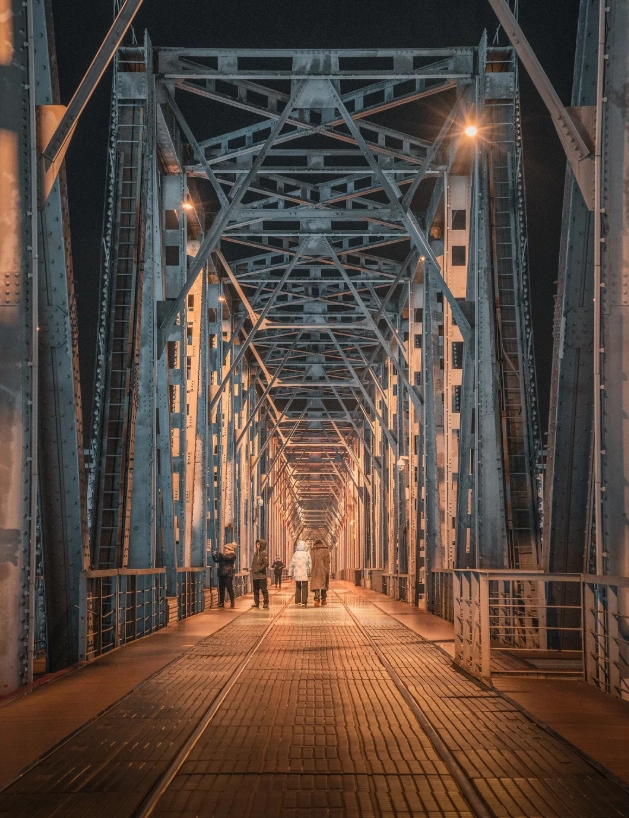
Why Heilongjiang Breaks the Usual Backpacking Playbook
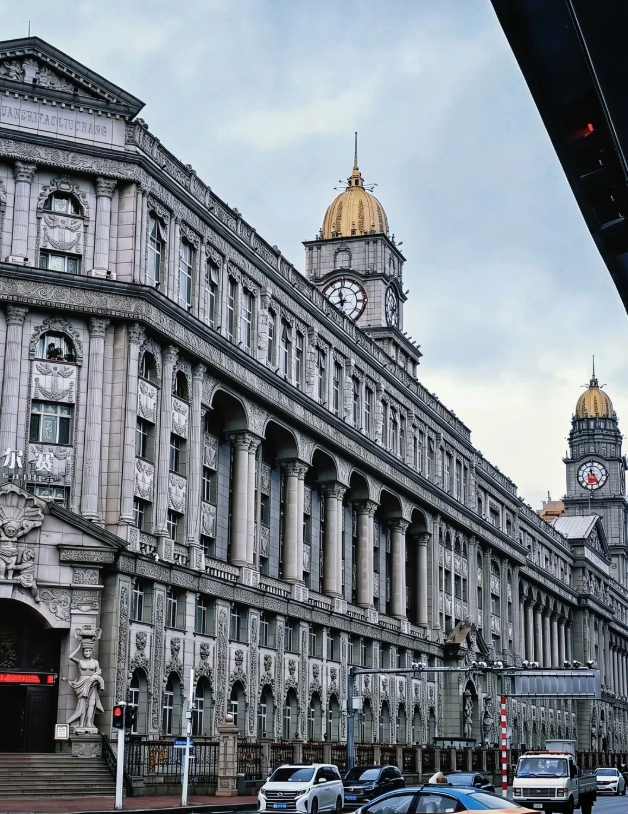
Heilongjiang is not a temple-and-terraced-fields province, and anyone who arrives expecting Yunnan with snow gets confused fast. It covers roughly 473,000 square kilometers — about a third bigger than Germany — and shares a long border with Russia. That geography explains almost everything about the place: the Tsarist-era domes in Harbin, the Russian bakeries on every second corner, and the sheer distance between the things you want to see.
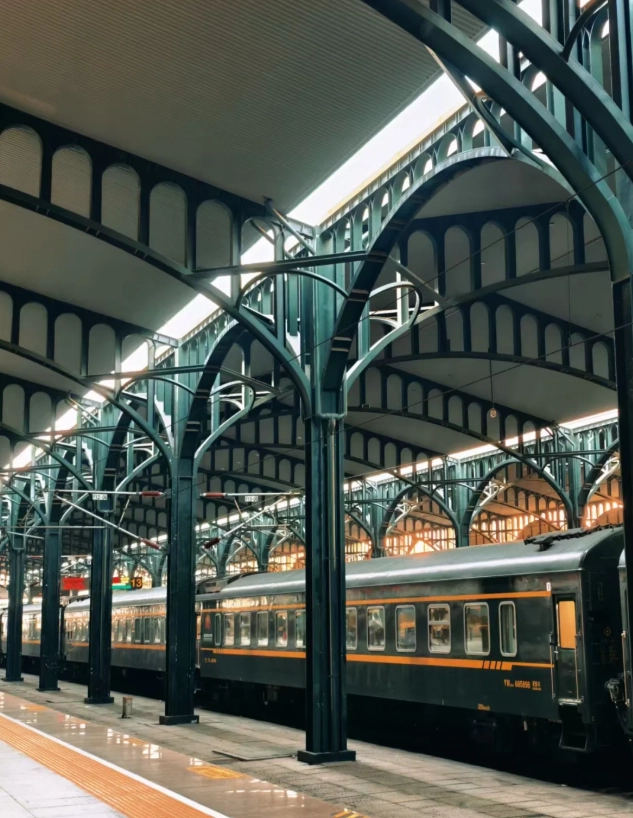
Harbin to Mohe is around 1,100 kilometers. That is Paris to Rome. You cannot day-trip it, and any itinerary that pretends otherwise is written by someone who has never stood on a frozen platform at 5am.
Here is the non-consensus bit. Almost every English-language itinerary treats Heilongjiang as a two-night Harbin stopover with a Snow Town add-on. That is the version you get from people who never left the ring road. The province's real backpacking value is in the northern run — the boreal forest, the border villages, and the fact that a hard-sleeper ticket costs less than a night in a mid-range hotel.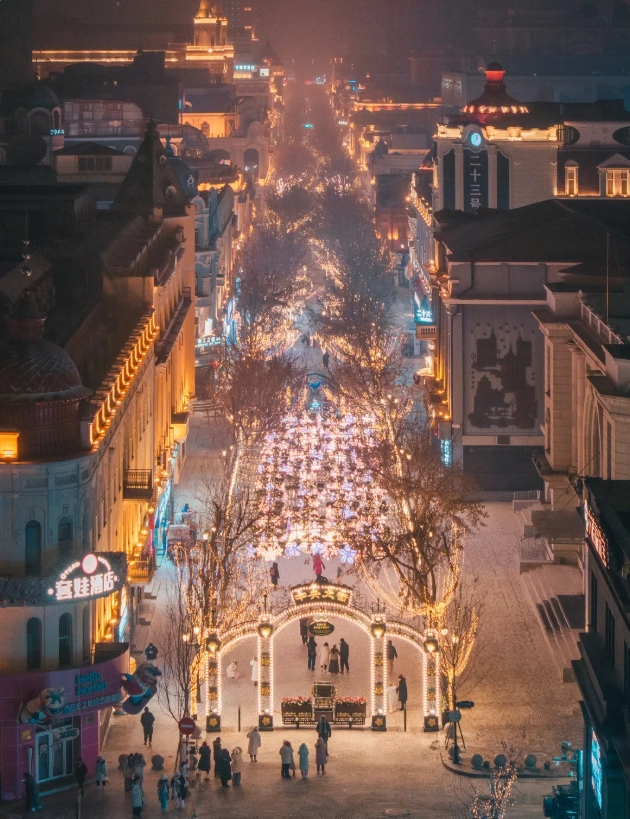
When to Go: Reading the Two Winters
The Peak Window, and the Crowds That Come With It
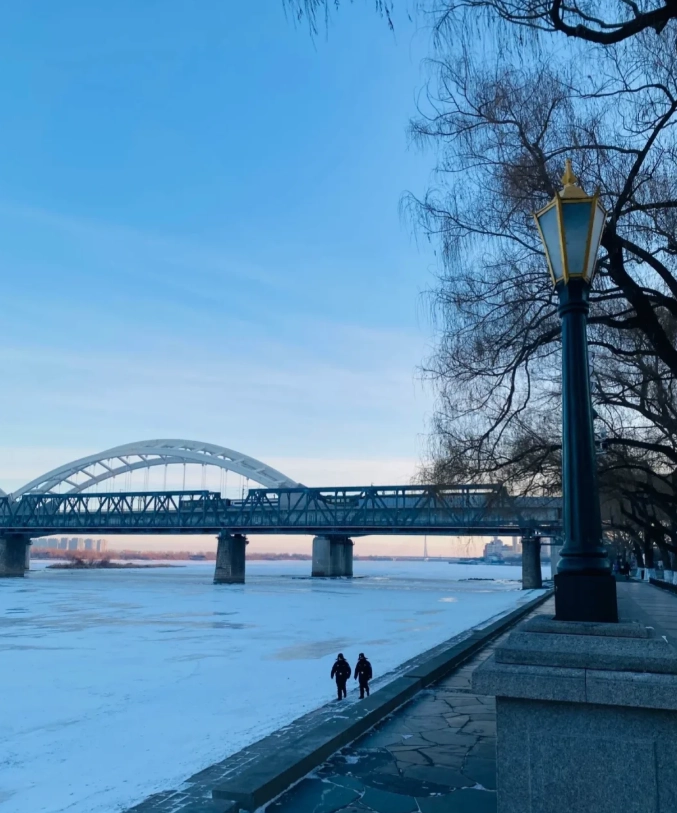
The Harbin Ice and Snow Festival officially opens in early January, but the ice blocks go up in mid-December and usually stand until the thaw in late February or early March. Ice and Snow World typically opens in the second half of December and runs through the end of February, with closing dates shifting depending on how fast the Songhua River ice starts to rot.
Two price spikes hit you hard. The first is the first week of January, when domestic tourists flood in for the festival opening. The second is Chinese New Year, when the date moves every year — check a lunar calendar before you book anything. During those stretches, Harbin hotel rates can double or triple, and Mohe guesthouses get genuinely hard to find.
The festival's global reputation has grown to the point where major international outlets now send crews to film it, and you can see why in CNN Travel's seasonal coverage of the Harbin ice festival. Fame has a cost: the marquee nights are packed shoulder to shoulder.
My Favorite Window: the Second Half of February
If you can choose one window, go in the second half of February. The sculptures are still standing, the domestic holiday rush is finished, flight and train prices fall back to normal, and daytime temperatures ease into a far more manageable minus 10 to minus 15. You will still need every layer you own, but you will not be sprinting between heated shops.
Early December is the other quiet pocket. The city is calm and hotel rates are low, but Ice and Snow World may not be open yet, which for most people defeats the purpose.
What the Cold Actually Feels Like
Harbin's minus 25 is dry and survivable; the thing that destroys people is wind and standing still. On the Songhua River, where the wind funnels across open ice, the same temperature feels 10 degrees colder. Mohe is another level again — the area has recorded temperatures below minus 50.
Daylight is the real constraint nobody plans for. In late December, Harbin's sun is gone by around 4pm, and Mohe loses it closer to 3:30pm, rising again around 8:30am. I always tell my clients to treat 9:30am to 2:30pm as the working day and build everything else around food, trains, and indoor stops.
How Do You Get Around Heilongjiang Without a Car?
Trains, Buses, and the Overnight to Mohe
China Railway is the backbone of any Heilongjiang backpacking route, and the overnight sleeper to Mohe is the best-value night of the whole trip. You board in Harbin in the evening, sleep through the boring part of the province, and wake up in the north with your accommodation budget untouched.
Book through China Railway's official 12306 platform using your passport, or pay a small service fee on Trip.com if the Chinese-language interface makes you twitchy. Tickets generally open around 15 days before departure. In January, Mohe sleepers vanish within hours of release, so set an alarm.
Hard sleeper is six bunks in an open compartment and is perfectly comfortable. Soft sleeper is four bunks behind a door and costs noticeably more. I take hard sleeper every time and put the savings into food.
| Route | Best Option | Typical Time | Rough Cost | Booking Note |
|---|---|---|---|---|
| Within Harbin | Metro plus Didi | 20 to 40 minutes per hop | Metro ¥2 to ¥5, Didi ¥15 to ¥40 | Metro gates need a QR code from Alipay |
| Harbin to Yabuli | High-speed rail to Yabuli West | 1 hour 10 to 1 hour 30 | ¥80 to ¥110 | Winter weekend seats disappear about a week out |
| Harbin to China Snow Town | Winter coach, or rail to Mudanjiang plus road transfer | 5 to 6 hours door to door | ¥100 to ¥150 | Coaches leave early morning; confirm the pickup point with your hostel |
| Harbin to Mohe | Overnight sleeper train | 15 to 18 hours | ¥250 to ¥400 hard sleeper | Sold out fast in January; 15-day presale |
| Harbin to Wudalianchi | Overnight train to Bei'an, then bus | 10 to 12 hours | ¥150 to ¥250 | Winter services are reduced, so verify locally |
Didi, Drivers, and Why Google Maps Fails Here
Google Maps is close to useless in Heilongjiang — the road data is stale and the transit layer is missing entirely. I have watched travelers stand on the wrong side of a divided road for twenty minutes because their map showed a crossing that does not exist.
Install Apple Maps for English-language navigation, or Amap Global if you want the data the locals actually use. Didi lives inside Alipay, which means you never need a separate app, and the ride-hailing interface translates destination names for the driver automatically.
For taxis and any driver you flag down, save the Chinese characters for your destination in your notes app before you leave the hotel. Handing over a screen with 中央大街 on it works every single time. Saying the English name does not.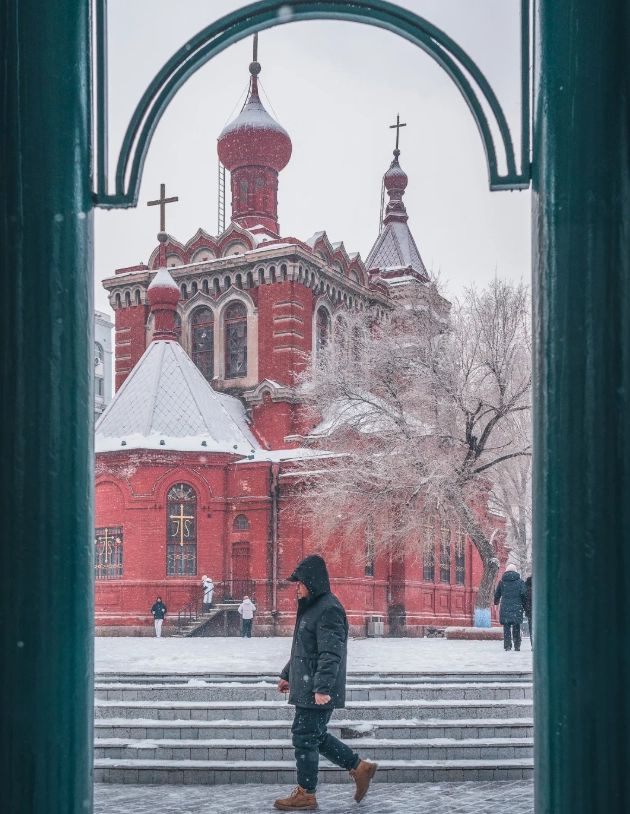
Pro Tip: Harbin taxi drivers will sometimes refuse a short fare in peak cold because the engine barely warms up. Do not argue and do not get in a car with someone who approaches you inside the station. Walk 200 meters away from the exit, open Didi, and wait. It costs two minutes and saves an argument.
My 10-Day Heilongjiang Backpacking Route
Days 1 to 3: Harbin, but Not the Way Most People Do It
Arrive in the morning if you can, because the first afternoon is your only realistic window to walk Zhongyang Dajie before the cold makes decisions for you. Drop your bag, layer up, and head to the pedestrian street in the late afternoon when the lights come on and the Saint Sophia Cathedral a few blocks away is lit from below. The cathedral's square is free to walk through; the interior carries a small separate admission fee, and the building is usually closed for visits on Mondays.
Day two is the big one. Start at the Hongzhuan Street morning market near the old town, which runs from roughly 5:30am to 8:30am — locals queue for fried dough, warm soy milk, and frozen fruit at prices that will make you laugh. Then go indoors somewhere warm until early afternoon.
Here is the schedule I push on everyone. Rest at your hotel from 3pm to 5pm, eat a proper hot meal, and reach Ice and Snow World after 6pm. Afternoon tickets cost essentially the same as evening ones, but the sculptures only come alive once the internal lighting kicks in. Going at 1pm is the single most common mistake I see, and it is an expensive one.
Day three belongs to the Unit 731 Evidence Museum in Pingfang District, which is free, requires a passport reservation in advance, and closes on Mondays. It is heavy, it is not fun, and it is the most important two hours you will spend in the province. Go in the morning, take the metro south, and give yourself a quiet afternoon afterwards.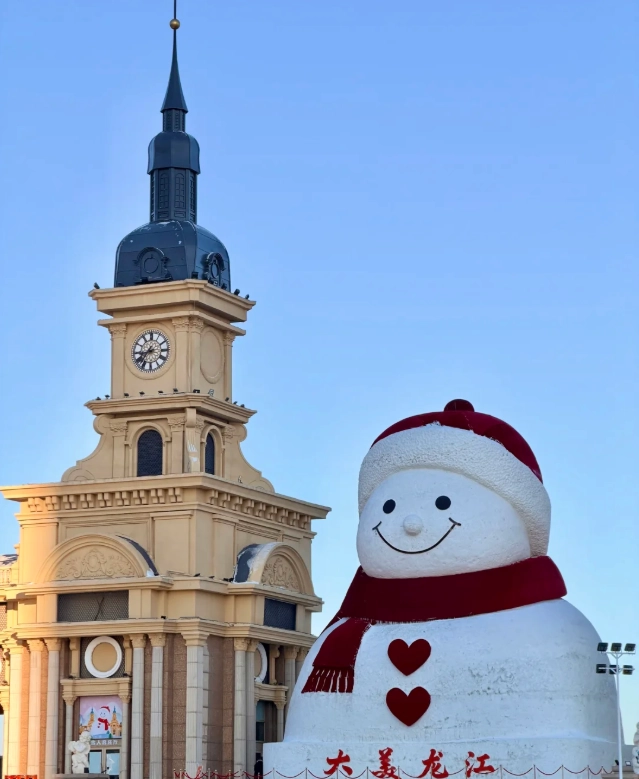
Days 4 and 5: Yabuli or China Snow Town
Pick Yabuli if you want to ski and Snow Town if you want the photograph, because trying to do both properly in two days means doing neither well. Yabuli is a straightforward high-speed rail hop, and resort shuttles meet the trains in season. Gear rental is available on site, though sizes run small for taller travelers.
Snow Town is the famous one, and it deserves its reputation for exactly one sunrise. The village sits in a bowl where moisture from the surrounding forest coats every roof in thick, rounded snow. Climb toward Yangcao Mountain before dawn and you get the shot everyone else is fighting for at street level.
One night is genuinely enough. Two if you want the sunrise hike without rushing. And yes, the pricing complaints you have read are partly real — this is a small village that absorbs an enormous seasonal crowd, so guesthouse rates and meal prices climb steeply during the first days of January. Ask for the room price and the meal price separately, in writing, before you commit.
Days 6 to 8: Mohe and the Overnight Train North
Take the night train, arrive in Mohe in the morning, and let your guesthouse arrange the pickup — there is no reliable public transport from the station to Arctic Village in deep winter. Most family-run guesthouses in the area offer a driver for the day at a flat rate, which is how locals actually get around once the snow settles in.
Arctic Village is the postcard stop, with an entrance fee, an ice sculpture park, and the Northernmost Post Office where you can mail yourself a card. Beihong village, further out, is quieter, cheaper, and my personal preference if you have a spare day. The Northernmost Point marker is a short walk from the village and yes, everyone takes the same photo.
Budget your daylight like a hawk. Sunrise around 8:30am, sunset around 3:30pm in midwinter, which gives you roughly seven usable hours. Plan one major outdoor stop per day, not three.
Days 9 and 10: Wudalianchi or a Slow Return to Harbin
Wudalianchi is the alternative ending — a volcanic field of frozen lava lakes recognized as a UNESCO Global Geopark, and almost empty of foreign visitors in winter. The catch is access. Parts of the scenic area run reduced winter hours and some shuttle services stop entirely, so call ahead or have your guesthouse confirm before you commit to the long ride.
If you would rather not gamble on that, spend the last two days back in Harbin and take a half-day trip to Volga Manor, a rebuilt Russian estate outside the city with frozen ponds and wooden churches. It is a bit theatrical, but it is warm, easy to reach by taxi, and a good final afternoon when your legs have given up.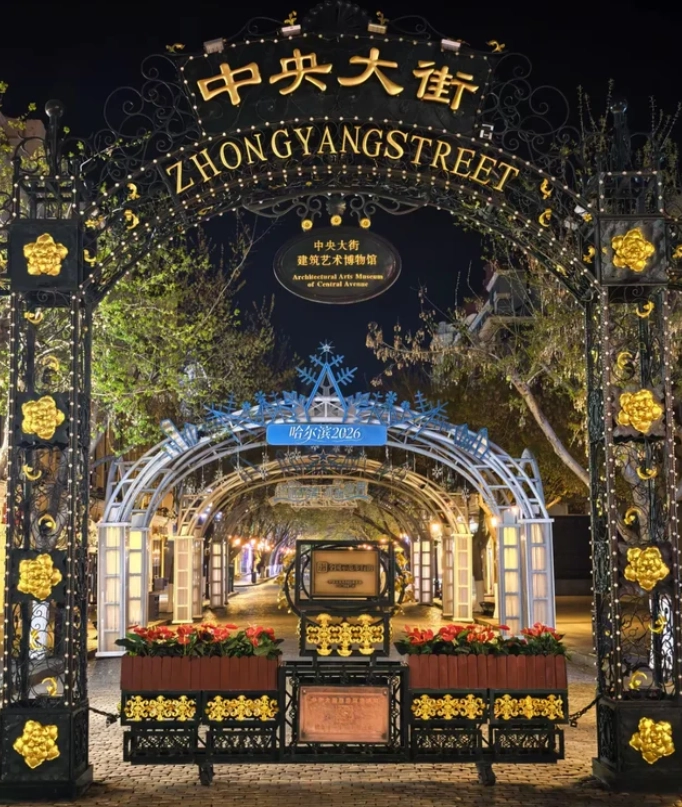
What Does a Heilongjiang Backpacking Budget Look Like?
Ten days on the ground lands somewhere between ¥3,500 and ¥5,500 per person if you sleep in dorms and eat where locals eat. That is roughly 500 to 800 US dollars at recent exchange rates, excluding flights. Here is where it actually goes.
| Item | Backpacker Range | What Drives It Up |
|---|---|---|
| Dorm beds in Harbin | ¥50 to ¥120 per night | Festival opening week and Chinese New Year |
| Guesthouses in Mohe and Snow Town | ¥100 to ¥600 per night | Snow Town rates can triple in early January |
| Street food and canteen meals | ¥60 to ¥120 per day | Eating inside tourist zones instead of one street back |
| Trains and coaches | ¥600 to ¥900 total | Soft sleeper upgrades and last-minute bookings |
| Ice and Snow World ticket | ¥300 to ¥400 | Weekend and holiday pricing; verify the current rate before you buy |
| Estimated total for 10 days | ¥3,500 to ¥5,500 | Roughly USD 500 to 800, flights excluded |
Now, let me save you some money. The single biggest avoidable cost is backtracking. Every time you return to Harbin to reposition, you lose a train fare and a night's accommodation. Build the route as a loop, not a series of round trips.
Where to Sleep: Hostels, Kang Beds, and One Honest Warning
Not every budget hotel in Heilongjiang is licensed to register foreign guests, and this is the one thing that can genuinely ruin your arrival. Chinese hotels need specific authorization to check in foreign passports. Small guesthouses in smaller towns sometimes simply cannot. Always message the property before booking and ask directly whether they accept foreign passports, and keep a screenshot of the reply.
| Area | Type | Rough Nightly Rate | Best For |
|---|---|---|---|
| Zhongyang Dajie, Daoli District | Hostels and small hotels | ¥60 to ¥250 | First-timers who want everything walkable |
| Harbin Railway Station, Nangang District | Mid-range business hotels | ¥200 to ¥450 | Early trains and luggage storage |
| China Snow Town | Kang-bed guesthouses | ¥150 to ¥800 | Photographers chasing the sunrise |
| Arctic Village, Mohe | Family guesthouses | ¥120 to ¥350 | Slow travelers who want a driver on call |
| Beihong, Mohe | Basic village homestays | ¥100 to ¥250 | Total quiet and dark skies |
Two physical details worth knowing. Old Harbin buildings often have radiator heating turned up so high that you will sleep in a T-shirt with the window cracked open, so pack light sleepwear rather than heavy pajamas. And in Snow Town and rural Mohe, expect shared bathrooms and Wi-Fi that drops out when everyone in the village gets back at once.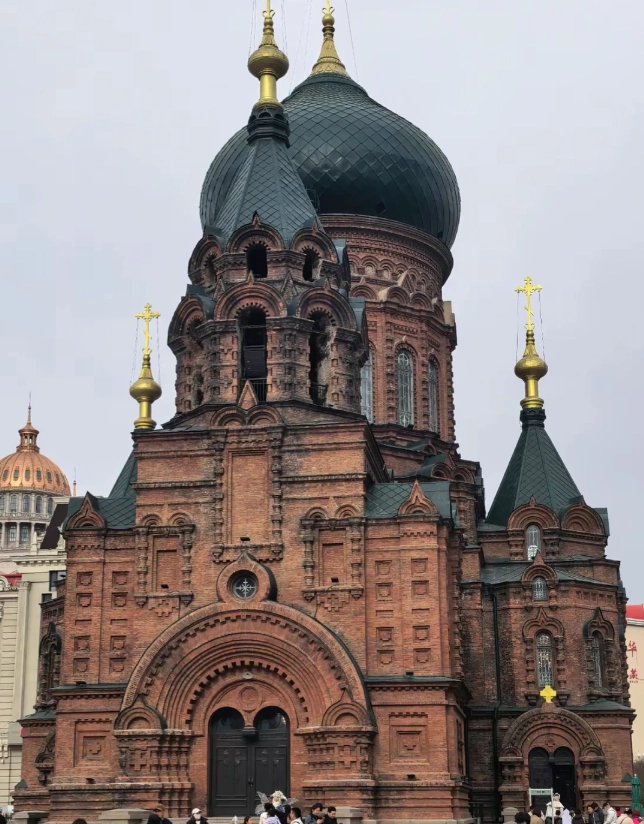
What to Eat in Heilongjiang on a Backpacker Budget
Heilongjiang food is built for the cold: heavy, sour, and served in portions that assume you have been outside for hours. Here is what to hunt down and what to expect.
- Guo bao rou — sweet-and-sour fried pork slices, the dish Harbin claims as its own. Lao Chu Jia has several branches and a loyal local following; expect roughly ¥50 to ¥80 per person. Order it once and you will understand why locals argue about who makes it best.
- Harbin red sausage — smoked, dense, and sold by weight. The Qiulin department store counter on Dongdazhi Street is the easiest option for visitors. Shangwei is the one locals queue for, and the weekend morning line can run around the block.
- Madieer ice cream — sold on Zhongyang Dajie from a kiosk, eaten outdoors at minus 25 by absolutely everyone. It costs a few yuan and it is the best possible photo of your trip.
- Tie guo dun — an iron pot of stewed fish, ribs, or chicken with cabbage and potatoes, cooked at the table. It is designed for two or three people, so it is perfect for splitting with hostel roommates. Budget ¥60 to ¥100 per person.
- Frozen pears — hard as rocks when you buy them. Soak one in cold water until a shell of ice forms, then bite a hole and suck the juice out. This is the correct method and any other approach ends badly.
- Russian-style borscht and bread — Huamei Restaurant on Zhongyang Dajie is the historic address. Honest take: go for the room and the atmosphere, not for a life-changing meal.
Payment reality check. Alipay and WeChat Pay linked to an international card cover about 95 percent of situations, and QR codes are everywhere. Cash still works legally but you will occasionally see a stallholder dig for change with visible pain. Big hotel restaurants take Visa and Mastercard; almost nobody else does.
Packing and the Cold Mistakes I See Every Trip
The single most useful thing you can buy on arrival is a pair of slip-on ice cleats, and I mean this more seriously than any jacket recommendation. Harbin's sidewalks in January are essentially an ice rink, and I have watched more travelers fall on Zhongyang Dajie than I have watched get frostbite. Street vendors and supermarkets sell rubber-and-spike overshoes for the price of a coffee.
- Merino base layers, a fleece mid-layer, and a proper down outer shell. Skip cotton entirely — it holds sweat and turns into a refrigerator.
- Two pairs of gloves: thin liner gloves for using your phone, plus heavy mittens for everything else.
- A balaclava or neck gaiter. Your cheekbones will thank you on any walk longer than ten minutes.
- A power bank kept inside your jacket, not your backpack. Cold drains batteries in minutes, not hours.
- Sunscreen and lip balm with SPF. Snow glare is brutal and nobody believes it until their nose peels.
- One T-shirt for indoors. Heating here is aggressive.
Do not overpack. Harbin has cheap, warm clothing everywhere, and buying a proper hat locally is faster than shipping one from home.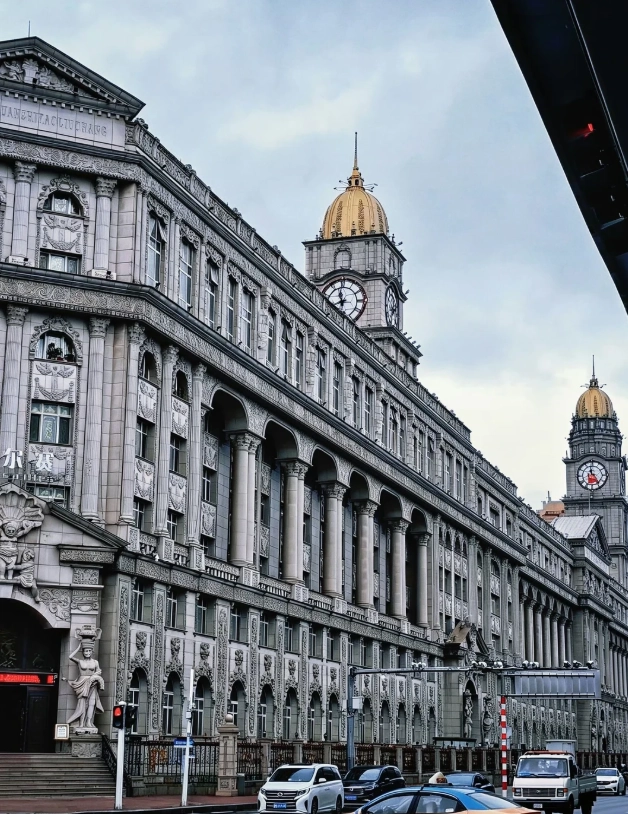
Heilongjiang Backpacking FAQ
Do I need a visa to backpack Heilongjiang, and does visa-free transit work at Harbin airport?
It depends on your nationality and your onward ticket. China has expanded its visa-free transit policy to 240 hours at a growing list of entry ports, and Harbin Taiping International Airport has appeared on recent lists — but those lists change, and the rule requires you to exit to a different country than you entered from. Check the current port list directly with the National Immigration Administration before you book flights, not after.
Is Heilongjiang safe for a solo backpacker in the middle of winter?
Street crime is genuinely rare, and I have never felt uneasy walking back to a hostel at night in Harbin. The real risks are environmental: ice on pavements, frostbite on exposed skin, and hypothermia from underestimating wind chill. One social warning worth knowing — the local drinking culture is enthusiastic, and being pulled into a baijiu toasting contest is a legitimate way to end your trip early. A polite refusal costs nothing.
Can I pay with a foreign credit card in Harbin and Mohe?
Mostly no. Set up Alipay or WeChat Pay with your international card before you fly, since both accept foreign cards now and both work at nearly every QR counter. Carry a few hundred yuan in cash as a backup for the rare stall that has no signal. Assume physical cards will only work at larger hotels and international-brand shops.
How do I book the Harbin to Mohe sleeper train as a foreigner?
Use your passport on the official China Railway platform, or accept a small markup on Trip.com if you would rather not fight the Chinese interface. Tickets typically open around 15 days ahead, and the Mohe sleeper is the fastest-selling train in the province during January. If it shows as sold out, check again the morning of departure — cancellations do appear, and station counters can sometimes release held seats.
Is China Snow Town worth the detour, or is it a tourist trap?
It is both, and that is the honest answer. The village itself is genuinely beautiful at dawn and unlike anything else in China. The commercial side is aggressive, prices spike hard during the first week of January, and the main street in the evening is crowded. Go for one night, hike up for sunrise, confirm every price in writing before you sit down to eat, and you will leave happy.
What if I only have 48 hours in Harbin?
Skip Snow Town and Mohe entirely and concentrate. Day one: Zhongyang Dajie and Saint Sophia in the late afternoon light, then a hot iron-pot dinner. Day two: the Hongzhuan Street morning market before 8am, the Unit 731 museum in the late morning if you can handle it emotionally, rest from 3pm to 5pm, then Ice and Snow World from 6pm until you cannot feel your feet. That is a real 48 hours and it beats a rushed overnight bus to a village you will barely see.
Verified and fact-checked by the editorial team. Prices, opening hours, and transport schedules in Heilongjiang shift with the season — confirm current details with the property or official platform before you travel.





No comments yet.