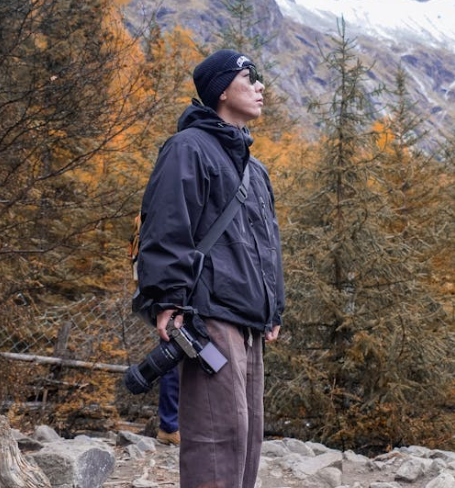
 Gang Zheng
Start here — jump to the part you actually need
- What Is the Best Month to Visit Heilongjiang?
- Heilongjiang Month by Month
- Winter: What the Ice Season Really Costs
- Ice and Snow World Tickets and the Metro Trick
- China Snow Town: Worth the Drive?
- Yabuli Ski Resort: A Sane Day Plan
- Summer: The Season Locals Keep Quiet About
- Autumn in the Greater Khingan
- Why May and November Are Traps
- How to Book This Trip as a Foreigner
- Questions People Ask Before Booking
Minus 28°C. My eyelashes froze together at the Sun Island gate.
That was a January night in Harbin, and I still had six clients to walk through Ice and Snow World. Which is exactly why I now have a blunt conversation with anyone who asks me about the best month to visit Heilongjiang before they have paid for a flight.
People book this province as if one month solves everything. It does not. I have watched guests arrive in the perfect month and get rained on in Mohe, and guests arrive in what the internet calls the wrong month and get an entire mountain range to themselves.
One-line answer, and you can stop reading if that is all you need: late December through mid-February for ice and snow, late June through August for green mountains and empty roads. May and November, I talk people out of.
Grab a coffee. The breakdown below is the same one I walk paying clients through.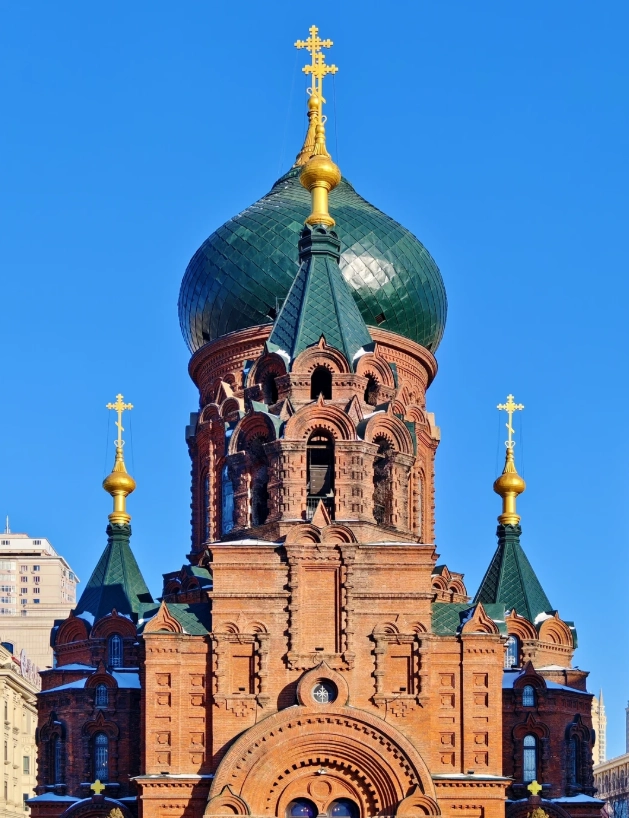
What Is the Best Month to Visit Heilongjiang? The One-Line Answer
Heilongjiang has two peak seasons, not one, and the gap between them is where the real value hides.
This province sits in China's far northeast corner, sharing a long border with Russia. Harbin is the capital and the airport almost everyone flies into. From there the province stretches north toward Mohe, the country's northernmost town, and east toward the volcanoes at Wudalianchi and the snow village near Mudanjiang.
Here is the part that surprises first-timers: Harbin's cold is dry. A -20°C night here, standing still in a proper down jacket, feels less punishing than a -3°C drizzle in a southern Chinese city. Wind is the variable that ruins people, not the number on the thermometer.
The ice season is not a fixed calendar. Crews cut blocks from the Songhua River once it freezes thick enough, usually in early to mid-December, and Ice and Snow World opens somewhere in the second half of December depending on how the build goes. Late February is when the structures start to soften and prices quietly fall.
And then there is the Lunar New Year window. It moves every year, and it is the single most expensive stretch of the Harbin calendar — hotel rates, flights, and train seats all spike at once. If your dates are flexible, that is the week to avoid.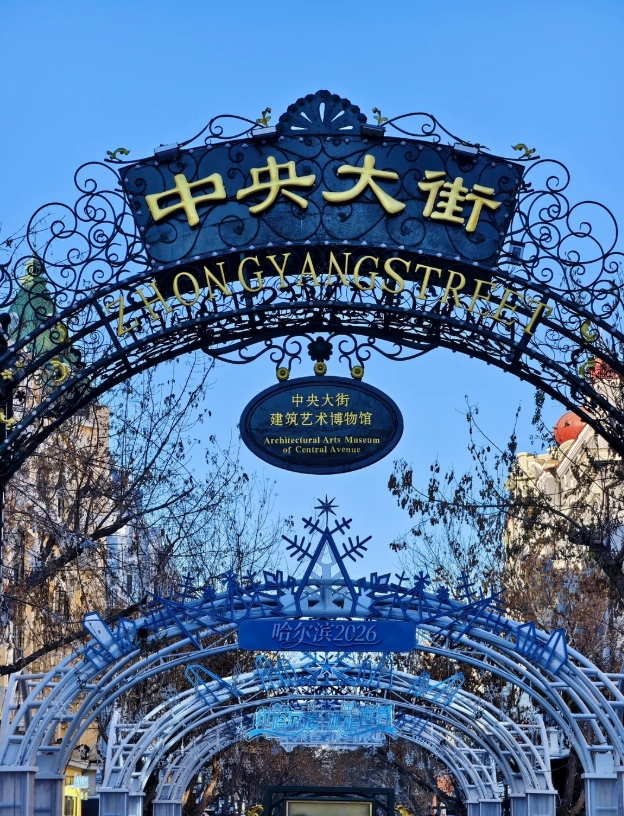
Heilongjiang Month by Month: Weather, Crowds, and What Is Open
The two columns that matter most are night temperature and crowd level — everything else follows from them.
| Month | Typical Day / Night | Crowds | Best For | My Read |
|---|---|---|---|---|
| January | -13°C / -25°C | Very heavy | Ice festival, skiing | Full ice season, brutal nights |
| February | -8°C / -21°C | Heavy, then drops | Ice festival, skiing | Best winter value after the holiday week |
| March | 1°C / -11°C | Light | Cheap hotels | Ice park closed, streets slushy |
| April | 12°C / 0°C | Light | City food trips | Windy, dusty, nothing blooming yet |
| May | 20°C / 8°C | Light | Lilac season in Harbin | Cold rain, half-open attractions |
| June | 25°C / 15°C | Light to moderate | Cool city break | Most comfortable month overall |
| July | 28°C / 18°C | Moderate | Beer festival, mountains | Short afternoon thunderstorms |
| August | 26°C / 16°C | Moderate | Forests, rivers | Warmest water, lush everything |
| September | 19°C / 8°C | Light | Greater Khingan colors | Foliage peaks in the final week |
| October | 10°C / 0°C | Light | First snow up north | Ice not ready anywhere yet |
| November | -2°C / -12°C | Very light | Nothing much | Grey, half-closed, no snow guarantee |
| December | -10°C / -22°C | Heavy from mid-month | Ice festival opening | Magical, pricey, properly cold |
Read that table twice, because a -25°C night is completely fine if you are dressed for it and genuinely dangerous if you are not. The failure point is rarely your jacket. It is your feet and your phone.
Lithium batteries hate this climate. My phone has died at 60 percent battery on the Songhua River bridge more than once, and camera batteries last maybe twenty minutes outdoors on a hard January night. Keep a spare battery in an inside chest pocket, close to your body, and keep the phone in a zipped inner pocket rather than your hand.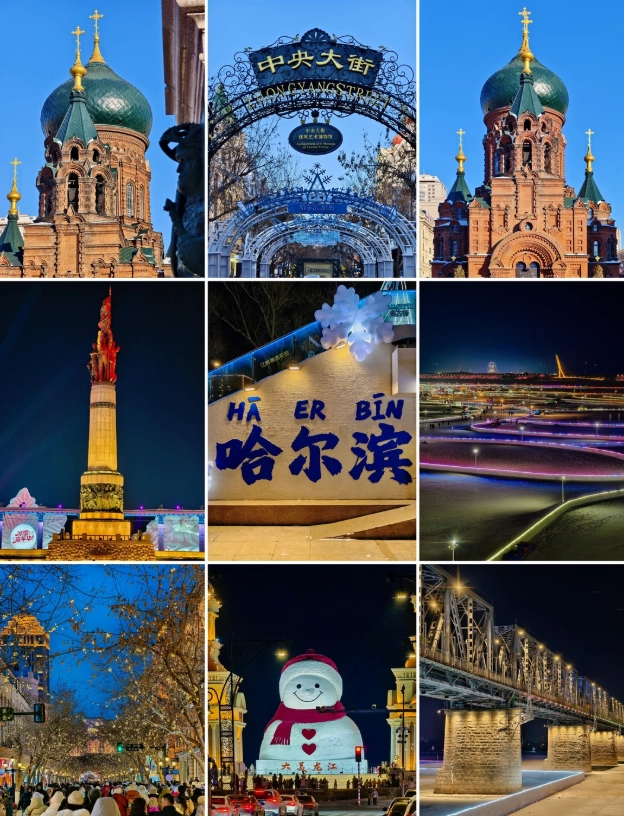
Winter in Heilongjiang: What the Ice Season Really Costs You
Winter is the reason you are here, and winter is also where the money disappears fastest.
Nobody warns you about this properly. Everyone talks about the cold and almost nobody talks about the pricing rhythm.
- Hotels within walking distance of Central Street roughly double or triple between late December and mid-February, and the Lunar New Year week can push a mid-range room above what a five-star Shanghai hotel charges.
- Domestic flights into Harbin Taiping International Airport spike the week the ice park opens.
- Renting insulated boots and a down coat in Harbin is usually cheaper than buying at home, but sizes for tall or larger travelers sell out first in peak weeks — reserve ahead, not on arrival.
- Every indoor stop becomes part of the itinerary. Cafes, malls, and museums are not filler in Harbin in January. They are recovery stations.
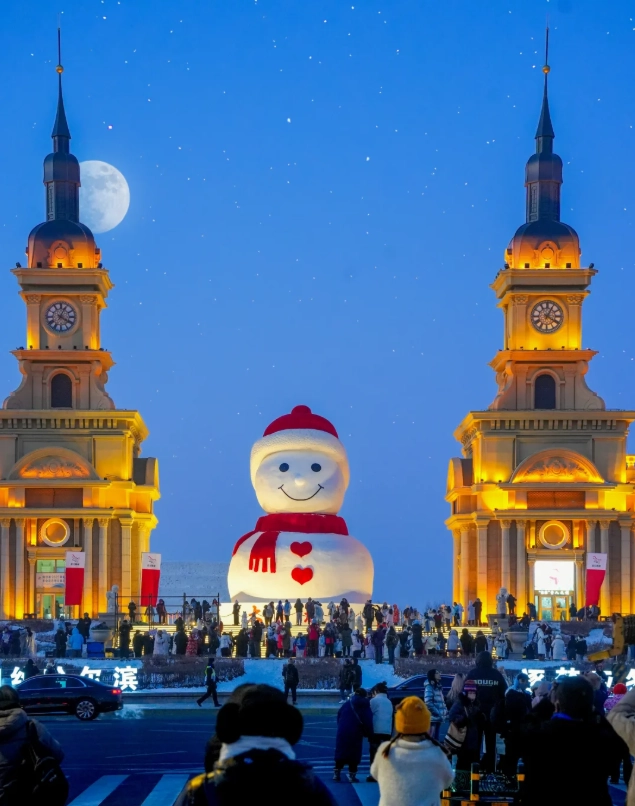
| Winter Attraction | Distance From Harbin | Approx. Ticket | Time Needed | Best For |
|---|---|---|---|---|
| Harbin Ice and Snow World | About 20 minutes by Metro Line 2 | CNY 300–400 adult peak | 4–5 hours | First-timers, night photography |
| Sun Island Snow Sculpture Expo | Short walk from Sun Island metro station | CNY 200–300 | 2–3 hours | Daytime visits, families |
| China Snow Town | Roughly 5–6 hours by car | CNY 95–120 entry | 2 nights | Snow-buried village shots |
| Yabuli Ski Resort | About 1.5–2 hours by high-speed rail plus shuttle | CNY 300–500 lift pass | 1 full day | Skiers and confident beginners |
| Mohe Arctic Village | Flight or an overnight train | CNY 60–80 area entry | 2–3 nights | Extreme cold, northernmost marker |
Treat every figure above as a planning band, not a quote. Seasonal pricing in Heilongjiang shifts with the ice-building schedule and the Lunar New Year calendar, so confirm current rates on the official WeChat mini-program or a foreigner-friendly platform such as Trip.com before you pay.
For context on how seriously this province takes its ice: the river harvest is a genuine local event, and the scale of the build has been covered internationally by outlets including National Geographic.
Harbin Ice and Snow World: Tickets, Timing, and the Metro Trick
Arrive around 3:30 p.m., walk straight to the far end of the park, and leave the entrance area for last.
Almost everyone entering Ice and Snow World drifts clockwise from the gate. By six in the evening the queue for the big ice slide can run well over an hour, while the far side of the park is still half empty. I send clients in the opposite direction and they get the same photos with a fraction of the waiting.
The light is the other reason. Between roughly 4:00 and 4:40 the ice is still translucent and the colored lights are just coming on — that is the shot. After 5:30 you are mostly photographing strangers' hats.
Booking has changed a lot in the last few seasons. Tickets are tied to your passport, one ticket per person including children, and the official sales channel is a Chinese-language WeChat mini-program. If that defeats you, and it defeats me some evenings too, book through Trip.com instead and bring the physical passport. A photo of your passport on your phone will not get you through the gate. I have watched that happen to a guest, in the cold, with no sympathy from the staff.
Getting there is simpler than people expect. Metro Line 2 runs out to Ice and Snow World station, and the same line serves Sun Island and Central Street, so a hotel near the pedestrian street keeps you on one line. At closing time the taxi rank outside the park turns into a slow-moving scrum. The metro entrance is a five to ten minute walk away and moves far faster, and it stays open late through the festival season.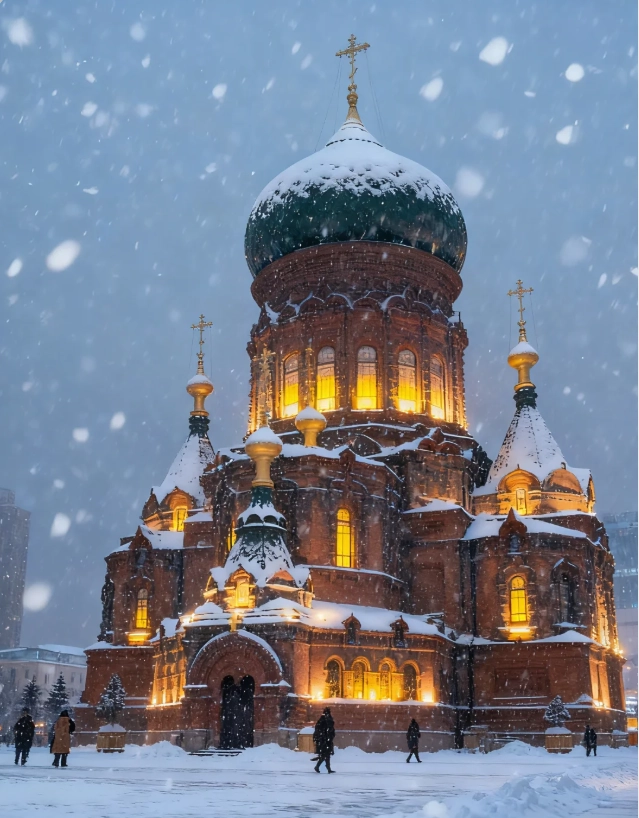
Pro Tip: Buy a cheap pair of felt insoles and swap them at a heated rest pavilion halfway through the night. Cold feet end more Harbin evenings early than cold hands ever do. The park food is expensive and mediocre — eat a proper meal before you go in.
China Snow Town: Worth the 5-Hour Drive or Not?
Snow Town is a 7 a.m. village and a noon tourist strip, and the difference between those two things is entirely about when you wake up.
The famous snow mushrooms that blanket the rooftops need overnight accumulation and no foot traffic. By eleven in the morning the main lane is packed, and by midday the light is flat and hard.
Getting there from Harbin means a private car or a packaged two-day tour, roughly five to six hours each way depending on road conditions. Winter tires are non-negotiable and I would not recommend self-driving to a first-time visitor to China in February.
Two honest warnings. Accommodation inside the village is basic and priced like a Harbin five-star during peak weeks, so book two months out or skip the overnight entirely. And some photography setups and sled operators charge add-on fees that are not posted clearly — ask the price before you pose or climb on. Entry itself sits around CNY 95 to 120, and it is worth confirming current terms on site.
Yabuli Ski Resort: A Sane Day Plan
Yabuli works as a day trip from Harbin only if you are on an early high-speed train out of the city.
The high-speed line toward Mudanjiang stops at Yabuli West, about an hour and a half to two hours from Harbin, and resort shuttles meet the main arrivals. Leave it until nine in the morning and you have burned your best snow.
Lift passes generally land somewhere between CNY 300 and 500 depending on the package and the day, with rental gear on top. English-speaking instructors are limited, so arrange one through the resort or a Harbin-based operator in advance rather than hoping at the counter. Beginners should ski before lunch — lower slopes get scraped into ice by early afternoon.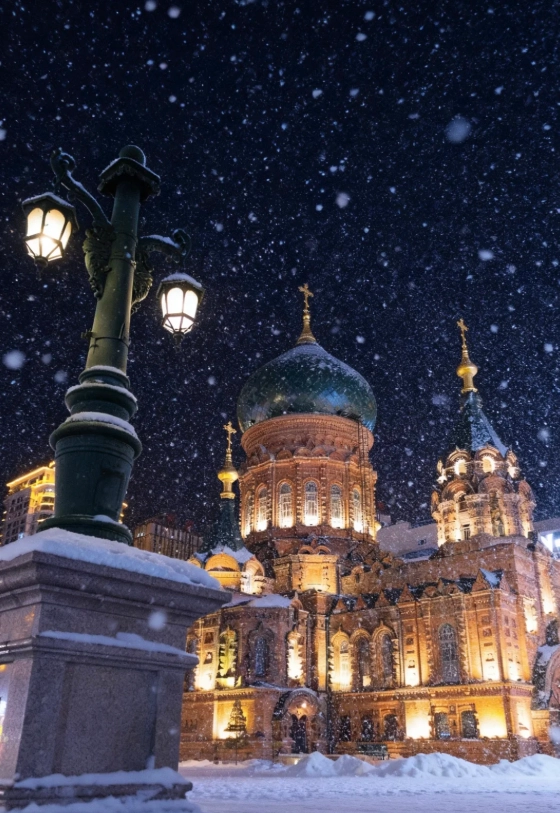
Summer in Heilongjiang: The Season Locals Keep Quiet About
July in Harbin runs around 28°C with a river breeze while Beijing is a 38°C sauna — that is the entire pitch, and it is a good one.
I lose count of how many travelers write off this province between May and September. That is a mistake, and it is the single biggest gap in most English-language planning advice for this region.
Harbin in June and July
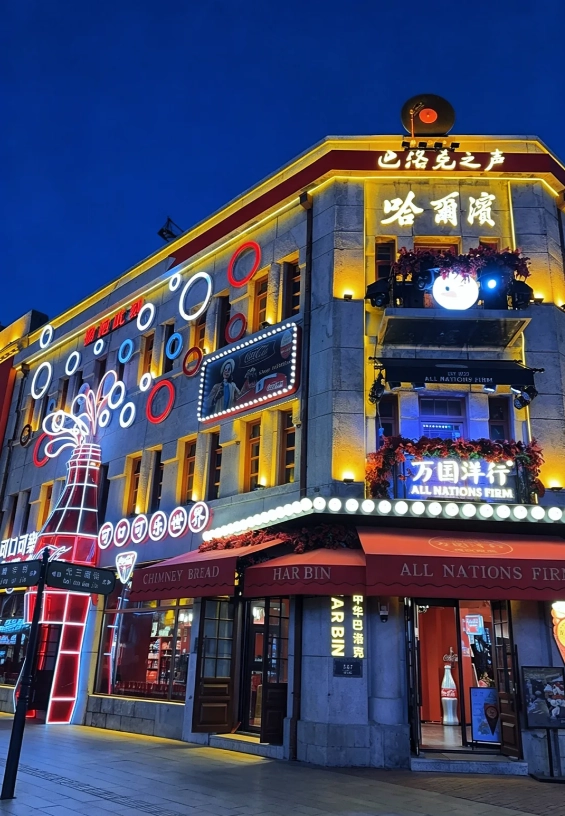
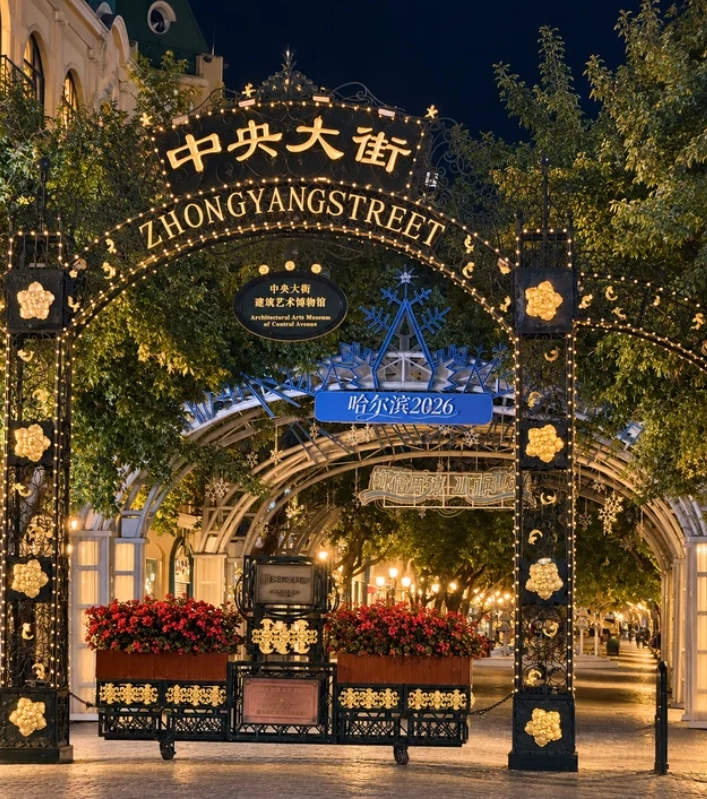
Central Street in the evening is the best free thing in the city, and it only works in the warm months.
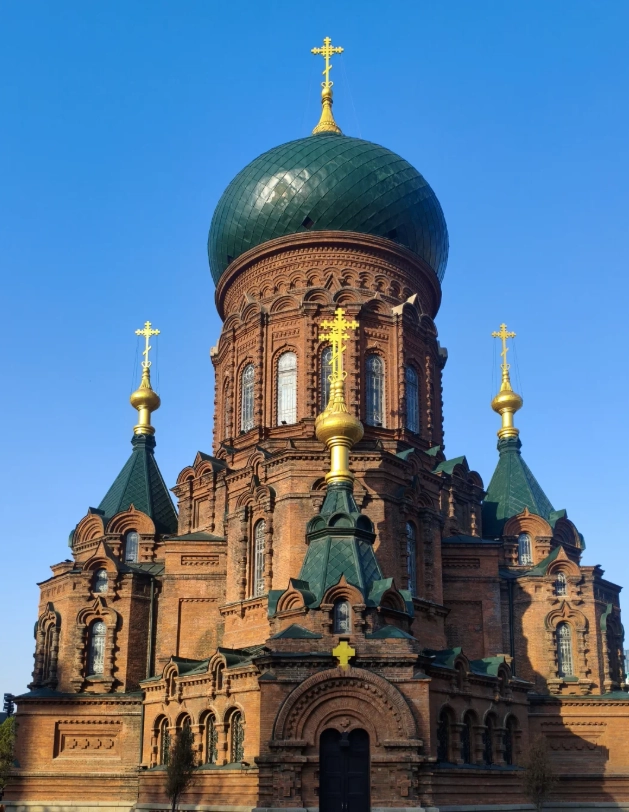
The pedestrian street is lined with early twentieth-century architecture left by Russian and European traders, and the whole strip comes alive after dark with street musicians and queues for the Modern Hotel's ice cream. Saint Sophia Cathedral nearby charges a small entry fee, roughly CNY 20, and honestly the plaza outside is the better photograph — the interior is a photo gallery rather than a church service space, which surprises people.
Down at the river, the Flood Control Monument square fills up with locals dancing, skating in winter and strolling in summer. Ferries cross the Songhua to Sun Island, which is a genuine half-day of gardens and shade. The city's beer festival usually lands in July and it is loud, cheap, and worth one evening.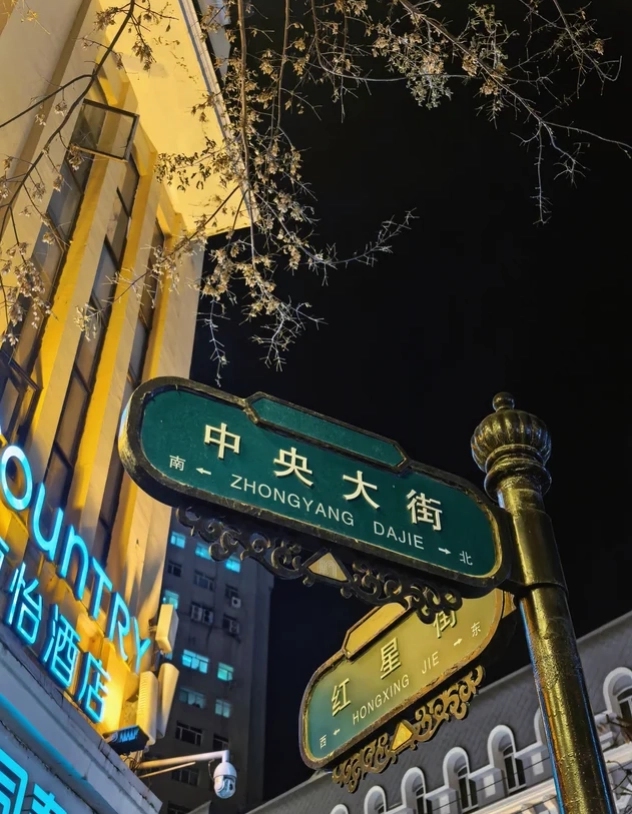
Wudalianchi and the Volcano Country
Wudalianchi is the most underrated stop in the province and almost no foreign visitor goes there.
It is a volcanic field with lava flows, forested cones, and cold mineral springs that bubble up tasting sharply of iron and carbon dioxide. Locals drink it for their stomachs. I will be honest, it is an acquired taste.
The practical route is a train to Bei'an followed by a local bus, or a long-distance coach from Harbin. Rail schedules and seat availability are best checked on China Railway's 12306 platform, which now has an English interface and accepts passport registration. Confirm the onward bus locally when you arrive, as timetables are not reliably published online in English.
Autumn in the Greater Khingan: Chasing the Ten-Day Window
The color window is roughly ten days, usually the last week of September into the first days of October, and it moves every single year.
Mohe and the Greater Khingan range turn gold and rust in a way that looks almost synthetic in photographs. The trade-off is that the season is short and unforgiving. A single cold front can strip a hillside in about thirty-six hours, and the first proper snow sometimes arrives in early October and ends the show.
Fly into Mohe rather than taking the long overnight train from Harbin — the rail journey is a genuine endurance test and eats two days of a short trip. Book flexible dates if you can, and watch the forecasts closely in the final week of September. Arctic Village and the northernmost point marker are the headline stops, but the drive between them is the actual attraction.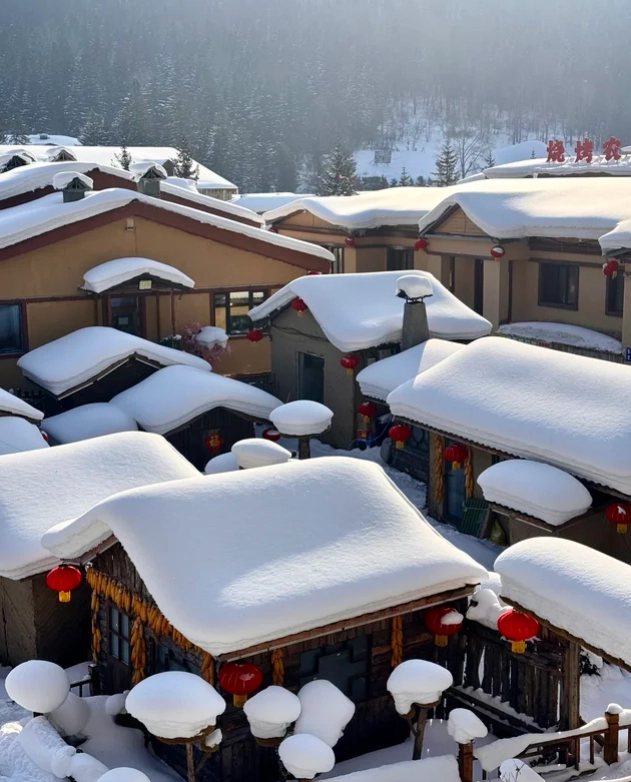
Why May and November Are Traps
May and November are the two months I actively steer clients away from, and both come with a small exception.
May looks appealing on paper. The lilacs do bloom in Harbin in late May and they are genuinely lovely — the city treats them as a local symbol. But the rivers run brown with meltwater, the mountains are bare, and the rain is cold enough to ruin a walking day. If you are in Harbin for work anyway, take the lilacs. Do not build a trip around them.
November is worse. There is usually no reliable snow in the city yet, ski resorts typically are not spinning their lifts until late in the month, and the ice park is a construction site full of stacked river blocks. Hotel prices are low for a reason.
How to Book Heilongjiang's Winter Attractions as a Foreigner
Every major winter attraction here now runs on passport-linked reservations, and most booking systems quietly assume you have a Chinese phone number.
- Use Trip.com or Klook when the WeChat mini-program is too much. It usually is.
- One passport, one ticket. Carry the physical document, never a photo.
- Hotel front desks will often book on your behalf — ask at check-in, in advance, not the night before.
- Trains: register your passport on the 12306 platform before you need it.
- Visa rules change. Check the National Immigration Administration for current transit visa-free eligibility and the list of approved ports.
- Payment: Alipay and WeChat Pay linked to an international card work almost everywhere. Cash is accepted but small vendors struggle to break a CNY 100 note. Physical credit cards are essentially hotel-only.
- Navigation: Google Maps is unreliable in China. Apple Maps and AMap both work far better. Ask your hotel to write addresses in Chinese so you can show a driver.
- Connectivity: install a VPN before you land, plus a translation app with offline Chinese packs downloaded.
Insider Advice: The Chinese-language mini-program maze is a real barrier and I will not pretend otherwise. The fastest fix is your hotel receptionist. Hand them your passport and your phone, and give them ten minutes. It has never failed me.
Questions People Ask Before Booking Heilongjiang
Is December or January better for Harbin's ice festival?
December is cheaper and calmer, but the park sometimes opens mid-month and the first days can feel unfinished while crews are still assembling sections. January guarantees a complete build and the fullest experience, at the highest prices of the year. The worst-value week of the entire winter is the stretch between Christmas and New Year, when hotels in Harbin charge more than they do in peak summer anywhere in China. If you can travel in the second half of February, you get a finished park, softer prices, and slightly longer daylight.
How cold does it actually get, and what should I wear?
Expect daytime highs around -10°C to -15°C and nights down to -25°C or colder in January, with wind making it feel sharper on the river bridges. Layering beats bulk: a thermal base layer that is not cotton, a fleece mid-layer, a proper down jacket, and a windproof outer shell. Mittens over liner gloves keep fingers warmer than any single pair of gloves, and insulated boots with room for thick socks matter more than your coat. If your boots are tight, your toes will freeze no matter how good the insulation is.
Can I visit Heilongjiang without speaking any Chinese?
Harbin is manageable with preparation and a translation app. Smaller destinations like Snow Town, Mohe, and Wudalianchi are harder — staff at guesthouses and small ticket counters generally do not speak English, and menus are often Chinese-only. Screenshot your hotel address in Chinese, save the names of the attractions you plan to visit as Chinese text, and download offline translation packs. Taxi and ride-hailing drivers will not call you, so agree on a landmark rather than an address.
Do I need a visa for Heilongjiang, and does visa-free transit apply?
That depends entirely on your nationality and your routing. China has expanded its transit visa-free policies in recent years, and eligible travelers passing through to a third country may qualify at certain ports. The rules, the eligible ports, and the permitted travel areas change, so verify against the National Immigration Administration rather than a forum post from three years ago. If you are not transiting onward to a third country, standard visa procedures apply.
What is the biggest planning mistake first-timers make in Heilongjiang?
Cramming Harbin, China Snow Town, and Yabuli into four days. It looks efficient on a map and it is miserable on the ground — you spend most of the trip in a car on icy roads and arrive everywhere exhausted. Harbin deserves two nights minimum. Snow Town needs two nights to be worth the drive. Yabuli needs one full day and an early start. That is five or six nights before you have even considered Mohe. Build the trip around one region and go deep, rather than collecting stamps.
Verified and fact-checked by the editorial team. This content has been fact-checked to ensure informational precision.





No comments yet.