 Gang Zheng
What Is Inside This Guide
- What Spring Actually Means in Heilongjiang
- How Do You Pick the Right Spring Dates?
- How to Get Into Harbin and Move Around
- Where to Stay in Harbin in Spring
- What to Eat in Heilongjiang in Spring
- Beyond Harbin: Three Spring Side Trips
- Payments, Internet and Ticket Booking for Foreigners
- Questions I Get Asked Every Single Spring
April in Harbin. Minus three outside.
My breath is still white. My client steps out of the taxi in running shoes — bad call.
We spent forty minutes that afternoon hunting for a sock vendor on Central Street. Not sightseeing. Buying socks.
When you start planning your Heilongjiang spring travel tips list, most guides make the same mistake: they assume spring equals warmth. It does not up here. In March you can still walk on the frozen Songhua River. By mid-May you are in a T-shirt and the whole city smells of lilac. Between those two points there are maybe six to eight weeks, and if you book the wrong ones you will either be sloshing through black slush or frying in unexpected sun.
So here is the conclusion up front. Aim for May 5 to May 20. The lilacs open. The Ice and Snow World is shut — which is fine, that is a winter product anyway. The domestic travel crush has eased. And the real trap? International credit cards. Most ticket windows and street stalls will not take them. If Alipay or WeChat Pay has not been set up with your Visa or Mastercard before you land, you will be standing in cold wind asking strangers to pay for you.
Right. Here is the part that actually helps.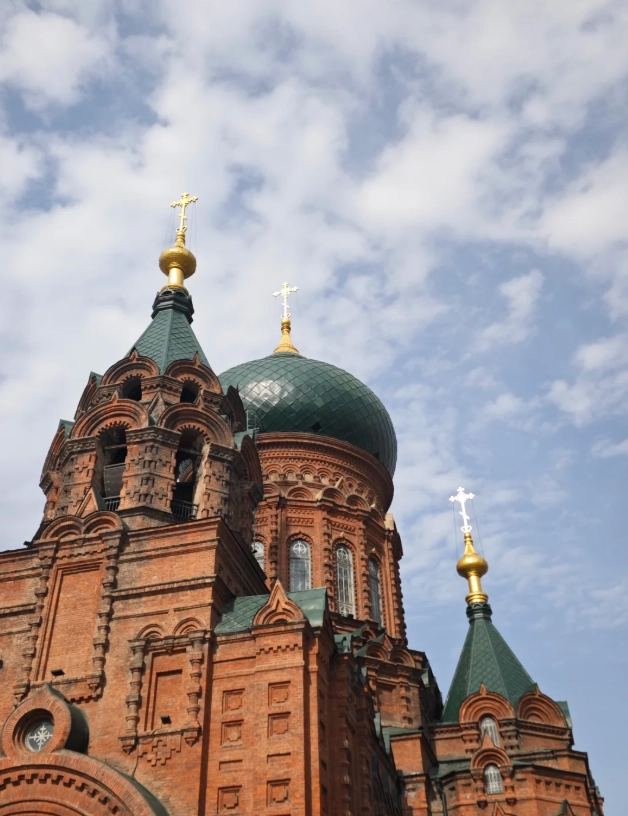
What Spring Actually Means in Heilongjiang
Spring in Heilongjiang is not a season — it is a six-week transition, and it is not gentle.
In late March the Songhua River still carries thick ice. I have watched locals drill holes and fish through it while tourists in light jackets shivered on the bank, clearly having read a weather app for a different province.
Then it flips. Fast. The river cracks, the ice runs downstream in grey slabs, and within two weeks you get the first genuinely warm afternoon. Harbin's lilac — the city flower — usually opens somewhere in the first half of May and holds for roughly two to three weeks depending on how cold the previous winter ran. Cities further south in the province, like Mudanjiang and Qiqihar, tend to run about a week ahead.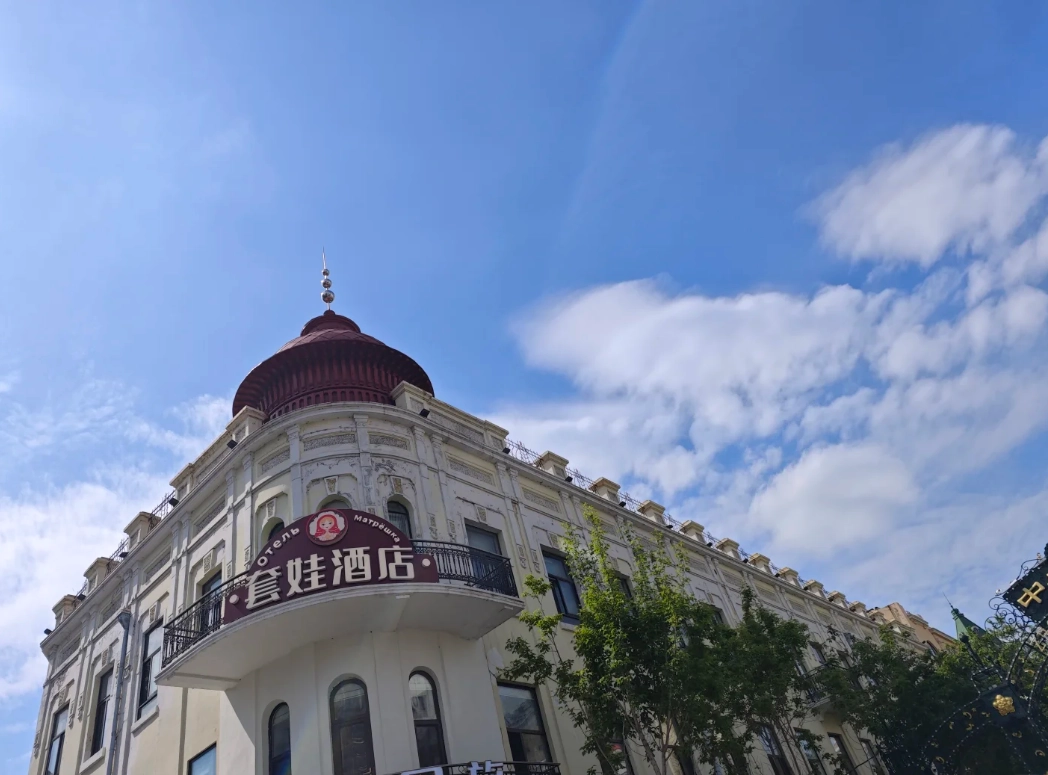
Temperature ranges you can plan around:
- April: roughly 0 to 12°C. Windy. Snow is not unusual, especially in the first half.
- Early May: roughly 6 to 18°C. Pleasant days, cold nights.
- Mid to late May: roughly 12 to 24°C. Genuinely comfortable.
Now the thing nobody puts in the brochure: the dangerous surface in Heilongjiang spring is not snow, it is meltwater refreezing overnight. Shaded sidewalks and stone steps turn into black ice before 9 a.m. I have had two clients slip in the same week, both on the same style of smooth-soled sneaker. Waterproof boots with actual tread are not a suggestion.
How Do You Pick the Right Spring Dates?
Book the window between May 5 and May 20 if you want warmth, flowers and tolerable crowds all at once.
That is the sweet spot. Here is why, and what to dodge.
Avoid the May 1 to May 5 holiday block
Domestic tourism spikes hard during the Labour Day holiday. Train tickets from Beijing and Shanghai to Harbin sell out weeks ahead, hotel rates roughly double, and Central Street turns into a slow-moving river of people. If those are the only dates you can travel, take them — but book rail and lodging at least a month out and expect queue times to triple.
Late April is underrated — with one caveat
Late April gets a bad rap because it is not pretty yet. No flowers, brown grass, occasional snow flurries. But prices are at their lowest, museums are empty, and if you are here for architecture, food and history rather than scenery, it is honestly my favourite time to walk a client through Harbin. The caveat: some riverside attractions and boat services do not open until the ice fully clears, so check before you build a day around them.
Late May starts getting hot
By the last week of May you can hit 28°C with strong sun. Not extreme by Chinese summer standards, but the lilacs are done and the city feels less special. If you are combining Heilongjiang with a longer northeast China route, late May still works — just shift your sightseeing to early morning and evening.
Pro Tip: I always tell clients to check the actual bloom status once they land, not before. Ask your hotel front desk where the nearest lilac cluster is — locals know the exact streets, and it changes slightly year to year. Do not build an entire day around a park you found on a blog post from three years ago.
How to Get Into Harbin and Move Around
Harbin Taiping International Airport sits about 35 kilometres from the city centre, and the choice you make at arrivals sets the tone for your whole first day.
| Method | Approx. Cost | Time to Downtown | Best For |
|---|---|---|---|
| Airport shuttle bus | About 20 RMB | 50–60 minutes | Solo travellers with light luggage |
| Metered taxi | About 100–150 RMB | 40–60 minutes | Groups of two or more, heavy bags |
| DiDi via Alipay | About 90–140 RMB | 40–60 minutes | Anyone with mobile payment set up |
The shuttle is cheap and reliable, but it drops at fixed points and you will still need a taxi or a walk to your hotel. If you land after 9 p.m., just take a taxi or DiDi. Do not try to save 60 RMB at midnight in the cold.
Once you are in the city, the metro covers most of what a visitor needs. Line 2 runs through the Central Street area and across to Sun Island. Exits matter more than you think — Harbin's underground passages are long, and coming out on the wrong side can mean a ten-minute detour in wind. Check the exit letter in AMap before you climb the stairs.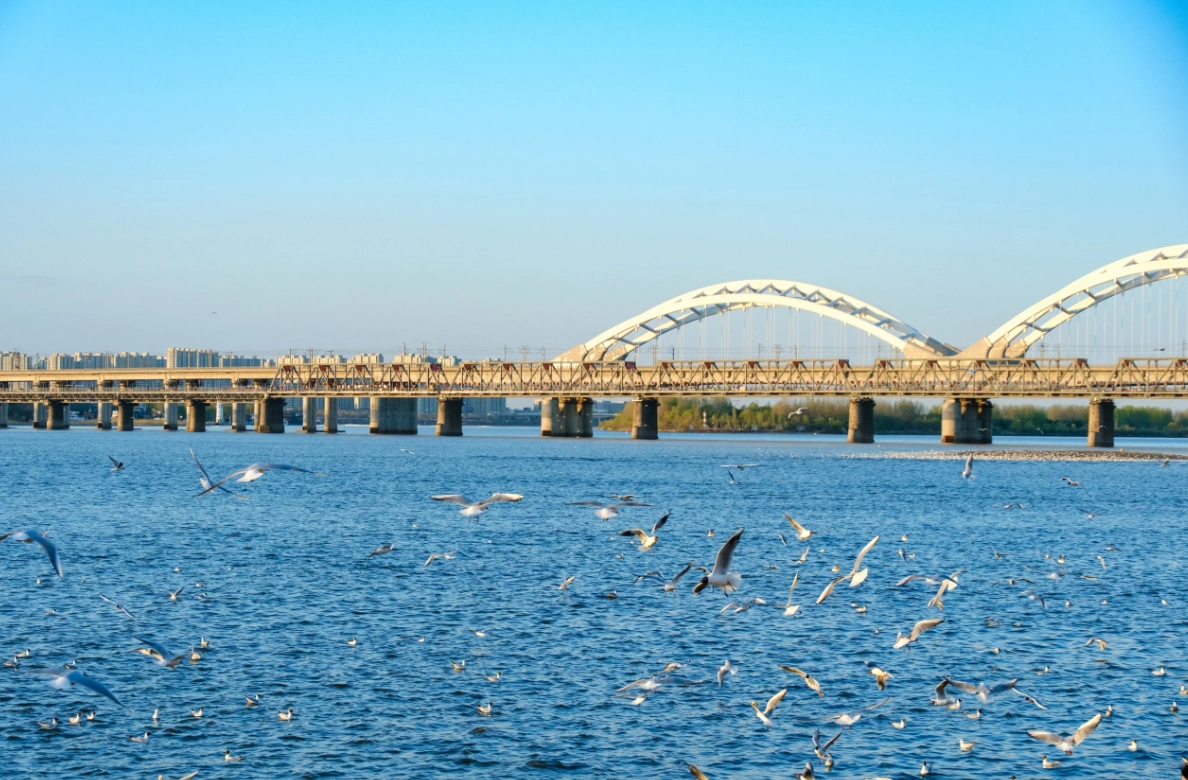
Central Street and the riverside, on foot
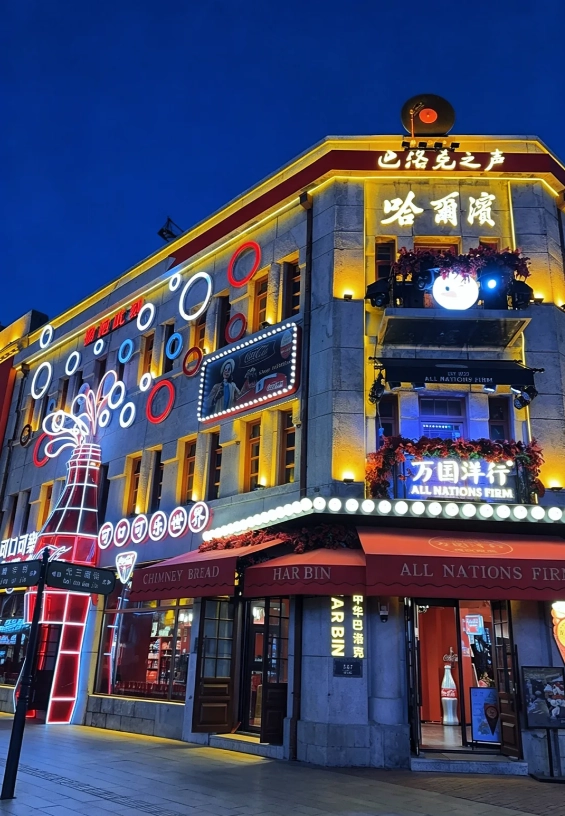
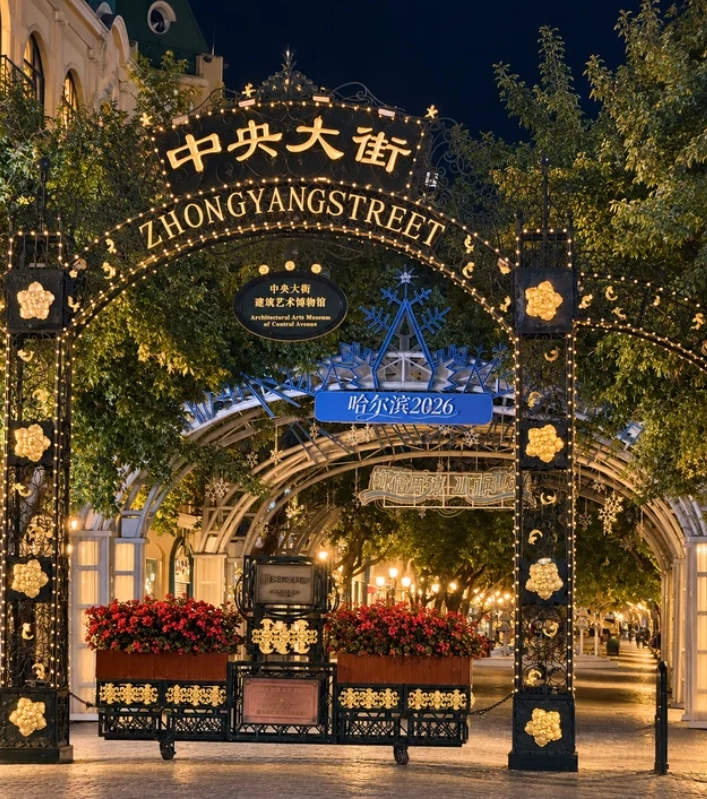
Central Street is free, pedestrian-only and paved with the original 1920s cobblestones. It runs roughly north to the Songhua River. Walk it in the morning if you want photographs without a hundred people in frame.
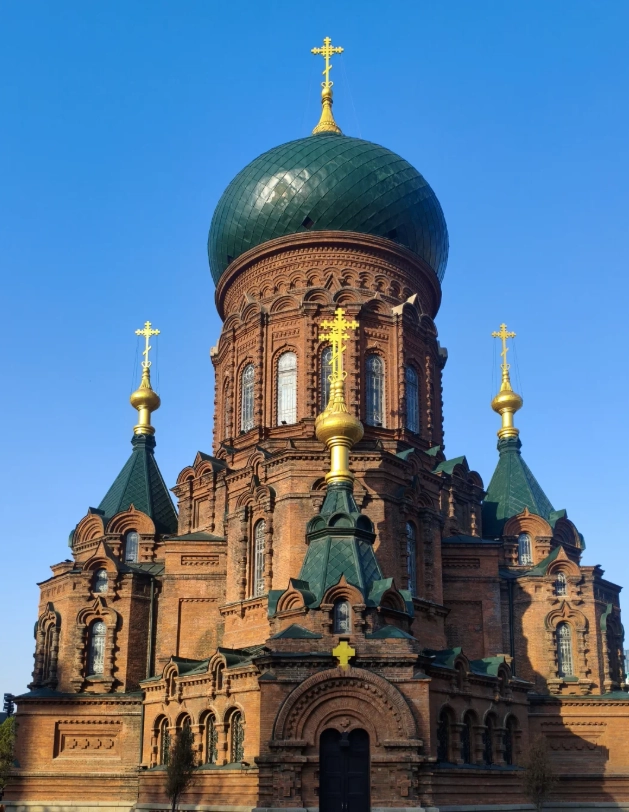
Saint Sophia Cathedral sits a short walk off Central Street. The exterior is free to view and honestly the best part. The interior is now an exhibition space with a modest entry fee in the region of 20 RMB. Go before 10 a.m. — tour buses arrive in waves after that, and the plaza fills up fast.
Sun Island sits across the river. You can take the cable car over the water or walk the old railway bridge, which has been converted into a pedestrian crossing and gives you the best free view in the city. Island entry runs around 30 RMB, with the cable car ticketed separately. In spring the island is quiet compared to winter, which is exactly why I like it then.
Insider Advice: The riverside wind in April is brutal. Locals wear a windproof shell over a sweater even on a sunny day. Tourists in hoodies regret it within twenty minutes.
Where to Stay in Harbin in Spring
Stay within walking distance of Central Street unless you have a specific reason not to.
| Area | Walkable To | Approx. Nightly Rate | Best For |
|---|---|---|---|
| Central Street / Daoli | Saint Sophia, riverside, most restaurants | 400–800 RMB mid-range | First-time visitors |
| Harbin Railway Station | Metro hub, rail connections | 200–400 RMB budget | One-night stopovers |
| Qunli New District | Modern malls, newer hotels | 700–1500 RMB upscale | Business travellers, families |
The Modern Hotel on Central Street is a genuine historic property — 1906 building, real character, and you are literally on the pedestrian street. The trade-off is noise; ask for a room away from the street side. The Shangri-La and Sofitel are the reliable upscale picks if you want guaranteed English-speaking front desk staff and consistent Wi-Fi.
Spring pricing sits well below the December-to-February peak, when the Ice and Snow World pushes rates through the roof. You are getting the same rooms for meaningfully less.
One practical note for guesthouses and smaller hotels: confirm luggage storage before you book, especially if you plan a side trip and want to leave a bag behind. Not all of them offer it, and the ones that do sometimes only hold bags during reception hours.
What to Eat in Heilongjiang in Spring
Harbin's food is heavy, sour, smoked and built for cold weather — and it tastes best when the weather is still cold.
That is actually an argument for coming in April rather than June. Dishes like iron pot stew and sauerkraut pork were designed for a chill in the air.
- Guo Bao Rou (锅包肉) — sweet-and-sour fried pork slices. This dish was invented in Harbin, and the local version is crisper and more vinegary than what you get elsewhere in China. Order it at any mid-sized local restaurant; expect 40–70 RMB per plate.
- Harbin red sausage (红肠) — smoked, garlicky, sold by weight. Buy it from a proper counter, not a tourist stall, and ask them to vacuum-seal it if you are taking it home.
- Modern ice pop (马迭尔冰棍) — sold on Central Street. Locals eat it in freezing weather. It costs a few RMB and it is a genuine local ritual, not a tourist trap.
- Tie Guo Dun (铁锅炖) — a big iron pot of stewed fish or chicken with vegetables and cornbread around the rim. Meant for two to four people. Roughly 80–150 RMB per person.
Old Chef (老厨家) near Central Street is one of the well-known names for Guo Bao Rou and has a long history in the city. It gets busy — expect a wait of around thirty minutes at peak dinner time on weekends. Menus usually have photos, which solves the language problem. Payment is overwhelmingly mobile; bring cash as backup and expect staff to look mildly surprised if you hand over a card.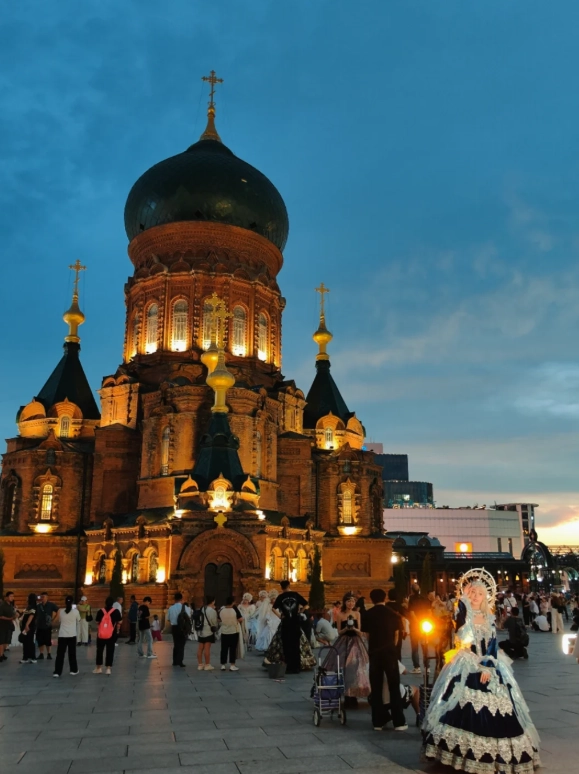
Pro Tip: If you have dietary restrictions, learn the phrase for your needs in Chinese characters and show it on your phone. Staff in Harbin are helpful, but English allergy vocabulary is rare outside international hotels.
Beyond Harbin: Three Spring Side Trips
Heilongjiang is enormous, and spring is the one season where the smaller destinations are genuinely comfortable.
Zhalong Nature Reserve, Qiqihar
Roughly two hours from Harbin by high-speed rail. This is red-crowned crane habitat, and the reserve runs scheduled release flights that let you see the birds up close. Entry is in the region of 50 RMB. Book rail through the official China Railway platform at 12306 or through Trip.com if the Chinese interface defeats you. Spring is a good window — fewer visitors than summer, and the birds are active.
Jingpo Lake, Mudanjiang
Around four to five hours by rail. Known for its waterfalls and the crater forest park nearby. Entry to the main scenic area runs around 100 RMB, with internal shuttle buses ticketed separately. Early May is when the ice finally clears, so timing matters. Check locally before committing to a day trip.
Wudalianchi Volcanic Field
About four hours by rail from Harbin. A UNESCO Global Geopark with volcanic cones, lava flows and mineral springs. Spring means fewer crowds and cool hiking weather. This one rewards an overnight stay — doing it as a day trip from Harbin is technically possible and completely exhausting.
Payments, Internet and Ticket Booking for Foreigners
Set up mobile payment before you fly. This is the single biggest practical barrier for foreign visitors in Heilongjiang.
Alipay and WeChat Pay both accept international cards now, but the setup is smoother when you do it from your home country rather than on airport Wi-Fi. Link your card, verify your identity, and test a small transaction before you travel.
- Cash: legally must be accepted, and it generally is, but small vendors may not have change. Carry small notes.
- Physical credit cards: accepted at international hotels and some larger restaurants. Nowhere else, realistically.
- Ticket booking: most major attractions in China now require real-name reservations, and your passport is the ID. Trip.com and Klook both handle this with English interfaces and are far easier than Chinese-language mini-programs.
- VPN: install and test it before departure. Google, Instagram and WhatsApp are not accessible without one.
- Maps: Google Maps is unreliable in mainland China. Apple Maps works reasonably well, and AMap has an English-friendly mode.
- Visa and entry rules: policies change frequently. Check the National Immigration Administration for current visa-free and transit arrangements before booking flights.
If you want to understand how the province's protected natural and cultural sites fit into China's wider heritage framework, the UNESCO World Heritage Centre is the reference point I send clients to.
Reality check: Navigating a Chinese-language booking mini-program is genuinely annoying, even for me after years here. Do not fight it alone. Hotel reception will almost always book on your behalf if you ask politely and show them the attraction name in Chinese characters.
Questions I Get Asked Every Single Spring
Does it still snow in Harbin in April?
It can, particularly in the first half of the month. I have seen a proper snowfall in mid-April that shut down outdoor plans for a day. Pack assuming snow is possible and you will be fine. What catches people out more is the meltwater refreezing overnight — the sidewalks get slicker than actual snow.
Can I still see the Ice and Snow World in spring?
No. It operates in winter and closes as temperatures rise, typically sometime in late February or early March depending on the year. If ice sculptures are the whole reason for your trip, come in January and accept the cold and the crowds. Do not book a spring trip expecting to see them.
How do I know when the lilacs will bloom?
Nobody can tell you precisely months in advance, because it depends on how cold the winter ran. Mid-May is the safest bet. Once you are in the city, ask at your hotel — locals track the bloom street by street, and the best clusters are often not in the famous parks but along ordinary residential roads.
Is Heilongjiang manageable without speaking Chinese?
In central Harbin, yes, with effort. Outside the city, less so. Download a translation app with offline Chinese support before you fly. Show written Chinese to taxi drivers rather than speaking English — it works far better than pronunciation attempts.
Is spring cheaper than winter in Harbin?
Substantially. The Ice and Snow World drives winter pricing to a peak, and spring sits well below it. You get the same hotels, shorter queues at restaurants, and a city that feels lived-in rather than mobbed.
This content has been fact-checked to ensure informational precision.





No comments yet.