 Gang Zheng
Minus 26. That is what my phone read at eight in the evening outside the Ice and Snow World. My client's eyelashes had frosted into tiny white hooks.
Four days earlier she landed in Dalian wearing a denim jacket. She thought northern China in winter was a marketing exaggeration. It is not.
I have run a Dalian to Heilongjiang itinerary with groups in every kind of weather, and the mistakes are almost identical every time. People book a flight to Harbin, skip Dalian entirely, then complain they are bored. People buy the wrong train ticket, get off at Harbin West, and hand a taxi driver ¥150 they did not need to spend. People keep their phone in an outer pocket and lose it to the cold before lunch.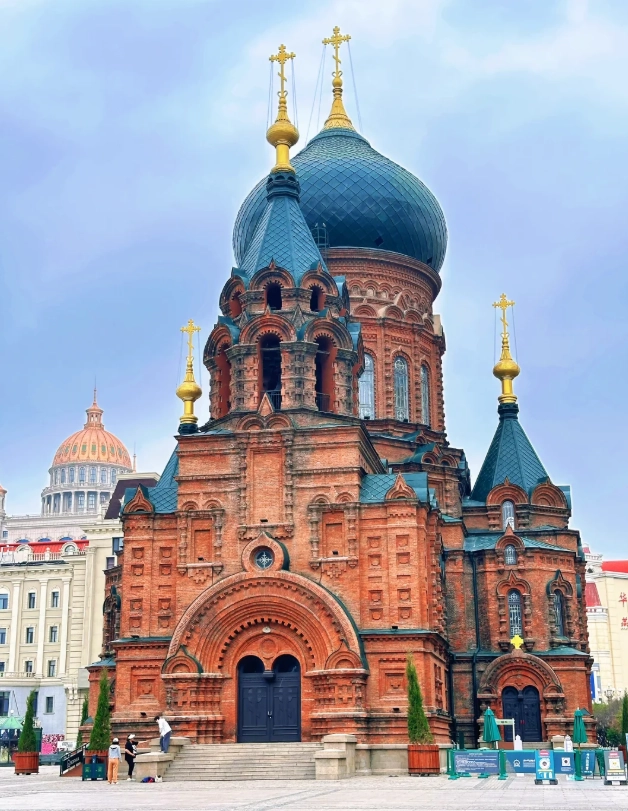
So here is the conclusion up front: ride the high-speed train from Dalian North to Harbin, spend one night's budget on the evening entry to Harbin Ice and Snow World, and treat Snow Town as optional rather than mandatory. Everything below is the logistics that makes that work.
Tap a section and jump straight there.
What Do You Want to Sort Out First?
- Dalian to Heilongjiang Itinerary at a Glance
- How Do You Get From Dalian to Heilongjiang?
- When Should You Start This Route?
- My 8-Day Itinerary, Day by Day
- What Does This Trip Cost?
- Where to Stay Along the Route
- What to Eat in Heilongjiang and Dalian
- Booking, Paying, and Navigating
- Cold-Weather Gear That Survives Minus 25
- Dalian to Heilongjiang Itinerary FAQ
Dalian to Heilongjiang Itinerary at a Glance
Most guides pad this part with fluff. Here is the skeleton, with the numbers you actually need to plan around.
| Stop | Nights | Getting There | Approx. Cost Per Person | Why Stop Here |
|---|---|---|---|---|
| Dalian | 2 | Fly or train in from your gateway city | Hotel ¥300–600 per night | Mild winter, seafood, easy first 48 hours |
| Harbin | 2 | High-speed rail from Dalian North, roughly four hours | Second class ¥400–500 | Ice and Snow World, Central Street, St. Sophia |
| Yabuli | 1 | High-speed rail from Harbin, 70–90 minutes | Lift pass and rental ¥500–900 | Largest ski terrain in China |
| Erlanghe or Snow Town | 1 | Road transfer from Yabuli or Mudanjiang | Entrance ¥100–150 | The snow-mushroom villages you have seen online |
| Mohe — optional | 2–3 | Overnight train or short flight from Harbin | Flight ¥600–1200 | China's northernmost point, extreme cold |
Every price here is a planning range rather than a quote. Winter peak in Heilongjiang behaves like a completely different market from October, and the ice festival window moves each season.
The core loop — Dalian, Harbin, Yabuli, one snow village — fits comfortably into eight days. Add Mohe and you are looking at eleven or twelve, plus a lot of sitting on trains.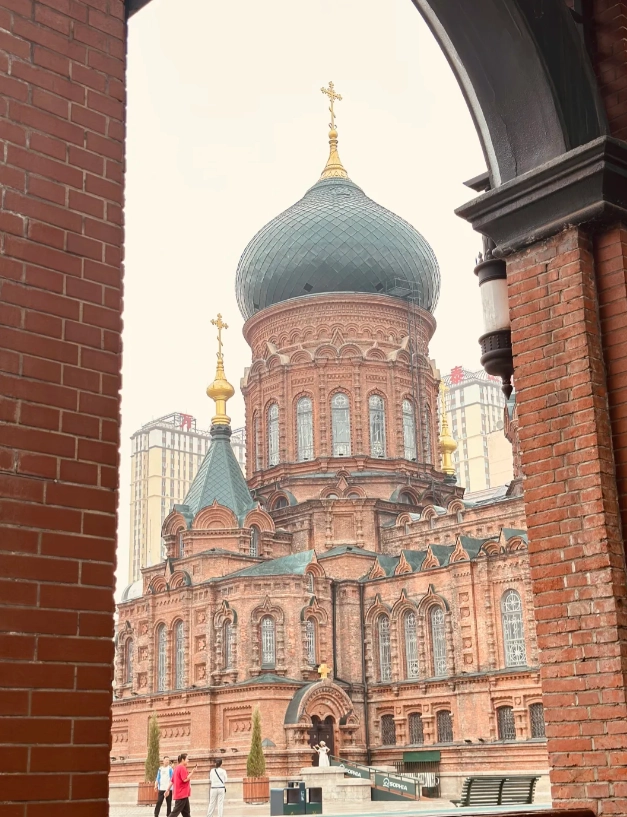
How Do You Get From Dalian to Heilongjiang?
Three realistic options exist. One of them is right for about 80 percent of travellers.
The High-Speed Train From Dalian North
The high-speed rail link from Dalian North to Harbin is the backbone of this route, and it is the reason I rarely put clients on a plane between these two cities. The fastest G trains cover the distance in roughly four hours, with the slower services closer to five.
You depart from Dalian North Railway Station, about 20 kilometres north of the downtown core. A DiDi or taxi from Zhongshan Square takes 30 to 45 minutes in traffic and runs somewhere in the ¥50–80 range. Add a full hour of buffer on your first attempt — the security and ticket-check queues at Dalian North are genuinely slow, and nobody moves fast when everyone is wearing three layers.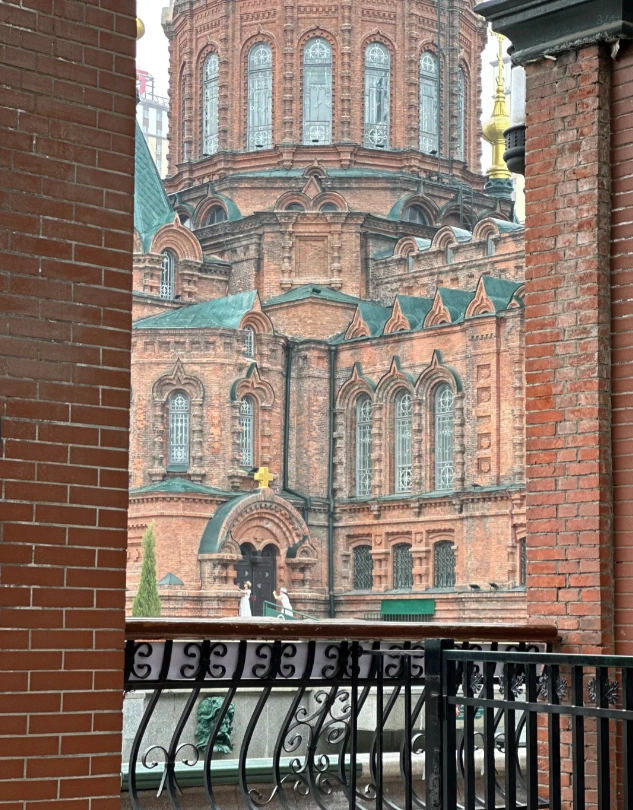
Book through China Railway 12306, which runs an English site and app, or through Trip.com if you would rather pay a small service fee and skip the friction. The 12306 passport verification step is the part that frustrates people, so start it a couple of days before you need the ticket.
Two things bite travellers here. First, not every train ends at the same station in Harbin. Harbin West is the big modern hub, 25 to 35 minutes from Central Street by taxi. Harbin Station is the older central one and much closer to where you actually want to sleep. Check your arrival station before you book the hotel. Second, your passport is your ticket. You scan it at the gate — there is no paper ticket to collect, and no way in without the physical document.
If you want to break the journey, Shenyang sits roughly halfway and is worth a night for the imperial palace and the tomato-ketchup version of guo bao rou that Liaoning locals defend fiercely.
Flying From Dalian Zhoushuizi to Harbin Taiping
Flying saves you about two hours once you count airport time, and winter weather eats that advantage regularly. The hop from Dalian Zhoushuizi to Harbin Taiping takes around 1 hour 40 minutes. Off-peak fares can drop below ¥400; during the festival peak they climb fast.
Harbin Taiping sits roughly 35 kilometres from the centre. Airport buses run into town and a taxi is typically ¥100–150. If you must fly, book a morning departure. I have watched too many afternoon flights slide three hours because of de-icing and snow clearing.
Driving and Long-Distance Coaches
Do not self-drive this route in winter unless you hold a Chinese licence and have real ice-driving experience. Dalian to Harbin is roughly 950 kilometres of highway, and foreign visitors cannot simply rent a car and go — you need a temporary Chinese driving permit, which most travellers do not want to spend a day arranging.
Long-distance coaches exist and are cheap, but a winter breakdown on the highway is not how you want to spend a holiday. Skip them.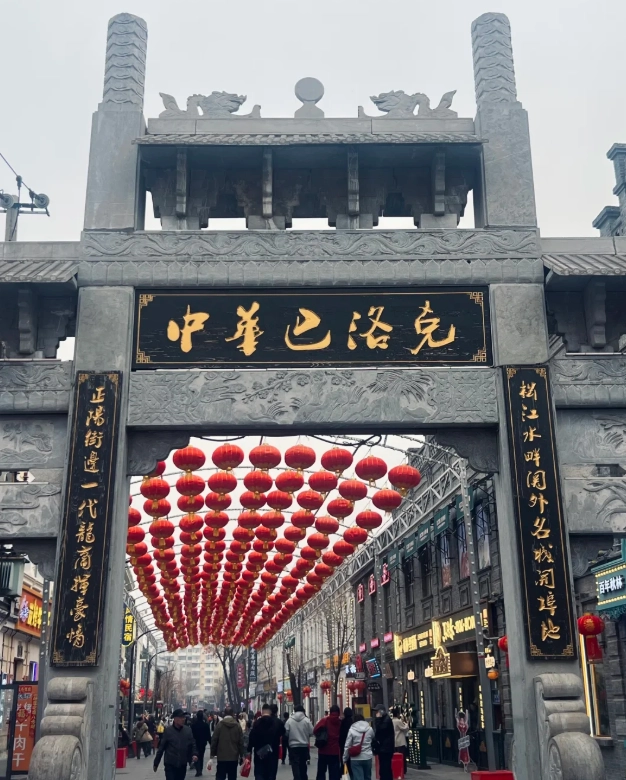
When Should You Start a Dalian to Heilongjiang Itinerary?
Your window is narrower than you think, and the most common booking error is arriving too early or too late. Harbin Ice and Snow World opens in late December and runs until the ice softens, usually late February or early March. The exact dates are announced each season, so confirm the official channel before you lock in flights.
Early to mid January is the sweet spot for sculpture quality. The ice is freshly cut, the structures are sharp, and the light is crisp. It is also brutally cold — think minus 20 to minus 30 in the evenings.
Now the part most guides get wrong. Chinese New Year week is the worst time to come. Domestic tourism peaks, hotel prices double or triple, and the queue at the Ice and Snow World entrance can eat two hours of your evening. I have stood in that line. It is not fun.
Late February is underrated but risky. Crowds thin and prices drop, but warm days can close parts of the park early. If you gamble on late February, treat the ice festival as a bonus rather than the reason for the trip.
One more thing nobody mentions: Dalian in December sits around freezing, which is ten to twenty degrees warmer than Harbin. Use it as an acclimatisation stop. Doing Dalian first and Harbin second is physically far easier than the reverse.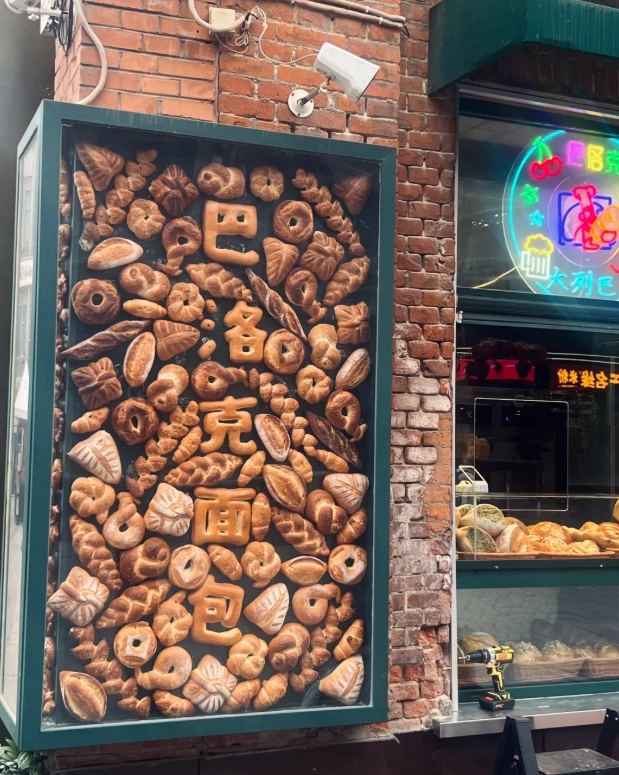
My 8-Day Dalian to Heilongjiang Itinerary, Day by Day
This is the version I run with clients. The times are real departure and arrival times, not aspirational ones.
Days 1 and 2 — Dalian: Warm-Up, Seafood, and Sea Air
Two nights in Dalian is enough to reset your body clock and eat your weight in shellfish.
Day one, land at Zhoushuizi and take a DiDi to a hotel near Zhongshan Square or along the Russian Street strip. Walk the Donggang waterfront at dusk. The old Russian-built facades on Tuanjie Street take twenty minutes and are honestly a bit theme-park now — go for the photos, not for history.
Day two belongs to the coast. Xinghai Square in the morning, Bangchui Island next, then a late seafood lunch. My usual order: grilled scallops, sea urchin, and a plate of menzi, a chewy fried sweet potato starch cube with sesame paste and garlic. It sounds odd. It is excellent.
Budget ¥40–80 per person for a solid casual meal, and ¥150 and up if you go hard on sea urchin and crab.
Days 3 and 4 — Harbin: Ice by Night, Snow by Day
Take the morning train so you arrive with the whole afternoon and evening ahead of you.
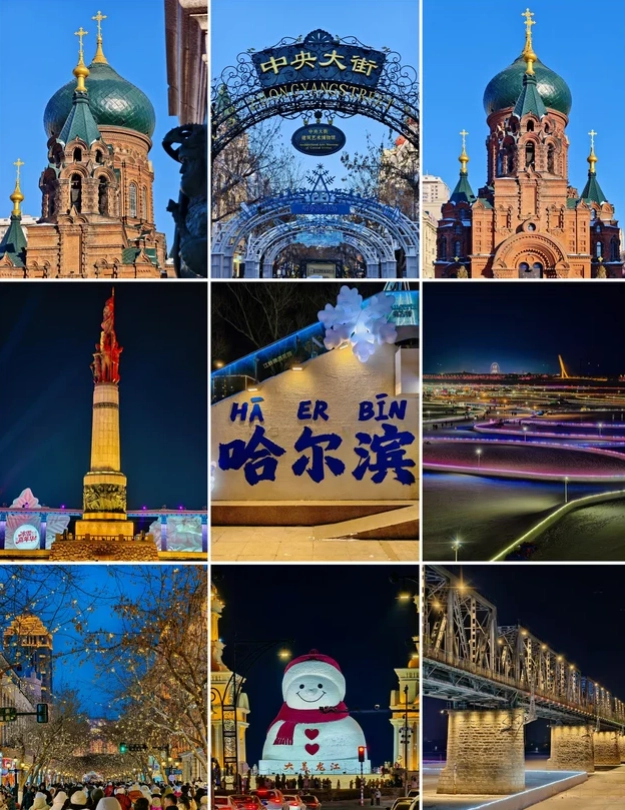
A realistic day three: leave the hotel at 07:30, reach Dalian North by 08:30, board a train around 09:00, and arrive in Harbin early afternoon. Drop your bags, then walk Central Street from the south end toward the river. It is 1.4 kilometres of cobblestone and European facades built by Russian settlers, and it is genuinely pleasant once the tour groups thin after 20:00.
St. Sophia Cathedral is a short walk off Central Street. The exterior is free and the plaza is the shot everyone wants. There is a small fee for the interior, now a photography museum — go in only if the building's history interests you. For a sense of scale before you arrive, National Geographic has documented the Harbin ice festival for years.
Here is the tip I give every client: shoot St. Sophia in the morning. After about 14:00 the sun swings behind the building and you get flat, backlit photos with a crowd in the frame. By 09:00 you can have the plaza almost to yourself.
Day four splits into day and night. Morning and early afternoon at the Sun Island snow sculpture expo on the north bank of the Songhua. Mid-afternoon back to the hotel to warm up — this is not optional, your body needs it. Then out again around 16:30 for the main event.
Pro Tip: Arrive at Harbin Ice and Snow World between 15:30 and 16:00. You get daylight on the sculptures, then the switch to coloured lights at dusk, and you dodge the 17:00 to 19:00 entrance crush. Adult tickets generally sit in the ¥300–400 band and shift by season, so confirm at the time of booking. Buy through the official mini-program if you read Chinese, or Trip.com if you do not.
Wear more than you think you need. Standing still on ice for four hours at minus 25 is a completely different experience from walking at minus 25.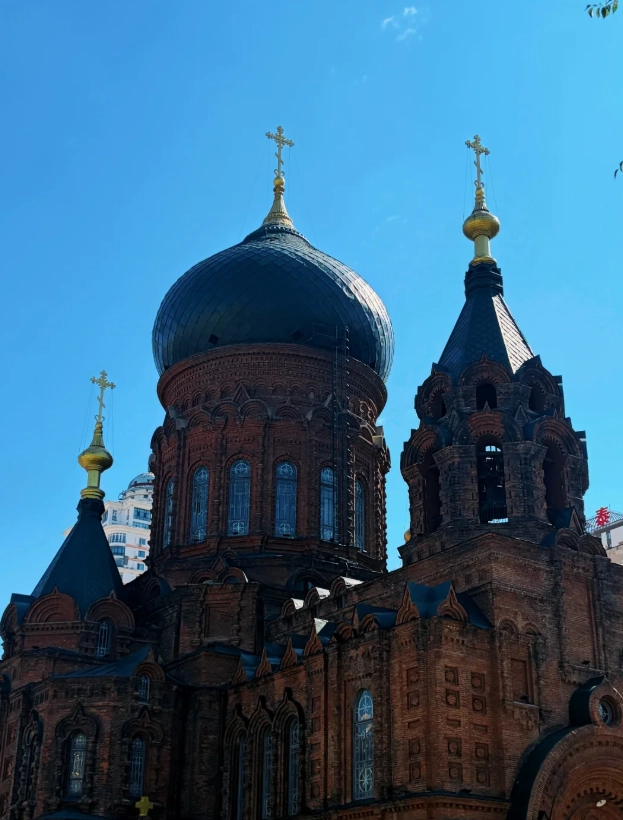
Day 5 — Yabuli: Skiing Where the Locals Actually Go
Yabuli is the biggest ski area in China, and it is also where I see the most mismatched expectations.
The high-speed train from Harbin to Yabuli West takes roughly 70 to 90 minutes. From the station, shuttle buses and hotel vans run to the resort clusters. Note that Yabuli is not one resort but several separate mountains spread along a valley, and where you sleep determines which lifts you reach on foot. Ask before you book.
A lift pass plus rental typically lands between ¥500 and ¥900 for a day depending on the package. Intermediates get the most out of it. Genuine beginners will find the teaching terrain limited and lessons expensive — if you have never skied, Harbin's indoor snow slope is a cheaper place to find out whether you even like it.
Conditions are often hard and icy rather than powdery. That is normal for northern China. Do not expect Japanese powder.
Days 6 and 7 — Erlanghe or Snow Town: Pick One
Snow Town, known locally as Xuexiang, is the postcard you have seen, and it is also the most commercialised stop on this route. Decide with open eyes.
Entrance plus the shuttle bus generally runs ¥100–150. Guesthouses with heated kang beds go for roughly ¥300–800 in peak season. The snow is real and the density is remarkable — this valley catches moisture off the Sea of Japan and builds roof caps that look engineered.
What nobody tells you is that plenty of travellers come away annoyed. Prices inside the village are high, the photo spots are crowded by 09:00, and the whole place feels staged.
My honest alternative: Erlanghe, about 40 minutes away. Same snow, a fraction of the crowd, cheaper guesthouses, and locals who will actually talk to you over dinner. If you want the famous sign and the drone shot, do Snow Town. If you want the experience, do Erlanghe.
Get up for sunrise either way. Between 06:30 and 08:00 the chimney smoke catches the light and the tour buses have not arrived. That is the best hour of the entire trip.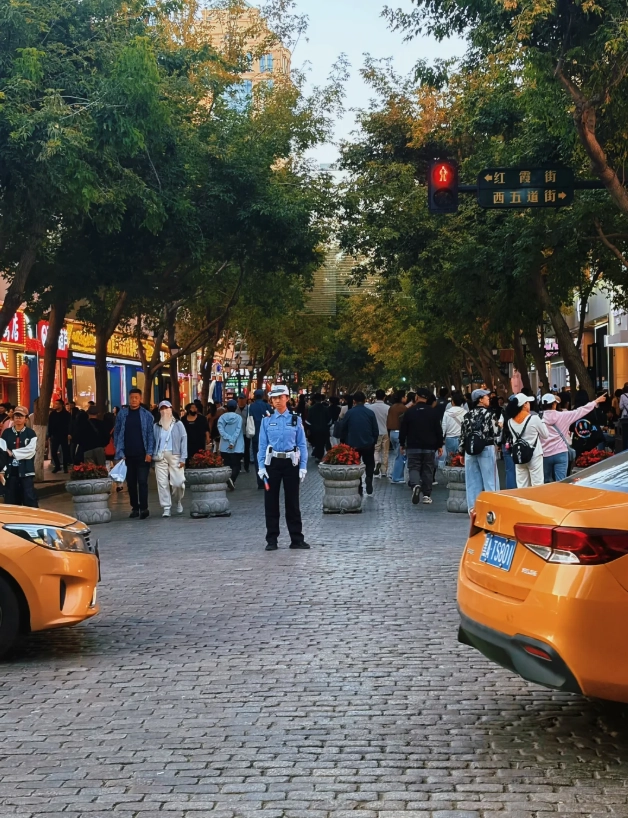
Day 8 — A Deliberate Buffer Day in Harbin
Build in a buffer day. Something will run late — a train, a transfer, a snowstorm.
Spend it in Harbin. The Heilongjiang Provincial Museum is free and warm. The Harbin Grand Theatre is worth a look even from the outside. Central Street has enough coffee shops to hide in for an afternoon. If the cold has beaten you, the indoor ski slope will remind you what feeling in your fingers is like.
Fly out of Harbin Taiping or continue by train. Do not book a tight connection on the same day as your Yabuli or Snow Town transfer.
What Does a Dalian to Heilongjiang Itinerary Cost?
These are planning ranges, not quotes. Harbin in peak winter and Harbin in October are effectively two different cities with two different price lists.
| Item | Typical Range | Notes |
|---|---|---|
| Dalian North to Harbin West, second class | ¥400–500 | First class roughly 60 percent more |
| Dalian to Harbin flight | ¥300–800 | 1 hour 40 minutes, morning departures safer |
| Harbin to Yabuli West, second class | ¥50–100 | 70 to 90 minutes |
| Yabuli lift pass and rental | ¥500–900 | Lessons cost extra |
| Ice and Snow World night ticket | ¥300–400 | Varies by season and weekday |
| Sun Island snow sculpture expo | ¥200–300 | Daytime only, separate from the ice park |
| Snow Town entrance and shuttle | ¥100–150 | Accommodation is the bigger cost |
| Mid-range hotel, winter peak | ¥500–900 per night | Doubles around Chinese New Year |
| Casual meal | ¥20–40 | Noodles, dumplings, street skewers |
| Sit-down dinner | ¥60–120 | Iron pot stew shared between three or four |
A comfortable eight-day version, excluding international flights, lands somewhere between ¥7,000 and ¥12,000 per person. A shoestring version with hostels and second-class trains costs noticeably less. The single biggest variable is Harbin hotel pricing during peak week, and it is not close.
Where to Stay on a Dalian to Heilongjiang Itinerary
| Area | Property Type | Winter Peak Per Night | Best For |
|---|---|---|---|
| Dalian, Zhongshan Square area | Mid-range business hotels | ¥300–600 | First-timers who want walkability |
| Dalian, Xinghai Square | Sea-view hotels | ¥400–800 | Couples, slower pace |
| Harbin, Central Street | Historic and boutique hotels | ¥600–1200 | Anyone who wants to walk to everything |
| Harbin, Sun Island side | Modern chain hotels | ¥400–900 | Families doing the ice park twice |
| Yabuli | Resort hotels and club resorts | ¥1000–2500 | Skiers who want gear storage and shuttle service |
| Snow Town or Erlanghe | Family guesthouses with kang beds | ¥300–800 | Snow photography and village atmosphere |
The most common hotel problem for foreign travellers in Heilongjiang is not price — it is acceptance. A minority of budget Chinese hotels still decline foreign guests, even though the rules have loosened. Filter for properties that accept foreign guests on Trip.com, or stick with international chains and larger domestic brands. If you book direct, send a message asking whether they register foreign passports. It takes two minutes and saves an argument at midnight.
Two more practical notes. Harbin's Central Street hotels sell out six to eight weeks ahead for peak winter, so book early and pay the flexible rate if your dates are soft. And guesthouses in Erlanghe and Snow Town almost always store luggage for free, which matters if you are heading onward by train.
What to Eat in Heilongjiang and Dalian
Heilongjiang food is heavier, sourer and sweeter than what you get in Beijing, and that is exactly why it works in winter.
Guo bao rou is the dish to order first. In Harbin it comes in a proper sweet-and-sour sauce; in Shenyang they use tomato ketchup. Do not start that argument with a Liaoning local.
Red sausage, hong chang, is sold by weight at the old state-run shops along Central Street. Buy 200 grams and eat it cold while walking. Madieer, the ice cream brand on Central Street with a shop around number 89, serves a brick of vanilla that people queue for at minus 25. Eat it outside. It does not melt.
Tie guo dun, the iron pot stew, is the meal to share. One pot with cornbread pressed around the rim feeds three or four people, and the whole table usually comes in around ¥150–250. Order the pork ribs with green beans rather than the fish.
For Russian food, the old kitchens tucked just off Central Street serve borscht and beef stroganoff in rooms that have barely changed. The food is decent rather than great. You are paying for the room.
In Dalian, eat seafood and skip everything else. Sea urchin, grilled scallops, menzi.
On ratings: use Dianping, the Chinese review app, rather than Google. Google reviews in Harbin are thin and skewed toward the two or three places that cater to foreigners. A 4.5 or above on Dianping with hundreds of reviews is the real signal. Addresses in Harbin are also genuinely confusing because street names repeat across districts, so save the pin rather than the text.
Payment is straightforward now. Alipay and WeChat Pay both link to international cards, and most sit-down restaurants accept them. Cash is legally required to be accepted in China, but small vendors will sometimes claim they have no change — keep a few small notes on you.
Booking, Paying, and Navigating: The Part Nobody Enjoys
Read this section even if you skip everything else, because this is where trips actually break.
Entry rules: check the National Immigration Administration before you book flights. Visa-free arrangements for many nationalities have expanded in recent years, but they change and they carry conditions on length of stay and permitted regions. Do not rely on a blog post — including this one — for something that can get you turned around at the border.
Trains: book on China Railway 12306 or Trip.com, and enter your passport number exactly as printed.
Maps: Google Maps is unreliable in mainland China. It loads, then it lies. Use Apple Maps for walking and metro directions in English, or Amap for accuracy if you can handle a Chinese interface. Save your hotel name and address in Chinese characters to show drivers.
Internet: install a VPN before you arrive, not after. You cannot download one from inside the country.
Language: Apple Translate with the offline Chinese pack handles menus fine. Baidu Translate reads signs from photos. Neither will help you argue about a train ticket, so keep screenshots of every booking.
And the small thing that catches everyone: hotel rooms in Heilongjiang are heated to around 24 degrees. Bring a t-shirt. You will sleep in it.
Cold-Weather Gear That Survives Minus 25
You do not need expedition gear. You need layers, and you need to stop wearing boots that are too tight.
- Base layer — merino or synthetic thermal top and bottoms. Cotton is a mistake; it holds sweat and then freezes against you.
- Mid layer — fleece or a thin down jacket.
- Outer layer — windproof shell with a hood that fits over a hat.
- Feet — insulated boots with room for a thick sock plus a liner. If your toes touch the front, they will be cold within an hour no matter what the boot rating says.
- Hands — mittens over thin liner gloves. Touchscreen gloves are useless at these temperatures.
- Face — a balaclava or neck gaiter. Ski goggles help enormously on windy days along the Songhua.
- Heat packs — buy them in any Harbin convenience store. Cheap, everywhere, and they save your phone as well as your fingers.
Phones die fast. Below about minus 15, a phone at 30 percent will simply shut down. Keep it in an inner pocket against your body and carry a power bank in the same place.
Cameras fog when you walk from minus 25 into a heated lobby. Put the camera in a sealed plastic bag before you go inside and let it warm up slowly. Otherwise you will be wiping condensation off the lens for the rest of the trip.
Dalian to Heilongjiang Itinerary FAQ
Can I do a Dalian to Heilongjiang itinerary without speaking any Mandarin?
Plan around it and you will be fine. Train stations, airports and large Harbin hotels have enough English signage to get by. What trips people up is the small stuff — a guesthouse in Erlanghe, a taxi driver who wants a landmark rather than an address, a restaurant with a handwritten menu. Save your destinations in Chinese characters, install an offline translation pack, and accept that a few conversations will be resolved by pointing at a screen. I have watched travellers have a perfectly good two-week trip with about thirty words of Chinese.
Is the Harbin Ice and Snow World ticket worth it, or should that money go to Yabuli instead?
They are different purchases and I would not cut either if you have the days. The ice park is a two-to-four-hour visual experience that exists in one place on earth. Yabuli is a ski day, and you can ski in a dozen countries. If you genuinely have to choose, take the ice park — and buy the evening entry rather than the daytime one, on a weekday if your schedule allows.
How do I book Dalian to Harbin train tickets as a foreign passport holder?
Use the official 12306 platform or Trip.com. The English interface on 12306 works, but identity verification with a foreign passport is the step that frustrates people, so start it a couple of days before you need the ticket. Trip.com charges a small booking fee and handles most of the friction. Whichever route you take, your passport is your boarding document. Scan it at the gate, keep it in your hand rather than your bag, and be at the station forty minutes before departure.
What happens if I get frostbite or fall sick in Heilongjiang?
Harbin has large, well-equipped hospitals and the city deals with cold-weather injuries every winter. The emergency number is 120. The practical obstacle is language — bring a translation app, your insurance details, and expect to pay upfront and claim later. Frostbite shows up as white, waxy skin that feels numb rather than painful. The mistake people make is rubbing it or putting it in hot water. Warm it gradually with body heat and get indoors. Buy travel insurance that explicitly covers winter sports before you fly, because a standard policy will not cover a ski injury.
Should I add Mohe to my Heilongjiang itinerary?
Only if you are chasing extreme cold as an experience in itself. Mohe is China's northernmost point and drops to minus 40 in deep winter. Getting there from Harbin means a long overnight train or a short flight, plus two or three extra days. Here is the part the marketing leaves out — the aurora sightings that made Mohe famous are genuinely rare, and most visitors never see one. Go for the frozen rivers, the northernmost-point marker and the bragging rights. Do not go expecting the northern lights.
Verified and fact-checked by the editorial team.





No comments yet.