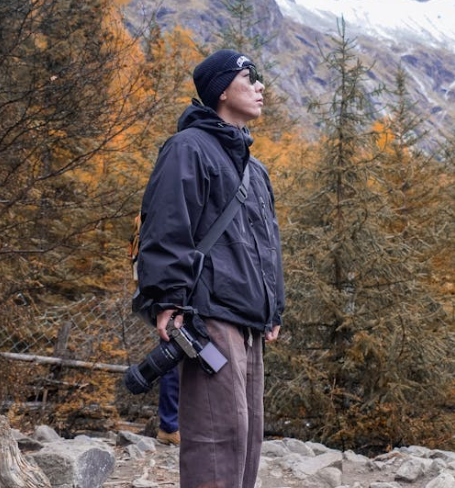
 Gang Zheng
Read This First — My Quick Route Map
- What Makes Heilongjiang Different From Anywhere Else in China?
- How to Get Into Heilongjiang
- How to Get Around Heilongjiang
- Harbin as Base Camp: A 3-Day Plan
- Going North: Yabuli, China Snow Town, and Mohe
- What Is the Best Time to Travel Around Heilongjiang?
- Where to Stay in Heilongjiang
- What to Eat in Heilongjiang
- Payments, Apps, and Cold-Weather Pitfalls
- Questions I Get Asked Every Single Winter
Minus 27. My eyelashes froze shut every time I blinked.
That was Harbin, my first winter guiding up here, and I had already blown it twice. I booked a hotel on the wrong bank of the Songhua River. Then I trusted Google Maps to walk me to Central Street, which dragged me two blocks in the wrong direction for twenty minutes while my toes quietly went numb.
Learning how to travel around Heilongjiang the hard way taught me something the brochures skip entirely. This province is not a place you wander. It is a place you route.
Every January I watch foreign visitors land in Harbin clutching the same screenshot — a five-day plan that chains Ice and Snow World, Yabuli, China Snow Town and Mohe into one week. They finish it half-frozen and furious at whoever wrote it.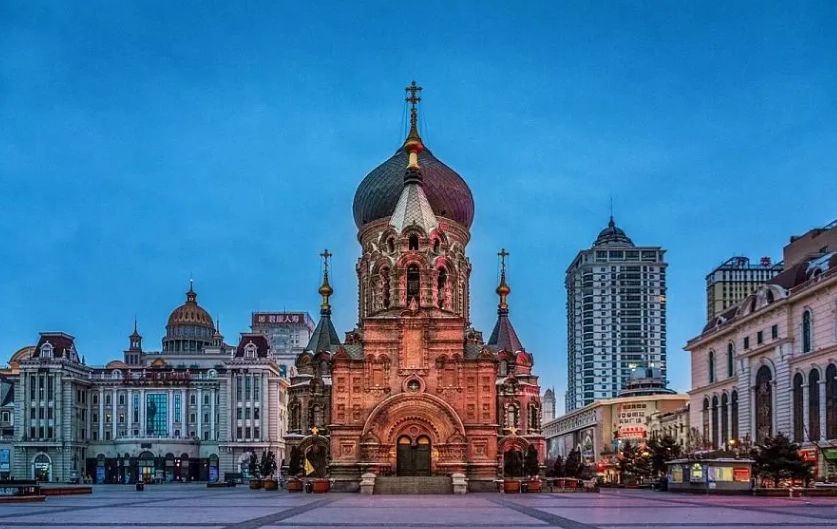
So here is my conclusion before you read anything else. Sleep in Harbin. Move by high-speed rail. Book Ice and Snow World the day your flight is confirmed, not the day you land. And walk into the ice park at 3 p.m. instead of 10 a.m. That single timing change is worth more than any packing list you'll find online.
What Makes Heilongjiang Different From Anywhere Else in China?
Heilongjiang is roughly the size of Sweden, parked in China's far northeast corner, sharing a long border with Russia along the Heilong River — the Amur, if you grew up reading Russian maps.
Harbin sits at about 45 degrees north, the same latitude as Milan, but it is brutally colder because nothing stands between the city and the Siberian air. January days hover between minus 15 and minus 25 Celsius. Nights drop lower. I have guided groups where the thermometer read minus 32 at breakfast and nobody even mentioned it.
Two consequences shape your whole trip. Distances are enormous — Harbin to Mohe is well over 800 kilometers straight north. And winter daylight is short. Sunset in Harbin in late December lands around 4 p.m., and Mohe gets closer to seven hours of usable light. Any itinerary that ignores daylight is a bad itinerary.
There's a cultural layer most first-timers miss too. Harbin was shaped by Russian engineers and Jewish merchants who built the China Eastern Railway, which is why you'll find onion domes, a Baroque shopping street, and dark rye bread within a few blocks of each other. Treat that as your sightseeing spine.
How to Get Into Heilongjiang
Almost everyone enters through Harbin Taiping International Airport, and almost everyone connects through Beijing, Shanghai, or Guangzhou first. Direct international routes exist but they are thin and they shift with the season.
If you're already somewhere in China, the train is the better answer. High-speed rail from Beijing to Harbin West runs around five to six hours. From Shenyang it's roughly two. From Dalian, about three. If your time is tight, flying still wins.
Visa rules are where people get caught out. China has been expanding visa-free entry and visa-free transit quickly, and the transit scheme now stretches to 240 hours at a long and growing list of ports. Rather than trust a blog post, verify it at the National Immigration Administration, www.nia.gov.cn, before you book anything non-refundable.
Land crossings with Russia exist at Heihe and Suifenhe, but they aren't tourist shortcuts. Plan on flying or riding the rail.
How to Get Around Heilongjiang
The high-speed rail network is the single best thing about traveling this province, and it has quietly turned Yabuli and Mudanjiang into easy trips from Harbin. Buses are slower and far less predictable once snow hits. Renting a car sounds romantic right up until you meet black ice on a mountain road at dusk.
| Route | Best Option | Approx. Time | Est. Cost | Notes for Foreigners |
|---|---|---|---|---|
| Taiping Airport to Central Street | DiDi or metered taxi | 40–60 min | Low hundreds of RMB | Ignore drivers calling at you inside arrivals; order through the DiDi tab in Alipay |
| Harbin to Yabuli West | High-speed rail | 1.5–2 hr | Budget a few dozen RMB | Book 2–3 days ahead; Saturday morning trains sell out |
| Harbin to Mudanjiang | High-speed rail | 1.5–2 hr | Under 200 RMB | Gateway to China Snow Town; onward shuttle adds 2–3 hr |
| Harbin to Mohe | Flight or overnight train | About 2 hr by air, most of a day by rail | Varies widely | Winter flights cancel in snow; keep a buffer day |
| Harbin to Qiqihar | High-speed rail | About 2 hr | Under 150 RMB | Easy day trip; Zhalong wetland is the draw |
Read that table for the numbers. What it can't tell you is how the stations actually feel at 6 a.m. in January, or why the ticket gates behave differently for foreign passports.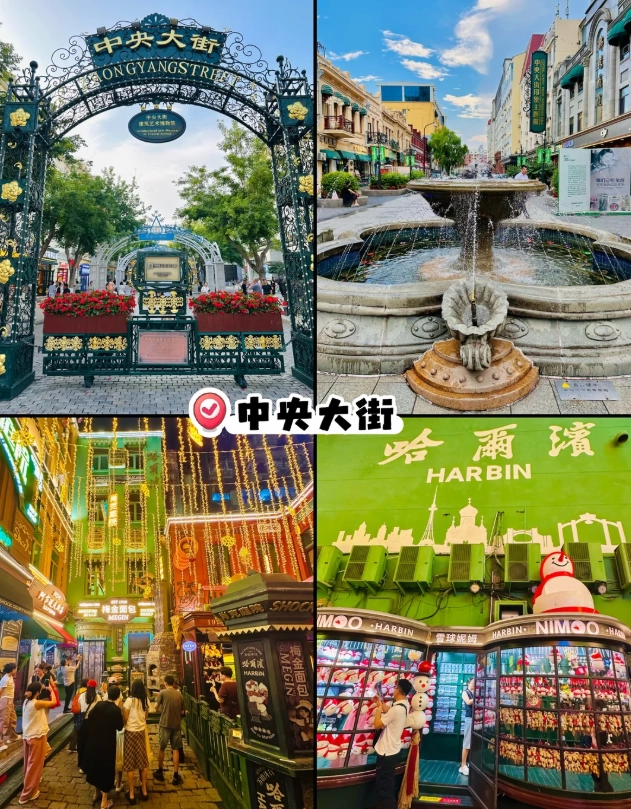
Booking Train Tickets as a Foreigner
The official channel is 12306, and it has an English interface that accepts passport numbers. You'll find it at www.12306.cn, and the app works fine once your registration goes through.
- Enter your passport number exactly as printed, including any middle names.
- Book two to three days ahead for weekend routes — Harbin to Yabuli on a Saturday morning disappears fast.
- At the station, foreign passports usually need the manual lane beside the automated gates. Add ten minutes.
- Security lines at Harbin West and Harbin Station crawl on Sunday evenings. Arrive 40 minutes early, not 15.
Now, let me save you some money. If the 12306 registration page fights you, Trip.com sells the same seats with a small booking fee and English support. I use 12306 for myself and Trip.com for clients who don't want to think about it.
DiDi, Taxis, and the Harbin Metro
Harbin Metro Line 2 is your secret weapon — it links the railway station, Central Street, Sun Island, and the Ice and Snow World gate in one straight shot. A ride costs a couple of RMB, and it runs late enough for the ice park crowd.
For everything else, use DiDi through the Alipay mini-program. You get a metered price, no haggling, and a driver who follows the map. Have your destination written in Chinese characters on your screen so you can show it at pickup.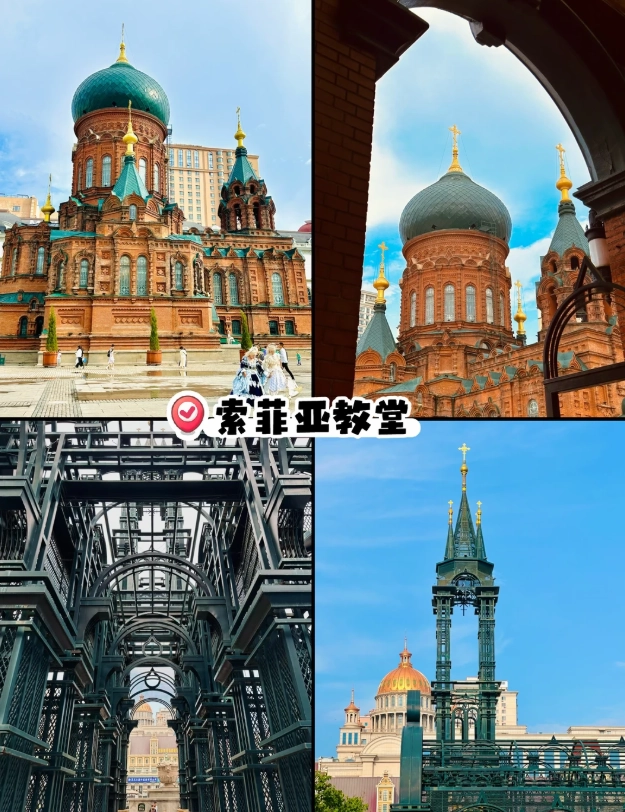
Pro Tip: At Harbin Station, ignore anyone who approaches you inside the concourse offering a taxi. Walk outside and request a DiDi from the designated pickup zone. The people who follow you to the curb are not metered drivers.
Harbin as Base Camp: A 3-Day Plan That Doesn't Burn You Out
Harbin deserves three days, and the order matters more than the list. Do the outdoor ice park on your second evening, not your first. Jet lag plus minus 25 is a miserable combination, and you'll cut the night short.
Day 1 — Central Street, Saint Sophia, and the Frozen River
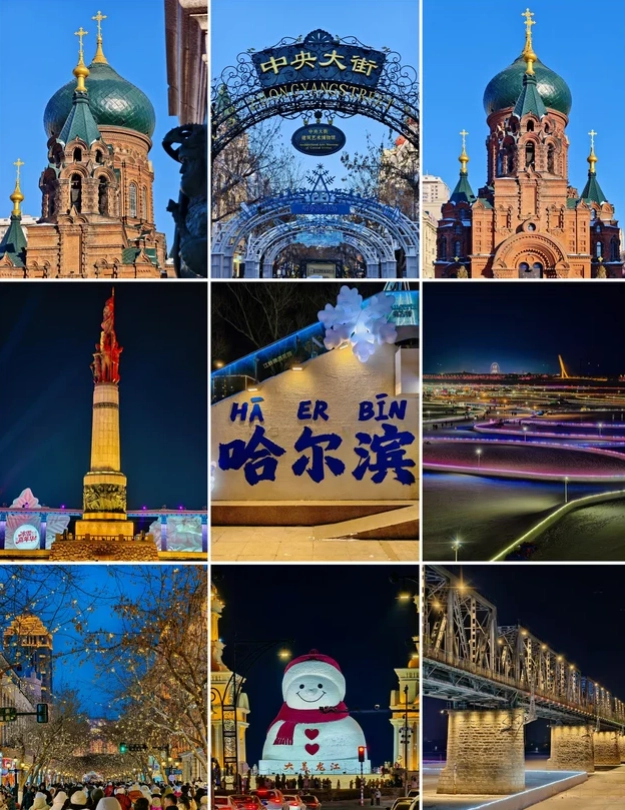
Start at Saint Sophia Cathedral around 8:30 a.m., before the tour groups and the photo shoots arrive. The square outside is free and open around the clock. The interior opens intermittently as a small gallery, so don't build your morning around getting inside.
From there, walk the length of Central Street — Zhongyang Dajie — toward the river. It's a pedestrian avenue of early-20th-century facades, about 1.4 kilometers end to end, free, and open all hours. I always tell my clients to walk it once at 8 a.m. when it's nearly empty, and again after dark when the ice carvings light up.
Lunch on the street: Madieer ice cream eaten outdoors at minus 20, Harbin red sausage, and a slab of the big Russian rye bread locals call da lie ba. It sounds like a gimmick. It isn't.
The afternoon belongs to the Songhua River, frozen solid and turned into a rough playground of sleds and spinning tops. For dinner, head to the Laodaowai district for the old Chinese-Baroque lanes and a proper iron pot stew.
Day 2 — Ice and Snow World, Timed Properly
Arrive between 2:30 and 3 p.m. You get the sculptures in daylight, then you watch the entire park switch on as the sun drops. The people who arrive at 10 a.m. have seen everything by two and are already frozen when the good light finally starts.
Booking is not optional. Tickets run through the official WeChat mini-program or through Trip.com, and real-name registration means you need your passport. Navigating a Chinese-only mini-program is a nightmare even for me. Don't panic — your hotel receptionist will do it in ninety seconds if you ask nicely.
Adult tickets sit in the 300-RMB-plus range and shift every season, so confirm the current price on the booking page rather than trusting an old blog post.
- Two pairs of socks, plus a spare pair in your bag.
- Hand warmers in both gloves and one in the pocket holding your phone.
- Use the indoor warming halls every 40 minutes. Frostbite creeps up on people who are having fun.
- Ride the big ice slide first thing. The queue triples after 6 p.m.
If you only have 24 hours in Harbin, here's how I'd spend it: Central Street at 8 a.m., Saint Sophia at 10, lunch near Laodaowai, a hotel nap from 2 to 4 — the nap is not optional, it's survival — then Ice and Snow World from 4 to 9 p.m. and a late bowl of dumplings. Skip Sun Island entirely. It's the first thing to cut when time is short.
Day 3 — Sun Island, or a Half-Day Ski
Sun Island's snow sculpture expo is a daytime attraction — snow goes flat and gray under floodlights, so this one you do at midday. Entrance runs in the low hundreds of RMB and shifts by season.
If you'd rather ski, Yabuli is a morning train ride away and you can be back in Harbin by dinner. Treat that as a full day, not a half day, and pick one.
Going North: Yabuli, China Snow Town, and Mohe
Yabuli Ski Resort
Yabuli is the serious ski option in China, and the high-speed rail to Yabuli West makes it genuinely doable as a two-day trip. From the station it's a short shuttle or taxi ride to the resort clusters.
Book lift passes and rental gear separately if you're not on a package — the rental queues at 9 a.m. are long and slow. Club Med Yabuli runs an all-inclusive setup that suits families who don't want to organize anything themselves.
China Snow Town
China Snow Town — Xuexiang — is gorgeous at 7 a.m. and close to unbearable at noon. The famous snow mushrooms on the rooftops need a heavy overnight snowfall to form, and the village has gone heavily commercial.
The trick most people miss: stay overnight. Day-trippers flood in from Mudanjiang around 10 a.m. and leave by four. The hour after they go is when the village gets its atmosphere back. You reach it by high-speed rail to Mudanjiang, then a shuttle bus of two to three hours depending on road conditions. There's a separate entrance fee — confirm the current price at the gate rather than online.
Mohe and the Northernmost Point
Mohe is China's northernmost city, and here's the honest version: the aurora marketing is wildly oversold. Sightings are rare and unpredictable. Go for the silence, the frozen river, and the strange satisfaction of standing at the top of the map.
You can fly from Harbin in about two hours, or take the long overnight train. Arctic Village has the famous northernmost post office and the northernmost point marker, both worth the photo. Winter daylight is short — roughly seven hours in December — so plan your day around the sun.
Insider Advice: Winter flights in and out of Mohe cancel in heavy snow with very little warning. Keep a spare day at the end of your trip, or you'll be rebooking a Harbin flight from a very small airport.
What Is the Best Time to Travel Around Heilongjiang?
For ice, aim for late December through mid-February — but avoid the exact week of Chinese New Year unless you enjoy paying double and standing in line.
Ice and Snow World usually opens in late December and runs into late February or early March, depending on the weather. Domestic travel surges around New Year and again during Spring Festival, and Spring Festival moves each year, so check the calendar before you lock your dates.
My own preference is mid-January to early February. The park is fully built, the ice is at its thickest, and the crush eases slightly.
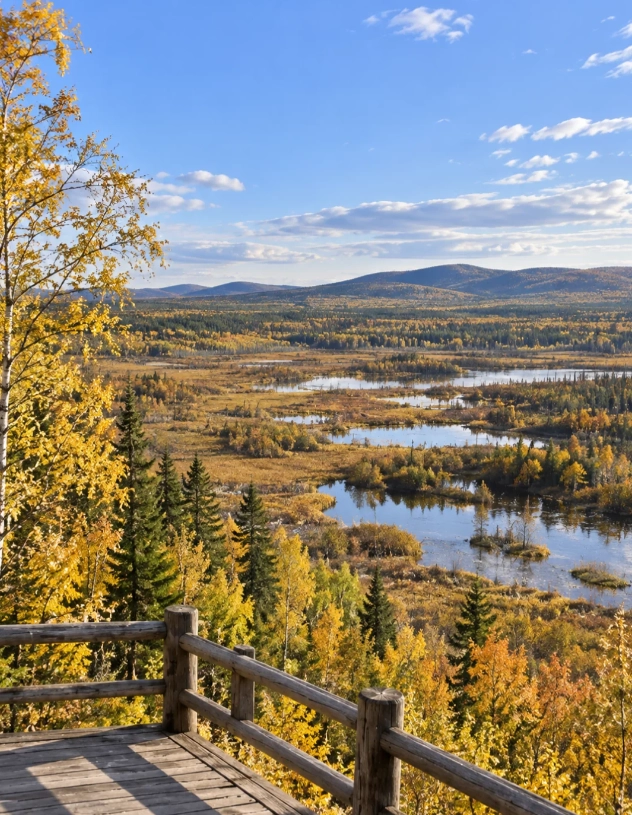
Here's the non-consensus bit. Heilongjiang is also a summer destination, and almost no foreign traveler knows it. September and early October bring golden forests across the Greater Khingan range, comfortable temperatures, and the Wudalianchi volcanic landscape. Harbin even runs a summer beer festival. If you hate cold, you still have options.
One photography note. Below minus 28, your camera battery dies within twenty minutes. Keep two spares inside your jacket, against your body.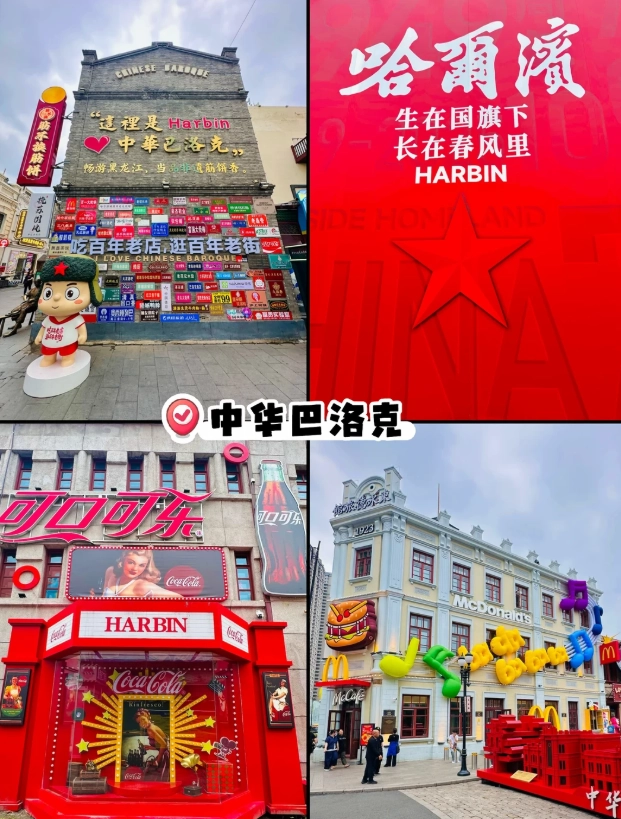
Where to Stay in Heilongjiang
Stay in Daoli District near Central Street for a first visit, unless you're here specifically for the ice park. Everything you want to see on foot is right there.
| Area or Property | Where It Is | Price Band | Best For | Foreigner Notes |
|---|---|---|---|---|
| Shangri-La Harbin | Youyi Road, Daoli District | High | Couples, business travelers | Reliable English-speaking staff and strong Wi-Fi |
| Modern Hotel | 89 Zhongyang Dajie, Daoli District | Mid to high | First-timers who want to be in the middle of it | Ask for a back room; street noise runs until about 10 p.m. |
| Central Street boutique hotels | Daoli District, walking distance to the pedestrian avenue | Mid | Couples, short city breaks | Confirm the room has an elevator; some older buildings don't |
| Songbei riverside hotels | North bank, near Sun Island and the ice park | Mid to high | Families doing the ice festival | Shorter ride home at night, but far fewer restaurants |
| Hostels near Saint Sophia | Daoli District backstreets | Budget | Solo backpackers | Confirm 24-hour reception and luggage storage before booking |
A few specifics. The Shangri-La on Youyi Road sits a few minutes from the river and a comfortable walk from Central Street, and it's the pick when you want a front desk that speaks English without hesitation. The Modern Hotel on Central Street is the historic choice, right on the avenue — and yes, it is loud until the crowds thin out. Ask for a room at the back.
On the Songbei side of the river, closer to Ice and Snow World, you trade restaurant choice for a shorter ride home. Families usually prefer it. Solo travelers usually regret it by day two.
Hostels near Saint Sophia are cheap and friendly. Before booking, message them and confirm two things: 24-hour reception and luggage storage. Plenty of small guesthouses close the desk at midnight, and winter arrivals are frequently late.
What to Eat in Heilongjiang
Heilongjiang food is heavy, sour, and built for winter — this is not the spicy part of China. If you're braced for Sichuan heat, recalibrate now.
- Guo bao rou — 锅包肉 — crispy sweet-and-sour pork and the province's signature dish. Ask for the old-style version if you want the vinegar-forward one instead of the tomato-sauce one.
- Tie guo dun, an iron pot stew of fish or chicken with cornbread steamed on the rim. One pot feeds three people comfortably.
- Suan cai, pickled cabbage, showing up in hotpots and stews. Sour, salty, deeply warming.
- Harbin red sausage and da lie ba rye bread, both Russian-influenced, both sold at the Qiulin Company store on Dongdazhi Street.
- Madieer ice cream on Central Street, eaten outdoors because that's simply what everyone does.
For a first proper meal, Lao Chuzhou claims to have invented guo bao rou and has a branch a couple of minutes off Central Street. Dinner queues run 30 to 60 minutes on weekends, so go at 5 p.m. or after 8. Budget roughly 60 to 100 RMB per person with beer.
Dongfang Jiaozi Wang is the safe bet for dumplings — multiple branches, picture menus, and staff who have dealt with foreigners before. Around 40 to 60 RMB per person. Both places lean on mobile payment, so have Alipay or WeChat Pay ready.
On payment generally: many small restaurants take WeChat Pay or Alipay only. Large hotels and chain restaurants usually accept international cards. Cash is legally required to be accepted, but a small shop owner may still look pained about it, so keep your phone charged.
Payments, Apps, and Cold-Weather Pitfalls
Set up Alipay before you fly, link your international card, and test it with a small purchase at home. It handles metro tickets, DiDi rides, museum bookings, and most restaurant bills.
- Google Maps is unreliable in mainland China. Use Apple Maps, or download AMap — Gaode — which has an English mode good enough for walking and driving directions.
- Install and test a VPN before departure. Translation apps such as Apple Translate and Baidu Translate work without one.
- eSIMs are convenient, but a local SIM from China Unicom or China Mobile requires passport registration in a store.
- Your phone battery will die in minutes outdoors. Inner pocket, hand warmer, problem solved.
- Buy slip-on ice cleats locally for a few RMB. Harbin sidewalks are polished ice, and I have watched more tourists fall than I'd like to admit.
- Carry tissues. Many public toilets are squat-style and supply no paper.
Now, a small confession. The digital side of traveling in China still frustrates me, and I do this for a living. Real-name booking, mini-programs in pure Chinese, apps that assume you have a Chinese phone number — it's a lot. The workaround that saves almost everyone: ask your hotel front desk to handle the booking for you, and keep screenshots of every confirmation.
If you want a broader look at how Harbin's ice season is covered internationally, CNN Travel has run solid seasonal features — useful for setting expectations before you go, though their hotel picks skew expensive.
Questions I Get Asked Every Single Winter
Can I travel around Heilongjiang without speaking any Chinese?
You'll manage, but three things do the heavy lifting: Alipay set up with an international card, a translation app with the offline pack already downloaded, and screenshots of your hotel address in Chinese characters. Outside Harbin, English drops off fast. In Yabuli, Snow Town, and Mohe, assume nobody at the ticket window speaks it and keep your phone out.
Is it safe to travel around Heilongjiang alone in winter?
Crime isn't your problem. Cold is. The real risks are frostbite from underestimating wind, slipping on ice, and getting stranded when a regional flight cancels. Harbin is safe and walkable at night along the main streets. Text someone your daily plan, keep a power bank warm, and don't wander onto the frozen river where locals haven't already marked a path.
Do I need a tour to reach Mohe or China Snow Town?
No, and the packaged tours I've seen rush both places badly. What you actually need is one buffer day and pre-booked transport. Trains and flights to Mohe fill up in peak winter, so book the moment your dates are fixed. For Snow Town, the Mudanjiang rail connection plus a shuttle works fine independently.
How much should I budget per day in Heilongjiang?
A comfortable independent traveler spends roughly 500 to 900 RMB a day covering a mid-range hotel, three meals, metro and DiDi rides, and one paid attraction. Adding Ice and Snow World plus Sun Island in the same trip pushes that up by a few hundred on its own. Hostel travelers can cut it substantially. Spring Festival week inflates hotel rates sharply.
What is the biggest mistake you see foreign tourists make in Harbin?
Going to Ice and Snow World in the morning. They arrive at 10 a.m., exhaust themselves by two, and miss the two hours that actually matter — the light change from 3 to 5 p.m. The second most common mistake is wearing sneakers. Buy the cheap ice cleats. Your tailbone will thank you.
Verified and fact-checked by the editorial team.





No comments yet.