 Gang Zheng
The Two-Minute Version — Jump Straight In
Forty minutes. That is how long I stood outside Harbin Railway Station in minus 24 degrees, waiting for a taxi that never showed up. The metro entrance was eleven steps behind me. Nobody had told me it existed.
Think of this as the Heilongjiang metro guide I now send to every client the night before they land. This province runs exactly one subway system — Harbin's — and it will carry you to the ice sculptures, the river island, the pedestrian street and both railway stations for less than the price of a coffee. What it will not do is hold your hand. Ticket machines want cash or a Chinese payment app. Google Maps goes blank underground. And the exits are numbered, which sounds helpful until you pick the wrong number and spend fifteen minutes sliding across ice with your suitcase.
Here is the one thing worth knowing before you read further: ride Line 2, and buy a single-journey ticket with a crisp ¥5 note instead of fighting with QR codes at the gate. Everything else is below.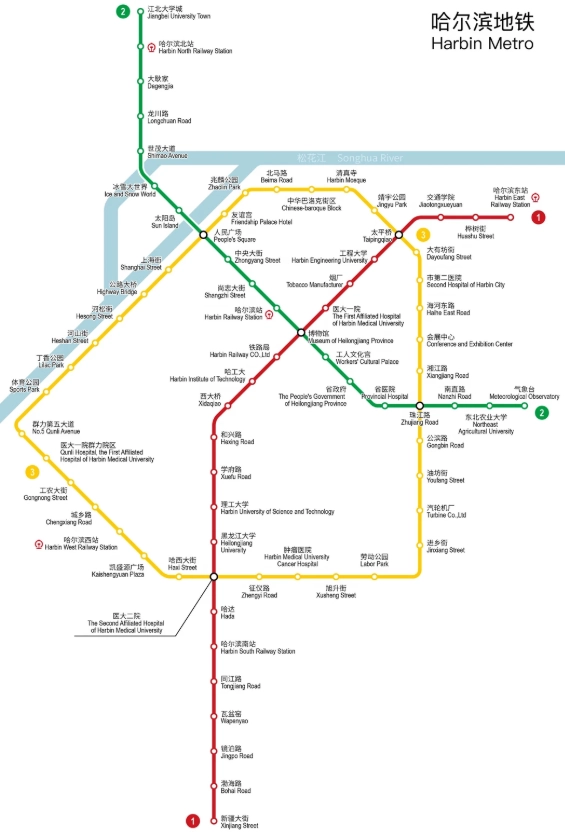
What the Heilongjiang Metro Actually Is
Harbin is the only city in Heilongjiang with a subway, so every Heilongjiang metro guide is really a Harbin metro guide. Three lines, all built since 2013, all underground through the centre. Line 1 came first and mostly serves locals commuting between the university district and the old railway quarter. Line 2 opened in 2021 and changed everything for visitors — it dives under the Songhua River and links the ice parks, Sun Island, Central Street and Harbin Railway Station in one straight shot. Line 3 is the loop that ties the high-speed rail hub into the network.
That is the entire system. If someone online sells you a "Heilongjiang metro pass" covering Qiqihar, Mudanjiang or Daqing, close the tab.
The Three Harbin Metro Lines Visitors Actually Use
- Line 1 — runs north to south through the city's spine, from Harbin East Railway Station down past the Harbin Institute of Technology area. Useful if your hotel is in the old town rather than near the river.
- Line 2 — your line. Ice and Snow World, Sun Island, Central Street, Harbin Railway Station. If you only memorise one line, memorise this one.
- Line 3 — a loop rather than a straight run, connecting Harbin West Railway Station with the convention centre side of town. It has been opening in stages, so check the current map on the station wall rather than a screenshot from a travel blog.
Do Other Heilongjiang Cities Have a Metro?
No, and that will not change soon. Qiqihar, Mudanjiang, Daqing and Jiamusi move on buses, taxis and high-speed rail. The good news is that China's high-speed network is superb. For Yabuli skiing, Mudanjiang and the Snow Town connections, or Qiqihar for barbecue, book through China Railway 12306 and collect your paper ticket with your passport at the station counter — the machines sometimes reject foreign passports, so use the staffed window.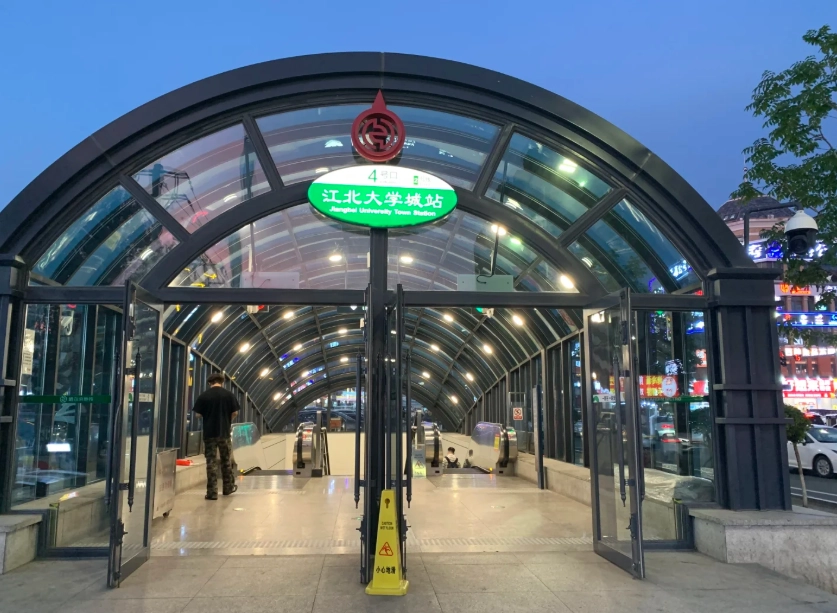
How to Pay as a Foreigner
This is the part where most visitors get stuck, and it has nothing to do with language. It is about money.
Ticket Machines, Alipay, and the ¥5 Note Trick
The machines accept cash, and that is your easiest path — bring small, clean notes. Harbin's ticket machines have an English menu option, take ¥1 coins plus ¥5 and ¥10 notes, and hand you a single-journey ticket. Some newer machines also accept a WeChat or Alipay scan.
Alipay's transport ride code has expanded across Chinese metros, so if you already have Alipay linked to an international card, it is worth trying at the gate. Do not make it your only plan. WeChat Pay ride codes and the official Harbin Metro app generally expect a Chinese phone number, and that is a wall you cannot climb in a station at 9 p.m.
Pro Tip: Machines reject folded, damp or slightly torn notes. In January, a crisp ¥5 note is worth more than any QR code. I keep three of them in an inside jacket pocket, and I hand one to clients before they even reach the station.
The Harbin City Pass card exists for residents, but buying one means a deposit and, in practice, a lot of patience at a service window. Skip it for a short trip. If a machine swallows your money and gives nothing back, walk to the staffed booth — there is one at every station, and the staff will sort it out.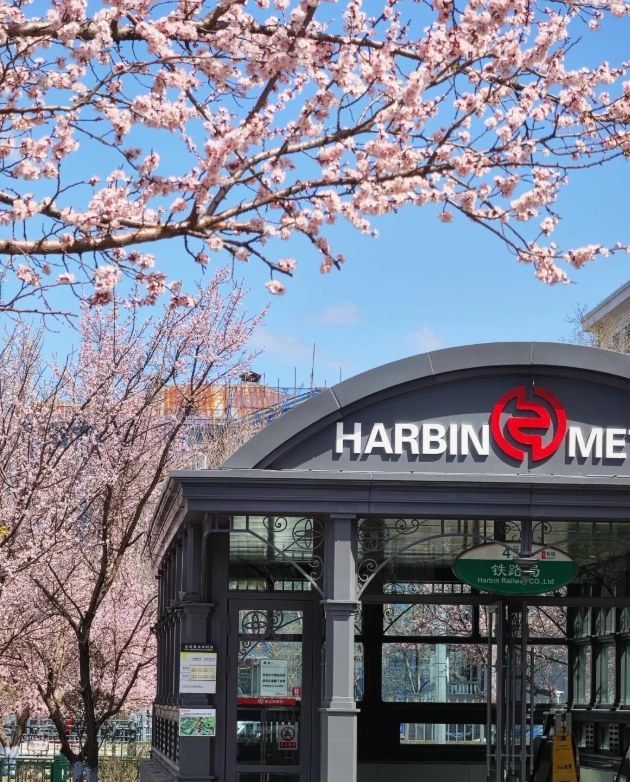
Fares, Hours, and the Security Check
| What You Need to Know | The Detail |
|---|---|
| Base fare | ¥2 for the first stretch; most tourist hops land between ¥2 and ¥4; even the longest cross-city ride stays under ¥10 |
| Operating hours | Roughly 06:00 to 22:30, but last trains differ by line and direction — read the board at the entrance, not an app |
| Security check | Every bag goes through an X-ray and water bottles may be swiped. Budget two minutes, and far more at Harbin Railway Station during the evening rush |
| Payment accepted | Cash, single-journey tickets, some Chinese QR codes. International credit cards: no |
| ID needed | Not for a single ticket, but carry your passport anyway — security officers occasionally ask |
| Step-free access | Newer Line 2 and Line 3 stations usually have lifts. I would not promise a lift at every Line 1 exit, so ask at the booth if you are travelling with a stroller or wheelchair |
One more thing before you fly: most visitors now arrive under China's expanded visa-free and transit-without-visa rules, and the National Immigration Administration publishes the current list of eligible nationalities. Read it before you book flights, not after.
Riding Line 2 to Ice and Snow World, Sun Island and Central Street
Ice and Snow World by Metro — Line 2, Bingxue Dashijie Station
Line 2 drops you at a station named after the park itself, and this is the single best reason to learn the Harbin subway. The walk from the platform to the gate is not trivial though. Depending on which gate is open that season, I have done it in twelve minutes and I have done it in twenty-five when the paths were polished to glass. Follow the crowds and the lit signage rather than your phone.
Peak-season entry runs into the hundreds of yuan and tickets are date-specific. If the Chinese-language mini-program defeats you — and it defeats plenty of locals too — buy through Trip.com or Klook instead. Your passport number is the booking ID.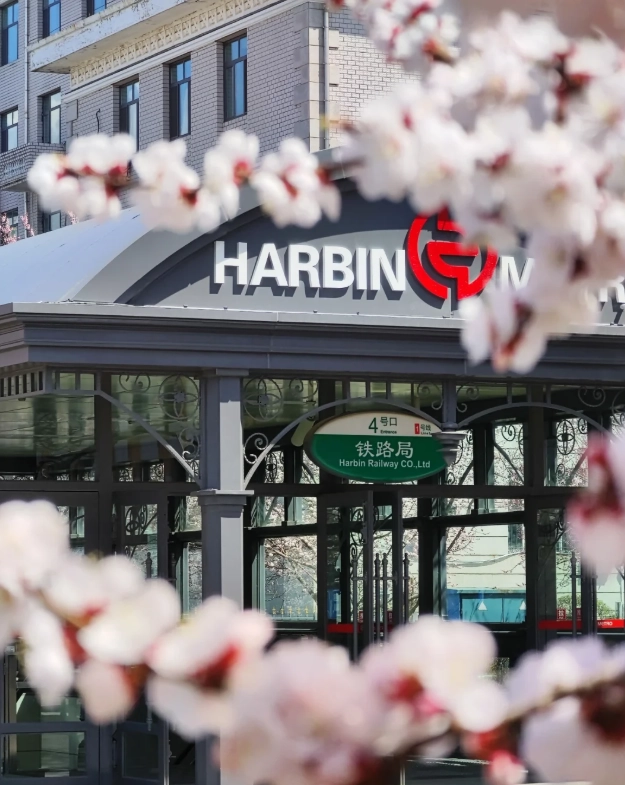
Insider Advice: Arrive between 16:30 and 17:00. The lights come on as the sky goes blue, and you get the photos everyone else is chasing two hours later. Then leave either before 21:00 or after 21:45. Between those times the station entrance turns into a scrum of tour groups and you will queue in the cold for the escalator.
During the busiest festival weeks the metro has historically extended its last-train times. Check the announcement boards inside the station on the day — this is the one piece of information I never trust from a blog, including this one.
Sun Island and the Songhua River Crossing
Sun Island is one or two stops from the ice park on the same line, and the metro tunnel is how locals cross the frozen river in deep winter. The cable car over the Songhua is scenic and photogenic, but it stops running in high wind, and standing on an exposed platform at minus 25 while you wait is a special kind of regret. Take the train up, take the cable car back if the weather is kind.
Central Street Without a Taxi
The Central Street station sits under the pedestrian mall itself, so any exit puts you on the cobbles within a couple of minutes. I am deliberately not going to invent an exit number for you — the exits are signed in English and pinyin, and the staff in the booth will point you the right way if you show them your map pin. What actually matters is this: the street runs about 1.4 km from end to end, and in January those cobblestones are lethal.
Buy slip-on crampons from a convenience store rather than the guy standing at the station exit — same product, less markup. Then eat a Madieer ice pop outdoors at minus 20, because that is what Harbin does, and duck into the underground mall to thaw your fingers afterwards.
For a proper meal, Huamei Western Restaurant on Central Street has been serving Russian-influenced borscht and black bread for generations. Expect ¥80 to ¥150 per person, a queue after 18:30, no international cards, and a picture menu if the English one has wandered off. Further along, the Lao Chu Jia branches do the city's famous sweet-and-sour pork; lunch is calm, dinner is not.
Saint Sophia Cathedral and the Museum Stop
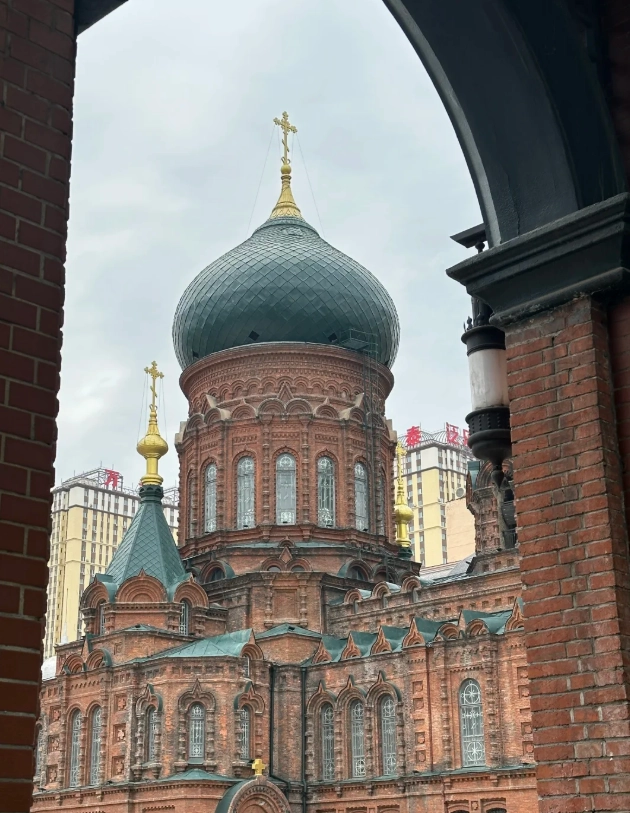
The cathedral is a 15 to 20 minute walk from the Central Street area and worth doing early. There is a small fee for the interior, which is now a photographic archive of old Harbin. Morning light is kinder to the brickwork, and by midday the square is shoulder to shoulder with tour flags. If the cold has beaten you, the provincial museum is free but needs a timed reservation, and the official booking runs in Chinese — your hotel front desk will do it in thirty seconds, so just ask.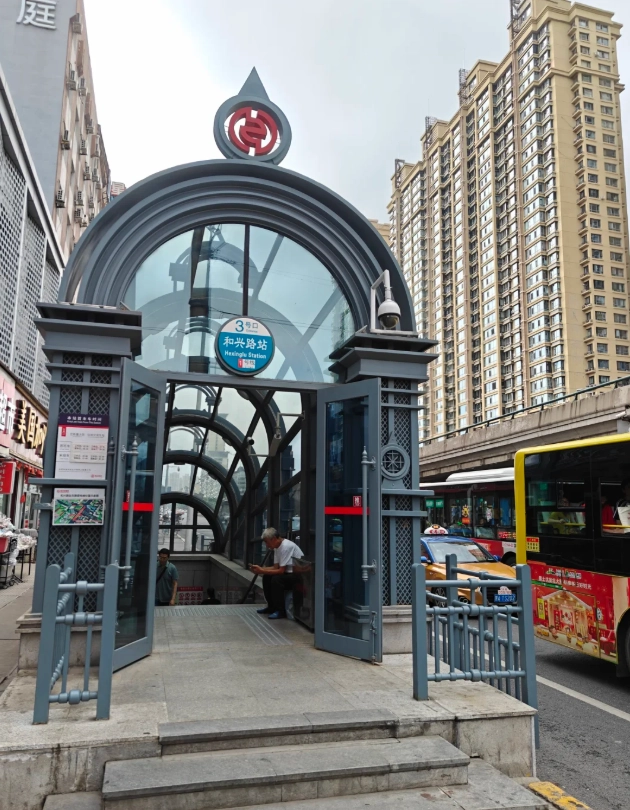
The Airport Problem and Line 3
How Do You Get from Harbin Taiping Airport to the Metro?
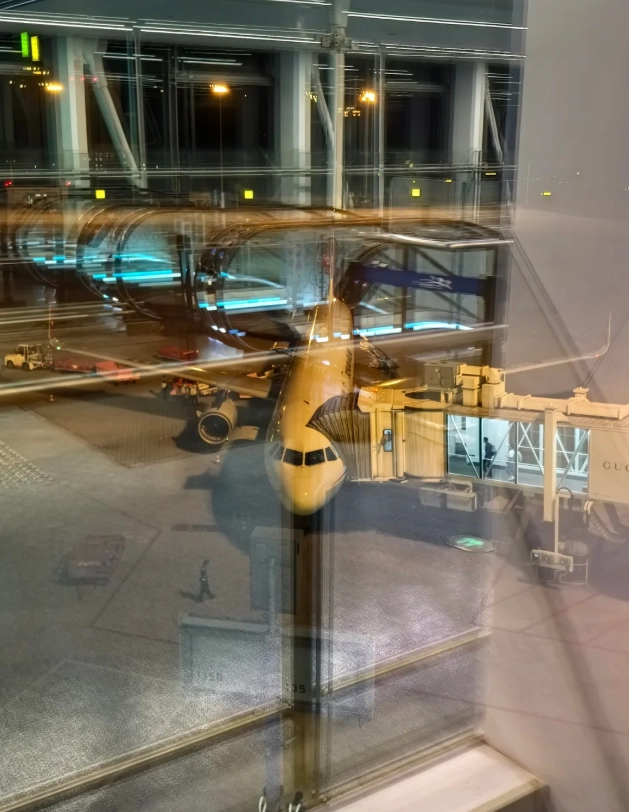
There is no metro at Harbin Taiping International Airport, and you should plan around that before you land. Your realistic options are the airport shuttle bus, which costs roughly ¥20 and takes 50 to 70 minutes into the centre depending on traffic, or a taxi and DiDi, which runs roughly ¥100 to ¥150 to the Central Street area in 40 to 60 minutes.
The cheapest sensible combination is the shuttle to Harbin Railway Station, then Line 2 for the final hop. If you land after 21:00, take the taxi — the metro will be closing and you do not want to be solving that puzzle with luggage in the cold.
Pro Tip: Ignore anyone who approaches you inside the arrivals hall offering a ride. Walk outside, join the marked taxi queue, or open DiDi inside Alipay. The unofficial touts charge double and occasionally a lot more.
Line 3 and Harbin West Railway Station
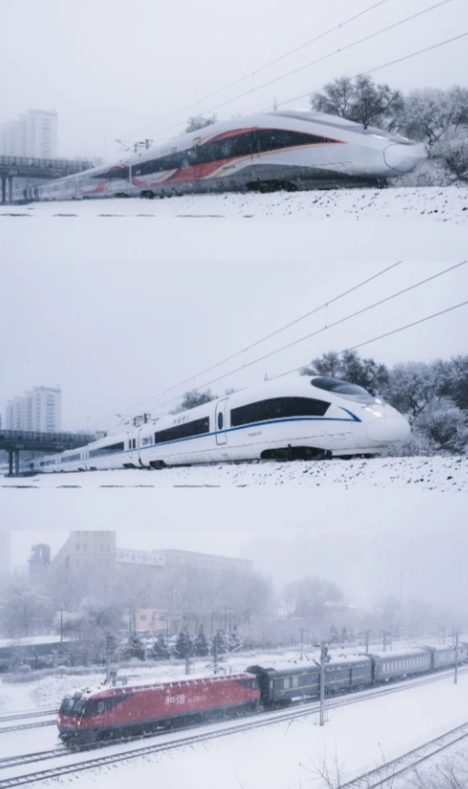
Harbin West is the high-speed rail hub, and Line 3 is what connects it to the rest of the city. If you arrive from Beijing, Shenyang or Dalian on a bullet train, you will surface into a vast station forecourt — follow the metro signs rather than the taxi signs, because the taxi queue at Harbin West after a train arrival is genuinely painful.
With luggage, allow 40 minutes to reach the Central Street area, including one change. Elevators exist but they are not always where you expect them, so pack light if you can.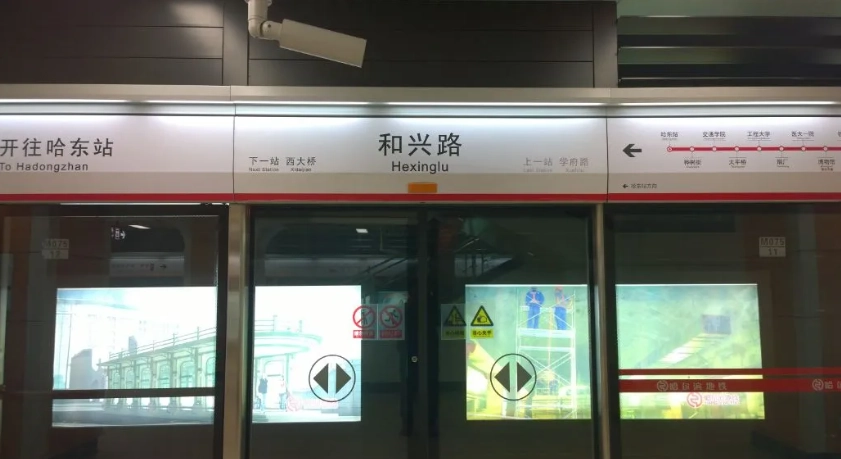
What Most Heilongjiang Metro Guides Get Wrong
Google Maps Will Fail You Underground
Google Maps is not reliable in mainland China, and it is useless inside a station. Use Apple Maps, which handles Chinese transit in English surprisingly well, or AMap with its English-friendly global mode. Before you leave the hotel, screenshot your destination in Chinese characters so you can show it to a driver or a station attendant.
| English Name | Chinese Name | Line |
|---|---|---|
| Central Street | 中央大街 | Line 2 |
| Ice and Snow World | 冰雪大世界 | Line 2 |
| Sun Island | 太阳岛 | Line 2 |
| Harbin Railway Station | 哈尔滨站 | Line 2 |
| Harbin West Railway Station | 哈尔滨西站 | Line 3 |
| Harbin East Railway Station | 哈尔滨东站 | Line 1 |
| Saint Sophia Cathedral | 圣索菲亚教堂 | Walk from Central Street, Line 2 |
Why the Metro Beats a Taxi in January
At minus 25, taxi supply collapses exactly when you need it most. Drivers avoid the ice parks at closing time because the roads gridlock, and short fares get refused. The metro is heated, costs ¥2 to ¥4, and keeps running until roughly 22:30. In winter it is not the budget option — it is the sensible one.
The counterpoint is real though. Between 17:00 and 18:00, the platform at the ice park station is packed with everyone who had the same idea. Wait thirty minutes, or go in early and leave early.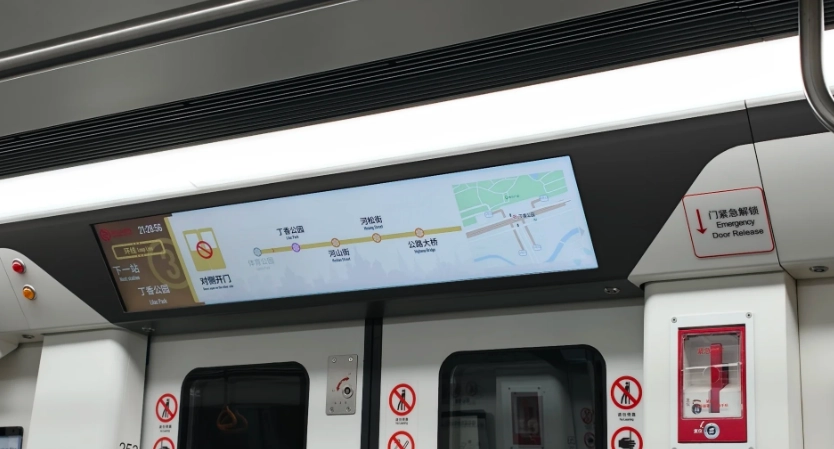
The Exit Number Trap
The wrong exit can add fifteen minutes of walking in the cold, and the map on your phone will not save you. I once led a family of four and their suitcases out of the wrong side of Harbin Railway Station, and we spent a quarter of an hour sliding along an ice-crusted pavement before I admitted the mistake. Now I read the exit board before I tap out. The boards list landmarks in English and pinyin, and if you are still unsure, the attendant in the glass booth will point — just show them the Chinese name of where you are going.
A 24-Hour Heilongjiang Metro Plan
Say you have one full day in Harbin and a hotel near Central Street. Here is how I would spend it, with the transfers already timed.
- 08:00 — Breakfast near Central Street. Soy milk, fried dough sticks and a slice of red sausage, ¥10 to ¥20. Almost every small shop is cash-free, so have Alipay or WeChat ready.
- 08:45 — Line 2 from Central Street to Sun Island. Two stops, about ten minutes including the walk to the platform. Buy your snow sculpture tickets in advance; the gate queue in peak weeks can swallow an hour.
- 09:00 to 12:00 — Sun Island. The snow sculpture expo is the draw. Walk it slowly — the temperature drops fast once you stop moving.
- 12:15 — Line 2 back to Central Street for lunch. Huamei for Russian-style comfort food, or a Lao Chu Jia branch for sweet-and-sour pork. Budget ¥60 to ¥120 per person. This is your warm-up break, not a quick bite.
- 14:00 — Saint Sophia Cathedral, a 15 to 20 minute walk or one metro stop plus a short walk. Then coffee indoors somewhere warm for twenty minutes.
- 16:00 — Line 2 to the Ice and Snow World station. Allow twenty minutes from platform to gate for the walk and the ticket check.
- 16:45 to 21:00 — Ice and Snow World. Lights on at dusk, crowds at their worst around 18:00, and the big slide queues longest right after opening.
- 21:15 — Metro back. If the platform is jammed, let one train go. You will still be back in the centre before 22:00.
Plan B for a blizzard or a minus 35 day: skip Sun Island entirely and build the day around indoor stops — the provincial museum, the cathedral interior, the underground shopping streets beneath the Central Street area, and a long lunch. The metro still works in a snowstorm. Taxis mostly do not.
Where to Sleep Near a Harbin Metro Station
I book clients by neighbourhood rather than by brand, because in Harbin the walk from the station to the lobby matters more than the thread count.
| Area | Nearest Station and Line | Winter Price Band | Best For | The Catch |
|---|---|---|---|---|
| Central Street and riverfront | Central Street, Line 2 | ¥400 to ¥900 | First-timers, couples, anyone who wants to walk to dinner | Prices spike hard during the Ice and Snow Festival; street noise until late |
| Harbin Railway Station | Harbin Railway Station, Line 2 | ¥250 to ¥500 | Early trains, budget travellers | Station crowds, security check queues, less charm |
| Harbin West, known locally as Haxi | Harbin West Railway Station, Line 3 | ¥300 to ¥600 | High-speed rail arrivals, ski trips onward | 25 to 35 minutes from the river attractions |
| Convention centre side | Convention and Exhibition Center, Line 3 | ¥300 to ¥550 | Business travellers, quiet nights | Fewer restaurants within walking distance |
International brands cluster near the river — the Shangri-La on Youyi Road is the classic choice, with the Sofitel as the modern alternative. Mid-range Chinese chains fill the blocks around Harbin Railway Station and offer better value in January.
Before you book, ask four questions: is the Wi-Fi stable in the room rather than the lobby, does the front desk speak English, can they store luggage after checkout, and can you control the heating. Harbin hotel rooms are frequently overheated to the point where you will want the window open at minus 20, which is a strange way to spend a holiday.
Convenience is easy to check on a map: look for a 24-hour convenience store within a three-minute walk, and confirm the metro entrance is on the same side of the road as your hotel. That last detail saves you a road crossing on black ice every single morning.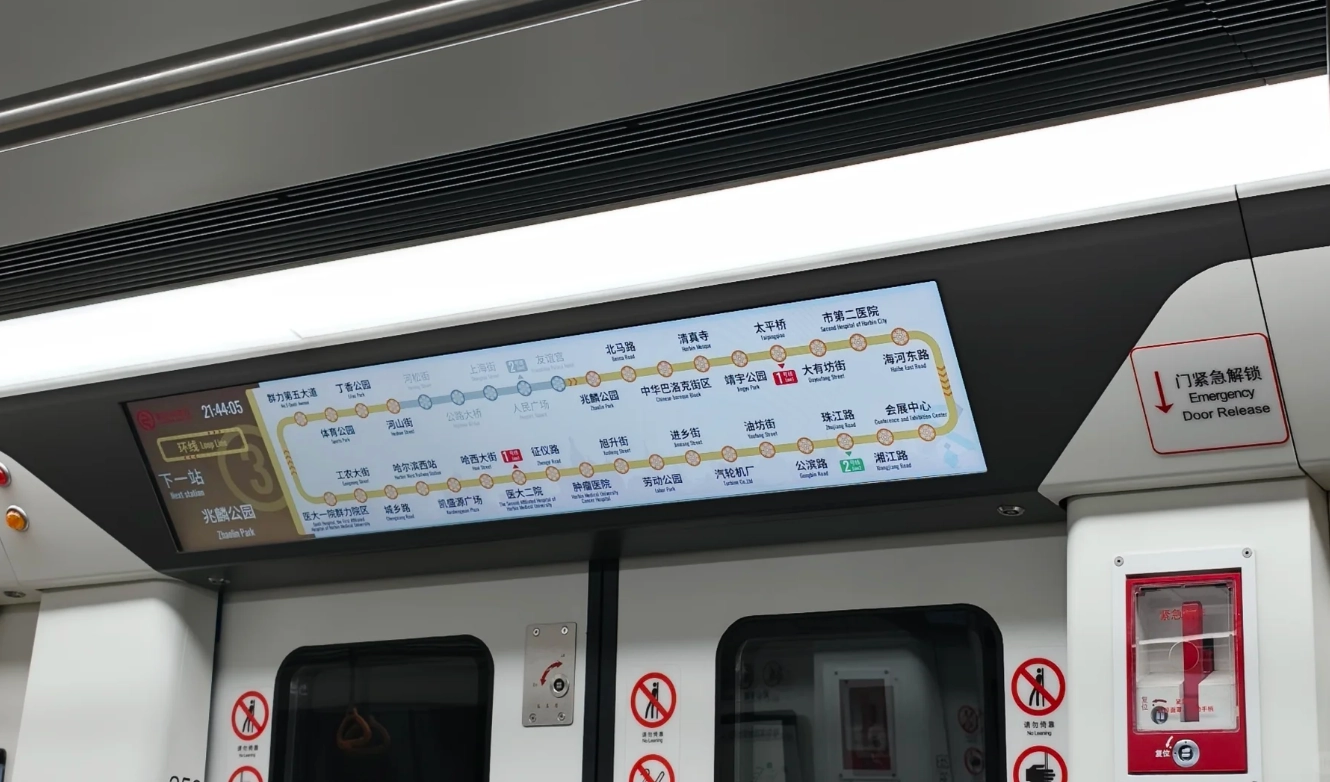
Questions I Get Every Winter
Verified and fact-checked by the editorial team. Fares, opening hours and line configurations change with construction schedules and festival timetables, so confirm last-train times and ticket prices at the station on the day of travel.





No comments yet.