 Jing Song
- Why Heilongjiang in Summer Beats Most China Trips
- How to Get to Heilongjiang and Move Around
- The 9-Day Heilongjiang Summer Itinerary I Give Clients
- Harbin in Summer: What's Actually Worth Your Time
- Wudalianchi and Mohe — The Places Most Guides Skip
- Costs, Payments, and How to Book Everything
- Packing, Bugs, and Health Reality Checks
- Questions I Get Asked Every Single Week
Harbin in July smells like river water and grilled squid.
I've watched grown adults step off the overnight train from Beijing, strip down to t-shirts, and just stand there grinning in the 20°C evening air. That's the part nobody mentions about Heilongjiang summer travel.
I've built Heilongjiang summer travel guide routes for close to forty foreign groups now, and the same two mistakes show up every single time. People copy a winter Harbin plan and swap the season. And they assume their Visa card works everywhere outside the airport. Both assumptions will burn a full day of your trip.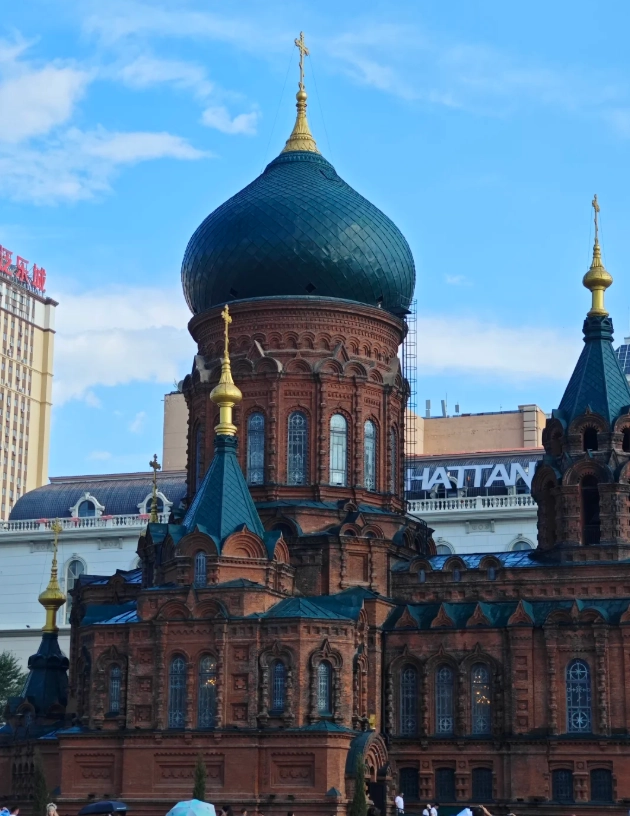
Here's the condensed version. Come between late June and late August. Give Harbin three nights, fly north to Mohe for the midnight sun, and only add Wudalianchi if you've got two spare days. Book your train the second the 15-day window opens on 12306 — the Harbin–Mohe sleeper vanishes fast. And set up Alipay before you land, because cash works in theory and frustrates everyone in practice.
Now let me lay the whole thing out properly.
Why Heilongjiang in Summer Beats Most China Trips
Most foreigners treat Heilongjiang as a winter destination. Ice festival, minus twenty-five, thermal underwear, done. That's a real thing, but it's half the story, and honestly the less comfortable half.
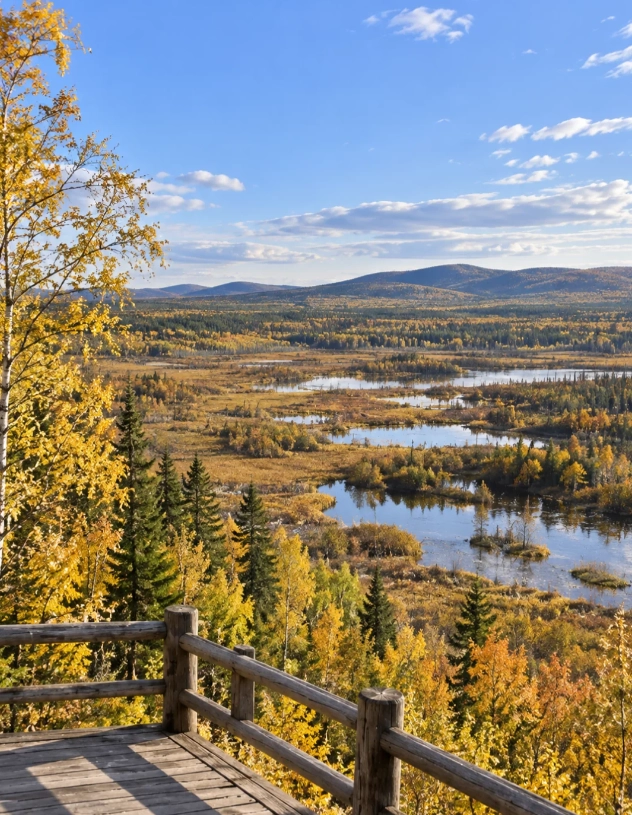
Summer here is when the province turns into one long forest. Birch and larch run for hundreds of kilometers along the Russian border. The rivers actually have water in them. And the temperature sits somewhere between pleasant and you-should-have-brought-a-jacket.
What Makes Heilongjiang Summer Weather So Different
Heilongjiang's summer isn't a mild escape from the heat — it's a genuine climate switch. Harbin in July averages around 23°C during the day and drops to 16–18°C after dark. The humidity is noticeably lower than Shanghai or Guangzhou, so 28°C here feels closer to 24°C there.
Push further north and it gets stranger. Mohe, the northernmost settlement in China, sits at roughly 18°C in July and can fall to single digits overnight. I've had clients show up in shorts and spend the first evening wrapped in a hotel blanket on the balcony, shivering and refusing to admit they were wrong.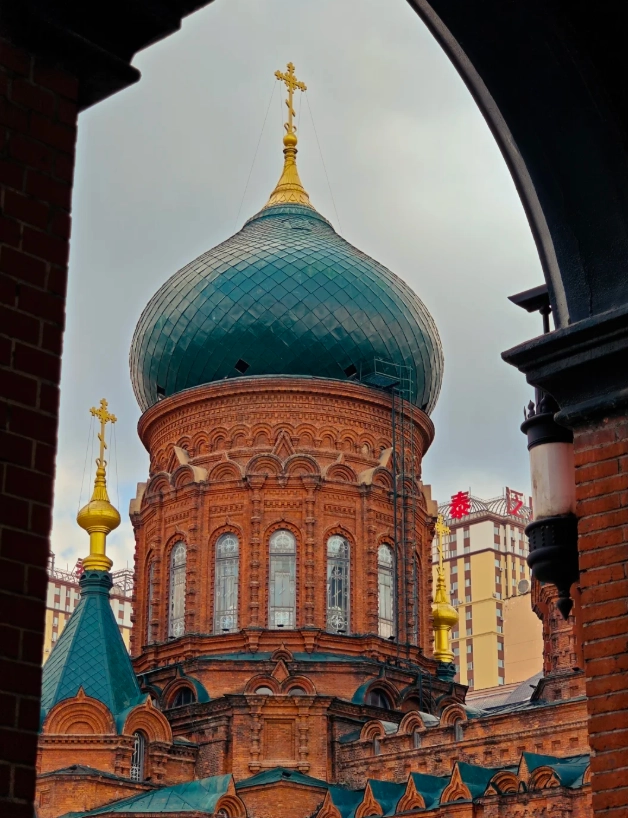
Pro Tip: Pack one mid-weight fleece and a light rain shell even if your weather app shows sunshine for the entire week. Afternoon thunderstorms roll through Harbin fast in July, and the temperature can drop 8°C in twenty minutes. Nobody believes me until it happens to them.
Visa-Free Entry to Heilongjiang — What Actually Applies
China has been expanding visa-free access steadily, and Harbin Taiping International Airport is one of the ports covered by the 240-hour transit visa-free policy for eligible nationalities. Several countries also fall under unilateral visa-free entry arrangements. The rules shift often enough that I check the National Immigration Administration site before every group I bring in.
What matters practically: your passport needs at least six months of remaining validity, and you'll want proof of onward travel if you're using the transit policy. Border officers in Heilongjiang are efficient, but they read documents carefully.
One thing that trips people up — crossing into Russia at Heihe or Suifenhe is a completely separate visa question. Don't assume your China entry covers it.
How to Get to Heilongjiang and Move Around
Harbin is the hub for everything. Nearly every trip starts and ends there, and that's fine — it's a genuinely pleasant city once the ice sculptures are gone.
Flights, Trains, and the Border Crossing Reality
Flying into Harbin Taiping International Airport is the simplest entry point, but the train from Beijing is the more interesting one. High-speed rail from Beijing Chaoyang Station reaches Harbin West in roughly five hours. Overnight sleepers take longer but save you a hotel night.
Book trains through the official China Railway 12306 platform, or through Trip.com if the Chinese-language interface defeats you. Tickets release 15 days before departure. On the Harbin–Mohe route, that 15-day mark matters enormously — soft sleeper berths sell out within hours during peak summer.
Internal flights connect Harbin to Mohe and Wudalianchi. They're small aircraft, they get delayed by weather, and I'd still take one over a 15-hour train if your time is tight.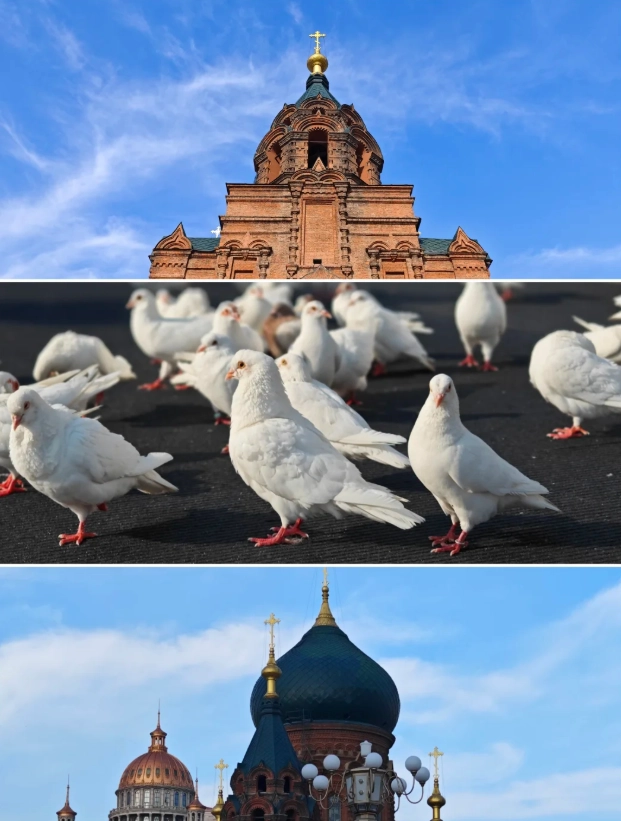
Renting a Car vs. Hiring a Driver in Heilongjiang
Foreign visitors cannot legally drive in China on an International Driving Permit alone — you need a Chinese license or a temporary permit issued locally, and the paperwork is genuinely painful. I've only had two clients bother. Both said they'd hire a driver next time.
A private driver with a car runs roughly 600–900 RMB per day depending on distance and whether fuel is included. For three or four people, that's competitive with train tickets plus local taxis, and it opens up back roads around Jingpo Lake that no public bus reaches.
| Route | Best Option | Est. Travel Time | Est. Cost (per person) | Notes |
|---|---|---|---|---|
| Harbin to Mohe | Overnight sleeper train | 13–15 hours | 260–450 RMB | Releases 15 days ahead; sells out fast |
| Harbin to Mohe | Domestic flight | About 2 hours | 600–1,200 RMB | Weather delays common in summer |
| Harbin to Wudalianchi | Train to Bei'an plus taxi | 5–6 hours total | 150–250 RMB | Taxi leg from Bei'an is about 40 minutes |
| Harbin to Wudalianchi | Domestic flight | About 1 hour 15 minutes | 500–900 RMB | Limited weekly schedule |
| Harbin center to Sun Island | Metro Line 2 plus walk | About 30 minutes | 3–5 RMB | Cheapest and most reliable option |
The 9-Day Heilongjiang Summer Itinerary I Give Clients
Nine days is the sweet spot. Shorter and you're sprinting. Longer and you're paying for hotel nights you don't need. Here's how I structure it, including the adjustments I make when the weather turns.
Days 1–3: Harbin Without the Ice Festival Crowds
Give Harbin three nights and treat day one as a recovery day — jet lag plus a warm afternoon is a bad combination.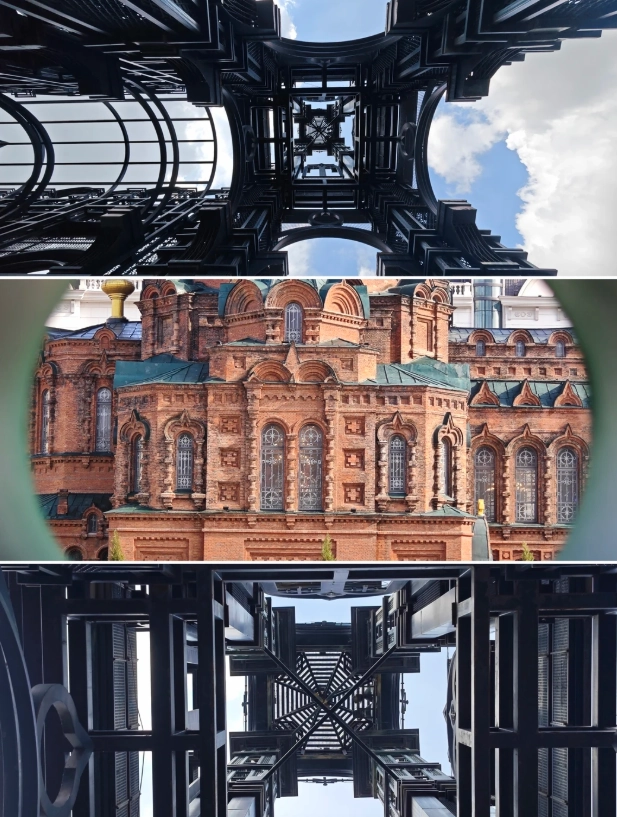
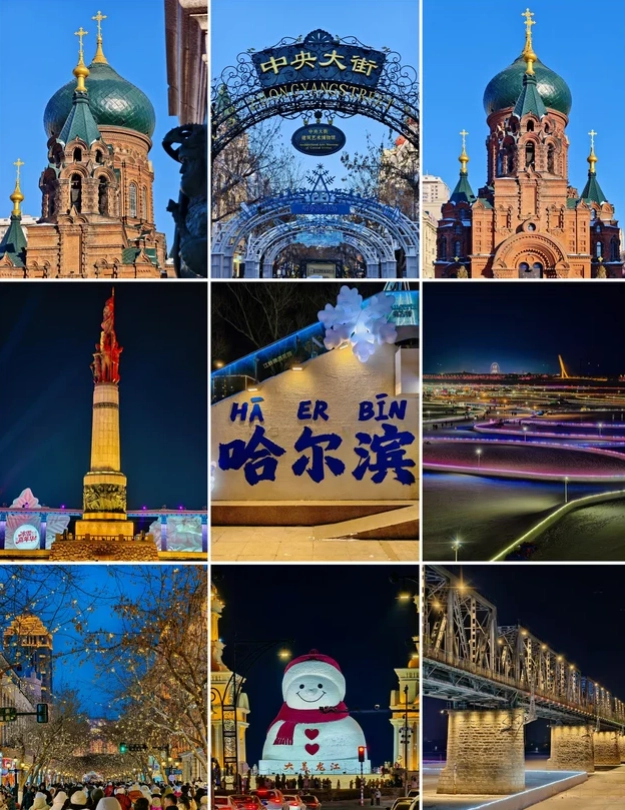
Day one, keep it flat. Walk Central Street in the late afternoon when the sun drops behind the buildings and the light turns gold. That's the shot you want of the Saint Sophia Cathedral, not the harsh midday glare everyone else photographs.
Day two, cross the Songhua River to Sun Island. Metro Line 2 drops you at Sun Island Station, exit 2, and it's a short walk to the park entrance. Go early — I mean before 9am. By 11am the tour buses arrive and the main paths turn into a slow-moving crowd.
Day three, pick one museum. The Heilongjiang Provincial Museum is free but requires a passport-based reservation, and the booking happens through a Chinese-language WeChat mini-program.
Insider Advice: Yes, booking the provincial museum through a Chinese-language mini-program is genuinely annoying, even for me. If you can't get it to work, walk into your hotel lobby and ask the front desk to do it on their phone. It takes them ninety seconds and saves you an hour of frustration. Bring your passport — they need the number.
Days 4–6: Wudalianchi Volcanic Park
Wudalianchi is a UNESCO Global Geopark built around five connected volcanic lakes, and almost no foreign tourists go. That's your reason to.
The two sites worth your energy are Laoheishan, a dormant cinder cone you can climb in about 40 minutes, and Longmen Shizhai, a lava field that looks like someone poured grey stone batter across the valley floor.
Entrance tickets run in the tens of RMB per site, and there's usually a combined ticket that works out cheaper. Prices shift between seasons, so check at the gate rather than trusting anything you read online — including this.
The cold mineral springs are the local obsession. They taste strongly of iron and fizzy sulfur. I'll be honest: I don't enjoy them. But the locals swear by them, and the spring park is a pleasant place to sit for an hour.
Days 7–9: Mohe and the Midnight Sun
Mohe sits at the very top of China, and around the summer solstice the sky barely goes dark. You won't get a full midnight sun the way you would in Norway, but you will see a deep blue twilight at 11pm that never quite resolves into night.
Arctic Village is the famous spot, and yes, it's touristy. The real highlight for me is the drive out to Longjiang First Bay, where the river bends through forest in a way that photographs beautifully in the two hours before sunset. Get there by 4pm and stay late.
The village itself has an entrance fee in the 60–70 RMB range. It's a ticketed scenic area, so expect gates and shuttle buses.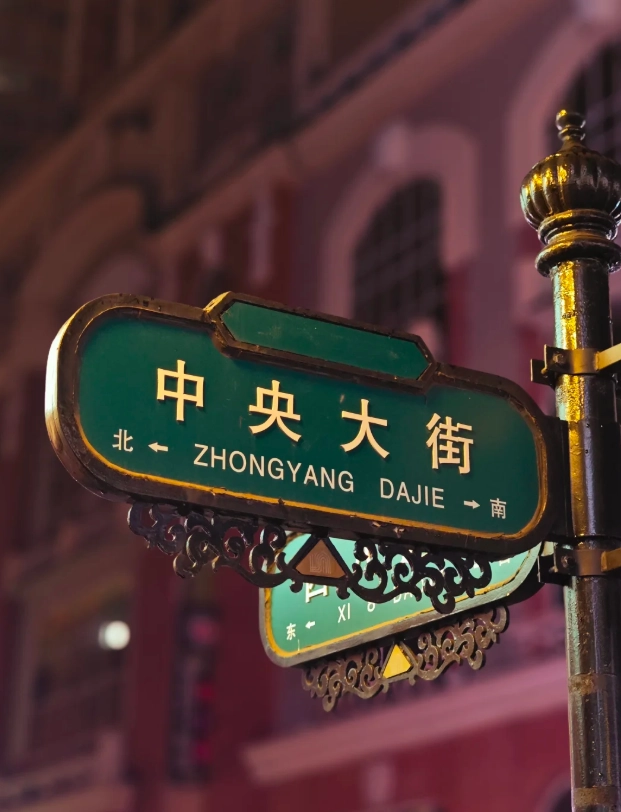
Harbin in Summer: What's Actually Worth Your Time
Harbin gets dismissed as a one-season city. It isn't, but the summer version is a different place and you should plan it differently.
Songhua River and Sun Island
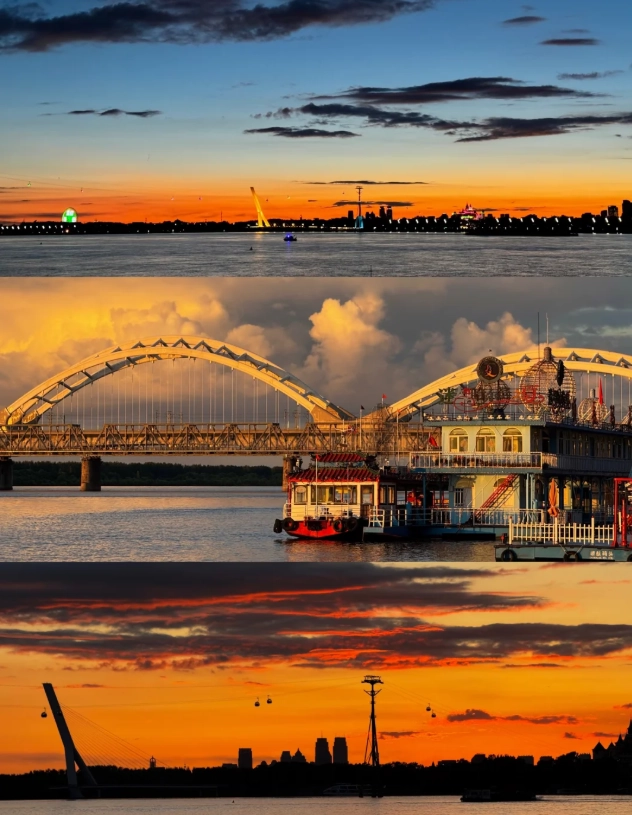
The riverfront promenade is where Harbin actually lives in July, and it costs nothing. Locals swim, fish, play cards on folding tables, and generally ignore the heat in a way that feels very un-urban.
Sun Island itself is a large park with a sculpture garden and a surprisingly good wetland section. Entry to the scenic area is modest — usually around 30 RMB. Go in the morning. The afternoon sun on the open lawns is brutal and there's almost no shade in the central section.
The cable car across the Songhua is worth the ride for the view, but the weekend queue can hit 40 minutes. Weekday mornings are fine.
Central Street and Saint Sophia Cathedral
Central Street is a pedestrian avenue of Russian-era architecture, and it's best experienced between 6pm and 9pm. The stone paving was laid over a century ago and it still shines after rain.
The Saint Sophia Cathedral charges a small entry fee — around 20–25 RMB — and inside is mostly a photo exhibition. Honestly, the exterior is the main event. Stand on the plaza at the southeast corner during golden hour and you'll get the shot.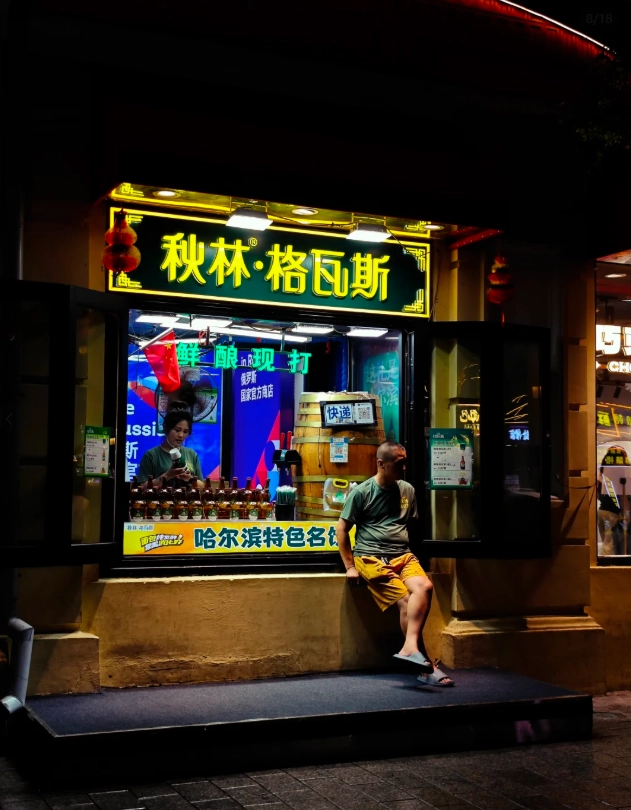
Pro Tip: The plaza in front of Saint Sophia is packed with people in rented Russian dresses doing photo shoots between 10am and 2pm. For a clean frame, come after 6pm or before 8am. I tell every client this, and half of them still show up at noon.
Where to Eat in Harbin
Harbin's food is heavy, sour, and built for cold weather — which is exactly why it's fun in summer. The local signature is guo bao rou, sweet-and-sour sliced pork with a shell so crisp it audibly cracks when you bite it.
For a sit-down version, head to the old Daowai district, where the architecture is crumbling in a charming way and the portions are enormous. For something faster, the food stalls along Central Street do a decent grilled squid and Harbin red sausage.
Harbin red sausage is smoked, garlicky, and sold by weight in shops all over the city. Buy a couple hundred grams, get it sliced, and eat it with bread on a park bench. That's the local move.
One caution — most restaurants are effectively cash-free. Alipay and WeChat Pay dominate, and even small stalls expect QR codes. Set up Alipay with your international card before you arrive, because doing it in a noodle shop with a queue behind you is miserable.
Wudalianchi and Mohe — The Places Most Guides Skip
I want to spend extra time here because these two are the reason to come north instead of just staying in Harbin.
Wudalianchi is listed among the UNESCO Global Geoparks, and the volcanic field is young by geological standards. The lava flows still look fresh. Walking across them, you can see the ropy texture where the surface cooled while the interior kept moving. That's a detail worth stopping for.
Mohe is a different kind of place. It's a small forestry town that has leaned hard into the northernmost-China branding. Infrastructure is decent and the scenery is genuinely remote. Bring insect repellent — the mosquitoes along the river are relentless, and they don't care about your brand loyalty.
Getting to Mohe from Harbin is the single hardest logistics piece of the trip. Book early, and build in a buffer day if you're connecting to an international flight at the end.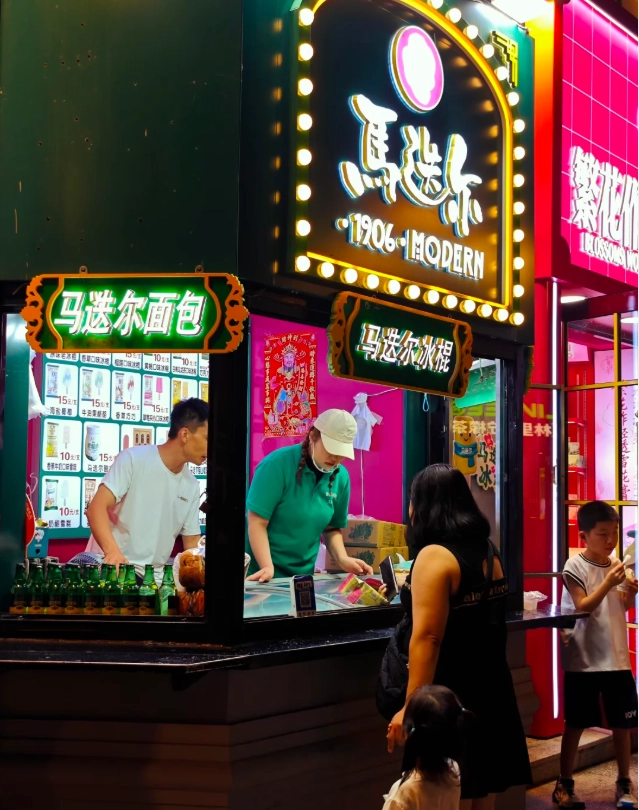
Costs, Payments, and How to Book Everything
Heilongjiang is one of the cheaper parts of China to travel, but the payment friction is exactly the same as everywhere else.
What a Realistic Daily Budget Looks Like
Mid-range travelers spend roughly 400–700 RMB per day in Heilongjiang, covering a decent hotel, three meals, local transport, and one paid attraction. Backpackers can push that down to 200–300 RMB by using hostels and long-distance buses. Business hotels in Harbin run 350–600 RMB in summer, noticeably less than Beijing or Shanghai for equivalent quality.
| Hotel / Area | Neighborhood | Est. Summer Price | Best For | Key Facility Notes |
|---|---|---|---|---|
| Central Street area hotels | Daoli District | 400–700 RMB | First-timers who want walkability | Elevators standard; front desk usually has some English |
| Harbin West Station area | Nangang District | 250–400 RMB | Early trains toward Mohe | Very close to rail hub; quieter at night |
| Sun Island riverside hotels | Songbei District | 350–600 RMB | Families and nature access | Newer builds; some rooms have river views |
| Hostels near Saint Sophia | Daoli District | 80–180 RMB per bed | Solo backpackers | Luggage storage usually available; check Wi-Fi reviews first |
Payment and Booking Realities for Foreign Visitors
- Alipay and WeChat Pay: Both accept international cards now. Set up Alipay before you fly — it's the one that works most reliably with foreign Visa and Mastercard.
- Cash: Legally accepted everywhere. Practically, small vendors may struggle to make change. Keep a few 10 and 20 RMB notes on you.
- Physical credit cards: Accepted at big hotels and chain stores. Not at street stalls, small restaurants, or ticket booths.
- Attraction tickets: Many Heilongjiang sites require passport-based advance booking. Trip.com is the most foreigner-friendly English platform for this.
- Navigation: Google Maps is unreliable in mainland China. Apple Maps works reasonably well, and AMap Global has decent English coverage for major cities.

Packing, Bugs, and Health Reality Checks
The mosquito situation in Heilongjiang summer is not a joke, especially near rivers and up in Mohe. Bring DEET-based repellent from home, because local brands are effective but the labeling is in Chinese and you'll waste time guessing at the pharmacy.
- Layers: One fleece, one light rain shell, and short sleeves for daytime.
- Shoes: Broken-in walking shoes. The lava fields at Wudalianchi are uneven and punishing on thin soles.
- Sun protection: The northern latitude means long daylight hours, which means more cumulative sun exposure than you'd expect.
- Medication: Bring prescriptions in original packaging with a copy of your doctor's note. Chinese customs can ask.
- VPN: Install and test it before you fly. Some VPN apps won't download once you're inside China.
- Translation app: Apple Translate or Baidu Translate, with offline Chinese downloaded.
Everything else in a Heilongjiang summer travel guide comes down to logistics, and logistics here means trains, weather, and having your phone ready.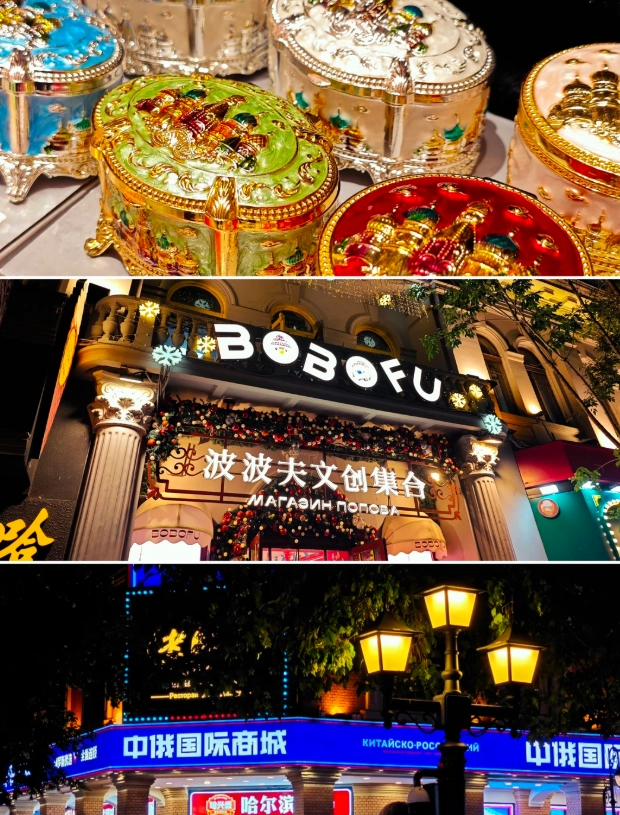
Questions I Get Asked Every Single Week
Can I do Heilongjiang in summer without speaking any Chinese?
You can, but you'll lean on your phone constantly. Harbin hotels in the tourist districts usually have at least one English-speaking staff member. Outside Harbin — in Wudalianchi, Mohe, and smaller towns — expect zero English. Download offline translation, and save your hotel's Chinese name and address as a screenshot so you can show drivers.
Is the Harbin to Mohe train really that hard to book?
In peak summer, yes. Soft sleeper berths on the overnight service release 15 days out and disappear within hours. If you miss it, two fallbacks work: fly to Mohe instead, or take the train to a midpoint like Nenjiang and continue by road. I've had clients wait until three days before departure and end up paying triple for a flight.
What's the biggest mistake foreign visitors make on a Heilongjiang summer trip?
Packing for a hot-weather holiday. People see summer in China and bring only shorts and tank tops. Then they spend the first evening in Mohe or on a river cruise shivering. The temperature swing between afternoon and midnight is bigger than almost anywhere else in the country, and it catches everyone at least once.
Do I need a VPN for Heilongjiang specifically?
The same rules apply across mainland China, so yes, if you rely on Google, Instagram, or WhatsApp. Install and verify it before departure — downloading a VPN once you're inside the country is difficult. Hotel Wi-Fi generally handles a VPN fine, though speeds in smaller towns can be slow enough to make video calls frustrating.
Is Wudalianchi worth the detour if I only have a week?
Not on a seven-day trip. The travel time eats too much of your window. If you have nine days or more, it's a strong addition. If you're tighter than that, cut it and spend the extra day in Mohe instead — the northern forest and the long twilight are the more distinctive experience, and you won't spend half a day in transit to reach them.
Verified and fact-checked by the editorial team.





No comments yet.