 Jing Song
Jump Straight to What You Need
- Why Heilongjiang Breaks the Normal Rules
- What Does Heilongjiang Travel Insurance Really Cover?
- How Do Chinese Hospitals Handle Foreign Patients?
- What a Ski Injury Actually Costs Here
- Which Policy Fits Your Trip
- Where Risk Spikes on the Way to the Slopes
- A Pre-Trip Insurance Checklist
- 24 Hours in Harbin With a Sprained Ankle
- Questions I Get Asked Every Winter
Minus 27 Celsius. A ski binding pops. My client's ankle rolls sideways before her body even hits the powder.
That happened on a groomed blue run at Yabuli. She was still clipped into one ski when she asked me — not whether she was okay, but whether her insurance would cover it. I gave her the honest answer. Probably not the way she assumed.
I have booked Heilongjiang travel insurance for clients before every winter trip I have run through this province, and I have watched three claims come back denied. Same root cause every time: nobody read the winter sports clause.
Here is the pain point most guides skip. If you bought your policy on a comparison site in twenty minutes, you probably own a document that quietly excludes skiing, snowboarding, snowmobiling and anything that happens above the treeline. Meanwhile the hospital cashier in Harbin wants payment before you reach radiology, and the nearest MRI to China Snow Town is roughly two hours of icy road away.
So here is the conclusion up front, before you read another word. The brand on your policy matters far less than three specific lines — the winter sports clause, the evacuation limit, and the pre-authorization rule. Fix those three and you are genuinely covered. Skip them and you are self-insuring a five-figure bill in a province where winter runs six months.
Why Heilongjiang Breaks the Normal Rules of Travel Insurance
Most travel policies are drafted with beaches, buses and stomach bugs in mind. Heilongjiang is none of those things.
Temperatures here swing from around minus 15 Celsius on a mild Harbin afternoon to minus 40 in Mohe, China's northernmost settlement. That range creates injuries insurers handle awkwardly. Frostbite, for instance, gets classified as an illness by some underwriters and as an injury by others — and a handful of policies bury an exclusion for damage resulting from prolonged exposure to extreme weather deep in the general exclusions. I have seen a frostbite claim for two toes argued for months over that single sentence.
Then there is the activity list. Standard policies frequently exclude:
- Skiing and snowboarding, including on-piste
- Snowmobiling and ice fishing
- Dog sledding and ice climbing
- Any activity the insurer deems professional, which can include a beginner lesson if the instructor signs a form describing you as a course participant
- Injuries where alcohol is recorded in the medical notes
That last one matters more than you would think. Harbin in January is a city that toasts with 60-proof baijiu, and if the triage nurse writes alcohol suspected into your file, an otherwise clean claim can evaporate. Keep the drinking for after the last run of the day.
One more thing worth knowing: China's visa-free entry arrangements mean many nationalities now walk in without any insurance check at all. The National Immigration Administration lists the current eligible countries and transit rules, and nothing on that list requires a policy. No requirement does not mean no risk. It just means nobody will remind you.
What Does Heilongjiang Travel Insurance Really Cover?
Winter Sports Clauses That Quietly Void Claims
The single most common reason a Heilongjiang claim gets denied is an activity exclusion, not a paperwork error.
Read your policy and search for the words winter sports, skiing, snowboarding and hazardous activities. If those words appear only in the exclusions section, you are not covered on the mountain. A proper winter sports rider usually costs somewhere between 8 and 15 percent of the base premium, which is a rounding error next to a fracture reduction.
Also check whether the rider covers off-piste. Yabuli has marked runs, and there is a whole local culture of ducking the ropes into the tree line. If your policy says within marked areas only, respect that line. That is not a suggestion, it is the boundary of your coverage.
Medical Evacuation — The Number That Actually Matters
Your evacuation limit is the line item that decides whether a bad accident ruins you financially, and almost nobody looks at it.
Ground ambulance in Harbin is cheap by Western standards. Getting from a remote slope to a trauma centre is not. Yabuli to central Harbin is roughly two to three hours by road in good winter conditions. From China Snow Town, you are looking at a longer haul to Mudanjiang or back to Harbin, on roads that ice over after dark. Air ambulance in this province is rare, weather-dependent and expensive.
Look for an evacuation limit of at least USD 100,000, and confirm the wording covers medically necessary evacuation to the nearest adequate facility rather than to your home country. Specialist memberships from providers like Global Rescue or International SOS sit on top of a normal policy and are the tool I recommend for anyone planning serious backcountry days.
How Do Chinese Hospitals Handle Foreign Patients With Insurance?
The Cash Deposit Reality
Chinese public hospitals will stabilise you first, but the cashier will ask for a deposit before imaging, casting or admission.
Bring your passport — it is your registration document, and without it nothing moves. Payment is usually by Alipay or WeChat Pay with an international card linked, or in cash. Physical international credit cards are accepted at very few hospital cashiers, so do not count on tapping a Visa at the window.
The deposit varies by hospital and procedure. For an emergency visit with X-rays, expect a few hundred to a couple of thousand RMB held against your final bill. For surgery, it climbs fast. English-speaking staff exist mostly in the VIP or international clinics of the largest tertiary hospitals in Harbin; elsewhere, have a translation app open and a screenshot of your insurance card ready.
Pro Tip: Call your insurer's assistance line before non-emergency treatment. Ask for a reference number and a written guarantee of payment if they offer one. Insurers who never hear from you until the claim form arrives are far more likely to ask hard questions.
Direct Billing vs Pay-and-Claim, and the Paperwork That Kills Claims
Almost no hospital in Heilongjiang bills a foreign insurer directly, so the practical reality is that you pay first and claim afterwards.
That means the paperwork you collect on the day decides whether you ever see the money. Ask the hospital for all of the following before you leave the building:
- An itemised invoice carrying the official hospital stamp
- A diagnosis certificate, sometimes called the medical certificate
- A discharge summary or treatment record
- Imaging reports and the written radiology opinion
- Receipts for any medication bought at the hospital pharmacy
Get two stamped copies of everything. Insurers usually keep the originals, and Chinese hospitals are far more willing to stamp a duplicate on the spot than they are three weeks later when you are emailing from abroad. I have watched a client spend four months chasing a single missing stamp.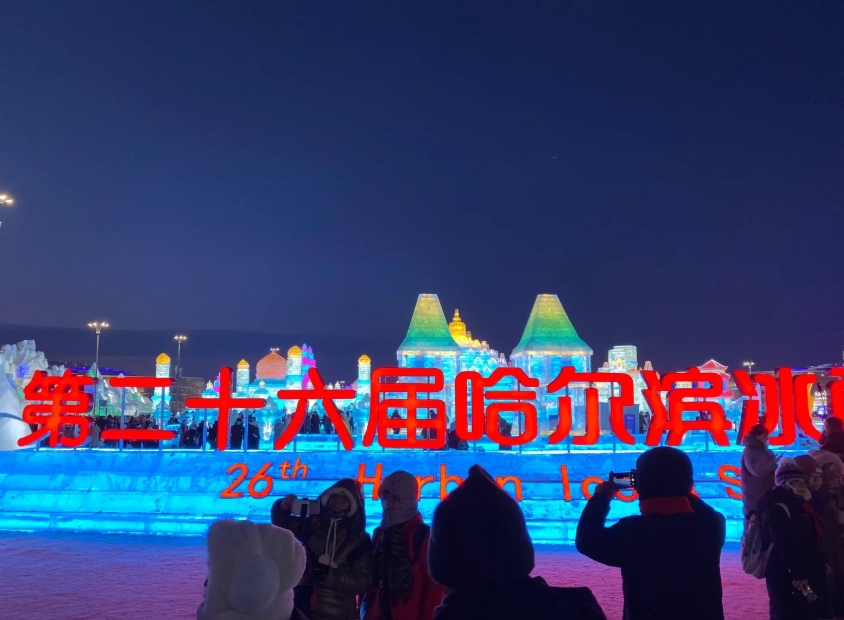
What a Ski Injury Actually Costs Here
These are typical public hospital ranges in Harbin, not resort prices. Slope-side clinics charge substantially more, and any figure moves with the severity of the case. Treat this as a planning tool, not a quote.
| Incident | Typical Range (RMB) | Usually Covered? | What Trips People Up |
|---|---|---|---|
| Emergency room consult and triage | 50 – 300 | Yes, most policies | Resort clinics bill several times the city rate |
| X-ray | 100 – 350 | Yes | Needs passport registration first |
| MRI scan | 600 – 1,200 | Often needs pre-approval | Waiting list can run days in peak season |
| Fracture reduction and cast | 800 – 3,000 | Only if winter sports is covered | The activity exclusion is what kills it |
| Inpatient bed per night | 400 – 1,500 | Yes | Deposit demanded on admission |
| Ground ambulance in Harbin | 100 – 300 | Sometimes excluded | Some policies exclude ground transport entirely |
| Road transfer from Yabuli to Harbin | 1,000 – 2,500 | Usually counted as evacuation | Requires pre-authorization in most wordings |
| Air ambulance out of province | USD 20,000 and up | Only with a high evacuation limit | Very few standard policies reach this level |
| Frostbite treatment | 300 – 2,000 | Depends on classification | Often coded as illness rather than injury |
What the table cannot show is the friction. The moment a nurse asks about insurance and you hand over a foreign policy document, the conversation shifts. Have your insurer's name, policy number and 24-hour assistance number written on a card in your jacket pocket. Phones die in this cold — mine has shut down at minus 25 more times than I care to admit — and a paper card has saved two of my clients from a very long night.
Which Policy Fits Your Trip
| Option | Winter Sports Covered | Evacuation Limit to Look For | Best For | The Catch |
|---|---|---|---|---|
| Standard international travel policy | No | USD 50,000 – 100,000 | Cities only, no snow activities | Skiing is excluded outright |
| Standard policy plus winter sports rider | Yes, within marked areas | USD 100,000 and above | Most visitors to Yabuli and Harbin | Off-piste is usually still excluded |
| Inbound policy from a Chinese insurer | Varies by product | Often lower | Short trips with simple itineraries | Assistance line is Chinese-first |
| Evacuation membership stacked on top | Not applicable | USD 250,000 and above | Backcountry, snowmobile, remote villages | It moves you, it does not pay hospital bills |
For a typical ten-day Harbin and Yabuli trip, the middle row is the right answer almost every time. For Mohe in deep winter or any plan involving snowmobiles and forest roads, add the evacuation membership. And if you buy a Chinese inbound policy through a platform like Trip.com, understand the trade-off clearly: the claim process is local and fast, but the assistance hotline will open in Mandarin, and you will be relying on your hotel receptionist or a translation app at the worst possible moment.
Where Risk Spikes on the Way to the Slopes
Most people insure the mountain and forget the road. That is backwards. The drive to the resorts is where I have seen the closest calls — black ice, overloaded vans, and drivers who have done the route a thousand times and drive it accordingly.
| Route | Best Option | Time | Typical Cost | Notes |
|---|---|---|---|---|
| Harbin to Yabuli | High-speed rail to Yabuli West, then resort shuttle | 1.5 – 2 hours total | RMB 60 – 90 plus shuttle | Book with your passport number |
| Harbin to Yabuli by car | Private transfer arranged through your hotel | 2.5 – 3 hours | RMB 600 – 900 | Do not attempt this at night in snow |
| Harbin to China Snow Town | Organised coach, or rail plus a local transfer | 5 – 7 hours | RMB 150 – 400 | Nearest major hospital is a long drive away |
| Harbin airport to Central Street | Airport shuttle bus or ride-hailing | 40 – 60 minutes | RMB 20 shuttle, RMB 100 – 130 taxi | Ignore drivers approaching you inside the terminal |
| Harbin to Mohe | Domestic flight | About 2 hours | RMB 800 – 1,500 | Train alternative takes well over 12 hours |
Train tickets are the one booking I insist clients handle themselves, because it ties your passport to the seat. The official China Railway 12306 platform now has an English interface and accepts international cards. It is clunky, and the passport verification step frustrates everyone, but it is the source of truth when a third-party site shows a sold-out train as available.
Insider Advice: If a driver offers to skip the toll road to save time on the Yabuli run, refuse. The back roads are prettier and considerably more dangerous once the sun drops behind the ridge.
A Pre-Trip Insurance Checklist
- Confirm the winter sports rider is active and printed on your certificate
- Check the evacuation limit and whether air transport is included
- Note whether pre-authorization is required before treatment
- Save the 24-hour assistance number offline, and write it on paper
- Screenshot your policy number and the insurer's email address
- Carry a cash buffer of at least RMB 10,000, or the equivalent topped up in Alipay
- Save 120 for ambulance, 110 for police and 119 for fire in your phone
- Register your trip with your home country's embassy in Beijing
24 Hours in Harbin With a Sprained Ankle
Let me make this concrete, because this exact day has happened to two of my groups.
07:30 — You wake up in a hotel near Central Street, ankle swollen and purple. Skip the hospital dash for now. Most public hospital emergency departments are calm between 08:00 and 10:00 and turn into a zoo after lunch.
08:15 — Taxi or ride-hailing to a large tertiary hospital. Show the driver the Chinese name of the hospital on your phone. The ride from Central Street takes 15 to 25 minutes depending on the Songhua River bridges.
09:00 — Registration desk, passport, deposit. If you did not call your insurer's assistance line the night before, call now and get a reference number while you wait for X-ray results.
12:30 — Out with a splint and a stack of stamped paperwork. Ask the cashier for the itemised invoice before you leave the counter, not after.
14:00 — Lunch, seated, somewhere warm. The Russian-influenced bakeries along Central Street are easy on a bad ankle, and the hot milk tea is genuinely restorative at minus 20.
15:30 — Indoor Plan B. The Heilongjiang Provincial Museum in Nangang District is free, warm and manageable with a limp, though it closes one day a week and you should check the current schedule before you go. If it is shut, the Harbin Grand Theatre on the riverbank is worth the taxi for the architecture alone, and the riverside cafes nearby have reliable heating and Wi-Fi.
19:00 — Ice and Snow World, if you still want it. The festival draws global coverage — National Geographic has photographed these blocks being cut from the Songhua River — and the scale genuinely surprises first-timers. Do not attempt it on a sprained ankle without checking wheelchair access first, because the site is enormous and the walking is relentless. Ask your hotel to call ahead. On the nights I have taken injured clients, we skipped it and watched the ice sculptures at Zhaolin Park instead. Smaller, closer to Central Street, and far easier on a bad leg.
Notice what this day did not include: an air ambulance, a hospital admission, or a five-figure bill. That is what decent Heilongjiang travel insurance actually buys you. Not the payout — the freedom to have a bad day without it becoming a catastrophe.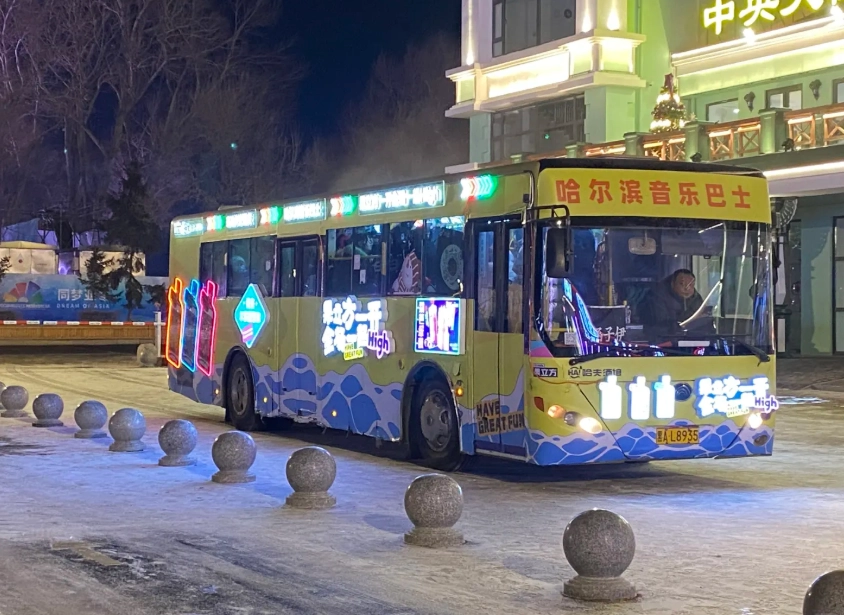
Questions I Get Asked Every Winter
Will a normal travel policy cover a ski accident at Yabuli, or do I need a special rider?
Assume you need the rider until you have read the exclusion list line by line. Standard policies treat skiing as a hazardous activity and exclude it, and that exclusion applies even on a beginner slope with an instructor holding your hand. The rider costs very little and it is the difference between a claim and a rejection letter.
Will a Harbin hospital bill my insurer directly so I avoid paying upfront?
In practice, no. Expect to pay the deposit and the final bill yourself, then claim it back. A few international clinics inside the largest hospitals will coordinate with an insurer if your provider issues a guarantee of payment in advance, and that is exactly why you call the assistance line before treatment rather than after.
Is travel insurance mandatory for visa-free entry into Heilongjiang?
For most visa-free and transit arrangements, no insurance document is checked at the border. That surprises people who expect a requirement. It also means nobody at immigration is going to warn you that your policy excludes the exact activity you flew here for. Check the current rules through the National Immigration Administration before you book flights.
My phone froze and died, so I could not call my insurer before treatment. Does that void the claim?
Not automatically, but it weakens it. Emergency treatment is almost always covered retroactively when the situation was genuinely urgent — the problem is proving urgency later. Keep the triage record, the ambulance receipt if there was one, and a note from the treating doctor describing your condition on arrival. Cold kills phone batteries here, so write your policy number and assistance line on paper and keep it in an inside pocket.
I got frostbite rather than a fracture. Is that treated the same way?
No, and this is the trap almost nobody sees coming. Some underwriters classify frostbite as an illness, others as an injury, and a few exclude injuries caused by prolonged exposure to extreme cold. Read the medical expenses section and the general exclusions together, and if the wording is ambiguous, get written confirmation from the insurer before your trip. A two-line email now beats a six-month argument later.
Verified and fact-checked by the editorial team.





No comments yet.