 Jing Song
Minus 28. My phone died in four minutes flat.
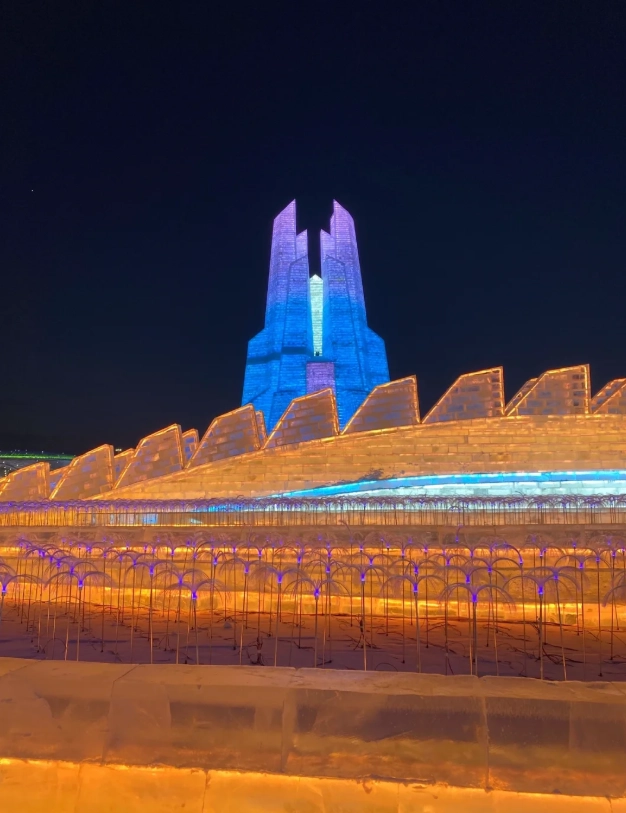
That was me last January, standing outside the ice towers at Harbin Ice and Snow World with a couple from Melbourne who had landed on a Heilongjiang visa-free transit stamp and booked precisely nothing. Ten days in front of them. Zero plans behind them. We sorted it in an hour — but only because I knew which counter to walk to and which app to open.
So let me save you that hour. Or that panic.
Here's what almost every English-language page gets wrong about Heilongjiang visa-free transit: they describe the rule and skip the reality. The rule is simple. The reality involves a 40-minute immigration queue, an onward ticket that gets checked twice, and a set of Ice and Snow World tickets that sell out for the evening slot days in advance.
The short version: Harbin Taiping International Airport is the one port in the province worth building a trip around. Your 240 hours start at midnight on the day after you clear immigration, not the moment you land. And you should book the ice park before you book anything else — flights, hotels, trains, all of it.
Now, here's how I'd actually run it.
Start Here — My Short Version
- What Is the Heilongjiang Visa-Free Transit Policy?
- Which Heilongjiang Ports Actually Work
- How Do You Build a 10-Day Route That Doesn't Exhaust You
- Harbin in Winter: Timing Tricks Nobody Posts
- Paying, Booking and Navigating Without Mandarin
- Where to Sleep in Harbin
- Mistakes I Watch Travelers Make Every Winter
- Questions I Get Asked at the Airport
What Is the Heilongjiang Visa-Free Transit Policy?
It is not a tourist visa, and treating it like one is exactly how people get turned around at the check-in counter back home. China's 240-hour transit visa-free arrangement lets passport holders from 54 countries enter through selected ports without applying for a visa in advance — but only when they are genuinely passing through to somewhere else.
Three things have to line up:
- A passport from one of the 54 eligible countries. The current list lives on the National Immigration Administration site at nia.gov.cn, and it does get updated, so check it the same week you book flights.
- A confirmed onward ticket leaving China for a third country or region. Hong Kong, Macau and Taiwan count as separate regions here. Bangkok to Harbin to Bangkok does not work. Bangkok to Harbin to Seoul does.
- Entry through a designated port. Heilongjiang has fewer of these than you would expect.
You also have to stay inside the permitted area, which for Heilongjiang means the whole province. If you want to add a stop in another province — Beijing, Shanghai, Xi'an — confirm it sits on the permitted list first. The officer will ask for your route, and "I hadn't decided yet" is not an answer that lands well.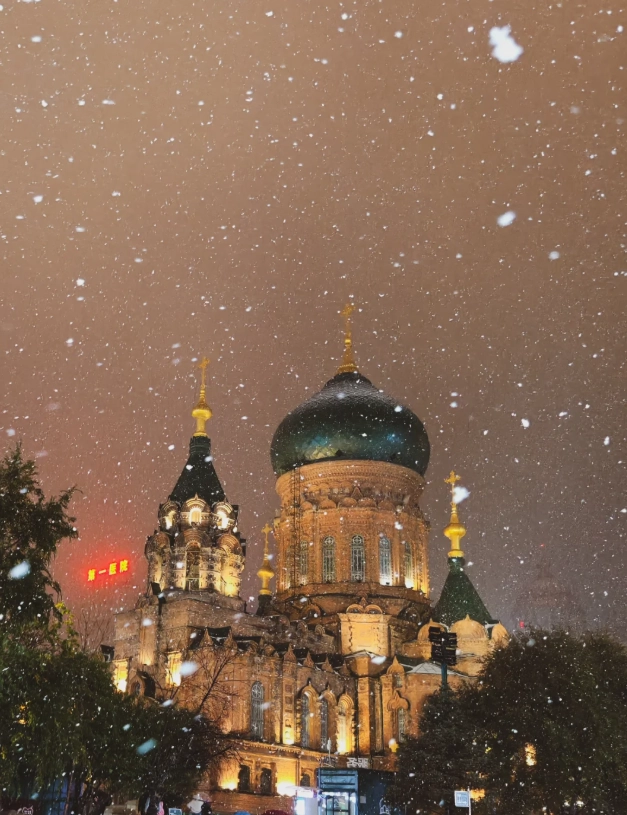
The 240-Hour Clock Starts at Midnight, Not at Landing
Your ten days begin at 00:00 on the day after you clear immigration, which quietly hands you almost eleven days on the ground. Land at 09:00 on a Monday and your window runs until midnight on the second Thursday. Sounds like a technicality. It isn't.
I've used that extra half-day more than once to push a client onto an overnight train to Mohe instead of a rushed same-day flight. Small detail, real itinerary.
Who Qualifies — and Who Should Ignore This Rule Entirely
If you hold a French, German, Italian, Spanish, Dutch, Japanese, South Korean, Australian or New Zealand passport, stop here and check China's unilateral visa-free list instead. Most of those nationalities currently get up to 30 days of visa-free entry with no onward ticket and no third-country requirement. A transit stamp would be a downgrade for you.
The transit route earns its keep for US, Canadian and Indian passport holders, who don't have that shortcut. If that's you, the 240 hours are genuinely generous — enough for Harbin, a ski mountain and one long train ride.
Which Heilongjiang Ports Actually Work
Harbin Taiping International Airport is the port you build around. Everything else in the province is a gamble.
Harbin Taiping International Airport — HRB
The airport sits roughly 35 km southwest of the city centre, in Taiping Town, Daoli District. Here's what matters once you're through the doors:
- To Central Street by DiDi or taxi: 40 to 55 minutes in normal traffic, expect somewhere around 100 to 140 CNY. On a Friday evening in January I have sat in that rank for over an hour.
- Airport shuttle bus: far cheaper, around 20 CNY, drops near Harbin Railway Station. It stops running late at night, so it is useless for a red-eye arrival.
- Metro: not connected to the airport as of my last visit. Do not plan around it.
Immigration at HRB is a small hall, and winter is when it hurts. If three widebodies land together, the foreign-passport queue can run 40 minutes. Fill in your arrival card on the plane, not while standing at the desk with a bag between your knees.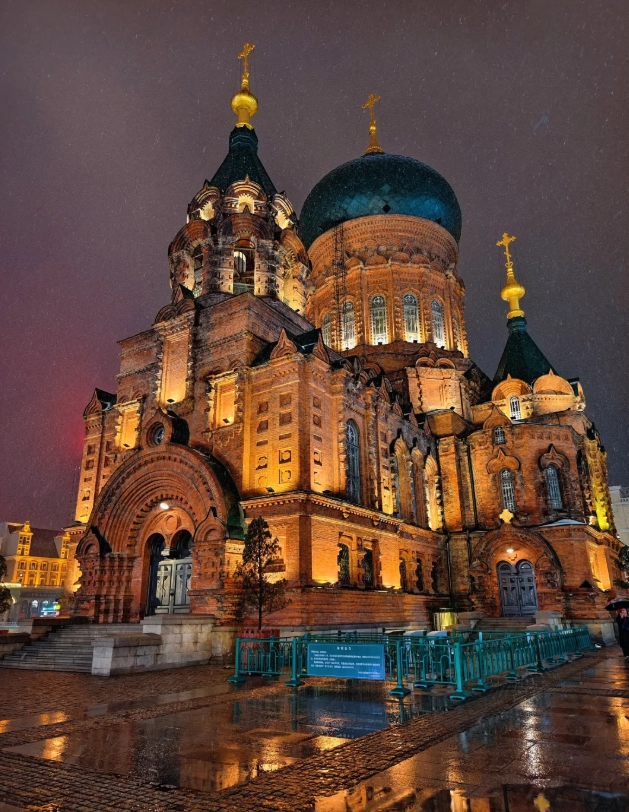
Pro Tip: The currency exchange counters past baggage claim give poor rates and close early. Bring a small amount of RMB, or set up Alipay before you fly. There is an ATM cluster near the exit doors that takes international cards.
Land Borders at Heihe and Suifenhe
Yes, they exist. No, I would not build a visa-free transit trip around them. These are crossings into Russia, and the practical reality is thin English signage, procedures that shift, and small towns where a small problem becomes a very long day. If you are set on a land crossing, verify the current rules on the National Immigration Administration site and carry a Russian visa in your passport anyway. That last part has rescued people I know.
How Do You Build a 10-Day Route That Doesn't Exhaust You
Almost every itinerary I see online was written by someone who has never felt minus 30 on their cheekbones. Ten days is not enough for Harbin, Snow Town, Mohe and Wudalianchi. Pick two, and go deep.
| Route | Travel Time from Harbin | Best For | Winter Reality Check |
|---|---|---|---|
| Harbin only | N/A | First-timers, families, anyone with under 10 days | Cheapest, warmest, best food. You will not run out of things to do. |
| Add Yabuli | 1.5 to 2 hours by high-speed rail | Skiers, couples | Mountain beds sell out through January. Book rail seats on 12306 early. |
| Add China Snow Town | 5 to 6 hours by road | Photographers chasing the postcard shot | Heavily commercialised. Prices roughly triple during peak holiday weeks. |
| Add Mohe | Overnight train around 15 hours, or about 2 hours by air | Bucket-list chasers, northern lights hopefuls | Minus 40 is real. Some outdoor tours get cancelled outright. |
| Add Wudalianchi | 4 to 5 hours by train plus bus | Slow travellers, geology people | Volcanic lakes freeze over. Honestly better in summer. |
Days 1 to 3: Harbin, Slowly
Give Harbin three days and let the first one be soft. Jet lag plus minus 20 is a bad combination, and I have watched grown adults fall asleep face-down in a hotpot on night one.
Day one, walk Central Street — 中央大街 — in the late afternoon when the cobblestones light up. It is about 1.4 km of pedestrian street and you would cover it in 40 minutes if you never stopped. You will stop.
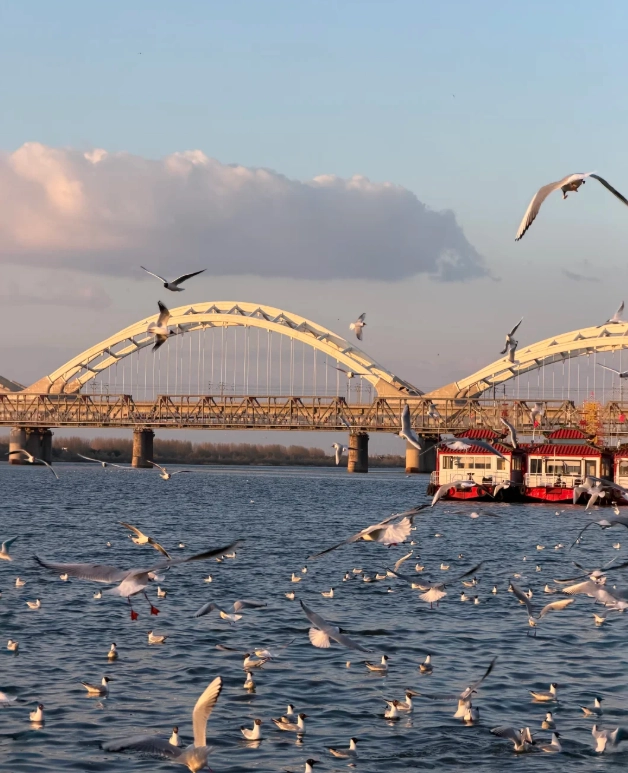
Day two, Saint Sophia Cathedral in the morning light, then the Songhua River bank. Day three, the Unit 731 Evidence Museum if you want something that stays with you, or the Siberian Tiger Park if you would rather not spend an afternoon in silence.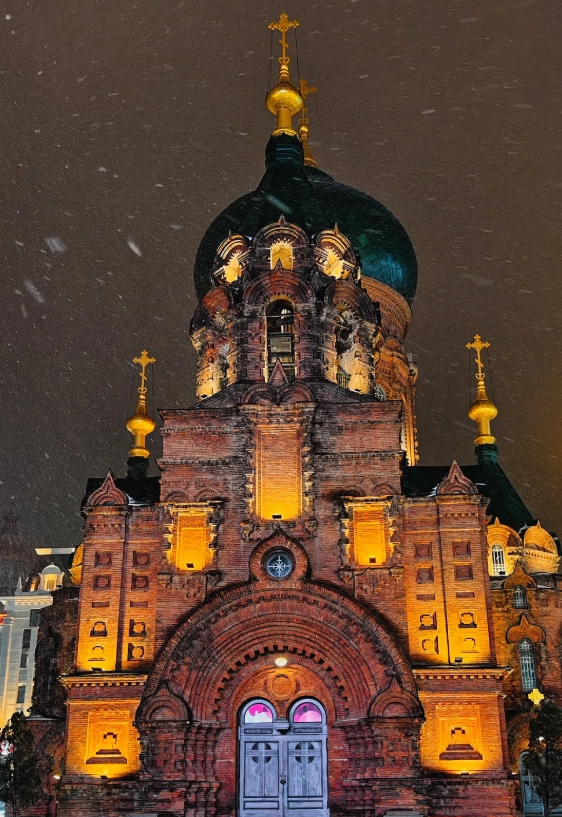
Days 4 to 6: Yabuli or Snow Town
Yabuli if you ski. Snow Town only if you are chasing one specific photograph and you have accepted the price. I'll be blunt about Snow Town: the mushroom-shaped snow roofs are gorgeous at dawn, and the rest of the experience is a queue with a wallet attached. Two nights maximum.
Days 7 to 10: Mohe, Wudalianchi, or a Second Harbin Pass
Here is the scenario I get asked about most. Assume you have exactly 24 hours left and a flight out of HRB at noon. Skip Mohe entirely — it is a 15-hour train each way and you would burn your whole buffer on a platform. Instead: morning at the Zhaolin Park ice lanterns, lunch on guo bao rou, afternoon at the Harbin Grand Theatre in Songbei, dinner near your hotel. That is a real day, not a sprint.
Harbin in Winter: Timing Tricks Nobody Posts
Ice and Snow World — Go at 3 PM, Not 7 PM
The single best decision you can make is walking into Harbin Ice and Snow World around 15:00 and staying through the lighting. Everyone books the evening window. That is when the entry gates turn into a shivering scrum and every good photo angle has three people standing in it.
Arrive mid-afternoon and you get the ice towers in flat grey daylight — which, counterintuitively, photographs better than the neon does — then you watch the whole park switch on at dusk from a spot you already claimed. By the time the evening crowd is queueing at the gate, you are warm in a taxi.
- Tickets: expect roughly 300 to 350 CNY for a standard adult ticket, higher during holiday weeks. Verify current pricing before you book.
- Where to book: the official WeChat mini-program or Trip.com. Passport required for the real-name reservation.
- Address: Songbei District, on the north bank of the Songhua. Metro Line 2 has a station named for the park — follow the crowd off the platform, you cannot miss it.
- Time on site: budget three hours minimum. It is a large site and the ice paths are slippery, so you move slowly whether you want to or not.
Insider Advice: Chemical hand warmers — 暖宝宝 — cost a few yuan at any convenience store in the city. Buy them here, not at home. Same for the thick felt insoles that go inside your boots. Both are cheaper and better than what you would pack.
What to Eat and Where
Harbin food is Russian-edged, pork-heavy and built for cold weather, and you should eat all of it.
- Madier ice cream at 89 Zhongyang Dajie, Daoli District. Five to fifteen yuan a stick, and eating it outdoors at minus 25 is the entire point. There is a side window that usually moves faster than the main counter.
- Guo bao rou — sweet-and-sour fried pork. Harbin's version is crisper and more vinegar-forward than the Liaoning take. Mid-range restaurants run 60 to 120 CNY per person.
- Tie guo dun — a shared iron pot of fish or chicken with potatoes and cornbread. Order it with people, not alone.
- Harbin red sausage and Qiulin's giant Russian-style bread for the train. Both vacuum-packed, both survive a 15-hour ride.
My personal order every single trip: guo bao rou, a bowl of suan cai pork, and a cold Harbin Beer that tastes wrong and right at the same time.
Paying, Booking and Navigating Without Mandarin
Payments
Set up Alipay with your international card before you fly, and treat cash as a backup rather than a plan. Alipay and WeChat Pay both accept foreign Visa and Mastercard now, and the setup takes about ten minutes if you do it at home on a stable connection.
- Cash is legal tender and legally must be accepted, but small vendors often cannot make change for a 100. Carry tens and twenties.
- Physical foreign credit cards work at big hotels and larger malls. They do not work at street stalls or most local restaurants.
- The Harbin Metro accepts the Alipay transport QR code, and the ticket machines have an English menu.
Booking Attractions
Assume every major attraction needs a passport-linked reservation, because most of them now do. Trip.com and Klook are the two English-friendly options I recommend to clients. The WeChat mini-programs work fine but they are entirely in Chinese, and navigating one is a headache even for me. If you get stuck, walk to your hotel front desk and ask — receptionists do this for guests constantly.
For trains, 12306.cn has an English site and app, and it is the cheapest route by a wide margin. You will need to verify your passport, which takes a day or two, so start before your trip.
Navigation, Language and Internet
Google Maps does not work reliably in mainland China. Accept that before you land, not after. Apple Maps is decent for walking directions. Amap, known as Gaode, is more accurate but Chinese-first. DiDi has a proper English interface, accepts foreign cards, and is also built into Alipay.
Save the Chinese address as a screenshot for every place you are going. Handing a phone to a driver beats pronouncing a street name badly.
Install and test your VPN before departure — Google, Instagram and WhatsApp will not load without one. Apple Translate and Baidu Translate both handle offline Chinese, and the camera mode on Apple Translate is genuinely useful for menus.
Where to Sleep in Harbin
Book a hotel that is licensed to host foreign guests. This is the mistake that ruins more Harbin arrivals than the cold does. Small domestic guesthouses sometimes legally cannot register you, and you find out at 11 PM with your bags on the pavement. Trip.com lets you filter for foreign-guest-friendly properties — use it.
| Hotel | Area | Winter Price Range Per Night | Best For |
|---|---|---|---|
| Shangri-La Harbin | Songbei, riverside | 800 to 1,500 CNY | Families, river views, English-speaking front desk |
| JW Marriott Harbin River North | Songbei | 900 to 1,600 CNY | Couples, business travellers, reliable Wi-Fi |
| Sofitel Harbin | Daoli, near the airport road | 600 to 1,000 CNY | Early flights, large rooms, quiet floors |
| Holiday Inn Harbin City Centre | Nangang | 450 to 750 CNY | Solo travellers who want to walk to dinner |
| Ibis Harbin Central Street | Daoli | 250 to 450 CNY | Budget stays where location beats comfort |
Winter rates in Harbin run well above summer, and the stretch from late December through early February is the peak of the peak. Book two months out if you can. If you are staying in a private apartment rather than a hotel, you must register with the local police station within 24 hours of arrival — hotels do this for you automatically, apartments do not.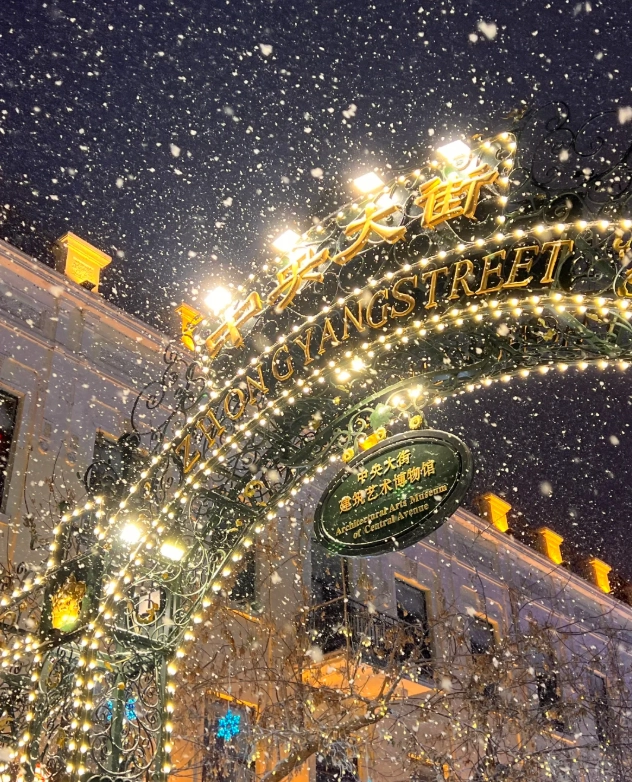
Mistakes I Watch Travelers Make Every Winter
None of these are exotic. All of them cost people a day.
- Jeans. Denim at minus 25 is a wet, stiff punishment. Thermal base layer plus fleece-lined trousers, every time.
- Cotton socks. They hold sweat and then freeze. Wool or synthetic only.
- No power bank. Phone batteries collapse in the cold. Keep the phone in an inside pocket and the power bank in the other one.
- Underestimating walking distances. Ice and Snow World is a big site with slippery surfaces. Three hours is the floor, not the ceiling.
- Turning up at the Unit 731 museum without a reservation. It is free, but it is real-name booked, and many Chinese museums close one weekday. Check first.
- Treating Snow Town as a day trip. It is five to six hours each way. That is not a day trip, that is a hostage situation.
One more, and it is the one nobody warns you about: airport taxi touts. Walk past anyone who approaches you inside the terminal. Use the official rank or open DiDi. CNN Travel has covered Harbin's ice festival beautifully for years, but the arrival logistics never make the photo essay — and that is where the money and the hours actually get lost.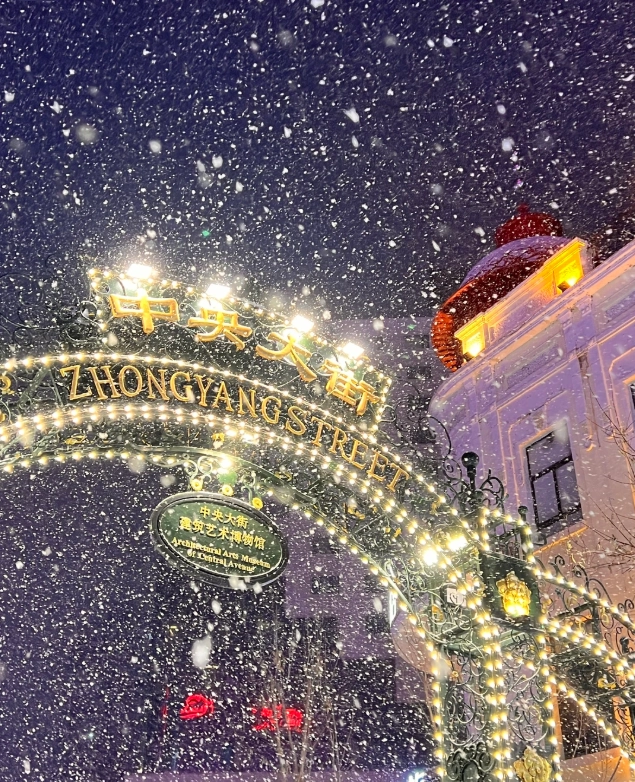
Questions I Get Asked at the Airport
Can I leave Heilongjiang and come back on the same 240-hour transit stamp?
You can move within the permitted areas, and Heilongjiang's permitted area is the whole province. Going to another province depends on whether it sits on the permitted list and whether both your entry and exit ports are designated. Tell the immigration officer your intended route at the desk — they will note it, and a mismatch later is much harder to explain than a plan stated upfront.
What happens if my onward flight is cancelled and my 240 hours run out?
Do not simply overstay. Take your passport, the cancelled ticket, the rebooking confirmation and your hotel registration slip to the local Exit and Entry Administration Bureau before the clock expires. In my experience they are pragmatic about genuine airline cancellations, but they are not forgiving about silence. If you are in Harbin, the bureau sits in the city centre and walk-in hours are weekday mornings.
Do I need a visa if I fly into Beijing first and then connect to Harbin?
Your 240 hours begin when you clear immigration at your first Chinese port, so a Beijing entry followed by a domestic hop to Harbin is fine as long as both ends fit your permitted area and your onward ticket leaves for a third country. The trap is booking a domestic connection with a tight layover. Beijing immigration can be slow, and a missed connection on a transit stamp is a genuinely stressful afternoon.
Is Harbin safe for a solo female traveller at night?
Street crime is genuinely rare here, and I have walked clients back to their hotels at midnight in January without a second thought. The real risks are ice on the pavement, cold-related injuries and taxi overcharging after the ice festival closes. Keep your phone charged, keep your hotel's address in Chinese, and skip the unlicensed drivers waiting outside the park gates.
Can I pay for Ice and Snow World tickets with a foreign credit card at the gate?
Do not count on it. Book through Trip.com or Alipay before you arrive, where your international card works fine. The gate counters are built around Chinese mobile payment, and January queues there are not where you want to discover that your card is declined.
Verified and fact-checked by the editorial team.





No comments yet.