 Jing Song
What I cover on this page
- Which Dalian Station Does Your Heilongjiang Train Leave From?
- Dalian to Heilongjiang Train Options, Compared
- How Do I Book a Dalian to Heilongjiang Train Ticket as a Foreigner?
- Boarding Day at Dalian North, Step by Step
- Arriving in Heilongjiang: Harbin First
- Beyond Harbin: Yabuli, Mudanjiang, Qiqihar and Mohe
- A 24-Hour Heilongjiang Sprint: My Real Timeline
- Mistakes I Watch Foreign Travelers Make on This Route
- Dalian to Heilongjiang Train: Questions Travelers Ask Me at the Station
Two hours in a queue at Dalian North. That is how a client of mine missed his train — with a valid ticket in his hand.
Here is the part nobody posts about. You book a Dalian to Heilongjiang train on some slick third-party app, you save a screenshot, and then a gate agent waves you out of line because the name on the booking does not match your passport letter for letter. It happens far more often than you would guess.
So let me give you the ending first. The workhorse on this route is a G-train from Dalian North to Harbin West, roughly four hours, second class in the four-hundred-yuan range. Book it on the official China Railway platform, 12306, with your passport number typed exactly as printed. Then walk into the station 45 minutes before departure — not 20.
Everything below is the detail. Which station, which seat, what the boarding process actually feels like when you are standing in it, and how to keep moving once you are inside Heilongjiang.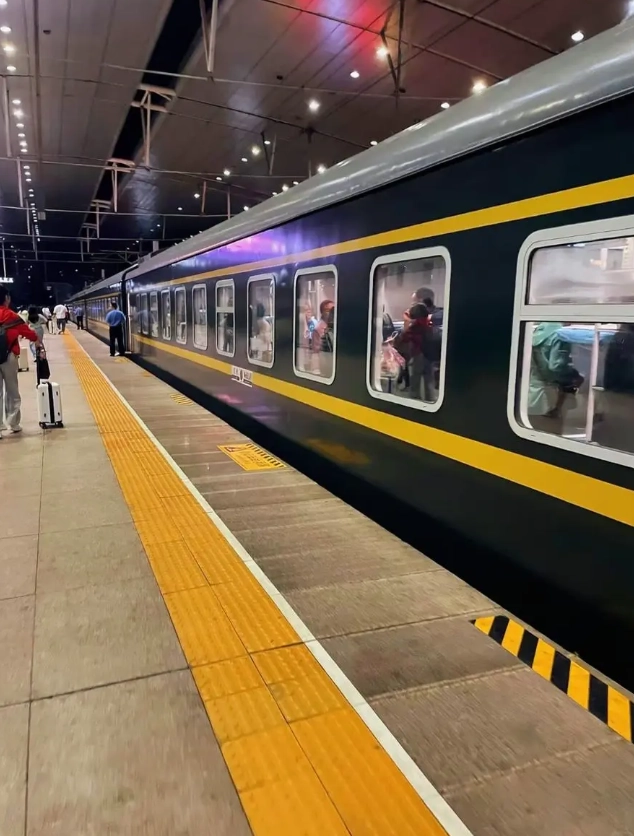
Which Dalian Station Does Your Heilongjiang Train Leave From?
Your ticket already answers this. Almost nobody reads it.
Dalian Station versus Dalian North — the mix-up that costs you the train
Dalian has two stations that matter for this route, and they are 20 km apart.
Dalian Station sits downtown, a five-minute walk from the Qingniwaqiao shopping intersection and the edge of Zhongshan Square. Dalian North is out in Ganjingzi District, well north of the centre, and it is where the bulk of high-speed departures toward Shenyang, Changchun and Harbin leave from. A handful of services still start downtown at Dalian Station.
The Chinese characters are the giveaway. 大连 means the downtown station. 大连北 means the northern one. If your booking shows the second, you are heading out of the city before you head north.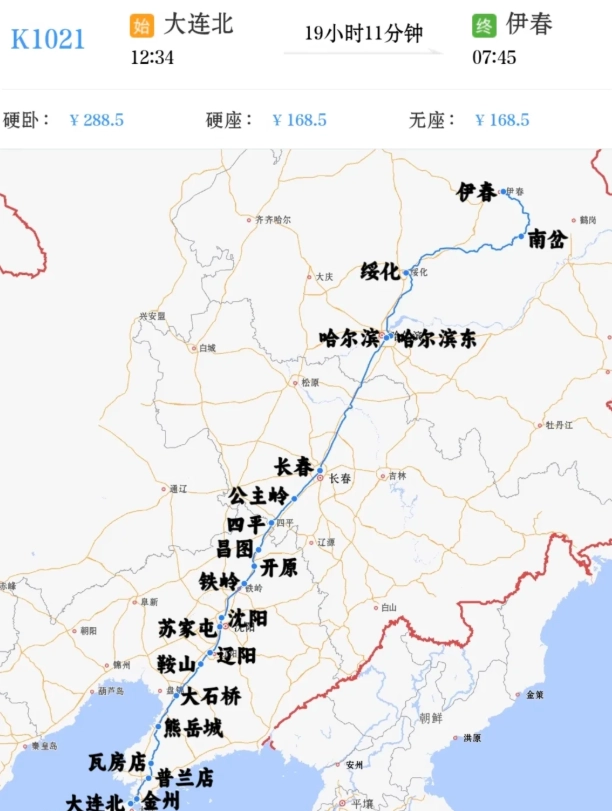
Pro Tip: When you get into a taxi, do not say Dalian station. Say Dalian Bei Zhan, and show the driver the characters on your phone screen. I have watched grown adults cry at the wrong one, and there is no fast way to fix it at 06:20 in the morning.
How to reach Dalian North without stress
Treat the trip to Dalian North as part of the journey, not an afterthought.
- Metro — Dalian's metro runs directly to the station complex. Cheap, immune to the Ganjingzi traffic, and it drops you inside the building.
- Taxi or DiDi — from the Zhongshan Square area, budget 30 to 45 minutes and roughly ¥50 to ¥70. Add 20 minutes if you are moving between 07:30 and 09:00, or between 17:00 and 18:30.
- From Dalian Zhoushuizi Airport — about 15 km, ¥40 to ¥55, usually 25 to 35 minutes outside peak hours.
Whatever your map app tells you, add a 30-minute buffer. The approach road jams on Friday afternoons with locals heading out of the city for the weekend, and that is exactly when a lot of Harbin-bound departures leave.
Dalian to Heilongjiang Train Options, Compared
Here is the honest comparison. Fares move with the train number, the date and demand, so treat every figure as a ballpark and confirm the real number on 12306 the day the sales window opens.
| Mode | Route | Journey time | Approx. one-way fare | Best for |
|---|---|---|---|---|
| G-train, high speed | Dalian North to Harbin West | 4h to 5h30m | Second class in the ¥400 range | Almost everyone |
| D-train | Dalian North to Harbin West | 5h30m to 7h | Slightly below G fares | Flexible timing, tighter budgets |
| Overnight sleeper | Dalian Station to Harbin | 9h to 11h | ¥250 to ¥450 by berth type | Saving one hotel night |
| Flight | Dalian Zhoushuizi to Harbin Taiping | 1h20m airborne, about 4h door to door | Often ¥500 to ¥900 | Last-minute plans only |
| High-speed plus hub transfer | Dalian North to Harbin West to onward city | Varies by leg | Varies by leg | Qiqihar, Mudanjiang, Jiamusi, Mohe |
High-speed trains from Dalian to Harbin
This is the route you want, and the fastest services cover the roughly 920 km in a shade under four hours.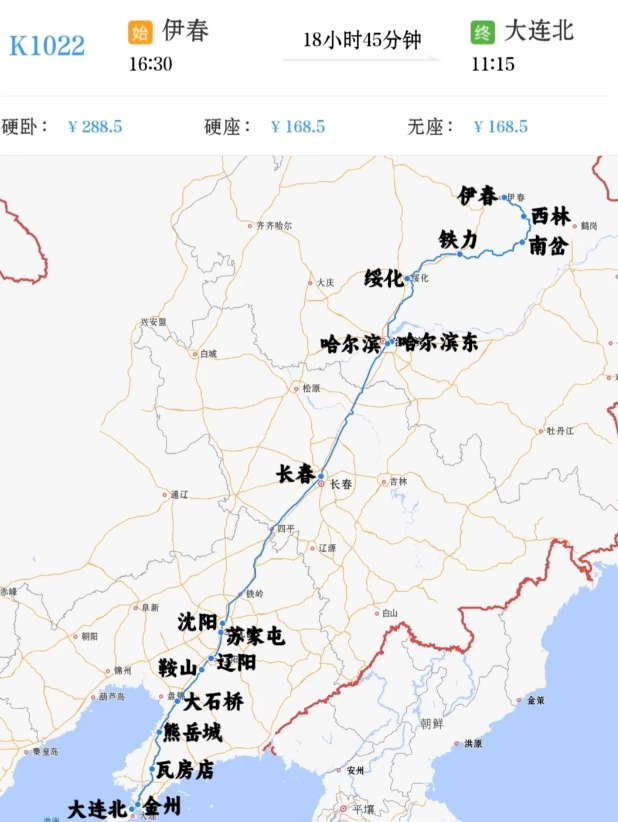
The line runs up the Liaodong Peninsula and across the Songliao Plain. Slower G-trains that stop at Yingkou East, Shenyang North, Tieling West and Changchun West stretch the trip to five and a half hours, which is still perfectly tolerable.
Departures cluster between 06:00 and 09:00, then again between 15:00 and 19:00. I book the early ones for clients. You are in Harbin before lunch, and you have not burned a day of your trip sitting in a carriage.
Overnight sleeper trains — who they are actually good for
A sleeper is not a budget version of the high-speed train. It is a different product entirely.
You leave Dalian Station in the evening, you sleep, and you roll into Harbin the next morning. Hard sleeper means an open six-berth bay with three bunks on each side, no door, and the noise level of a busy hostel dormitory. Soft sleeper means four berths behind a closing door, and it costs noticeably more.
Now the part that nobody mentions. If you are over six feet tall, the berths will be tight. I had a client at 6'3" who spent the night with his knees jammed against the wall and swore he would never do it again.
Sleepers suit people who genuinely want to save a hotel night, heavy sleepers, and anyone chasing the old-school Chinese rail experience. They do not suit light sleepers, families with toddlers, or anyone with something scheduled early in Harbin.
Direct trains to Qiqihar, Mudanjiang and Jiamusi
Direct services exist, and for most travelers you should ignore them.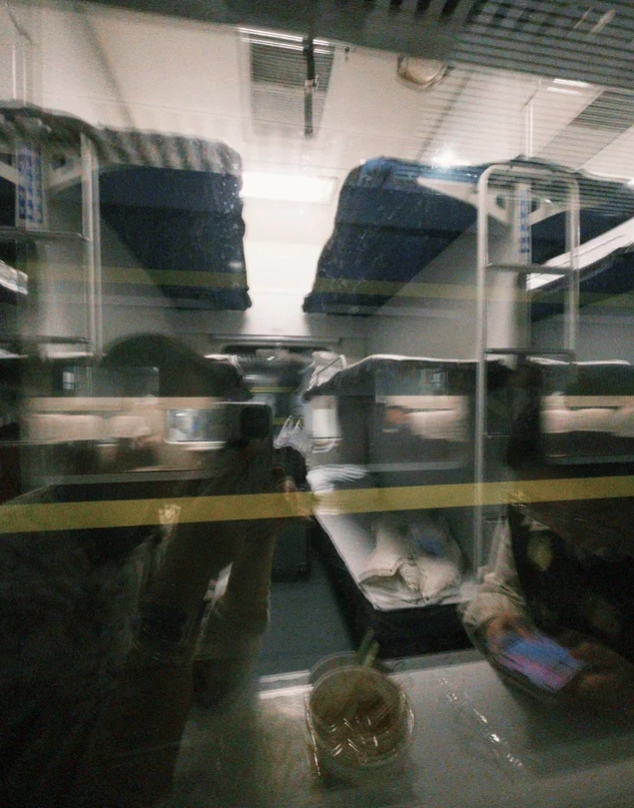
There are through trains from Dalian to Qiqihar, Mudanjiang and Jiamusi, but they crawl. Think 12 to 16 hours for journeys the high-speed network handles in a fraction of that with one change. The smarter pattern is to hub through Harbin.
- Harbin West to Qiqihar South — around 1 hour 40 minutes.
- Harbin to Mudanjiang — around 1 hour 50 minutes.
- Harbin to Jiamusi — roughly 2 hours on the newer high-speed section.
Book the Harbin leg first, then build the onward leg around it. Trying to do it the other way round is how people end up with a five-hour wait in a provincial station at midnight.
How Do I Book a Dalian to Heilongjiang Train Ticket as a Foreigner?
12306 versus Trip.com versus the ticket window
Start with 12306, the official China Railway platform at 12306.cn. It has an English interface and an app, and it is the only channel that shows you every train and every seat at face value.
The friction is payment. Foreign cards fail on 12306 more often than not, because the platform leans heavily on Alipay and WeChat Pay. If your Alipay is already linked to an international card, you are usually fine. If it is not, sort that out before you leave home, not in the departures hall.
Trip.com is my standard fallback. English interface, international cards accepted, and a small service fee on top. You are paying for convenience, and for a four-hour train that is money well spent.
The ticket window works, but you will queue and the staff may not speak English. I would only use it for a same-day change. And please avoid the ticket-agent listings floating around shopping platforms and social media — you are handing your passport number to a stranger.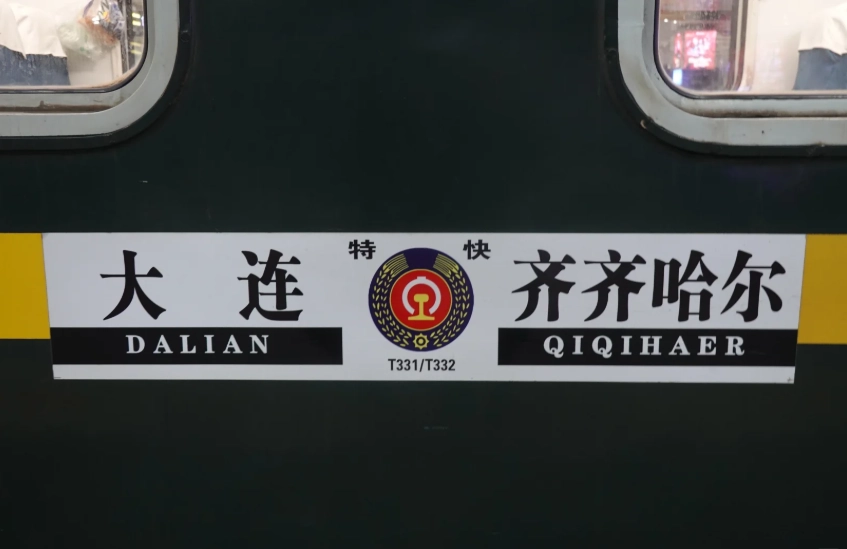
The passport name trap that ruins bookings
Your booking name must match your passport exactly, character for character.
This is where I see the most failures, and they are entirely avoidable.
- Hyphens, apostrophes and double-barrelled surnames are the usual culprits. If O'BRIEN gets rejected, try OBRIEN.
- Middle names matter. If your passport shows one, include it.
- Copy and paste your passport number. Do not retype it from memory after a long flight.
- No stray spaces at the start or end of the name field.
Once the booking is confirmed, your passport is your ticket. Most stations no longer issue paper tickets for high-speed services — you place the passport on the reader at the gate and walk through. Carry it on your body, not in your checked luggage.
Seat classes on Chinese high-speed trains, decoded
Second class is fine. Do not let anyone convince you otherwise for a four-hour run.
- Second class — 3+2 seating, five across. Comfortable, busy, and what I book for the majority of clients.
- First class — 2+2, wider seats, a noticeably quieter carriage, roughly 1.6 times the second-class fare.
- Business class — 1+2 with seats that recline almost flat and snacks included, around three times the second-class fare. Worth it on a ten-hour run. Overkill here.
- Sleepers — hard sleeper is an open six-berth bay, soft sleeper is a four-berth compartment with a door.
If the only thing left is a standing ticket, take a later train instead. Standing for four hours in a packed carriage is a genuinely miserable way to start a holiday.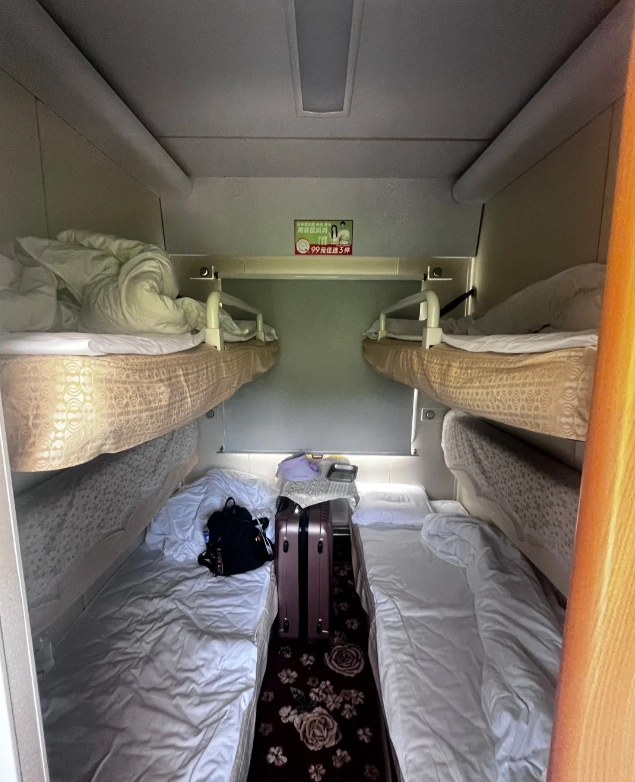
Boarding Day at Dalian North, Step by Step
Security, passport checks and the gate cutoff
Gates shut five minutes before departure, and the passport verification lane is the slow one.
Here is the sequence at Dalian North. You enter the departures hall and put your bags through the X-ray, then walk through a metal detector. Water bottles sometimes get tested, which takes about ten seconds. Next comes verification, where an agent scans your passport and matches it against the booking. Then you wait in the main hall until your train appears on the boards.
The train number and platform usually go up around 20 minutes before departure. Boarding starts, everyone surges at once, and the gate closes five minutes out. Miss that and your ticket is worthless.
Pro Tip: The passport lane at Dalian North backs up badly between 07:00 and 08:30, when the morning long-distance departures bunch together. If your train falls in that window, be inside the hall a full hour early. There is a convenience store and a noodle counter upstairs where you can wait it out in comfort.
Food, luggage and what I always carry on board
Nobody weighs your bags on a Chinese high-speed train, but there are practical limits.
Overhead racks take a standard carry-on. Larger cases go on the racks at the end of each carriage. Keep your passport and your phone on you at all times.
Onboard food is thin — a trolley with instant noodles, packaged snacks and drinks, plus a basic dining car on some services. Dalian North has a convenience store and a couple of quick noodle places on the upper level, and the prices there are normal rather than airport-inflated.
What I actually pack for this run:
- A thermos. There are hot water dispensers at the end of every carriage, and in a Heilongjiang winter that is the single most valuable thing you can carry.
- Hand warmers, plus a spare for your phone.
- A translation app and a working VPN, set up before you leave — not on the train.
- Small cash notes. Some station kiosks take only Alipay or WeChat Pay, and a few take nothing else.
Arriving in Heilongjiang: Harbin First
Getting from Harbin West into the city
Harbin West is not central, so budget half an hour.
A taxi or DiDi from Harbin West to the Central Street area runs roughly 20 to 30 minutes and ¥25 to ¥40 depending on traffic. The metro stops at the station too, but you will need a transfer to reach the old town, and with luggage that is more hassle than it is worth.
Show the driver the Chinese characters for your hotel, not the English name. Most drivers cannot read pinyin, and you will both end up frustrated.
What to see in Harbin and what you must book ahead
| Place | Season | Ticket | Booking channel | Time needed |
|---|---|---|---|---|
| Harbin Ice and Snow World | Late December to late February | Tiered, higher on weekends | Official WeChat mini-program or Trip.com | 3 to 5 hours, go after 16:00 |
| Sun Island Snow Sculpture Expo | Winter only | Sold separately from the Ice World | On site or Trip.com | 2 to 3 hours |
| Saint Sophia Cathedral | Year round | Small fee for the interior | On site, passport may be required | 45 minutes |
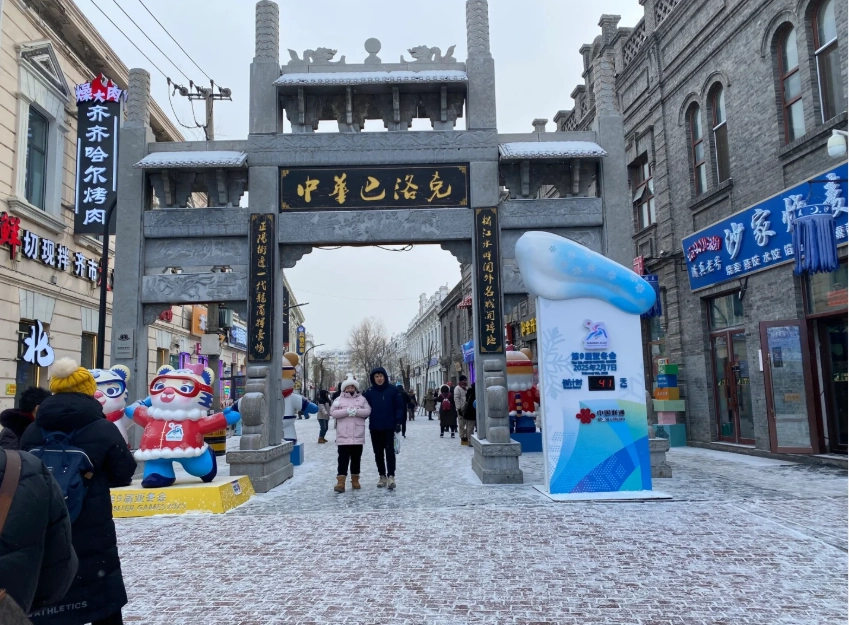
| Central Street | Year round | Free | None | 2 hours |
| Siberian Tiger Park | Year round | Ticket plus safari bus combo | On site | 2 hours |
| Hongzhuan Street morning market | Year round, mornings only | Free | None | 1 hour |
The Ice and Snow World is why most people come, and it is also where I see the most planning mistakes. The park is enormous and built from river ice, so the best hour to arrive is around 16:00. You catch the last of the daylight on the sculptures, then the LED lighting kicks in and the whole place turns into something else. By 18:30 the entrance plaza is a wall of tour groups.
Two things nobody tells you. Your phone battery will drop from 80 percent to dead in under 20 minutes at minus 25, so keep it in an inside pocket against your body. And the ground is polished ice in places — I have seen more sprained wrists than I care to count. Bring boots with actual grip, not fashion boots.
Now let me save you some money on everything else. Saint Sophia Cathedral charges a small fee for the interior, and the square outside is free and honestly where the good photos are. Central Street costs nothing and takes two hours at a slow stroll. And if you want one genuinely local experience, get up at 06:00 and walk to the Hongzhuan Street morning market — dumplings, fried bread, hot soy milk, and almost no foreign tourists.
Insider advice: Every itinerary tells you to hit Ice and Snow World on day one. Do not. Give your body 24 hours to adapt to minus 20. I have had clients burn out by day two because they went straight from a heated plane cabin to five hours outdoors.
Winter versus summer in Harbin
These are two completely different trips, and you should decide which one you want before you book anything.
Winter is the postcard — ice, snow, the Ice and Snow World, sub-zero temperatures, and crowds from late December through February. Chinese New Year is the absolute peak, and I actively steer clients away from it unless they enjoy queuing in the cold.
Summer is the secret. Harbin sits at roughly the same latitude as Montreal, and July and August are genuinely pleasant: mid-twenties, low humidity, long evenings along the Songhua River. The architecture on Central Street is far easier to appreciate without four layers of clothing. International outlets such as CNN Travel tend to focus on the winter spectacle, which is exactly why summer stays underrated.
For a wet day or a heatwave, the Heilongjiang Provincial Museum is the standard indoor fallback. Entry is free, a passport-based reservation is required, and like most Chinese museums it closes on Mondays. Confirm the current hours before you go, because they shift with the season.
Beyond Harbin: Yabuli, Mudanjiang, Qiqihar and Mohe
Heilongjiang is enormous, and the rail network out of Harbin reaches almost all of it. Here is how I rank the onward options.
- Yabuli — China's best-known ski area, about 1 hour 10 minutes from Harbin by high-speed rail to Yabuli West, then a resort shuttle. Runs for every level, plus a cable car. Gear rental on site is cheap by international standards.
- Mudanjiang and Jingpo Lake — roughly 1 hour 50 minutes by high-speed rail from Harbin. From the city, buses run out to Jingpo Lake, a volcanic crater lake with a famous waterfall. Summer and early autumn are the seasons to go.
- China Snow Town — the village in Hailin that looks like a Christmas card. Getting there is the hard part: five to six hours by road from Harbin, or a train to Hailin plus a local bus. Accommodation sells out weeks ahead in January.
- Qiqihar — 1 hour 40 minutes from Harbin, and the gateway to Zhalong Nature Reserve, a wetland famous for red-crowned cranes. Best from May to October, since the cranes migrate.
- Mohe and Arctic Village — China's northernmost settlement, reached by an overnight train from Harbin that takes around 15 hours, or a long flight connection. Winter brings a real chance of aurora and temperatures that hit minus 40.
Is Mohe worth the trek?
Only if you are chasing one specific thing.
Mohe is not a place you go for comfort. The train is long, the village is small, and in deep winter the cold is genuinely dangerous rather than atmospheric. But it is the only spot in China where you can stand at the country's northern edge, and on a clear winter night the aurora does show up.
If you have five spare days, go. If you have three, spend them in Harbin instead. I have talked more people out of Mohe than into it, and I stand by that.
A 24-Hour Heilongjiang Sprint: My Real Timeline
Suppose you land at Harbin West around 10:00 and fly out the next afternoon. This is exactly how I would run it.
- 06:15 — G-train departs Dalian North. Buy coffee and a pastry the night before; the station shops are thin that early.
- 10:20 — Arrive Harbin West. DiDi to your hotel near Central Street, about 25 minutes and ¥35. Most hotels will hold your bags before check-in.
- 11:15 — Central Street on foot. Grab a Modern Hotel ice pop even if it is minus 20. Everyone does it.
- 12:30 — Lunch. Pick a Russian-influenced place one block off the main street rather than on it. Prices drop by a third the moment you turn the corner.
- 14:00 — Saint Sophia Cathedral, 45 minutes including the square.
- 15:00 — Songhua River and Stalin Park, weather permitting.
- 16:00 — Ice and Snow World in winter. Arrive as the lights come on. Three hours minimum.
- 20:00 — Back into the city for barbecue or hotpot. Harbin does both extremely well.
- 06:00 next morning — Hongzhuan Street morning market for breakfast, then head to the airport.
Traveling in summer instead? Swap the Ice and Snow World block for the Siberian Tiger Park and add an extra hour on the river.
For rain or brutal cold, the Plan B is the provincial museum or one of the old coffee houses tucked inside the Central Street arcades. Do not try to push through a minus 30 afternoon outdoors. Frostbite does not care about your itinerary.
Mistakes I Watch Foreign Travelers Make on This Route
- Booking to Harbin without checking which station. Harbin has several, and they are not close to one another.
- Arriving 20 minutes before departure. The passport lane alone can eat 15 of those.
- Trusting Google Maps inside China. It is unreliable for transit and often points you at the wrong station entrance. Apple Maps and Amap Global are the ones that actually work.
- Assuming a Visa card works at a station cafe. Most take Alipay or WeChat Pay only.
- Booking a K or T train thinking it is the same as a G. On Chinese railways the letter matters more than the destination.
- Leaving your passport in your suitcase. It is your ticket.
Dalian to Heilongjiang Train: Questions Travelers Ask Me at the Station
Can I just show my passport at the gate instead of a paper ticket?
Your passport is your ticket on high-speed services. There is nothing to print and nothing to collect at most stations — you place the passport on the reader and the barrier opens. The catch is that it must be the exact passport used for the booking. If you renewed it between booking and travel, the reservation is void and you need to resolve that at the ticket window before the gate opens. That is not a fun conversation to have in Chinese at 06:40.
How far in advance do tickets go on sale for this route?
The online sales window on 12306 has been running at roughly 15 days in recent years, and it changes without much warning. What matters more is that Harbin-bound trains in late December and January sell out fast, especially the morning departures and the soft sleeper berths. Set a reminder for the morning the window opens and book that day. If you are traveling over Chinese New Year, have a second and third train number ready as backup.
Do snowstorms shut the Dalian to Heilongjiang train down?
Less often than you would expect, and far less often than flights. High-speed rail handles cold and moderate snow well, which is exactly why I tell nervous winter travelers to book a train instead of a plane. Severe blizzards do occasionally cause delays, and the older, slower lines are more vulnerable than the high-speed corridor. Build a half-day buffer before any onward international flight.
What is the cheapest way to get from Dalian to Heilongjiang?
Hard sleeper on an overnight train, if you count the hotel night you are not paying for. Second class on a D-train is the next cheapest and considerably more comfortable. I would not chase the absolute lowest fare here, though. The gap between a D and a G is usually small, and the G buys you an hour or more of your holiday back.
Do I need a special permit to travel from Dalian into Heilongjiang?
No. Both are in mainland China, and there is no internal border control on the train. What you do need to check is your entry status for China itself. The National Immigration Administration publishes the current visa-free transit rules, and the transit window has been extended substantially in recent years. Confirm your nationality is on the list and that your arrival and departure ports qualify before you build an itinerary around it.
Verified and fact-checked by the editorial team. This content has been fact-checked to ensure informational precision.







No comments yet.