 Chen Liu
What's Inside
Let me paint a quick picture. You're at the entrance of a gorgeous karst mountain reserve in southern China. Your phone battery is at 5%. The ticket agent speaks zero English. And the only phrase you know in Chinese is 'ni hao'. This is where many travelers end up when they ignore the booking process for the White-headed Langur National Nature Reserve. I've seen it more times than I'd like. But here's the thing — it doesn't have to be this way. With a little planning, you can have your tickets ready on your phone before you even land in China. In this guide, I'll share exactly how to do that, plus the insider moves that'll save you money and time.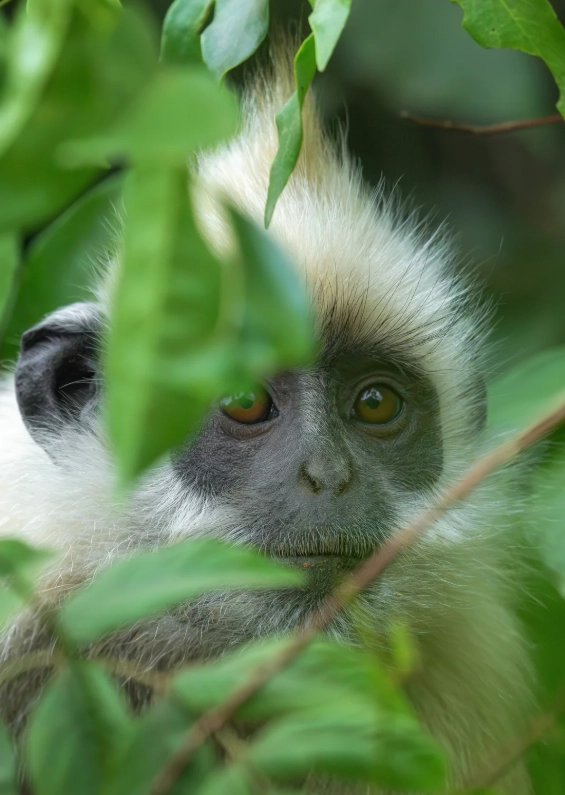
Why You Need to Plan Ahead for White-headed Langur Reserve Tickets
Booking in advance isn't just recommended — it's often mandatory for foreign visitors. This reserve is a protected area, and China requires real-name registration for all nature reserves. That means your passport number will be tied to your ticket. Here's what most guides won't tell you: the official booking system is entirely in Chinese, and many foreign cards fail on it. But there's a golden workaround — use Trip.com or Klook in English. I always tell my clients to book at least a week ahead, especially during Chinese holidays like May Day or National Day, when slots fill up fast.
The Real Challenge: Booking in Chinese
If you try the official WeChat mini-program, you'll face a wall of Chinese text, a required Chinese phone number, and often no option for foreign passports. I once spent an hour helping a couple from Germany navigate it, only to have the payment fail. Since then, I've switched to recommending third-party platforms that accept international cards and issue e-tickets directly to your email. You'll still need to enter your passport details, but the whole process takes less than five minutes.
What You'll See Inside
This is the only place on Earth where you can see white-headed langurs in the wild. These black-bodied monkeys with white heads are critically endangered — fewer than 1,500 remain. The reserve spans limestone karst peaks, deep valleys, and cave systems. You'll hike on stone trails, pass through banana groves, and likely spot other wildlife like macaques, pangolins, and colorful birds. For photographers, the morning mist over the karst towers is a dream.
How to Get White-headed Langur National Nature Reserve Tickets
Use Trip.com for a smooth, English-friendly booking experience. Here's a step-by-step breakdown that I've tested with dozens of travelers.
Step-by-Step Booking via Trip.com
- Go to Trip.com and search for "White-headed Langur National Nature Reserve" in the attractions section.
- Select your visit date and the number of adults and children. You'll need to enter each visitor's passport number.
- Pay with your international credit card (Visa, Mastercard, or Amex usually works fine).
- Receive your e-ticket via email within minutes. The ticket includes a QR code and sometimes a shuttle bus option.
- On the day, show your passport and QR code at the entrance. No need to print anything.
I've used this method myself — it's stress-free. Klook also offers similar tickets, but in my experience, Trip.com has better customer support for this specific reserve.
Alternative: The Official WeChat Mini-Program
If you're comfortable with Chinese and already have WeChat Pay set up, you can try the official mini-program. Search for "白头叶猴" or "广西崇左白头叶猴国家级自然保护区". However, be aware that the interface is entirely in Chinese, and you'll need a Chinese phone number for registration. If that sounds like a headache, stick with Trip.com.
Buying at the Gate: Is It Possible?
In emergencies, the ticket office may have spare capacity, but it's risky. They typically don't accept international credit cards, and cash payments are only possible with exact change. The on-site staff rarely speak English, so you'll need to have your accommodation write you a note in Chinese. In the high season, you may be turned away entirely. My advice: never rely on this option.
Ticket Prices and Discounts
Prices fluctuate slightly by season and whether you include the shuttle bus. Here's a table based on what I've seen recently:
| Ticket Type | Price (RMB) | Notes |
|---|---|---|
| Adult standard | 80–100 | Includes access to the main viewing areas |
| Child (under 1.2m) | Free | Must be accompanied by an adult |
| Student (with ID) | Half price | Requires a valid Chinese student ID |
| Senior (60+) | Half price | With passport or Chinese ID |
| Shuttle bus | 20–30 | Strongly recommended if you don't want to walk 3 km uphill |
Always check the live price on Trip.com — it will show the exact amount in your currency. Remember that discounts for foreign students are rarely accepted, so bring your passport and student ID just in case.
Getting There: Transportation and Entry Points
The easiest route is from Nanning, but you can also base yourself in Chongzuo city. The reserve has two main entrances: Banli (板利) and Bapen (岜盆). Banli is the more popular one for seeing langurs, as it has a higher observation deck. Each entrance leads to a different section, so choose carefully.
Where It Is and Which Entrance to Use
The precise address in Chinese is: 广西壮族自治区崇左市白头叶猴国家级自然保护区. If you're using a ride-hailing app, show this to the driver. Both entrances are about 30–40 km from Chongzuo city center. I usually suggest Banli because the trail is shorter and the langurs are more active there. However, during rainy season, Bapen might be less muddy. Ask your hotel or the ticket office for current conditions.
From Nanning to Chongzuo
Take a high-speed train from Nanning East or Nanning Railway Station to Chongzuo Railway Station. The trip takes about 1 hour and costs 50–70 RMB. Trains run frequently, roughly every 30 minutes. Once you arrive, you'll need to catch a taxi or Didi (China's Uber) to the reserve — expect a 1 to 1.5 hour drive and a fare of 100–150 RMB. Alternatively, you can hire a private car from Nanning for 300–400 RMB for a direct door-to-door trip.
From Chongzuo to the Reserve
If you're staying overnight in Chongzuo, you can easily grab a Didi at the hotel. The app has an English interface, and it's much cheaper than a regular taxi. Make sure to show the driver the Chinese address. On the way back, the signal might be weak, so I recommend downloading AMap (高德地图) as a backup — it works better in rural areas than Google Maps.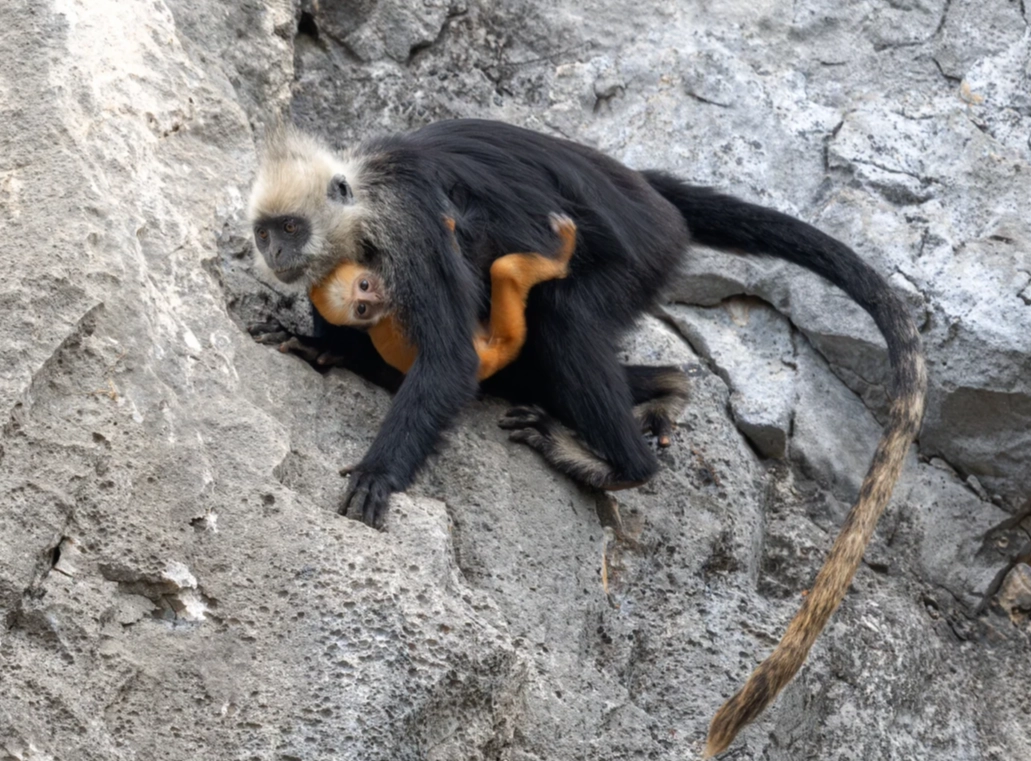
Transportation Comparison
| Route | Method | Duration | Estimated Cost |
|---|---|---|---|
| Nanning → Chongzuo | High-speed rail | 1 hour | 50–70 RMB |
| Chongzuo station → Reserve | Taxi/Didi | 1–1.5 hours | 100–150 RMB |
| Nanning → Reserve | Private car | 2.5–3 hours | 300–400 RMB |
Note: Public buses from Chongzuo to the reserve exist but are extremely infrequent — I wouldn't rely on them. If you're on a budget, consider joining a small group tour from Nanning that includes transport and tickets.
What to Expect at the Reserve: A Guide's Perspective
Arrive early — by 8:30 AM the reserve gates open, and the langurs are most active before 10 AM. These monkeys have a schedule: they wake up, feed, then rest during the midday heat. By noon, they've typically retreated to the cliffs. That's why I always urge my groups to hit the trails first thing in the morning.
Best Time to Visit for Monkey Spotting
The absolute best window is 8:00–10:00 AM. In the afternoon, you might catch some late feeding activity, but it's less reliable. Also, avoid visiting during heavy rain — the langurs hide in caves, and the trails become slippery. In winter (December to February), mornings are misty but beautiful; just dress warmly.
What to Bring (Checklist)
- Your passport (required for ticket verification)
- Mobile phone with Alipay or WeChat Pay loaded
- Comfortable hiking shoes with good grip
- Sun hat and insect repellent
- Enough water and some snacks (there are limited food stalls)
- A pair of binoculars or a zoom lens — trust me, you'll want them
Most visitors finish the main loop in 2.5 to 3 hours. The trail includes steep sections and about 300 steps, so take breaks. I usually plan for at least 4 hours to enjoy the viewpoints and wait quietly for the langurs.
Insider Tips for Getting Close to the Langurs
Don't chase the monkeys — they'll disappear into the rocks. Instead, stand still and let them come to you. Look for movement on the cliffs; white heads against gray rock are surprisingly visible. There's a viewing platform at the top with a telescope. I always ask visitors to be quiet — loud voices scare the animals. And please, no flash photography. The staff will remind you, but it's worth knowing beforehand.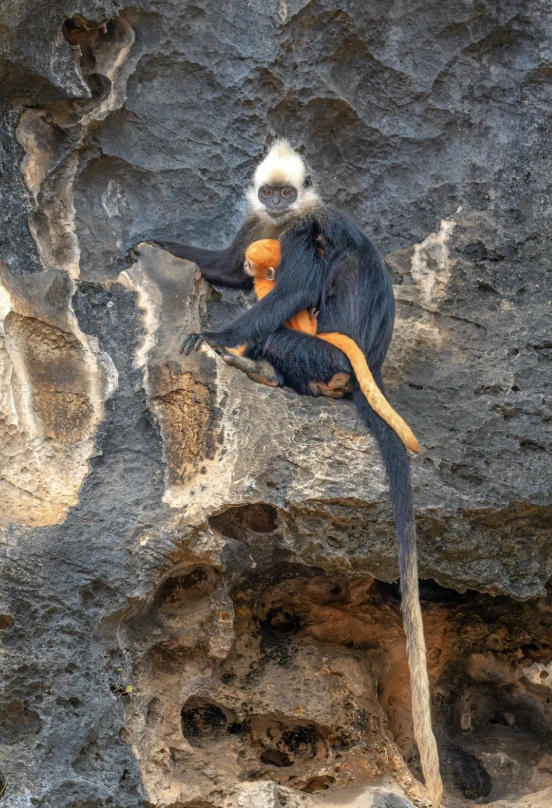
Pro Tip: Most guides rush you through, but I've learned that the langurs often appear around the second viewpoint after the big banyan tree. Sit there for 15 minutes and be patient. It's the spot where I've never left without a sighting.
Common Mistakes Foreign Tourists Make (and How to Avoid Them)
Even savvy travelers slip up on three big things: payment, navigation, and communication. Let's fix them before you go.
Payment Nightmares
This reserve is not like a big city temple — it may not accept international credit cards. Cash in RMB might be okay, but only if you have small bills. The ticket office is digital-first, so they'll try to make you scan a QR code. I once watched a traveler break into a sweat because he had no mobile payment. My rule: always carry at least 200 RMB in cash as backup, and have Alipay or WeChat Pay linked to a foreign card. Make sure to set that up before you travel.
Navigation: Google Maps Won't Work
Google Maps is famously unreliable in China. Even when it loads, it often gives wrong walking directions. Instead, download AMap (高德地图) or Apple Maps, which are more accurate. But in rural areas like this, signals can be spotty. That's why I recommend downloading offline maps for the area connected to Wi-Fi. Also, save a screenshot of the reserve's name in Chinese to show anyone.
Language Barrier: Key Phrases to Know
Staff at the reserve speak little English, but they're used to visitors with translation apps. Download Apple Translate or Baidu Translate — they work offline. Here are a few phrases that have saved my clients:
- 门票 (ménpiào) = ticket
- 护照 (hùzhào) = passport
- 白头叶猴 (bái tóu yè hóu) = white-headed langur (say this and locals will point you the right way)
- 谢谢 (xièxie) = thank you
Don't worry about perfect pronunciation — showing the characters on your phone works wonders.
FAQ: Your White-headed Langur Nature Reserve Tickets Questions Answered
Final Thoughts: Is It Worth the Effort?
Yes, one hundred percent. Seeing a white-headed langur in its natural habitat is a once-in-a-lifetime experience — there's nothing else like it on Earth. The booking process can feel intimidating, but by now you know the tricks. Use Trip.com, carry your passport, and get there early. The beautiful karst landscape and the rare primate will make every bit of planning worth it.
One last thing: the reserve is not a typical zoo. It's a wild place, and sightings aren't guaranteed. Respect the animals and their home. If you go in with patience and respect, you'll leave with memories that few travelers ever get.
This content has been fact-checked to ensure informational precision.







No comments yet.