 Hua Sun
Quick Navigation — What Is Actually Worth Your Time
- What Is the Best Time to Visit Heilongjiang?
- How Cold Does Heilongjiang Actually Get?
- Harbin: The Parts Tourists Get Right, and the Traps
- Beyond Harbin: China Snow Town, Yabuli, and Mohe
- A 7-Day Heilongjiang Itinerary You Can Actually Follow
- Where to Eat and Sleep in Harbin
- How Do You Pay, Book, and Get Online in Heilongjiang?
- Heilongjiang Travel Guide FAQ
Minus thirty is not a temperature. It is a physical event — and it starts with your eyelashes freezing together before you have even found the taxi rank.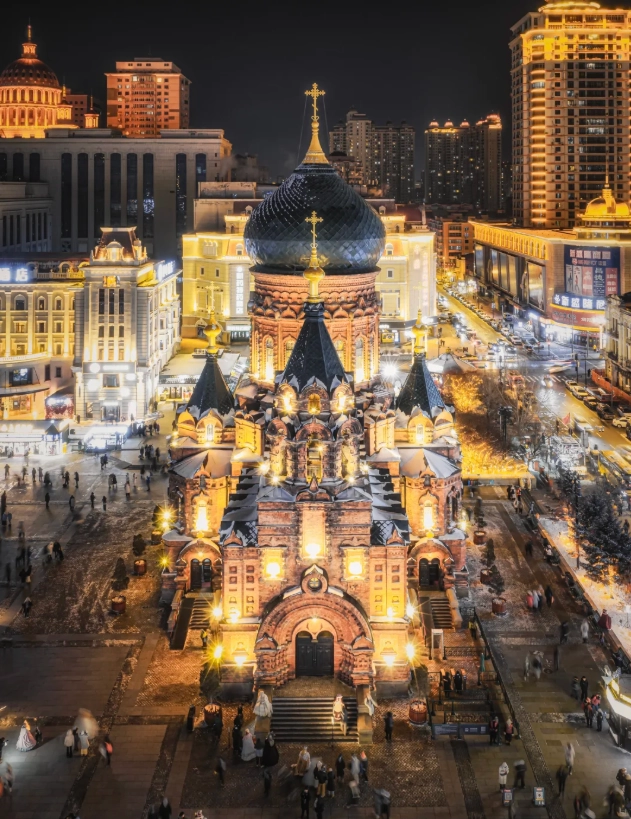
I have stood at the gate of Harbin Ice and Snow World more times than I can count, and I still get the same question from every group I bring here: why did nobody tell us to arrive at three in the afternoon?
So here is the honest version of a Heilongjiang travel guide, written by someone who has booked these tickets, queued in these lines, and once watched a client's international credit card get rejected three separate times at a hotel desk in Songbei. The information gap for foreign visitors up here is real. Most attractions run on passport-based real-name booking, the official WeChat mini-programs assume you carry a Chinese ID, and Google Maps will quietly drop you on the wrong side of the Songhua River.
If you remember only one thing from this page, make it this: enter Ice and Snow World around 3 p.m. — not at opening, and definitely not at 5 p.m. You catch the pale afternoon light on the ice blocks, then the sunset, then the neon. Three versions of the same park on one ticket, and you sidestep the tour-bus wall that slams the gate between 5 and 7 p.m.
Now let me walk you through the rest of it.
What Is the Best Time to Visit Heilongjiang?
The winter season runs from roughly mid-December to early March, and the sweet spot sits between the ice parks opening and the Lunar New Year travel rush.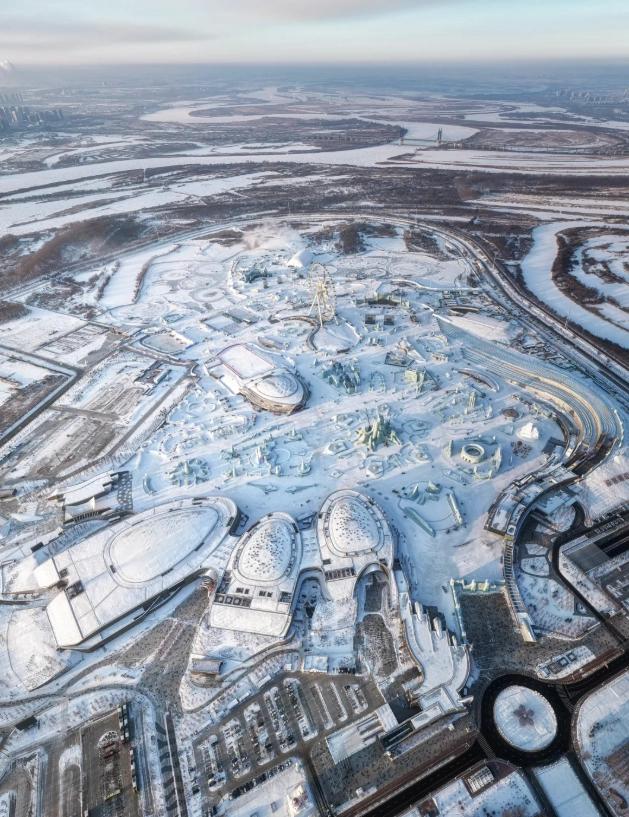
Ice architecture has one hard requirement: about two weeks of sustained cold below -15°C before it can be built safely. That is why the big parks usually open in the second half of December, and why everything starts to look grey and tired by late February, when the Songhua River begins to crack.
The official festival opening ceremony lands in early January. That is exactly when I tell people to stay away. Hotel rates in Harbin roughly double, the entrance plaza turns into a slow-moving crush, and the sculptures themselves are the same sculptures you would see two weeks later. You are paying a premium for other people's crowds.
My preferred window is the stretch right after opening week and before the Lunar New Year holiday. The ice is fresh, hotels are still reasonable, and you can photograph the towers without a selfie stick in every frame.
Pro Tip: If your trip can only happen during the Lunar New Year week, flip the itinerary. Do Mohe or Yabuli first and save Harbin for the last two days — domestic crowds thin out sharply once the holiday ends.
How Cold Does Heilongjiang Actually Get — and How Do You Dress?
Harbin's January daytime highs sit around -12°C, and nights drop to roughly -24°C. Mohe, up in the far northwest, regularly hits -35°C to -40°C.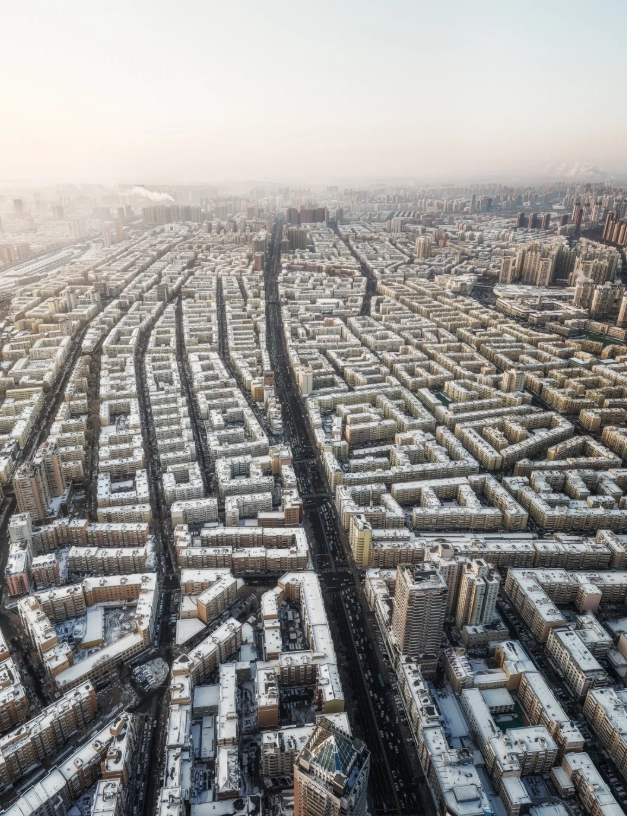
Those are the forecast numbers. They are not what your body registers.
The Songhua River at sunset is the worst of it. Wind crosses the frozen surface with nothing to slow it down, and it slides straight through anything with a zipper. I have had clients in expensive down jackets shivering out there because their boots were laced too tight.
The Numbers, and Why They Lie
Cold in Heilongjiang is a wind and circulation problem more than a temperature problem. Tight boots cut off blood flow. Cotton base layers trap sweat, which then freezes against your skin. A scarf pulled over your mouth keeps your face warm but fogs your glasses instantly.
What nobody warns you about is the indoor heat. Every hotel, mall, restaurant and metro car sits at 20-25°C. You will strip layers six times a day, which is why a layering system beats one giant coat every time.
What I Actually Wear on a -30°C Day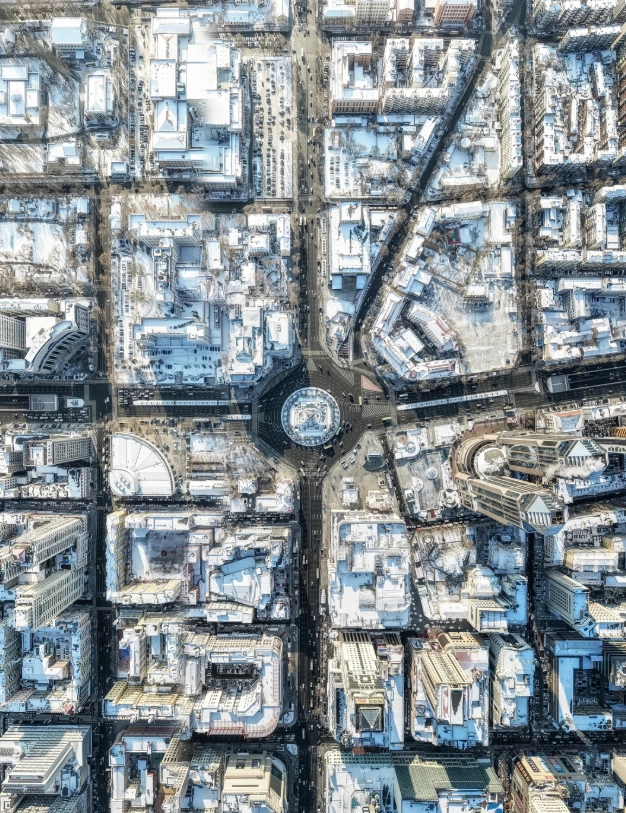
- Merino or synthetic base layer, top and bottom. Never cotton.
- A fleece or light down mid-layer you can peel off indoors.
- A down jacket rated for -25°C or lower, long enough to cover your thighs.
- Waterproof boots with a removable liner, half a size larger than normal so thick socks do not compress.
- Two glove layers: thin touchscreen liners plus outer mittens.
- Balaclava plus a scarf, and ski goggles if you plan to be outside after dark.
- Hand warmers — a box costs 20-40 CNY at any convenience store.
- A power bank kept in an inside pocket. Phone batteries die within minutes at -25°C.
Insider Advice: Renting boots at the park gate is a trap. The linings flatten after about two hours, and by 6 p.m. you can feel the ice through the sole. Buy a pair at Hongbo Underground Market near Harbin Station instead — a couple hundred yuan and they are yours for the whole trip.
Harbin: The Parts Tourists Get Right, and the Traps
Most itineraries treat Harbin as a two-night stop. Give it three. There is the ice park, the frozen river, the old Russian architecture, and a breakfast street that almost no foreign visitor finds on their own.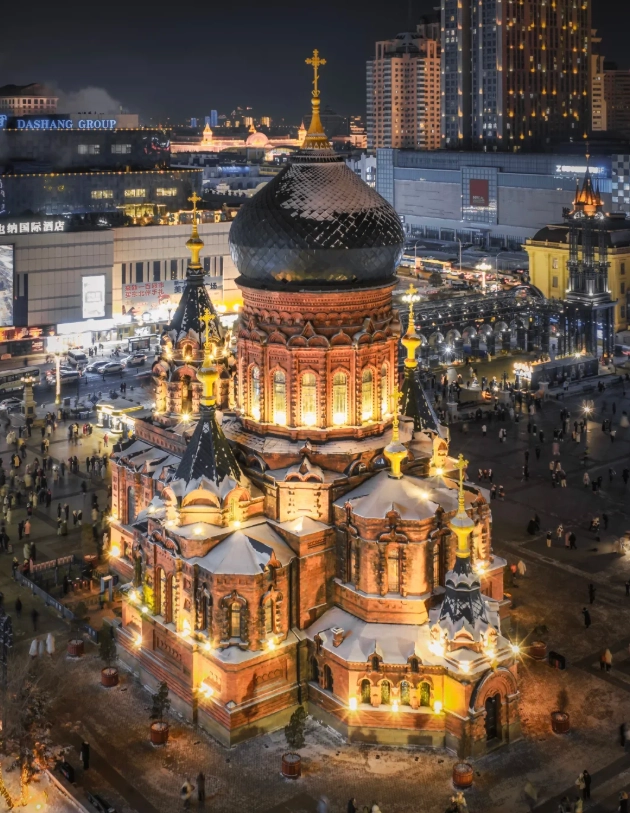
Harbin Ice and Snow World: Tickets, Timing, and the Queue Nobody Mentions
The park sits on the north bank in Songbei, and Metro Line 2 has a station literally named Ice and Snow World — take the metro and skip the traffic entirely. From the exit it is about a ten-minute walk to the gate. A DiDi from Central Street takes 25-40 minutes in evening traffic, and drivers occasionally cancel short fares during peak hours.
Ticket pricing moves with the season. Peak adult tickets generally land in the 300-350 CNY range, children under about 1.2 metres usually enter free, and seniors and students get a discount with ID. Confirm the current figure before you travel — operators adjust pricing and entry sessions every winter.
Booking is where foreign visitors get stuck. The official WeChat mini-program frequently asks for a Chinese ID number, which you do not have. Use Trip.com or Klook instead. Both accept foreign passports and international cards, and both issue a QR code you show at the gate together with your passport. Yes, the physical passport. A photo on your phone will not clear the ID check.
The Big Slide is the famous one, and the queue can run 90 minutes to two hours on a busy night. Here is my honest take: skip it. The smaller slides scattered around the park have almost no wait and deliver the same ten seconds of fun. Unless you are travelling with a teenager who has already decided the Big Slide is the entire point of the trip, spend that time on the ice castles instead.
Food inside the park is expensive and lukewarm. Eat a proper meal before you go in.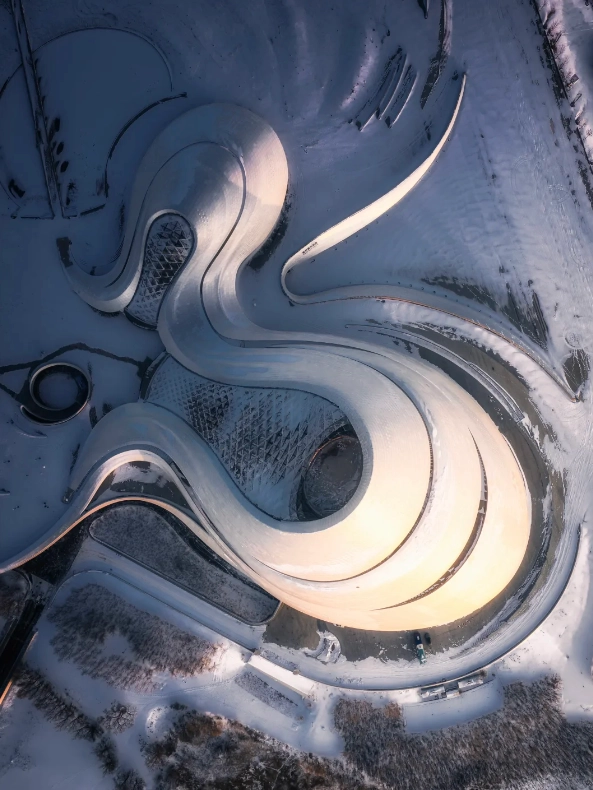
| Attraction | Approx. Adult Ticket | Book Through | Passport Required |
|---|---|---|---|
| Harbin Ice and Snow World | 300-350 CNY in peak season | Trip.com, Klook, official WeChat account | Yes, at the gate |
| Sun Island Snow Sculpture Expo | 200-260 CNY | Trip.com or the on-site counter | Yes, at the gate |
| Saint Sophia Cathedral square | Free; small fee for the interior exhibit | No booking needed | No |
| Songhua River cable car | Roughly 80-120 CNY round trip | On-site kiosk only | No, but bring ID anyway |
| Yabuli ski pass with basic rental | 400-600 CNY per day | Trip.com or the resort rental desk | Yes, for equipment rental |
Central Street, Saint Sophia, and the Frozen Songhua
Central Street is 1.4 kilometres of pedestrian cobblestone, and the Metro Line 2 station named Zhongyang Dajie drops you directly onto it. Walk it before 9 a.m. or after 8 p.m. In between, it is a slow-moving crowd of tour groups and drone photographers.
The Modern Hotel halfway along sells ice cream bars from a street window. There is usually a queue, and it is worth ten minutes of your time. The bars cost a few yuan and locals eat them in -20°C without flinching. That is a genuinely Harbin habit, not a marketing gimmick.
Saint Sophia Cathedral is a five-minute walk off the main street. The square is free, and the interior runs as a small photo museum with a modest entry fee. I shoot it in the morning — by mid-afternoon the front facade is backlit and the square fills up.
Then walk down to the Songhua River. In deep winter it is a solid, busy surface: ice slides, rented sleds, and couples taking wedding photos in thin dresses because the aesthetic mattered more than their toes. The cable car crosses to Sun Island and gives you the best aerial view of the frozen river and the ice park glowing at dusk.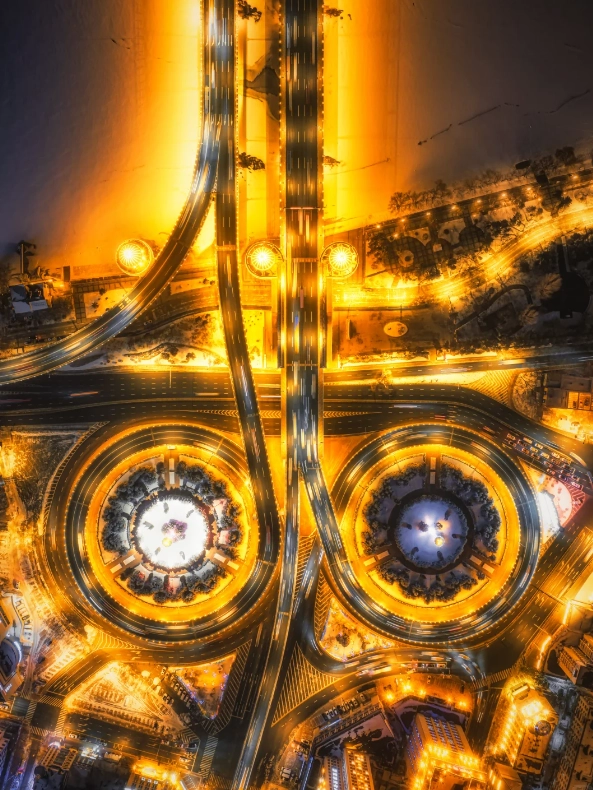
Pro Tip: The Russian restaurants lining Central Street are priced for tourists, and the borscht reflects it. Walk ten minutes to Hongzhuan Street in the morning instead. You will eat better for a quarter of the money and be the only foreigner in the queue.
Beyond Harbin: China Snow Town, Yabuli, and Mohe
Heilongjiang is bigger than one ice park. The three add-ons that genuinely justify the extra travel time are Snow Town, Yabuli and Mohe — and each one has a specific trap.
| Destination | Best Transport | Travel Time | Approx. One-Way Cost | Best For |
|---|---|---|---|---|
| Yabuli Ski Resort | High-speed rail to Yabuli West, then resort shuttle | About 1 hour 10 minutes by train, plus 30 minutes shuttle | 100-140 CNY train | Skiers, weekday powder, a manageable day trip |
| China Snow Town | Private car or shared van from Harbin | 4-5 hours each way | 200-300 CNY per seat in a shared van | Overnight snow village photography |
| Mohe Arctic Village | Flight from Harbin, or overnight sleeper train | About 2 hours by air, roughly 18 hours by rail | 600-1,200 CNY flight; 300-500 CNY soft sleeper | Extreme cold and China's northernmost marker |
| Wudalianchi | Coach or train via Bei'an | 5-6 hours | 150-250 CNY | Volcanic scenery with far fewer tourists |
China Snow Town: Beautiful, and Completely Misunderstood
China Snow Town sits in Hailin, inside Mudanjiang prefecture, and it is a 4-5 hour drive from Harbin — not a day trip. Every winter I meet someone who booked a Snow Town day tour and spent nine hours in a van to walk around for two hours in the dark. Do not do that.
The village itself is two clusters of wooden houses under metre-thick snow that piles into mushroom shapes on the roofs. Entry costs a little over 100 CNY, and free shuttle buses connect the clusters. Stay one night minimum. Guesthouses inside the village are basic — some share bathrooms, and the good ones sell out weeks ahead during peak weeks.
One thing to watch: several vendors along the main path offer photos with reindeer, huskies or a snow fox, and the price is not always what it first sounds like. Agree the total before anyone hands you an animal.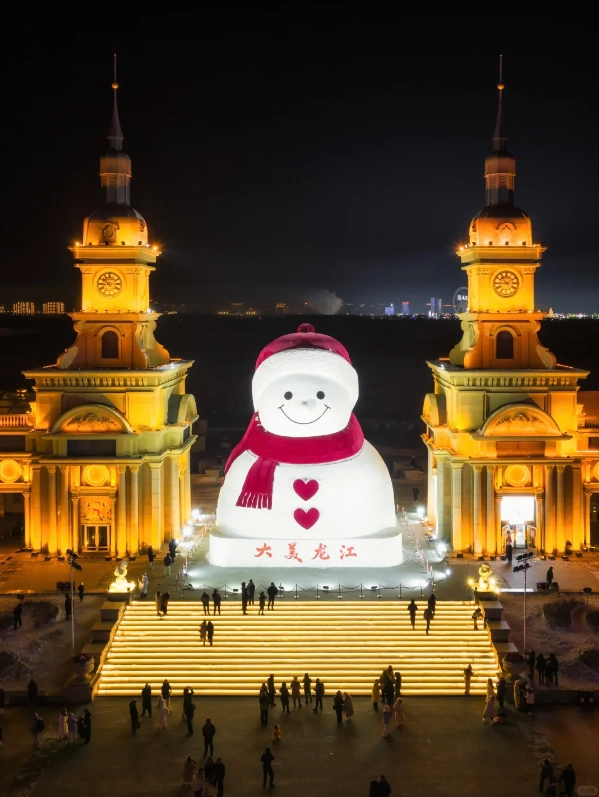
Yabuli: How to Ski Without the Crowd
Yabuli is China's oldest large ski area, and the single biggest mistake visitors make is buying a pass for the wrong mountain. The resort is split into several separate ski zones, each with its own tickets and lift system. If you book a package, check exactly which zone it covers before you pay.
Take the high-speed train from Harbin to Yabuli West, then the resort shuttle, which takes roughly 30 minutes from the station. Weekends bring domestic tour groups in enormous numbers and the beginner slopes turn into a bumper-car arena. Go on a weekday if your schedule allows. Rentals are available on-site, but bring your own goggles — the rental ones are scratched.
Mohe: China's Coldest Corner
Mohe Arctic Village is the northernmost settlement in China, sitting on the Heilongjiang River with Russia on the far bank, and it gets genuinely, dangerously cold.
Fly from Harbin — about two hours — or take the overnight sleeper train if you want the slow version. Temperatures of -35°C to -40°C are normal in deep winter, and the cold here is dry and sharp rather than damp.
Two honest notes. First, do not book this expecting auroras; the latitude is too low for reliable displays, and any operator who promises them is selling you a lottery ticket. Second, the village has been heavily rebuilt for tourism, so the appeal is the extreme cold and the surrounding forest rather than an untouched frontier town. The northernmost post office, where you can mail yourself a postcard with a special cancellation stamp, is the one stop genuinely worth the queue.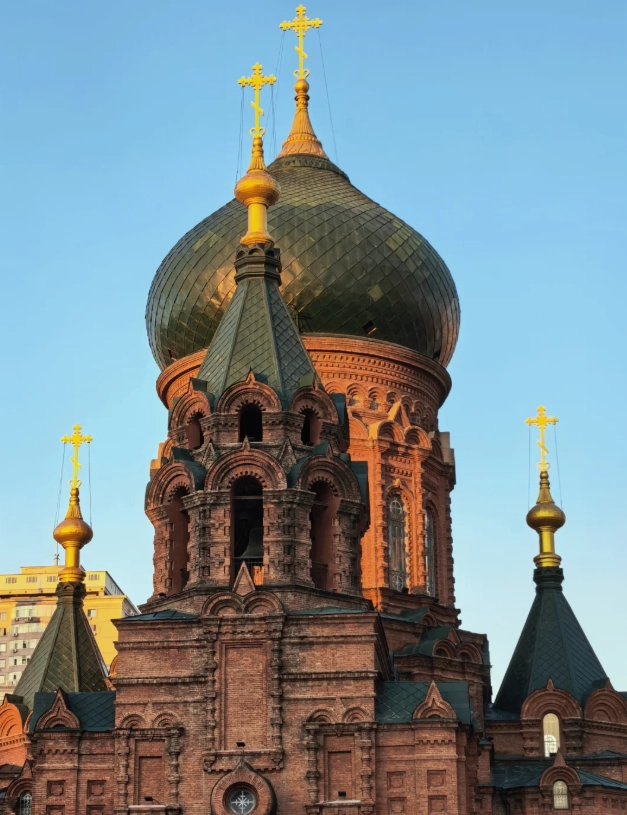
A 7-Day Heilongjiang Itinerary You Can Actually Follow
This route keeps you in Harbin for the first three days so your body adjusts before you push further north, and it builds in one rest block for the days when -30°C simply wins.
Days 1-3: Settle Into Harbin
Day 1, arrival. Land at Taiping International Airport and take the airport shuttle bus or a DiDi into the city. A taxi to the Central Street area runs roughly 120-150 CNY and takes 40-60 minutes depending on traffic. Drop your bags, walk Central Street after dark, eat something hot, sleep early. Do not book the ice park for arrival day — jet lag plus -25°C is a bad combination.
Day 2, city and river. Morning at Saint Sophia Cathedral and the old Daoli backstreets. Lunch near Central Street. Early afternoon, walk to the Songhua River and ride the cable car across to Sun Island. Then Metro Line 2 straight to Ice and Snow World, arriving around 3 p.m. Stay until 8 or 9 p.m. Dinner after you exit — noodle shops near the metro station stay open late.
Day 3, market morning and a slow afternoon. Get to Hongzhuan Street by 7 a.m. for breakfast, then warm up indoors at a museum or a café. This is your buffer day. If the cold has caught up with you, use it.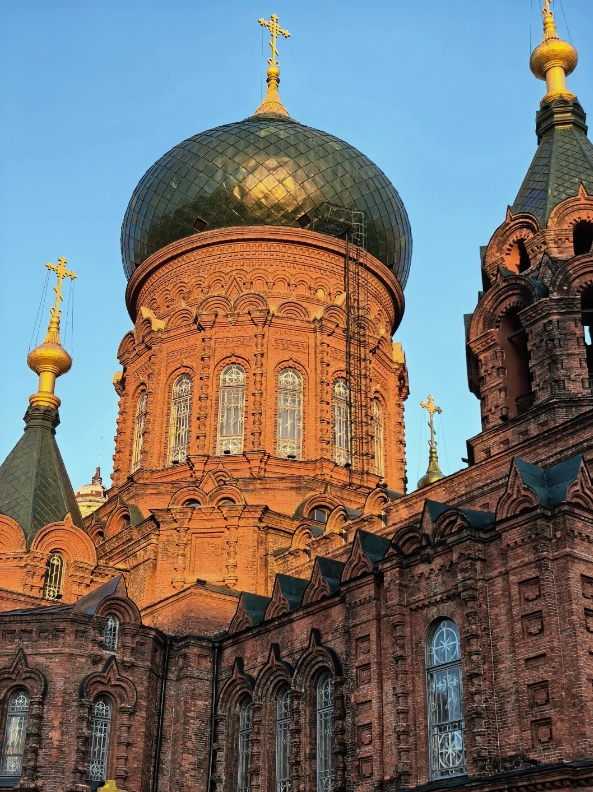
Day 4: Yabuli as a Day Trip
Take an early high-speed train to Yabuli West, ski or snowboard until mid-afternoon, and catch an evening train back to Harbin. Total train time is about two and a half hours round trip, and the shuttle between station and slopes adds roughly an hour. It is a long day, but it saves you a hotel change.
Days 5-6: China Snow Town and Back
Leave Harbin early on day 5 for the 4-5 hour drive to Snow Town, stay overnight, and return the following afternoon. Book a shared van or private car through your hotel — those drivers know the mountain roads and the checkpoints. Bring cash for snacks, because card readers inside the village are unreliable.
Day 7: Mohe, or a Rest Day
If you have the energy and the budget, fly to Mohe for two nights — but that turns a 7-day trip into 9 days. If you do not, use day 7 for whatever you missed in Harbin: the Sun Island snow sculptures, the provincial museum, or an indoor ice rink followed by hot pot.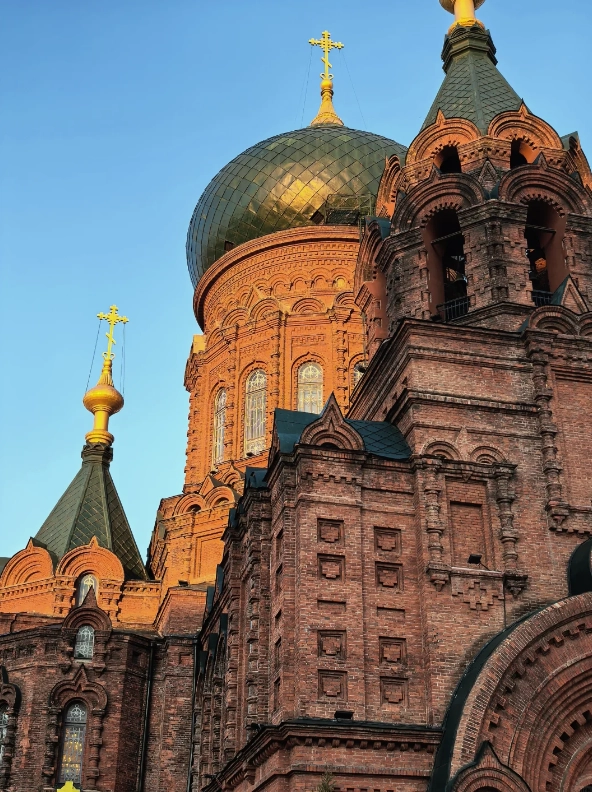
Snow, wind and -35°C backup plan: Heilongjiang Provincial Museum, the Harbin Grand Theatre complex, the big shopping malls around Hongbo Square, and any of the independent coffee shops on the side streets off Central Street. All warm, all indoors, all reachable by metro.
Where to Eat and Sleep in Harbin
What to Eat, and Where
Harbin food is heavy, sour-sweet and built for cold weather — and the best of it costs almost nothing.
- Hongzhuan Street Morning Market — a ten-minute walk from Central Street, busiest between 6 and 9 a.m. Fried dough sticks, soy milk, steamed buns and Harbin red sausage. Around 10-25 CNY per person. Most stalls take Alipay or WeChat; a few are cash-only, so keep small notes.
- Modern Hotel Western Restaurant, 89 Central Street — Russian-influenced borscht, beef stroganoff and fresh bread. Expect 150-300 CNY for two. There is an English menu and the staff are used to foreign guests. Go at 11:30 or after 8 p.m. to dodge the dinner queue.
- Dongfang Dumpling King — multiple branches across the city, picture menus, 40-70 CNY per person. I always order the pork and cabbage, plus a plate of guobaorou, the sweet-sour pork Harbin claims as its own.
- Iron pot stew restaurants — a simmering pot of pork ribs, potatoes and corn bread baked onto the rim. 60-100 CNY per person and far too much food for two people. Look for the ones with plastic stools and a queue of locals.
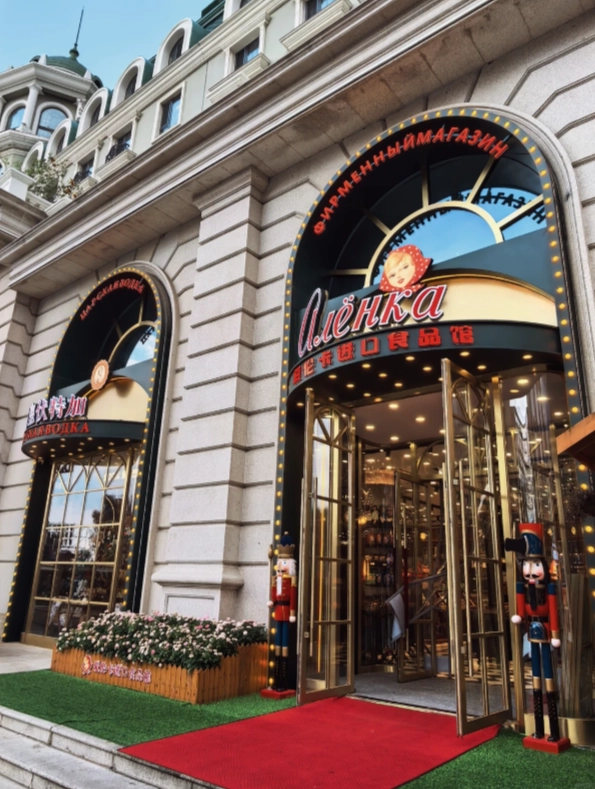
Pro Tip: English menus are rare outside hotel restaurants. Photograph the dishes other diners are eating and point. It works every single time, and it is faster than typing into a translation app.
Where to Stay in Harbin
Book within a ten-minute walk of a Metro Line 2 station. At -25°C, that walk matters more than the breakfast buffet.
| Hotel | Area | Est. Nightly Rate | Best For | Practical Notes |
|---|---|---|---|---|
| Shangri-La Harbin | Daoli, riverside near Central Street | 900-1,600 CNY | Couples and families who want walkable comfort | Elevators, English-speaking front desk, reliable Wi-Fi, five-minute walk to the river |
| Sofitel Harbin | Nangang, near the railway station | 700-1,200 CNY | Rail travellers and business trips | Metro access directly outside, staff will book taxis for you |
| Songbei chain hotels near the ice park | Songbei | 400-800 CNY | Families with kids who want to walk to Ice and Snow World | Basic breakfast; ask whether the shuttle still runs after 10 p.m. |
| Central Street hostels | Daoli | 90-200 CNY per dorm bed | Solo backpackers on a budget | Free luggage storage is standard; check whether the building has an elevator before booking |
Winter rates in Harbin swing hard. The same room can cost twice as much during opening week and the Lunar New Year holiday, so lock in your dates early if you are travelling then.
How Do You Pay, Book, and Get Online in Heilongjiang?
Assume your credit card is useless outside hotels, assume Google Maps is wrong, and set up Alipay before you land.
Alipay and WeChat Pay both accept international cards now, and they are the only realistic way to pay for metro rides, taxis, street food and small shops. Cash still works — legally, nobody can refuse it — but a street vendor fumbling for change in -25°C is a slow process. Carry 200-300 CNY in small notes as backup.
For navigation, Google Maps is consistently inaccurate in mainland China. Apple Maps works well in Harbin and handles English search. Amap Global is the other solid option and is better for public transport routing. Whatever you use, screenshot your destination address in Chinese before you get into a car, then show it to the driver.
Train travel is worth doing properly. The official China Railway booking site at 12306.cn has an English interface, and your passport is your ticket — you swipe it at the gate. Buy high-speed tickets two or three days ahead for Yabuli on weekends.
Visa questions should be checked against the National Immigration Administration rather than a forum post. Several visa-free and transit-without-visa programs cover Chinese entry, but not every airport is an eligible port, so verify your specific route before booking flights.
Install a VPN before you arrive, not after — the download itself is blocked once you are inside the country. Apple Translate and Baidu Translate both handle offline Chinese, and downloading the offline language pack is worth the two minutes.
For context on how big this festival has become, international coverage such as CNN Travel has tracked the ice park's growth for years. But the practical details — the booking quirks, the metro exits, the queue nobody mentions — you only get from someone who has stood in them.
Heilongjiang Travel Guide FAQ
Do I need a visa to visit Heilongjiang, and can I use visa-free transit to enter through Harbin?
It depends entirely on your nationality, and the list changes. China runs several visa-free programs plus a transit-without-visa policy that covers a limited set of entry ports, and not every airport qualifies. Check your specific route against the National Immigration Administration's official list before you buy a ticket, because a cheap connection through a non-eligible city can cost you the whole trip.
Will my Visa or Mastercard work in Harbin?
Inside international hotels, usually yes. Everywhere else, assume no. Street stalls, the metro, most restaurants and even some ticket counters run on QR payments. Link your card to Alipay or WeChat Pay before departure and keep a few hundred yuan in cash for the rare cash-only vendor.
Can I visit China Snow Town as a day trip from Harbin?
You can, and you will regret it. The drive is 4-5 hours each way on mountain roads. A day tour means roughly nine hours in a vehicle for two hours of daylight wandering. Book one night inside the village instead, and if you are short on time, drop Snow Town rather than Yabuli.
Is Harbin safe for solo travellers at night?
Street crime is genuinely rare here, including for solo women walking Central Street after dark. The real hazards are physical: polished ice on the sidewalks, drivers who do not expect pedestrians in this cold, and unlicensed taxi touts at the railway station. Use DiDi instead of accepting a ride from anyone who approaches you inside the terminal.
What if I cannot handle -30°C?
You can still do this trip comfortably. Cut your outdoor blocks to two or three hours, ride the metro between stops instead of walking, and build in an indoor reset every afternoon. Harbin has a strong indoor circuit — museums, the Grand Theatre, big malls and coffee shops — and the ice park is genuinely enjoyable in a three-hour visit rather than a six-hour marathon. Layers, hand warmers and a warm café every few hours is the whole trick.
Do I need to book Ice and Snow World in advance?
On weekends, holidays and opening week, yes — same-day tickets can sell out. On an ordinary weekday you can often walk up, but there is no reason to risk it. Trip.com and Klook both accept foreign passports and issue a QR code, and booking ahead usually lets you skip the longest line at the ticket window.
Verified and fact-checked by the editorial team. Ticket prices, transport times and booking channels in this guide were cross-checked against official operator information, but Chinese winter attractions adjust schedules and pricing frequently — always re-confirm on the day of your visit.





No comments yet.