 Hua Sun
Minus twenty-eight degrees. That is what the thermometer outside my hotel read at seven in the morning, and one of my clients was still arguing with me about her sneakers.
You do not fight Heilongjiang weather. You schedule around it.
This Heilongjiang 3-day itinerary is the loop I actually hand to clients — Central Street, St. Sophia, the Ice and Snow World, then a ski day at Yabuli. The version most blogs push will wreck you by dinner on day one.
Here is the conclusion first, because it saves people the most pain: do the Ice and Snow World on your second night, not your first. Your body needs a full day to stop panicking about the cold, and the park empties out between 6 and 7 p.m. once the tour buses pull away. Buy that ticket on Trip.com the moment your dates are locked. Standing at the on-site window for 40 minutes at minus 25 is a miserable way to start a holiday.
Everything else is logistics. Here is how the three days break down.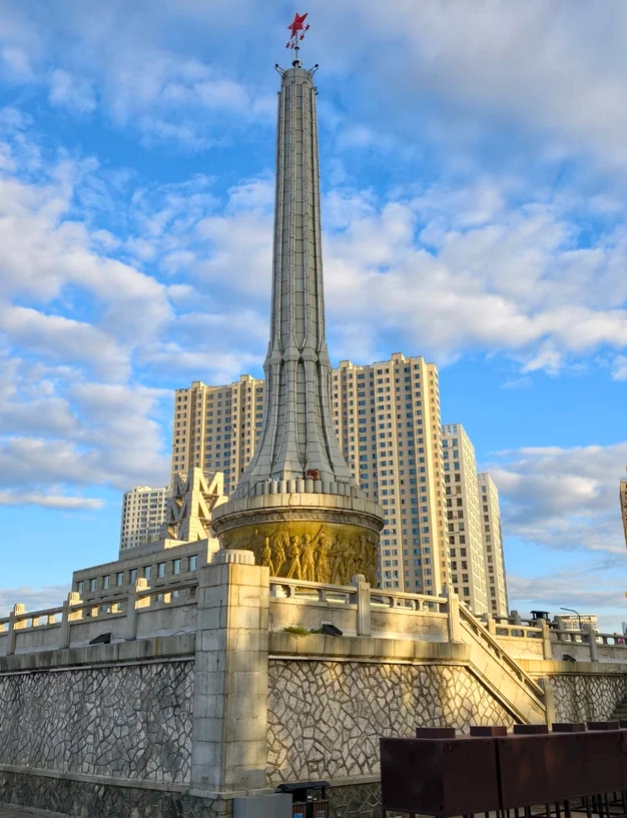
The Three Days, At A Glance
- What a Realistic Heilongjiang 3-Day Itinerary Looks Like
- Day 1: Old Harbin on Foot, From St. Sophia to the Songhua River
- Day 2: Tigers, Snow Sculptures and the Ice and Snow World
- Day 3: Yabuli Skiing or Volga Manor — How to Choose
- How Do You Book Harbin Attractions as a Foreigner?
- What Should You Eat in Harbin — and Where?
- Where to Stay for This Heilongjiang 3-Day Itinerary
- Cold Weather, Phones and the Mistakes I See Weekly
- Heilongjiang 3-Day Itinerary: Questions I Get Every Week
What a Realistic Heilongjiang 3-Day Itinerary Looks Like
Three days in Heilongjiang means three days in Harbin plus one push out of the city. The province is larger than Germany and France combined. Anyone promising you Mohe, China Snow Town and Yabuli inside 72 hours has never spent nine hours on a Chinese coach with a frozen water bottle.
My working rule: one district per half-day. Harbin is cut in half by the Songhua River — Daoli and Daowai sit on the south bank, Songbei on the north. Crossing that river eats 25 to 40 minutes depending on traffic. Doing it twice in one day is what turns a pleasant trip into a forced march.
| Day | Base District | Core Stops | Book Ahead | Typical Cost Per Person |
|---|---|---|---|---|
| Day 1 | Daoli and Daowai, south bank | St. Sophia Cathedral, Central Street, Songhua River, Zhonghua Baroque Block | St. Sophia interior via Trip.com | 150 to 250 RMB |
| Day 2 | Songbei, north bank | Sun Island, Siberian Tiger Park, Harbin Ice and Snow World | Ice and Snow World, essential | 450 to 650 RMB |
| Day 3 | Yabuli, Xiangfang or Acheng | Yabuli ski day, Volga Manor, or Jin Shangjing History Museum | Train seat on 12306.cn plus ski pass | 400 to 900 RMB |
Treat every number here as a planning range. Winter pricing in Harbin moves with demand, and the ticket windows change their rules far more often than anyone updates the website.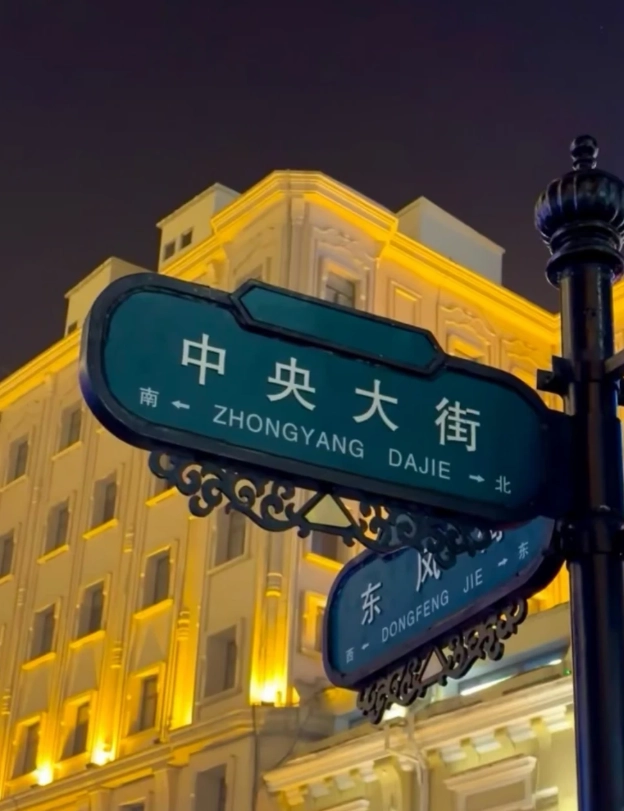
Day 1: Old Harbin on Foot, From St. Sophia to the Songhua River
Day one is the easy one. You stay on the south bank, you walk, and you let your body work out what cold actually means.
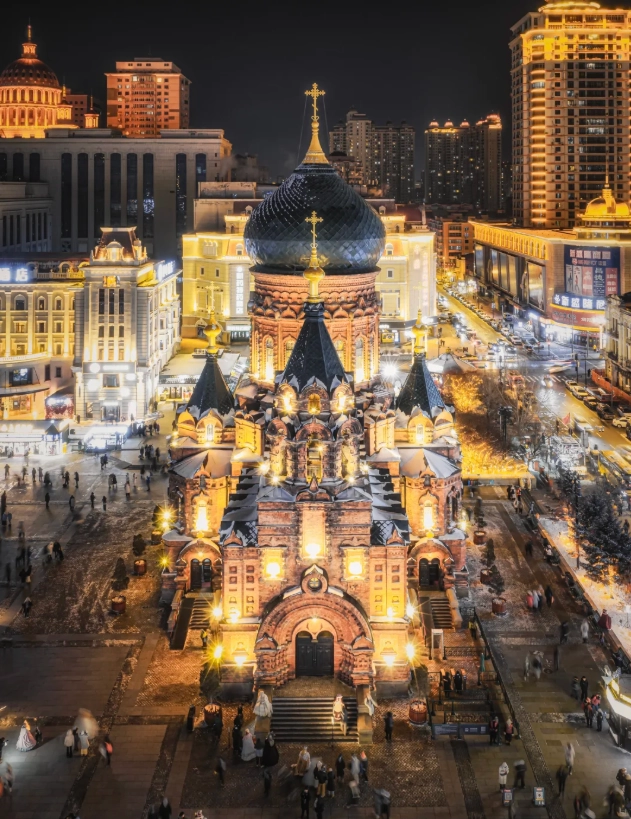
St. Sophia Cathedral: Shoot It Before 10 a.m. or After 3 p.m.
The cathedral is the most photographed building in Harbin, and the light on its red brick facade is flat and unflattering between 11 a.m. and 2 p.m. I have watched dozens of visitors take the same washed-out photo in the same harsh glare. Come early, or come late.
Address: No. 88 Toulong Street, Daoli District. Take Metro Line 2 to Central Street station and walk east for about 10 to 12 minutes — you will spot the green onion domes long before you reach the gate. The interior now works as an architecture museum rather than an active church, and entry is a small fee, usually around 20 RMB. Hours run roughly 8:30 to 18:00, with last entry about half an hour before closing. Winter hours shift, so confirm at the gate.
Bring your passport. If the WeChat mini-program refuses to cooperate, Trip.com sells the same ticket and takes foreign cards.
Central Street and the Madieer Ice Pop Ritual
Central Street is 1.4 kilometres of cobblestone with no cars, and it is the one place in Harbin where you should slow down instead of ticking off a list. The facades lean Russian, the shop signs run in three languages, and half the street seems to be eating ice cream in sub-zero temperatures.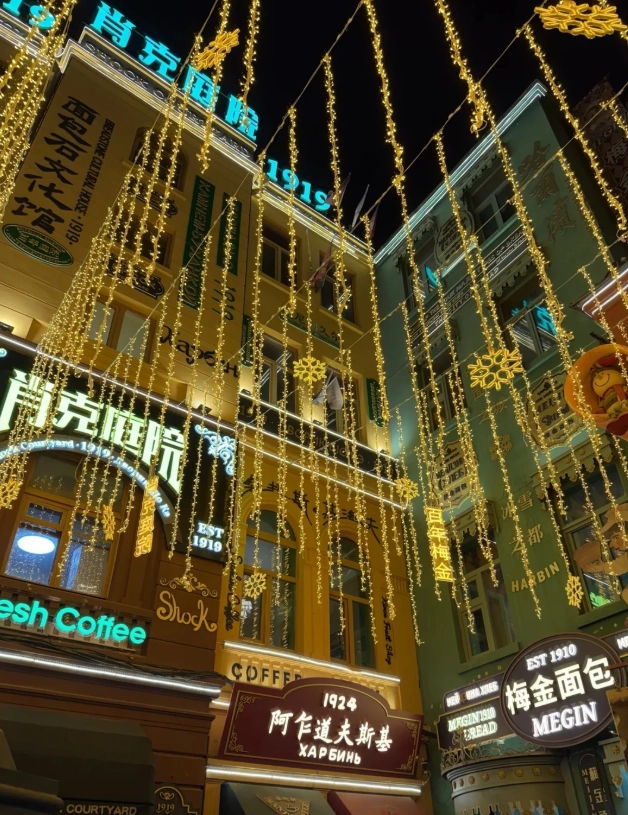
That is the ritual. The Modern Hotel at No. 89 sells the famous Madieer ice pop for around 5 to 8 RMB, and yes, you eat it outdoors. The queue moves faster than it looks. Alipay and WeChat Pay both work, and the staff usually keep a small cash float as well.
Songhua River and the Frozen River Trap
At the north end of Central Street you hit the Flood Control Monument and then the river itself — and in winter the river turns into a fairground. Sleds, ice bumper cars and spinning tops, all run by individuals who set their own prices.
Two things I tell every client. First, only walk inside the roped and signed zones where local families are walking; the ice is managed, but those boundaries exist for a reason. Second, the first price is never the real price. I have seen a ten-minute sled ride quoted at 100 RMB and settle at 40. Offer half, smile, and be ready to walk away — that is the entire negotiation.
Pro Tip: The public toilet at the north end of Central Street, near the Flood Control Monument, has the longest queue on the whole street. Walk into the Modern Hotel lobby or the shopping mall across the road instead. Nobody stops you.
Where to End Day 1: The Zhonghua Baroque Block
Most tourists never cross into Daowai District, and that is exactly why you should. The Zhonghua Baroque Historic Block is a grid of early twentieth-century Chinese-Baroque buildings that is less restored, less polished and considerably cheaper than Central Street. A DiDi from Central Street takes 20 to 25 minutes and costs roughly 20 to 25 RMB.
Come for dinner and stay for the lighting after dark. This is also where I send people who want guo bao rou without a tourist markup.
Day 2: Tigers, Snow Sculptures and the Ice and Snow World
Day two is the heavy one. Everything sits on the north bank in Songbei District, which means one river crossing and no backtracking.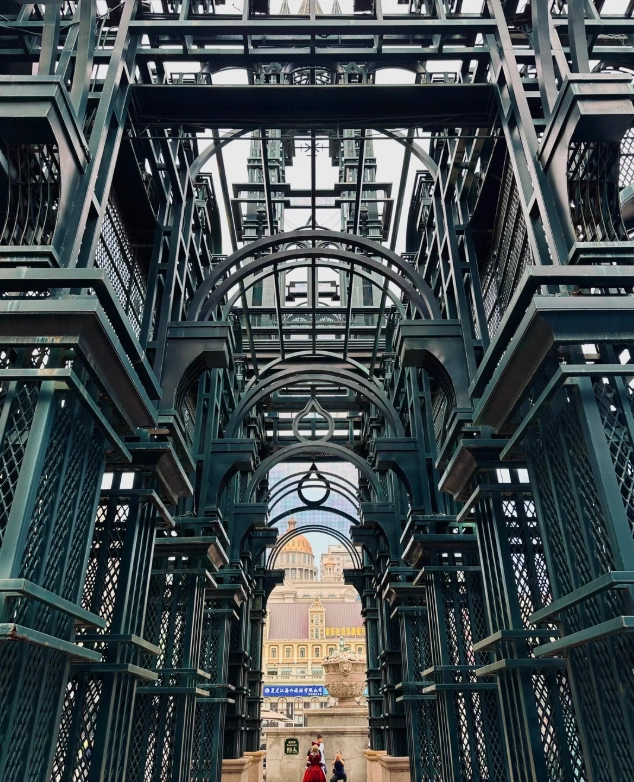
Morning: Sun Island and the Snow Sculpture Expo
Sun Island is a straight metro ride on Line 2, and in winter it hosts the Snow Sculpture Art Expo — enormous carved snow buildings rather than ice. Budget two to three hours. The sculptures read best in morning light, before the sun softens the carved edges and the tour groups arrive.
In summer the same island is a leafy park with a modest entry fee, and honestly it is a pleasant half-day rather than a highlight. Adjust your expectations by season.
Midday: The Siberian Tiger Park
This is a breeding centre rather than a zoo, and you view the cats from inside a bus that drives through the enclosures. It sits in Songbei, roughly 15 minutes by DiDi from Sun Island. Tickets run around 100 RMB, with an extra charge for the vehicle that takes you inside — skip that and you will spend the whole visit behind a fence.
Go around feeding time if you can, because that is when the cats actually move. The park also holds lions, ligers and leopards. You can pay extra to feed live poultry from the bus; plenty of visitors skip it, and nobody will pressure you either way.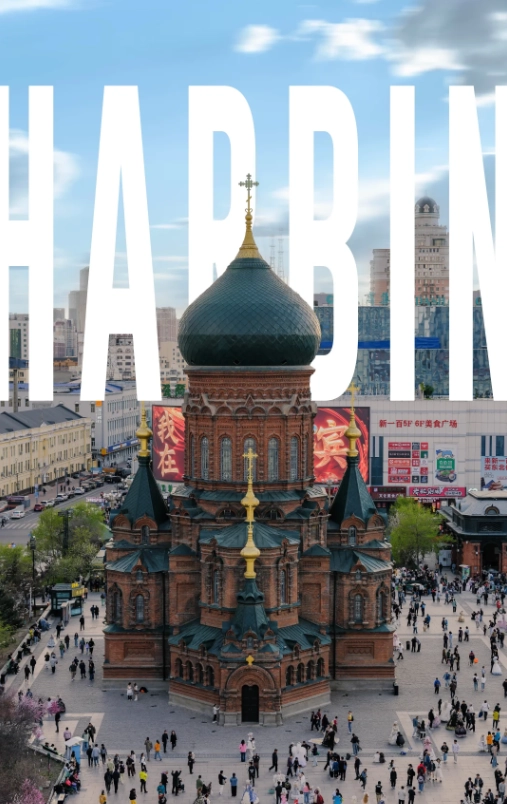
Evening: Harbin Ice and Snow World
This is the reason most people fly to Heilongjiang, and it is worth every yuan — but only if you arrive at the right hour. The park sits in Songbei and has its own Metro Line 2 station; the exit puts you a short walk from the entrance gate.
Adult tickets typically land in the 300 to 330 RMB range, with reduced prices for children and seniors who bring ID. The park usually opens in the final days of the calendar year and runs until the ice softens in late winter. Exact dates and prices change every season, so check the official channel or Trip.com before you commit to flights.
Go in around 5:30 or 6 p.m. and head straight for the long ice slide — the queue is shortest in that first hour and grows to well over an hour later in the evening. The park has heated rest houses and hot drink stalls, and you will use them.
Insider Advice: Confirm the last Metro Line 2 departure time on the day you visit. Missing it means hunting a DiDi in a surge-pricing crowd of several thousand people at minus 25. That is the single most common way travelers end a great evening badly.
Plan B When It Is Too Cold or Raining
Every itinerary needs an indoor escape hatch, and Harbin has three good ones.
- Harbin Polarland — next to Sun Island, fully indoors, excellent with kids.
- Heilongjiang Provincial Museum — free entry with passport, typically closed on Mondays, so check before you go.
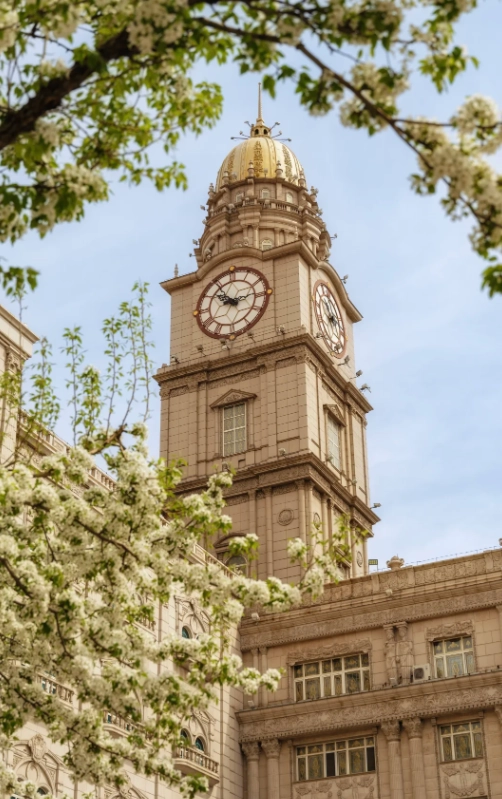
- Harbin Grand Theatre — an extraordinary building on the north bank; even without a performance, the exterior and lobby justify the trip.
Day 3: Yabuli Skiing or Volga Manor — How to Choose
Day three is where you pick your personality. Ski hard, or slow down.
Option 1: Yabuli Ski Resort Day Trip
Yabuli is China's best-known ski area, and it works as a long day trip from Harbin by high-speed rail. Book the Harbin to Yabuli West train on the official China Railway site, 12306.cn, using your passport number. The ride runs roughly one and a half to two hours. From Yabuli West station it is another 30 to 40 minutes by shuttle or taxi to the resort cluster.
Here is the catch: Yabuli is not one resort. It is several ski areas spread across the valley, and your lift ticket may only cover one of them. Confirm which area your pass includes before you pay. Rental gear is available on site and the quality varies — if you ski at an advanced level, bring your own boots.
Option 2: Volga Manor, Half a Day
Volga Manor is a rebuilt Russian estate on the Ashi River in Xiangfang District, about 40 to 60 minutes from downtown by car. A DiDi costs roughly 100 RMB each way. Entry runs in the 100 to 150 RMB range. In winter it is quiet and photogenic; in autumn the colours are the real draw.
This is the pick for anyone traveling with parents, small children, or a partner who would rather stroll than sweat.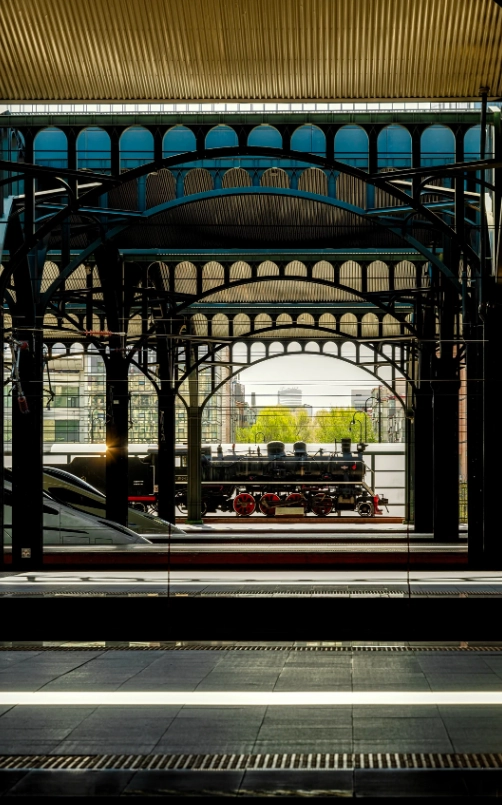
Option 3: Acheng and the Jin Dynasty
Acheng District was the first capital of the Jin Dynasty, and the Jin Shangjing History Museum there covers a chapter of Chinese history that almost no Western guidebook touches. It sits 40 to 60 minutes from central Harbin by car or train, entry is free or very cheap, and it is usually closed on Mondays.
Skip this if you have zero interest in history. Go if you want the story behind the region rather than another photo of an ice block.
| Day 3 Option | Travel Time From Harbin | Rough Cost | Best For | Booking Channel |
|---|---|---|---|---|
| Yabuli Ski Resort | 1.5 to 2 hours by high-speed rail, plus 30 to 40 minutes by road | 400 to 900 RMB with rentals | Confident skiers and snowboarders | 12306.cn for the train, resort desk for the pass |
| Volga Manor | 40 to 60 minutes by car | 200 to 300 RMB including DiDi both ways | Families, couples, slow travelers | Trip.com or on-site with passport |
| Jin Shangjing History Museum, Acheng | 40 to 60 minutes by car or train | Under 100 RMB | History-focused travelers | Walk-in with passport, closed Mondays |
How Do You Book Harbin Attractions as a Foreigner?
The honest answer is: almost never at the gate. Harbin's big attractions are moving toward mandatory online reservation with real-name registration, and your passport number is the key.
- Trip.com — the most foreigner-friendly option. It accepts international cards, runs English customer support, and issues the same reservation your passport is checked against.
- Klook — useful for bundled tickets and for the Ice and Snow World during peak weeks.
- WeChat mini-programs — often the cheapest and the most official, but the interface is in Chinese.
- Ticket windows — still exist and still accept cash, but in peak winter you may queue outdoors for 30 to 40 minutes.
Pro Tip: Yes, navigating a WeChat mini-program in pure Chinese to reserve a ticket is a nightmare even for me. Do not panic. Walk to your hotel front desk, hand them your passport, and ask them to book it. Receptionists in Harbin do this dozens of times a week and it takes them about three minutes.
Set up Alipay or WeChat Pay with your international card before you fly. Cash remains legal tender and small vendors take it, but you will struggle to break a 100 RMB note at a street stall. Physical foreign credit cards work at hotel front desks and large department stores, and almost nowhere else.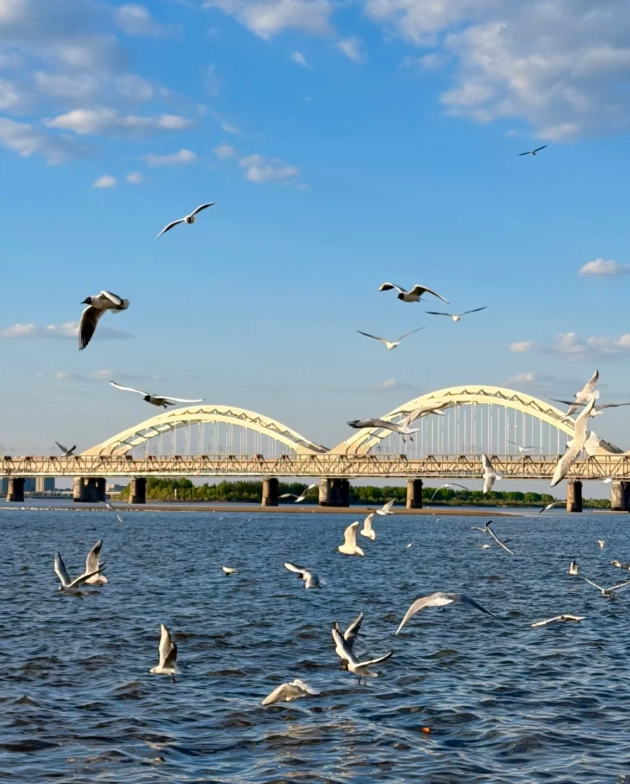
What Should You Eat in Harbin — and Where?
Harbin food is heavy, sour-sweet and built for cold weather, and it borrows more from Russia than most Chinese regional cuisines do.
Guo Bao Rou at Laochujia
Guo bao rou is Harbin's signature dish — thinly sliced pork, battered, fried, then tossed in a sweet-and-sour sauce. It is crisp, tangy and completely different from the gloopy version served abroad. Laochujia claims the original recipe and runs several branches around the city; the one near Central Street fills up first. Expect roughly 40 to 70 RMB for the plate, and expect a wait of 30 minutes or more between 6 and 8 p.m.
Harbin Red Sausage and Big Russian Bread
Red sausage, known locally as hongchang, is smoked, garlicky and sold vacuum-packed, which makes it the best edible souvenir in the province. Qiulin Lidaosi is the name locals trust. Buy it at the counter rather than from the souvenir stalls on Central Street, where the markup is steep.
Pair it with lie ba, the dense Russian-style sourdough loaf that locals eat with butter and soup. One loaf will feed three people for two days.
Borscht, Cutlets and Old Harbin Western Food
Harbin has a genuine century-old Western food tradition, and it is not a gimmick built for tourists. Huamei Restaurant on Central Street and the Modern Hotel dining room both serve borscht, beef cutlets and baked bread with butter. Budget 100 to 150 RMB per person. Portions are large and the service is brisk rather than warm.
Iron Pot Stew for Groups
If you are traveling with three or more people, book an iron pot stew — tieguo dun — for your last dinner. You get a table with a giant iron pot in the middle, simmering pork ribs, chicken or fish with potatoes, corn and cabbage around the rim. It is a two-hour meal and it costs less per head than a Western restaurant. Look for restaurants in Daowai or near the university districts; most carry picture menus, which solves the language problem entirely.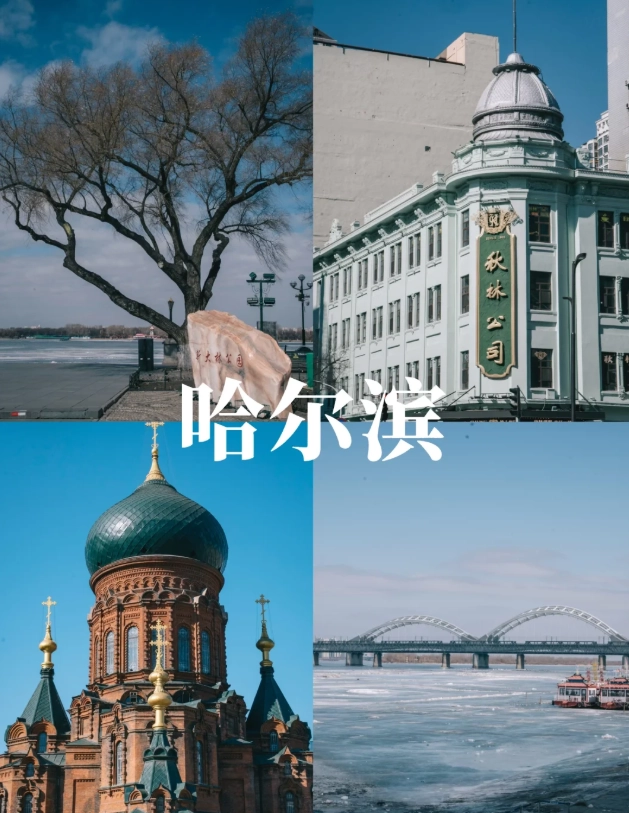
Where to Stay for This Heilongjiang 3-Day Itinerary
Base yourself in Daoli District if you are following this route. You will be walking distance from Central Street and St. Sophia, and about ten minutes on foot from the Metro Line 2 station that connects you to everything on the north bank.
| Hotel | Area | Est. Price Per Night | Best For | Key Facility Notes |
|---|---|---|---|---|
| Modern Hotel | No. 89 Central Street, Daoli | 400 to 900 RMB | Couples, history lovers | Historic building, unbeatable location, older rooms, elevator available |
| Shangri-La Hotel Harbin | Youyi Road, Daoli | 800 to 1600 RMB | Families, business travelers | Stable Wi-Fi, English-speaking front desk, gym and pool |
| Kazy International Youth Hostel | Near Central Street, Daoli | 80 to 200 RMB per bed | Solo backpackers | Dorm and private rooms, luggage storage, confirm the current address on AMap |
| Harbin West Railway Station area chains | Nangang District | 250 to 450 RMB | Travelers with early trains to Yabuli | Newer buildings, quieter nights, 20 to 30 minutes from Central Street |
One detail matters more than star ratings: ask whether the room has a window that opens. Harbin's district heating is powerful, and rooms can sit at 26 degrees indoors while it is minus 25 outside. You will want the option of fresh air at night.
Also confirm the front desk can handle a booking request in English. In four- and five-star properties this is usually fine. In budget hotels it often is not, and that is when the translation app on your phone earns its keep.
Cold Weather, Phones and the Mistakes I See Weekly
The cold in Heilongjiang is manageable. What is not manageable is being unprepared in a specific, predictable way.
- Down jacket with real fill, not a fashion puffer. Thermal base layer, fleece mid-layer, windproof outer shell.
- Insulated boots with room for thick wool socks. Tight boots mean cold feet, every single time.
- Touchscreen gloves plus a warmer pair over them. You will take photos, and bare fingers last about 90 seconds.
- Hand warmers. Buy them in bulk at any convenience store.
- A power bank kept in an inside pocket. Phone batteries drain fast in the cold — I have watched a fully charged phone drop to 20 percent in 40 minutes outdoors.
- Sunglasses. Snow glare is real, and the ice park at night is bright enough to make you squint.
Download a VPN before you land, and install Apple Translate or Baidu Translate with the offline Chinese pack. Google Maps is unreliable inside mainland China; Apple Maps works well, and AMap offers an English-friendly interface that handles transit directions properly.
Write your hotel address in Chinese and save it as a screenshot. Showing a driver a Chinese address solves 90 percent of taxi confusion instantly.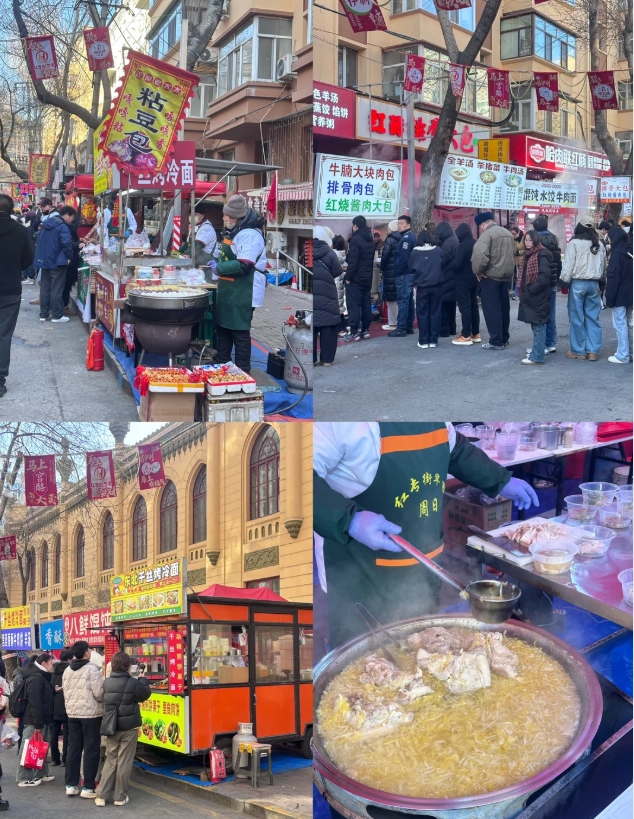
Heilongjiang 3-Day Itinerary: Questions I Get Every Week
Can I follow a Heilongjiang 3-day itinerary without speaking any Chinese?
Comfortably, inside Harbin. Metro signage is bilingual, hotel staff at mid-range properties and above handle basic English, and Trip.com removes most of the booking friction. The real friction points are taxis, small restaurants and anything medical. Screenshot your destinations in Chinese, keep a translation app ready, and use DiDi through Alipay rather than hailing cabs on the street. Outside Harbin — Yabuli, Volga Manor, Acheng — English drops off sharply, so pre-book your transport instead of improvising on the day.
Is the Harbin Ice and Snow World worth the ticket if I only have three days?
It is the one attraction I never tell people to cut. But I do tell them to cut something else: skip a second big night activity and go to bed early after the ice park. Travelers who stack the ice park and a long dinner in the same evening are the ones who get sick on day three. Arrive early, leave by 9 p.m., and you will actually enjoy the rest of the trip.
How do I pay for things in Harbin with a foreign card?
Link your international Visa or Mastercard to Alipay or WeChat Pay before you arrive — this is the single most useful prep step for China in general. Physical cards work at hotel front desks and large stores, and almost nowhere else. Cash is accepted everywhere by law, but small vendors rarely have change for large notes, so carry 20s and 50s. Major attractions such as the Ice and Snow World are effectively cashless at the gate.
Do I need a special visa or permit to visit Heilongjiang?
Harbin, Yabuli, Acheng and Volga Manor require nothing beyond your normal entry visa or visa-free eligibility. If you are transiting through China to a third country, the 240-hour visa-free transit policy covers a long list of ports, and the National Immigration Administration publishes the current port and eligibility list at www.nia.gov.cn — check it before booking, because the rules get updated periodically. Remote border counties along the Amur River can carry their own restrictions, so ask before you head that far north.
Is the extreme cold actually dangerous, or is everyone exaggerating?
It is dangerous in a boring, specific way. Frostbite starts on earlobes, cheekbones and fingertips, and you often will not feel it happening. Cover your face, limit outdoor sessions to roughly two hours, and step inside for 15 minutes to warm up. Never touch metal railings with bare skin, and never rub a numb patch of skin with snow — walk indoors instead. Alcohol makes the cold feel milder while it actually lowers your core temperature, which is why the loudest person at the ice park is always the coldest.
Verified and fact-checked by the editorial team. Ticket prices, opening hours and reservation rules for Harbin attractions shift with the season, so confirm current details on official channels before you travel.





No comments yet.