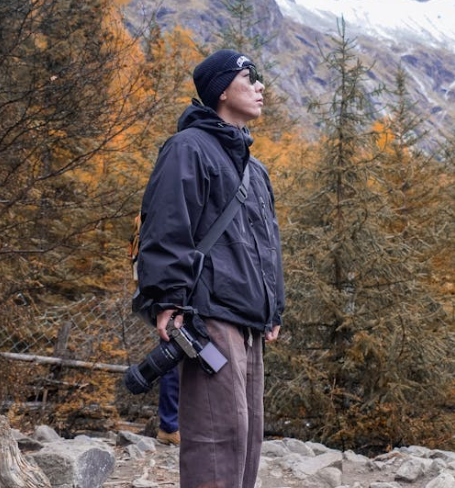
 Gang Zheng
Minus 28°C. My phone shut down in nine minutes flat.
That was my first January in Harbin, and I had already blown it. I planned how to travel to Heilongjiang as if it were a summer trip to Shanghai — thin jacket, sneakers, and a cheap hotel booked forty minutes from everything because the photos looked fine.
The cold is not the hard part. The logistics are.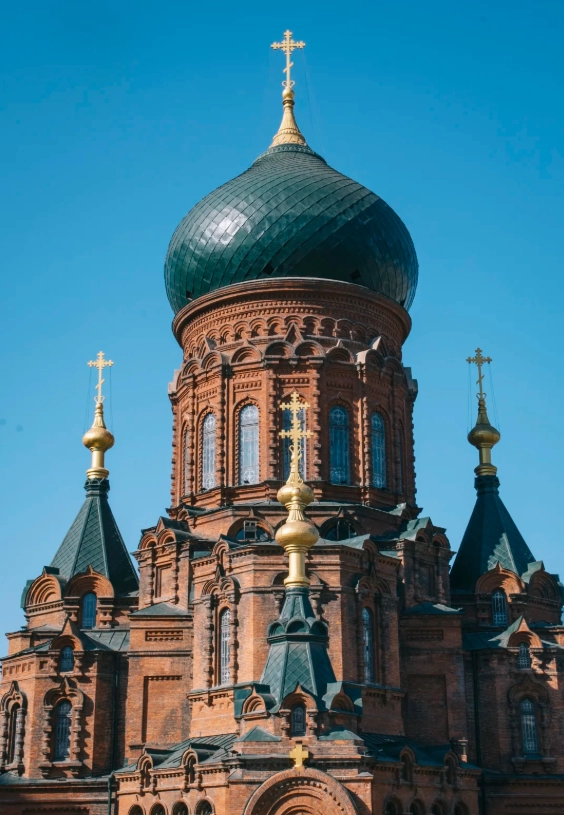
Trains to the north sell out weeks before Chinese New Year. The Ice and Snow World booking page is mostly in Chinese. Your international Visa card will quietly fail at a ticket counter, and Google Maps will route you to the wrong bank of the Songhua River without a word of warning.
So here is the short version, before anything else. Fly into Harbin Taiping. Sleep in Daoli District within walking distance of Central Street. Book every long-distance train the moment the window opens. And treat Mohe as a separate four-day trip, never as a day tour bolted onto Harbin.
Everything below is the detail behind those four sentences.
The Short Version — Jump Straight In
- What Is the Fastest Way to Get to Heilongjiang?
- How Do You Get Around Heilongjiang Once You're Inside?
- The 7-Day Heilongjiang Winter Route I Actually Run
- What Does Harbin Ice and Snow World Really Cost?
- Heilongjiang Winter Packing: Wear This, Buy That
- Where to Eat and Sleep in Harbin
- Money, Apps and Language: The Stuff That Ruins Trips
- Heilongjiang Questions I Get Asked Every Week
What Is the Fastest Way to Get to Heilongjiang From Outside China?
Almost everybody lands in Harbin. It is the only airport in the province with serious international connections, and it doubles as the rail hub for every route heading north. Get this first leg right and the rest of the province falls into place.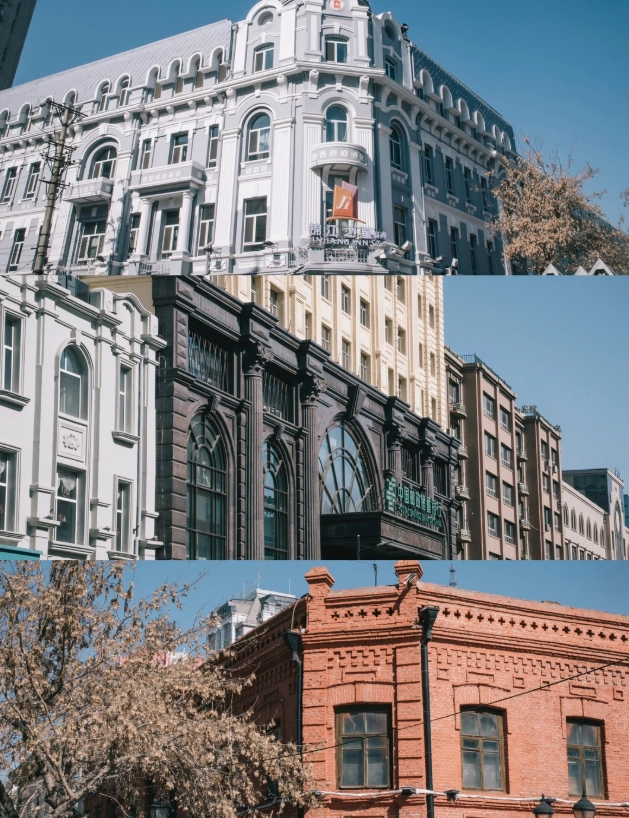
Flying Into Harbin Taiping International Airport
Harbin Taiping International Airport sits roughly 35 kilometres southwest of the city centre, and the way you cover that distance decides whether your first evening is pleasant or miserable.
The airport shuttle bus is the cheapest option and runs several lines into town, including one that ends near Harbin Railway Station. Fares sit around ¥20. Buy your ticket at the counter inside the arrivals hall — not from anyone approaching you in the corridor.
DiDi is the better call if you have luggage. The app has a full English interface and accepts international cards. Follow the DiDi signs in the arrivals hall, because the pick-up zone sits inside the parking structure rather than at the kerb, and drivers will cancel on you if you wait at the wrong door.
Metered taxis queue outside the arrivals level and cost roughly ¥100 to ¥140 to Daoli District. Journey time is 40 to 60 minutes in normal traffic, longer if it is snowing, which it often is.
Pro Tip: The men who approach you inside arrivals saying taxi, taxi, taxi are not metered and not licensed. Walk past them. I have had two separate clients pay ¥400 for a ride that should have cost ¥110, purely because they were exhausted and cold and did not want to argue. Order a DiDi instead and wait indoors.
One more thing nobody mentions. Airport SIM counters often close before the last flights land. Sort out an eSIM before you board, or you will land with no data, no DiDi and no translation app — which is a genuinely bad way to start a trip to a province where almost nobody speaks English.
Do You Need a Visa for Heilongjiang?
Many travellers can now reach Heilongjiang without a visa at all — either through China's unilateral visa-free entry list or the 240-hour transit policy — but the fine print catches people every single week.
The transit route requires an onward ticket to a third country or region, entry and exit through an eligible port, and a stay that remains inside the permitted area. Harbin Taiping is one of the ports that qualifies. The National Immigration Administration publishes the current country list and the ports that accept transit entry, and that page is the only source worth trusting.
Registration is the step travellers forget. Hotels handle it automatically when they scan your passport at check-in. Guesthouses and private stays are supposed to register you at the local police station, and some hosts simply do not bother. Ask them directly at check-in. It takes ten minutes and saves a very awkward phone call later.
Bring paper. Border officers and hotel clerks in smaller towns still prefer a printed booking confirmation and a printed onward ticket over a phone screen that might die in the cold. Which, in Heilongjiang, it will.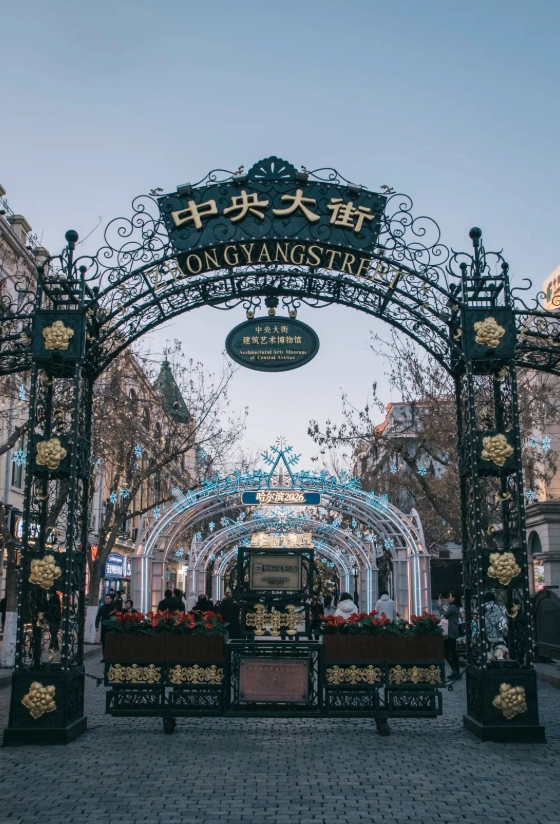
Arriving Overland From Russia or Inner Mongolia
Heilongjiang borders Russia along the Amur River, and two crossings — Heihe and Suifenhe — are the realistic overland entry points for foreign passport holders.
Heihe faces Blagoveshchensk directly across the river. Summer service runs by boat, and winter service has historically crossed the frozen river, though schedules shift from season to season and sometimes week to week. Confirm with your accommodation in Heihe before you commit to anything. Suifenhe is the other option, reached by a long bus ride from Vladivostok.
Both crossings are slow, paperwork-heavy and not designed for tourists in a hurry. Budget a full day for the crossing itself and do not book a same-day connection onward.
How Do You Get Around Heilongjiang Once You're Inside?
High-Speed Rail and the 12306 Booking Trap
Heilongjiang's high-speed rail is fast, cheap and completely unforgiving if you book late — the Harbin to Yabuli and Harbin to Mudanjiang seats vanish first.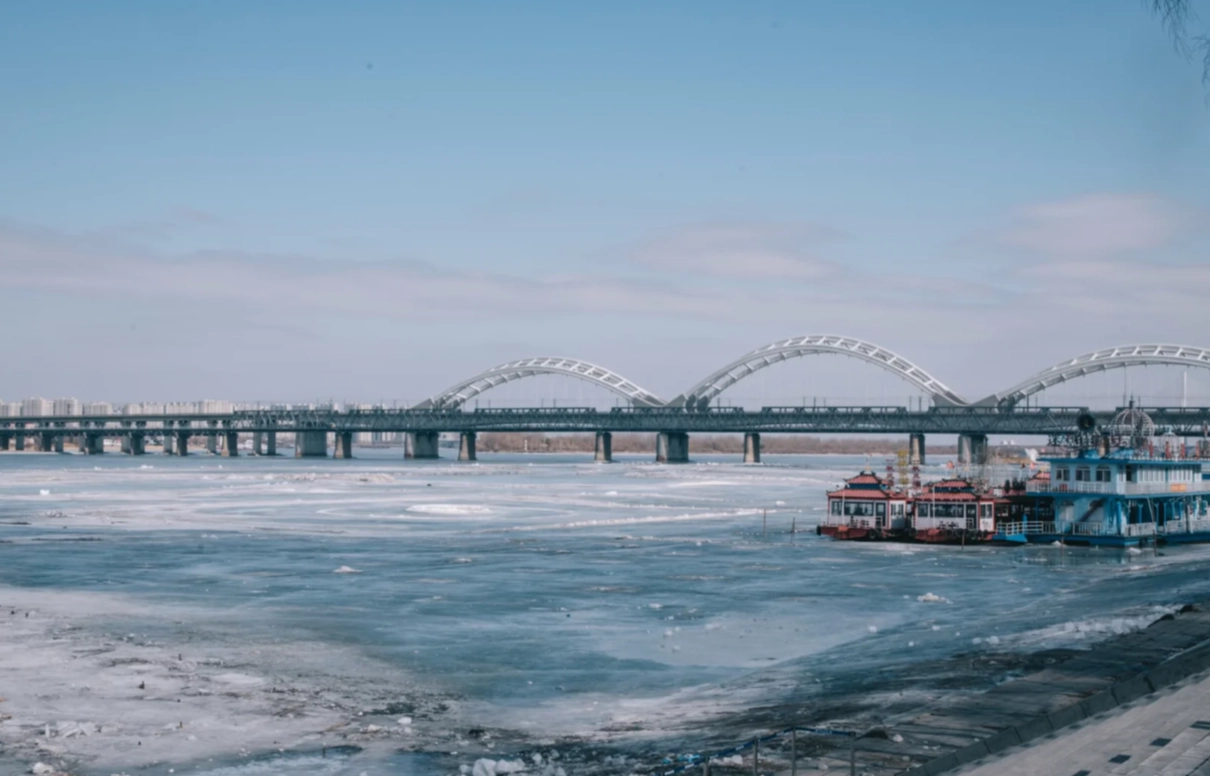
Use the official China Railway 12306 app, which now has an English interface, or book through Trip.com if you would rather pay a small fee for a friendlier screen. Either way, enter your passport number exactly as printed. One wrong digit and the gate will not open.
The online presale window has changed more than once over the years and sits at roughly two weeks at the time of writing. Check the app rather than trusting any blog, including this one.
At the station, scan your passport at the manual gate rather than the automatic ones — the auto gates are calibrated for Chinese ID cards and will reject you. Then clear security. Arrive 40 minutes before departure, longer at Harbin West on a holiday weekend.
Insider Advice: Harbin has two major stations and tourists mix them up constantly. Harbin West handles most high-speed trains heading to Yabuli, Mudanjiang and Beijing. Harbin Station is the older central one and handles some slower services plus the sleeper trains north. Check which one your ticket names before you leave the hotel. A taxi between the two takes about 30 minutes and there is no shortcut.
Sleeper Trains, Flights and Buses to the Far North
For Mohe and China Snow Town you are choosing between a long cheap train and a short expensive flight, and the train berths are the first thing to sell out in winter.
| Route | Best Option | Journey Time | Est. Cost per Person | Local Note |
|---|---|---|---|---|
| Beijing to Harbin | High-speed rail | 4.5 to 5.5 hours | ¥500 to ¥650 | Arrives at Harbin West, not Harbin Station |
| Shanghai to Harbin | Direct flight | 2.5 to 3 hours | ¥700 to ¥1,500 | Trains take 10 hours or more, skip them |
| Airport to Daoli District | Shuttle bus or DiDi | 50 min or 40 to 60 min | ¥20 or ¥100 to ¥140 | Buy shuttle tickets inside the terminal |
| Harbin to Yabuli | High-speed rail | About 1 hour 15 min | ¥70 to ¥110 | Ski-season seats go first |
| Harbin to China Snow Town | Shuttle bus or private car | 5 to 6 hours | ¥120 to ¥180 bus, ¥900 to ¥1,400 per car | The road can close after heavy snow |
| Harbin to Mohe | Overnight sleeper train | 13 to 15 hours | ¥260 to ¥400 per berth | Or fly in about 2 hours for ¥600 to ¥1,200 |
Hard sleeper is fine. Soft sleeper is quieter and worth the upgrade if you are travelling with a partner. What surprises everyone is the heat — Chinese sleeper trains run warm, and people strip down to t-shirts by midnight. Bring earplugs, a sleep mask and a refillable bottle. The hot water dispenser at the end of each carriage is free and always working.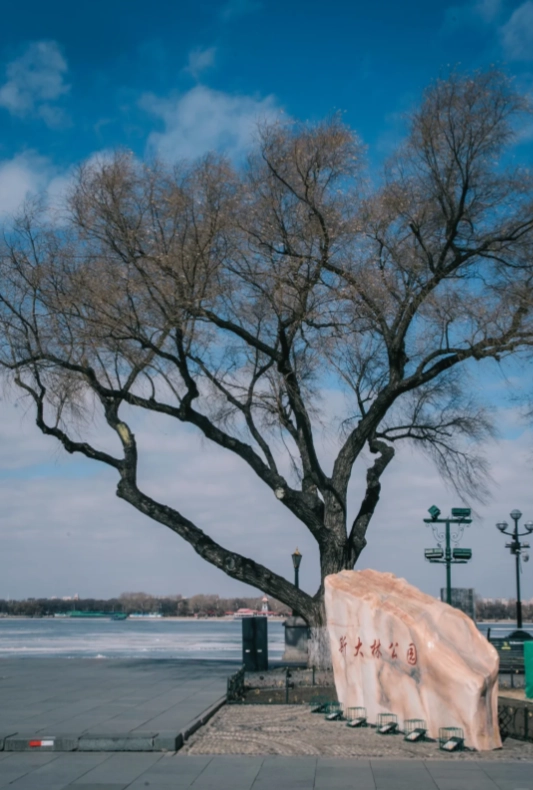
The 7-Day Heilongjiang Winter Route I Actually Run
Seven days is the sweet spot for a first visit. Fewer than that and you are just sprinting through Harbin. More than that and you should be adding Mohe, which I will explain below.
Days 1 to 3 — Harbin, Slowly
Give Harbin three full days, because the city is at its best when you stop rushing between photo spots and start sitting in it.
Day one is arrival and nothing else. Check in, walk Central Street at dusk while your body adjusts, buy a Madieer ice cream for ¥5 to ¥10 and eat it outside in minus 20 because that is what everyone does. Dinner should be guo bao rou, the sweet-and-sour pork that Harbin invented. Sleep early.
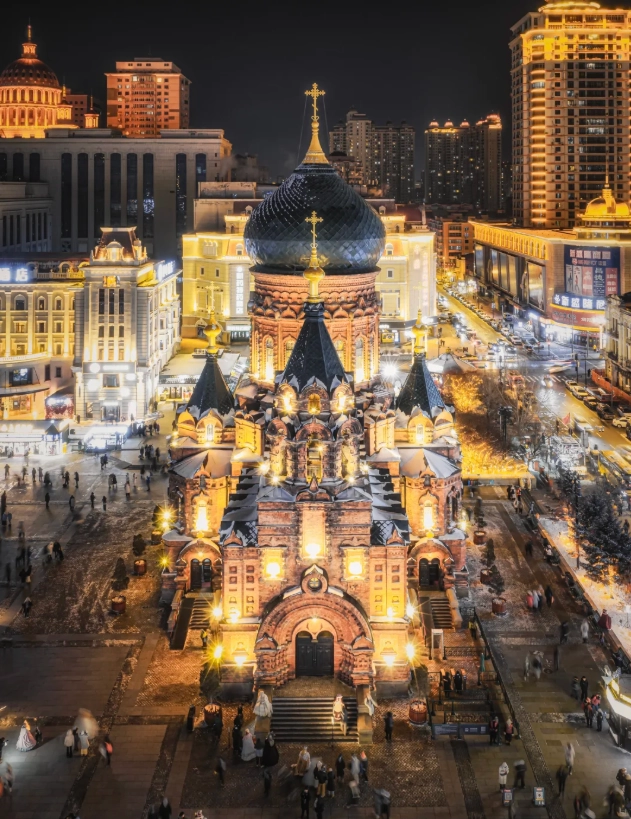
Day two, go to Saint Sophia Cathedral before 10am. The tour groups arrive after that and the square turns into a queue. Entry to the square is free; the small interior gallery charges a modest fee and takes twenty minutes. From there, walk down to the Songhua River — in deep winter it is frozen solid and locals ride bikes across it, which is a strange and wonderful thing to watch.
Then go back to your hotel and nap. I am serious about this. Nobody enjoys Ice and Snow World at minus 30 after eight hours on their feet in daylight.
Leave for Ice and Snow World around 3pm. A DiDi from Central Street takes 25 to 30 minutes and costs roughly ¥30 to ¥45. Shuttle buses also run from the main downtown stops during the festival season. Stay until 8 or 9pm, then head back and eat something hot.
Day three is the Hongzhuan Street breakfast market, which opens early and closes by mid-morning. Fried dough sticks, soy milk, pickles, a bowl of tofu pudding — you will spend under ¥20 and eat better than at any hotel buffet. Afterwards, wander Daowai District and the Chinese Baroque Street, which is scruffy, half-restored and far more interesting than the polished parts of town.
If you want one heavy museum, the Unit 731 Evidence Museum is free but requires advance booking with your passport, and it is genuinely disturbing. Do not go there on your last afternoon. It will sit with you for days.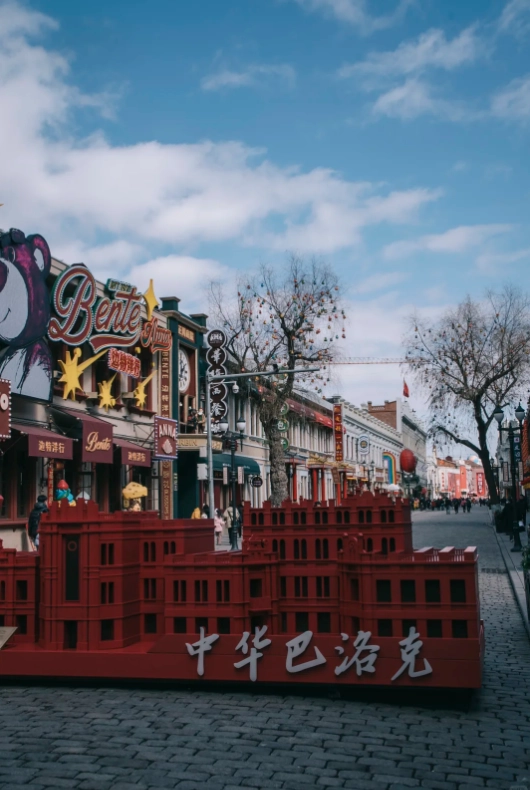
Days 4 and 5 — China Snow Town, With Honest Caveats
China Snow Town is genuinely beautiful and genuinely a tourist trap in equal measure — go in with the right expectations and two nights is worth it.
It sits in Hailin, under Mudanjiang, roughly five to six hours by road from Harbin. Organised shuttle buses leave from Harbin in the early morning and cost around ¥120 to ¥180 one way. A private car runs ¥900 to ¥1,400 for the whole vehicle, which makes sense for three or four people travelling together. The alternative is a train to Mudanjiang followed by a local bus, which is cheaper and considerably slower.
Entry tickets sit somewhere in the ¥95 to ¥120 range depending on the season. Inside the village, accommodation is family-run guesthouses and prices spike hard during peak weeks. Food is expensive and, in my honest opinion, mediocre. Bring instant noodles and fruit from Harbin.
The famous snow-mushroom rooftops are at the top of the village. Go at 7am. By 9am there are forty people with selfie sticks standing exactly where you want to stand.
Pro Tip: China Snow Town gets cold in a specific, damp way that feels worse than Harbin even at the same temperature, because you are standing in snow all day. Your feet will be the first thing to go. Two pairs of wool socks and boots with real tread, not fashion boots. I have watched grown adults cry over their toes at 4pm.
Days 6 and 7 — Yabuli for Skiing, or Add Mohe Separately
Two days is not enough for Mohe. It is a 13-hour overnight train or a short flight from Harbin, and you want at least four days up there to make the trip worthwhile.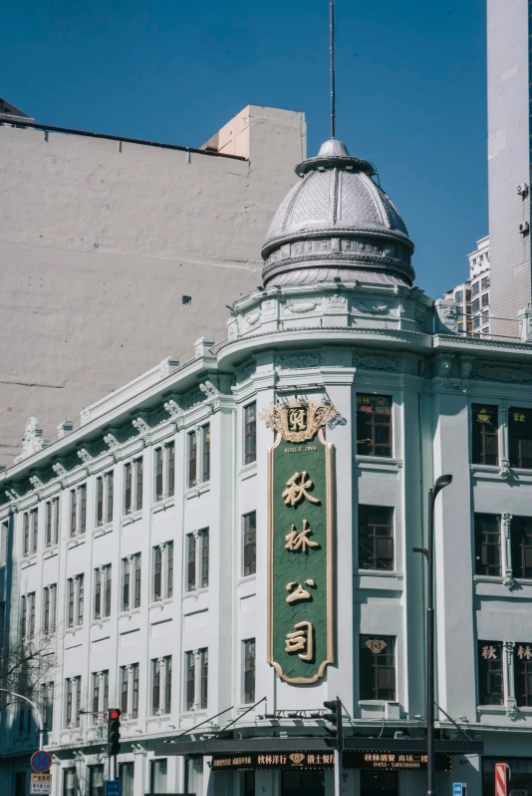
So use days six and seven for Yabuli. The high-speed train from Harbin takes about an hour and fifteen minutes, and the resort has rental gear, English-speaking instructors at the bigger schools and runs suitable for complete beginners. It is not the Alps. It is cheap, empty on weekdays and a lot of fun.
If you have ten to twelve days, add Mohe properly. Fly up, spend a night in Mohe town, then two nights in Arctic Village or the quieter Beihong Village, and visit the northernmost point marker. Winter temperatures there drop below minus 40, which is a different experience entirely from Harbin.
What Does Harbin Ice and Snow World Really Cost?
Harbin Ice and Snow World is the single most expensive ticket on most Heilongjiang itineraries, and the price moves with the date and the entry time you choose.
| Ticket Type | Est. Price | Best Entry Time | Notes |
|---|---|---|---|
| Adult, peak season | ¥330 to ¥390 | 15:00 to 16:00 | Prices vary by date, confirm before paying |
| Adult, opening weeks | ¥200 to ¥300 | 15:00 | Quieter, a few structures still unfinished |
| Child under about 1.2 m | Free or heavily discounted | 15:00 | Height is measured at the gate |
| Seniors 65 and over | Discounted with passport | 15:00 | Bring the actual passport, not a photo |
Booking is where foreigners get stuck. Trip.com is the easiest route because it accepts international cards and issues a QR code you show at the gate. The official WeChat mini-program is cheaper but runs in Chinese and sometimes asks for a mainland ID, which you do not have.
The park sits on the north bank in Songbei District, on the west side of Songbei Avenue. It is built on open river flats, which means wind. The wind is what actually hurts, not the air temperature.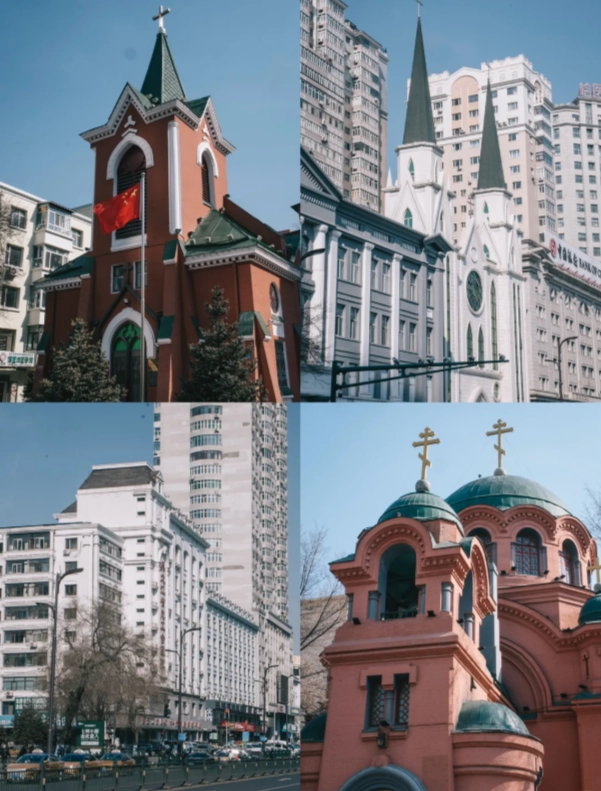
Pro Tip: Enter at 3pm, not 6pm. You get the ice sculptures in daylight, the sunset, and then the full lighting show — three completely different parks for one ticket. The 6pm to 7pm window is a wall of people at the main gate, and the big ice slide queue can run past two hours at peak. The smaller slides on the far side are usually a ten-minute wait and just as fun. Nobody tells you that.
Heilongjiang Winter Packing: Wear This, Buy That
The Layers That Actually Work
You need three layers, not one giant coat, because indoor heating in Heilongjiang is aggressive enough to make a single heavy parka unbearable within ten minutes.
- Base layer: merino wool or proper thermal synthetic. Cotton is a mistake and will hold sweat against your skin.
- Mid layer: fleece or a thin down jacket. This is the layer you remove indoors.
- Outer layer: a windproof, water-resistant down parka that covers your backside.
- Feet: insulated boots with deep tread and room for two pairs of socks. Tight boots cause frostbite faster than thin ones.
- Hands: thin liner gloves inside mittens. You cannot use a phone in mittens, and you will want to.
- Face: a neck gaiter or balaclava. Exposed cheeks go numb in about fifteen minutes at minus 25.
- Power bank: keep it in an inside pocket. Cold drains phone batteries at a frightening rate.
Buy Your Boots and Thermal Pants in Harbin, Not at Home
Serious winter gear is cheaper and warmer in Harbin than almost anywhere in Europe or North America, so pack light and shop on day one.
The clothing wholesale streets around Harbin Railway Station sell thermal pants, hats, gloves and boots at prices that will annoy you if you already bought everything back home. The basement floors of the big department stores on Central Street are the convenient option if you do not want to bargain.
Sizes run small, so try before you buy. The very cheapest boots at around ¥100 are fine for a week of city walking but will not survive a full day standing in Snow Town snow. Some hotels near Central Street also rent out down coats and boots by the day — ask at reception before you spend anything.
Where to Eat and Sleep in Harbin Without Getting Ripped Off
What to Eat in Harbin, and Where
Harbin's food is northern Chinese, heavy, sour-sweet and Russian-influenced, and the best meals are almost never on Central Street itself.
- Guo bao rou at Lao Chu Jia — the restaurant that claims to have invented the dish. Crispy pork in a sharp sweet-sour sauce, roughly ¥60 to ¥100 per person. Expect a queue at dinner and a wait of half an hour or more.
- Hongzhuan Street breakfast market — go before 8am. Fried dough sticks, soy milk, tofu pudding. Total spend under ¥20 and the best breakfast of your trip.
- Madieer ice cream on Central Street — ¥5 to ¥10, a Harbin institution since the Russian era. Eat it outside. That is the whole point.
- Tie guo dun, iron pot stew — a shared table dish with pork ribs, potato and corn bread steamed on the rim of the pot. ¥80 to ¥150 per person and it will feed you for a day.
- Harbin red sausage — Qiulin has branches everywhere and is easy. The famous Shangweihong shop in Daowai has a legendary queue that starts before opening and often imposes a purchase limit per person. Go only if you enjoy queues.
- Russian food on Central Street — borscht, beef stroganoff and black bread at the old cafés, ¥150 to ¥250 per person. Touristy, but the buildings are worth it.
Payment is the practical issue. Alipay and WeChat Pay are accepted nearly everywhere, and small vendors may genuinely not be able to break a ¥100 note. Physical international credit cards work at hotels and large department stores and almost nowhere else.
English menus are rare outside hotel restaurants. Point at what the next table has, or use your translation app on the photo menu. It works every time.
Where to Stay in Harbin
Stay in Daoli District near Central Street if you want to walk everywhere, and stay in Songbei only if Ice and Snow World is the entire point of your trip.
| Hotel or Area | Est. Nightly Rate | Walk to Central Street | Best For |
|---|---|---|---|
| Modern Hotel, Daoli | ¥500 to ¥900 | On the street itself | Couples, history lovers |
| Shangri-La Harbin, Daoli | ¥900 to ¥1,600 | 8 to 12 minutes | Families, business travellers |
| Holiday Inn Express Central Street, Daoli | ¥350 to ¥600 | 5 to 10 minutes | Budget-conscious couples |
| Atour or Hampton, Songbei | ¥300 to ¥500 | 25 to 35 minutes by taxi | Ice World focused trips |
| Hostels near Harbin Railway Station, Nangang | ¥80 to ¥180 per dorm bed | 20 minutes by metro | Solo backpackers |
Two things to check before booking anywhere. Heating in Harbin is central and extremely strong, so ask whether you can control the temperature in your own room. And ask for a room away from the street if you are a light sleeper, because snow ploughs work through the night.
Front desks at international brands speak workable English. Smaller local hotels often do not, which is exactly when a translation app earns its place.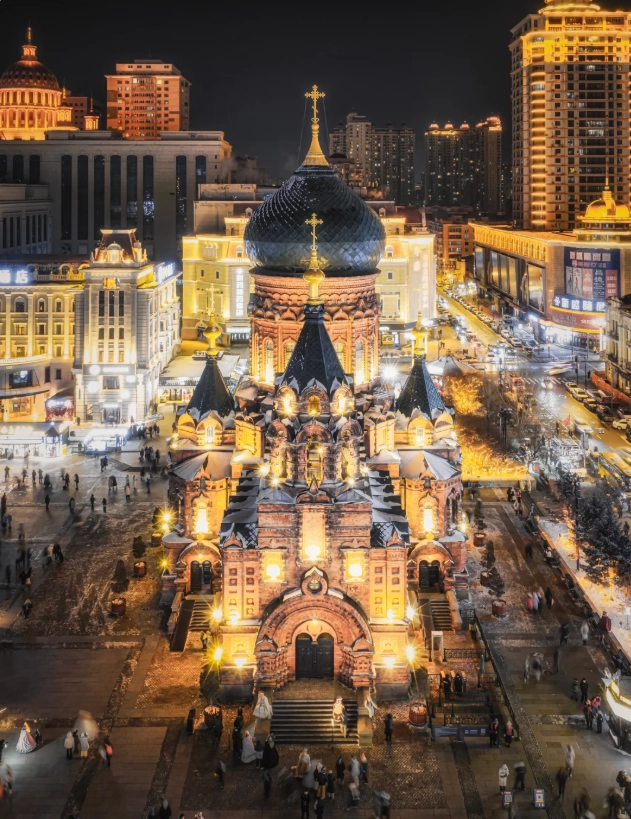
Money, Apps and Language: The Stuff That Ruins Trips
Set up Alipay before you fly, because it is now the single most useful app a foreign visitor can have in China.
- Alipay and WeChat Pay both accept international cards. Link your card at home and make one small test payment before you travel.
- Cash is legal tender and always accepted in theory, but small shops may struggle to give change for large notes.
- DiDi has an English interface and works with international cards. It is far easier than hailing a taxi on the street.
- Google Maps is unreliable inside China. Use Apple Maps, or AMap, which has a usable English mode and accurate transit data.
- Install a VPN before you arrive, not after. Google, Instagram and WhatsApp are not reachable on a normal Chinese connection.
- Download an offline Chinese translation pack. Baidu Translate and Apple Translate both handle menus and signs well.
- Buy an eSIM before departure, or visit a China Unicom or China Mobile store in Harbin with your passport.
Pro Tip: Booking anything through a Chinese-only WeChat mini-program is a nightmare even for me, and I have been doing this for years. Here is the trick that never fails. Take your phone to your hotel reception, show them the attraction name and the date, and ask them to book it for you. Nine times out of ten they will do it in three minutes and you can pay them back in cash or by Alipay transfer. Receptionists in Harbin are used to this and almost always say yes.
Heilongjiang Questions I Get Asked Every Week
Is four days enough to travel to Heilongjiang?
Four days gets you Harbin and nothing else, and that is a perfectly good trip. Three days in the city plus one day at Yabuli for skiing works well. What does not work is trying to squeeze Snow Town or Mohe into four days. The road time alone will eat half your holiday, and you will spend the whole trip watching the clock instead of enjoying minus 25 degrees.
Can I pay with a foreign credit card in Harbin?
Physical Visa and Mastercard work at international hotels and large department stores, and essentially nowhere else. Restaurants, taxis, ticket windows and small shops run on Alipay and WeChat Pay. Link your international card to Alipay before you leave home and test it with a small purchase. If you turn up in Harbin with only a plastic card and no mobile payment set up, you will spend your first day hunting for an ATM that accepts foreign cards.
How cold does Heilongjiang actually get, and is it dangerous?
Harbin in deep winter sits between minus 15 and minus 30, and Mohe goes below minus 40. It is manageable with the right layers and genuinely dangerous without them, mostly because people underestimate it. Frostbite starts on cheeks, fingertips and toes and you often do not feel it happening. The practical rule is simple. If a body part goes numb, go indoors immediately, even if it is only a convenience store. Do not be brave about it.
Do I need to book Harbin Ice and Snow World in advance?
During the peak window from late December through the Spring Festival period, yes, and often several days ahead. Tickets are date-specific and the park does sell out on holiday weekends. Trip.com is the smoothest option for foreign passports. If you leave it to the same day, arrive at the gate before opening and expect a long wait, or accept that you may not get in at all.
What is the cheapest way to get to Mohe?
The overnight sleeper train from Harbin, which runs 13 to 15 hours and costs roughly ¥260 to ¥400 for a berth. It is warm, comfortable enough and saves you a night of accommodation. The catch is that berths disappear fast in winter and the presale window is short, so set a reminder and book the moment it opens. Flying takes about two hours and costs three or four times as much, but it saves you an entire day of your trip.
Verified and fact-checked by the editorial team to ensure informational precision.






No comments yet.