 Hua Sun
Start Here — My Short Version
Minus thirty. Your phone dies in four minutes. Your eyelashes click when you blink.
I once watched a grown man from Melbourne cry at the ticket gate of Harbin Ice and Snow World — not from the cold, but because he had booked the wrong week and every hotel room within three kilometres was gone, at triple the price.
That is what the Heilongjiang best time to visit question actually is. It is not a weather question. It is a booking-window question. I have guided this province in January, in the grey slush of April, and in the ridiculous green July that almost no foreign traveller knows about — and the difference between a brilliant trip and a miserable one comes down to about ten days on the calendar.
So here is the short answer, and everything below unpacks it. If you want ice, aim for the last week of December through the first week of February, land on a weekday, and buy your Ice and Snow World ticket the moment the official channel releases it. If you hate crowds more than you love ice, come in late June or mid-September instead and you will have the place almost to yourself.
Everything else on this page is the stuff I normally explain on the drive in from Taiping Airport.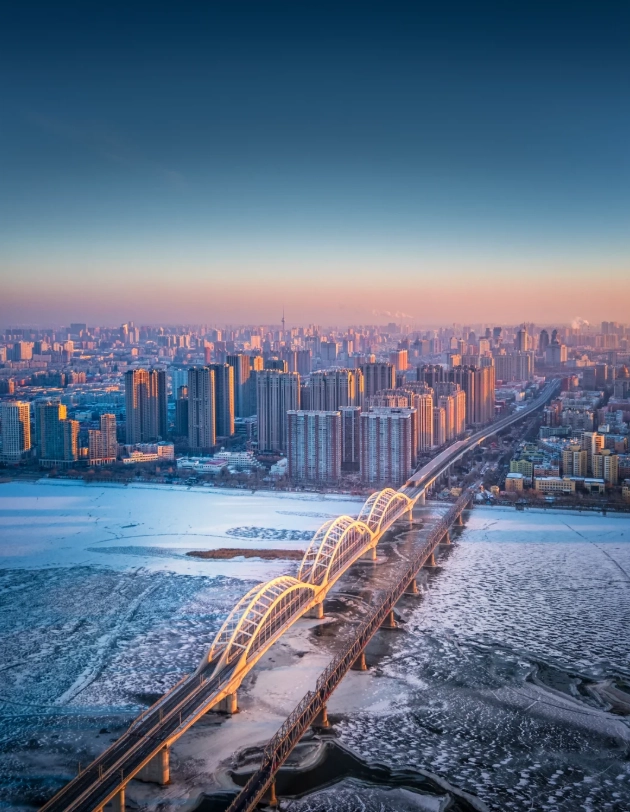
What Is the Best Time to Visit Heilongjiang?
The honest answer: late December to early February for ice and snow, mid-September to early October for autumn colour, and June to August if you actually want to be outdoors without losing feeling in your fingers.
Three windows, three completely different provinces in feel. Let me separate them.
- Deep winter, late December to early February. The postcard version. Ice sculptures, snow, -20°C mornings and a city that has built an entire identity around the cold. Also the most expensive and most crowded window.
- Autumn, mid-September to early October. The forests of the Xiaoxing'anling turn gold and orange, and the crowds are almost entirely domestic. Hotel prices sit at roughly half of winter rates.
- Summer, June to August. Harbin becomes one of the most comfortable cities in China, with days around 25°C and genuinely cool evenings. Almost no foreign tourists come, which is strange given how good it is.
Now, the part most guides skip. Everyone tells you to come for the Harbin International Ice and Snow Festival and stops there. I have a problem with that. The opening ceremony gets all the press, but the ice park itself usually opens in the last week or two of December, with sculptures that are just as finished, half the crowd and hotel rates that have not yet doubled. When my own family visits, that is the week I book.
And here is the trap. Spring Festival, Chinese New Year, lands somewhere between late January and mid-February depending on the lunar calendar. For roughly three weeks around it, every domestic tourist with a warm coat heads north. Hotel prices in Harbin can triple. High-speed rail seats vanish. The ice park turns into a queue simulator.
Pro Tip: If your dates are locked and they land on Spring Festival, do not fight Harbin. Base yourself in Mudanjiang or Qiqihar instead, take day trips, and visit Harbin on a single weekday. You will pay a third of the price for the same ice.
Heilongjiang Month by Month: What the Weather Really Does
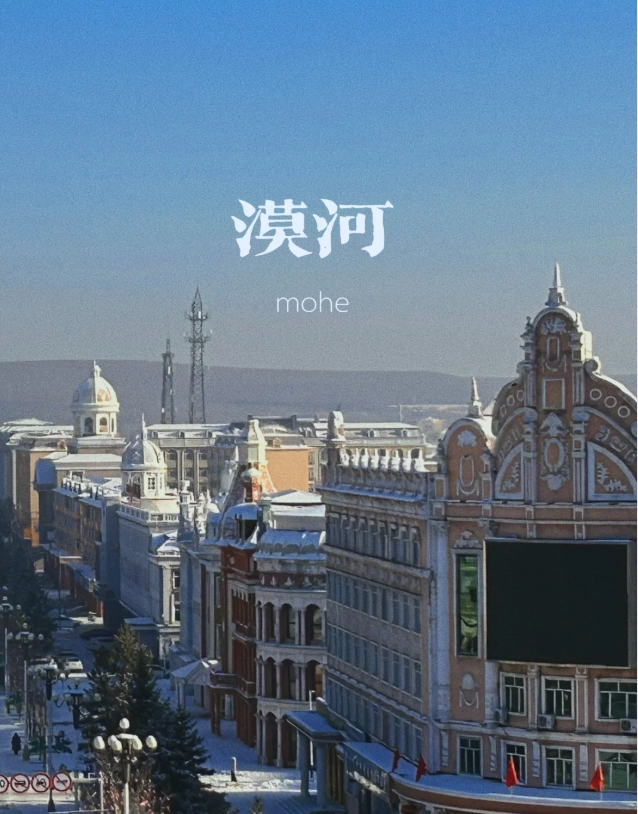
Harbin is the reference point for most travellers, so the figures below are Harbin averages — and Mohe, up on the Russian border, runs roughly 10 to 15°C colder than that.
Use this as a filter, not a forecast. Weather in this province swings hard, and a warm spell in January is not unusual.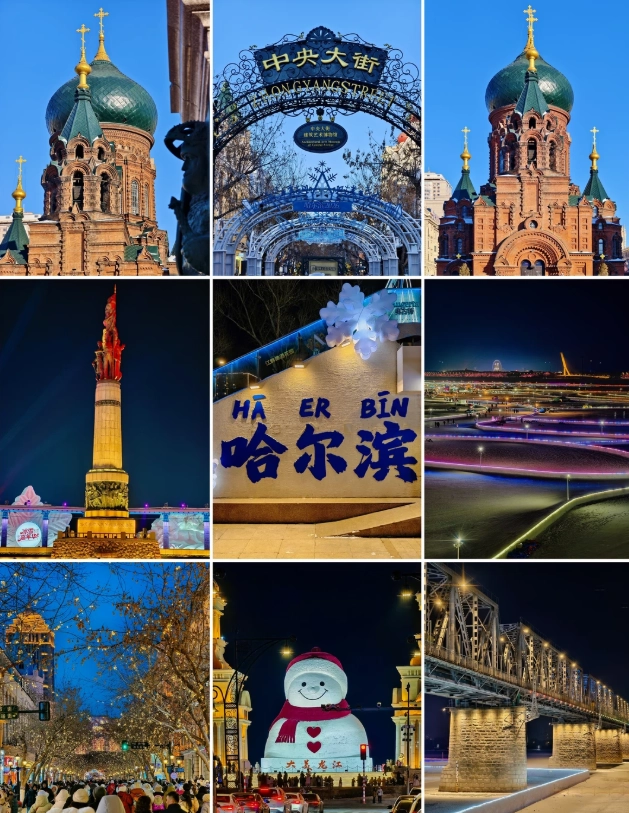
| Month | Daytime High | Night Low | Crowd Level | My Take |
|---|---|---|---|---|
| December | -8°C | -18°C | Building | Ice park usually opens late in the month |
| January | -12°C | -24°C | Peak | Coldest and best; book everything early |
| February | -7°C | -19°C | Heavy until Spring Festival ends | Ice still solid, prices drop afterwards |
| March | 2°C | -9°C | Low | Sculptures start looking tired and grey |
| April | 13°C | 1°C | Low | Windy mud season; museums and food only |
| May | 21°C | 9°C | Low | Green city, cheap flights, no queues |
| June | 26°C | 15°C | Low | The underrated sweet spot |
| July | 28°C | 19°C | Medium | Beer festival, warm evenings by the river |
| August | 26°C | 17°C | Medium | Occasional heavy showers; still great |
| September | 20°C | 10°C | Rising | Forest colour starts up north |
| October | 11°C | 1°C | Very high in the first week | Holiday crush, then suddenly quiet |
| November | -1°C | -10°C | Low | Grey and in-between; nothing is open yet |
What the numbers cannot tell you is how the cold actually behaves. Harbin's winter is dry and still, which means -20°C here often feels less punishing than -5°C in a damp coastal city. But the moment you stand on the open riverbank at the ice park with wind coming off the Songhua, that logic collapses. Wind is the variable that matters, and it is not in any forecast app.
Indoor heating is the other thing nobody warns you about. Every hotel, mall and taxi runs hot, often 24°C or more, so you will be peeling layers off within ten minutes of walking inside. Wear three thin layers rather than one thick one, and keep a light T-shirt in your bag for restaurants.
Winter in Heilongjiang: Ice, Snow and the -30°C Reality Check
Winter is why you came, so let us do it properly: the ice park, the snow town and the ski hill are three separate trips with three separate booking systems, and treating them as one day trip is the single most common planning error I see.
Outlets like CNN Travel cover the spectacle every season. Almost nobody mentions the logistics. The ice park sits inside Harbin, the ski hill is a 90-minute train ride southeast, and Snow Town is another two hours beyond that by road.
Harbin Ice and Snow World: Tickets, Timing and the Queue Trick
Get there at 3:30 in the afternoon rather than at opening — you shoot the sculptures in daylight, the floodlights come on around dusk, and you completely sidestep the worst entry crush.
The park sits in Songbei District on the north bank of the Songhua River, directly across from the old city. Metro Line 2 has a station a short walk from the gate, and the ride from the Central Street area takes roughly 25 to 30 minutes including a change. Do not take a taxi at peak time; the bridge backs up for an hour.
- Tickets: adult prices have sat in the 300 to 400 CNY range in recent seasons, with discounts by height for children and by age for seniors. Do not trust a price you read anywhere without checking the live listing — this is the one attraction in China that prices by date.
- Booking: the official channel is a Chinese-language WeChat mini-program with passport-based real-name registration. Honestly, it is a nightmare even for me. Trip.com and Klook sell the same ticket in English for a small markup, and your hotel front desk can book it in two minutes.
- Passport: it is scanned at the gate and the name on the booking has to match. Carry the physical document, not a photo of it.
- Hours: generally mid-morning into the late evening through the season, with last entry a couple of hours before closing. Extreme cold occasionally forces an early shutdown, so confirm on the day.
- Facilities: heated warming huts are scattered around the site and they are free. The toilets near the main entrance queue badly after 7 pm — use the ones on the western side instead.
Pro Tip: The famous long ice slide can eat 90 minutes of your night. There is a shorter slide on the western side of the park with a nearly identical ride and a fraction of the wait. Do that one first, then decide whether the big one deserves your time.
One more thing about your phone. It will die. Not slowly — it will drop from 60 percent to nothing in about ten minutes at -25°C. Keep it in an inside jacket pocket against your body, and store your power bank the same way. If you must take photos, shoot in short bursts and put the phone straight back.
Is China Snow Town Worth the Trip?
China Snow Town is genuinely beautiful for about two hours a day, and those two hours are 6 to 8 in the morning, before the tour buses arrive.
The village sits in Hailin, administered by Mudanjiang, roughly five to six hours by road from Harbin. The fastest public route is high-speed rail from Harbin to Mudanjiang, about three hours, then a shuttle or pre-booked car for another two hours up into the mountains. Guesthouses are essentially the only accommodation, and prices swing wildly between weekends and weekdays.
Here is my honest read, and it will not be popular with everyone. The snow is real and the dawn light on those roofs earns the drive. The pricing does not. Meals, sled rides and photo platforms are marked up for a captive audience, and there is almost no competition to keep anyone honest. Agree on prices before you sit down to eat, and treat any number quoted on the spot as negotiable.
My recommendation: one night, maximum. Arrive late afternoon, sleep early, shoot at dawn and be on the road by 10 am.
Yabuli Ski Resort: The Practical Ski Base
If your priority is actually skiing rather than photographing snow, skip Snow Town entirely and go straight to Yabuli.
High-speed rail from Harbin to Yabuli West takes about 90 minutes, and the resort cluster is a further 20 to 30 minutes by shuttle or taxi. The season runs roughly from late November to late March, with the most reliable snow in January and February. Rental gear is widely available, though boots run narrow — if you have wide feet, bring your own or size up a full step.
Book lift passes, rentals and accommodation as a package where you can. Buying each piece separately at the counter is slower and, in peak weeks, more expensive.
Summer and Autumn in Heilongjiang: The Windows Nobody Talks About
Harbin in July is one of the most pleasant cities in China, and a hotel room costs roughly a third of what it costs in January.
Summer days sit around 25°C with cool evenings, which makes long walks along Central Street and the Songhua River genuinely enjoyable. The Harbin Beer Festival usually lands in July and the Summer Music Concert in August. If wildlife is your thing, Zhalong Nature Reserve near Qiqihar is the classic spot for red-crowned cranes, best from April through September — arrange transport in advance, because it is nowhere near a metro line and the marsh mosquitoes are serious.
Autumn is short and specific. The colour peak in the Xiaoxing'anling forests near Yichun, including Wuying National Forest Park, usually falls between mid-September and early October, and it shifts year to year. Check local reports before you commit to a flight. The first week of October is a national holiday and domestic crowds explode — the week before or the week after is dramatically calmer.
Wudalianchi, the volcanic field with its mineral springs, is a fine May-to-September add-on if you have two spare days. And if you want China's coldest, northernmost experience, Mohe is a two-hour flight from Harbin and delivers winter temperatures and a midnight-sun summer that feel like a different country.
How Do You Get Around Heilongjiang in Winter?
Heilongjiang is enormous — Harbin to Mohe is roughly the distance from London to Rome — so pick two bases, not five.
| Route | Best Mode | Typical Time | Typical Cost | Notes |
|---|---|---|---|---|
| Harbin city centre to Ice and Snow World | Metro Line 2 | 25 to 35 minutes | Under 10 CNY | Heated cars, no bridge traffic |
| Harbin to Yabuli | High-speed rail | About 1.5 hours | From around 60 CNY | Book with your passport |
| Harbin to Mudanjiang | High-speed rail | About 3 hours | From around 150 CNY | Then bus or car up to Snow Town |
| Harbin to Mohe | Flight | About 2 hours | 700 to 1500 CNY | Winter flights cancel in bad weather |
| Taiping Airport to city centre | Taxi or ride-hail | 40 to 60 minutes | 100 to 150 CNY | Use the official rank outside arrivals |
| Anywhere after dark at -25°C | Taxi or Didi | Varies | 15 to 40 CNY | Have the Chinese address ready |
Treat those figures as ballpark, not quotes. For trains, use China Railway's official booking platform. The English interface works and foreign passports can register, but the verification step sometimes still requires a visit to a station counter, which has burned me twice on tight schedules. Trip.com charges a small fee and removes that headache entirely. In winter, book three to five days ahead; around Spring Festival, book the moment seats open.
For city rides, Didi is the default, but its English support is patchy. The transport mini-program inside Alipay works better for foreign accounts. Drivers rarely speak English, so screenshot your destination in Chinese characters and show the screen — that solves most communication problems instantly.
Pro Tip: At Harbin Taiping Airport, walk past the drivers who approach you inside the arrivals hall. The official taxi rank is outside and to the left, and the queue moves quickly. If someone quotes you a flat 400 CNY to the city centre, that is roughly three times the meter.
Inside Harbin itself, the metro is heated, cheap and reliable, and Lines 1, 2 and 3 cover almost everything a visitor needs. It is also the only transport that does not care about ice on the roads.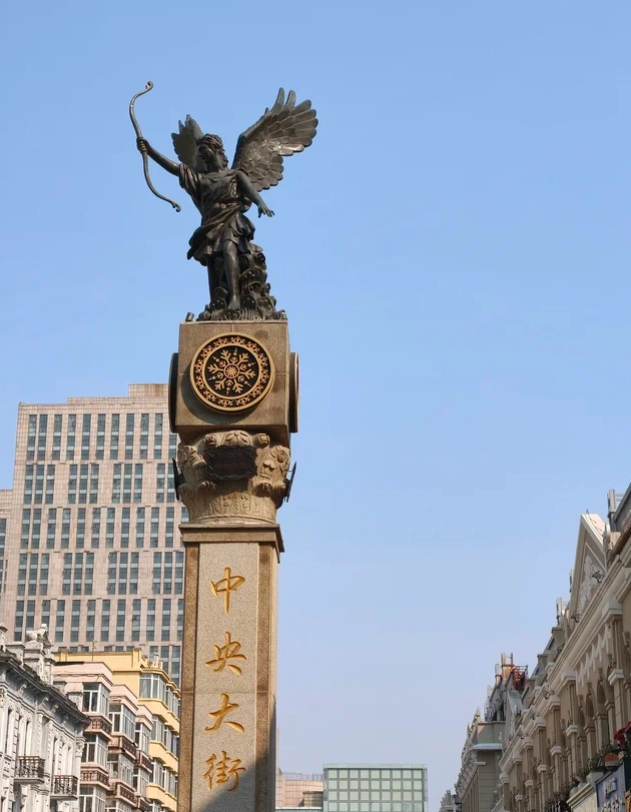
What to Book and Pack Before You Fly
Book the ice park ticket, the Harbin hotel and any Snow Town bed before you book your flights — in that order, because flights are the flexible part and beds are not.
Start with entry rules. Check the National Immigration Administration for the current visa-free transit and unilateral visa-free arrangements, because eligibility and permitted regions change more often than any blog keeps up with. That site is the only source I trust on this.
- Ice and Snow World ticket: released in batches. Buy the day your date appears, especially for weekends and any holiday week.
- Hotel: winter weekends in Harbin sell out weeks ahead. Book a cancellable rate early and rebook later if prices drop.
- Trains: book three to five days out in normal weeks, and the moment seats open around Spring Festival.
- Ski package: Yabuli resorts fill fast in January and February. A package with transfers included saves real time.
Packing matters more here than almost anywhere else in China, and most people get it wrong in the same way.
- Base layer in merino or synthetic, never cotton. Cotton holds sweat and then freezes against your skin. This single change makes more difference than any jacket upgrade.
- Down jacket rated for at least -20°C, plus a windproof shell for the riverbank.
- Insulated boots with real grip. Harbin pavements are packed ice, and the tourists I see falling are almost always in smooth-soled fashion boots.
- Touchscreen gloves plus a thin liner. You will be pulling the outer pair off constantly for your phone.
- Balaclava or neck gaiter. Your face is the part you cannot layer on the spot.
- Power bank kept in an inside pocket, never in a backpack.
- Lip balm, heavy moisturiser and sunglasses. Snow glare is real, and the air is dry enough to crack your knuckles.
- One light T-shirt for indoors, because every restaurant is heated to summer.
Then sort out payments and connectivity before you land, not after. Link your international card to Alipay or WeChat Pay at home, where verification codes arrive reliably. Physical foreign credit cards work at big international hotels and almost nowhere else, so assume mobile payment everywhere. Keep 200 to 300 CNY in cash for small vendors and the occasional shop that has not caught up.
Install a VPN before departure, because you cannot download one once you are inside. Google Maps is unreliable in China even with a VPN, so use Apple Maps or Amap, and download offline maps for every city on your route.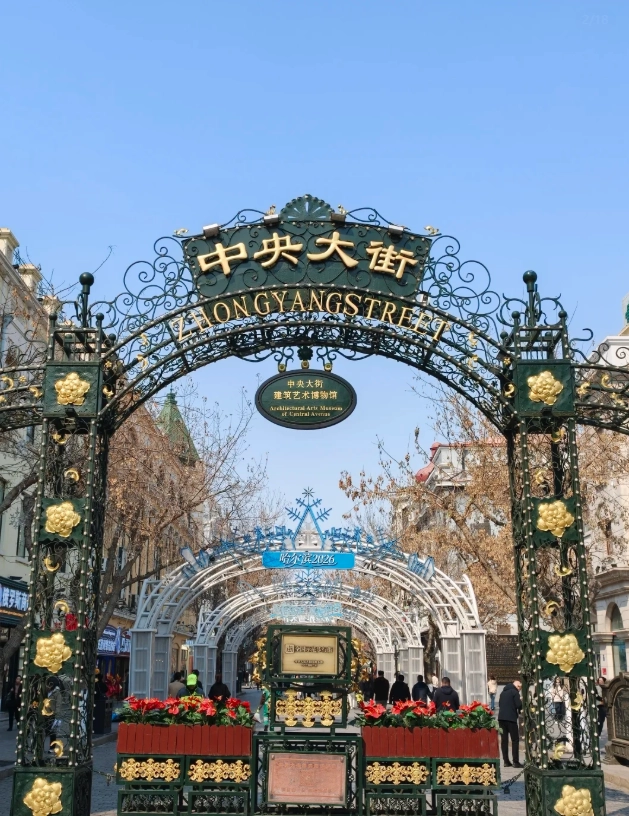
Where to Stay in Harbin: Three Areas Compared
Pick your area by what you will do at night, not by star rating — winter traffic turns a six-kilometre trip into a 45-minute ordeal.
| Area | Best For | Price Per Night | Getting Around | Watch Out For |
|---|---|---|---|---|
| Daoli, around Central Street | First-timers, food, architecture | 400 to 900 CNY in winter | Most sights are walkable | Older buildings, small rooms, street noise |
| Nangang, near the railway station | Train day trips, tighter budgets | 250 to 600 CNY | Metro and rail at the door | Less charm, heavier traffic |
| Songbei, north bank | Ice park and Sun Island access | 300 to 700 CNY | Short metro ride to the ice park | Very little open late for food |
Three things to verify before you pay, because they are the complaints I hear most. Ask whether the heating runs all night — most does, some older buildings cut it. Ask about 24-hour hot water, which is not universal in budget properties. And ask whether the front desk can help with bookings, because a receptionist who can navigate a Chinese mini-program is worth more than a gym and a lobby bar combined.
One thing I will say plainly: plenty of mid-range Harbin hotels advertise river-view rooms that look straight at a construction site. Ask for a photo of the actual room view, or skip the upgrade and spend the money on dinner.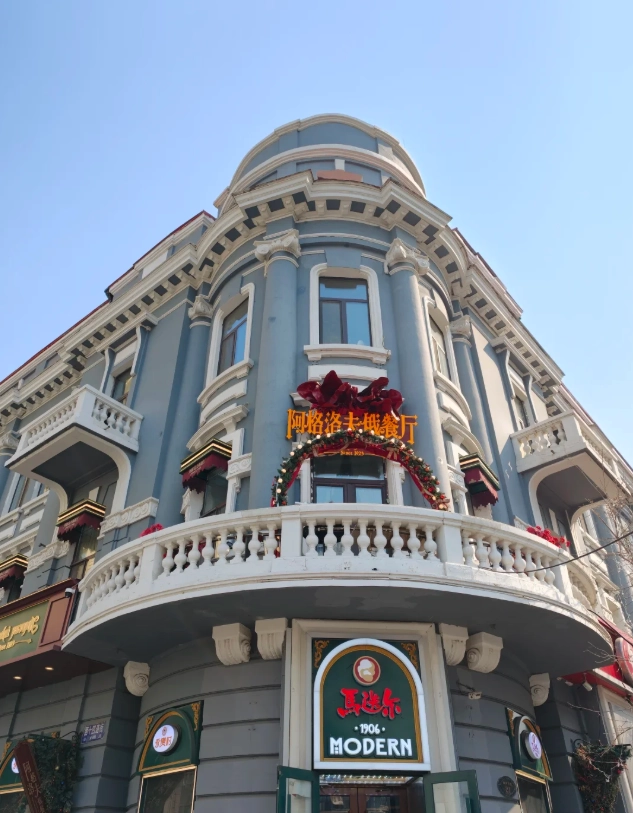
Heilongjiang Travel FAQ
Is March or April a good time to visit Heilongjiang?
No, and I would rather tell you that than sell you a tour. The ice park closes, the sculptures get bulldozed, the Songhua River is grey slush, and the forests have not greened up yet. Flights are cheap for a reason. If your dates are locked, spend them indoors — the Unit 731 Museum and the Heilongjiang Provincial Museum in Harbin will fill a full day, and the city's Russian restaurants are excellent year-round.
How cold does it actually feel at the ice park, and what do people get wrong?
The park sits on an open riverbank, so wind chill pushes the felt temperature well below whatever your weather app shows for the city centre. The mistake I see constantly is cotton layers and a phone kept in an outer pocket. Merino or synthetic base layers keep you warm even when damp; cotton does the opposite. And your phone battery collapses in minutes outside, so keep it against your body.
Do I need a VPN in Heilongjiang, and does Google Maps work?
Install one before you fly, because you cannot download a VPN once you are inside the country. Google services, Instagram and WhatsApp are not accessible without it. Even with a working VPN, Google Maps is inaccurate for Chinese addresses, so switch to Apple Maps or Amap and download offline maps before you leave the hotel wifi.
Can I pay with a foreign credit card in Harbin?
Physical foreign cards work at large international hotels and a few big department stores, and almost nowhere else. Set up Alipay or WeChat Pay with your international card before you arrive — that covers restaurants, taxis, the metro and convenience stores. Carry 200 to 300 CNY in cash for small vendors, and expect change to come back in coins you will struggle to spend.
Should I book Harbin Ice and Snow World tickets in advance, and where?
Book as soon as your date appears. Tickets are released in batches and holiday weeks sell out. The official channel is a Chinese-language mini-program, workable but painful; Trip.com and Klook sell the same ticket in English, and your hotel front desk can book it in two minutes. Your passport is scanned at the gate, so the name on the booking has to match exactly.
Is China Snow Town a tourist trap?
Partly. The scenery is real and the dawn light genuinely earns the drive. The pricing does not. Meals, sled rides and photo platforms are marked up for a captive audience, and there is little competition to keep anyone honest. Go for one night, agree prices before ordering, and treat anything quoted on the spot as negotiable.
Verified and fact-checked by the editorial team.







No comments yet.