 Hua Sun
Minus 28. My phone died in four minutes flat.
That was a Tuesday morning in Harbin, and I was standing outside a hotel on Central Street watching a family from Melbourne argue about whether to cancel their whole trip. They had booked a three-day sprint through Heilongjiang based on a viral video. By day two they were exhausted, frostbitten at the edges, and seriously considering a flight to Bangkok.
I have guided foreigners through this province for eleven winters. Every season I watch the same pattern repeat: people book the Heilongjiang must-visit places they saw on social media, underestimate the distances, and miss the spots that genuinely justify the flight.
Here is the honest version. I am naming the places I keep taking clients back to, the ones I quietly suggest they skip, and the small logistics — subway exits, booking channels, light angles — that decide whether you remember this trip as magical or miserable.
One spoiler before we start: the single biggest mistake is treating Heilongjiang as a Harbin city break. It is a province roughly the size of France and Germany combined. Distances here are brutal in winter.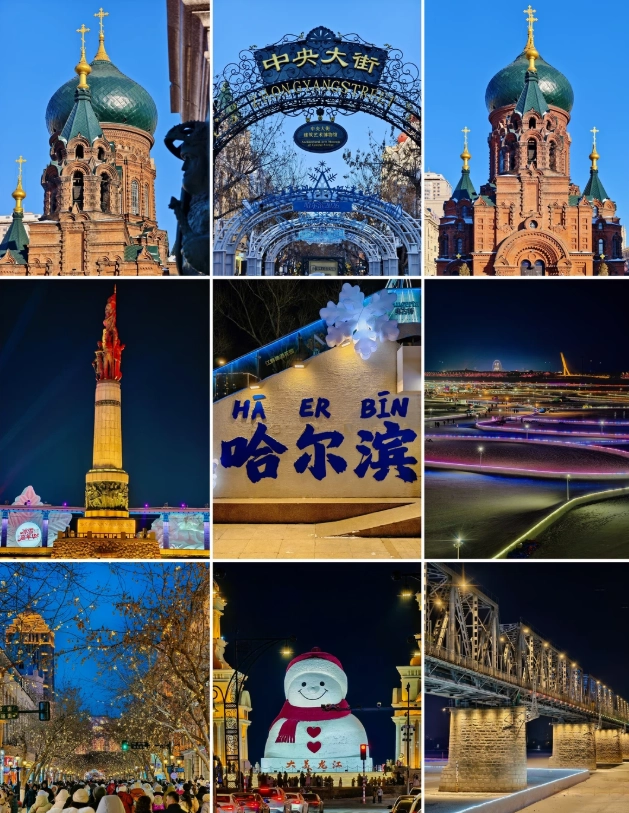
Jump Straight To What You Need
- What Makes Heilongjiang Different From Anywhere Else in China
- The Heilongjiang Must-Visit Places I Actually Take People To
- How Do You Get Around Heilongjiang Without Wasting Days?
- What Should a Foreign Visitor Budget for Heilongjiang?
- When Is the Best Time to Visit Heilongjiang?
- What Do Foreign Travelers Get Wrong About Heilongjiang?
- Heilongjiang Travel Questions I Get Asked Every Week
What Makes Heilongjiang Different From Anywhere Else in China
Heilongjiang is not "China with snow." It is a distinct frontier culture shaped by Russian, Manchu, Korean, and Han influences, and its winter is a genuine physical challenge rather than a scenic backdrop.
Three things surprise first-timers every single time.
The first is the cold itself. Harbin in January averages around minus 18 to minus 25 Celsius, and the wind off the Songhua River makes it feel worse. Mohe, up at the northern tip, regularly drops below minus 35. That is not "bring a warm coat" weather. That is "your eyelashes freeze when you blink" weather.
The second is the food. This is dongbei cuisine at its most generous — heavy, sour, pickled, and built for survival. Think stewed pork with sauerkraut, smoked red sausage, and frozen pears sold on the street. If you arrive expecting delicate Cantonese flavors, recalibrate now.
The third is scale. Harbin to Mohe is roughly a 13-hour train ride or a short flight. Harbin to Zhalong Nature Reserve is about two hours by high-speed rail. If you try to see everything in five days, you will spend most of it inside a vehicle watching white fields slide past.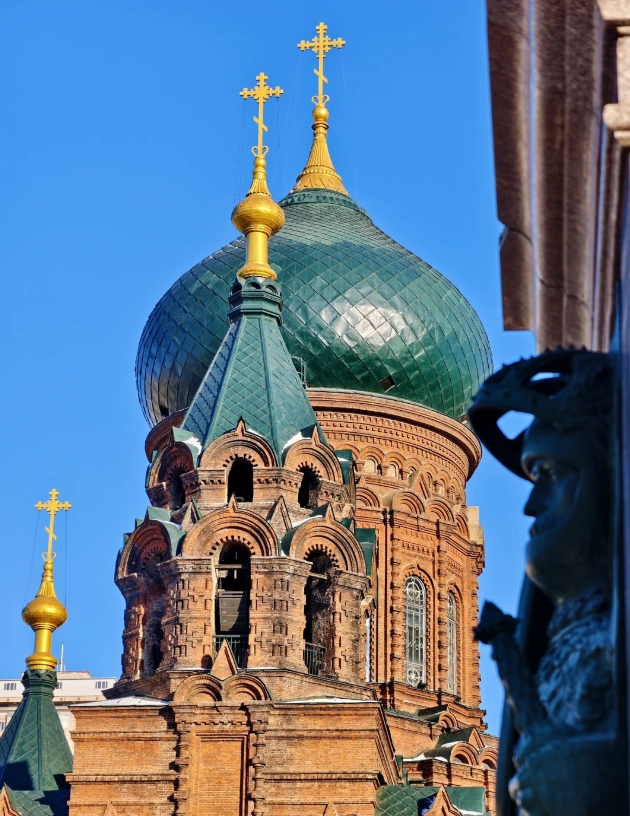
The Heilongjiang Must-Visit Places I Actually Take People To
I am ranking these by the value they deliver per hour of your trip, not by fame. Some famous places sit low. One relatively unknown spot sits very high.
1. Harbin Ice and Snow World — Worth Every Yuan, But Timing Decides Everything
This is the one attraction in Heilongjiang that genuinely earns its hype, but the difference between a magical night and a miserable one comes down to which gate you enter and what time you arrive.
The site sits on the north bank of the Songhua River in Harbin's Songbei District. The cleanest way in is Metro Line 2 to the dedicated Ice and Snow World station — follow the English signage, and you will surface within a few minutes' walk of the main entrance.
Tickets have historically run in the low-to-mid 300 RMB range for adults, with discounted rates for children and seniors. Do not trust any number I give you as final. Prices shift by season and by session. Check the official Harbin Ice and Snow World WeChat mini-program or Trip.com before you travel, and book in advance — walk-up tickets sell out on peak weekends.
Foreign visitors need their passport for the real-name booking. This is where a lot of people hit a wall: the mini-program is in Chinese, and the payment flow assumes a domestic wallet. My honest advice — if the Chinese interface defeats you, ask your hotel front desk to complete the booking, or use Trip.com, which handles passport entry and international cards without drama.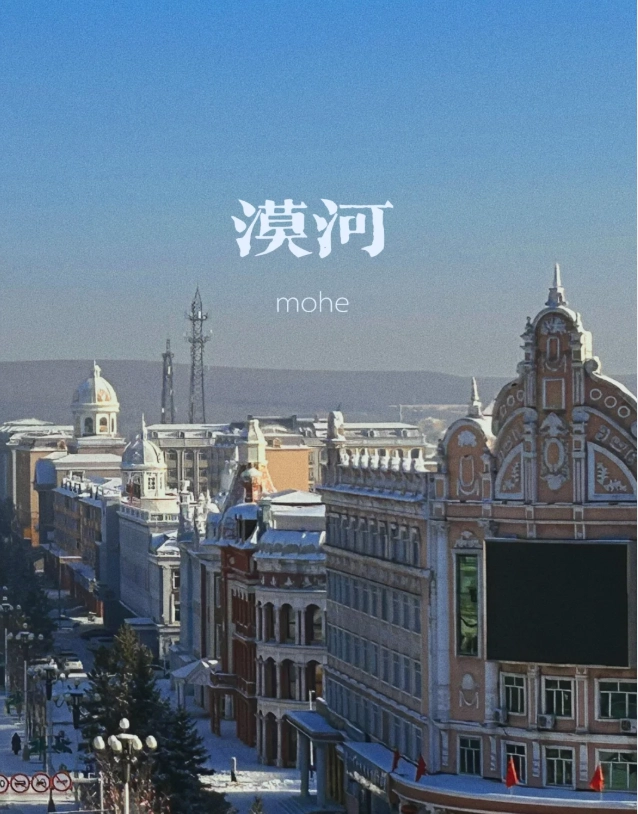
Pro Tip: Most guides tell you to arrive at sunset for the light show. That is exactly when the main gate turns into a wall of tour groups and the queue for the giant ice slide hits an hour. I bring my groups in around two in the afternoon instead. The sculptures photograph better in daylight anyway — the ice is translucent blue rather than blown-out purple — and by the time the lights come on, you have already covered the park and can simply enjoy it.
Wear more than you think you need. The park is fully outdoors and you will be standing still for long stretches. Two pairs of socks, chemical hand warmers in your gloves, and a face covering are not optional. There is a heated rest pavilion near the center of the site — memorize its location early, because you will want it.
2. Central Street and St. Sophia Cathedral — Free, Walkable, and Best Before 9 AM
Central Street is the single best free thing to do in Harbin, and the St. Sophia Cathedral at its northern end is the photo everyone wants — which is precisely why you should go early.
The street is paved with century-old granite blocks, worn smooth and slightly slippery in winter. It runs about 1.4 kilometers from the Songhua River embankment southward. The architecture is a mix of Baroque, Byzantine, and Art Nouveau leftovers from the Russian railway era, and it is genuinely beautiful.
St. Sophia Cathedral sits just off the main axis. The exterior is free to view at any hour. Going inside requires a small ticket, and the interior is now a photography museum rather than an active church — worth twenty minutes if you are curious about Harbin's Russian past, skippable if you are short on time.
Here is the part nobody tells you. By 10 AM in winter, the plaza in front of St. Sophia is packed with tour groups doing synchronized photo poses, and the light is flat and harsh. Arrive between 7:30 and 8:30 AM and you will have the square almost to yourself, with soft side light on the red brick.
Food on the street: try the Madie'er ice pop, sold from a window counter that has been running for over a century. Eating ice cream outdoors at minus 20 sounds absurd. Do it anyway. Also grab a smoked red sausage from one of the deli counters — they will vacuum-seal it for travel if you ask.
Payment across Central Street is overwhelmingly mobile. Alipay and WeChat Pay linked to an international card work in most shops now, but keep a few hundred RMB in cash for the smaller stalls and for old-school vendors who still prefer it.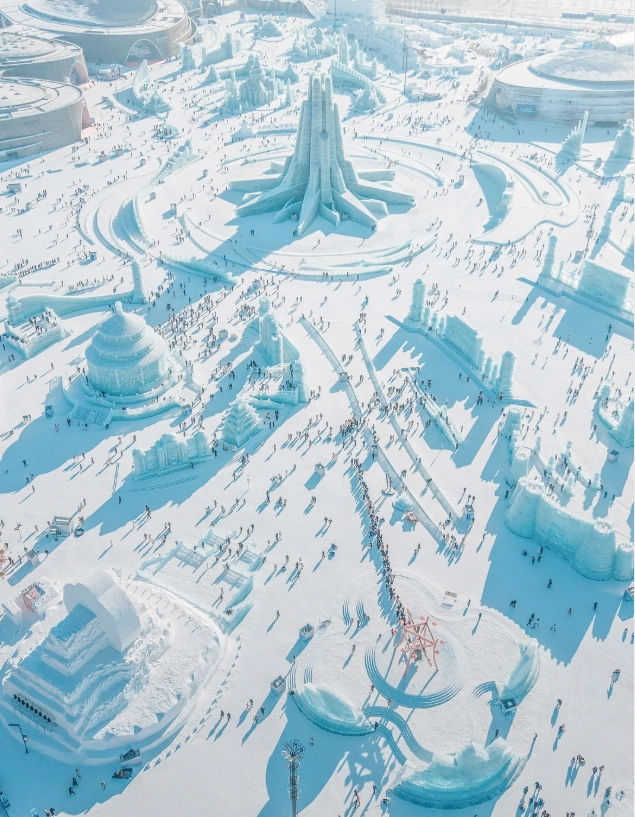
3. China Snow Town — Beautiful, Commercial, and Easy to Get Wrong
China Snow Town delivers the postcard images you have seen, but it is the most heavily commercialized stop in Heilongjiang, and going in unprepared is how people end up feeling cheated.
It sits in the Changbai Mountain range, roughly a five to six hour drive from Harbin depending on road conditions. Snow accumulates here in extraordinary depth — several meters across a season — which is why the wooden roofs develop those thick, rounded snow caps.
The entry ticket is separate from accommodation and food, and prices inside the village run high by Chinese standards. That is the trade-off. You are paying for a very specific photograph.
My honest read: if you have two nights to spare and you love snow photography, it is worth it. If you are squeezing it into a tight itinerary, skip it and put those days into Mohe or Jingpo Lake instead. The village at night is genuinely lovely, but the daytime crowd flow and the constant upselling wear people down fast.
Insider Advice: Book your guesthouse directly and confirm two things in writing before you pay — that they will pick you up from the village gate with a sled, and that they have heating that runs through the night. Some budget guesthouses cut the heat between 1 AM and 5 AM to save costs. At minus 25, you will notice.
4. Zhalong Nature Reserve — The Red-Crowned Crane Capital
Zhalong is the most underrated entry on any Heilongjiang must-visit list, and almost no foreign itinerary includes it.
The reserve sits near Qiqihar, reachable by high-speed rail from Harbin in roughly two hours. It is a vast wetland complex and the primary breeding ground for the red-crowned crane, a bird that carries enormous cultural weight in China as a symbol of longevity.
The headline experience is the scheduled release of captive-bred cranes, when staff open the enclosure and dozens of birds take off across the marsh at once. Times vary by season, so confirm the current schedule at the visitor center on arrival rather than relying on anything you read online.
Best season is late spring through early autumn. In deep winter the wetlands freeze and the crane activity drops off sharply. If you are visiting purely for the ice and snow, save Zhalong for a return trip.
Bring binoculars and a telephoto lens if you have one. The viewing platform keeps you at a respectful distance, and phone cameras will not do the birds justice.
5. Mohe Arctic Village — China's Northernmost Point
Mohe is a commitment, not a day trip, and it rewards the kind of traveler who values the experience of a place over convenience.
The village sits at the very top of Heilongjiang, close to the Russian border. From Harbin it is either a flight or a long overnight train — check schedules and book through China Railway's official platform at 12306.cn, which now has an English interface and accepts passport details.
Winter temperatures here regularly fall below minus 35 Celsius. There is an official "northernmost point" marker, a small polar-themed park, and the real draw — the chance of seeing the aurora on a clear, dark night. Note the word "chance." Auroras here are not the Icelandic spectacle. They are faint, greenish, and require patience plus a camera capable of long exposure.
What I actually love about Mohe is not the aurora. It is the silence. Standing outside at minus 38 with nobody around, listening to your own breath freeze, is an experience you cannot get in Harbin.
6. Jingpo Lake and Wudalianchi — The Two Geoparks Nobody Talks About
These two sites together make up the most geologically interesting corner of Heilongjiang, and both are far quieter than they deserve to be.
Jingpo Lake, near Mudanjiang, is China's largest lava-dammed lake. In winter the famous Diaoshuilou Falls freeze into a dramatic wall of blue ice that photographers make pilgrimages for. Access is by train to Mudanjiang, then a local bus or hired car.
Wudalianchi is a volcanic field with five connected lakes, recognized within the UNESCO Global Geoparks network for its unusually well-preserved volcanic landforms. The black basalt fields against white snow make for striking contrast, and the site receives a fraction of Harbin's visitors.
Both are genuinely worth a full day each. Neither is a quick stop.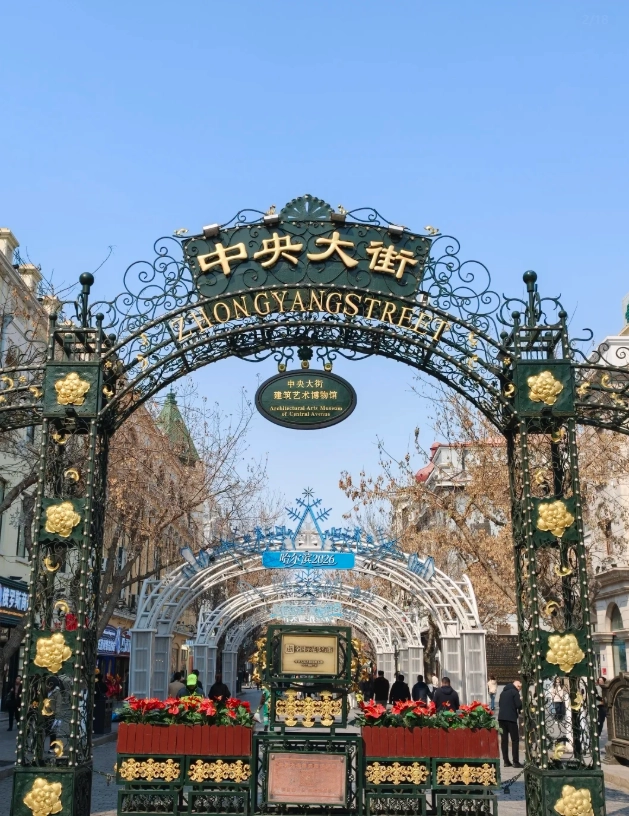
Quick comparison — the main Heilongjiang must-visit places at a glance:
| Place | Best Season | Indicative Adult Ticket | Advance Booking | Suggested Time |
|---|---|---|---|---|
| Harbin Ice and Snow World | Late Dec – Feb | Low-to-mid 300 RMB | Required, passport needed | 4–5 hours |
| Central Street & St. Sophia | Year-round | Free exterior; small fee inside cathedral | Not required | 2–3 hours |
| China Snow Town | Dec – Feb | Separate village entry ticket | Recommended in peak weeks | 2 nights |
| Zhalong Nature Reserve | May – Oct | Modest entry fee | Not required | Half day |
| Mohe Arctic Village | Dec – Feb; Jun – Aug | Entry fee plus transport | Recommended | 2–3 nights |
| Jingpo Lake / Wudalianchi | Year-round, winter for ice | Moderate entry fees | Not required | 1 day each |
Treat all pricing as indicative. Confirm current rates and opening hours through official channels before you travel.
How Do You Get Around Heilongjiang Without Wasting Days?
The honest answer is that you combine high-speed rail for the main corridors with domestic flights for the far north, and you accept that one leg will eat a full day no matter what you do.
Heilongjiang's rail network has improved enormously. Harbin to Qiqihar, Harbin to Mudanjiang, and Harbin to Jiamusi are all comfortable high-speed routes. Book through 12306.cn with your passport number, or through Trip.com if you want an English-language interface and the ability to pay with an international card.
For Mohe and the far northern reaches, flying is the only sane option if your trip is under two weeks. Harbin Taiping International Airport handles most domestic connections.
Inside Harbin itself, the metro is clean and cheap. Line 2 connects the railway stations, Central Street, and the Ice and Snow World. Buy a transit card or use the Alipay transport mini-program if your account supports it. Taxis and Didi work fine, but in winter, wait times spike hard during morning and evening rush.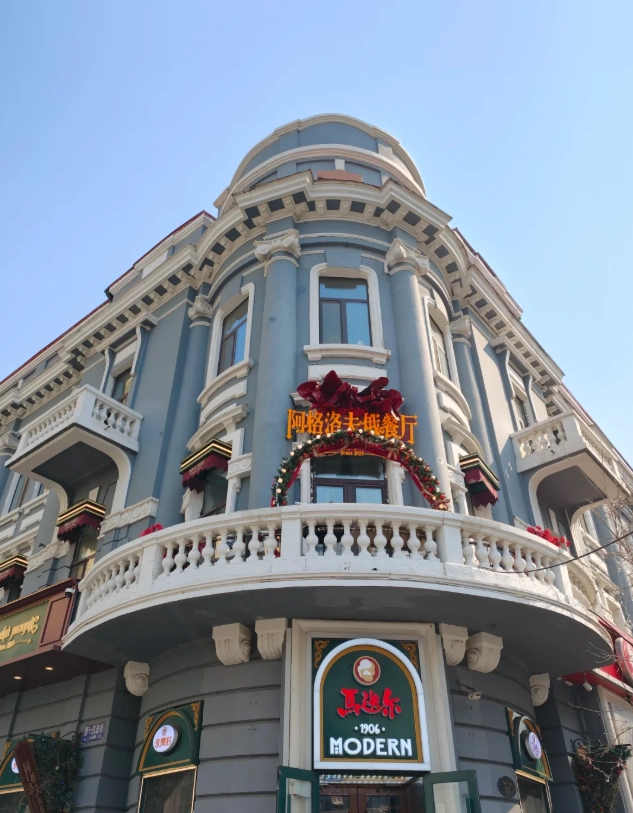
Pro Tip: Google Maps is unreliable in mainland China and will frequently place you on the wrong side of a river. Use Apple Maps, which handles Chinese addresses reasonably well, or install Amap Global for English-language navigation. Always have your destination written in Chinese characters ready to show a driver — pronunciation alone rarely works.
What Should a Foreign Visitor Budget for Heilongjiang?
Heilongjiang is not a budget destination in winter. Peak-season accommodation in Harbin can triple compared to summer rates, and internal transport adds up quickly.
Rough daily ranges for a mid-range traveler, excluding international flights:
- Budget backpacker, hostels and street food: 250–450 RMB per day
- Mid-range, three-star hotels and restaurant meals: 600–1,100 RMB per day
- Comfort-focused, four-star and above with private transfers: 1,500 RMB and up per day
Two costs catch people off guard. The first is winter gear. If you arrive without proper boots and a down jacket, buying them locally is possible but the good stuff is expensive. The second is internal flights during Chinese New Year, when prices for Harbin–Mohe routes can double.
On payment: Alipay and WeChat Pay linked to an international Visa or Mastercard now work across most of urban Heilongjiang. Physical credit cards are accepted at large hotels and some chain restaurants, but small shops, street vendors, and taxis are effectively cashless or cash-only. Carry a few hundred RMB in small notes.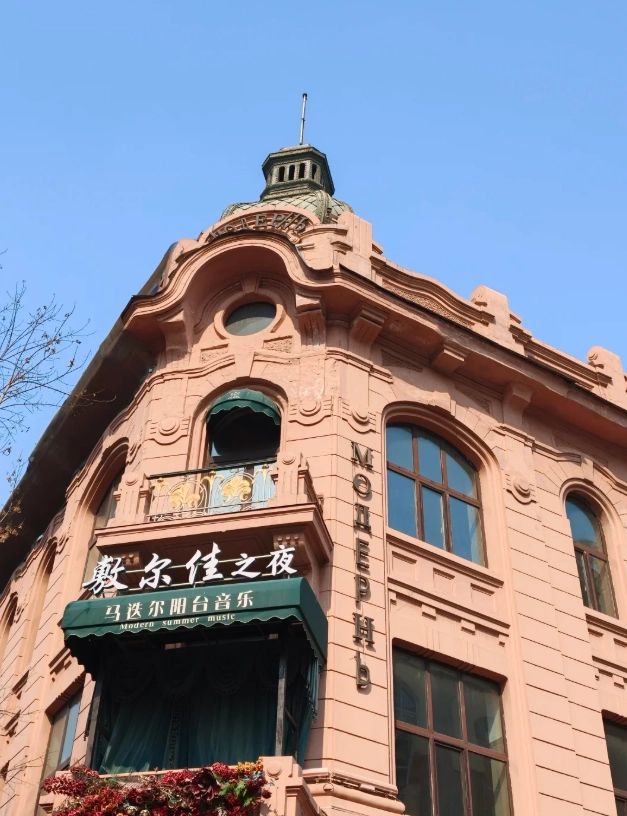
When Is the Best Time to Visit Heilongjiang?
For the classic ice-and-snow experience, aim for mid-December through early February. For everything else, September and early October are the sweet spot.
The Ice and Snow World typically opens in late December and runs into February, depending on temperatures. The Harbin International Ice and Snow Festival period draws the largest crowds. If you want the sculptures without the crush, go in the first two weeks after opening, before the Lunar New Year holiday hits.
Avoid the Lunar New Year week if you can. Domestic tourism peaks, hotel prices spike, and every major attraction operates at maximum capacity.
Summer in Heilongjiang is genuinely pleasant — cooler than most of China — and it is the right season for Zhalong, Jingpo Lake, and the forests around Yichun. Autumn brings the larch and birch color changes, usually peaking in late September.
What Do Foreign Travelers Get Wrong About Heilongjiang?
The most common error is treating cold as a packing problem rather than a logistics problem.
People obsess over jackets and ignore the fact that their phone battery will die in minutes, that their camera lens will fog irreversibly when they step indoors, and that outdoor time needs to be scheduled in short blocks with warm-up breaks.
The second error is underestimating booking friction. Almost every major attraction in Heilongjiang now requires real-name advance reservation. Some of these systems are WeChat mini-programs in Chinese only. If you are not comfortable with that, plan to lean on your hotel reception or use an English-friendly platform. I have watched grown adults spend forty minutes fighting a booking interface in a hotel lobby. Do not be that person.
The third error is skipping travel insurance that covers winter sports. If you plan to ski at Yabuli or do any ice activities, standard policies often exclude them. Read the fine print before you fly.
For visa and entry rules, the National Immigration Administration at nia.gov.cn publishes current policies, including transit visa-free arrangements that some travelers can use. Rules change, so verify close to your departure date.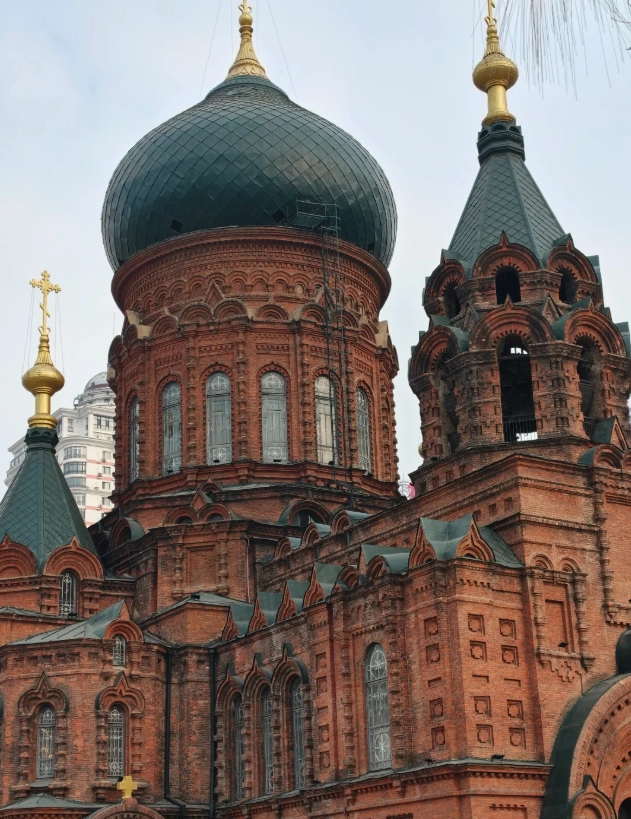
Can I book Harbin Ice and Snow World tickets without a Chinese phone number?
You can, but it takes a workaround. The official WeChat mini-program assumes a Chinese mobile number for verification. Trip.com and Klook both list the attraction and allow booking with a passport and an international card, which is what I recommend for most foreign visitors. Book at least three days ahead during peak season. If you book through a third party, bring the confirmation and your passport to the gate — staff will scan the passport directly.
Is China Snow Town actually a tourist trap?
It is commercialized, not fake. The snow is real and the depth is genuinely remarkable. What frustrates people is the pricing structure — entry, accommodation, meals, and activities all cost more than equivalent options elsewhere in the province. Go in knowing that you are paying a premium for a specific visual experience, and you will enjoy it far more. If you are on a tight budget or short on time, spend those days in Mohe instead.
How cold does Heilongjiang really get, and what gear do I actually need?
Harbin in January typically sits between minus 18 and minus 25 Celsius, and Mohe can drop below minus 35. The gear that matters most is not the jacket — it is the extremities. Insulated waterproof boots rated well below freezing, two pairs of wool socks, liner gloves under mittens, a balaclava, and ski goggles for windy days. Chemical hand warmers are cheap and sold everywhere locally. Also bring a power bank kept inside your inner pocket, because cold kills batteries fast.
Can I use a foreign credit card in Harbin?
Large hotels and upscale restaurants usually accept Visa and Mastercard. Almost everywhere else runs on Alipay or WeChat Pay. Link your international card to Alipay before you arrive — the setup takes about ten minutes and works at the vast majority of shops, convenience stores, and metro gates. Keep some cash as backup for small vendors and rural areas, where mobile payment may not be an option.
Do I need a VPN in Heilongjiang?
If you rely on Google services, WhatsApp, Instagram, or Gmail, yes. Install and test your VPN before you enter mainland China — downloading one after arrival is unreliable. Also download Apple Translate or Baidu Translate with the offline Chinese pack, since you will need it for menus, taxi addresses, and booking screens.
Verified and fact-checked by the editorial team. Ticket prices, opening hours, and reservation policies in Heilongjiang change with the season — always confirm current details through official attraction channels or a trusted booking platform before you travel.





No comments yet.