 Qiang Huang
I'm standing at the edge of the Qinhuai River, lanterns reflecting in the water and a cool breeze killing the summer heat. Here's the thing about Jiangsu at night — it's not a quiet province after dark. It's a stage.
If you're wondering what to do in Jiangsu at night, forget the daytime tour schedules. The real magic starts when the lights go on. And trust me, as a guide who's spent years dragging jet-lagged travelers through these streets, the best advice I can give is this: skip the posh rooftop bars and follow your nose to the street food alleys.
Below is my personal playbook of 10 favorite things to do after sunset, plus the practical tips you won't find in glossy guidebooks — from how to pay for a night market snack to making sure you don't get stranded without a taxi. This is the insider information I share with every guest who books one of my night tours.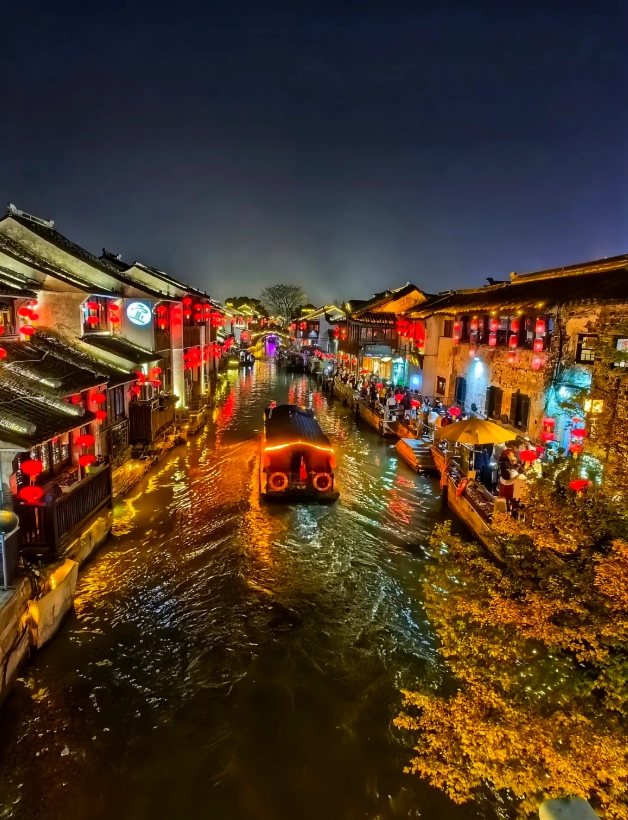
Why Jiangsu Shines After Dark
Jiangsu isn't just Nanjing and Suzhou; it's a sprawling region full of history, canals, and a food culture that gets even more exciting once the sun dips. The key difference between day and night here is the pace. During the day, you're racing through heritage sites and dodging tour groups. At night, the same spots transform into glowing wonderlands — and with the majority of day-trippers gone, you'll often have more breathing room.
I've been bringing travelers here for over a decade, and I've witnessed the same moment on every trip: the look of surprise when they discover that the ancient water towns and temple streets are actually more atmospheric in the evening than in the harsh daylight. The right lighting makes all the difference.
And from a practical standpoint, it's cooler and more comfortable. Summer in Jiangsu can feel like a hairdryer on your face. Nightfall brings relief and a welcome sea breeze, especially near the river.
Top 10 Things to Do in Jiangsu at Night
1. Take a Night Cruise on the Qinhuai River (Nanjing)
This is my absolute favorite activity in Nanjing — gliding down the Qinhuai River with lantern-lit banks and the historic Confucius Temple ahead. The cruise takes about 50 minutes and gives you a unique perspective on the city's ancient grandeur. Boats depart frequently in the evening, usually until around 10 PM in peak season.
Buy your ticket online via Trip.com or at the dock using cash or WeChat Pay — though Alipay is more universally accepted here. The ticket costs around 80-120 RMB depending on the route. Pro Tip: the last cruise at 9:45 PM often has shorter lines, but the most vivid view is right after sunset when the sky is still a deep blue.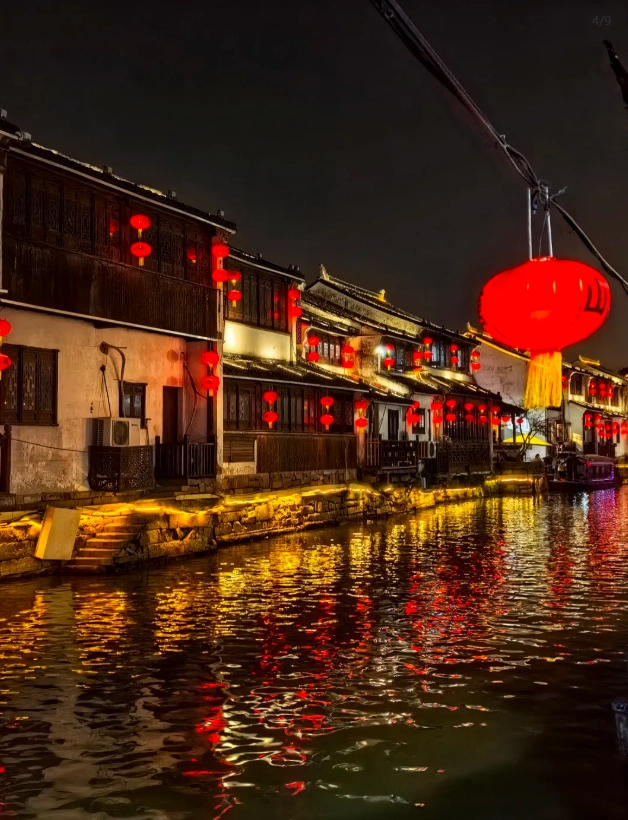
2. Stroll Through Confucius Temple Night Market (Nanjing)
Directly beside the river, this pedestrian street is a carnival of snacks, souvenirs, and buzzing energy. The market is packed until 11 PM, and it's a sensory overload in the best way. You'll see sugar-painting artists, traditional music, and hundreds of food stalls.
My advice: skip the restaurants with pushy touts and head to a side alley for the best fried stinky tofu. The market is free to enter, so just go with an empty stomach. Most vendors accept mobile payments; a few older ones only take cash, so carry some small bills.
3. Walk the Lantern-lit Pingjiang Road (Suzhou)
Pingjiang Road is a historic canal-side street that turns into a glowing artery of cafes, galleries, and boutique shops after dark. It's free to wander, and the atmosphere is perfect for a relaxed evening stroll. The canal boats are available for hire, but even without riding one, the reflections on the water are magical.
I usually guide clients here after dinner — the lighting is especially beautiful from 7-9 PM. Because the street is stone-paved and narrow, expect crowds during holiday seasons. Go late (after 10 PM) if you want a more peaceful experience; some shops will be closed, but the lights stay on.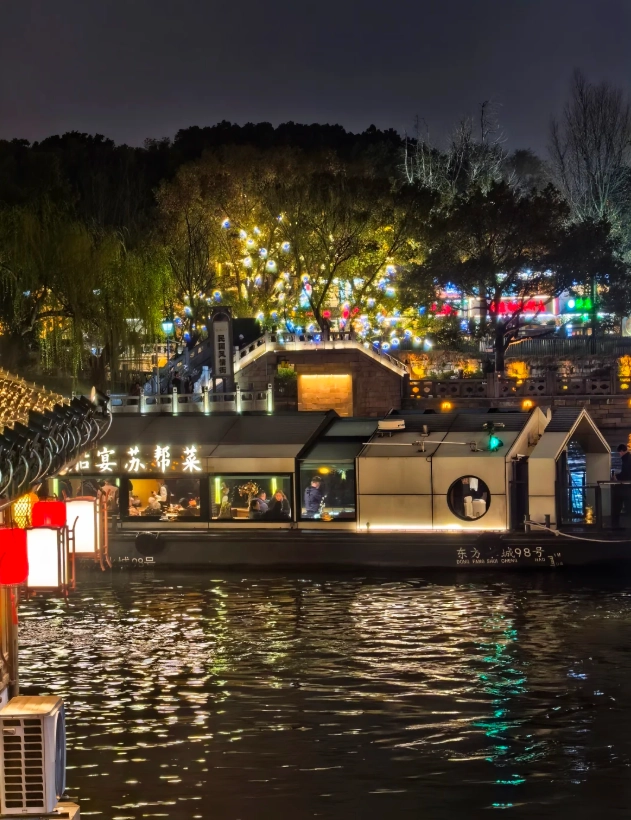
4. See the Illuminated Shantang Street (Suzhou)
Another classic Suzhou water-town street, Shantang is often described as a mini-Zhouzhuang but with far easier access. The night scene is dominated by colorful lanterns and old architecture. It's free to enter, but the museums and attractions have individual fees.
Shantang feels a bit more lively than Pingjiang, with more food stalls and street performers. Turn into the small bridges over the canal for the best photo spots. The crowd peaks around 8 PM, so if you're not a fan of elbowing, arrive around 7 or wait until 9:30.
5. Explore Nanchan Temple Night Market (Wuxi)
Nanchan Temple, located on the Grand Canal, transforms at night into a vibrant market area with street food and local crafts. The temple itself closes in the evening, but the square and surrounding alleys are buzzing until midnight. You'll find Wuxi-style Xiaolongbao, crispy fried pork, and fresh fruit smoothies.
The area is pedestrian-friendly, and the light-up architecture makes for great photos of the temple pagoda reflecting in the canal. Unlike larger cities, this market feels more laid-back and local. Entrance is free, and most vendors accept Alipay.
6. Cycle Around Taihu Lake at Night (Wuxi)
If you want a breezy, active night, rent a bike and ride the scenic paths along Taihu Lake. The lake is huge, so I don't recommend trying to circle it all — instead, pick the promenade near Yuantouzhu (Turtle Head Isle). The area has wide, well-lit paths, and the night breeze off the lake is a refreshing escape from the urban heat.
Bike rentals cost about 10-20 RMB per hour, and many are app-based with bilingual interfaces. Some stretches are quieter, so make sure you have your destination saved on your phone. This is not a typical tourist thing to do, but I always suggest it for active travelers who are tired of museums.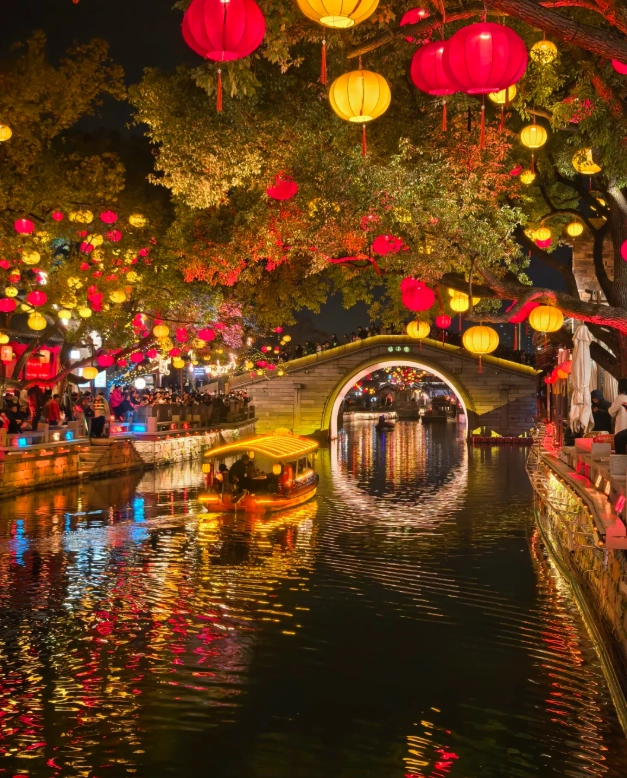
7. Enjoy the Night View from Slender West Lake (Yangzhou)
Slender West Lake is a UNESCO-listed landscape garden, and while the park itself closes at night, the surrounding area — the Balshang Road and the lakefront walk — are perfect for an evening promenade. The illuminated bridges and pavilions create a dreamy skyline. Early morning and late evening are actually when locals come to go fishing or practice tai chi.
If you're lucky, you might catch a free outdoor concert or just the quiet hum of nature. This is my choice for decompression after a busy itinerary. The best spot for a photo is the Twenty-four Bridge viewpoint.
8. Watch the Fountain Show at Daming Temple (Yangzhou)
Daming Temple is a historic Buddhist complex, and outside its gates is a big square with a spectacular water-and-light show that runs on weekend evenings. The show usually starts around 7:30 PM and lasts about 30 minutes. It's a mix of fountains, lasers, and classical Chinese music.
The show is free to watch, but you'll need to get there early to grab a good spot. Street vendors sell around snacks like sticky rice cakes and cotton candy. It's a fun local experience, not a huge tourist attraction, which is exactly why I love bringing visitors here.
9. Take a Nighttime Canal Boat Ride in Zhouzhuang (Kunshan)
Zhouzhuang is one of the most famous water towns, and spending the night here changes the vibe completely. After the day-trip crowds leave, the town becomes quiet and dreamy. The canal boats are still available for hire until around 8 PM, and the boatmen often sing traditional water town folk songs.
A boat ride costs about 100-150 RMB per boat (hold up to 6 people). The ticket to the town is also valid for evening entry if you buy a full-day ticket, but check with the local ticket office — some areas require a separate night pass. Literally walking the stone bridges in the evening is free if you don't take a boat.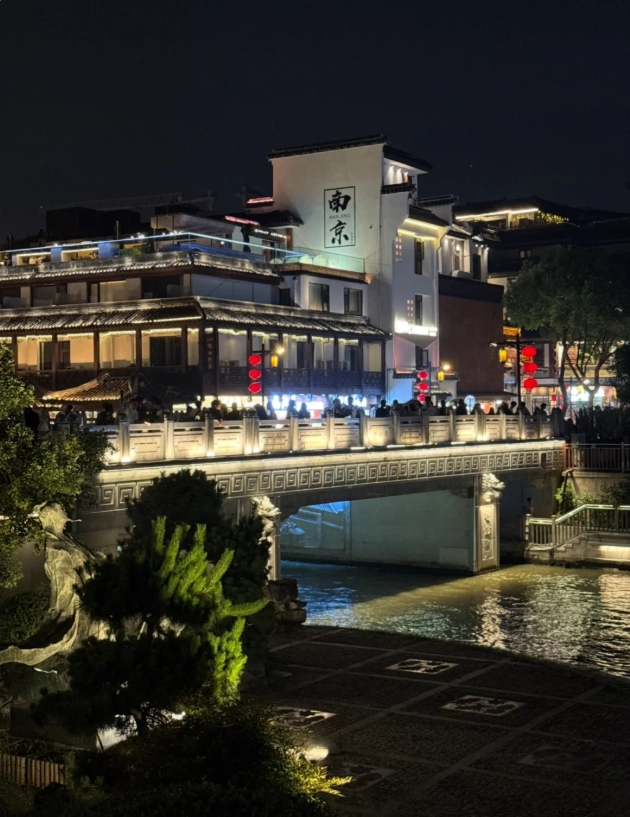
10. Experience the Night Markets of the Old City Wall (Nanjing)
Around the Zhonghua Gate and the surrounding old city wall, several modern markets and food streets have sprung up. The wall itself is lit up dramatically, and the adjacent alleys are filled with creative stalls selling handmade crafts, vintage clothing, and regional snacks. It's a much more local experience than the touristy spots.
On weekends, street performers often gather near the wall's archways, creating a lively atmosphere. Most vendors accept mobile payments, and the area is safe until late. I won't give a specific address because the exact stalls rotate — just aim for Zhonghua Gate and let the crowd guide you.
| Activity | City | Estimated Cost | Best Time | Not to Miss |
|---|---|---|---|---|
| Qinhuai River Cruise | Nanjing | 80-120 RMB/person | Sunset to 9 PM | Lantern reflections |
| Confucius Temple Market | Nanjing | Free entry | 8-10 PM | Stinky tofu snacks |
| Pingjiang Road | Suzhou | Free entry | 7-9 PM | Canal-side cafes |
| Shantang Street | Suzhou | Free entry | 7-9:30 PM | Bridge photo spots |
| Nanchan Temple Market | Wuxi | Free entry | 8-11 PM | Wuxi Xiaolongbao |
| Taihu Lake Bike Ride | Wuxi | 10-20 RMB/hour | Dusk to night | Refreshing lake breeze |
| Slender West Lake Night Promenade | Yangzhou | Free (outside park) | 7-10 PM | Twenty-Four Bridge |
| Daming Temple Fountain Show | Yangzhou | Free | Weekends 7:30 PM | Laser show |
| Zhouzhuang Night Boat | Kunshan | 100-150 RMB/boat | 6-8 PM | Boatman's folk songs |
| Zhonghua Gate Night Market | Nanjing | Free entry | 7-10 PM | Creative stalls |
How to Get Around Jiangsu at Night?
Jiangsu's cities are well-connected by a modern transit system, but nighttime travel requires a bit of planning. The metro in Nanjing, Suzhou, and Wuxi usually runs until around 11 PM, which can be a lifesaver. However, last trains can be earlier on some lines — always check the schedule. If you're out past metro closing, taxis and ride-hailing apps like Didi are your friends. Didi has an English interface and is widely used; it's the Chinese version of Uber. You'll need to have the app installed and set your destination in Chinese characters, so keep an address card or notes app handy.
Buses are an option, but frequency drops dramatically after 9 PM, and English information is scarce. For long distances between cities, the high-speed rail still runs until about 10:30 PM, and you can book tickets on the official China Railway website (12306.cn) or through agents like Trip.com. Book in advance for evening departures, as night trains can sell out.
One thing that always catches tourists off guard is that Google Maps is unreliable in China. I always tell my clients to download Apple Maps or AMap Global (高德地图) before arriving. These apps work in English and give accurate walking and transit directions.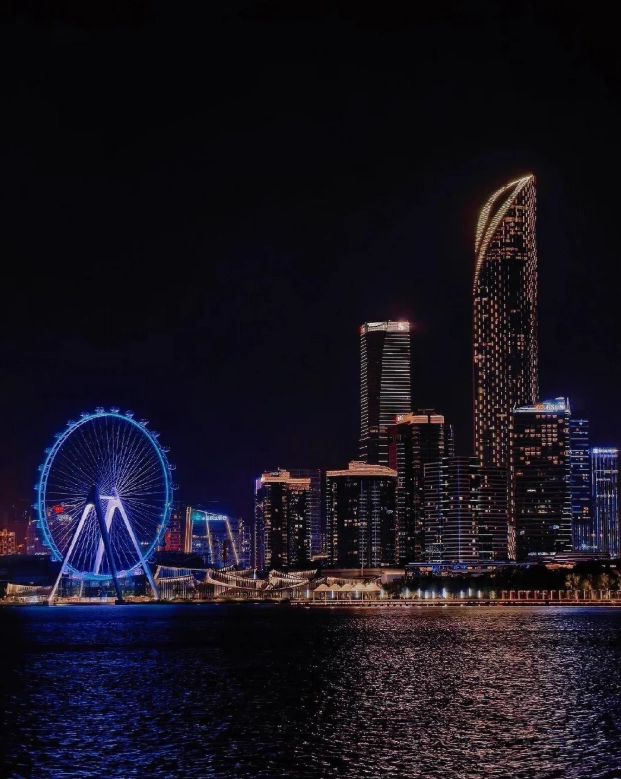
Pro Tip: Save the address of your hotel in Chinese characters to your phone's notes app. Even if your network blocks certain maps, the taxi driver can read the Chinese directly. This simple hack has saved me dozens of headaches.
What to Eat at Jiangsu Night Markets?
Jiangsu cuisine is known for its delicate flavors — slightly sweet, never too spicy — and the night markets are the best place to taste it all. Here are my go-to comfort foods, based on thousands of night wandering sessions:
- Yang's Delicious Duck Blood Soup (Nanjing) — Actually the name sounds intimidating, but it's a savory soup with tofu and duck blood. It's served in a thick, clear broth and will chase away any chill. Find a stall at Confucius Temple market.
- Suzhou-Style Meat Mooncakes — A flaky pastry filled with seasoned pork. Always eaten hot, these are a Suzhou specialty. Look for them at Pingjiang Road.
- Wuxi Xiaolongbao — The local version of soup dumplings, sweeter than the Shanghai style. At Nanchan Temple, head to the old storefront that's been operating for decades.
- Stinky Tofu — Yes, it smells, but after one bite you'll understand why it's everywhere. The deep-fried version with sweet sauce is my guilty pleasure.
- Sanitary Spring Rolls — Crispy rolls filled with vegetables and sometimes minced meat. Great for hand-held snacking.
Most night market stalls don't have English menus, but they almost always have large photos or are used to pointing gestures. Payment is overwhelmingly mobile — Alipay or WeChat Pay. A few stalls only accept cash, so carry a small amount (~100 RMB) in low denominations. International credit cards are rarely accepted, but you can use Alipay's virtual credit card payments or top up a prepaid card for safety.
If you have dietary restrictions, specifically vegetarian, you'll need to be patient — meat stock is used in many dishes. Learn the phrase "wǒ chī sù" (I eat vegetarian) and always double-check. For halal options, look for signs with Chinese characters "清真" (halal), and they are usually reliable.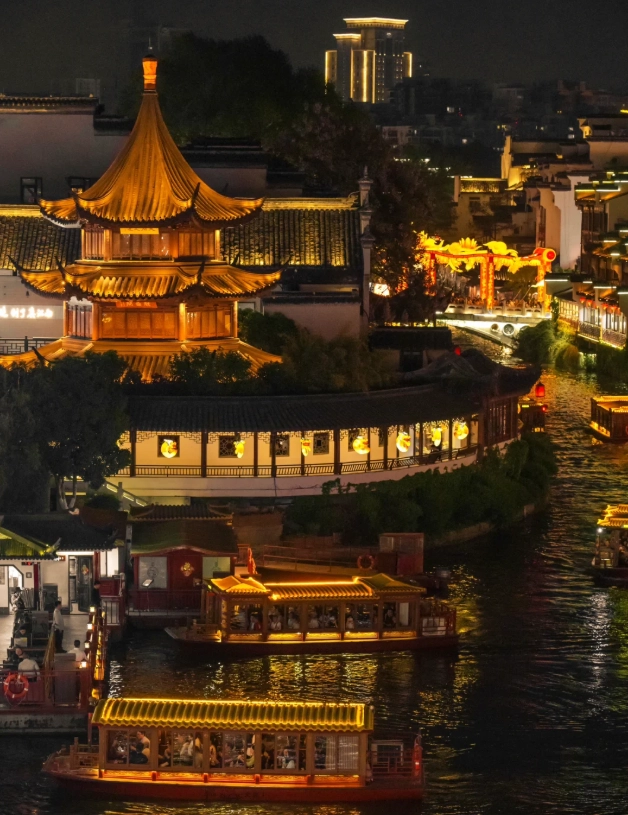
How to Plan a Perfect Night in Jiangsu?
Imagine you have only one evening in a city like Nanjing. Here's how I would schedule it. Start around 5 PM with a relaxed dinner at a restaurant near the Confucius Temple, so you're well-positioned when the evening buzz begins.
6:30 PM — Take the 50-minute Qinhuai River cruise. Make sure you're at the dock 15 minutes early, because the boat fills up fast. Book your tickets in advance via your hotel or a QR code from a tourist booth.
7:30 PM — Exit and immediately dive into the Confucius Temple market. The food stalls are just firing up. Try a few snacks, but pace yourself.
9:00 PM — Walk eastwards toward the Zhonghua Gate and explore the newer night market there. The old city wall is beautifully lit, and there's usually a nice to-of-a-kind craft stalls.
10:30 PM — Head back to your hotel if you're tired, or opt for a nightcap at a tea house — yes, tea houses stay open late here. Avoid the bar area if you're not into loud music, some of them have entrance fees and hidden charges.
If you're in Suzhou, substitute the river cruise with a canal boat ride and swap the market for Pingjiang Road. The principle remains the same: always book your main attraction in advance, and plan your route around the nearest metro stops. This saves you from getting caught in a downpour with no way to get back.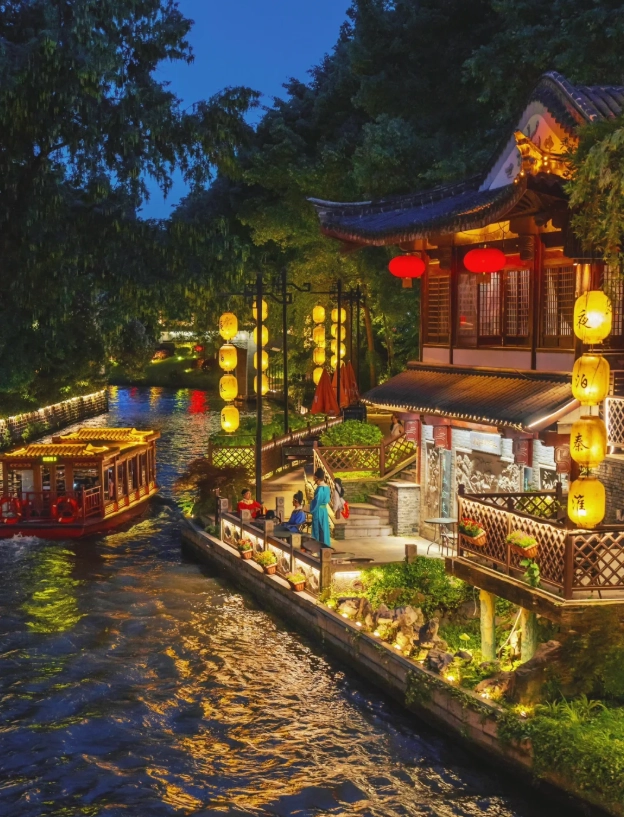
Insider Advice: Always have a Plan B. If the weather turns bad, be ready to switch to a museum open late (like the Nanjing Museum, which occasionally has evening hours) or a cozy cafe. Check the weather forecast before heading out, and remember that summer storms roll in quickly.
What Travelers Ask About Nights in Jiangsu?
Insider Tips for a Memorable Night
After all these years, I've condensed my experience into these few golden tips:
- Start late, end later. The prime time for night markets is after 8 PM, not at dusk. Many locals show up after their dinner, so the atmosphere peaks later.
- Use the right payment setup. Download Alipay and connect your international card, or use a prepaid travel card that supports WeChat Pay. This will save you from the awkward "cash only" signs.
- Learn a few local phrases. Even "two please" (liǎng gè) and "thank you" (xiè xiè) will get you smiles and better street food service.
- Book your night cruise or boat ride online in advance. It's not just for convenience — many times the ticket desks have long queues, and online platforms like Trip.com offer English support and instant confirmation.
- Keep your passport handy. Some places require your ID for storage or to buy a ticket even at night. Hotels ask for it, and occasionally a ferry or sightseeing bus will require a passport scan.
The night in Jiangsu is not a footnote to the day — it's a complete experience waiting for you. Whether you’re eating soup dumplings on a quiet canal or watching fountains dance with music, you'll find a new side of China that many tourists never see.
I always tell my clients to leave their guidebooks back at the hotel at least one night. Get lost in the streets, smell the food, hear the chatter. That's how you truly experience Jiangsu after dark.
Verified and fact-checked by the editorial team.





No comments yet.