 Gang Zheng
- The Food Scene in Heilongjiang: More Than Just Harbin Sausage
- 10 Must-Try Heilongjiang Dishes (with Where to Eat)
- How to Order Like a Local: Payment, Language, and Menu Tips
- What Is the Best Time to Eat in Heilongjiang? Seasonal Delicacies
- Where to Eat in Harbin: A Practical Area-by-Area Guide
- Avoiding Tourist Traps and Overpaying (My Insider Advice)
- FAQ: Dealing with Dietary Restrictions, Safety, and Logistics
Flavors here hit like a snowstorm. In Heilongjiang, bold sourness, deep umami, and a mountain of garlic are the baseline — not an afterthought. I’ve guided hundreds of travelers through Harbin’s ice city, and the first question they always ask after landing is what to eat in Heilongjiang.
The real answer goes beyond the tourist-priced red sausage on Central Street. You need to know which street stalls locals actually queue at, how to order at a restaurant where the menu is only in Chinese, and why your credit card won’t work at most dinner tables.
Skip the generic roundup. Here is the shortcut: head to the old Dao Li district and look for places with oil-stained menus and no English — that’s where the soul of Heilongjiang food lives. This guide tells you exactly what to order and how to navigate the chaos.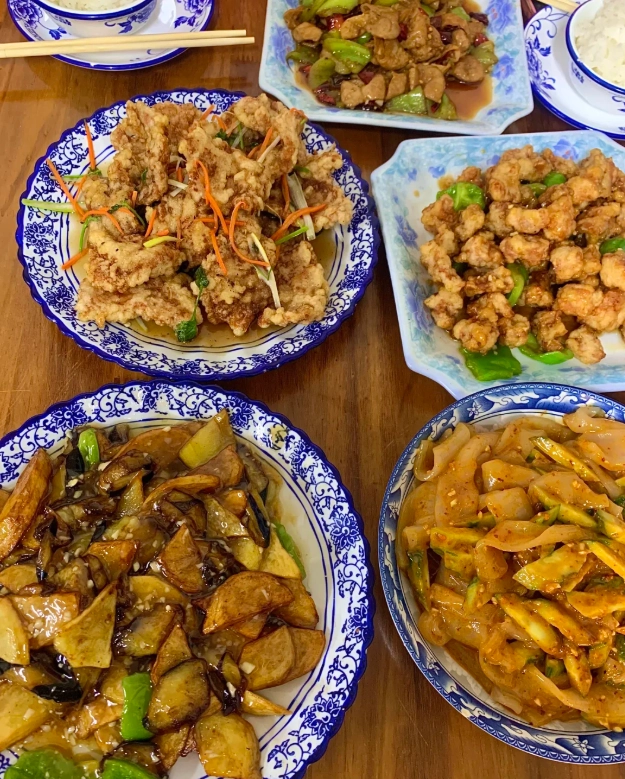
The Food Scene in Heilongjiang: More Than Just Harbin Sausage
Heilongjiang sits in the far northeast of China, bordering Russia. That geography shapes every bite. You’ll taste Siberian-style smoked meats, Chinese-Manchu hearty stews, and a love for pickled vegetables intense enough to wake up your sinuses. The cuisine is often lumped into “Dongbei food,” but Heilongjiang has its own character — especially around Harbin, the capital.
The most iconic street is Central Street, a pedestrian stretch lined with Russian-style architecture and food stalls. But locals will tell you the best eats are tucked into hutong alleys, a few blocks away. My advice: use Central Street for snacks and desserts, then wander toward Jingwei Street or Shangzhi Street for authentic, sit-down meals.
10 Must-Try Heilongjiang Dishes (with Where to Eat)
Below are dishes I always order when hosting guests. Each one is tied to a specific restaurant or stall that I’ve personally tested.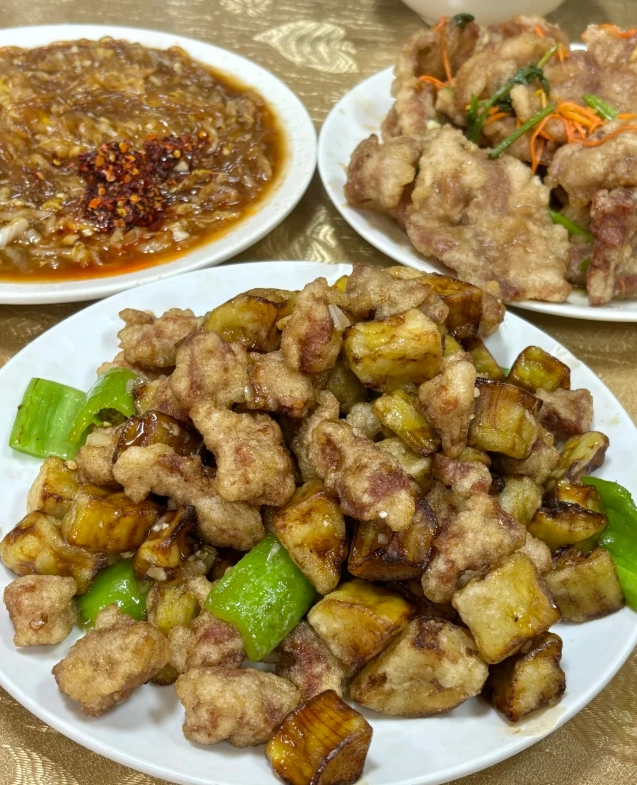
1. Guo Bao Rou (锅包肉) — The Sweet-and-Sour Icon
Guo bao rou is the undisputed king of Harbin food. It’s deep-fried pork slices coated in a glossy, sweet-and-sour sauce with a sharp vinegar kick. The outer crust stays crispy even after being drenched — a texture locals call “wai su li nen” (crispy outside, tender inside).
Where to try: Tianhe Restaurant (天河饭店) at 188 Youyi Road, Daoli District. This aging eatery has been serving it since the 1960s. Look for the faded red sign — no English. I always tell my clients to order the “senior” version (老式锅包肉) which uses white vinegar and lacks ketchup, unlike the sweet red style you find elsewhere.
Price: around 38 RMB. Portions are huge — enough for two.
Go before 11:30 AM or after 1:00 PM to skip the queue. I once waited nearly an hour at noon.
2. Harbin Red Sausage (哈尔滨红肠)
This smoked pork sausage has a smoky, garlicky flavor and a snappy casing. It’s a byproduct of Russian influence, and locals eat it plain, with bread, or in stir-fries. Unlike Western sausages, it’s quite lean and heavy on garlic.
Where to buy: Qiulin (秋林) is the classic brand. Their flagship store at 365 Guogeli Street has a long-standing counter. You can also buy fresh-grilled sausages from stalls on Central Street — but those are overpriced and overly oily. Go to the supermarket section of Qiulin and pick up vacuum-packed ones instead.
Price: 12-20 RMB per stick. Try it warm if possible — the cold version loses half its charm.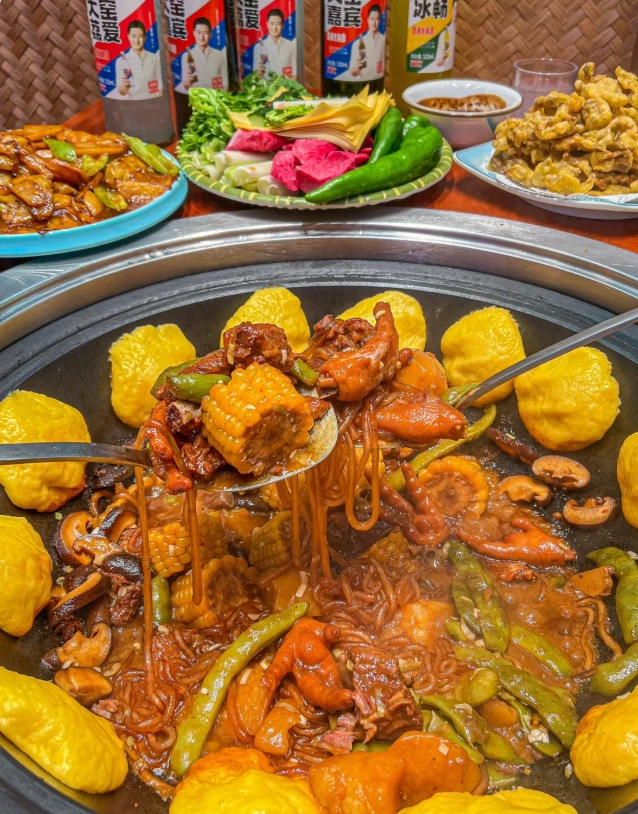
3. Dongbei Dumplings (东北饺子)
In Heilongjiang, dumplings are a meal, not a side. The wrappers are thicker and chewier than the delicate Shanghai style, and the filling options go way beyond pork and cabbage: try the celery-pepper-potato mix or the classic beef with green onion.
Where to try: Daqing Dumpling House (大庆饺子馆) at 45 Shangsheng Street, Nangang District. It’s a local chain with reliable quality. The menu has photos, so pointing works — but if you want to impress, order “suan cai pork” (酸菜猪肉) dumplings, a Dongbei winter staple.
Price: around 20-28 RMB for a serving of 15. Watch out: they’re served boiling hot. I learned the hard way after burning my tongue on the broth.
4. Iron Pot Stew (铁锅炖)
This is a social dish — a giant iron wok sits in the middle of the table, simmering chicken, pork ribs, potstickers, and vegetables. The lid lifts to reveal a steamy, spicy-smelling feast. It’s a must in the winter months.
Where to try: Laoshaoye Tiegou Dun (老爷铁锅炖) at 122 Hexing Road, Nangang District. The waitstaff helps you manage the timing — they know exactly when to toss in the corn buns (玉米饼) on the edge of the pot.
Price: about 150 RMB for a set that feeds three. Book ahead for weekends because the room fills with families.
5. Di San Xian (地三鲜) — Three-Vegetable Stir-fry
The name means “three treasures of the earth”: potato, eggplant, and green pepper. It’s a gluten-free dish that’s surprisingly hearty, since the vegetables are deeply fried before stir-frying. The result is a silky, savory comfort food that goes perfectly with rice.
Where to try: Almost any local restaurant can do this well, but I prefer Wanjia Restaurant (万家菜馆) at 17 Xidazhi Street, near Harbin Institute of Technology. They don’t skimp on garlic and the sauce has a smoky wok flavor.
Price: about 20-25 RMB. Be ready for it to be much oilier than you expect — that’s the style.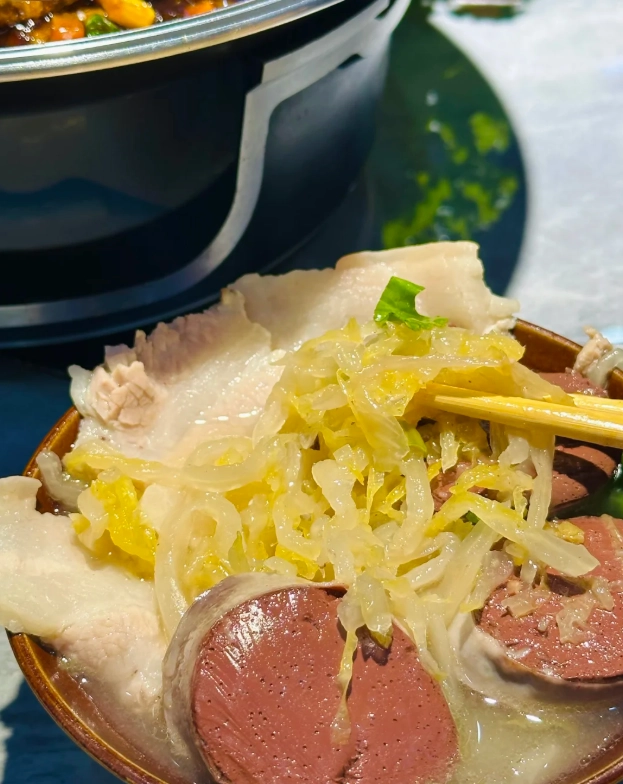
6. Liu Rou Duan (溜肉段) — Glazed Fried Pork
If guo bao rou is sweet, liu rou duan is savory. The pork is battered and fried, then tossed in a garlicky, salty-sweet sauce with green peppers and onions. The texture is a little drier than guo bao rou, but the flavor is deeper.
Where to try: Most old-school restaurants in Daoli District serve it. I often recommend Lao Changchun (老长春) at 88 Zhongshan Road. Ask for the “dry” version (干溜段) if you want the classic.
Price: 25-30 RMB. Pair it with a bowl of corn porridge (碴子粥) for a local breakfast combo.
7. Sha Zhu Cai (杀猪菜) — “Killing Pig” Stew
This is a winter specialty from rural Heilongjiang — a sour cabbage stew with pork belly, blood sausage, and tofu. The sour cabbage (酸菜) is fermented, giving it a tangy depth. It’s the ultimate comfort food when the temperature drops below -20°C.
Where to try: North Village Restaurant (北村饭店) at 66 Haping Road, Nangang District. It’s a bit off the tourist track, but the recipe is authentic. I once had a version that was too sour even for me — you can ask for less sour cabbage.
Price: around 45 RMB per pot. Serves two to three.
8. Da La Pi (大拉皮) — Cold Starch Noodles
These are translucent, slurp-worthy noodles made from potato starch, tossed in a sesame-garlic sauce with cucumbers and shredded cabbage. It’s light and refreshing — a perfect antidote to all the heavy fried dishes.
Where to try: Jingwei Street Market (景伟街市场) is where I always take friends. There are about four stalls selling it, and they all taste slightly different. The one nearest to Shangzhi Street has the best sauce-to-noodle ratio.
Price: about 10-15 RMB per bowl. Eat it as a starter — portions are smaller than you think.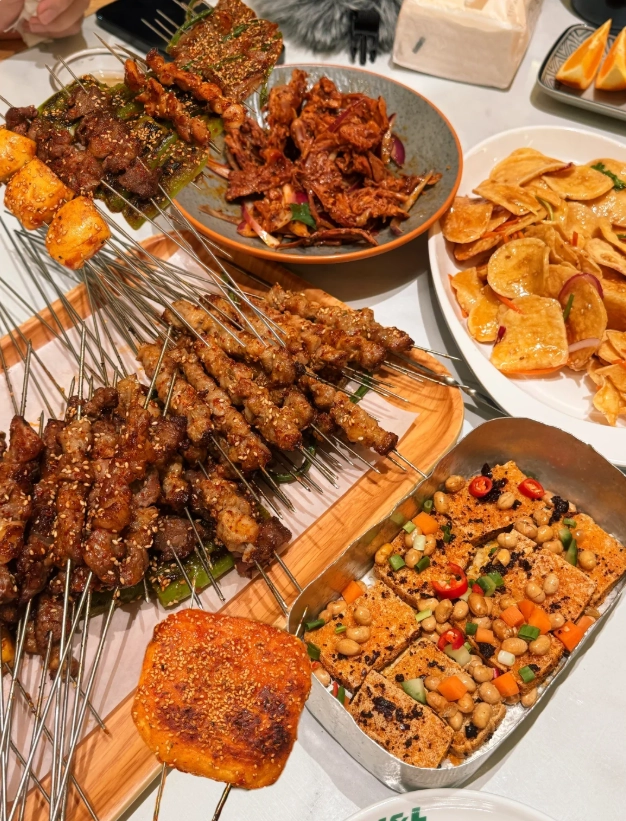
9. Modern Forbidden City (马迭尔冰棍) — Harbin’s Iconic Ice Cream
No trip to Harbin is complete without this heritage ice cream. Modern Forbidden City (or Modier) is a century-old brand with a creamy, dense texture that doesn’t melt instantly. They only offer the original vanilla flavor, and you’ll find long lines at the Central Street kiosk.
Where to buy: The main kiosk is at the western end of Central Street, near the flood control monument. There’s always a crowd. You might think you can skip it — don’t.
Price: 10 RMB per piece. Cash only for the classic one, so bring small bills. In winter, you’ll be eating it in -15°C weather — that’s part of the experience.
10. Russian-Style Borscht (红菜汤) and Bread
Since Harbin was once a hub for Russian émigrés, you’ll find a whole local adaptation of Russian food. The borscht here is sweeter than the Moscow version, with tomatoes dominating, and it’s served with puffy, baked bread (列巴).
Where to try: Huamei Western Restaurant (华梅西餐厅) at 66 Zhongyang Street. It’s a historic institution, but the food is decidedly mixed — I only go for the borscht and bread, not the main courses. For a more upscale take, Leibniz Restaurant (莱比锡西餐厅) on Gexin Street does a cleaner version.
Price: borscht about 28-38 RMB, bread basket around 15 RMB.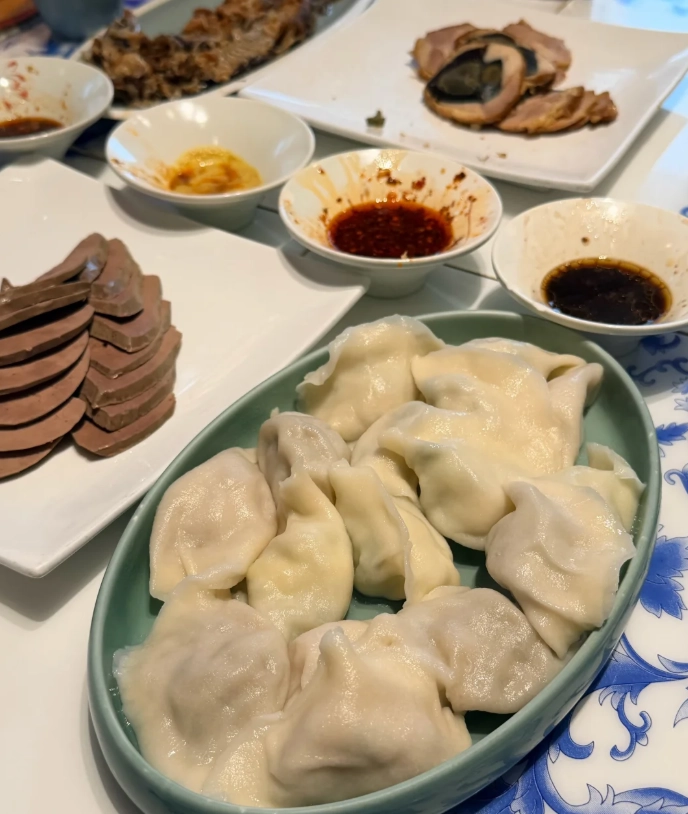
How to Order Like a Local: Payment, Language, and Menu Tips
The biggest hurdle is the lack of English support. Menus are almost always in Chinese only, and many waitstaff have zero English.
Here’s what I always do: I screenshot the Chinese name of the dish from this guide or from a translation app, then show it to the waiter. Most places won’t have pictures, but they’ll nod and bring exactly what you asked. Pay with Alipay or WeChat — not cash or credit cards.
Alipay is your best friend in Heilongjiang. You can link your international Visa or Mastercard to it, and it works at 99% of eateries. WeChat Pay is also accepted, but Alipay tends to have fewer hiccups with foreign cards. I’ve seen tourists struggle with cash because most small shops won’t accept it — they say they don’t have change.
For navigation, Google Maps is unreliable. Use Apple Maps or download AMap Global (高德地图) — the latter has an English interface. I always tell my clients to search for the Chinese address in AMap and show it to a taxi driver. Taxi drivers in Harbin don’t speak English, and they often ignore pinyin addresses.
When you sit down, note these table customs:
- You’ll get tea and possibly peanuts. They’re often free, but not always — ask “zhe ge yao qian ma?” (is this charged?) to be safe.
- Chopsticks are reused — it’s fine, but don’t lick the tips (common courtesy).
- Napkins are often charged at higher-end places. I always carry my own tissues.
- Serving sizes are huge — for a group of two, order 2 dishes max, and add a soup if you’re adventurous.
What Is the Best Time to Eat in Heilongjiang? Seasonal Delicacies
While you can eat any dish year-round, the seasonal shifts dramatically change the experience. If you visit in winter (December to February), the street food scene explodes with stalls selling jianbing (savory pancakes), sugar-coated hawthorns, and hot roasted sweet potatoes.
The best time for a food tour is actually autumn (September-October) — the weather is pleasant, tourists are fewer, and the local markets are filled with fresh mushrooms and berries. I remember one October evening, I found a street vendor frying wild mushroom buns near the Confucius Temple — that’s the kind of experience that disappears once winter bundles everyone indoors.
In summer, the outdoor barbecue (烧烤) culture takes over. Look for the stretch near Harbin Engineering University — dozens of tents set up along the street, serving skewers of beef, lamb, chicken wings, and a mysterious “tongue” skewer. I have no idea what tongue they use, but it’s delicious.
Also, the “Harbin International Ice and Snow Festival” (usually starting in January) brings food stalls that serve hot and spicy dishes — the contrast of biting wind and hot broth is something you’ll remember forever.
Where to Eat in Harbin: A Practical Area-by-Area Guide
Instead of wandering aimlessly, here’s how I break down the city for food hunting.
Central Street (Zhongyang Street): This is the tourist epicenter. Perfect for snacks like Modier ice cream, grilled sausage, and candied fruits. But sit-down restaurants here tend to be overpriced and rushed. I rarely eat a full meal here unless a client insists.
Daoli District (Old Street Hutong): Head east of Central Street into the narrow alleys — they’re packed with local canteens serving home-style dishes. Look for “快餐” (quick meals) signs, where you get a tray of pre-cooked dishes and rice. That’s where I take clients for a fast, cheap, and completely local lunch.
Nangang District: This is the academic area, home to Harbin Institute of Technology. The food scene skews younger and more diverse — you’ll find Korean BBQ, hot pot, and trendy cafes. For authentic Heilongjiang food, though, stick with the old-school eateries listed above.
Harbin Railway Station Area: A bit gritty, but there are legendary dumpling stalls in the surrounding streets. The best ones are open from 5 AM to 10 AM — go for breakfast and you’ll see locals dunking dumplings in soy-vinegar dip.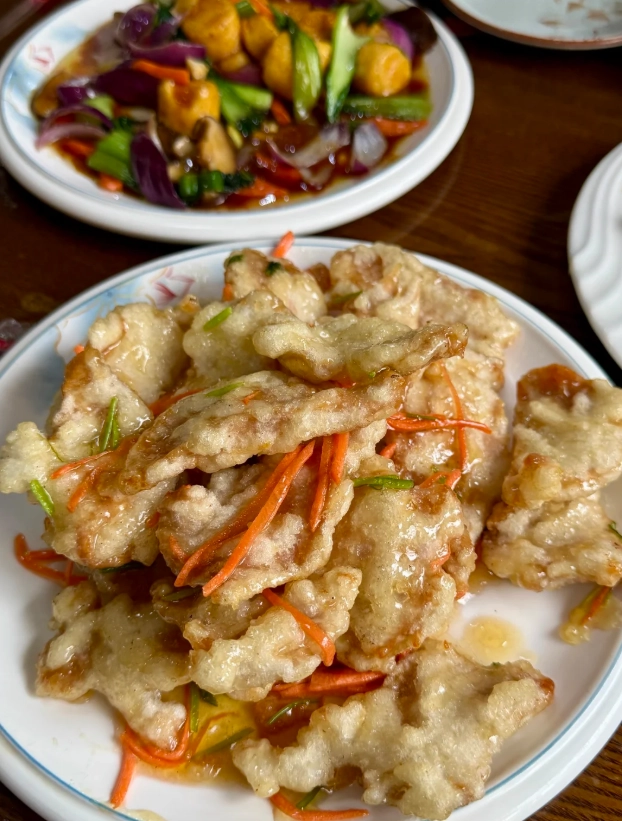
For a quick comparison, I’ve summarized popular zones below:
| Area | Best For | Average Meal Cost per Person | English Friendliness |
|---|---|---|---|
| Central Street | Snacks, desserts, people-watching | 30-60 RMB | Low (but menus have pictures) |
| Daoli Hutong | Local home-style dishes | 30-50 RMB | Very low |
| Nangang District | More diverse cuisine, student vibe | 40-80 RMB | Low to moderate |
| Railway Station | Breakfast dumplings | 10-20 RMB | Almost none |
Avoiding Tourist Traps and Overpaying (My Insider Advice)
Let’s be real: some tourist traps in Harbin are shameless. I’ve watched my clients pay 15 RMB for a sausage that locals get for 6 RMB just because it’s next to the Sphinx ice sculpture.
Here are the mistakes I see tourists make again and again:
- Buying food directly in the main tourist square — walk 50 meters off the main drag and prices drop dramatically.
- Trusting the word “characteristic” (特色) on shop signs — that often means it’s targeted at foreigners. Ask your hotel receptionist for a place they personally eat at.
- Using the English menu at big restaurants — the same dish might be priced 20% higher on the English menu. This happened to me once with a client at a duck restaurant. We now order using the Chinese menu.
- Forgetting to carry small bills for street food. Many vendors don’t have mobile payments if their phone is off, and they won’t break a 100 RMB bill.
Pro Tip: When taking a taxi, always insist on the meter (“da biao”). If the driver refuses, get out. The ride from the airport to Central Street should cost around 130 RMB. If they ask for 200+, you’re being scammed. Use DiDi (the Chinese Uber) whenever possible — the price is shown upfront and you don’t need to argue.
Another hidden cost: some “traditional” restaurants tack on a happy customer charge (欢乐费) for extra service. I’ve seen it on bills at fancy places. It’s usually written in Chinese, exactly as “其他” (miscellaneous). I always ask them to remove it politely.
FAQ: Dealing with Dietary Restrictions, Safety, and Logistics
This content has been fact-checked to ensure informational precision.





No comments yet.