 Jian Zhao
I'll never forget the look on Mark's face when I told him we'd be climbing the 5,000 steps of Mount Hua after a full day at the Terracotta Army. He thought he could do Shaanxi in 48 hours. He didn't make it past the halfway point.
So let me save you from that mistake. How many days to spend in Shaanxi? The most honest answer I can give you as a guide who's been leading trips here for over a decade is: plan for at least 4 full days if you only want to see Xi'an's core sights, and add 1 to 2 more if you want to include Mount Hua or Hukou Waterfall. In this article, I'll break down exactly how to budget your days so you don't end up like Mark.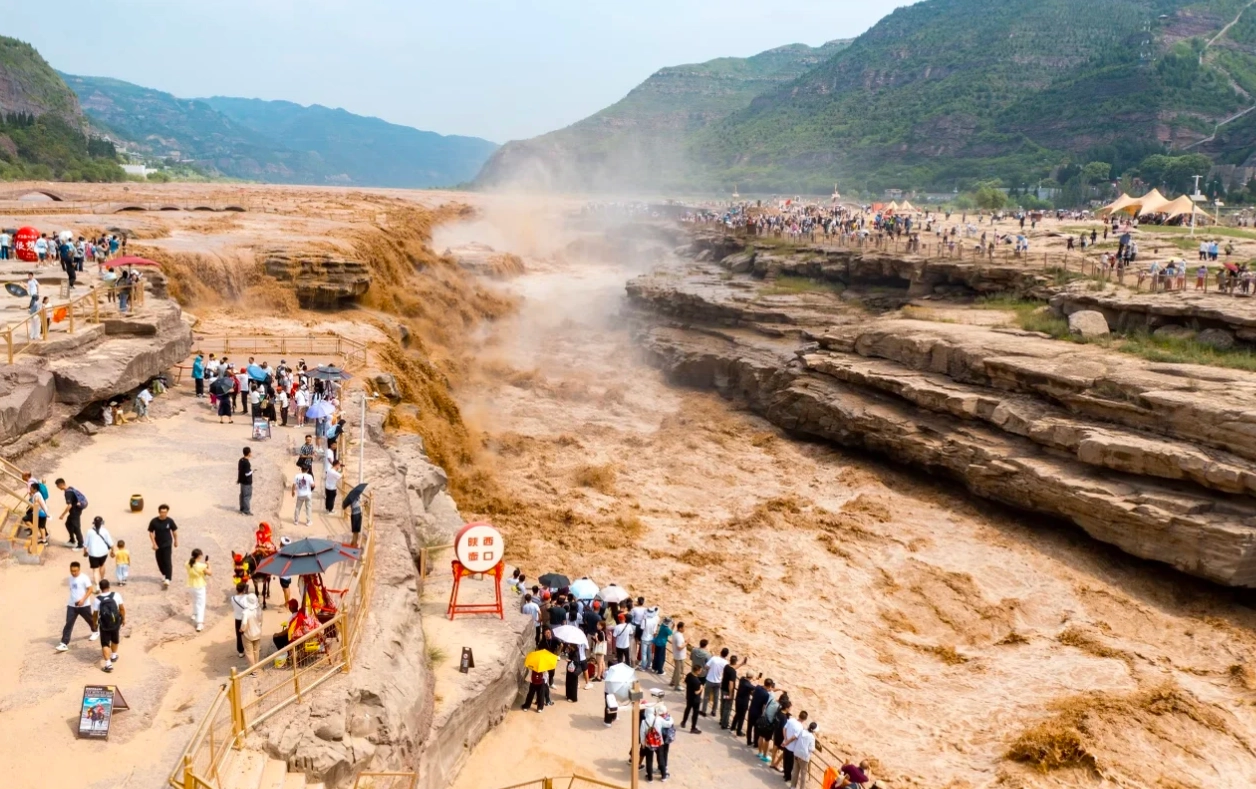
The Real Answer: How Many Days Do You Actually Need in Shaanxi?
There's no one-size-fits-all answer, but once you know what you want to see, it gets simple. Shaanxi province is huge, but most travelers base themselves in Xi'an and take day trips out. Your total days depend on how many of these three categories matter to you: Xi'an city highlights, the Terracotta Army, and the outer areas like Mount Hua or Hukou.
The Minimum: 3 Days for Xi'an Only
If you're pinched for time, 3 days in Xi'an is the absolute minimum I'd recommend, and that means skipping the city walls at sunset and rushing through the Shaanxi History Museum. You can hit the Big Wild Goose Pagoda, Muslim Quarter, and Terracotta Army in about two and a half days, but you'll be moving fast. I've guided plenty of weekend warriors through this, and they always leave wishing they'd skipped the shopping mall next to the Drum Tower and just sat in a park instead.
The Sweet Spot: 4 to 5 Days
4 to 5 days is the sweet spot that lets you see all of Xi'an's highlights without hating your life. With four days you can see the Terracotta Army, Huaqing Palace, Shaanxi History Museum, the City Wall, and still have time for a relaxed evening in the Muslim Quarter. With a fifth day, you can tag on a day trip to Mount Hua or Hukou Waterfall — but not both.
| Days in Shaanxi | What You Can Comfortably See | Who It's Best For |
|---|---|---|
| 3 days | Terracotta Army, City Wall, Muslim Quarter, Big Wild Goose Pagoda (skip museum) | Short city breaks, weekend stopovers |
| 4 days | All of the above + Shaanxi History Museum + Huaqing Palace | Most first-time visitors |
| 5 days | All of the above + Mount Hua (or Hukou) | Active travelers and photo lovers |
| 6-7 days | Add Yan'an, Hukou Waterfall, and a slower pace | History buffs and road-trippers |
What If You Only Have 2 Days or Less?
If you only have 2 days, skip Shaanxi History Museum and the City Wall — go straight to the Terracotta Army on day one, and spend day two on the wall and the Muslim Quarter. You'll still get the essence, but prepare to miss the subtle beauty of the Small Wild Goose Pagoda's quiet courtyard. Honestly, I'd rather see you come back with a reason to return than try to squeeze it all in.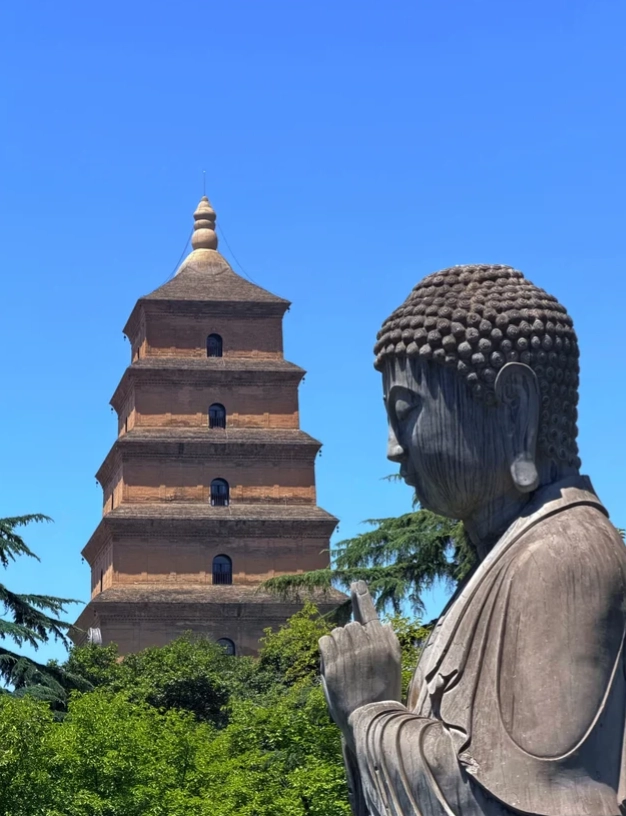
My 5-Day Itinerary for Spending the Perfect Amount of Time in Shaanxi
Here's how I structure five days when I bring a group through Shaanxi. It's tested, it works, and it avoids the dreaded 'museum overload' that makes people glaze over.
Day 1: Arrival, City Wall and Muslim Quarter
Start with a mild day to let your body adjust to the time zone and the dry heat. If you land in Xi'an before 2 pm, drop your bags and head to the City Wall. I always tell my groups to rent a bicycle and ride a few kilometers, then get off at the South Gate. The views of the old skyline against the new skyscrapers are fantastic in the late afternoon light.
For dinner, walk over to the Muslim Quarter. It's a maze of food stalls and tiny shops. Skip the overly touristic spots and look for a stall where you see lines of locals holding small stools. My personal rule: if the queue has at least three Chinese people per one tourist, it's good. Try the yangrou paomo (lamb soup with shredded flatbread) — it's heavy, savory, and exactly what you need after a flight.
Pro Tip: The City Wall gets crowded after 5 pm. Go before 4 pm if you want empty photo spots. And don't let the bike rental guy talk you into a tandem — the wall is bumpier than it looks.
Day 2: Terracotta Army and Huaqing Palace
This is your big day, so start early — I mean 7:30 am at the hotel lobby early. The Terracotta Army is about an hour outside the city. Take Metro Line 9 to Huaqing Palace station, then transfer to a taxi or the tourist bus. Or book a private car through your hotel; it's worth the extra yuan.
At the site, hire a licensed guide or use the official audio guide. You'll want context for Pit 1's rows of warriors. The site was added to the UNESCO World Heritage list in 1987, and walking through those pits still gives me chills. The sheer scale doesn't fully sink in unless you understand the emperor's obsession with immortality. After the pits, walk to the museum building — most groups skip it, but it houses the famous bronze chariots.
In the afternoon, visit Huaqing Palace, about 15 minutes away by taxi. The hot springs are historically significant, though the actual pools are a bit dusty. The gardens, however, are perfect for a slow stroll. If you're into performances, the evening outdoor show 'Song of Everlasting Sorrow' is theatrical and visually stunning. It's not everyone's cup of tea, but I've seen even cynical travelers get goosebumps.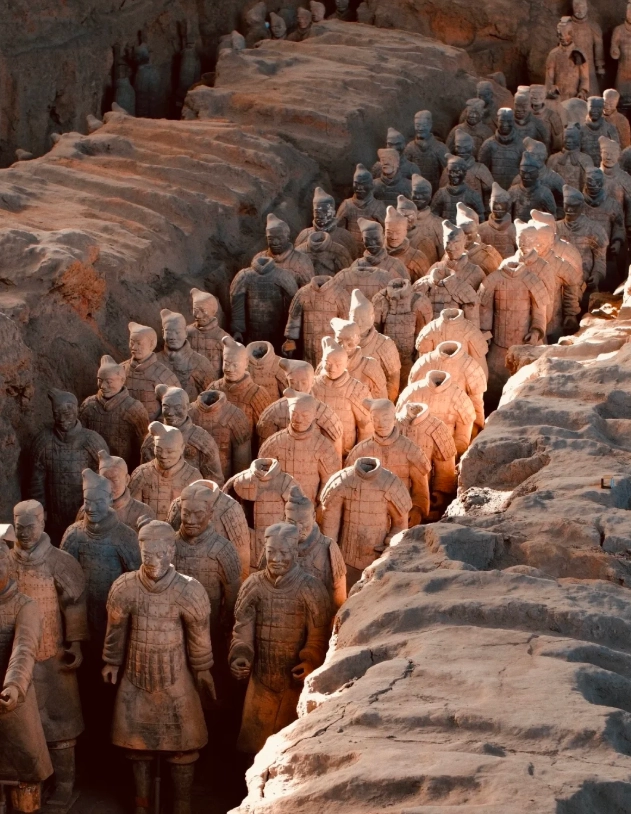
Insider Advice: Buy Terracotta Army tickets in advance on Trip.com or the official WeChat account. The ticket office lines in peak season are brutal. And remember: you need your passport to enter.
Day 3: Shaanxi History Museum and Big Wild Goose Pagoda
Museum number two of the trip, but this one is the best free museum in China — if you can get in. The Shaanxi History Museum offers free entry, but daily quota caps at around 8,000 visitors. You must reserve at least one day in advance (often more during holidays). The reservation system is in Chinese, and the English interface on their official website is... let's just say stubborn. I highly recommend asking your hotel front desk to help you book.
Allocate at least three hours here. The collection spans from prehistoric times to the Tang Dynasty. The Tang murals and the gold relics are dazzling. After lunch, head to the Big Wild Goose Pagoda. The pagoda itself is a short climb, but the surrounding square is where the magic happens. In the evening, watch the fountain show at the north square — it draws huge crowds, so stake out a spot 20 minutes early.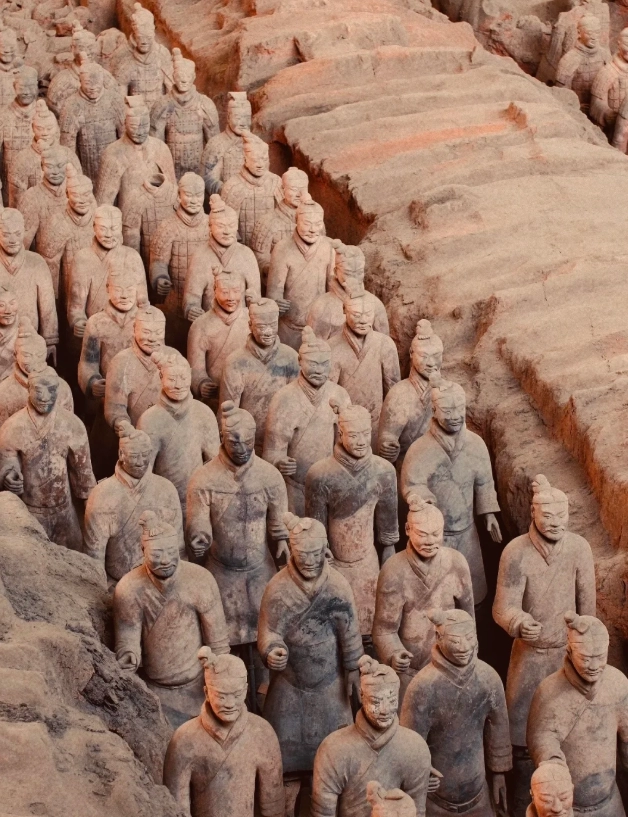
Day 4: Day Trip — Mount Hua or Hukou Waterfall
Now you have a choice, and it depends on your fitness level and your fear of heights. Mount Hua is one of China's sacred peaks, with hair-raising cliff walks and a glass plank. The cable car ride itself is exhilarating. If you go, take the high-speed train from Xi'an North to Huashan North station (about 30 minutes), then a free shuttle bus to the cable car station. Hiking to all five peaks takes a full day, but many people just do the West Peak and call it a victory. Bring water, snacks, and a headlamp if you're catching the sunrise.
Hukou Waterfall, on the other hand, is astronomically far — about 8 hours round trip by road. There's now a high-speed train to Yan'an plus a shuttle, but it's still a long day. The payoff? The largest yellow waterfall on Earth, where the Yellow River narrows and thunders into a bowl-like gorge. It's a primal sight. I recommend it more for photographers and nature lovers than for casual sightseers.
If you don't want to pick, use the fifth day for one and spend the fourth day relaxing in Xi'an. But if you're only here for five days, pick one.
Day 5: Slow Morning, Local Life, Departure
Use this final day to fill in gaps without sprinting. Visit the Bell Tower and Drum Tower — they're iconic but quick. Then wander into the peaceful forest of the Small Wild Goose Pagoda, which is free and far less crowded than its big brother. Buy souvenirs at the Muslim Quarter or the trendy Daming Palace area, but skip the overpriced tourist shops. My last tip: grab a fly-by-wire driver to the airport at least three hours before your international flight. Security screening at Xi'an Xianyang Airport can be slow, especially during peak season.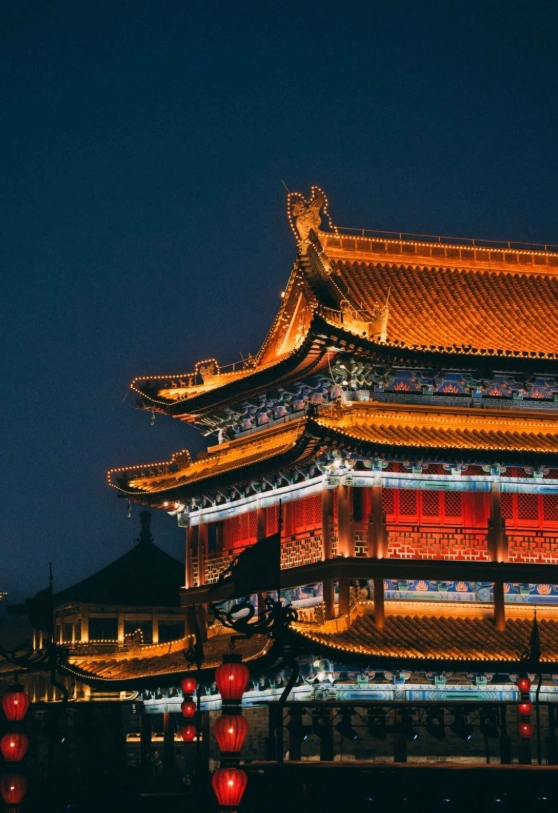
Adjusting Your Shaanxi Days: Crowd Control and Weather Planning
Your exact days might shift depending on when you visit and what the forecast says. This is the part most generic guides get wrong.
The Best Time to Visit Each Major Site
Terracotta Army: first opening hour or after 2:30 pm. The morning rush peaks between 9 and 11 am. I've seen tour bus after tour bus unload at 9:30, so if you can stand an early start, you'll get that iconic empty shot inside Pit 1. The city wall is ideal at 4 pm to catch golden hour. The Shaanxi History Museum is best right at 9 am before tour groups fill the halls. And the Big Wild Goose Pagoda fountain show is spectacular only at night, so don't skip the evening.
Seasonal Pitfalls: When I Tell My Clients to Change Plans
Summer heat in Xi'an is brutal — pavement sizzles at 40°C, and Mount Hua often gets afternoon thunderstorms. If you're traveling in July or August, swap your midday outdoor plans for indoor ones: the museum, the underground galleries near the Bell Tower, or a coffee shop in the Shuyuanmen art district. Winter is cold but magical; the city wall dusted with snow is unforgettable, and there are almost no tourists. But note that some outdoor shows (like 'Song of Everlasting Sorrow') run only from April to October, and Mount Hua's cable car may close for high winds.
Spending Your Shaanxi Days Like a Local: Insider Tips
These are the details that make or break a trip. I've been doing this for years, and these logistics bite everyone.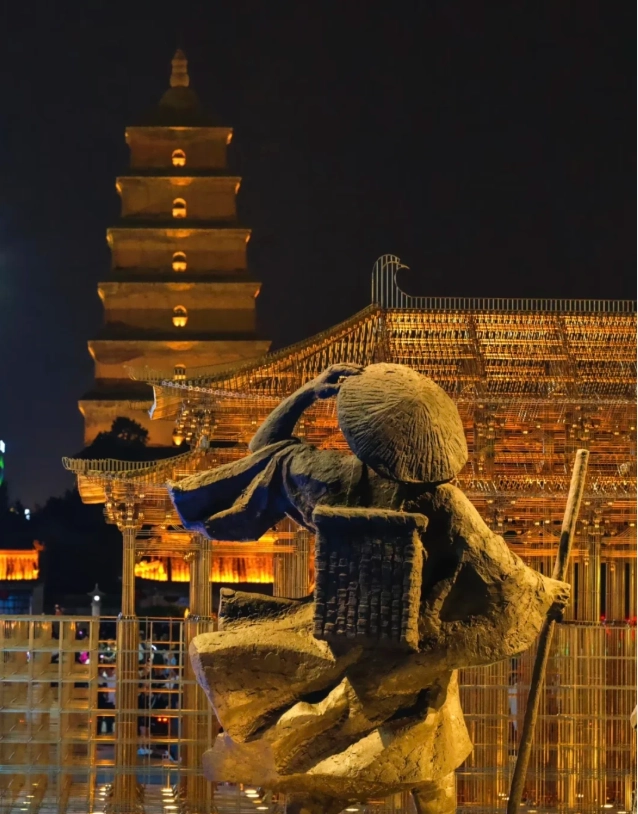
Payment and Booking: The Only Way In
Forget cash and physical credit cards at most attractions — you'll live on your phone. Set up Alipay (with your international card linked) before you fly. Most ticket machines and shops accept it. WeChat Pay works too, but many foreign cards fail on it, so Alipay is more reliable. The National Immigration Administration has useful information for foreign visitors on payment and visa matters, but I'd still test your payment app at a small shop first.
For ticket reservations, I buy most tickets via Trip.com because it displays English and accepts international cards. For train tickets, use the official 12306 website or app — it now offers a smooth English version. Book train tickets at least 24 hours ahead, as popular routes like Xi'an to Huashan sell out quickly.
Getting Around: Subway, DiDi and High-Speed Rail
Google Maps is unreliable in China — it shows incorrect locations for half the city. Download Apple Maps (which is surprisingly usable) or the AMap Global app for accurate transit directions. The Xi'an subway is clean, cheap, and covers most tourist sites. Lines 1-4 and the new Line 6 are your main friends. For day trips, I prefer high-speed rail for Mount Hua and buses for Hukou (though there's a new tourist bus from Xi'an Railway Station). DiDi is the local Uber — always book through the app so you don't get scammed by taxi drivers who quote astronomical prices.
Pro Tip: When showing a taxi driver an address on your phone, use the Chinese characters — they rarely read English. I always keep a screenshot of the destination in Chinese, saved to my camera roll.
How to Avoid the Black Car Scam Near Attractions
Every attraction entrance has a cluster of men yelling 'taxi, taxi' — these are often private cars with no meters, and they'll charge you 5 times the normal fare. Walk past them and open DiDi. If you must take a taxi, look for the yellow ones with a functioning meter. I've seen too many tourists pay 300 yuan for what should have been a 50 yuan ride to the Terracotta Army. Also, never let a random person 'help' you buy tickets — they'll take a commission and sometimes disappear.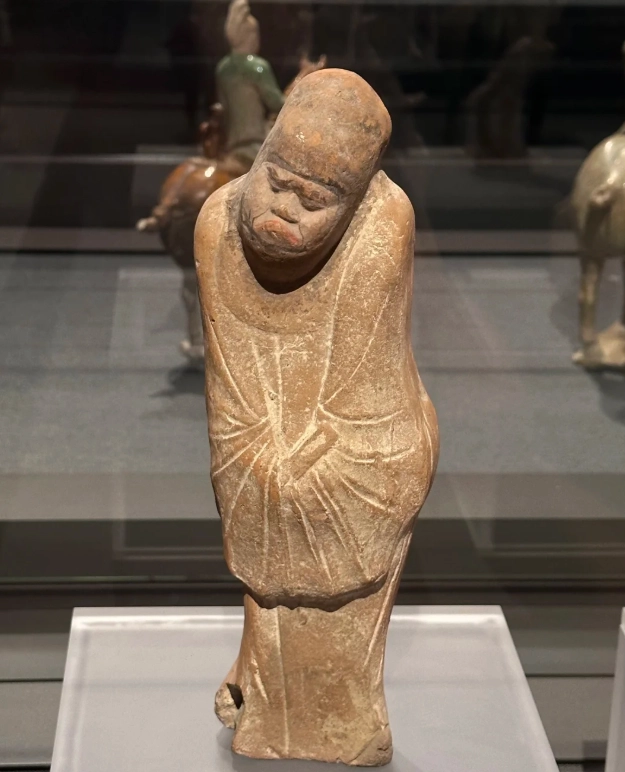
Your Questions About How Many Days in Shaanxi, Answered
This content has been fact-checked by the editorial team to ensure informational precision.







No comments yet.