 Tao Xu
What's Inside? Skip around:
Zhangjiajie is why most tourists fly to Hunan. I get it — those floating peaks look almost illegal.
But after eight years of guiding here, I can tell you: the real Hunan hits differently. You come for the mountains, sure. But you stay for the late-night stinky tofu sizzle in Changsha, the lantern-lit alleys of Fenghuang, and the kind of local surprises that never make it into the guidebook.
So, what to do in Hunan? The answer is a mix of national parks, spicy street food, and ancient towns — planned smartly so you don’t end up exhausted and broke. The biggest mistake I see foreigners make? Trying to tick off every famous spot without understanding the logistics between them.
This guide fixes that with my personal favorites, a day-by-day itinerary, and the booking details most travel blogs ignore.
Here is the single most useful tip I can give you: start your day at 6:30 a.m. — before the tour groups flood the gates. Yes, it hurts. But you’ll thank me later when you get that perfect photo and a calm headache.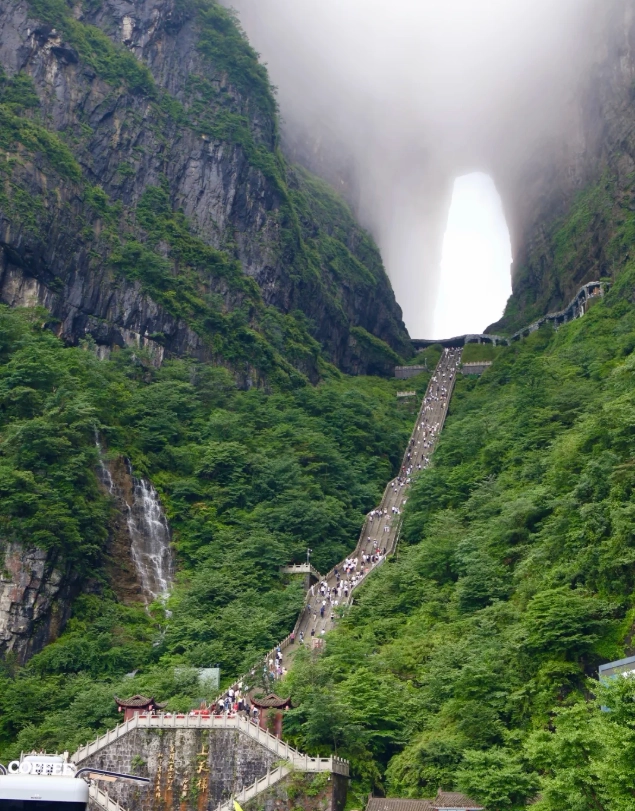
What to Do in Hunan: My 10 Favorite Things
I’ve taken hundreds of visitors through this province. These 10 experiences make me happy every single time. Some are iconic. Others are hidden in plain sight. No need to do them all — pick what fits your style.
1. Hike the Golden Whip Stream in Zhangjiajie
This is the most peaceful route in the entire national park — and most tour groups skip it. The path follows a crystal-clear stream for about 7.5 km, winding through quartzite sandstone pillars that feel like another planet. Zhangjiajie National Forest Park is part of the UNESCO World Heritage site for Wulingyuan. I always tell my clients to start at the south gate before 8 a.m. and walk toward the back door near Yuanjiajie. You’ll catch the morning mist and miss the crowds. Expect 2–3 hours. The trail is mostly flat, but wear proper shoes — the stones get slippery.
2. Ride the Tianmen Mountain Cable Car and Climb the 999 Steps
The cable car ride is one of the longest in the world, and the climb up to Heaven's Door is a thigh-burner you'll never forget. Start at the East Line to avoid the worst queues. Arrive before 8:30 a.m. or you'll be in line for a solid ninety minutes. If you're short on time, take the cable car down and don't force yourself to walk every single step — the view from the square below is just as iconic. The mountain also has a glass walkway that my nervous clients surprisingly love.
3. Hunt Down Stinky Tofu in Changsha's Night Markets
Changsha's stinky tofu is the city's unofficial religion, and you can't leave without tasting it. The best spots appear after 8 p.m. near Wuyi Square and Jiefang West Road. Look for small stalls with long queues; that's where my food-lover friends insist on going. The tofu is soaked in a pungent broth and fried until the outside is almost black. It’s crispy, spicy, and way better than it sounds. My top pick for first-timers: the stall directly across from the IFS mall entrance — I always go there for the chunky peanut sauce.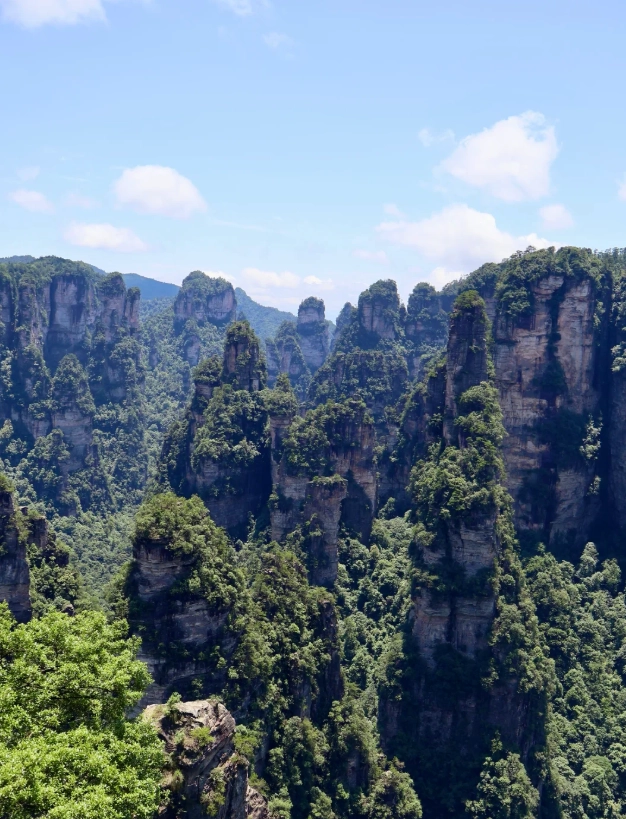
4. Photograph Fenghuang Ancient Town at Night
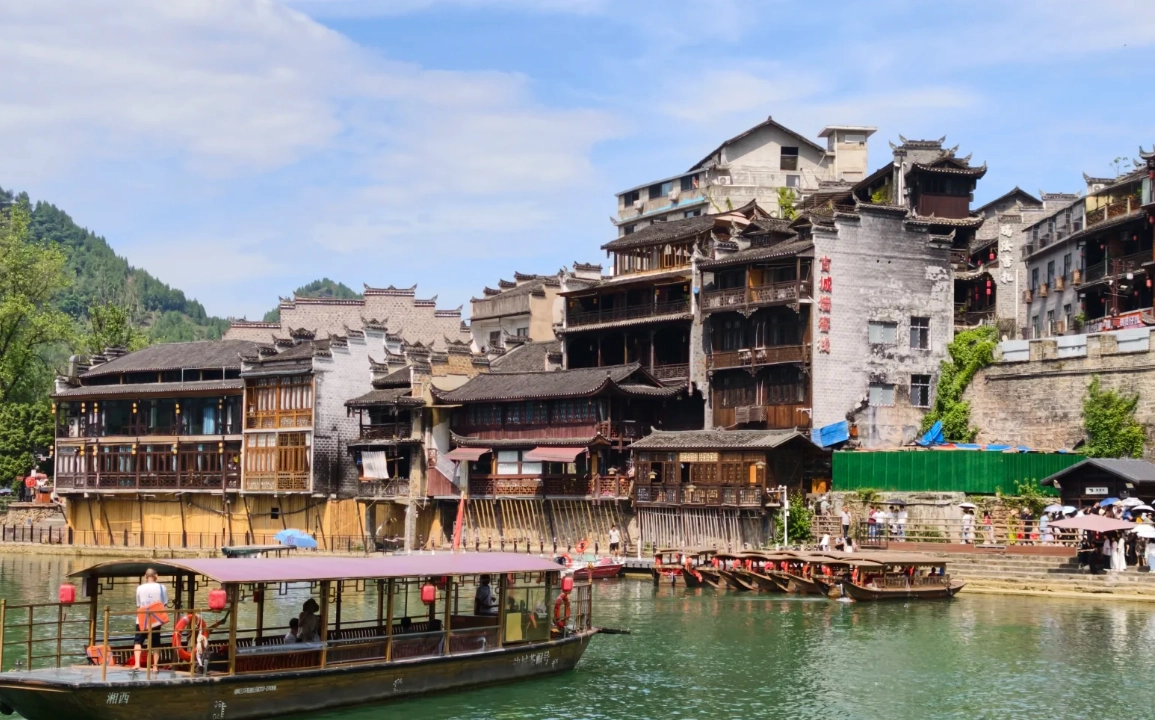
Skip the daytime crowds and wait until the lights come on — Fenghuang turns into a gold-and-pink fairy tale. The stilt houses along the Tuojiang River reflect in the water, and the sound of club music mixes with the clattering of souvenir shops. My favorite photo spot is on the bridge at the east end of the city. Bring a tripod if you have one; night photography is worth it. The town is free to enter, but some interior spots charge.
5. Cycle Around Orange Isle (Juzizhou) in Changsha
A huge green slice in the middle of the Xijiang River, Orange Isle is Changsha's best free escape. I rent a shared bike and loop the south half of the island in the late afternoon. You get a fantastic view of the city skyline and the 32-meter-tall Mao statue. The island is way bigger than people expect — a full loop is about 14 km, so choose a scooter or shuttle if you're short on time. Visit after 4 p.m. to avoid the heat and the tour groups.
6. Chase the Fog on Dongjiang Lake in Chenzhou
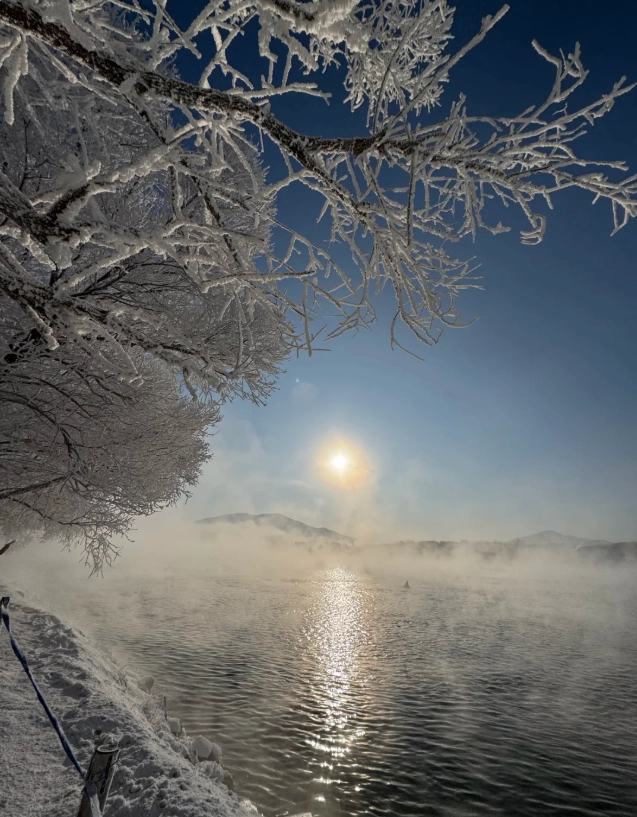
If you're into atmospheric photography, this is your mecca. Xiao Dongjiang (Little Dongjiang River) becomes a foggy dream from mid-May to October, especially between 6 a.m. and 9 a.m. Local fishermen appear in the mist with a small boat designed exactly for this scene — it's technically for tourists, but the shot is amazing. You'll need to drive from Chenzhou city, so plan for an early wake-up. Entrance is around 80 RMB and I recommend buying tickets a day ahead on Trip.com.
7. Visit the Hunan Museum to See the Mawangdui Lady
The 2,000-year-old mummified body of Xin Zhui is the star of this free museum, and it's one of the most surreal things in China. The museum is walkable from metro line 2. You must book a reservation in advance via their WeChat mini-program — it's in Chinese, so I usually have my clients ask their hotel to do it. Admission is free, but you need your passport at the entrance. Don't miss the silk paintings and the well-preserved lacquerware.
8. Step Into History at Shaoshan — Mao's Birthplace
This isn't for everyone, but if you're curious about modern China, Shaoshan offers a fascinating window. The former residence of Mao Zedong is preserved like a time capsule, and the views over the rice fields are surprisingly peaceful. I combine it with a day trip from Changsha: a 40-minute bullet train to Shaoshan South, then a 15-minute shuttle bus. The site is free, but you need to show your passport at the security gate. Be prepared for political atmosphere — it's interesting to observe even if you don't agree with the history.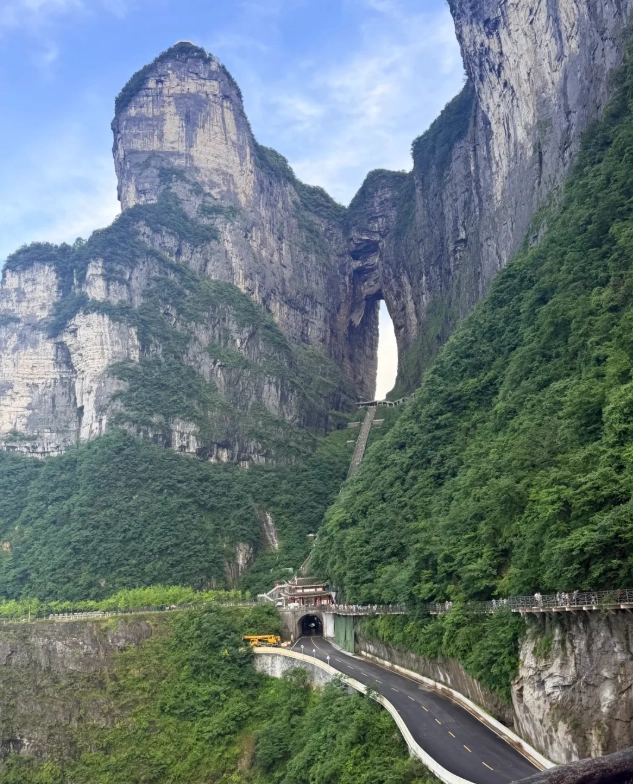
9. Drink a Cup of Tea at the Tongguan Kiln
A hidden gem 30 minutes from Changsha, Tongguan Kiln is an ancient ceramics village that became a stylish recreation of its former self. If you have a spare half-day, this is where I bring friends who want to escape the city. You can stroll through the old and new districts, watch artisans throw pots, and buy honestly-priced local ceramics. The whole park is walkable in 2 hours. It's free to enter; you pay extra for hands-on pottery classes.
10. Watch the Sun Disappear Above the Rape Flower Fields of Yueyang
Yueyang Tower is the most famous old building on the Yangtze floodplain, and the view from its top floor is a classically Chinese photograph moment. Visit in spring when the fields around the Dongting Lake are a sea of yellow. Take a train from Changsha (about 35 minutes). The tower itself costs 70 RMB, but you can get equally beautiful shots of Dongting Lake from Huasheng Square without paying. Come at 5 p.m. for the golden light, and stay for the sunset — it’s free and magnificent.
How to Plan a 5-Day Hunan Itinerary (Start Here)
I’ve refined this itinerary after many trips with guests. It connects Changsha, Zhangjiajie, and Fenghuang without making racehorses of you. Use it as a base, not a rigid checklist.
Here is the day-by-day skeleton:
| Day | Activity | Overnight |
|---|---|---|
| Day 1 | Arrive in Changsha, explore Jiefang West Road food street | Changsha |
| Day 2 | Orange Isle morning, Yuelu Moutain & Academy in the afternoon | Changsha |
| Day 3 | Morning high-speed rail to Zhangjiajie, Zhangjiajie Grand Canyon (Glass Bridge) | Zhangjiajie |
| Day 4 | Zhangjiajie National Park: Golden Whip Stream + Yuanjiajie + Bailong Bob | Zhangjiajie |
| Day 5 | Morning Tianmen Mountain, afternoon train to Fenghuang, night walk the old town | Fenghuang |
This is tight but doable. If you have a sixth day, add a slow morning in Fenghuang and maybe a trip to the nearby Miao villages. If you only have 3 days, skip Fenghuang — it’s lovely but not worth killing yourself to reach.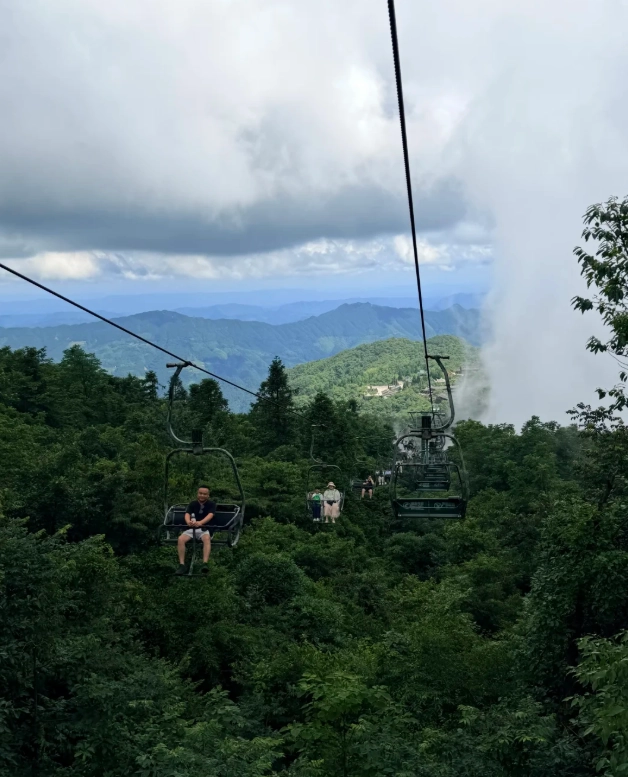
Transport between cities is easier than you think — except for the last leg. Here’s the comparison table I use with clients:
| Route | Transport | Time | Cost (approx.) | Pro Tip |
|---|---|---|---|---|
| Changsha → Zhangjiajie | High-speed rail | 2.5–3 h | ¥110–¥210 | Book on 12306 with passport |
| Zhangjiajie → Fenghuang | High-speed rail | 1–1.5 h | ¥65–¥85 | Newly opened; don't buy bus tickets |
| Changsha → Fenghuang | High-speed rail + transfer | 2.5–3 h | ¥150–¥180 | Transfer at Huaihua South |
| Fenghuang → Zhangjiajie | Local bus | 4 h | ¥60–80 | Not faster; only use if HSR sold out |
If you're taking a train, download the China Railway app or use Trip.com — it's more foreigner-friendly. I always advise buying tickets 1-3 days ahead, especially for high-speed rail during Chinese holidays. Even on weekdays, the two-hour-plus routes can sell out.
What to Know About Hunan Tickets and Reservations (Passport Required)
Your passport is your ticket to nearly everything in Hunan. Wherever you go, carry it — you'll need it to buy entry at major parks and to check in at hotels.
Here's the honest truth: most big sights are now using e-ticketing via WeChat mini-programs. The problem is these programs are entirely in Chinese and often demand a Chinese phone number. I've spent far too many mornings trying to explain this to a foreigner with a panic face.
So, follow these simple rules:
- Use Trip.com or a local agent for high-tier attractions like Zhangjiajie, Tianmen Cave, and the Hunan Museum. They accept passport numbers and deliver e-tickets to your email.
- For free sites like Orange Isle and Fenghuang old town, no reservation is needed. Just show your passport at the entrance.
- When a WeChat mini-program is the only option (this happens for the Hunan Museum), ask your hotel receptionist to book it for you. It's a common favor, and they'll know how to navigate the system.
A few key ticket facts (please double-check on site — prices change faster than the weather):
| Attraction | Approx. Price | Reservation? | Easiest Booking Channel |
|---|---|---|---|
| Zhangjiajie National Forest Park | ¥225 / 4-day pass | Recommended | Trip.com |
| Tianmen Mountain (cable car included) | ¥235 – ¥260 | Not mandatory, but book ahead | Trip.com |
| Hunan Museum | Free | Mandatory | WeChat mini-program or ask hotel |
| Dongjiang Lake (Xiao Dongjiang) | ¥80 – ¥120 | For weekend | Trip.com / on-site |
| Yueyang Tower | ¥70 | Not needed | On-site |
Pro Tip: I never buy tickets from the random touts outside major parks. They often sell fake tickets or bundled tours that take you to unrelated attractions. Stick to the official gate and let the kiosk staff scan your passport directly.
What to Eat in Hunan — With Practical Tips
Hunan food is a primal scream of chilies, garlic, and salt. If you can't handle heat, be honest with your server. They will usually tone it down — but only a little. Here's your survival guide.
Must-try dishes:
- Stinky tofu (Chou Doufu) — deep-fried, eaten with fresh chilies; you'll smell it before you find it.
- Chairman Mao's Red-Braised Pork — melt-in-mouth pork belly braised in soy and sugar. I always order it at Huogong Palace in Changsha as an easy introduction.
- Steamed fish head with chopped chilies — a huge, spicy fish head served with noodles underneath. Perfect for sharing, but warn your group about the intact eyeball.
- Mixian (rice noodles) for breakfast — a bowl of slippery rice noodles in a spicy broth topped with minced pork and peanuts. My go-to in Changsha is any shop with a long line around the corner from the Tangyun Hotel.
Restaurant survival strategies:
In Changsha, even mid-range places might not have an English menu. I usually point at the picture on Google Maps (if it loads) or use a translation app to show the dish names. Payment is almost always via Alipay or WeChat Pay. Credit cards are rarely accepted outside international hotels, so set up Alipay before you arrive and link it to an international card. If you see a QR code on the checkout, that's a payment code, not a menu — waving your bank card at it will only confuse the cashier.
One more tip: always ask for a jug of cold soybean milk (wuxing dounai) to fight the fire in your mouth. The locals also drink it for breakfast, so it’s everywhere.
Is Hunan Safe for Foreign Travelers? (My Honest Take)
Yes, Hunan is safe, but being street-smart still matters. In all my years guiding, I've never had a traveler face serious danger. Yet there are a few things you should know.
Street crime is almost nonexistent, but tourist scams exist. The classic ones: a friendly person offers to take you to a "tea ceremony" or "calligraphy show" and then presents an outrageous bill. Politely say no and walk away. Pickpocketing happens in extremely crowded spots; keep your phone in your front pocket.
Getting around: use the subway system in Changsha — it’s clean, cheap, and signs are in English. For taxis, use the dispatch apps (Didi, which works in English) not hailing random cars. Didi is also the best way to avoid the overcharging taxi drivers at airport arrivals.
One more thing: if a local invites you for a meal, it's a genuine act of friendliness. Be generous with praise for the food, even if your mouth is on fire. That's my experience.





No comments yet.