 Hui Lin
Quick Guide: What You'll Find Here
Let me be honest with you—most first-time visitors step off the plane in Hohhot with zero clue what to do in Inner Mongolia. They think it's all desert and donkeys. It's not. I've been guiding trips here for years, and every time I bring travelers to the Hulunbuir grasslands, they're speechless. Here's the thing: the real magic happens when you ride a horse at sunset, not in a museum. So, if you're wondering what to do in Inner Mongolia, stop scrolling. This guide is built from real trips, not canned advice. I'll take you from payment disasters to hidden trails, and by the end, you'll have a plan you can actually use.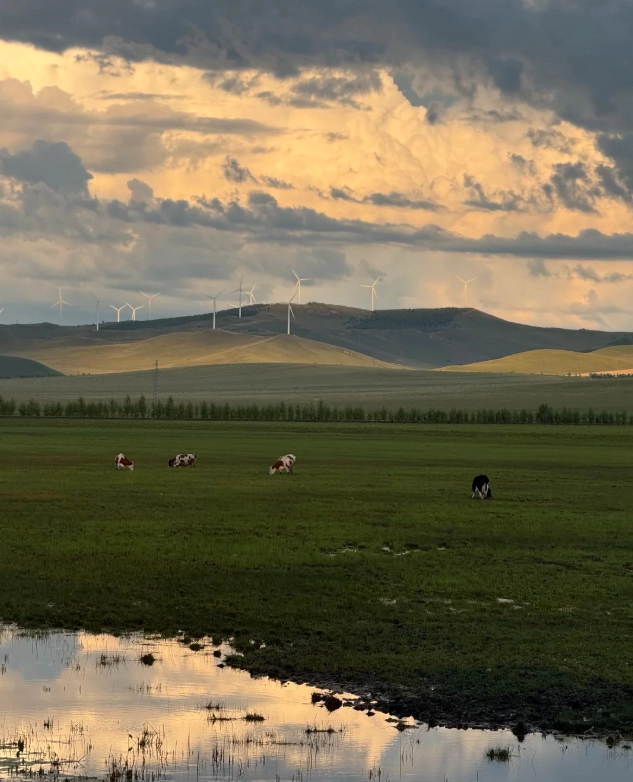
How to Plan a Trip to Inner Mongolia
Before you even think about what to do in Inner Mongolia, you need to sort out the logistics. As a tour leader, I can't stress this enough—your credit card won't work at most places, and your phone's map will likely fail on the open grassland. Here's the short version:
- Visa: Most foreigners need a tourist (L) visa. Check the latest requirements with the National Immigration Administration so you don't get caught off guard at the border.
- Payments: Mobile payment is king. Set up Alipay or WeChat Pay before arrival, linked to an international Visa or Mastercard.
- Internet: VPN required if you want Google Maps or WhatsApp. Without it, you'll be stuck watching 50 screens of buffering.
- Navigation: Google Maps is unreliable. Download Apple Maps or use Gaode Maps (AMap) for English directions, or simply show your destination in Chinese to a taxi driver.
For inter-city travel, I always tell my clients to take the train between Hohhot and Baotou—it's cheap and runs on time. Book tickets in advance via the official China Railway site or Trip.com.
Top 5 Things to Do in Inner Mongolia
1. Ride Horses on the Hulunbuir Grassland
The Hulunbuir grassland is the postcard version of Inner Mongolia—rolling green hills, endless skies, and herds of horses. Located in the northeastern corner of the region, the best base is Hailar, the nearest city with an airport. From Hailar, it's about an hour's drive to popular spots like Jinzhanghan (Golden Horde) or Moergele River.
Expect to pay around 100-200 RMB for an hour on a horse. Some camps offer half-day trail rides, which I highly recommend if you want to see the grasslands beyond the tourist circles. Always negotiate the price before you ride, and ask for a helmet—my clients rarely get offered one, but you should insist.
If you're visiting between June and September, the weather is usually perfect for outdoor activities. However, the sun is intense. Pack sunscreen and a hat, even on cloudy days.
Pro Tip: Arrive at 4pm for golden-hour photos when the light turns everything warm. Most groups leave in the morning, so this is also when the crowd thins out.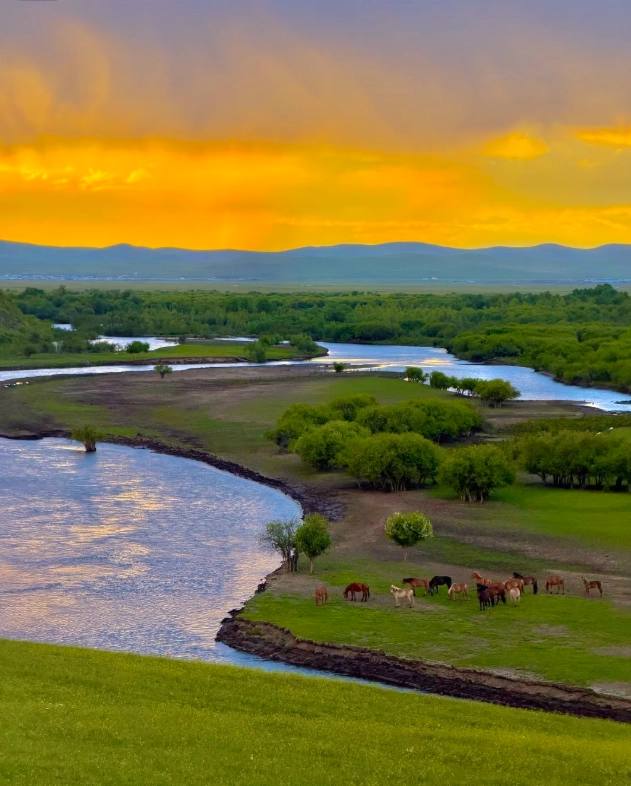
2. Sandboard Down the Xiangshawan Dunes
Xiangshawan, also known as the 'Singing Sand Dunes,' is a desert playground just outside Ordos City. The sand here makes a strange humming sound when the wind blows, giving the place its name. It's one of the few deserts in China with easy access and plenty of activities.
From Hohhot, you can take a direct tourist bus (about 3 hours) or hire a driver. The entrance fee is around 120 RMB for basic access, but you'll want a package that includes sandboarding, a camel ride, and the desert train—those run anywhere from 200 to 400 RMB depending on the season.
Inside, you'll find a hotel and even a 'desert club' if you want to spend a night. But my advice? Do a day trip. The wind picks up in the afternoon and you'll be picking sand out of your ears for a week.
3. Dive into History at Dazhao Temple and Zhaojun Tomb
Hohhot, the capital, holds two must-see historical sites that show the region's Mongolian and Chinese heritage. Dazhao Temple is a working Tibetan Buddhist monastery with a giant silver Buddha. Expect to spend 35 RMB for entrance.
Zhaojun Tomb, about 10km south of the city, honors Wang Zhaojun, a Han dynasty woman who married a Xiongnu chieftain to secure peace. The tomb is a large mound with a rather modern park around it. Entrance is around 60 RMB, and the site gets crowded by 10am, so go early.
Both sites require passport for booking if you reserve online. You can also buy tickets at the gate with cash, but not all windows accept cards.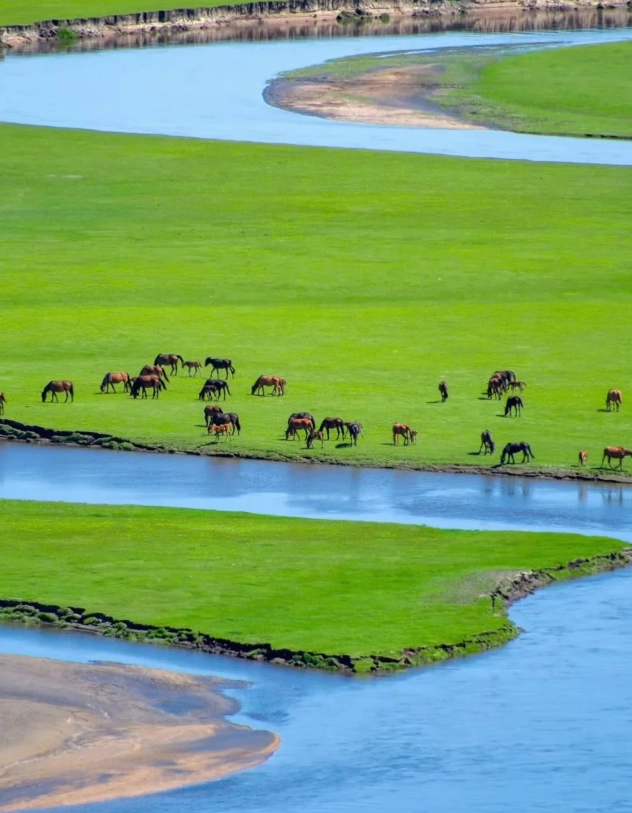
4. Camp in a Mongolian Yurt Under the Stars
Staying overnight in a yurt (a traditional felt tent) is a cliché, but it's a cliché for a reason—the sky away from city lights is spectacular. Many grassland resorts offer yurt lodging with two meals included. Prices range from 300 to 800 RMB per night for a private yurt, depending on the level of comfort.
Now, here's the catch: the 'traditional' yurts often have no private bathroom. You'll walk to a shared facility, and water pressure can be weak. I always tell my clients to bring their own toiletries and a flashlight.
Don't expect a hot shower at 10pm—the water tanks don't keep up with heavy demand. Shower early or skip it and enjoy the campfire.
5. Feast on a Traditional Mongolian Hotpot
Mongolian hotpot is all about tender lamb, fresh vegetables, and a spicy or clear broth. In Hohhot, you can't go wrong with Xiaofeiyang (Little Fat Sheep) on Zhongshan Road. It's a chain that started in Baotou, and it's consistently good. Price per person runs around 80-150 RMB for a filling meal.
My personal order: a mixed lamb platter, the special spicy broth, and a bowl of garlic-flavored dipping sauce. Ask for the 'hand-cut' lamb—it's slightly thicker and more flavorful.
If you want a more authentic experience, find a small restaurant in the old town area. Look for one with an English menu or at least a picture menu. Payment is almost always via Alipay or WeChat; cash may be accepted but not preferred.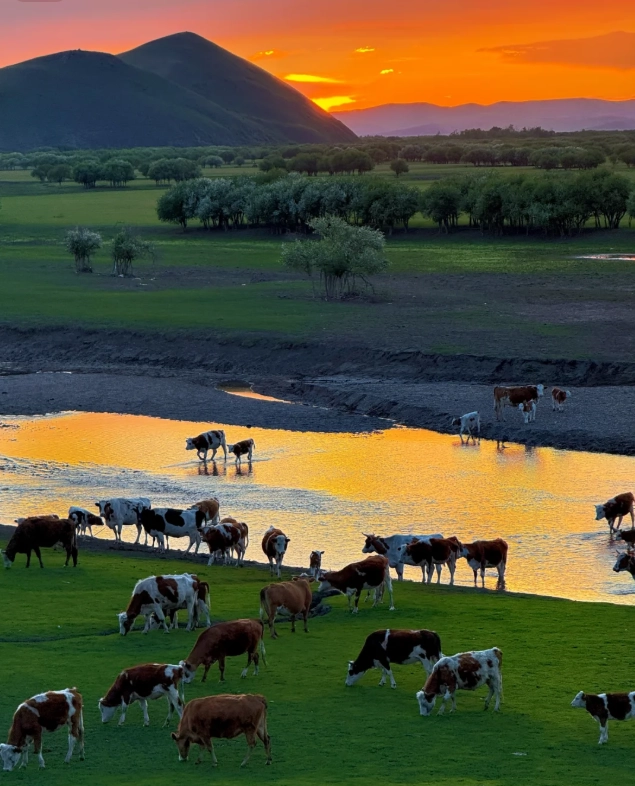
What to Eat in Inner Mongolia
Beyond hotpot, Inner Mongolia offers a range of dishes centered around lamb and dairy. Try these staples:
- Hand-grabbed mutton (shou ba rou): Chunks of boiled lamb served with garlic and salt. Messy but delicious.
- Baked milk tea: A rich, salty tea with milk and sometimes millet. It's an acquired taste, but it's perfect after a cold day.
- Roast whole lamb: A festive dish for special occasions. Most tourist restaurants offer it with advance notice.
- Milk tofu (naitou): A sweet, milky dessert that's lighter than it sounds.
For a hit-the-ground-running experience, head to Hohhot's Colorful Night Market on Daumen Street. You'll find skewers, stuffed buns, and freshly fried yogurt balls. Opening hours vary, but it's lively from 6pm to midnight.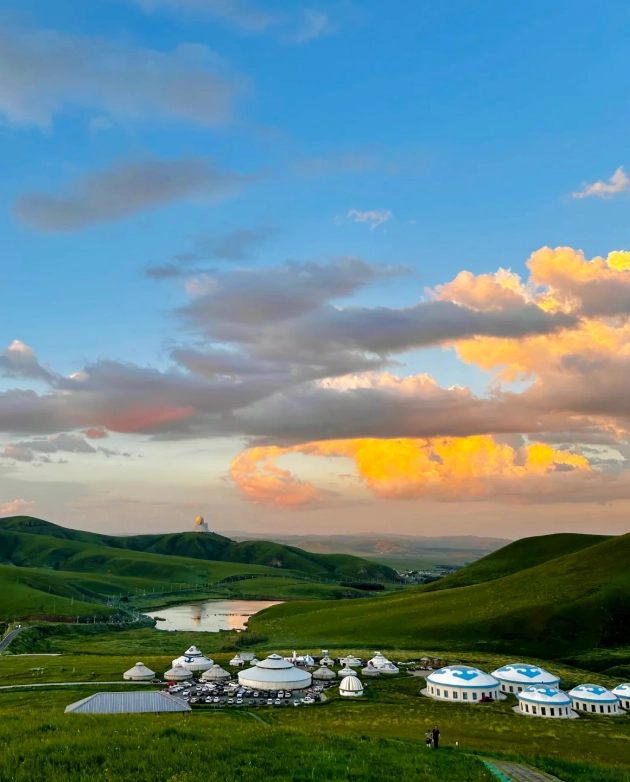
Where to Stay in Inner Mongolia
Accommodation ranges from five-star hotels to shared yurts. Here's my quick breakdown:
| Type | Example | Price Range | Best For |
|---|---|---|---|
| Luxury hotel | Shangri-La Hotel, Hohhot | 800-1500 RMB | Business travelers, families who want comfort |
| Boutique hotel | Boutique Hotel 7, Ordos | 300-600 RMB | Couples, design lovers |
| Hostel | Hohhot International Youth Hostel | 60-100 RMB per bed | Solo backpackers |
| Yurt camp | Various on Hulunbuir | 200-500 RMB | Adventure seekers, photographers |
In Hohhot, stay near the Drum Tower or Dazhao Temple for easy access to sights. On grasslands, booking a yurt through a local tour operator is the simplest way.
Practical Tips for Inner Mongolia Travel
Let's talk about the real stuff.
- Book attractions with your passport. Many sites require real-name registration. If the WeChat mini-program frustrates you, ask your hotel lobby staff to help or use Trip.com.
- Cash is still king in remote areas. Though most cities accept mobile payments, in the desert or grasslands, carry a couple hundred yuan in small bills for toilets, drinks, and tips.
- Dress in layers. Grassland mornings can be freezing even in summer, then sweltering by noon. A lightweight down jacket works wonders.
- Bring a power bank. Outside the city, charging outlets are scarce, especially in yurts.
Insider Advice: The Mongolian passport isn't well-known outside China, but for rural tours, always carry your passport copy with you. Police checkpoints occasionally ask for ID, and your hotel will need it for check-in.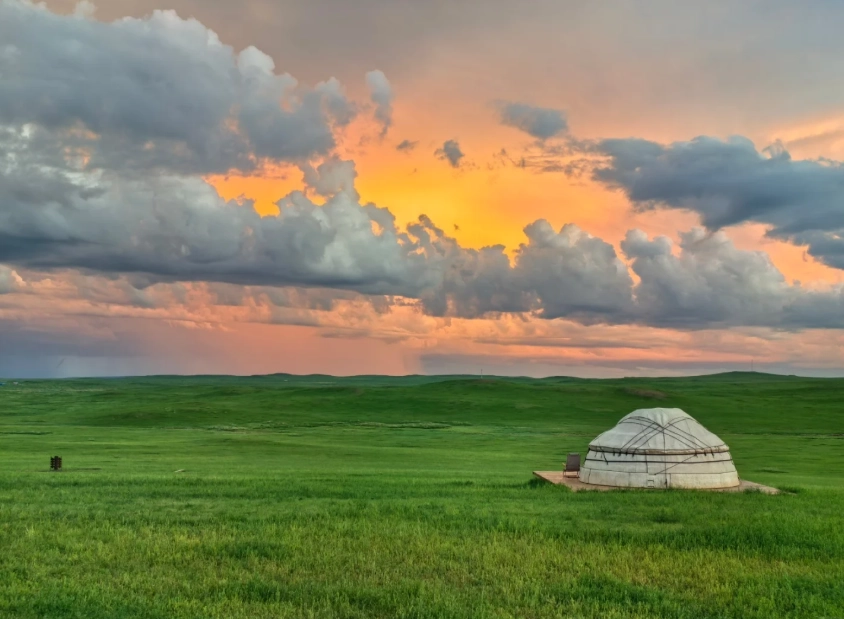





No comments yet.