 Ting Chen
I’ll say it straight: most three-day tours of Guizhou are a scam. You end up on a bus, staring at the back of someone’s head, and the only picture you get is a selfie with a hundred strangers. I’ve been guiding travelers through this province for over a decade, and honestly, the magic isn’t in the checklist — it’s in the misty valleys, the rice terraces that look like emerald staircases, and that first bite of sour fish soup. So here’s the deal: I’m going to tell you exactly which Guizhou tourist attractions deserve your time, which ones you can skip without guilt, and how to navigate the chaos like a local. Buckle up — this is the real guide.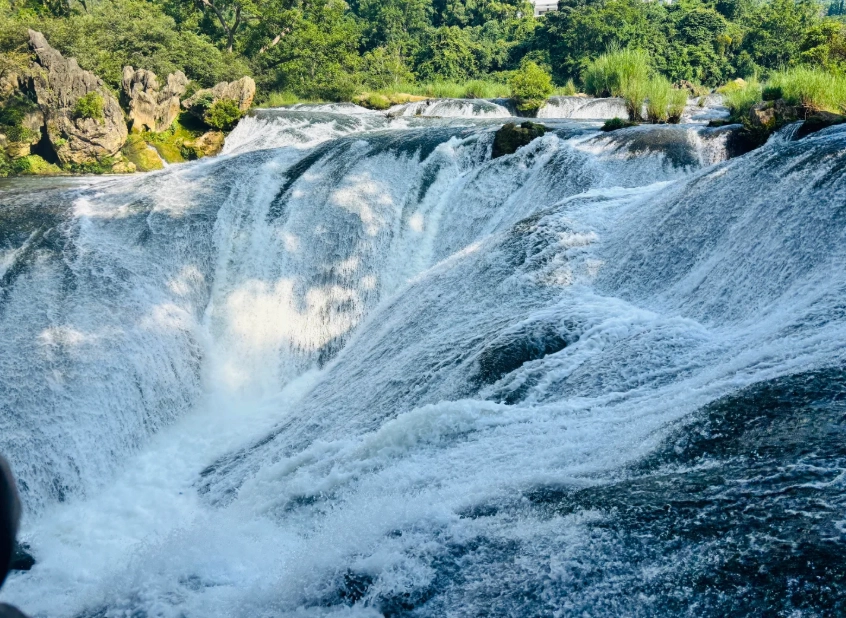
Quick Navigation
Why Guizhou Tourist Attractions Deserve Your Attention
Guizhou is often the blank spot on China’s must-visit map. While everyone rushes to Xi’an and Guilin, this southwestern province quietly holds some of the country’s most awe-inspiring landscapes and authentic ethnic cultures. The karst peaks look like they were painted, the rivers glow emerald, and the Miao and Dong communities still practice traditions that have vanished elsewhere. I remember the first time I brought a group here — one traveler literally cried at the view from Xiaqikong. That never happens at the Great Wall.
Plus, foreign tourism is still in its early stage, which means you’ll find fewer crowds and more raw experiences. But don't let the lack of English signage fool you — this is not a place to wing it. The infrastructure exists, but it's messier than Beijing or Shanghai. You need to know how to buy tickets, which buses actually run, and why your phone's Google Maps will lead you off a cliff. That's where this guide kicks in.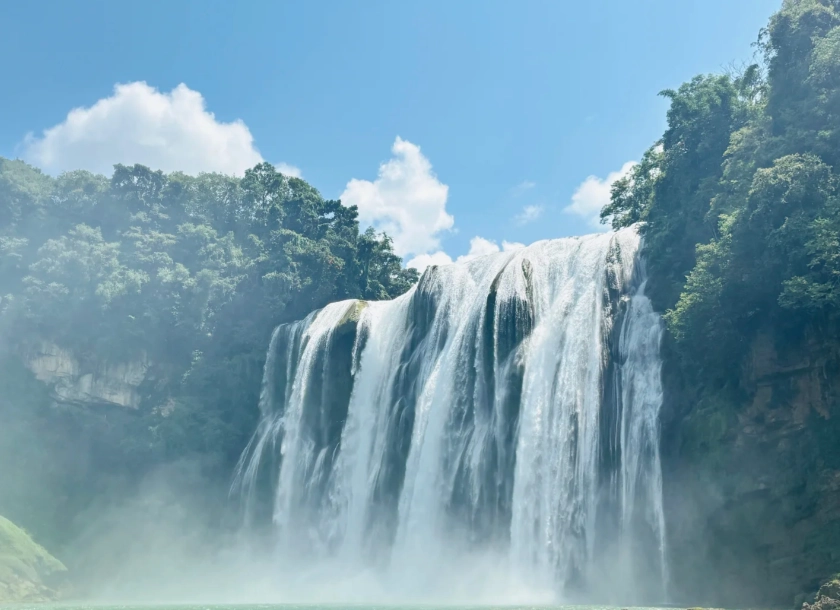
Top Guizhou Tourist Attractions You Shouldn't Skip
I’ve ranked these based on pure “wow” factor, practical manageability, and how much they stand out from anything else in China. You don’t have to see all six if you’re short on time, but if you ask me, skipping any of these is a mistake.
| Attraction | Location | Ticket Price (approx.) | Opening Hours | Best Time to Visit |
|---|---|---|---|---|
| Huangguoshu Waterfall | Anshun | 180 RMB + 50 RMB shuttle | 8:00-18:00 | Mar-Oct (rainy season) |
| Libo Xiaoqikong | Libo County | 110 RMB + 40 RMB shuttle | 8:00-16:00 | Apr-Oct |
| Xijiang Miao Village | Leishan | 100 RMB | 12:00-22:00 | Lunch & evening |
| Fanjingshan | Tongren | 110 RMB + 160 RMB cable car | 8:30-16:00 | May-Oct (clear days) |
| Zhaoxing Dong Village | Qinglong | 80 RMB | Open all day | Morning or sunset |
| Zhenyuan Ancient Town | Huangping | Free | Open all day | Early morning |
1. Huangguoshu Waterfall — The Classic That’s Actually Worth It
Huangguoshu is the largest waterfall in Asia, and yes, it’s as dramatic as the photos. But here’s the secret: go in the morning before 9 AM. I always tell my clients to skip the official entrance and start from the exit gate — you’ll walk backward against the crowd, which means fewer people in front of you. The waterfall thunders so loud that you’ll feel it in your chest. If you’re lucky, you’ll see rainbows in the mist.
One warning: the scenic area is huge, and you’ll do a lot of walking. Wear shoes with good grip — the boardwalks get slippery. The shuttle bus is mandatory, but it drops you off. Don’t bother buying the extra “Waterfall Cave” ticket; it’s a one-minute walk through a damp tunnel. Total visit time: 3-4 hours.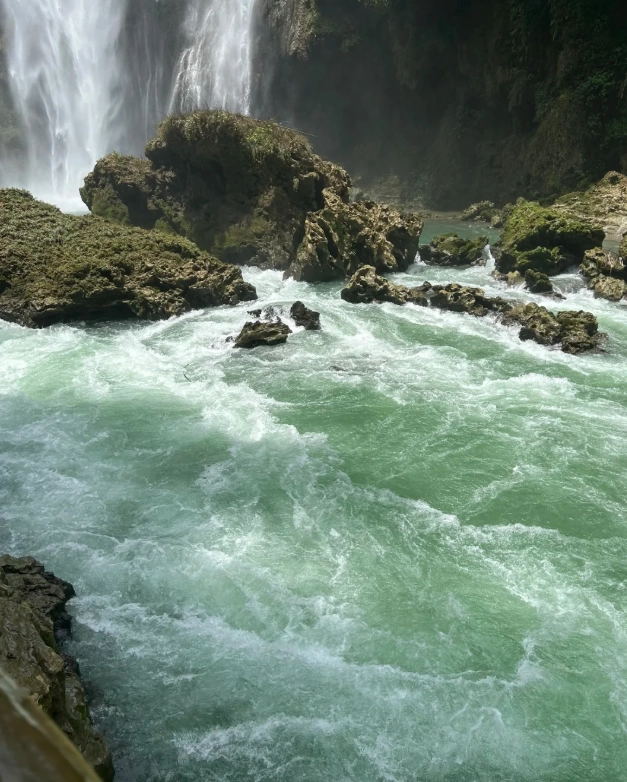
Pro Tip: Buy your ticket on Trip.com or a local WeChat mini-program the day before. Carry your passport to the gate — they scan it for identity verification.
2. Libo Xiaoqikong — The Emerald Dream
If I had to pick one spot that makes people speechless, it’s Xiaoqikong. The place is so cinematic that you’ll forget it’s real. The karst mountains mirror in the turquoise water, and the ancient wooden bridge over the Seven Arch Bridge looks like it belongs in a fantasy film. I once met a couple here who canceled their next flight home — they just wanted to stay.
Get here right when it opens (8 AM) and walk from the east gate to the west gate. The shuttle saves you 20 minutes, but if you’re fit, walk the river trail — it’s only 7 km and you’ll have the path to yourself. Beware of the “Lacquer Hill” section — it’s steep and slippery; you’ll see locals falling. Total time: 4-5 hours.
For food, don’t miss the sour-fish soup (suan yu) inside the park. My group always asks for seconds. Prices are steep for what it is, but you won’t regret it.
3. Xijiang Miao Village — A Living Postcard
Xijiang is the largest Miao village in the world, with over 1,000 wooden stilt houses climbing the mountainside. It’s touristy, yes, but there’s a reason: the nightly sunrise from the observation deck is magical. I recommend staying overnight. The village after 9 PM empties out, and you can hear the river flow and the occasional cow bell.
Skip the cable car — it’s a 10-minute walk to the main viewpoint, and you’ll pass through real family compounds with kitchens. If you want an authentic experience, ask your homestay host to do a “long table banquet” (you pay around 50 RMB) and taste homemade rice wine. Warning: it’s strong, and I’ve seen grown men cry.
The entrance ticket covers a shuttle bus that runs from the main gate. Keep your ticket even after entering — you need it for the bus back down.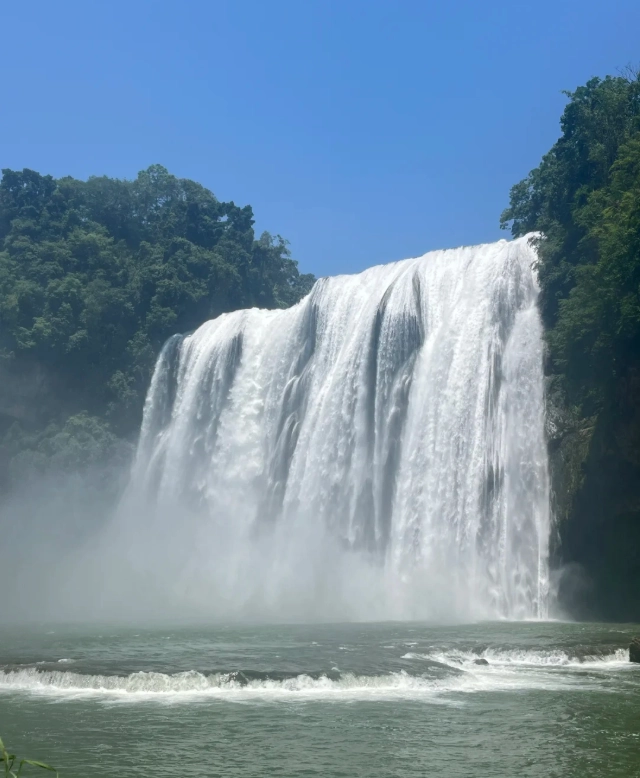
4. Fanjingshan — A Gift for Hikers
Fanjingshan is one of China’s newest UNESCO World Heritage Sites, and it’s not for the faint of heart. The climb up the Red Clouds Golden Summit is brutal — 8,000 stairs with sheer cliffs on both sides. I’ll be honest: I’ve taken groups who were fit enough, and they still cried. But the view of the twin peaks and the fog-filled canyons makes every step count.
The key is to start the cable car ride before 8:30 AM — after that, queues hit 2 hours. Bring your own snacks; the mountaintop restaurant charges triple for instant noodles. Also, check the weather forecast. If you see rain, it’s likely the summit will be clouded out. I turn back myself if visibility is under 10 meters.
5. Zhaoxing Dong Village — The Quiet Alternative
If Xijiang feels too commercial, Zhaoxing is your refuge. It’s smaller, less polished, and way more authentic. The Dong people here still gather in the drum tower every night to sing polyphonic songs. I once sat with them for an hour, not understanding a word, but the harmony was so pure that it brought tears to my eyes.
Unlike Xijiang, you can walk around the rice terraces right from the village gate. The “Dong village” ticket includes a free ferry across the river — take it to see the village from afar. This is also a great place to buy silver embroidered crafts.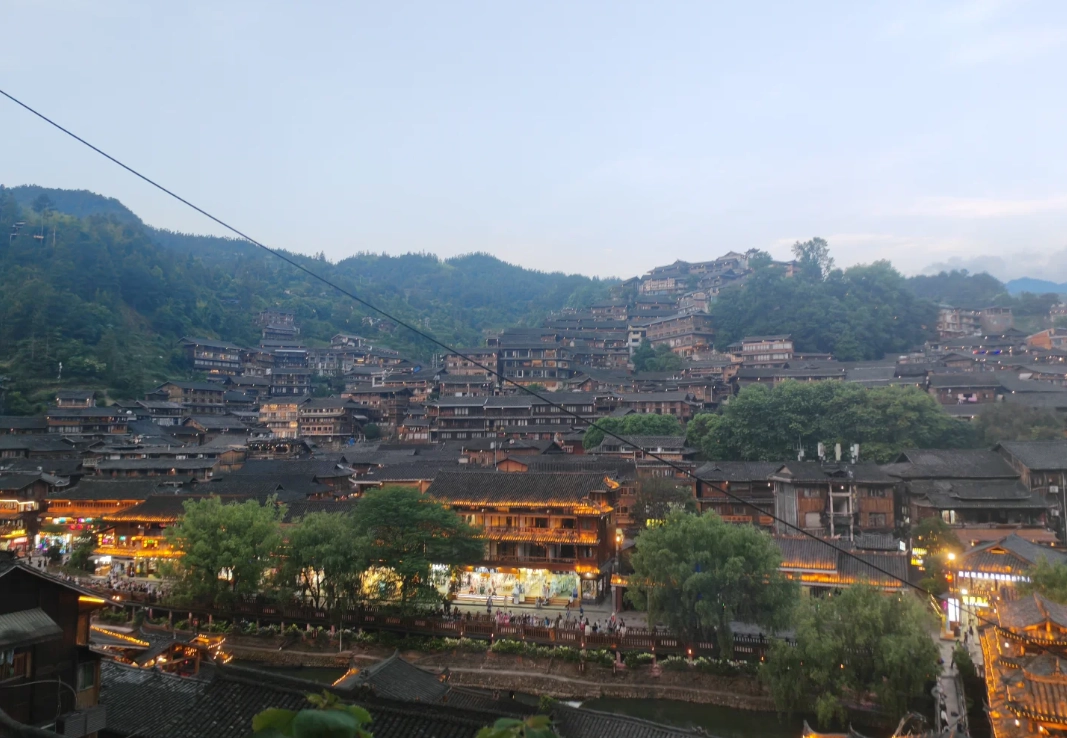
6. Zhenyuan Ancient Town — A Step Back in Time
Zhenyuan is a historic town with winding alleys and a river that reflects the old stone houses. It’s not a major attraction, so it’s perfect if you’re tired of crowds. I love coming here to just sit by the river and drink tea. The night boat ride (around 30 RMB) is charming, and the “Caojia Courtyard” offers a glimpse into merchant life in the Qing Dynasty.
Most travelers come as a day trip from the nearby town of Huangping, but I say spend one night here. The guesthouses are ridiculously cheap (around 150 RMB) and waking up to the sound of laundry being washed by the river is priceless.
How Do You Plan a Route Through Guizhou Tourist Attractions?
The classic loop starts and ends in Guiyang, the provincial capital. I suggest at least 5 days to cover the three must-sees: Huangguoshu, Xiaoqikong, and one Miao village. Here’s a realistic itinerary I give my clients:
Day 1: Arrive in Guiyang, take the high-speed train to Anshun (about 30 minutes). Head straight to Huangguoshu. Stay overnight in Anshun.
Day 2: Take the train back to Guiyang, then drive or train to Libo (around 3 hours). Spend the afternoon at Xiaoqikong. Stay in Libo.
Day 3: Bus or drive to Kaili (about 2 hours), then transfer to Xijiang Miao Village. Settle in and enjoy the sunset.
Day 4: Morning at Xijiang, then head to Zhaoxing or Zhenyuan (depending on your energy). If you choose Zhaoxing, take the high-speed train from Guiyang North to Qinglong (2 hours). If Zhenyuan, direct train from Kaili (about 1 hour).
Day 5: Wrap up and return to Guiyang. Use the afternoon to visit the city’s own Qianling Park if you have time.
If you have an extra day, tack on Fanjingshan. It’s easier to reach from Guiyang by train (to Tongren, about 2 hours) but requires early starts. I wouldn’t include it on a first visit unless you’re in good shape.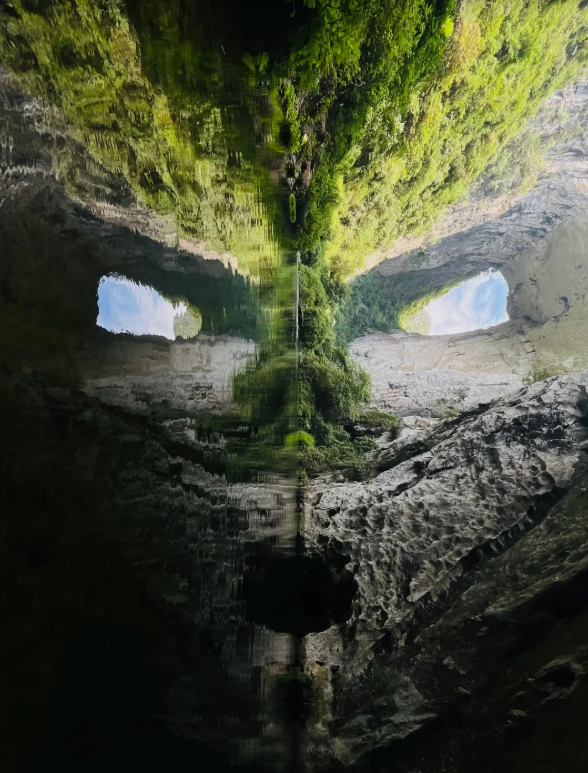
Insider Advice: Between April and October, buses and trains are packed on Chinese holidays. If you travel during May 1 or October 1 holidays, forget it — I’d stay home. Try to come in late April or mid-October for perfect weather and fewer crowds.
What Practical Tips Do Foreigners Need for Guizhou Tourist Attractions?
Let’s tackle the stuff that truly trips you up: payments, maps, and tickets.
Payment: For 90% of places in Guizhou, cash and physical credit cards are not accepted. You need Alipay or WeChat Pay. Set these up before your trip, linked to your international Visa or Mastercard. I’ve seen travelers try to pay with Apple Pay — it doesn’t work. If you’re desperate, some larger ticket offices accept cash, but they’ll give you a weird look.
Navigation: Google Maps is useless in China — it’s inaccurate and often shows ghost roads. Download Apple Maps (it works decently) or better, get the high-speed train app “12306” for train times. For ride-hailing, download “Didi” — it’s the Chinese Uber. Signing up requires a Chinese phone number, but you can get an eSIM or ask your hotel to set it up. If you use a taxi, always have the address written in Chinese — I’ll put some below.
Tickets: Many top attractions require real-name registration with your passport. The easiest way is to buy on Trip.com, which handles the translation. For smaller places like Zhaoxing, you can buy at the gate, but bring your passport. The WeChat mini-programs are a nightmare in Chinese, so use Trip.com or ask your hotel concierge.
VPN & Language: Yes, you need a VPN to access Google, WhatsApp, Instagram, etc. Download “Astrill” or “ExpressVPN” before you arrive. For translation, use Apple Translate (offline mode works) or Baidu Translate. English is barely spoken outside big hotels, so prepare a few key phrases.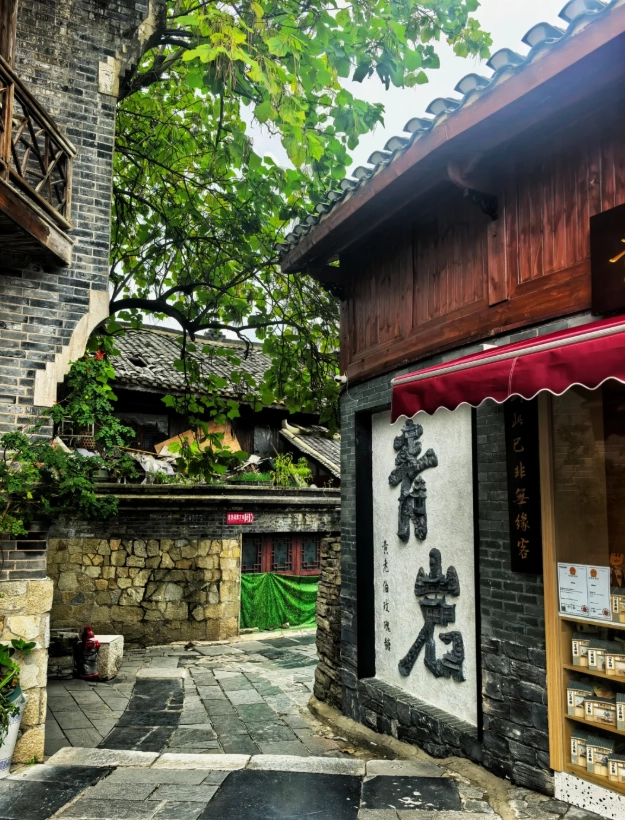
FAQ: Your Guizhou Tourist Attractions Questions Answered
Verified and fact-checked by the editorial team.





No comments yet.