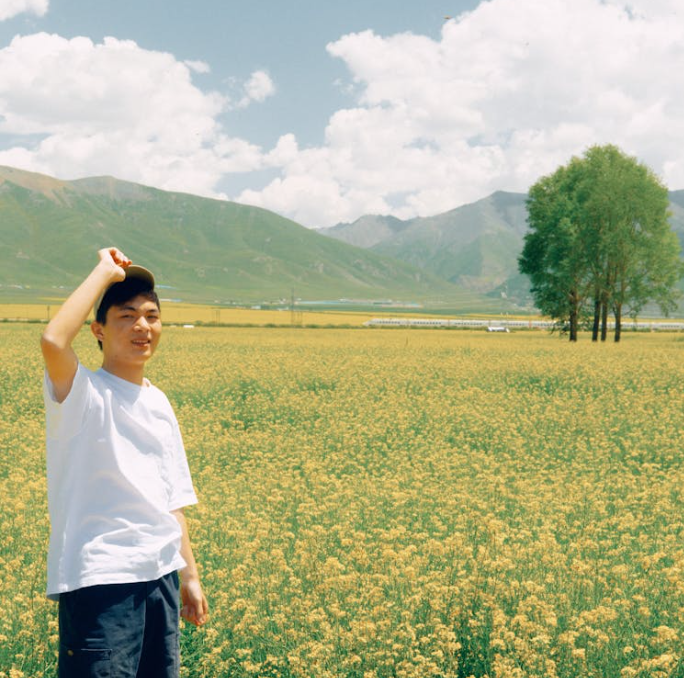
 Bo Wu
Bo Wu
Navigate This Guide
I have stood on the Great Wall at Jinshanling more times than I can count. Not the crowded, vendor-heavy section at Badaling — the wild, crumbling wall that snakes across Hebei’s hills. Every time I bring a group there, someone says, ‘This is better than the photos.’ Hebei, the province that wraps around Beijing, is that kind of surprise. Most travelers only know it as a blur of industrial cities from the train window, but the real Hebei is a mix of imperial gardens, raw mountain trails, and grasslands that feel like another planet.
So, is Hebei worth visiting? That’s the question I get almost weekly. The honest answer: yes, but you need to leave the tour-bus mentality at home. The province rewards those who dig a little deeper.
If you’re debating whether to add Hebei to your China itinerary, here’s my short answer: choose two places — Chengde’s Mountain Resort and Jinshanling’s Great Wall — and you’ll already have a trip worth the detour. Skip Zhangbei’s crowded Grassland Sky Road in tourist season, unless you go on a weekday. And bring cash: some small ticket offices still don’t accept foreign cards.
Why Is Hebei Worth Visiting? (Not Just a Beijing Day Trip)
Hebei has a PR problem. It shares a border with Beijing, so tourists often treat it as an afterthought — a place you pass through to catch a plane, not one you choose. But go back a few centuries, and Hebei was the center of the Qing dynasty’s summer power. The emperors governed from Chengde for half the year, hunting and holding court in a sprawling mountain retreat. That legacy alone gives Hebei more imperial weight than many other Chinese provinces.
Then there is the Great Wall. Hebei holds some of the most dramatic and uncommercialized sections of the Wall, including Jinshanling and Shanhaiguan. While the world crowds onto Beijing’s Badaling, I spend my afternoons on Hebei’s ramparts with a handful of travelers and a hawk circling overhead.
Finally, the province offers real geographic variety. In the west, there are the limestone peaks of Cangyan Mountain, home to a monastery that seems to defy gravity. Up north, the grasslands near Zhangjiakou roll into the horizon. On the east coast, Qinhuangdao brings you to the sea where the Great Wall meets the waves. It’s rare to find so much diversity inside one province.
Natural beauty isn’t the only thing. Hebei is dotted with ancient city walls, Qing tombs, and traditional markets that haven’t been polished for Instagram. If you, like me, prefer a bit of grit with your history, you’ll feel right at home.
7 Must-Visit Hebei Spots That Prove It’s Worth the Trip
I’ve narrowed down my personal picks to these seven, spanning history, nature, and that hard-to-pin-down charm.
1. Jinshanling Great Wall: The Wildest Stretch You Can Walk
Jinshanling is the section of the Great Wall that photographers dream about, and it’s just a few hours from Beijing. I always bring clients here because it combines raw, unrestored watchtowers with the classic elevated views. You can walk from Jinshanling to Simatai in about three hours, passing collapsed brick and wild bushes. The public entrance is at the Jinshanling scenic area in Luanping county. Admission is around 65 RMB, but fees change; you can book through Trip.com or the official WeChat mini-program. Your passport is needed for the ticket registration. The opening time is roughly 8:00 AM to 5:00 PM in summer, but I suggest arriving after 2:00 PM. The afternoon sun gives the yellow-brown ramparts a warm glow, and the tour groups have mostly left. Head to the left side of the entrance — most visitors turn right, so you’ll get a quiet path with almost alone.
Pro tip: the restrooms near the ticket office are clean, but you won’t find facilities once on the wall. Empty your bladder before starting the climb. For transport, hire a driver in Chengde or Beijing; there’s no direct train to the wall itself.
2. Chengde Mountain Resort: A Qing Emperor’s Summer Palace
This UNESCO World Heritage Site is a huge walled park that combines lakes, plains, and small mountains. The emperors of the Qing dynasty used it to escape Beijing’s heat, and they held important political meetings here. The imperial palace complex, studded with golden roofs, is at the front. Behind it, the real surprise: a full-size garden with willow trees and a lake that mimics southern Chinese landscapes. Some visitors expect a single building and spend only an hour, but you need at least three hours to do it justice. Tickets are roughly 145 RMB in high season (April–October) and 90 RMB off-season; check the official account for updates. The resort is a 20-minute taxi ride from Chengde railway station. Inside, you can rent an electric cart for the mountain area, but I recommend walking through the lakeside first. You can also grab an audio guide — it actually explains the political symbolism behind the winding paths. As a UNESCO World Heritage Site, it deserves a spot on any China itinerary.
Insider advice: the Kangxi and Qianlong emperor statues near the palace entrance are favorite photo spots, but turn away from them and walk toward the wetland. That’s where the best light hits during late afternoon.
3. Shanhaiguan Pass: Where the Great Wall Meets the Sea
Shanhaiguan is the eastern end of the Ming Great Wall, known as the First Pass Under Heaven. The old town has been partially restored, but the main draw is the “Old Dragon Head” (Lao Long Tou), a stone fortification that juts into the Bohai Sea. It looks like the Wall dives into the water. The pass itself is free to walk around, but the Old Dragon Head section costs about 50 RMB. The best approach is to take a high-speed train from Beijing to Qinhuangdao (about 4 hours), then a local bus or taxi 30 minutes to the site. Give yourself half a day. The fortress walls offer a fine view over the city and the sea, and you can walk along a small beach. Expect a few vendors, but they are far more laid-back than Badaling. Be careful: some taxis at the train station may try to overcharge foreign tourists. Use a ride-hailing app like DiDi, or agree on a price before getting in.
4. Grassland Sky Road (Zhangbei): A Scenic Drive Above the Clouds
The Grassland Sky Road is a 100-kilometer mountain road cutting through gentle green hills in northern Hebei. If you love open landscapes, this is the place to rent a car or hire a driver for a day. The road is free, but you may encounter local parking fees of 10–20 RMB at viewpoints. The best months are July and August when the grasslands are lush. Weekends get crowded — locals come here too — so try a Tuesday or Wednesday if you can. The nearest city is Zhangjiakou, about an hour’s drive from the start of the road. I recommend starting from the Zhangbei side and driving west; the early morning fog lifts to reveal the hills. There are no gas stations along the road, so fill up in Zhangbei. And carry a picnic, because restaurants are basic and far apart.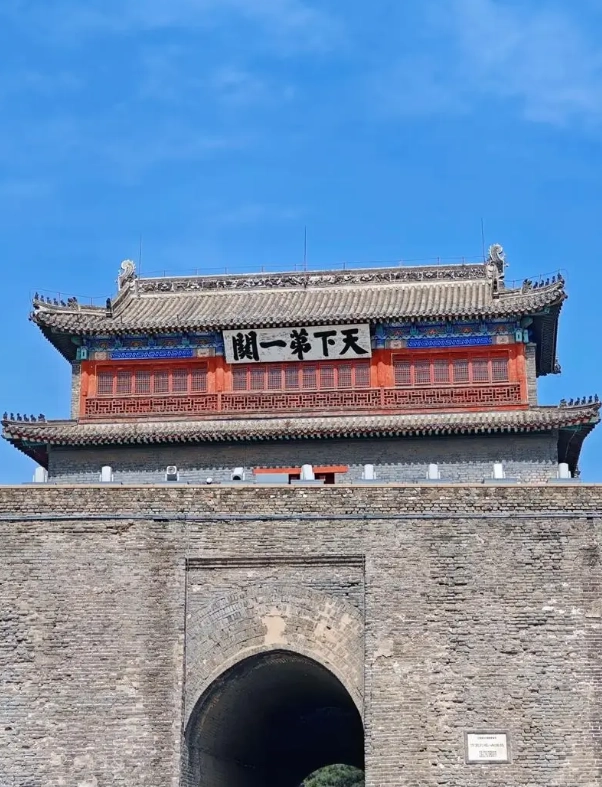
5. Cangyan Mountain: Zen Temples on Cliff Sides
Cangyan Mountain is a karst landscape with an unusual bridge temple suspended between two cliffs. The Qiaolou Dian, or Bridge Tower Hall, was built in the Sui dynasty and is a photographer’s dream. You can climb the steep stone steps and walk across a stone arch to reach it. The entrance fee is around 80 RMB, and buses from Shijiazhuang leave hourly from the main long-distance bus station (about 1.5 hours). Wear good hiking shoes — there are thousands of stairs. The best light for photos is between 10 AM and 2 PM when the sun hits the bridge directly. Also, you can watch monks performing rituals in the temple; they are used to visitors but please be respectful.
6. Qingxi Tomb (Qing Western Tombs): The Emperor’s Final Resting Place
Qingxi Tomb is the burial ground for four Qing emperors, including the famous Yongzheng and Guangxu. Unlike the busy Eastern Tombs near Beijing, this site is calm and rarely crowded — even on weekends. You can walk through underground burial chambers and see the stone coffins and carvings. The ticket price is around 80 RMB, and you can hire a small electric cart to move between the different tomb sites. It’s located in Yixian, about a 2-hour drive from Beijing or 1 hour from Baoding. I often bring clients here after the Great Wall because it feels like stepping into a forbidden historical novel without a single tour bus in sight.
7. Baishi Mountain: Glass Bridges and Vertical Cliffs
Baishi Mountain is a granite massif with cliffs that resemble the more famous Zhangjiajie but without the crowds. There are glass-bottomed walkways and cable cars, plus well-maintained hiking trails. The entrance plus cable car will set you back around 200 RMB, but I think it’s fair for the experience. The mountain is in Laiyuan county, accessible by bus from Baoding (about 2 hours). The best time is late spring or early autumn; in summer it can haze out the view. You can do the whole loop in four hours, or stay overnight in the nearby hotel to catch the sunset. Also, the cable car is not the only option — there is a lighter hiking path, but I recommend the cable car for the first visit.
How Do I Plan a Hebei Itinerary in 1, 2, or 3 Days?
Depending on your available time, here are three realistic itineraries. All assume you’re starting from Beijing.
| Duration | Suggested Route | Transport | Best For | Key Tip |
|---|---|---|---|---|
| 1 Day | Beijing – Jinshanling – Beijing | Private driver or chartered car | History lovers on a tight schedule | Leave Beijing by 7 AM to avoid traffic |
| 2 Days | Beijing – Chengde – Jinshanling – Beijing | High-speed rail + taxi + private driver | First-timers who want a mix of imperial and wall | Stay overnight in Chengde, then drive to Jinshanling in the morning |
| 3 Days | Beijing – Shanhaiguan (Qinhuangdao) – Cangyan Mountain? | High-speed rail + local buses | Travelers wanting coast and mountains | This is fast-paced; consider dropping Cangyan if you hate rushing |
For a 24-hour whirlwind, I’d recommend the 2-day plan: take the 7:30 AM high-speed train from Beijing railway station to Chengde (about 1 hour, book on Trip.com using your passport number). Spend the morning at the Mountain Resort, then drive to Jinshanling in the early afternoon for a late-afternoon hike. Sleep in a local farmhouse near the wall, and return to Beijing the next morning. That’s a compact but very satisfying trip.
If you have more time, add Shanhaiguan along the coast. A longer option is to take the train from Beijing to Qinhuangdao in the morning, walk the Old Dragon Head, then take the 3 PM bus to Chengde for an overnight. This avoids backtracking through Beijing.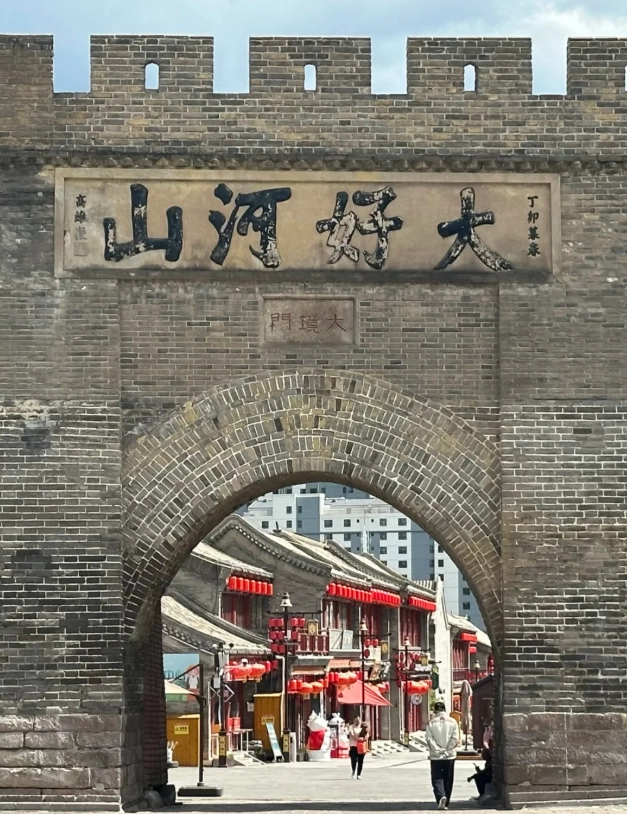
Getting Around Hebei: Trains, Buses, and Cash Tips
Hebei’s high-speed rail network is your best friend. Trains link Beijing with Chengde, Qinhuangdao, Zhangjiakou, and Xingtai, among others. You can search schedules and buy tickets through the official China Railway website, but the English interface is clunky. I always use Trip.com or C-Trip to book train tickets with my passport; it adds a small fee but saves you from a Mandarin-only interface. Remember to carry your passport to the station — it is required for ticket verification and security.
Once you’re out of the main cities, public buses are cheap but not foreigners-friendly. They often have no English signs and announcements only in Chinese. In Chengde and Qinhuangdao, I rely on ride-hailing apps like DiDi. DiDi works with an international credit card if you link it to your Alipay account; if you haven’t set that up, you can ask your hotel to call you a taxi. Always have the address written in Chinese to show the driver.
Here’s the catch: Google Maps is blocked in China and even when you use a VPN, it’s inaccurate on Chinese roads. Download Apple Maps or Amap (the Chinese equivalent) before your trip. In Amap, you can search by typing the Chinese characters of your destination, so keep a screenshot or a list of Chinese addresses. Also, keep some RMB cash on you. Large hotels and the railway station accept cards, but rural ticket booths and small restaurants often don’t. At many scenic areas, Alipay and WeChat Pay are the only non-cash options, so set both up with a foreign card before arriving.
Where to Eat and Stay in Hebei (Local Secrets)
I won’t give you a fake “hidden gem” list — I’ll give you the exact dishes and neighborhoods that tourists miss. In Chengde, look for a local chain called “Chengde Mian Guan” (承德面馆) for hand-pulled noodles with beef and mushrooms. The seasoning is moderately salty, and you’ll see locals eating there at 7 AM. It’s cash-friendly but also takes Alipay. In Shanhaiguan, try “Crispy Fish Noodles” (酥鱼面) — the fish is cooked with soy sauce and slightly sweet, a local specialty. You’ll find small family shops on the old street. For vegetarian travelers, most noodle shops can make a mushroom or vegetable version, but always ask “bu yao rou” (no meat).
For accommodation, Hebei has a growing number of quality options. In Chengde, the “Landscape Hotel” near the Mountain Resort goes for 300–500 RMB per night. It has Wi-Fi (a bit slow) and staff who speak basic English. For a more local feel, stay in a farmhouse near Jinshanling — the owners often cook dinner for guests and offer a hot breakfast for 100–150 RMB per person. Just be prepared for squat toilets and no elevator in most cases. In Qinhuangdao, consider a hotel on the seaside promenade, but avoid the tiny private inns, which can be noisy and poorly soundproofed.
One thing I always tell my clients: Hebei’s food is heartier than Beijing’s. You’ll find lots of wheat-based dishes, mutton, and pickled vegetables. If you have dietary restrictions, carry vegan-friendly snacks from home as a backup, because small shops rarely have English labels.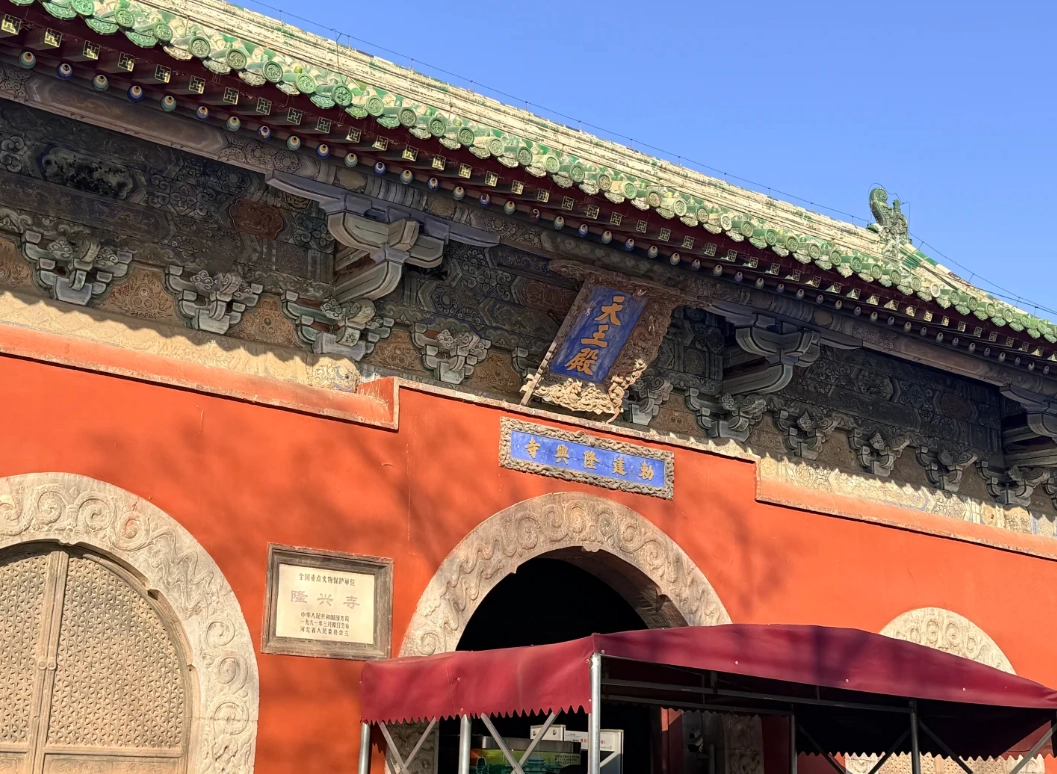
Hebei Travel FAQs: Your Biggest Questions, Answered
This content has been fact-checked by the editorial team to ensure informational precision.





No comments yet.