 Qiang Huang
Quick Guide: What You'll Find Below
Sorry, not sorry, but Shandong is criminally underrated. I've taken hundreds of travelers to Beijing and Xi'an, yet most fly home without touching this eastern powerhouse. That's a mistake. So, is Shandong worth visiting? In my nine years as a China travel guide, I've seen jaws drop at Mount Tai's sunrise and at Qingdao's beer-soaked streets. Yes, it's worth it—but only if you know where to go and what to skip. Here's the deal: you need at least five days to scratch the surface, and the high-speed rail network makes it ridiculously easy to link cities. Now let me show you exactly how.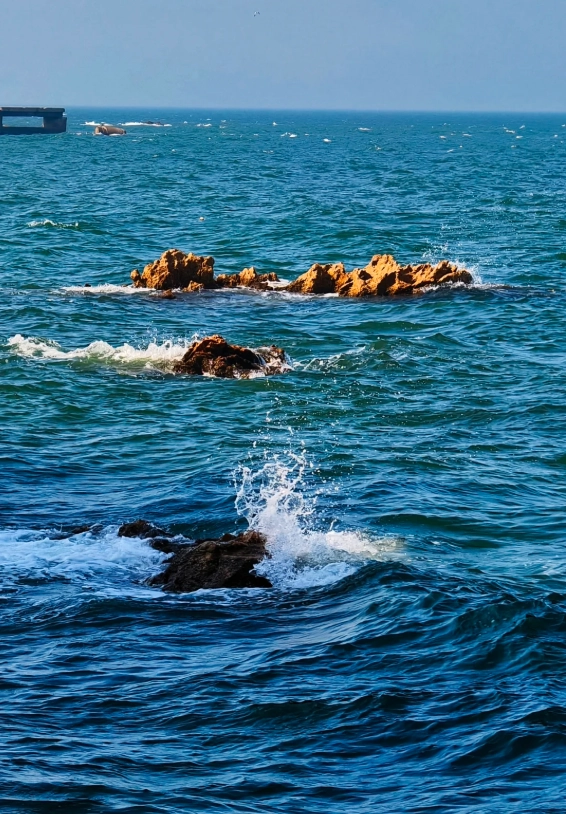
Why Shandong Is Worth Visiting
When I first moved to China, I followed the classic Beijing–Xi'an–Shanghai route. It wasn't until my third year that a Shandong local dragged me to his hometown. I was blown away. Here's why Shandong rarely disappoints: it packs several 'Chinas' into one province.
Mount Tai single-handedly rewrites your sense of scale. Climbing 7,000 stone steps toward the sunrise feels like a pilgrimage—because it has been one for over 3,000 years. Confucius himself reportedly stood on the peak and declared the world small. UNESCO lists Mount Tai as a World Heritage Site for both natural and cultural significance, so you know it's not just a tourist trap.
Qufu is where Confucian thought took shape. Walking through the Temple of Confucius, with its centuries-old cypress trees, I've watched even history-bored teenagers pause in silence. The UNESCO World Heritage listing here protects the three main sites: the temple, the mansion, and the cemetery.
And then there's Qingdao. Germans built a brewery and a fishing village into a seaside metropole. The result is a city that feels like a Mediterranean port with Chinese efficiency. The beer flows, the beaches buzz, and the old European architecture adds a layer you won't find anywhere else in China.
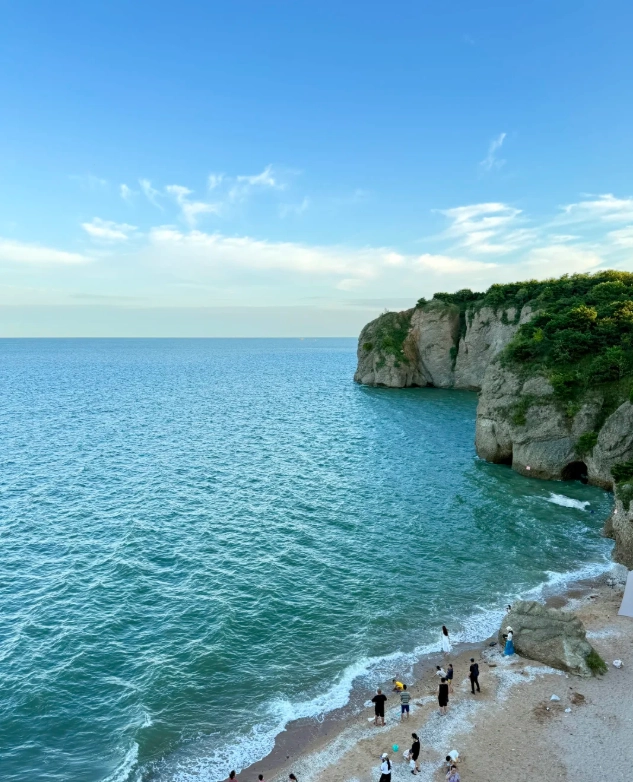
But Shandong isn't a museum exhibit. It's alive. In Jinan, locals still fetch spring water daily from Baotu Spring. In Weihai, you'll find some of China's cleanest beaches, often empty outside June–August. Even Zibo, once the capital of the ancient Qi state, surprises with a stunning underground museum.
Is Shandong worth visiting? For travelers who want depth without the crush of Beijing's crowds, my answer remains a resounding yes.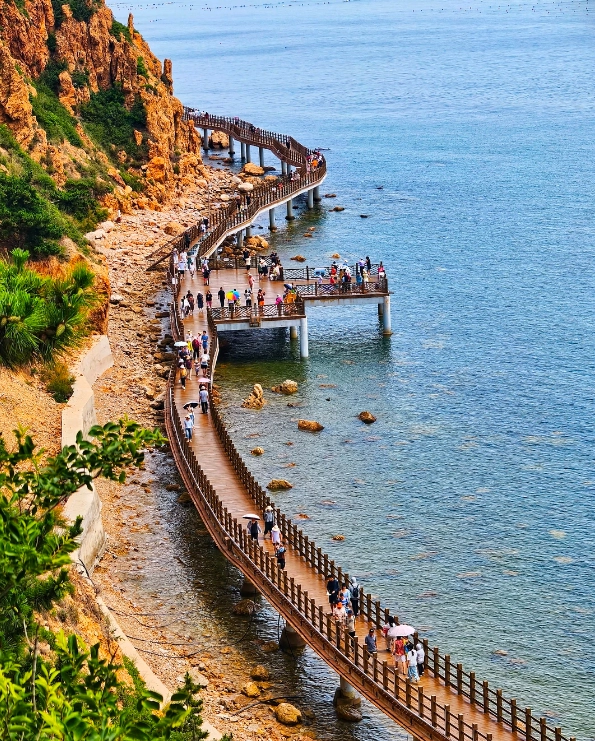
Top 7 Sights in Shandong You Can't Miss
Here are my personally vetted picks, with the logistics you need to plan around. Ticket prices and hours fluctuate by season, so I've given ballpark figures—always double-check on official WeChat accounts or the excellent Trip.com English site.
| Attraction | Admission (approx.) | Opening Hours | Suggested Time |
|---|---|---|---|
| Mount Tai | ~115 CNY | 24h trails; cable car 6:30-18:00 | 1 day |
| Qufu (Temple, Mansion, Cemetery) | ~140 CNY combo | 08:00-17:30 | Half day |
| Qingdao (beer museum, old town) | ~60 CNY (museum) | 08:30-17:00 | 1-2 days |
| Jinan (Baotu Spring) | ~40 CNY | 07:00-19:00 (summer) | 2-3 hours |
| Weihai (Liugong Island) | ~31 CNY (incl. ferry) | 08:30-17:00 | Half day |
| Yantai (Penglai) | ~100 CNY | 08:00-18:00 | Half day |
| Zibo (Qi Culture Museum) | Free | 09:00-17:00 (Mon closed) | 2-3 hours |
1. Mount Tai – The Sacred Peak That Defines China
I've climbed this mountain maybe 30 times, and I still get goosebumps when the sun crests the horizon from the South Heavenly Gate. Most travelers rush a day trip, but that's a rookie mistake. The insider move is to start climbing in the late afternoon, sleep at the summit (book a bed in a temple guesthouse), and watch sunrise before descending by cable car. This way you dodge the crowds and the brutal midday heat, which is a serious consideration in summer. Bring layers—it gets cold at 1,500 meters even in July. For logistics: the Red Gate entrance is the classic hike start, while Tianwaicun has a bus up to Midway Gate. From Tai'an high-speed rail station, a taxi to either entrance runs about 20 minutes and 25 CNY. Don't be fooled by touts at the station offering “express tickets” — they'll just bundle a bus you could catch yourself for 5 CNY.
2. Qufu – Step Into Confucius's Hometown
Qufu is a small city that lives and breathes its greatest son. The Temple of Confucius is vast and serene; I love bringing groups here early morning, right as the doors open, because the light filters through the ancient cypress groves and the only sound is the rustle of leaves. The adjacent Confucius Mansion shows how the family lived for centuries, and the cemetery (Kong Lin) is a peaceful forest of stone tombs. All three sites require the combo ticket, but for many, the temple alone is enough. Qufu East station connects to the high-speed network, and a taxi into town takes 15 minutes. If you have extra time, the Confucius Museum is modern and free—a hidden gem that opened recently, with state-of-the-art exhibits.
3. Qingdao – Beer, Beaches, and German History
Qingdao is the cure for travelers who think northern China is all dust and history. The city center, with its German-era buildings, red roofs, and coastal roads, feels like a European postcard. The must-do is the Tsingtao Beer Museum—yes, it's touristy, but you get to sample fresh beer straight from the production line, and the history of Chinese-German interaction is genuinely fascinating. Afterward, walk along the boardwalk to the May Fourth Square and find a casual seafood restaurant. Insider tip: the old German governor's residence is often empty but architecturally stunning. For transport, the metro is easy to navigate, and taxis are cheap. Avoid the August Beer Festival crowds unless you're into wall-to-wall tourists; May-June and September-October are golden.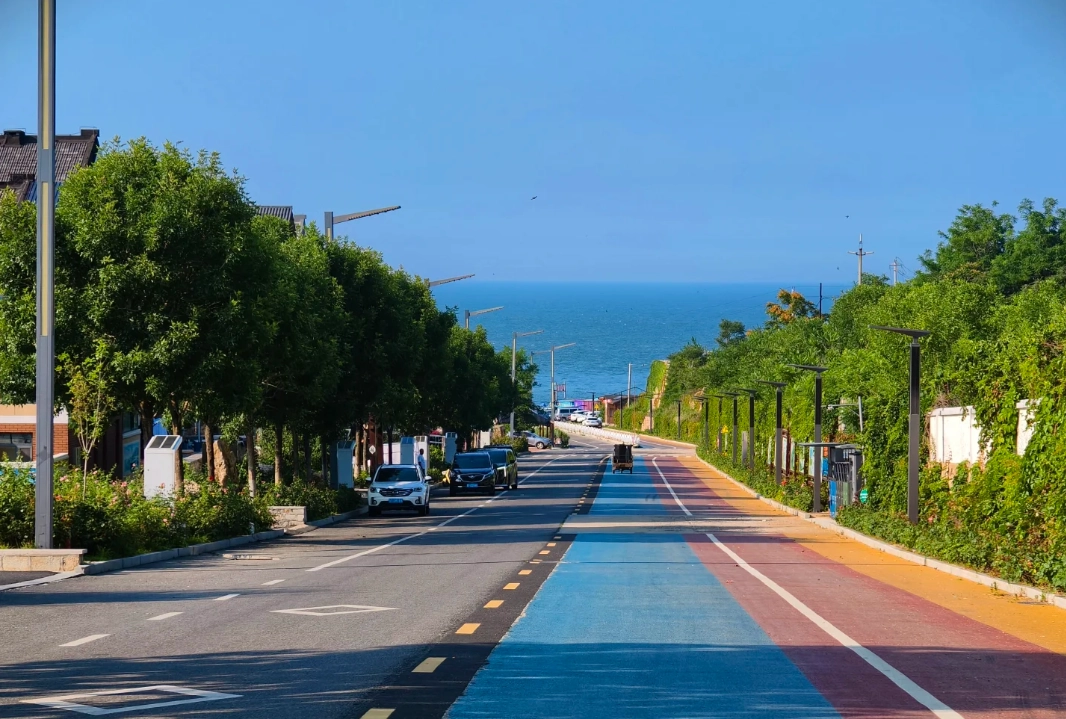
4. Jinan – The City of Springs
Jinan's nickname is “Spring City” and for good reason—artesian springs bubble up all over the urban core. The top site is Baotu Spring, where the water literally leaps out of the ground. It's touristy, but the experience of seeing locals fill jugs with spring water is unique. I always tell visitors to walk to the nearby Black Tiger Spring (free) and over to Daming Lake, which is huge and free. The spring water is so pure that the hotel restaurants in the area use it to brew tea. The city is also a transport hub, with high-speed trains to all major Shandong cities. You can easily do a day trip from Beijing—it's just 1.5 hours on the bullet train.
5. Weihai – Where the Sea Meets History
Weihai, on the northeastern tip of the peninsula, is often skipped, but that's exactly why I love it. The star attraction is Liugong Island, where the Beiyang Fleet was stationed during the First Sino-Japanese War. The island has old naval barracks, a memorial hall, and peaceful walking paths with sea views. The ferry ride itself is scenic. Outside of summer weekends, you'll have the island almost to yourself. The city's beaches are among the cleanest in China—perfect if you're craving a chill day after all the temples and mountains. Weihai station is connected by high-speed rail, and a taxi to the port costs around 20 CNY.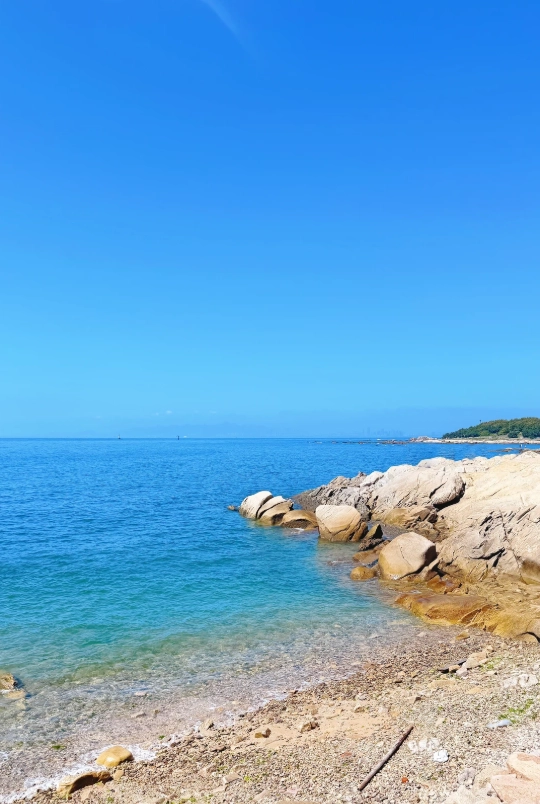
6. Yantai (Penglai) – Mythical Islands and Magical Vistas
Penglai, part of Yantai's jurisdiction, is famous in Chinese mythology as the home of the Eight Immortals. Even if you're not into legends, the Penglai Pavilion is an architectural masterpiece perched on a cliff above the sea. On clear days, you can see the Bohai Strait and, if luck strikes, a mirage—the locals will tell you it only appears for the virtuous, so don't hold your breath. The site covers a large area with temples, gardens, and a museum. Coming from Yantai city, take a bus or train to Penglai station (about 1 hour). The entrance fee is steep, but the views justify it for most visitors.
7. Zibo – The Underground Heart of Ancient Qi
Zibo might be the biggest surprise on this list. The Qi Culture Museum is built partially underground, showcasing the relics of the State of Qi, one of the most powerful kingdoms during the Spring and Autumn period. Fascinating displays include bronze chariot artifacts and ancient weaponry. It's free, modern, and rarely crowded. After the museum, walk to the adjacent Linzi Ancient City ruins for a taste of history that's still being excavated. Zibo is a quick high-speed hop from Jinan (30 minutes), making it an easy detour.
How to Get Around Shandong: High-Speed Rails, Buses, and Car Rentals
Shandong is one of China's most connected provinces, which is part of why I always call it an easy add-on to any trip. The high-speed rail (HSR) network links every major city, with frequent departures. I recommend booking tickets via the official 12306.cn website or the Trip.com app—both have English versions. You'll need your passport number to buy a ticket, and you'll use that same passport to board. Show up early because security checks can eat up 20-30 minutes.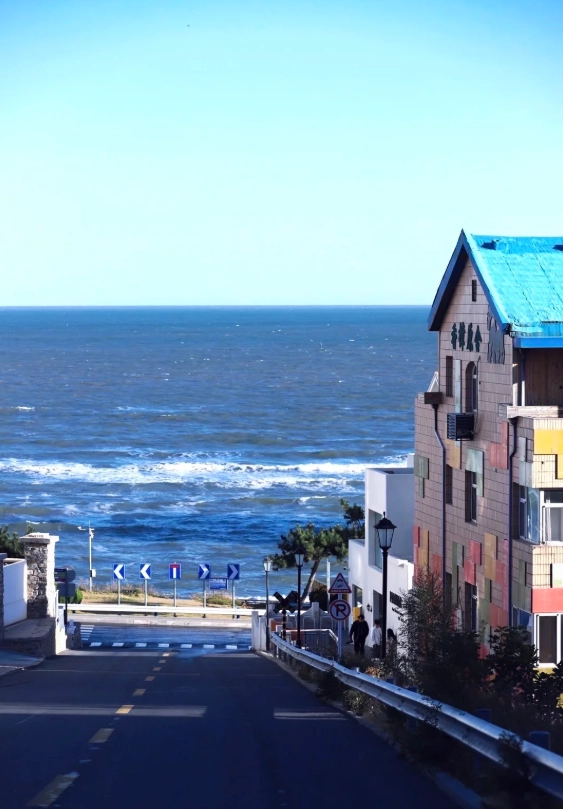
| Route | High-Speed Rail Cost (2nd class) | Duration | Taxi Cost (estimated) | Best Option |
|---|---|---|---|---|
| Beijing–Jinan | ~184 CNY | 1.5–2 hrs | N/A | HSR |
| Jinan–Tai'an | ~30 CNY | 20 mins | ~80 CNY | HSR |
| Tai'an–Qufu | ~50 CNY | 30 mins | ~120 CNY | HSR |
| Qufu–Qingdao | ~120 CNY | 2–2.5 hrs | N/A | HSR |
| Qingdao–Weihai | ~80 CNY | 1–1.5 hrs | ~300 CNY | HSR |
| Weihai–Yantai | ~25 CNY | 20 mins | ~100 CNY | HSR or bus |
For shorter hops, the new HSR lines make buses and private cars inconvenient. However, if you want to explore rural areas or off-the-beaten-path villages, consider hiring a driver for a day (about 500–800 CNY). Train stations in Shandong are typically modern and bilingual, but signage outside can be sparse—save the Chinese text for your destination in your phone at all times.
Best Time to Visit Shandong: Seasons, Crowds, and Weather
Shandong has a temperate climate with four distinct seasons. From my experience, the sweet spots are April–May and September–October. The temperatures are pleasant, and the humidity is low. Summer (June–August) gets hot and crowded, especially at coastal resorts like Qingdao and Weihai. That said, the sea breeze keeps coastal cities cooler than inland Beijing. Winter (November–March) brings freezing temperatures and occasional snow, but the big indoor attractions like the Qi Culture Museum and Confucian sites remain open, and prices drop significantly.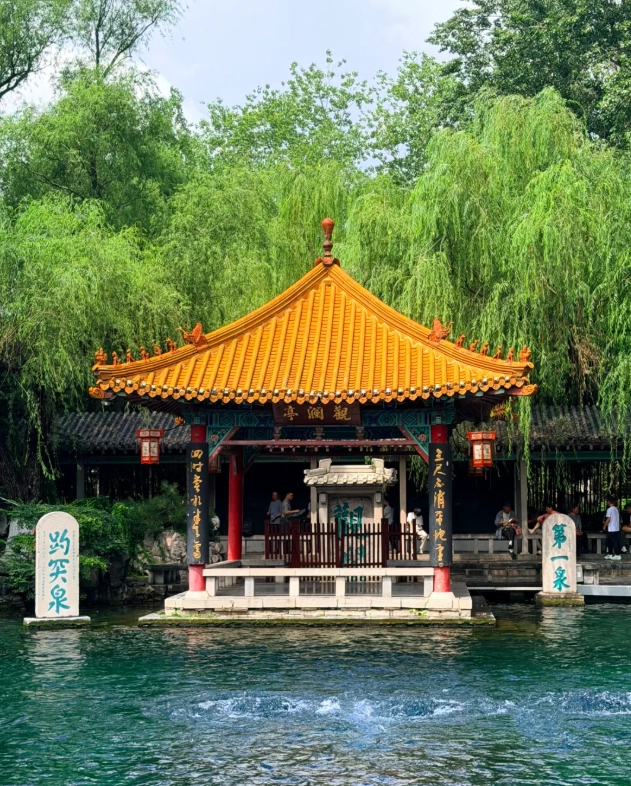
Pro Tip: Avoid the Chinese National Day holiday (first week of October) at all costs. The Great Wall of people climbs Mount Tai that week, and every hotel in Qufu triples its rates. I once got stuck in a cable car queue for three hours on October 2nd. Trust me, it's not worth it.
Shandong on a Budget: What It Really Costs
Shandong is more affordable than Beijing or Shanghai, especially for food and accommodation. A mid-range hotel in a city like Jinan costs around 250–400 CNY per night; in Qingdao, expect 300–500 CNY near the coast. Hostel dorms run 80–120 CNY. For meals, a bowl of local noodles at a street stall costs 15–30 CNY, while a sit-down dinner with several dishes in a restaurant runs 80–150 CNY per person.
- Accommodation: Budget 150–300 CNY/day for a decent twin room.
- Food: 80–150 CNY/day if you stick to local favorites like jianbing (savory crepes), Shandong dumplings, and fresh seafood.
- Transport: HSR tickets add up quickly, but you can save by taking slow trains for short distances.
- Entrance fees: The top sights cost 40–140 CNY, but many parks and beaches are free.
Perfect 5-Day Shandong Itinerary
This is the route I recommend for first-timers. It's Jampacked but doable, with a mix of ancient culture, nature, and coastal relaxation.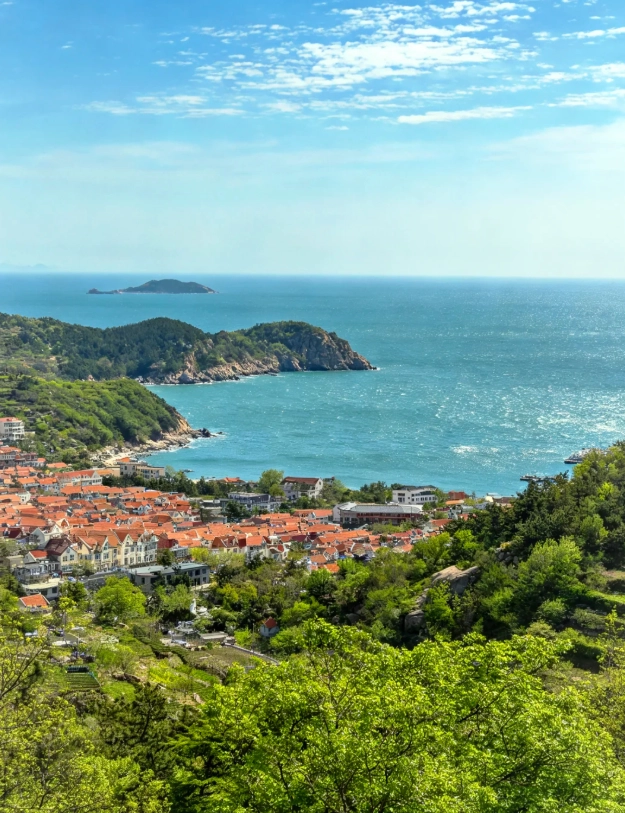
Day 1: Arrive in Jinan, Explore Springs
Land at Jinan International Airport or take the HSR from Beijing. Morning: visit Baotu Spring and Black Tiger Spring. Afternoon: walk around Daming Lake and have lunch at a local restaurant serving roast chicken with rice. Evening: take the HSR to Tai'an (20 mins) and check into a hotel near Mount Tai. Enjoy an early dinner of spicy hotpot to fuel tomorrow.
Day 2: Mount Tai Sunrise and Trek Down
Start hiking from Red Gate at 1:00 AM, aiming for the South Heavenly Gate by 5:30 AM. Watch sunrise from Sun Viewing Peak. After breakfast, descend via cable car and bus from Midway Gate to Tianwaicun. Rest in Tai'an for a few hours, then take the HSR to Qufu (30 mins). Visit the Temple of Confucius in the late afternoon. Overnight in Qufu.
Day 3: Confucius Mansion & Cemetery, Then Train to Qingdao
Morning: explore the Confucius Mansion and Cemetery. Get an early lunch of local dumplings. Catch a morning HSR to Qingdao (approx. 2 hours). Afternoon: walk the coastal path from Zhanqiao Pier to May Fourth Square. Evening: visit the Tsingtao Beer Museum for a sunset beer tasting. Overnight in Qingdao.
Day 4: Qingdao Old Town and Coast
Morning: stroll through the former German concession area, visit the Catholic Cathedral and the Governor's Residence. Afternoon: take a bus to Laoshan Mountain or relax at Qingdao's beach. I personally prefer a leisurely day at No. 1 Bathing Beach, where you can rent a beach chair for a few yuan. Evening: enjoy fresh seafood at a restaurant near the dock.
Day 5: Departure or Add-On
If you're flying out of Qingdao, use the morning for last-minute souvenir shopping at the old seafood market. If you have extra days, consider extending to Weihai or Yantai. Alternatively, train back to Beijing for your international flight.
Practical Tips for Foreign Visitors to Shandong
Here are the wisdoms I've collected from years of guiding:
- Payment: Get Alipay or WeChat Pay set up before you arrive. International Visa/Mastercard cards work at major hotels, but not at small restaurants or taxis. I always carry 200-300 CNY in cash as a backup.
- Navigation: Google Maps is unreliable in China. Use Apple Maps or download AMap Global (GaoDe). The app displays English names and public transport routes, and you can show the Chinese address to your taxi driver.
- Booking attractions: Many sites require advance reservation with your passport. For Mount Tai and Qufu, book through the official WeChat mini-program or use Trip.com for an English interface.
- Language: Learning a few Mandarin phrases helps. Most hotels and tourist offices have some English, but taxis and local eateries don't. Use a translation app like Apple Translate or Baidu Translate.
- VPN: Prepare your VPN in advance so you can access Google, Facebook, and Instagram without interruption.

Frequently Asked Questions
Is Shandong worth visiting if I only have a week in China?
Yes, and it's actually better than adding a third city to a classic Beijing-Xi'an route. With 7 days, you can easily combine Beijing with Shandong's Jinan, Tai'an, and Qufu via high-speed rail. You'll see the Great Wall one day and Confucius's hometown the next, with far fewer crowds than Xi'an.
Is Shandong worth visiting with kids? Which attractions work best?
Absolutely. Kids love the cable car at Mount Tai, the seaside vibe of Qingdao, and the quirky Qi Culture Museum in Zibo. The secret is to balance cultural sites with beach and beer-garden breaks. Also, many major sights allow children under 1.2 meters to enter free, so bring their passports for age verification.
Is Shandong worth visiting in winter? What's open?
Winter has its charm—there are few tourists and prices are low. The indoor museums and the Confucius Temple remain open. Just note that Mount Tai often closes the summit trails due to snow, so check with your hotel or the official hotline first. If you're lucky, you'll catch a snow-blanketed Confucius Temple—it's stunning.
Is Shandong worth visiting for food lovers?
Shandong is the birthplace of Lu cuisine, one of China's eight great regional cuisines. That alone makes it a foodie destination. Don't miss the sweet-and-sour carp, braised sea cucumber, fresh oysters from Weihai, and the legendary Jianbing (savory crepes) from Jinan. Local street markets are your best bet for authentic flavor.
Verified and fact-checked by the editorial team.







No comments yet.