 Chen Liu
Quick Look: Where to Spend Your Time
- What to Do in Haikou: Start with the Historic Qilou Arcades
- How to Visit the Haikou Volcanic Cluster Geopark
- Where to Beach-Hop: Holiday Beach and Beyond
- What to Eat in Haikou: Seafood, Hainan Chicken Rice & Late-Night Shifts
- How to Plan a 3-Day Haikou Itinerary
- Practical Tips for Foreigners: Money, Maps, and Getting Around
- FAQ: Your Haikou Questions Answered
Sunburnt by noon. Sticky plastic chairs by dusk. My first Haikou trip was a blur of that. But after years of guiding foreigners through this tropical capital, I've learned the real charm hides in the old arcades and volcanic craters. If you're wondering what to do in Haikou beyond the obvious beach day, you're on the right track. The biggest mistake I see travelers make? They sleep through the morning and miss the volcano park when it's cool. So here's the honest truth: your best Haikou day starts at 8 a.m. at the volcanic geopark, not the beach. And dinner? Skip the tourist traps near the hotel — walk ten minutes to a local dai pai dong where you'll share plastic tables with Hainanese families.
Let's map out your Haikou time properly.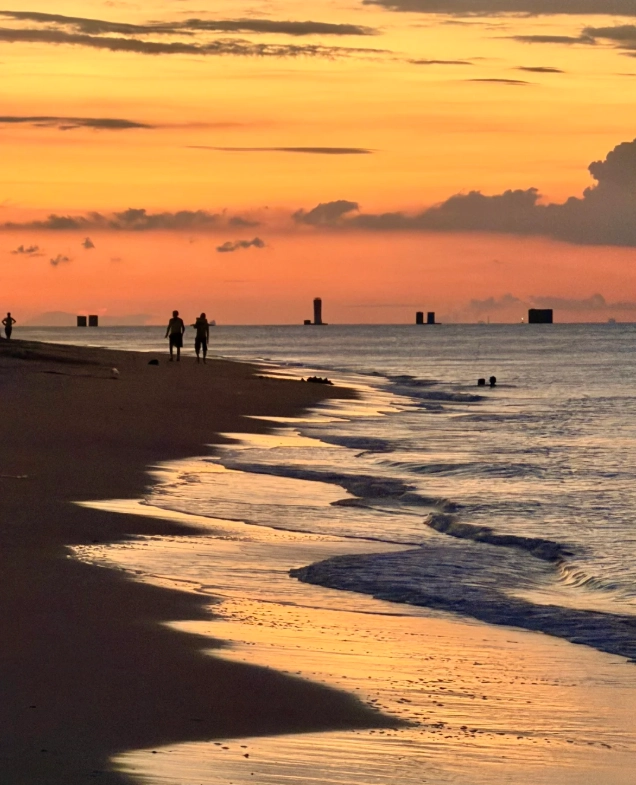
What to Do in Haikou: Start with the Historic Qilou Arcades
You'll most likely start your Haikou trip in the old quarter. The Qilou (arcade) streets are the soul of the city, with painted facades and narrow lanes stretching for about six blocks around Jiefang West Road and Bo'ai Road. Wander aimlessly — that's the best way to stumble upon hidden temples, medicine shops, and coffee stalls that have been there for decades.
I always bring my group here at 8 a.m. — the light hits the pastel facades perfectly, and you'll have the street almost to yourself. By 10 a.m., the tour groups arrive and the heat kicks in. If you're into photography, aim for the alley behind the old clock tower; it frames the arcades without the vending carts in your face.
Here is the catch: many antique-looking items sold on the main street are mass-produced. For genuine local life, duck into a side alley called 水巷口 (Water Alley), a 5-minute walk east. That's where the local breakfast shops serve their fiery 辣汤饭 (spicy rice soup) — a salty, peppery broth that will wake you up better than coffee.
Pro Tip: The Qilou area is free to enter, but some smaller private galleries may charge a small fee. Always ask before entering.
How to Visit the Haikou Volcanic Cluster Geopark
The Haikou Volcanic Cluster Geopark (海口火山群世界地质公园) sits about 15 kilometers southwest of downtown. It's a rare spot where you can walk around a dormant volcanic cone — though it looks more like a lush rainforest with a crater bowl than anything scary.
Get here early — the park opens at 8:00 a.m., and the ticket office rarely has a line before 9 a.m. Admission is around 60 RMB per adult (children under 1.2 meters go free), but the price can change, so check with your hotel or on Trip.com. You'll need your passport to buy tickets — they often require it for local tourist-zone entry.
To get there: take a Didi (the Chinese Uber) from downtown. It's about a 30-minute ride and should cost 40–60 RMB each way. There's also a tourist bus line that runs from the city center, but it's infrequent and stops at several hotels first. If you're on a budget, ask your hotel front desk to write the Chinese address for your driver.
Plan 2–3 hours for the walk up to the crater rim and down into the lava tunnels. The path is well-maintained but steep in places — wear sneakers, not sandals. Bring water; there are few rest stops after the entrance.
Insider Advice: The best photos happen at the summit around 10 a.m., after the morning haze burns off. By midday, the sun gets brutal with very little shade.
Where to Beach-Hop: Holiday Beach and Beyond
Haikou isn't a beach destination in the same way Sanya is, but that doesn't mean you should skip the coast. Holiday Beach (假日海滩) is the most accessible stretch — free, open all day, and packed with families on weekends. The sand is average, and the waves are strong; swim only in the designated areas. Lifeguards are on duty during daylight, but they're less visible at sunset.
I often take my clients there in the late afternoon, around 4 p.m., when the sun softens and the water feels warm. The barbecue stalls by the beach start smoking around 5 p.m., and you can grab a grilled oyster or two for a few yuan each.
If you want a quieter shoreline, walk east to the less-developed stretch near Xixiu Beach (西秀海滩). It's a 20-minute stroll along the promenade, and you'll find fewer vendors and more locals jogging.
Note: There's no entrance fee, but parking is a hassle. Take a Didi or ask your hotel for the nearest bus stop to Holiday Beach; the ride from downtown takes about 20 minutes.
If you're short on time, here's a quick cheat sheet for the three big hitters: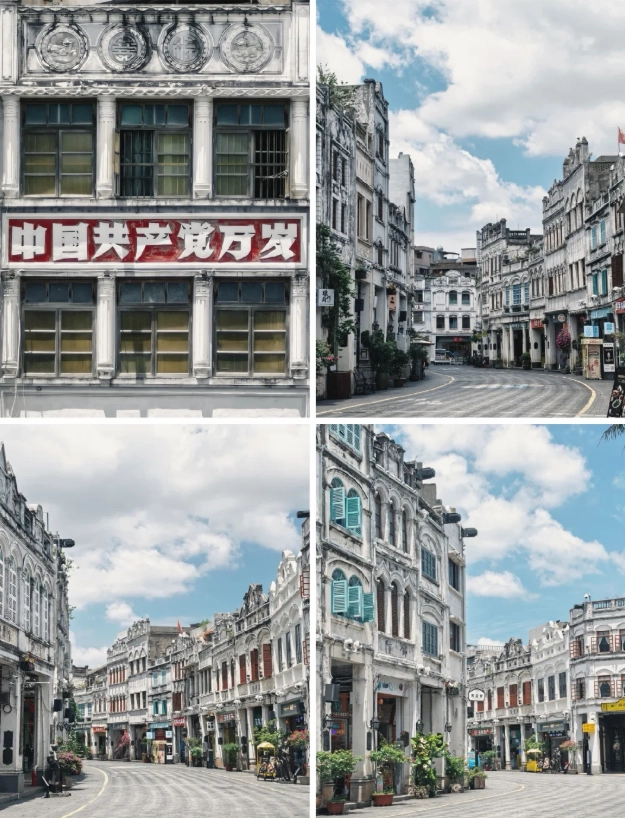
Quick Comparison of Haikou's Top Attractions
| Attraction | Admission | Opening Hours | Recommended Time |
|---|---|---|---|
| Qilou Arcades | Free | 24/7 (shops vary) | 2 hours |
| Volcanic Geopark | Around 60 RMB | 8 a.m. - 6 p.m. | 2-3 hours |
| Holiday Beach | Free | 24/7 | 2 hours |
What to Eat in Haikou: Seafood, Hainan Chicken Rice & Late-Night Shifts
Haikou's food scene is a raw, loud celebration of tropical flavors. The classic evening move is to hit a seafood market, pick your own catch, and have a nearby stall cook it. Head to the 丁村万人海鲜广场 (Dingcun Seafood Square) if you want an organized, tourist-friendly experience with English signs on some stalls. Prices are fair — you should pay around 80–120 RMB per person for a full spread of prawns, clams, and a whole fish, plus cooking fee.
Seafood Markets: Where the Locals Go
The Dingcun Seafood Square is my go-to for first-timers because it's organized and has some English menus. Prices are decent; a two-person seafood dinner runs about 100–150 RMB including cooking.
Must-Try Dishes Beyond the Usual
Don't leave without trying 清补凉 (coconut dessert soup) and 虾饼 (shrimp pancake). The former is a sweet, milky soup with taro and beans — perfect for the heat. The latter is a crispy, savory cake with whole shrimp inside, best from a street vendor.
For lunch, you can't leave Hainan without trying 文昌鸡 (Wenchang chicken) served with rice cooked in chicken fat and ginger. The best versions are at small rural-style restaurants; look for the ones with the most scooters parked outside. I always order the chicken with a side of 鸡油饭 (chicken oil rice) and a bowl of 清补凉 (a sweet coconut-based dessert soup with fruit and beans).
At night, walk down Jiefang West Road and you'll see stalls selling grilled squid, scallion pancakes, and sugarcane juice. Try the 虾饼 (shrimp pancake) from a vendor who fries them fresh — it's better than any sit-down version.
Pro Tip: Most food stalls accept only mobile payment (WeChat Pay or Alipay). Set up your international card inside these apps before you travel. Cash is rarely accepted, and if it is, you'll get a handful of dirty notes back.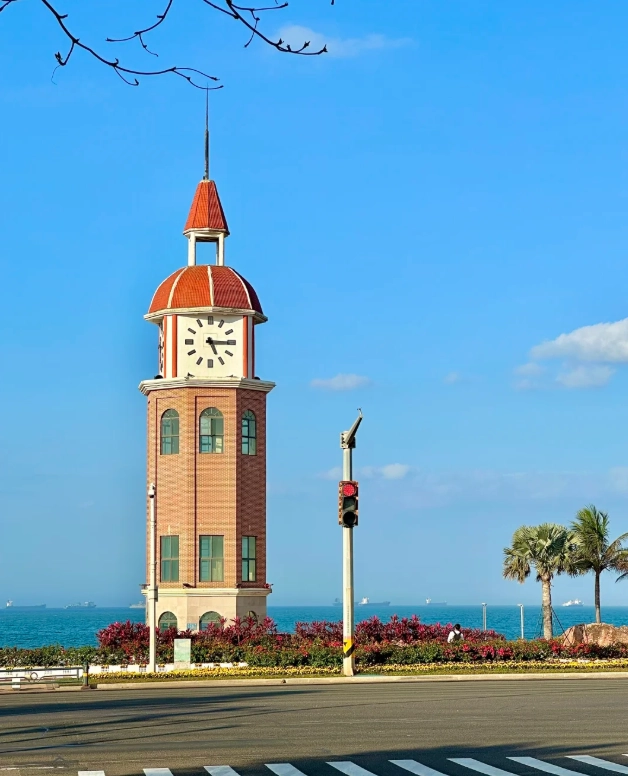
How to Plan a 3-Day Haikou Itinerary
Here's a realistic framework I use with my guests — it balances the must-sees with slow mornings and good meals. Adjust based on your energy.
Day 1: Old Haikou & City Vibes — Morning at Qilou Arcades (2 hours), then walk 15 minutes to the Hainan Provincial Museum (free, but you'll need your passport to register at the entrance; closed on Mondays). Afternoon: Check out the Binhai Avenue promenade and relax at Holiday Beach for sunset. Dinner at a local seafood stall near the beach.
Day 2: Volcano & Nature — 8 a.m. departure for the Volcanic Cluster Geopark (spend 3 hours). On the way back, stop at the 石山镇 (Shishan Town) for a village-style lunch before heading back. Afternoon: Free time for a nap or a coffee at one of the industrial-chic cafes near Nanyang Avenue. Evening: try the 清补凉 at 海大夜市 (Hainan University Night Market) — a bustling area with dozens of food stalls.
Day 3: Local Life & Farewell — Morning: Visit the Wanlv Park (万绿园) for a morning jog or picnic. Then explore the neighborhood around 得胜沙路 (Deshengsha Road) for fabric and traditional medicine markets. Afternoon: Take a Didi to the 观澜湖 (Mission Hills) area for a Western-style cafe or the hot springs if you want to splurge. Fly out that evening.
This pacing avoids the rushed tour-bus feeling. If it rains (which it often does in summer), swap the outdoor spots for the Hainan Museum or the indoor sections of Qilou.
Practical Tips for Foreigners: Money, Maps, and Getting Around
First, let's deal with money. You can't pay with cash easily in Haikou. Vendors and even some taxis expect mobile payment through WeChat Pay or Alipay. Download both apps and link your international credit card (Visa/Mastercard often work with Western bank-issued cards). If you prefer cash, carry small denominations (10/50 RMB notes) because many places can't give change for larger bills.
Payment: Mastering WeChat and Alipay
Link your international card to both apps before you fly. Test a small transaction to ensure it works. Some vendors scan your QR code, others have you scan theirs — practice both.
Getting Around: Didi vs. Taxi
Didi is usually cheaper and lets you set the route in English. Hail a taxi if you see one empty, but confirm the meter is running. The subway line is short and only useful for specific routes. For intercity train routes, use the official China Railway website (www.12306.cn) to book tickets in advance.
Second, navigation. Google Maps is blocked and often inaccurate in China. Use Apple Maps (which relies on local data) or download the overseas version of AMap (高德) called "AMap Global" from the App Store. I also keep a translated PDF of key addresses — show it to your taxi driver if you don't speak Chinese.
Third, getting around. Didi is the easiest option — it's like Uber but with a Chinese interface. Scroll down to the English version in the app menu. Hail a taxi on the street if you prefer — make sure the meter is on. The city's single subway line is limited, so buses are your budget friend, but routes are hard to decipher in English.
Fourth, visa rules. Depending on your nationality, you may be eligible for the 144-hour visa-free transit or a standard tourist visa. Check the latest regulations on the National Immigration Administration website (www.nia.gov.cn) before booking.
Finally, internet. Prepare a VPN before you land; otherwise, you'll be cut off from Google, WhatsApp, and Instagram. Free public Wi-Fi exists but usually requires a Chinese phone number.
FAQ: Your Haikou Questions Answered
This content has been fact-checked to ensure informational precision.








No comments yet.