 Fang Wang
Jump Right In — My Shandong Highlights
- Why Shandong Should Be Your Next Chinese Escape
- How to Get Around Shandong Without Losing Your Mind?
- Top Thing #1: Hike Mount Tai and Catch the Sunrise
- Top Thing #2: Walk in Confucius's Footsteps in Qufu
- Top Thing #3: Get Lost in Qingdao's Coastal Charm
- Top Thing #4: Float Through the Springs and Rills of Jinan
- Top Thing #5: Savor the Catch of the Day in Yantai or Weihai
- Top Thing #6: Step Back in Time Along the Great Wall of Qi
- Top Thing #7: Explore Zibo's Ancient Streets and Museums
- Top Thing #8: Relax on Rizhao's Pristine Beaches
- What Should You Know Before Visiting Shandong?
- FAQ: Your Top Questions About Shandong Travel
Ever wanted to stand where ancient emperors worshipped Heaven? Or slurp a broth so rich you'll dream about it for years? Shandong isn't just another Chinese province — it's the birthplace of Confucius, the home of the most sacred Taoist mountain, and a coastline that would make any Mediterranean resort jealous. But here's the catch: most foreign visitors miss the real Shandong because they follow outdated forums. So I'm here to fix that. I've guided trips across this province for over a decade, and I'm going to give you the true top things to do in Shandong — without the tourist-trap madness.
Why Shandong Should Be Your Next Chinese Escape
Think of Shandong as China in miniature. You get the towering Mount Tai, ancient walled cities, buzzing beach towns, and some of the country's best seafood — all within a few hours by bullet train. Yet it's noticeably less crowded than Beijing or Shanghai. The high-speed rail network connects everything, so you can hop from a mountain sunrise to a Confucian temple to a seaside beer hall in a single day. For foreign travelers, Shandong offers an authentic slice of China without the overwhelming chaos. Back in 2019, China's National Immigration Administration introduced visa-free policies for many countries, and the 144-hour transit visa makes it even easier to squeeze in. Pro tip: don't try to see the whole province in one trip — pick two or three regions and go deep.
How to Get Around Shandong Without Losing Your Mind?
High-speed rail is your best friend. From Beijing to Jinan takes only 1.5 hours; from Shanghai to Qingdao about 4.5 hours. Book tickets through the China Railway official website — it has an English interface. For local travel, Didi (the Chinese Uber) works everywhere. Just make sure your Alipay or WeChat Pay is set up. Important: Google Maps is unreliable in China; download AMap (高德地图) or Apple Maps before you arrive. I always tell my clients to have a business card with the Chinese name of their destination — it makes taxi hailing a breeze. And if you're planning to visit multiple cities, the Shandong Tourism Pass might save you money, though you'll need to verify current details online.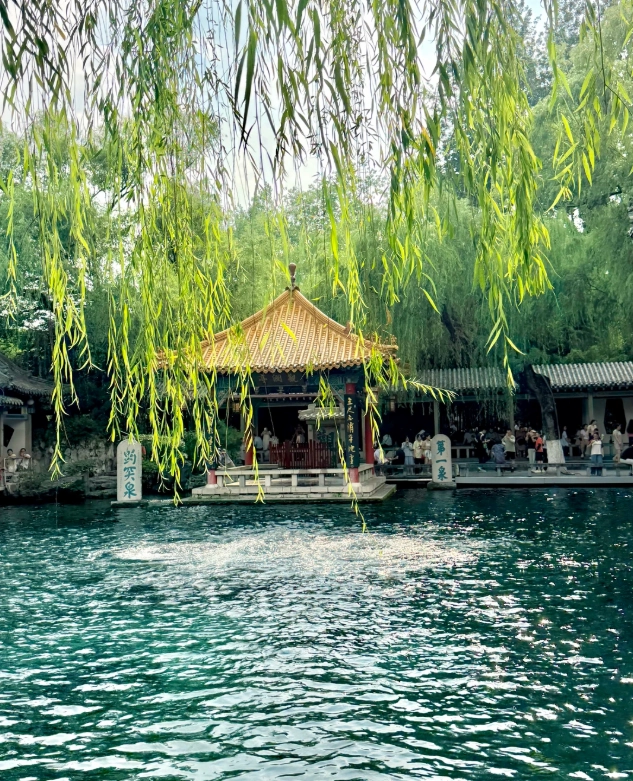
Top Thing #1: Hike Mount Tai and Catch the Sunrise
Mount Tai (泰山) is the most climbed mountain in China, and for good reason. Emperor after emperor made pilgrimages here to worship heaven. The sunrise from the summit is a bucket-list experience, but let me save you a headache: most tourists start climbing at 2 a.m. in a sweaty, headlamp-lit parade. I've done that once — never again. Instead, take the cable car up the day before, book a night at one of the guesthouses near the summit, and wake up at 5 a.m. to walk five minutes to the viewing platform. You'll have the sunrise almost to yourself, and you can still hike down the historic staircase. The entrance fee is about 115 RMB in peak season, but it fluctuates — check the official WeChat account or Trip.com for the latest. The Red Gate entrance is the most iconic, but the West Gate (Tianwaicun) is less crowded and the bus actually takes you closer to the cable car. If you're fit, the full hike from Red Gate to the South Heaven Gate takes 3–5 hours, but there are rest stops every few hundred meters. Insider advice: bring a light jacket even in summer — the summit wind is biting.
Getting There
Take the high-speed train to Tai'an or Tianwaicun station. From Tai'an station, hop on bus K3 or K49 to the Red Gate, or just Didi it (about 20 RMB). The cable car (Zhongtianmen) costs 80 RMB one way, but it shuts during thunderstorms — always check the forecast. I prefer entering via Tianwaicun Gate: you can catch a shuttle bus (30 RMB) to the Zhongtianmen cable car station, which cuts off the steepest initial climb.
Top Thing #2: Walk in Confucius's Footsteps in Qufu
Qufu, the hometown of Confucius, is a pilgrimage site for philosophers and history buffs alike. The San Kong (Three Confucian Sites) — the Temple of Confucius, the Confucius Mansion, and the Confucius Cemetery — are collectively a UNESCO World Heritage Site, as noted on the UNESCO World Heritage Centre. The sheer scale is overwhelming — the temple alone has over 460 halls and rooms. Give yourself a full day. The best approach is to start at the temple (open 8:00–17:30), then walk to the mansion, and take a rickshaw to the cemetery. Entrance tickets are around 140 RMB for the combined pass, and you'll need to show your passport. I've seen people rush through in two hours and leave exhausted — don't. Instead, I recommend hiring an official English-speaking guide at the entrance for about 150 RMB. They bring the history alive with anecdotes no guidebook includes. For lunch, wander to Wu Ma Dao (五马祠街) for the local specialty — 孔府菜 (Kong family cuisine) at a small restaurant called Kong Family Banquet (孔府宴). Try the steamed fish with vinegar gravy — it's tangy, fresh, and nothing like the gloopy versions you get elsewhere.
Top Thing #3: Get Lost in Qingdao's Coastal Charm
Qingdao is China's beer capital, but it's also a city of red-roofed German villas, golden beaches, and a pier that stretches into the sea like a drunken dragon. Start your day at Zhanqiao Pier (栈桥) — it's famous, but go before 9 a.m. to beat the tour groups. From there, walk along the coastal promenade to the May Fourth Square — it's about 2 kilometers and utterly pleasant. The real gem is Badaguan (八大关), a neighborhood of tree-lined streets with eight major passes, each named after a famous Chinese military pass. It feels like a European garden, and the 1930s villas are straight out of a Fitzgerald novel. After all that walking, head to Tsintao Brewery (青岛啤酒博物馆) — the original German-era plant. The 30-minute tour includes a free beer sample, and you can learn why this beer tastes so crisp. Ticket is around 60 RMB for the basic tour; book online via Trip.com to skip the line. For dinner, I always send clients to Guan Tao (劈柴院) — it's touristy, but the street food scene is unmatched. But don't buy the grilled squid from the first stall; walk to the end of the alley where the locals queue — their secret is extra cumin and sweeter sauce.
Top Thing #4: Float Through the Springs and Rills of Jinan
Jinan is called the "City of Springs" — there are 100+ natural springs bubbling right in the urban center. The star is Baotu Spring (趵突泉), which has been famous for centuries. The water spurts up to 3 meters high, and during the early morning, the crystal clarity makes it look like liquid glass. Get there right at opening time (7:30 a.m.) to avoid the crowds that swarm after 10. Entry is 40 RMB. From the park, it's a pleasant 15-minute walk to Daming Lake — the lake is surrounded by weeping willows, and you can take a 90-minute boat ride for about 100 RMB. What most tourists skip is the Wulongtan (Five Dragon Pools) nearby — it's equally beautiful but only a fraction of the crowd. For a local experience, join the elderly in the mornings as they practice calligraphy with water brushes on the pavements around the springs. For an authentic breakfast, seek out Putou (蒲草) or Jinan Fried Pancake (济南煎饼) from street stalls near the lake — they're cheap, filling, and taste better than any hotel buffet.
Top Thing #5: Savor the Catch of the Day in Yantai or Weihai
If you love seafood, this is your heaven. Yantai and Weihai, both on the northern coast, are where locals go for briny, just-off-the-boat feasts. Don't go to expensive tourist restaurants; instead, hit the morning fish market. Yantai's Dongshan Market (东山市场) is chaotic but glorious. Buy a giant crab for 60 RMB, hand it to a nearby stall, and they'll steam it for a small fee. I remember sitting on a plastic stool, cracking open a crab so sweet I forgot it took me an hour to master the shell. Weihai's Liugong Island (刘公岛) is a short ferry ride away and worth a half-day for its naval history and rugged coastline. The ferry costs 80 RMB round-trip. For a deep-dive, Yangma Island is the hidden gem — less commercialized, with seclusion along the sea.
Top Thing #6: Step Back in Time Along the Great Wall of Qi
China's Great Wall isn't just one wall — there's a much older one in Shandong: the Great Wall of Qi (齐长城) dates back 2,500 years. It's not as dramatic as the Ming Wall, but that's precisely why you should go: almost no tourists, and the sense of history is palpable. The most accessible section is in Zibo, at the Boshan Scenic Area. You can walk on crumbled ramparts, thick with grass, while hawks circle above. The entrance is free, though parking costs 10 RMB. I took a group of history buffs there, and they couldn't stop touching the stones — there's no barrier, no ticket booth, just you and the ancient frontier. Pair this with a visit to the Silk Road Museum in Zibo, which tells the story of the region's role in early trade. Bring sunscreen and bug spray; there's no shade up there.
Top Thing #7: Explore Zibo's Ancient Streets and Museums
Zibo isn't just about the Great Wall — it's the birthplace of the Zhou Dynasty capital. The Museum of the Qi State (齐国历史博物馆) is a must-see for history lovers, with incredible artifacts from 3,000 years ago. Admission is free, but you need to register your passport at the gate. Then wander into Zhoucun Ancient City (周村古城), a surviving Ming-Qing street market. Unlike other rebuilt ancient towns, this one feels genuinely lived-in. Old men play cards in doorways, and shops sell century-old sesame cakes. Set aside a full day to soak in the atmosphere. If you're hungry, try the famous Boshan barbecue — thinly sliced pork roasted over charcoal, wrapped in a thin pancake with spring onions. It's a hands-on meal that's interactive and delicious.
Top Thing #8: Relax on Rizhao's Pristine Beaches
Rizhao (日照) means "sunshine" in Chinese, and the city lives up to its name with 64 kilometers of unbroken coastline. This is the place to escape the commercialized beach scene of Qingdao. Wanpingkou Beach is the most accessible, with soft sand and gentle waves. The water is clean, and lifeguards patrol in summer. But the real gem is Xinghai Villa Beach — about 20 minutes northeast by Didi. It's quieter, and if you're lucky, you'll have huge stretches of sand to yourself. Rizhao also claims to be the hometown of the Wall of the East, an ancient astronomical calendar carved on rocks, now a protected site. Sunset here is unforgettable; grab a seat at a local seafood restaurant right on the sand and watch the sky turn crimson. Rizhao's beach season is short (June–September), but the water is freezing outside that window — pack accordingly.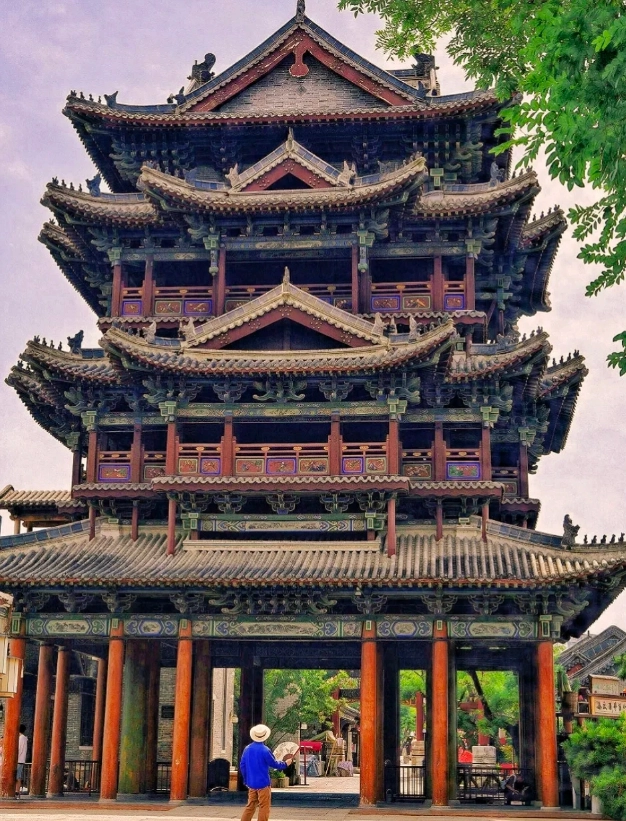
What Should You Know Before Visiting Shandong?
Visas: Many nationalities can enter China visa-free for up to 15 days under the 2024 policy, but it's always safest to check the National Immigration Administration website. Payments: You must have Alipay or WeChat Pay linked to your foreign card. Cash is rarely accepted, and even taxi drivers expect mobile payment. I've seen travelers stumped — don't be that person. Language: English signage is almost nonexistent outside top attractions. Download Baidu Translate or Pleco and have offline packs. Connectivity: Google is blocked, so install a VPN before you land. Apple Maps and AMap use Chinese place names; learn the pinyin of your destinations. To avoid scams, always use official taxi lanes and insist on meter. If a driver suggests a "special tour" — refuse.
FAQ: Your Top Questions About Shandong Travel
Verified and fact-checked by the editorial team.





Thank you so much for sharing this! It is incredibly rare to find international travelers who have explored Shandong this deeply over so many years.
Your point about Rongcheng is spot on—those lengthy, empty sandy beaches are truly one of Eastern China's best-kept secrets, especially compared to the crowded southern coasts. You are also absolutely right about the infrastructure; the high-speed rail network and affordable DiDi rides have completely transformed how accessible the province is.
The tip about using a UK passport for senior citizen discounts at museums and attractions is pure gold! Many older international tourists don't realize that China's senior benefits (usually for those 60 or 65+) often apply to foreign passports just as much as local ID cards.
Authentic insights like yours are exactly why our independent writing team started our travel platform, https://gochinacompass.com/. We focus on helping international visitors navigate the real China, step off the beaten path, and travel like a local.
It sounds like you and your wife have gathered enough Shandong hidden gems to write a book! If you ever want to share more about your favorite beach camping spots or mountain treks, our community would love to hear them. Safe travels on your next trip back to the coast!
Been all over Shandong and it's Islands in 7 years of Lengthy Visits with my Wife who is Local .. This is a Fairly Accurate Comment as Fast Trains are a God send and Didi Hire is inexpensive .. Beaches in Rongcheng are Lengthy and Empty .. Sandy Beaches .. Mountain and Forest Treks .. Fantastic Food .. On a Budget ? then Buy or Pack a Tent and it's Safe to Camp on Beaches .. As a UK Senior Citizen my Passport gets me Reduced Travel and Museum Entry.