 Yan Zhou
Jump To Sections:
Ever stepped off a train in Huangshan and realized your phone map is a blank grid? That was me, three tours ago. The good news: Anhui tourist attractions are still the raw, misty magic you've seen in photos. The bad news: the logistics can eat you alive if you don't know the ropes.
I've spent the last five years guiding foreign visitors through Anhui's wild mountains and ancient villages. I've watched travelers struggle with WeChat-only tickets, get lost in bus stations, and miss sunset at Yellow Mountain because they trusted Google Maps. So I've packed everything I know into this guide — the exact routes, the hidden viewpoints, and the unforgivable rookie mistakes to avoid.
Here's the one thing to remember: Anhui's best attractions are spread out. You can't see them all in a day, and you shouldn't try. This guide will show you how to design a realistic, enjoyable trip.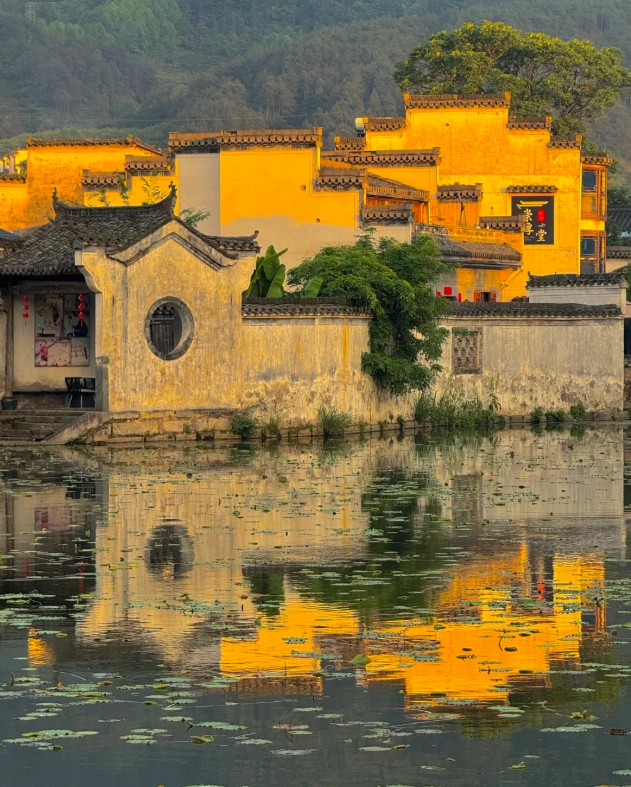
The Best Anhui Tourist Attractions for Your Bucket List
Let me save you hours of research. These are the places that deliver the magical China you came for. I've rated them on value, accessibility, and raw beauty.
Mount Huangshan (Yellow Mountain) — The Crown Jewel
If you see only one attraction in Anhui, let it be this. The sea of clouds, the oddly shaped pines, the sunrises that make grown travelers cry — Huangshan is the reason UNESCO listed it as a World Heritage Site. Here's the honest part: it's also the most crowded and physically demanding spot on your list.
I always tell my clients to book at least one night in a mountain hotel — not because the rooms are fancy, but because the sunrise from the summit is worth the 1,000 RMB price tag. The day-trippers don't get that experience.
- How to get there: Take the high-speed train to Huangshan North Station, then take the shuttle bus to Tangkou (approx. 40 minutes, 30 RMB). From Tangkou, transfer to the official tourist bus that takes you to the cable car stations.
- Tickets: Adult entry is around 190 RMB in peak season (March–November) and 150 RMB in winter. Cable cars are extra — about 80–100 RMB per ride. You must book the entrance in advance via the official WeChat account or through platforms like Trip.com. Bring your passport — it's used for real-name registration.
- Opening hours: The mountain is open from about 6:30 AM to 5:30 PM, but cable cars stop earlier. Last cable car up is usually around 4 PM, and down around 5 PM. Don't get stuck!
- Time needed: At least 2 days if you want to hike between peaks or catch a sunrise. With cable cars, you can do a 1-day loop, but you'll miss the best views.
Check the UNESCO World Heritage listing for a detailed history of why this mountain matters to humanity.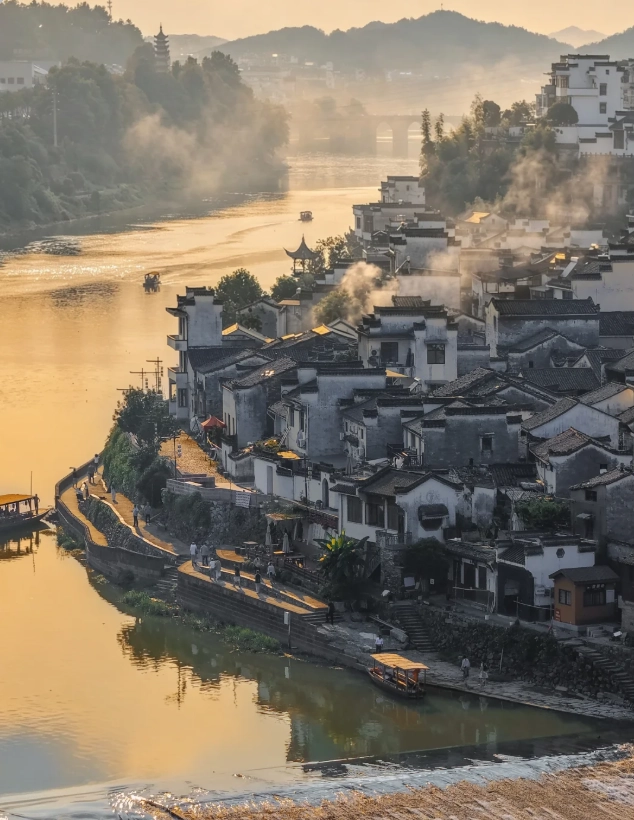
Hongcun and Xidi — Step Back in Time
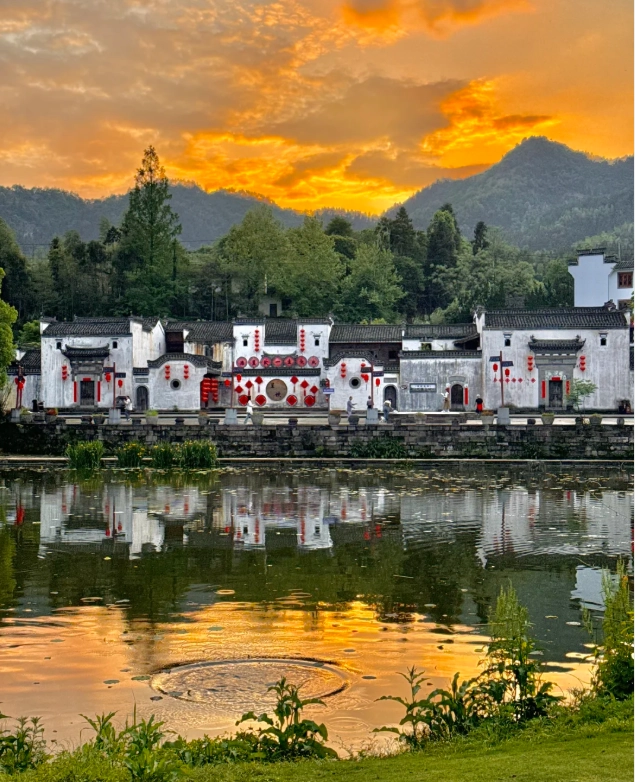
These two ancient villages are UNESCO-listed, and for good reason. Hongcun is the one with the iconic moon pond, often called the 'village in a picture.' Xidi is quieter, with more intact ancestral halls. Both are about 30–40 minutes by bus from Huangshan Tunxi area.
- How to get there: Take a bus from Huangshan Transport Hub to Hongcun (approx. 1 hour, 25 RMB). Xidi is 10 minutes further. Alternatively, join a day tour or hire a driver for around 200–300 RMB for both.
- Tickets: Hongcun: 104 RMB. Xidi: 104 RMB. Both require passports for booking. You can buy at the entrance, but we recommend booking online via Trip.com to skip the queue.
- Hours: Both open around 7:30 AM and close around 5:30 PM. Go early, before the tour groups arrive, or stay late for the golden light on the rooftops.
- Time needed: 2–3 hours per village. You can visit both in a half-day.
Insider advice: Don't just wander the main street. Turn into the small alleys behind the water channels — that's where the real life happens. I once spent an hour watching an old man hand-grind sesame paste. He gave me a cup — unforgettable.
Jiuhuashan — A Sacred Buddhist Retreat
For a different vibe, head to Jiuhuashan, one of China's four sacred Buddhist mountains. It's less crowded than Huangshan, but the temples and the pine-covered cliffs are stunning. The key difference: this is a pilgrimage site, so you'll see monks in yellow robes and pilgrims climbing stone steps on their knees.
- Getting there: Take a train to Chizhou Station, then a bus to Jiuhuashan (around 1 hour). Or combine it with Huangshan as a 2-night extension.
- Tickets: Around 160 RMB for the entrance, plus a mandatory shuttle bus inside the park (approx. 50 RMB).
- Hours: The scenic area is open from 7:30 AM to 5:00 PM, but temples stay open later.
- Time needed: A full day to hike the main peak (Tiantai) and visit key temples like the Baoshengsheng Temple.
Tunxi Old Street and More
Tunxi Old Street is a free attraction worth a couple of hours if you're staying in the city. It's a preserved Ming-Qing street with teahouses and souvenir shops. Not mind-blowing, but a pleasant stroll. I'd skip the fancy 'local snack' restaurants here — they cater to tourists. Head to the side streets for better prices.
Quick Comparison of Anhui's Big Three Attractions
| Attraction | Ticket Price (approx.) | Opening Hours | Suggested Time |
|---|---|---|---|
| Mount Huangshan | 190 RMB (peak) / 150 RMB (off-peak) | 6:30 AM – 5:30 PM | 1–2 days |
| Hongcun | 104 RMB | 7:30 AM – 5:30 PM | 2–3 hours |
| Jiuhuashan | 160 RMB + 50 RMB shuttle | 7:30 AM – 5:00 PM | 1 day |
How to Plan Your Anhui Tourist Attractions Itinerary
You've got the highlights. Now let's build a schedule that doesn't leave you exhausted. I've designed these routes based on my own guiding experience.
3-Day Classic: Huangshan + Hongcun + Tunxi
This is the sweet spot for most first-timers. You get the mountain, the villages, and city comfort without rushing.
Day 1: Arrive at Huangshan North Station. Transfer to Tunxi (the downtown area), check into your hotel, and spend the afternoon exploring Tunxi Old Street. Take it easy — you'll need energy for tomorrow.
Day 2: Early start. Take the shuttle to Tangkou, then visit Yellow Mountain by cable car. If you're not staying overnight on the mountain, take the last cable car down around 4 PM. Be prepared for queues on weekends.
Day 3: Take the morning bus to Hongcun (about 1 hour). Spend 2–3 hours wandering the village. If you're feeling adventurous, add Xidi in the afternoon. Then head back to Huangshan North Station for your train out.
Alternative: If you want to catch sunrise on Huangshan, book a hotel on the mountain for night 2. This means a more physically demanding day 2, but a magical morning. It's worth it.
5-Day Extended: Adding Jiuhuashan and More
If you have the time, this route adds a spiritual dimension. Follow the 3-day plan, then take an intercity bus or hire a driver to Jiuhuashan on day 4. Spend the day hiking and visiting temples. Day 5, return to Chizhou or Huangshan for departure.
Between stops, use the high-speed rail system. The whole region is connected by high-speed rail, but you'll need to book tickets via 12306.cn — it's in Chinese, but there's an official English mobile app called 'Railway 12306' that works with passports.
What to Skip (with Brutal Honesty)
Some attractions are overhyped. I'd skip Tangyue Archway Group unless you're a history buff. The ticket is 80 RMB, and while impressive, it's far from the other sites. Shexian Ancient City? Only if you have spare time.
Also, if you're short on time, skip the 'Huangshan Maofeng tea plantation tours' organized by hotels — they often end at a tea shop that pressures you to buy. Instead, buy tea from a local farmer or a reputable shop in Tunxi Old Street.
Tickets, Transportation, and Digital Gatekeeping — What to Expect
Here's where most foreign tourists hit a wall. This is the part I wish every guidebook explained clearly.
How to Book Tickets for Anhui Tourist Attractions
Nearly every major attraction in Anhui requires a real-name booking using your passport. You can't just show up and buy a paper ticket at most places — not anymore. The booking is usually through official WeChat mini-programs or third-party platforms like Trip.com and Klook. Trip.com is your safest bet because it's English-friendly and accepts international cards.
If a mini-program is giving you a headache, my go-to trick is asking the hotel front desk to book it for you. They're used to it and it takes two minutes. And always keep your passport on you — you'll need to flash it at the entrance.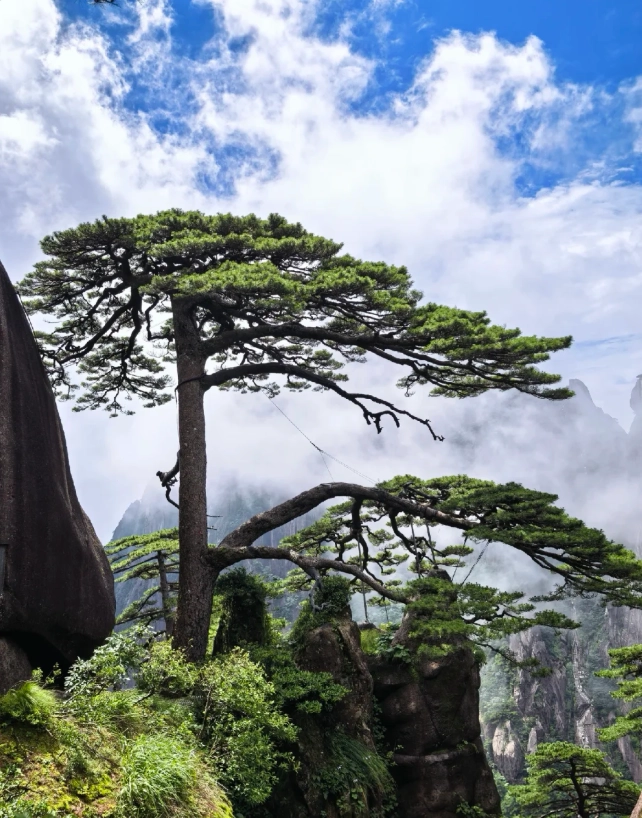
Getting Around: Trains, Buses, and Private Drivers
High-speed rail is king. For intercity hops, use the 12306 app. For attractions within a city, the public bus network is decent but slow. Taxis are cheap by Western standards, but make sure the driver uses the meter. For the most flexibility, consider hiring a private driver for a day to hop between Hongcun and Xidi — it'll save you 1.5 hours of waiting.
Insider Advice: Do not rely on Google Maps. It's erratic in China. Download Apple Maps (which works with Chinese map data) or use Amap (known as 'AMap Global'). I also recommend having a translation app like Microsoft Translator or Apple Translate for menu and sign reading.
Payment, VPN, and Language Survival Kit
Cash is becoming useless. In Anhui's rural areas, vendors may not accept credit cards at all. You need Alipay or WeChat Pay linked to your international bank card. I always tell clients to set this up before arriving — it takes 15 minutes with a hotel concierge or a Chinese friend.
Also, remember that Google services, including Google Translate and Google Maps, are blocked. Download my language cheat sheet: use Baidu Translate for offline translation, and bring a VPN that actually works in China.
A tiny bit of Chinese goes a long way. Learn 'dǎ chē' (taxi), 'qù...' (go to), and 'duō shǎo qián?' (how much?). But most tourist areas have some English signage.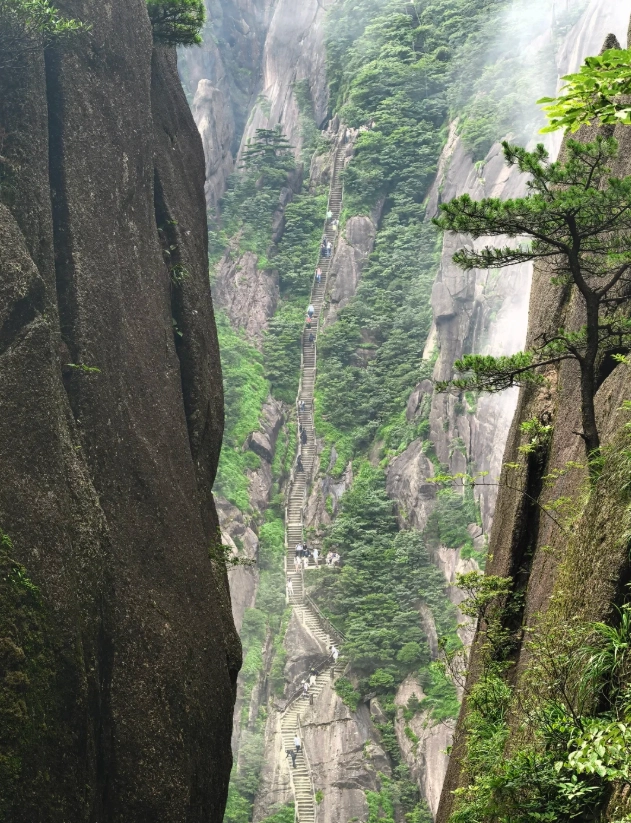
Avoiding Crowds and Staying Safe at Anhui Tourist Attractions
Let's talk about the elephant in the room — the crowds. Yellow Mountain can feel like a Shanghai rush hour on public holidays. Here's how to beat them.
Best Times to Visit Each Major Attraction
Mount Huangshan: Wait for golden hour. The most magical time is either sunrise (5:30–7:00 AM) or just before sunset (4:30–6:00 PM). It's also when tour groups have moved on. If you can, stay at the top overnight and be first at the Bright Summit.
Hongcun: Go before 8 AM. By 10 AM, the moon pond is ringed by tourists. The light at 7 AM is also perfect for photography.
Jiuhuashan: Weekdays are best. Avoid the first and fifteenth days of the lunar month, when Chinese pilgrims pour in.
Crowd-Dodging Tactics I Use on Every Tour
My number one rule: hire a private car or use the first bus of the day. On Huangshan, skip the cable car at Cloud Valley Temple — 90% of visitors use it. Instead, start from the Yungu cable car, which is closer to the summit.
Also, check the weather forecast. If it's overcast, you don't need to go — the view will be hidden. The best conditions are the day after rain, when clouds settle below the peaks.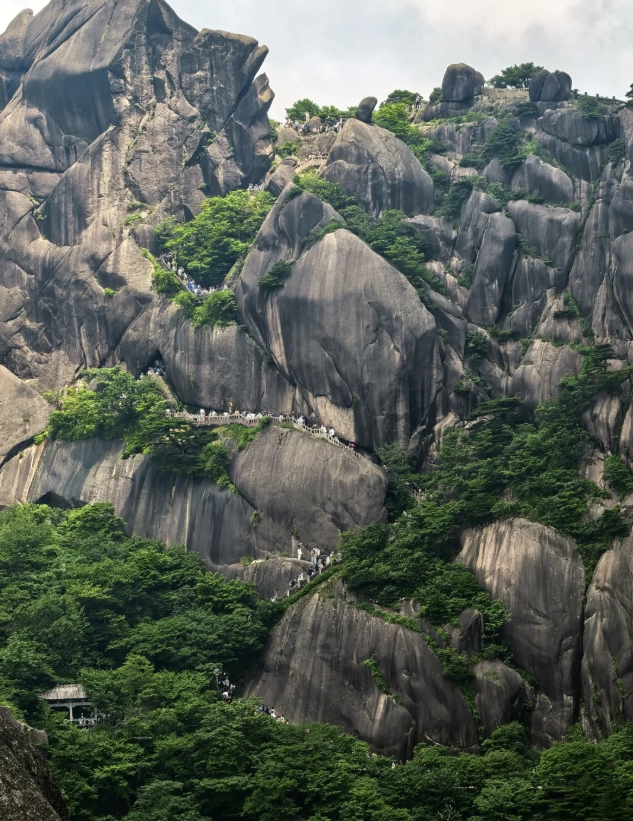
Safety Concerns in the Mountains
The stone steps on Huangshan are steep and often wet. I've seen plenty of sprained ankles. Wear proper hiking shoes with grip — not fashion sneakers. Take walking poles (you can buy them for 10 RMB at the bottom). And do not attempt the so-called 'west sea canyon' if it's closed for weather — it's dangerous.
Also, altitude sickness is rare below 1,800 meters, but pace yourself. The thin air plus a continuous climb can leave you lightheaded.
Frequently Asked Questions about Anhui Tourist Attractions
Verified and fact-checked by the editorial team.





No comments yet.