 Yan Zhou
Jump to the good stuff
Ever watched your tour group freeze in awe at Fujian's ochre cliffs? I have – dozens of times. This rugged southeastern province often gets bypassed for Shanghai's glitz or Beijing's history. That's a mistake.
So, is Fujian worth visiting? After 12 years leading tours here, my answer is a resounding yes – if you skip the tourist traps that crowd the standard itineraries. Most foreigners stick to Xiamen's Gulangyu Island and miss the real magic: sea caves you can kayak through, thousand-year-old tulou villages, and tea plantations that disappear into the mist.
Here's the deal: the most unforgettable Fujian experiences require pre-booking – many sites force you to reserve your slot with your passport online. You'll also need a VPN and either Alipay or WeChat Pay, because even ticket booths often go cashless. But don't worry – I've broken every step down below, including exactly which sights deserve your time and how to dodge the crowds.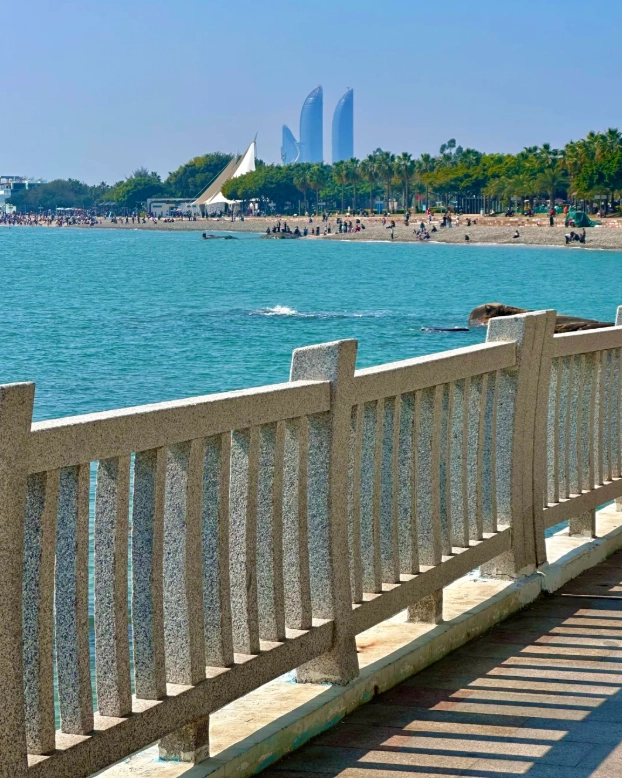
What Makes Fujian Worth Visiting?
Fujian is a province of dramatic contrasts. On one side, the Taiwan Strait carves out hundreds of islands and hidden coves. On the other, the Wuyi Mountains rise into misty peaks that look straight out of a Chinese ink painting. But what really sets Fujian apart is its maritime heritage – this was the starting point of the Maritime Silk Road, and you can still feel that pull in the old trading towns and local cuisine that leans heavily on the sea.
I remember sitting on a pier at Xiatan Bay in Ningde, watching locals harvest seaweed while the sun dipped behind a fishing boat. No other travelers were in sight. That off-the-radar feeling is exactly why I keep bringing people back.
Plus, you get UNESCO World Heritage sites without the Beijing crowds. The Fujian Tulou and the Wuyi Mountains both carry the UNESCO World Heritage listing – and both feel genuinely immersive rather than like a theme park.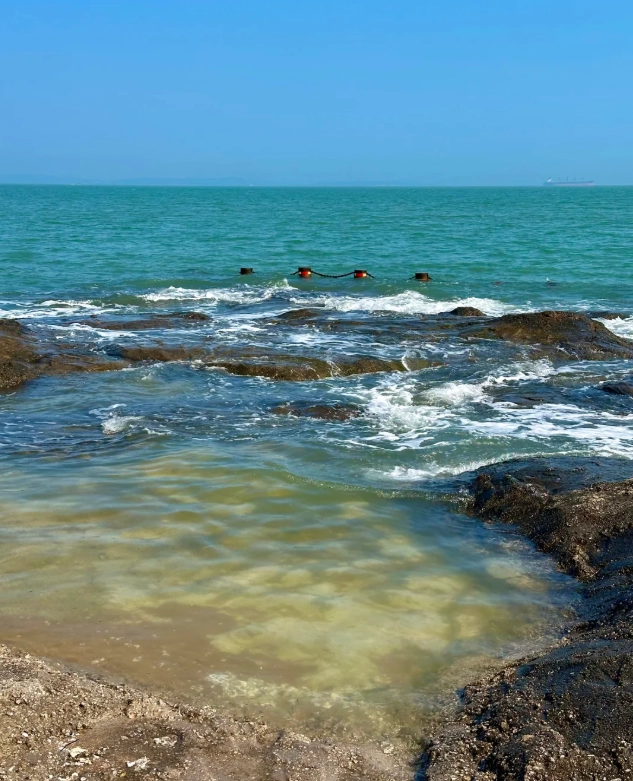
How Can You Plan a Worthwhile Itinerary?
Before we dive into attractions, you need a plan that keeps your energy high. Here's how I break it down for my clients:
If you have 3 days (Weekend Escape)
Fly into Xiamen. Spend Day 1 exploring Gulangyu Island and the vibrant Zhongshan Road Pedestrian Street. Day 2, take the high-speed rail to Quanzhou – the former Marco Polo "modern city" – and wander the Islamic–Chinese heritage sites. Day 3, catch an early train to Fuzhou for the Three Lanes and Seven Alleys. You'll need a return flight from Fuzhou or plan a bullet train back to Xiamen (about 2 hours).
If you have 5 days (Balanced Route)
Add a day for Wuyi Mountain. Fly into Wuyishan or take the new high-speed line from Fuzhou. Book the bamboo raft ride in advance; it sells out fast. Then combine with a tulou day trip from Xiamen instead of Quanzhou if ancient walled villages are more your vibe.
If you have 7 days (Deep Dive)
Loop through all three cities plus Ningde. For its coastal cliffs and Xiapu mudflats (photography heaven). Rent a car or hire a driver – I recommend using the Didi app to negotiate a long-term hire. Public buses are slow between these smaller spots.
Top 5 Fujian Attractions Worth Visiting
Here are the five places I never skip, plus the ones I always tell clients to reconsider.
1. Gulangyu Island (Xiamen)
Worth it, but go early or you'll be stuck in a human current. Take the ferry from Xiamen International Cruise Center. The round-trip ticket costs around 35 RMB and must be booked at least a day ahead – your passport is required. Once on the island, skip the crowded tourist shops and head to Sunlight Rock (entry ~50 RMB) for panoramic views. I always tell clients: the back alleys of the island are where the real charm lies, so wander away from the main paths.
Pro tip: The ferry terminal on the island side has a separate entrance for locals – foreigners must use the main hall. Your taxi driver may not know this, so just follow the signs for "international passengers".
2. Wuyi Mountain (Nanping)
A must-see for nature lovers – but plan for crowds. Entry to the scenic area costs about 140 RMB for the tourism combo (including the eco-village and rafting). The Nine-Bend River bamboo raft is the highlight – book online days before, because only ~500 rafts go out daily. Go in the morning or late afternoon to avoid tour groups. Wear sturdy shoes; those stone steps get slick in the rain.
3. Fujian Tulou (Nanjing/Yongding)
Overhyped for some, but it's a true cultural treasure. I take clients to the Chuxi Tulou Cluster – it's less visited than the main Hongkeng cluster, and honestly more evocative. Entrance is around 90 RMB. To get there, join a day tour from Xiamen (about 3 hours each way), or rent a car. The road winds, but the sight of those earthen castles rising from rice paddies is worth every minute.
4. Three Lanes and Seven Alleys (Fuzhou)
Free, walkable, and a slice of old China. Located in the heart of Fuzhou, this ancient block is completely open – no ticket needed for the main lanes. You only pay for small museums inside, like the Lin Zexu Memorial Hall (around 20 RMB). Go at dusk, when the red lanterns glow and most tour groups have gone. Don't miss a cup of Fuzhou jasmine tea at one of the old teahouses – it's a local obsession.
5. Xiapu Mudflats (Ningde)
A photographers' secret – bring your zoom lens. This isn't a classic "attraction" with a gate or ticket. It's a coastal area famous for wooden bridges, fishing boats, and golden reflection pools. The best time is at sunrise – plan to be there by 5:30 AM in summer. I've seen more visitors knocked out by the beauty here than at any paid site. Get a local driver to take you to Beidu and Dong'an Island.
Here's a quick comparison table for decision making:
| Attraction | Ticket Price (Foreign Visitors) | How to Get There | Time Needed | Best Time to Visit |
|---|---|---|---|---|
| Gulangyu Island | Ferry ~35 RMB + some sights (~50 RMB) | Ferry from Xiamen | 4-6 hours | Right when ferry opens (8:00) |
| Wuyi Mountain | ~140 RMB | High-speed rail to Wuyishan station + bus | Full day | 9:00 or 15:00 |
| Fujian Tulou | ~90 RMB (main cluster) | Car or tour from Xiamen | 5-6 hours | Morning (before tour coaches) |
| Three Lanes & Seven Alleys | Free, some small museums (~20 RMB) | Metro Line 1, Dongjiekou Station | 2-3 hours | Late afternoon |
| Xiapu Mudflats | Free | Hire a car from Ningde | 1-2 days for sunrise/sunset | Sunrise |
How Do You Get Around Fujian?
Fujian's transport network is actually pretty smooth once you know the ins and outs. Here's how I navigate it with my groups:
High-Speed Rail: Your Best Friend
The line connecting Fuzhou, Xiamen, and Quanzhou is efficient. Tickets go on sale 15 days ahead – use the official China Railway website or the app. Book your seat in advance, especially for weekend trains. I always prefer the D-trains (CRH) over G-trains for short hops – they cost a fraction, and the difference in time is minor.
Taxis & Ride-Hailing
Forget traditional taxis – drivers rarely speak English and sometimes ignore the meter. Instead, use Didi (the Chinese Uber). Set up a foreign card inside the app before you arrive, or ask your hotel to book a car. When you're out of big cities like Xiamen, you can still get a Didi, but response time may be 15-20 minutes. In Wuyishan or the tulou villages, I recommend hiring a local driver for the day – negotiate around 400-500 RMB for 8 hours.
Navigation Apps
Google Maps lies in China. It doesn't show up-to-date routes. Download Apple Maps (it works surprisingly well) or the AMap Global app before you go. Also screenshot your destinations in Chinese – you'll show them to taxi drivers to avoid painful communication.
Avoiding Peak Gridlock
If you're driving between Xiamen and Quanzhou, avoid rush hour (7:30-9:00 AM and 5:30-7:00 PM) – the highway turns parking lot. Take the high-speed rail instead, it's only 38 minutes.
| Route | Transport | Duration | Cost (RMB) | My Pick |
|---|---|---|---|---|
| Xiamen → Fuzhou | High-speed rail | ~1h40m | 120 (2nd class) | D-Train |
| Xiamen → Quanzhou | High-speed rail | ~30m | 60 | D-Train |
| Xiamen → Wuyishan | High-speed rail | ~3h30m | 250 | G-Train (less stops) |
| Fuzhou → Xiamen by car | Car | ~2h50m | 300 with tolls | Only if group of 4+ |
Where to Stay in Fujian Worth Every Budget
I've slept in everything from 50 RMB hostels to 1500 RMB boutique hotels. Here's what I recommend based on your travel style:
Xiamen: Stay near Siming District
You'll be right next to the ferry, trendy cafes, and nightlife. Mid-range hotels like Heritages Mansion go for ~500 RMB/night, but there are clean capsule hostels nearby for ~120 RMB. Just keep in mind that hotels in old streets might lack elevators – ask before booking if you have heavy luggage.
Fuzhou: Stay next to Three Lanes & Seven Alleys
The Shangri-La Hotel is luxurious (~900 RMB) but there are also charming guesthouses in the old alleys for ~300 RMB. I stayed at a traditional courtyard inn – the rooms were small but the breakfast rice noodles were unforgettable.
Wuyishan: Stay near the South Scenic Entrance
You want to be close to the rafting. The Wuyi Mountain Resort cluster has options from 300-800 RMB. Look for places with a shuttle service to the raft terminal – it saves you 20 minutes of staring at a map.
For Families: A-Bit Fujian Tulou Guesthouse
The Yuchang Building has overnight stays inside the earthen walls – it's rustic (sharing bathrooms sometimes), but you'll have the villages to yourself after 6 PM. Book through a local agency or Trip.com.
What to Eat in Fujian Worth Traveling For
Fujian cuisine is subtle yet layered – not as fiery as Sichuan, but with a deep umami from shrimp paste and soy. Here are the meals I always make my clients taste:
1. Sha Cha Noodles (沙茶面)
Chewy egg noodles drenched in a satay-peanut broth. I always order mine with pork liver and scallops. My go-to spot in Xiamen is Lao Si Sha Cha Mian at 112 Siming South Road – it opens at 7 AM and closes around sunset. Expect a queue of locals in the morning. It's about 25 RMB a bowl. Cash or Alipay/WeChat Pay accepted. No English menu – use your translation app.
2. Oyster Omelet (海蛎煎)
A savory jelly of fresh oysters, egg, and sweet potato starch. Often dipped in a spicy chili sauce. Head to Deng Chao's stall (yes, the actor's family stall) on Zhongshan Road in Xiamen – it's touristy but still good. Or try any street corner that sizzles. Around 15-20 RMB.
3. Buddha Jumps Over the Wall (佛跳墙)
This is the expensive one – a slow-cooked broth with abalone, shark fin, and dozens of ingredients. You gotta try it once. Go to Fuzhou's Old Restaurant (Gulou District, near Sanfang Qixiang) – a big bowl costs around 150 RMB, but you can share. Ask for the "small pot" if you're dining solo.
4. Rou Yan (肉燕) – Pork Dumplings
These are unlike any dumpling – the wrapper is made from pork and flour. Try them at Dabozi in Sanfang Qixiang, Fuzhou. It's cheap – 15 RMB for a huge bowl.
5. Tea Snacks & Oolong
Fujian is the birthplace of Oolong tea. Visit a xiaoyuan (tea garden) near Wuyi Mountain and try Da Hong Pao – literally "Big Red Robe". The locals will keep refilling your cup, so don't drink too fast.
Pay with Alipay or WeChat Pay at local stalls – cash is still accepted, but you'll get awkward looks when you pull out paper money.
Practical Tips to Make Fujian Worth It
Let's talk logistics, because this is where most visitors stumble.
Payments: Go Cashless or Stay Home
Even hawkers in Fujian's smallest villages sport a QR code for Alipay and WeChat Pay. For visitors, the best hack is to link your international credit card to Alipay before you land. In a pinch, cash works at all official hotels and major restaurants, but for the juicy street food, you'll want QR. I also carry a backup 100 RMB note – just in case.
VPN: Non-Negotiable
Google, WhatsApp, Instagram – all blocked in China. Install a reputable VPN before you arrive. My group members use Astrill or ExpressVPN; make sure it's updated and you have a hotspot plan. Without it, you can't use Google Maps or most Western services.
Booking Attractions with Your Passport
Most major sites (Gulangyu Ferry, Wuyi Raft, some museums) now require real-name booking using your passport number. The English-friendly platforms are Trip.com and Klook – they handle the mini-program hassle for you and you'll get a QR code to scan. Look for those official booking sites if possible.
Language & Translation
English is almost non-existent outside big hotels. I get by with the Apple Translate app – it works offline if you download the Chinese pack. Also, learn two phrases: xiè xie (thank you) and duō shǎo qián (how much). They'll warm you to any stall owner.
FAQs
So, is Fujian worth visiting? I'll say it straight: if you skip it, you'll miss the most authentic mix of coastal China and rustic mountain culture. Plan ahead, respect the local habits, and you'll leave with stories most travelers to China never get.
Verified and fact-checked by the editorial team.







No comments yet.