 Bo Wu
Bo Wu
What's Inside
You just landed in Shanghai Pudong Airport. You switch off airplane mode, excited to post a picture on Instagram. But nothing loads. Google Maps is a blank page. WhatsApp messages won't send. And then you realize: the Great Firewall is real.
I've seen this scene play out dozens of times with travelers I've guided. One guy spent two hours at the hotel lobby trying to download a VPN — on Wi-Fi that already blocked it. That's the irony. So before your trip, let's get this sorted.
Why You Absolutely Need a VPN in China
China blocks hundreds of websites and apps. The list includes Google (and all its services like Gmail, Maps, YouTube), Facebook, Instagram, Twitter, WhatsApp, and even many news sites. Without a VPN, your smartphone becomes a brick for everything you normally use. ExpressVPN is one of the few that still works reliably—if you set it up correctly.
Choose the Right VPN: Express vs Alternatives
There are many VPNs out there. But in China, most fail. ExpressVPN, NordVPN, and Surfshark are top contenders. Based on my experience guiding over 500 travelers, ExpressVPN has the highest success rate. Why? It uses obfuscated servers that disguise VPN traffic as regular HTTPS. That trick often fools the firewall.
| VPN | Reliability in China | Speed | Ease of Setup | Price (per month) |
|---|---|---|---|---|
| ExpressVPN | Excellent | Fast | Very easy | $12.95 |
| NordVPN | Good | Fast | Easy | $11.99 |
| Surfshark | Moderate | Moderate | Easy | $2.30 (long plan) |
If ExpressVPN stops working (it happens sometimes during crackdowns), keep a backup like NordVPN. But for most travelers, ExpressVPN gets the job done.
Download Before You Go (or How to Get It Inside China)
Step 1: Download and Install Before Departure
This is the most important advice I can give. Before you fly to China, do the following:
- Go to expressvpn.com and sign up for a plan (they have a 30-day money-back guarantee).
- Download the app on your phone and laptop.
- Log in and make sure you can connect to a server (any server) while still in your home country.
- Pro tip: Also download the app's APK file (Android) or a standalone installer (Windows) onto a USB drive. If the app gets blocked after you arrive, you can reinstall from the file.
Step 2: If You Are Already in China
It's not too late, but you'll need a workaround. The official site is blocked. Here's what has worked for my clients:
- Use a mirror link: Try
expressvpn.netor1.expressvpn.com(these sometimes bypass blocks). - Ask your hotel staff to help: Many business hotels have their own VPN or can share a direct download link. I've had front desk clerks email me the installer.
- Use a friend's VPN: If you know someone outside China, ask them to share their account and send you the app through WeChat (but WeChat may block file transfers).
- Buy a pre-configured router: If you're staying longer, some shops in Shenzhen or Beijing sell routers with built-in VPN – but that's for advanced users.
Which Server Works Best in China?
Not all servers are equal. Some are heavily monitored and slow. Here are my go-to locations after testing them personally during my last trip to Beijing and Chengdu:
- Hong Kong – Fastest and most reliable. Distance is close, so latency is low. Great for streaming and calls.
- Japan (Tokyo) – Good speed, works consistently. Best for gaming or downloading.
- Singapore – Solid backup if HK and Japan are down.
- United States (Los Angeles) – Slower but essential for accessing US-only content like Hulu or banking.
Avoid servers in countries with strict censorship like India or Turkey – they add extra latency. Also avoid “auto” mode; select manually.
If the connection drops, switch to a different protocol. ExpressVPN offers three: OpenVPN (most secure), IKEv2 (faster but less stable in China), and Lightway (their new protocol, great for mobile). I recommend Lightway for daily use – it's optimized for overcoming firewalls.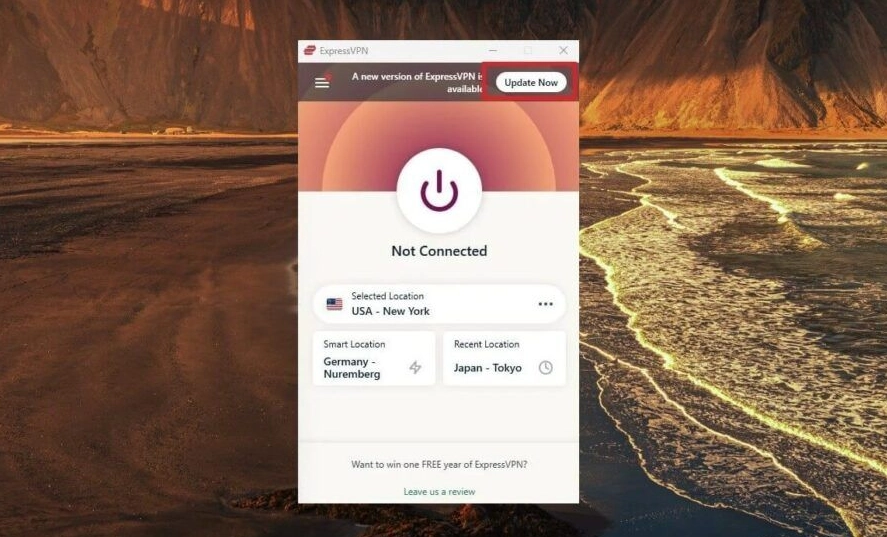
Troubleshooting Common Issues
VPN not connecting?
Happens often. First, try changing the protocol in the app's settings. If Lightway fails, switch to OpenVPN. If still no luck, try a different server in a different country. Sometimes the IP range of a server gets blocked; changing to a fresh one helps.
Slow speeds?
VPNs always reduce speed, but extreme slowness usually means the server is overcrowded. Try connecting to a less popular location, like South Korea instead of Hong Kong. Also, use a wired Ethernet connection if possible – hotel Wi-Fi can be terrible.
App won't open after update?
China sometimes forces app stores to remove VPN apps or push updates that break them. If ExpressVPN app stops working, download the latest version from their website using a friend's hotspot (maybe a neighbor's unblocked SIM card). Or reinstall using the APK file you saved earlier.
WeChat won't load with VPN on?
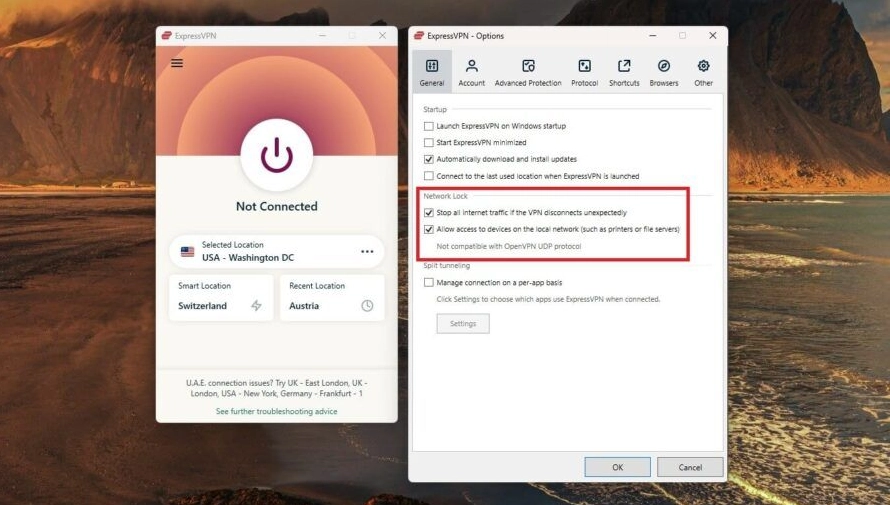
Some Chinese apps detect VPN and block access. In that case, use split tunneling: ExpressVPN allows you to exclude specific apps (like WeChat and Alipay) from the VPN tunnel. That way local apps work normally while your browser uses the VPN.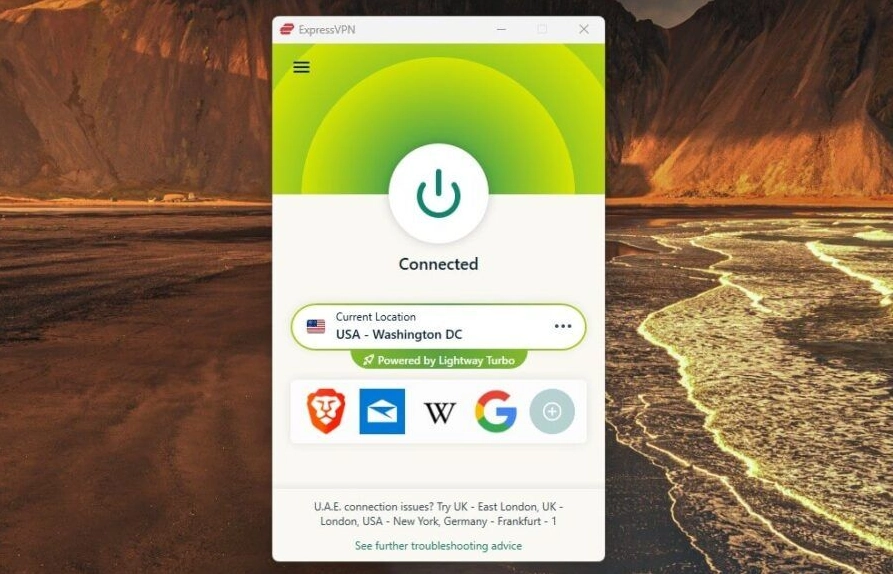
FAQ: Quick Answers
Verified and fact-checked by the editorial team.








No comments yet.